REVIEW · BERLIN
Berlin: Sachsenhausen Memorial 6-Hour Tour in Spanish
Book on GetYourGuide →Operated by cultourberlin by cultour-incoming · Bookable on GetYourGuide
Station Z changes how you read history. This 6-hour Sachsenhausen tour from Berlin is serious but well paced, using Spanish interpretation to explain how the camp functioned, not just what happened. I love the chance to walk the A Tower roll-call area and then face Station Z with a guide who keeps the story clear and structured. I also like how the tour ties together the Nazi camp system and what came next under Soviet control using personal accounts, photographs, and official documents.
One consideration: this is a mostly outdoor, moving experience in a former prison site, so the day can feel long—especially if you forget snacks, water, or warm layers. Also, you’ll need the right transit ticket for the trip out.
In This Review
- Key things to know before you go
- Meet at Alexanderplatz and get your bearings fast
- Train out of Berlin: a 50-minute ride with the right mindset
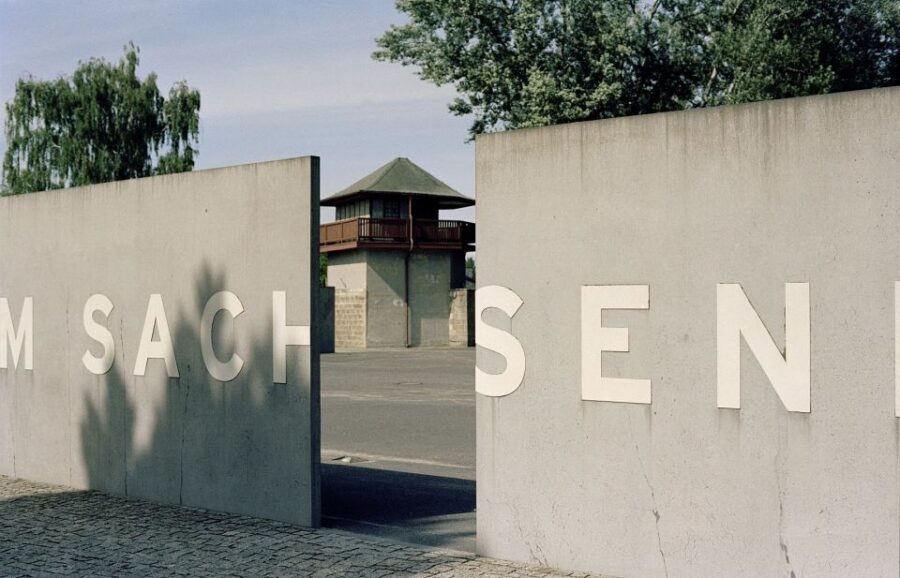
- Enter Sachsenhausen: the camp as a model and an administration hub
- The A Tower roll-call area: where control was routine
- Station Z: why this stop is explained clinically
- Museum and exhibits: how documents turn confusion into clarity
- GDR memorial: the story keeps moving after the war
- Nazi Germany and Soviet Russia: learning the camp as a chain of power
- Timing and pace: a six-hour day that’s intense, not rushed
- Price and what you’re actually getting for your money
- What to bring (and what to skip) for Sachsenhausen
- Wheelchair accessible, with some real-world considerations
- Should you book this Sachsenhausen Spanish tour?
- FAQ
- FAQ
- What language is the tour?
- How long is the Sachsenhausen tour?
- Where do I meet the tour group in Berlin?
- How do I get to Sachsenhausen from Berlin?
- Do I need a public transport ticket?
- Is the tour wheelchair accessible?
- What are the main places the tour visits?
- Is the €3 foundation surcharge included in the price?
- Should I bring snacks and drinks?
- Is it possible to cancel and get a refund?
Key things to know before you go
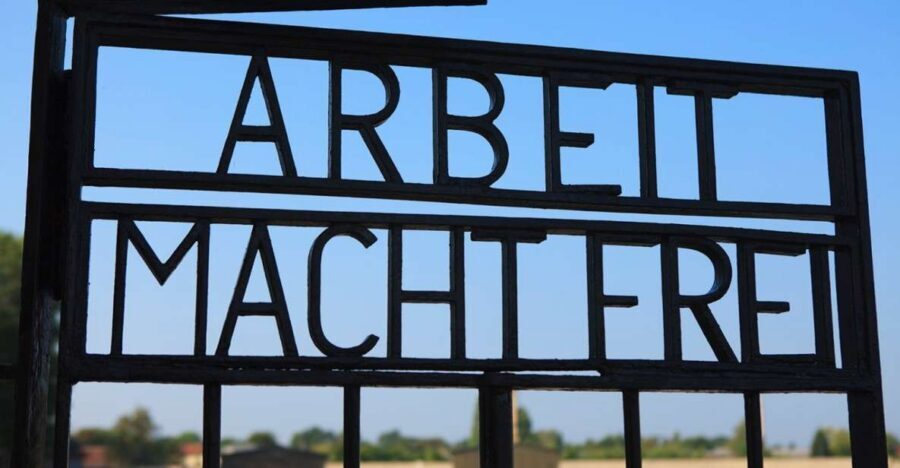
- A Tower and Station Z are the two signature stops, and they explain the camp’s purpose in practical, visual terms.
- The tour connects Nazi Germany to Soviet Russia, so you understand Sachsenhausen as a system, then a reuse of that system.
- You’ll learn about camp life basics: work performed by prisoners and what daily existence could involve.
- There’s a museum and exhibits on site, which helps fill in the context behind what you see.
- The tour also includes the GDR memorial, adding another layer to the story after the war.
Meet at Alexanderplatz and get your bearings fast
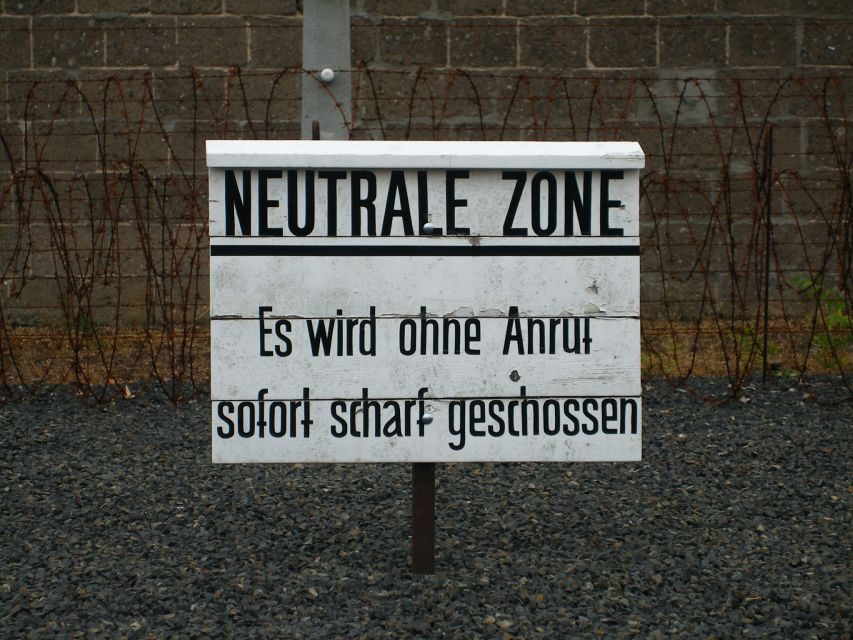
Berlin tours can start in one of two ways: messy, or organized. This one starts in the middle of the city’s energy and keeps it simple. Your meeting point is at the Alexanderplatz TV Tower area: look for a green flag with the text tours en español, right by the single entrance to the Fernsehturm. The instructions are very specific—between the Fernsehturm and the Alexanderplatz train station, next to the Espresso House.
Why I like this setup: it makes it easy to find your group without hunting. If you’re arriving in Berlin on public transport, Alexanderplatz is one of those stations that’s hard to mess up. And once you’re with your guide, the tone shifts quickly from normal city life to the sobering reason for the trip.
This is a Spanish-language tour, and that matters. At Sachsenhausen, the details matter, and a good guide helps you keep up with what you’re seeing—so you don’t miss the meaning while you’re busy reading signs or scanning the grounds.
You can also read our reviews of more tours and experiences in Berlin.


Train out of Berlin: a 50-minute ride with the right mindset
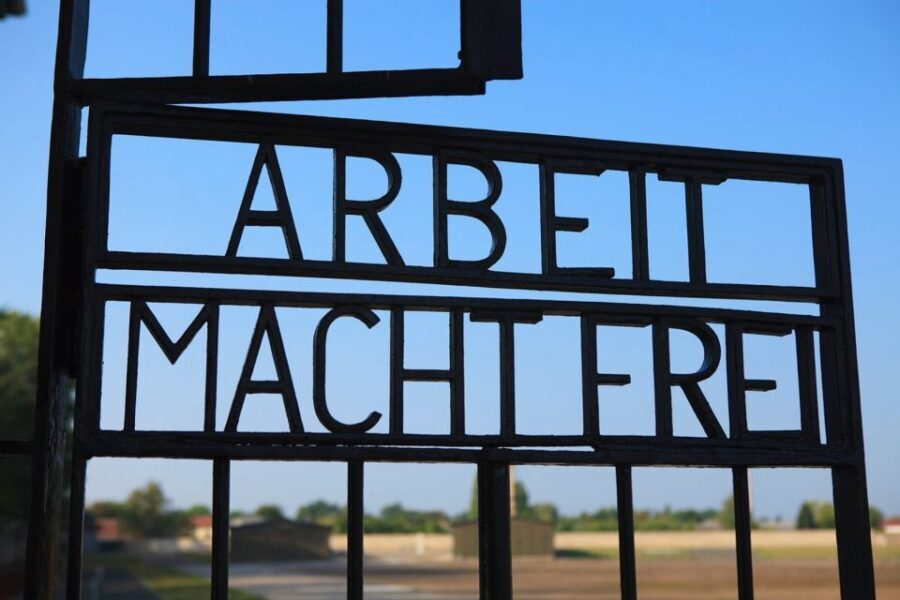
From Alexanderplatz, the group heads north to the Sachsenhausen area. You’ll take a train ride that takes about 50 minutes, and the route gets you away from the city rhythm without making you feel rushed.
That time is useful. You get a buffer to review what you’re going to see next, and it helps the day land in your body before you step onto the grounds. On a sensitive site like this, I find it helps to arrive mentally ready, not still sorting out how to get there.
If you’re the kind of person who likes to map things in your head, this is also when you can do it. You’ll be visiting the camp’s structured areas, including the roll-call setup and Station Z, plus additional memorial and museum spaces. When you understand that you’re walking through an organized system, not random ruins, the whole experience clicks faster.
Enter Sachsenhausen: the camp as a model and an administration hub
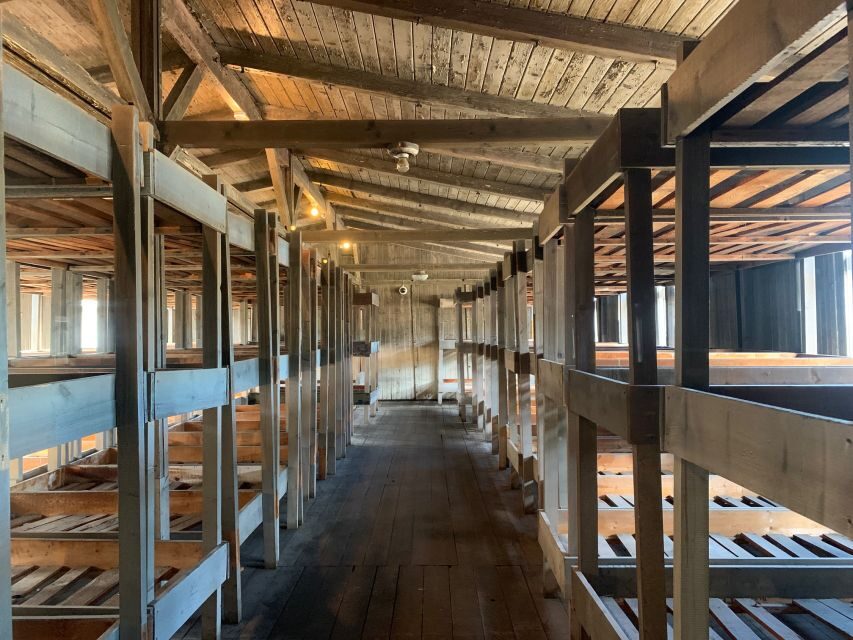
Sachsenhausen wasn’t just a place where people were held. It was designed and used as a model camp. It also became the administrative center for other Nazi concentration camps. That detail changes how you read the site. Instead of thinking of it as one isolated location, you start seeing it as a tool—built to run efficiently.
As you move through the grounds, your guide frames the story around origins, camp life, and the kind of work prisoners were forced to do. The tour also uses the kind of materials that help you understand how the system was justified and documented—survivor accounts, photographs, and official documents. That blend matters because it keeps the experience from becoming only visual or only emotional. You get evidence and explanation together.
And then there’s the scale. Over 200,000 people passed through Sachsenhausen, and at least 50,000 of them died. Those numbers aren’t trivia. They’re a reminder that this site wasn’t one incident—it was an ongoing mechanism.
The A Tower roll-call area: where control was routine
The A Tower is one of the most important stops on the tour, and for good reason. This was the roll-call location of the camp. That tells you what the camp prioritized day after day: organization, surveillance, and control.
Even if you’ve read about camps before, walking up to the roll-call point changes the story. You’re not just learning a concept. You’re seeing the geometry of power—where people were counted, where observation took place, and where routine turned into a tool of harm.
I also like that the tour doesn’t treat A Tower as a standalone attraction. It slots into the larger camp explanation: how the system worked, why Sachsenhausen served as a model, and how prisoners were processed and used. When the guide connects the roll-call structure to the rest of what you see, the site becomes easier to understand instead of just heavy to look at.
Station Z: why this stop is explained clinically
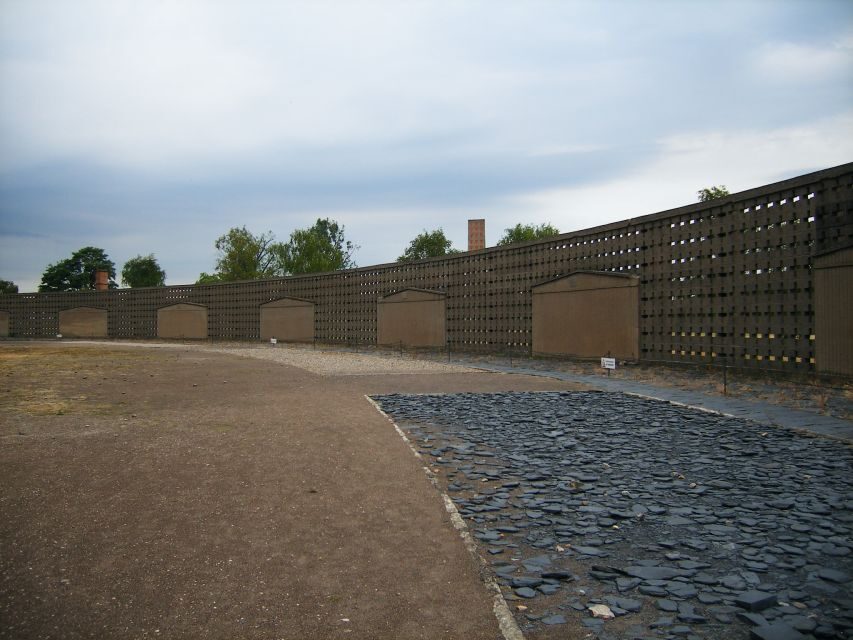
If A Tower represents the camp’s daily administration, Station Z represents the camp’s purpose at its darkest. Station Z was added in 1942 with the intent of killing victims quickly and clinically.
That phrase can sound cold. The tour handles it the right way by grounding you in what you’re looking at and what it meant operationally. This is not a stop for casual picture-taking or quick glances. You’ll want to slow down, listen, and let the guide’s Spanish explanation do its job.
What I appreciate most here: you’re not left with vague horror. You get explanation tied to the site’s function. That’s also why having a skilled guide matters. One of the strongest themes from Spanish-language tours is whether you can follow the logic and terminology without feeling lost. The better guides explain the camp as a system, including how it functioned from a legal and administrative angle—so you can understand the machinery, not just the outcome.
Because Station Z is so central to the camp story, it’s also likely the stop where your emotions hit first. Plan to take your time, and don’t worry if you feel a little shaken. That’s part of what memorial places are built to provoke: recognition, reflection, and learning.


Museum and exhibits: how documents turn confusion into clarity
After the outdoor, spatial parts of the tour, you’ll get the context that helps everything make sense. Sachsenhausen includes a museum and various exhibits, and the tour uses those spaces to explain the origins of the camp and what life could have been like.
This is where the tour’s structure becomes a real advantage. The day isn’t just walking. It’s a guided explanation of how prisoners lived, what they were forced to do, and how the camp’s purpose evolved over time.
You’ll also see how personal accounts, photographs, and official documents fit together. When you can compare what people experienced with what was recorded, the story becomes harder to dismiss or simplify. And when you understand camp life and forced labor at Sachsenhausen, you stop treating the camp as only a historical setting and start seeing it as a human system designed to exploit.
It’s the difference between knowing a name and understanding what that name means.
GDR memorial: the story keeps moving after the war
One reason this tour feels more complete than a basic concentration-camp walkthrough is the way it continues beyond the Nazi era.
After Hitler’s fall, the camp was transformed by the Soviets into a gulag for their own prisoners. Today, Sachsenhausen is preserved for educational purposes as a memorial site for those who were killed. That “what happened next” matters because it shows how sites and structures can be reused under different regimes.
The tour also includes the GDR memorial. That adds a layer of postwar memory and political history that helps you understand why the site is handled the way it is today. Instead of ending at the moment of liberation or defeat, the tour keeps the timeline moving and shows that memorial work is not frozen in time. It reflects what later societies chose to remember and teach.
If you want a visit that doesn’t stop at one chapter, this is a strong fit.
Nazi Germany and Soviet Russia: learning the camp as a chain of power
The tour’s highlight list points to both Nazi Germany and Soviet Russia, and you really feel that as the story unfolds. The camp becomes a bridge between two systems of oppression: the Nazi concentration camp model and then the Soviet use of the site as a gulag space.
Why you’ll like that approach: it prevents the easy mental shortcut that says history is just separate tragedies that ended. Instead, you see continuity in how control and incarceration can be organized.
The guide’s job here is critical. You need clear explanation in Spanish to follow the shifts in purpose and timeline. When the guide can also explain how the system worked from an administrative or legal perspective, it helps you understand how policies become real power on the ground.
Timing and pace: a six-hour day that’s intense, not rushed
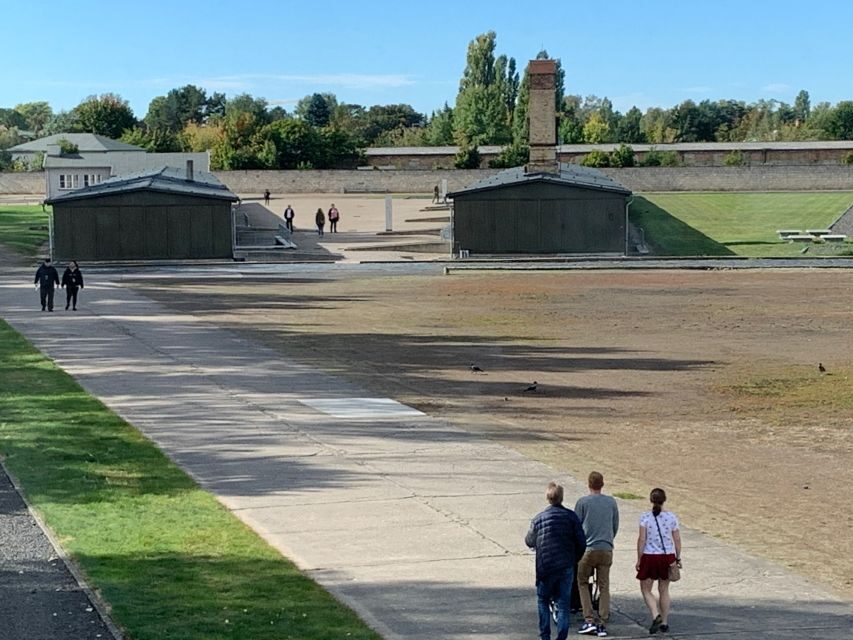
The whole tour runs about 6 hours. That’s long enough to cover key areas like A Tower and Station Z, plus museum time and memorial spaces, but not so long that you’re stuck on-site indefinitely.
The pace matters. You’ll be moving between parts of Sachsenhausen, spending time listening and reading, and then resetting your focus as the guide changes the historical thread. If you’re sensitive to long, quiet memorial moments, you might want to bring a plan for yourself: take breaks when you need them, and don’t feel guilty if you need a moment away from the group.
Also, remember there’s no quick stop to grab anything once you’re there. Sachsenhausen does not have a shop, so snacks and drinks matter.
Price and what you’re actually getting for your money
The tour costs $41 per person, plus there’s a €3 concentration camp foundation surcharge that’s included in the tour package. The big value isn’t just the price tag—it’s what you’re buying.
You’re paying for:
- a Spanish-speaking guide who can explain what you’re seeing in a structured way
- full access to the tour’s main concentration-camp features, including A Tower and Station Z
- context through museum/exhibits and documentary and survivor-based materials
- a timeline that reaches beyond the Nazi period into the Soviet and GDR memorial layers
Could you do some of this on your own? Sure. But the practical advantage of a guided tour is clarity. At Sachsenhausen, details can blur if you’re reading alone and trying to connect everything from signage. A guide helps you stitch the story together while you’re standing in the locations where it happened.
So if you want a first, meaningful Sachsenhausen visit—especially in Spanish—this price can feel very fair.
What to bring (and what to skip) for Sachsenhausen
This is where preparation pays off.
Bring:
- Snacks and drinks. There’s no shop at Sachsenhausen, and the day is long enough that hunger or dehydration will distract you.
- Warm layers. The camp grounds are exposed, and weather can hit hard. Even if you don’t think you’ll need a jacket, Sachsenhausen can feel windy and cold.
Skip:
- Anything that makes you rush. This isn’t the kind of place where you want to speed through. Let yourself take the time the guide gives you.
One more practical tip: if you’re used to relying on app messaging or email, keep an eye on having a reliable contact method for the tour provider. It’s helpful on any day when calls or messages are finicky.
Wheelchair accessible, with some real-world considerations
This tour is listed as wheelchair accessible, which is a major plus. Still, you should be prepared for the physical realities of a memorial site: uneven ground and outdoor distances can affect comfort.
If mobility is a concern, it’s worth planning for extra time and asking the tour operator what the route looks like on the day. The tour includes access to key features (including the main stops), so the accessibility plan likely matters more than a generic “accessible” label.
Should you book this Sachsenhausen Spanish tour?
Book it if you want your first Sachsenhausen visit to feel organized and understandable, not just emotionally heavy. The combination of A Tower, Station Z, museum/exhibits, and the GDR memorial gives you a fuller picture of how the camp operated and what happened after.
Skip it or reconsider if you can’t handle long, outdoor memorial time, or if you hate needing to prepare for your own comfort (snacks, water, layers). Also, if you’re looking for only a quick photo-stop tour, this won’t match your style.
Overall, for a 6-hour Spanish-guided experience priced at $41 plus the €3 surcharge, it’s strong value because you’re not just visiting sites—you’re understanding a system.
FAQ
FAQ
What language is the tour?
The live tour guide speaks Spanish.
How long is the Sachsenhausen tour?
The duration is 6 hours.
Where do I meet the tour group in Berlin?
Meet at the Alexanderplatz TV Tower (Fernsehturm). Find a green flag that says tours en español next to the only Fernsehturm entrance, between the TV tower and Alexanderplatz train station, next to the Espresso House.
How do I get to Sachsenhausen from Berlin?
You’ll take a train ride for about 50 minutes to the northern outskirts of Berlin, where the camp is located.
Do I need a public transport ticket?
Yes. A public transport ticket covering zones ABC is needed.
Is the tour wheelchair accessible?
Yes, the tour is listed as wheelchair accessible.
What are the main places the tour visits?
You’ll see the A Tower and Station Z, plus the National Memorial Sachsenhausen and a GDR memorial.
Is the €3 foundation surcharge included in the price?
Yes. The concentration camp foundation surcharge of €3 is included.
Should I bring snacks and drinks?
Yes. It is advisable to bring snacks and drinks because there is no shop at Sachsenhausen.
Is it possible to cancel and get a refund?
Yes. Free cancellation is available up to 24 hours in advance for a full refund.