REVIEW · BERLIN
Potsdam Walking City Tour
Book on Viator →Operated by REMAZ TOURS GmbH · Bookable on Viator
Potsdam packs a lot into one day. This walking city tour gives you palaces, gardens, and Cold War touchpoints just outside Berlin—plus a guide to connect the dots from Frederick the Great to Churchill, Truman, and Stalin. You’ll get an easy rail jump to Potsdam, then a park-and-palace day built around Sanssouci and the Potsdam Conference sites.
What I like most is the small-group feel (max 15), which means your guide can actually answer your questions. I also like how the route mixes “pretty postcard” stops—like the Dutch Quarter and Sanssouci’s park paths—with “wait, that happened here” moments, such as the Glienicke spy swapping Bridge and Cecilienhof.
One thing to weigh: this is a walking-focused day, and transport within Potsdam can be on foot plus public transit. If you’re older, have mobility limits, or hate being on a tight schedule with frequent meeting points, you may find the pace tiring—especially on bad-weather days.
In This Review
- Key Highlights You’ll Care About
- Potsdam Palaces and Cold War Stops in One Tight Schedule
- Getting From Berlin to Potsdam: Trains, Pickup, and a Hard Stop at 3 pm
- Dutch Quarter: Red-Brick Charm With a Military Backstory
- Sanssouci Palace Grounds: Why the Gardens Matter More Than One Landmark
- Glienicke Bridge and Cecilienhof: The Cold War Moment You Can Feel
- How the 6 Hours Actually Feels: Walking, Transfers, and Lunch Gaps
- Price and Value: What You’re Paying For at $180.62 per Person
- Guide Quality Makes a Real Difference (And You’ll Notice It)
- Who This Potsdam Walking Tour Is Best For
- Should You Book This Potsdam Walking City Tour?
- FAQ
- Where does the tour start, and what time does it run?
- Is the tour in English?
- How many people are in the group?
- What’s included in the price, and what isn’t?
- Is admission included?
- What happens if the weather is bad?
Key Highlights You’ll Care About
- UNESCO Potsdam day trip: palaces and parks you’ll recognize the moment you arrive
- Cold War landmarks on the route: Glienicke Bridge and Cecilienhof’s Potsdam Conference setting
- Sanssouci Palace gardens: a big part of the experience is the park walking, not just one building
- Dutch Quarter red-brick architecture: a unique European ensemble tied to Frederick William I’s Dutch artisans
- Small-group guiding: better conversation and more attention (and yes, guide personality matters)
Potsdam Palaces and Cold War Stops in One Tight Schedule
Potsdam is the kind of place that makes Berlin feel louder. The city spreads out over parks and waterways, and the palaces sit inside landscaped grounds like they were always meant to be part of a stroll. That’s exactly why this tour works: it’s not just a bus-and-drop photo run. You’re moving through the city in a way that lets the sights “click” as a system.
You’ll spend your time connecting three eras. First is the Prussian power story—Frederick William I, Frederick the Great, and the royal gardens that signaled status. Next comes the World Heritage setting: centuries of architecture and planning across hundreds of acres. Then you shift to the Cold War chapter, where Potsdam becomes the political stage for decisions that shaped Europe for decades.
If you want a day that feels like you left Berlin, but still want it organized and guided, this tour hits a good middle ground. You get structure without losing the chance to slow down and look closely.
You can also read our reviews of more city tours in Berlin

Getting From Berlin to Potsdam: Trains, Pickup, and a Hard Stop at 3 pm
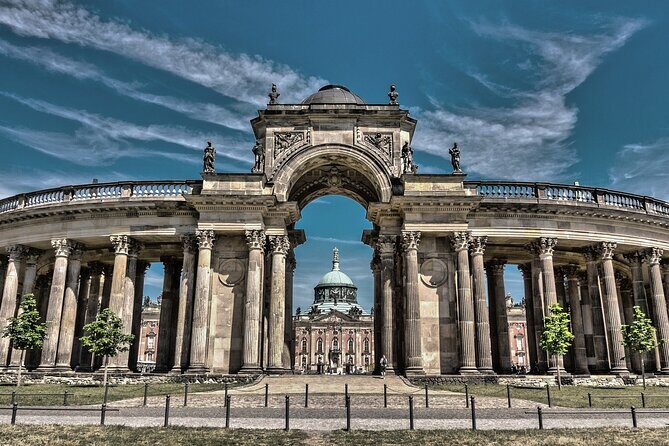
The day is built around a Berlin-to-Potsdam train transfer, and your start time is 9:00 am. Pickup is offered, with your local guide meeting you at your hotel lobby at 9 am. Expect the day to run until about 3:00 pm.
That timing matters because you’ll be moving at “scheduled sightseeing” speed. Your guide will manage the flow between stops, and the day will feel full—no time-killing. Also, remember: transfers can take longer depending on traffic and the time of day, so if you’re the kind of person who hates uncertainty, keep a little patience handy.
Inside Potsdam, the tour may involve a mix of walking and public transport. In practice, that means you’re not only hoofing it, but you’re also hopping between segments with meeting points and travel time. On a great day, it feels efficient. On a rainy one, it can feel like you’re constantly refolding your plans.
Dutch Quarter: Red-Brick Charm With a Military Backstory
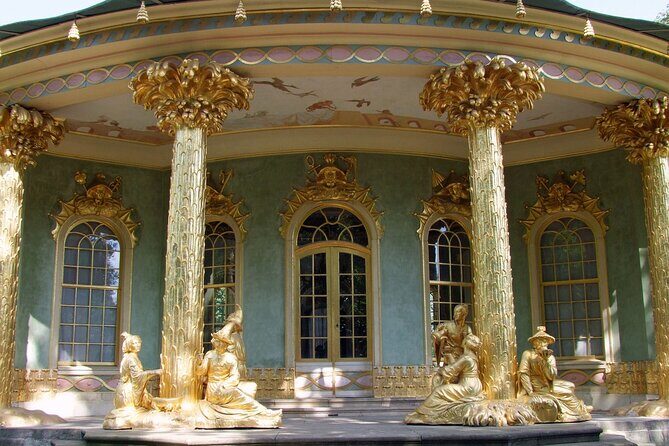
One of the most interesting early pieces is the Dutch Quarter, a cluster of red-brick buildings that stands out in Europe for its look and its origin story. This isn’t just a pretty neighborhood stop—it’s tied to how Potsdam grew.
You’ll hear about Frederick William I, often called the Soldier King. He’s known for unusual military enthusiasm, including the story of collecting giant men for his regiments. In the mid-1700s, he had homes built for a new community of Dutch artisans. That’s why the Dutch Quarter feels distinct: it’s not random architecture, it’s a purposeful settlement.
For you, that means the walk doesn’t just show buildings. It gives you a reason those buildings exist. And once you understand that, you notice more. You’ll start “reading” the street instead of just passing it.
Practical note: this is a walking day in all senses—meaning you’ll benefit from shoes that handle both cobblestones and long stretches. And since food and drinks aren’t included, plan to grab water early.
Sanssouci Palace Grounds: Why the Gardens Matter More Than One Landmark
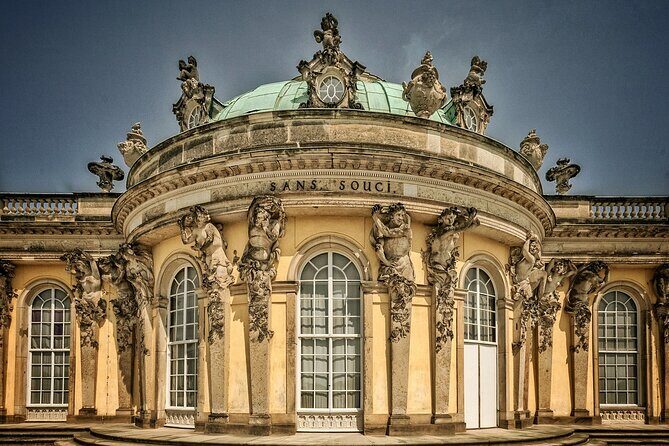
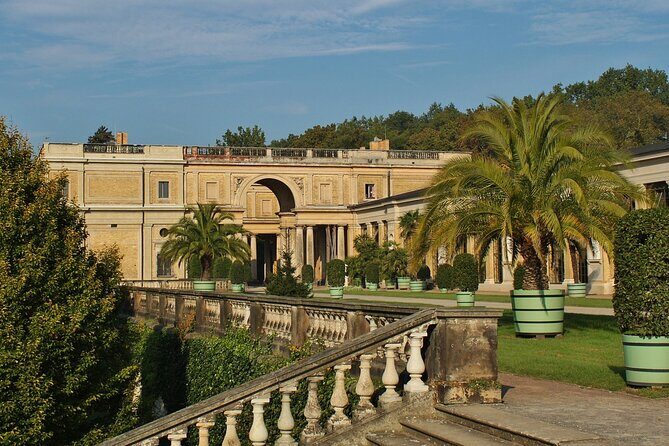
Sanssouci Palace is the big name, but the payoff here is the surrounding park and the way you experience it. The palace sits in parkland scattered with temples, churches, and “follies” (those playful, ornamental structures that were all about taste and power). So even if your main goal is one building, the route makes you slow down and wander the grounds.
This stop is where many guides really shine. In the feedback I’m seeing, guides like Shadi and Sara are praised for pacing and explanations—especially around the garden paths. That fits the reality of Sanssouci. If you just walk without context, it’s stunning but slightly confusing. With a guide, it becomes a story: why specific sightlines exist, how the park design supports royal life, and how the whole place communicates authority without shouting.
One consideration: access can vary. For example, at least one person found the main castle closed and ended up walking through a beautiful park and old town instead. That’s not the tour’s fault if openings change, but it’s worth keeping in mind. Your real goal for this part is the Sanssouci grounds—the atmosphere and the walking route around them.
If it’s cold or rainy, this portion can feel long because it’s outdoors. Bring what you need for weather and be ready to layer up.
Glienicke Bridge and Cecilienhof: The Cold War Moment You Can Feel
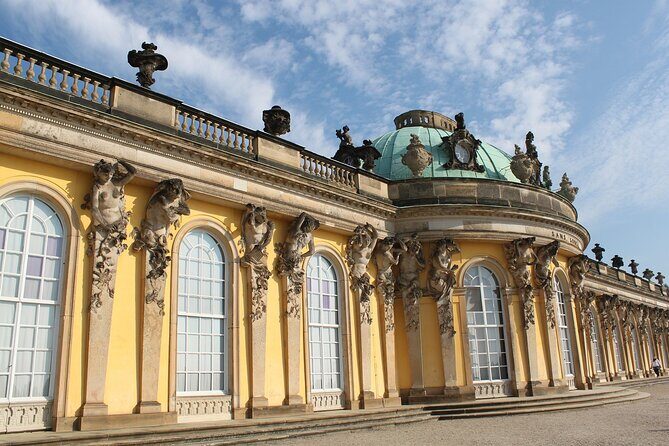
Then the day shifts from royal leisure to political consequence. You’ll cross the Glienicke Bridge, famous for spy swapping. It’s one of those places where history isn’t in a museum case—it’s attached to a real crossing. Stand there and you get the unsettling idea that everyday geography played a role in global bargaining.
After that, you visit Cecilienhof, the manorial residence of Germany’s last Crown Prince. This is the setting for the Potsdam Conference in 1945, when key leaders—Churchill, Truman, and Stalin—met to shape the post-war fate of Cold War Europe.
What I like about this stop as a tour experience is the contrast. You’re not just seeing a building. You’re stepping into a “decision room” atmosphere, even though it’s now part of a public sightseeing day. The guide’s job here is to explain what was discussed and why it mattered, and multiple guides get credit for making that political story understandable without turning it into a lecture.
For you, this is the part that can change how you see modern Europe. It turns the Cold War from a timeline into a place-based story.




How the 6 Hours Actually Feels: Walking, Transfers, and Lunch Gaps
Six hours is a good length for a day trip if you like structure. It’s also enough time to feel it in your legs if you don’t pace yourself.
The tour is described as a walking city tour, and the pace varies by the day and the group. Some feedback flags “lots of walking,” with trains to Potsdam followed by walking through parks and old town areas. Even when public buses are used to connect longer gaps, you still have to meet up, move between vehicles, and keep to a schedule.
Lunch is a blank spot in the official inclusions. Food and drinks aren’t included, so you’ll need to plan where you eat. That’s not a problem if you’re flexible, but it does mean you can’t count on a provided meal. In practice, you’ll likely be looking for a quick sit-down somewhere convenient around midday and keeping your timing tight.
If you’re traveling with older relatives or anyone who needs slower transitions, I’d ask yourself one blunt question: do you enjoy “next stop, next transport, next entrance” days? If yes, you’ll likely find this satisfying. If no, you may want a more relaxed format.
Price and Value: What You’re Paying For at $180.62 per Person
At $180.62 per person, you’re not paying for a budget self-guided day. You’re paying for a guide, plus organized train transportation from Berlin to Potsdam. That’s the core value: the guide converts a spread-out city into a coherent story.
Where value can feel strong:
- You’re getting direction and context, not just movement.
- You’re visiting multiple major stops in one day: Dutch Quarter, Sanssouci area, Glienicke Bridge, and Cecilienhof.
- You benefit from a small group (max 15). That’s often where the “money” goes—into time, attention, and the ability to answer questions.
Where value can feel shaky:
- This tour isn’t a private van day trip. Some people expected a vehicle-driven excursion and were surprised by city buses plus walking segments.
- You might encounter entrances that require ticket payment at certain sites, even when the overall description suggests admission is free. One review notes paying entrance tickets at multiple stops, so it’s wise to have a little extra budget for site access.
- If your expectations are “mostly indoor palaces” and fewer outdoor paths, Sanssouci’s park walking may be more than you bargained for.
My practical advice: treat this as a guided day trip built on walking and storytelling. If that matches your style, the price can make sense. If you want maximum comfort with minimal transit logistics, you’ll probably feel the cost more.
Guide Quality Makes a Real Difference (And You’ll Notice It)
One pattern shows up across the feedback: the guide can make or break the day.
Some guides are praised for going above and beyond. Shadi gets credit for friendliness and keeping the experience fun and interesting, with a strong focus on the gardens. Seba is described as extremely helpful and knowledgeable, and Sara is repeatedly mentioned for patience and a conversational style—plus help beyond the tour with questions about other parts of Berlin.
On the other hand, there are clear complaints about guidance quality: missed directions, confusion about which bus to take, and stress caused by being pressured to keep up with the itinerary. There’s also at least one report mentioning a guide suggesting an extra €50 payment for a faster train and using city buses after arrival, leading to disappointment about what was expected.
So here’s the value tip for you: before you assume your day will feel smooth, know that you’re buying a human service. The structure is there, but execution matters. If you’re booking, choose a group date that aligns with good weather when possible and be ready to communicate early if you’re lost.
Who This Potsdam Walking Tour Is Best For
This tour is a strong match if you:
- Want a Berlin-free-day feeling without giving up structure
- Enjoy walking through parks and noticing details
- Like connecting royal-era architecture with Cold War context
- Prefer a small group where you can ask questions and get real answers
It’s less ideal if you:
- Hate long walking segments or frequent transitions between transport modes
- Need very predictable, low-movement sightseeing (because transfers can involve public transport)
- Expect a fully vehicle-based private experience
Dress code is smart casual, and it’s outdoors-based enough that you should dress for weather changes.
Should You Book This Potsdam Walking City Tour?
Book it if you want a guided day that turns Potsdam into a story—Dutch Quarter origins, Sanssouci garden walking, and Cold War landmarks you can stand on with context. The mix of eras is the main payoff, and the small-group format helps the guide stay engaged with your questions.
Skip or reconsider if you’re expecting a mostly seated, vehicle-heavy day trip. The pace and transport style can be tiring for some people, and at least some stops may involve extra ticket costs in real life. If your priority is comfort over walking, look for a different format.
If you’re curious, reasonably fit for walking, and want your guide to connect the history, this is a very solid use of a day near Berlin.
FAQ
Where does the tour start, and what time does it run?
The tour starts at 9:00 am. Pickup is at your hotel lobby at 9 am, and the tour ends around 3:00 pm.
Is the tour in English?
Yes. The tour is offered in English.
How many people are in the group?
The maximum group size is 15 travelers.
What’s included in the price, and what isn’t?
Included are transportation by train from Berlin to Potsdam and a local guide. Food and drinks aren’t included, and private transportation isn’t included.
Is admission included?
The experience description lists admission ticket free, but some site visits may still require entrance tickets depending on access.
What happens if the weather is bad?
The experience requires good weather. If it’s canceled due to poor weather, you’ll be offered a different date or a full refund.