REVIEW · BERLIN
Berlin: 3-Hour Street Art Tour
Book on GetYourGuide →Operated by Original Berlin Walks GmbH · Bookable on GetYourGuide
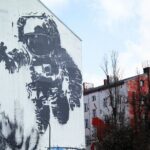
Berlin street art is basically a living museum. This 3-hour walk turns the city’s alternative scene into a story you can actually see, from Wall-era beginnings to what’s popping now in less-touristy corners. I especially love how the guides focus on the why behind the art, and how you get real time to spot details you’d otherwise miss.
There is one trade-off: you’ll be outdoors walking in all types of weather, so bring shoes you won’t regret and plan for some chill or rain.
The vibe here is for people who like art with attitude. If you’re after the postcard version of Berlin, this won’t be it. But if you want the city’s sharper, weirder side, it’s an excellent use of a morning or afternoon.
Key things to know before you go
- Specialist guides who explain styles, artists, and street art movements as you walk
- Hidden-corner hunting rather than only the obvious photo stops
- Markthalle Neun as a welcome pause where the scene feels local
- History meets modern graffiti, from the 1960s onward to the 1990s boom
- A mix of formats, including large pieces and letter-and-graffiti style work
- All-weather walking, so dress for conditions rather than forecasts alone
In This Review
- Berlin Street Art in 3 Hours: What Makes This Tour Work
- What You’ll Do: The Walk, the Looking, and the Art Types
- Markthalle Neun: A Break That Feels Part of the Day
- The Berlin Wall to the 1990s: The Context You Get on the Street
- Guides That Make the Art Click (And They Usually Bring Stories)
- Cost and Value: Is $23 for 3 Hours Actually Fair?
- How to Prepare: Shoes, Weather, and Staying Comfortable
- What This Tour Is Best For (And Who Might Skip It)
- Should You Book This Berlin Street Art Tour?
- FAQ
- How long is the Berlin street art tour?
- How much does it cost?
- What languages are the guides?
- Is the tour affected by weather?
- What should I bring?
- Is public transport included?
Berlin Street Art in 3 Hours: What Makes This Tour Work
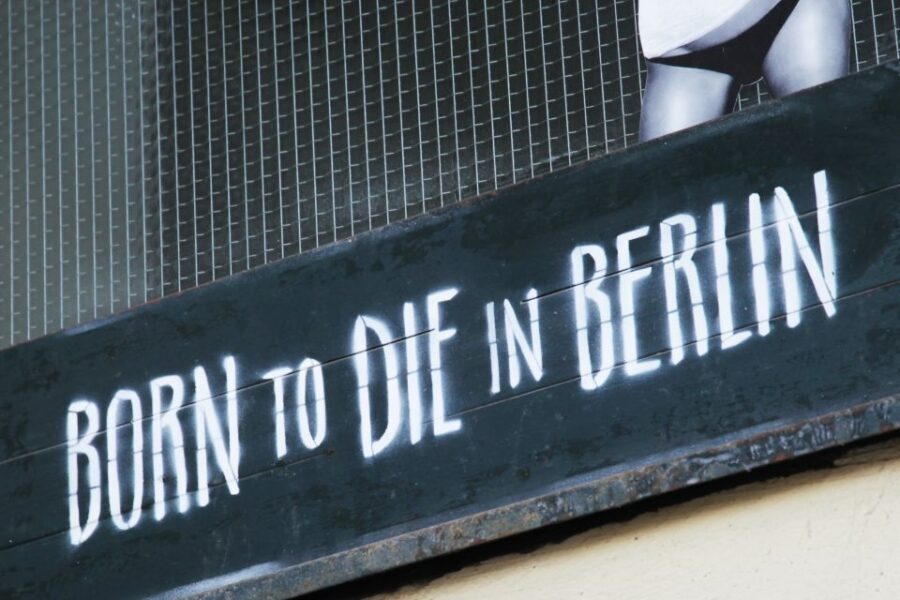
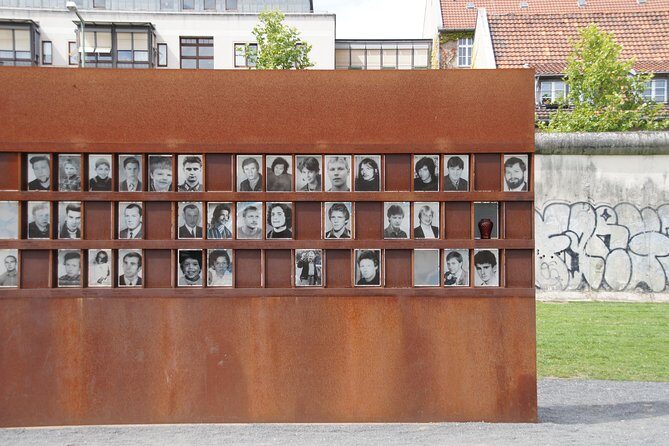
Berlin street art started early and kept evolving. People were painting on the sides of the Berlin Wall starting in the 1960s, then the scene surged through the city’s hedonistic 1990s heyday, when artists from everywhere wanted to leave their mark. That timeline matters, because it explains why today’s murals and tags aren’t just decoration. They’re part of Berlin’s identity and its constant push-pull between freedom and control.
This tour is built for pace. Three hours is short enough to stay fun and energetic, but long enough for the guide to connect visual details to context. I like that you’re not only being shown art; you’re learning how to read it—style choices, lettering trends, and what different artists seem to care about.
One more thing I like: the focus on lesser-known spots. That’s where you usually find the better storytelling—corners that feel lived-in, not staged for a quick Instagram stop. And yes, you’ll see some truly impressive work along the way.
What You’ll Do: The Walk, the Looking, and the Art Types
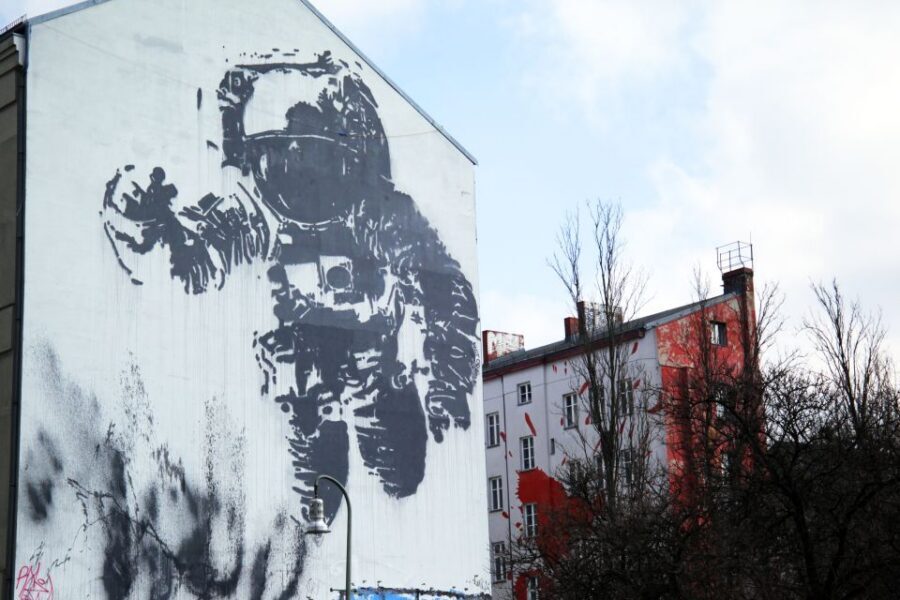
You’ll join a guided street art route that prioritizes variety. The tour’s structure is basically “walk, stop, look closely, get the meaning.” You’ll have time during the stops to look around and take photos, instead of getting rushed through like a drive-by.
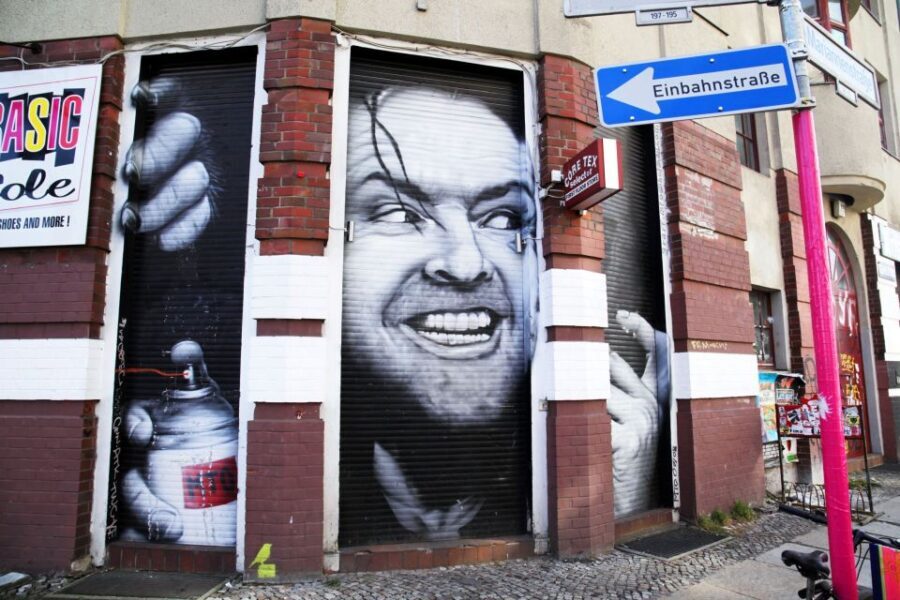
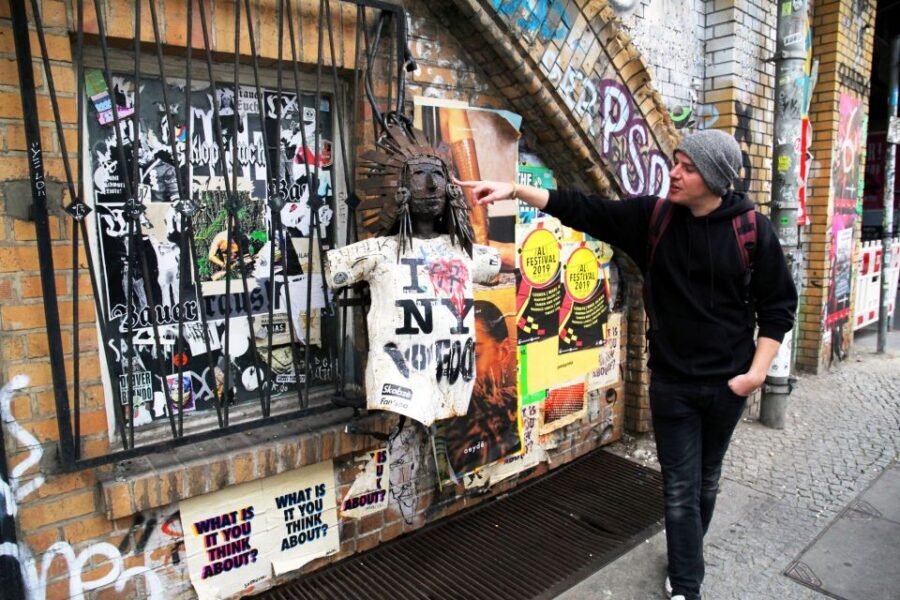
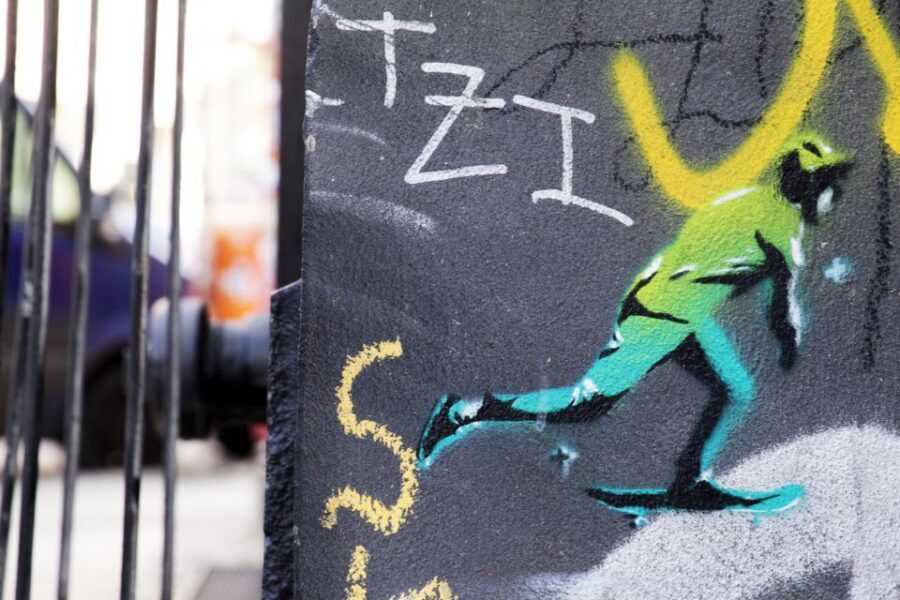
Expect a mix of street art categories. Some parts lean more toward graffiti style and letter forms—what people paint with words. Other parts shift to bigger, more mural-like pieces. If you’re the type who likes both the sharp edge of typography and the drama of large-scale walls, you’ll probably enjoy this balance.
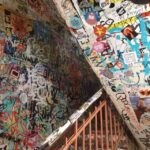
From what I’ve seen described by past groups, the route can include more than strictly flat walls too. There are indications of additional visuals like inner courtyards and even occasional touches like sculptures or architecture depending on the guide and the day’s finds. That matters because Berlin street art often shows up in places that aren’t just street-level backdrops—it can be tucked where you have to slow down to notice it.
Also, the tour runs in all weather. That’s a polite way of saying: plan for outdoor time, not museum comfort. If you’re used to Berlin walking culture, you’ll fit right in.
You can also read our reviews of more tours and experiences in Berlin


Markthalle Neun: A Break That Feels Part of the Day
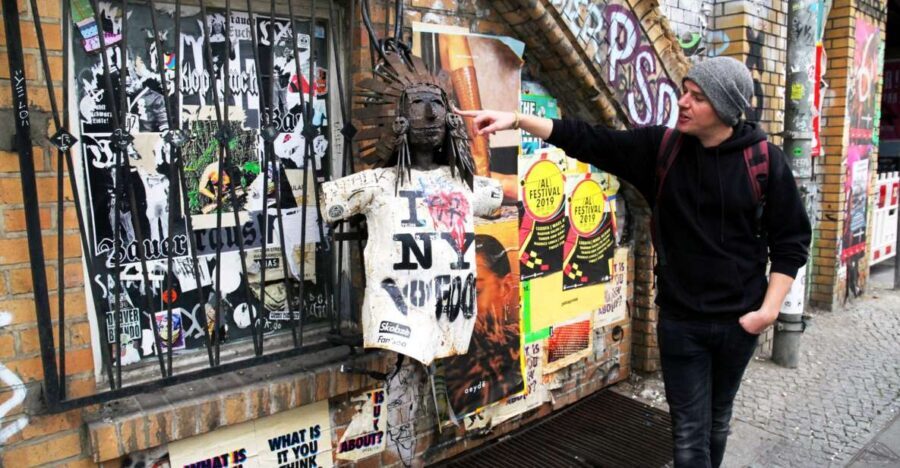
One stop people tend to welcome is Markthalle Neun. It’s a good reminder that street art isn’t floating in a vacuum. It lives next to markets, neighborhoods, and daily life.
For you, this pause has two benefits. First, you get a breather after walking. Second, you get a scene change—from pure street-wall viewing to a place that feels more like the city’s bloodstream. Even if you’re not shopping or grabbing a snack, it’s a strong moment to reset your brain and look again with fresh eyes.
This kind of stop also helps the tour flow. It keeps things from turning into constant “stop-start-stop” without a payoff. Think of it as a gentle reminder that Berlin’s art culture doesn’t end at the wall—it continues in the places where people actually show up.
The Berlin Wall to the 1990s: The Context You Get on the Street
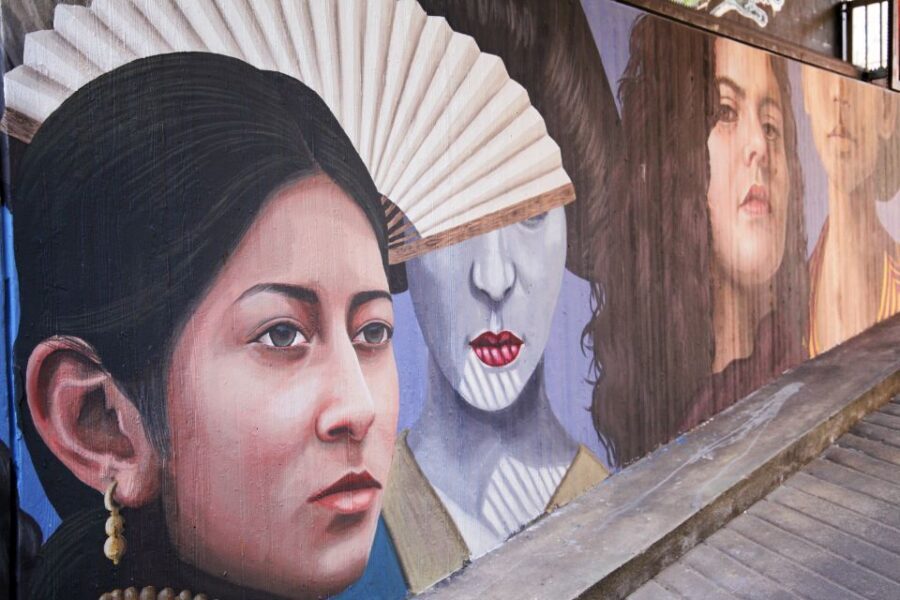
Here’s what makes this tour more than a highlights walk: it connects what you see now to what came before. The Wall-era beginnings in the 1960s matter because they show how art became a public voice—sometimes protest, sometimes message, sometimes just a way for people to claim space. Then the 1990s shift matters because Berlin became a magnet. The city pulled in artists worldwide, and the result was a creative collision that still shapes the look and attitude of street art today.
Why this helps you as a visitor: it gives your eyes a filter. Instead of seeing random paint, you start asking better questions:
- Is this piece commenting on something?
- Is it using style to signal a group or movement?
- Is the artist working in the language of letters, or the language of murals?
The guides are strong at turning those questions into something you can actually use on the walk. And that turns the whole thing from a sightseeing list into a way of understanding Berlin.
Guides That Make the Art Click (And They Usually Bring Stories)
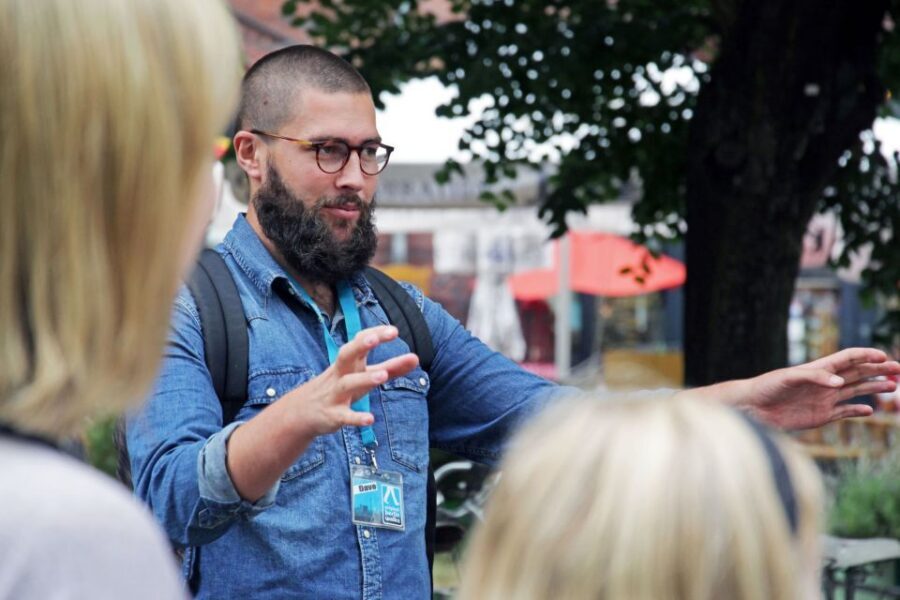
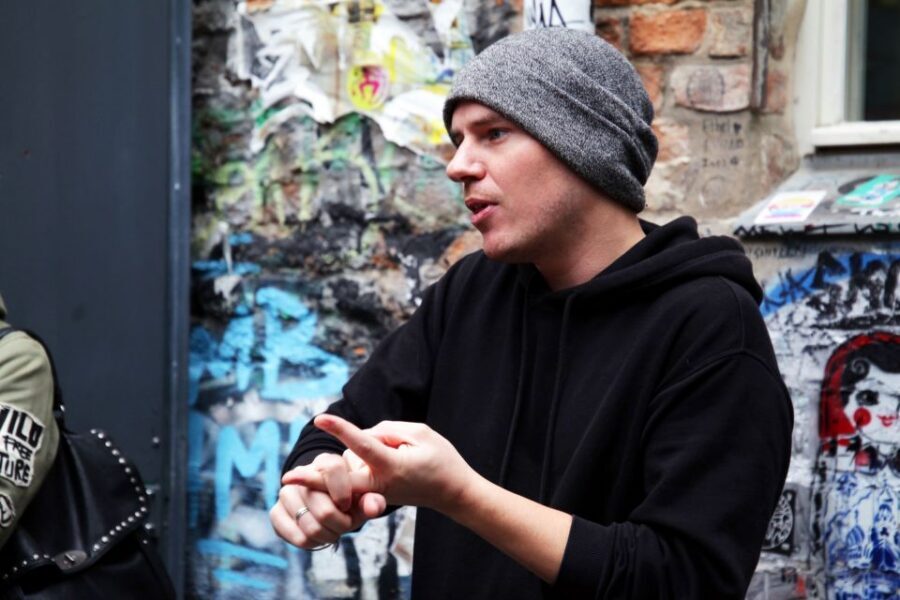
A huge share of the value here is the live guide. Languages are English and German, so you won’t be stuck with a translation app while trying to read meaning off a wall. And the guide role isn’t just “tell you what you’re looking at.” It’s “teach you how to look,” with history and artist context woven in.
From what’s shown through past groups, guides can be artists themselves or deep scene insiders. Names that come up include Gal, Amanda, Maike, Lewis, Debbi, Anja, Sam Z, Cammy, Bastian, Xavier, Gregor, Sebastian, Lynsey, and Georgia. Some guides lean into humor and storytelling. Others bring a heavier focus on art technique—how styles differ and why certain approaches make sense in certain moments.
If you care about art and you like learning in motion, this is the right format. You’ll often get little explanations tied directly to the exact piece in front of you, which means the information stays anchored. It’s harder to forget a mural when you just spent a minute breaking down its lettering or composition.
Cost and Value: Is $23 for 3 Hours Actually Fair?
At $23 per person for a 3-hour guided experience, the value is mostly about what you get for your attention. You’re paying for expert guidance plus time in the field. That means you’re not just walking around Berlin guessing which murals matter. You’re getting interpretation, plus pointers on where to notice the next pieces.
Is it a luxury price? No. But it’s also not trying to be one. The big value is that you’ll leave with a changed way of seeing—how Berlin’s street art tells stories across decades, and how the city’s alternative culture shaped what artists do on its walls.
If you’re someone who already loves street art, you’ll likely feel the cost is low for the amount of context. If you’re new to the subject, it can be even better value because a guide saves you from the trial-and-error phase.
You can also read our reviews of more tours and experiences in Berlin


How to Prepare: Shoes, Weather, and Staying Comfortable
This tour runs in all types of weather, so plan like a Berlin walker, not like a theme-park visitor. Bring comfortable shoes first. Then add weather-appropriate clothing second. If it’s rainy, expect you’ll still walk and still stop—so being slightly underdressed is a mistake you’ll feel later.
One practical move: dress in layers. You’ll be outside for long stretches, and Berlin can swing from cool to wet to windy quickly. Layers help you stay comfortable without carrying an entire closet.
Also, bring the mindset for a close-up look. Street art rewards patience. If you rush, you’ll get photos but miss the meaning. If you slow down, you’ll notice technique, lettering details, and the way artists work with the surface they’re given.
What This Tour Is Best For (And Who Might Skip It)
This tour is a smart fit for you if:
- You want Berlin’s alternative culture in a walking format
- You like street art that includes both history and current creative energy
- You enjoy learning how styles work, not just collecting images
- You’re happy to walk outside and stop often
It might not be your best match if:
- You want a purely “must-see” Berlin sightseeing day with minimal walking
- You dislike weather-based plans or stopping for long stretches
- You only want a single iconic site and nothing else
Should You Book This Berlin Street Art Tour?
I’d book it if you want a guided way to see Berlin street art as a story, not a scavenger hunt. The price-to-time ratio is strong, the guides help you read what you’re looking at, and the route aims for those lesser-known spots where the best work often hides.
If you’re on the fence, here’s the quick decision rule I use: if you’d rather understand a mural than just stand in front of one, this tour will feel worth it fast. Bring good shoes, dress for weather, and give yourself time to look closely—you’ll get a Berlin that feels sharper, stranger, and more real.
FAQ
How long is the Berlin street art tour?
The tour duration is 3 hours.
How much does it cost?
It costs $23 per person.
What languages are the guides?
The live tour guide speaks English and German.
Is the tour affected by weather?
Yes, the tour runs in all types of weather.
What should I bring?
You should bring comfortable shoes and weather-appropriate clothing.
Is public transport included?
A public transport ticket is not included (if needed).