REVIEW · BERLIN
Berlin: Street Art and Alternative Tour
Book on GetYourGuide →Operated by Vive Berlin e.G · Bookable on GetYourGuide
Street art here has political teeth. On this Berlin street art walking tour, you’ll connect murals and hidden details to the Cold War story, starting in Kreuzberg and ending at the East Side Gallery. I especially like the way the guide makes the city’s social and political meaning click, and how you’re encouraged to notice small pieces in corners and courtyards, not just big walls; the one catch is that you’ll need a 24-hour AB public transport ticket to take the tour.
Berlin’s alternative culture didn’t spawn in a vacuum. You’ll walk through the arc from the fall of the wall in 1989, through the 90s revival, and into today’s gentrification—while the city’s walls keep acting like a public canvas.
In This Review
- Key highlights at a glance
- Why Berlin street art is tied to the Cold War
- Kreuzberg on foot: the alternative quarter’s street-level story
- Beyond the big murals: Friedrichshain and Mitte’s hidden corners
- East Side Gallery: when wall art becomes a public exhibit
- Guides who link art, architecture, and politics
- Timing, price, and what makes $31 feel fair
- Who should book this alternative street art walk
- Practical tips so you enjoy every stop
- Should you book this Berlin Street Art and Alternative Tour?
- FAQ
- How long is the Berlin Street Art and Alternative Tour?
- How much does the tour cost?
- What languages are the guides?
- Is this tour only street art, or is there history included?
- Do I need public transport to join the tour?
- What should I bring?
- Does the meeting point stay the same?
- Can I cancel or choose pay later?
Key highlights at a glance
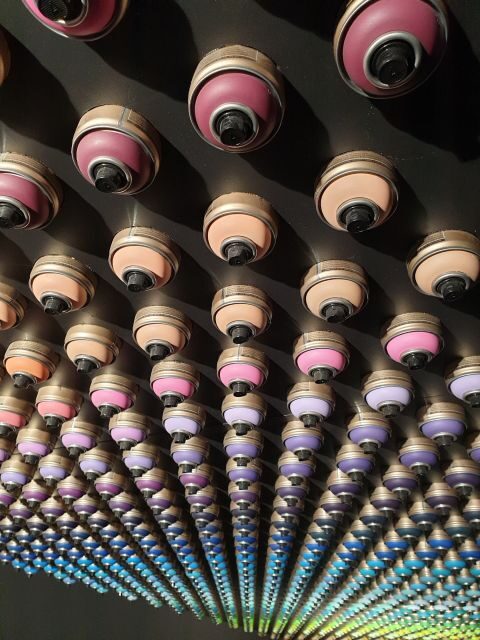
- Small-group walking pace: enough time to look closely without feeling rushed
- Kreuzberg’s alternative quarter: street art tied to culture, not just aesthetics
- East Side Gallery stop: a major example of wall art as storytelling
- Cold War to today: murals explained through history, economics, and social change
- French or Italian live guide: a real person guiding the context on your feet
- Spot hidden “paintings”: courtyards, street corners, and in-between spaces
Why Berlin street art is tied to the Cold War
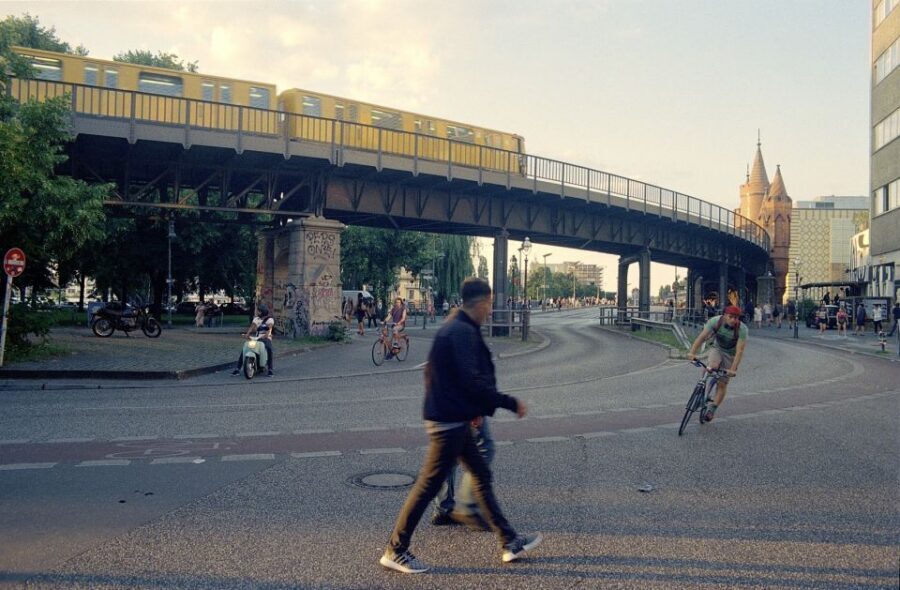
Berlin’s street art isn’t treated like a side hobby here. The whole point of this tour is to show how alternative culture grew on the exact fault line where east and west met—along the physical and psychological wounds of the wall.
You’ll hear why Berlin became a magnet for alternative energy, especially as the city moved from the Cold War era into the long aftershocks. The story doesn’t stop at 1989. It continues through the 90s revival and into the current phase of gentrification, which is where art, identity, and neighborhood change start colliding in very real ways.
I like that this tour frames walls and streets as an art gallery you can actually walk through. You’re not just looking at colors—you’re learning the “why” behind them, with the city’s political and social tension built into the explanation.
You can also read our reviews of more tours and experiences in Berlin

Kreuzberg on foot: the alternative quarter’s street-level story
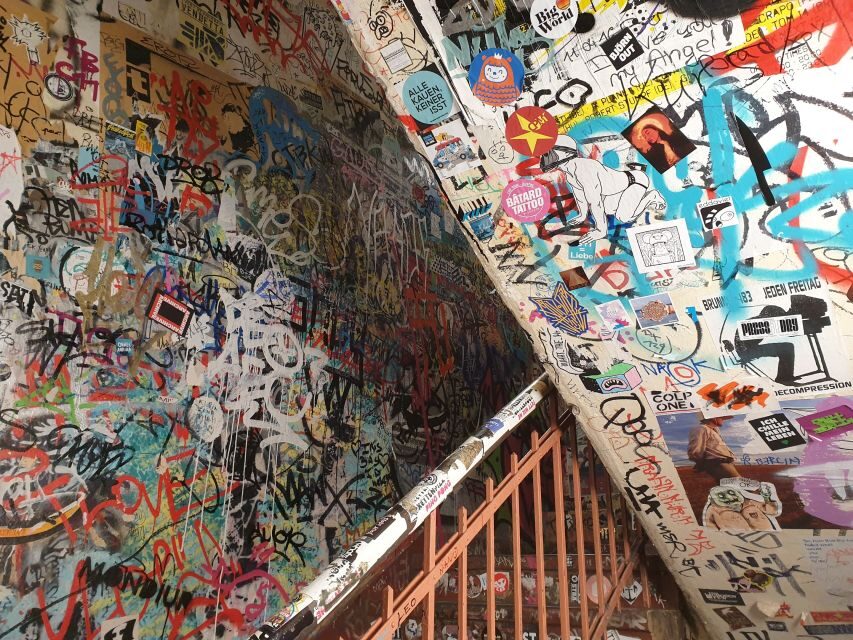
Kreuzberg is where the vibe becomes obvious. You’ll walk through an area strongly associated with alternative culture, and the art you see is presented as more than decoration. It’s tied to demands, conflicts, and the lived texture of a neighborhood.
This is also where the tour’s structure makes sense: you start by entering the kind of streets where you can spot how people use walls. That helps you understand how street art can work like public communication—something you feel in the space, not just read about later.
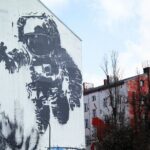
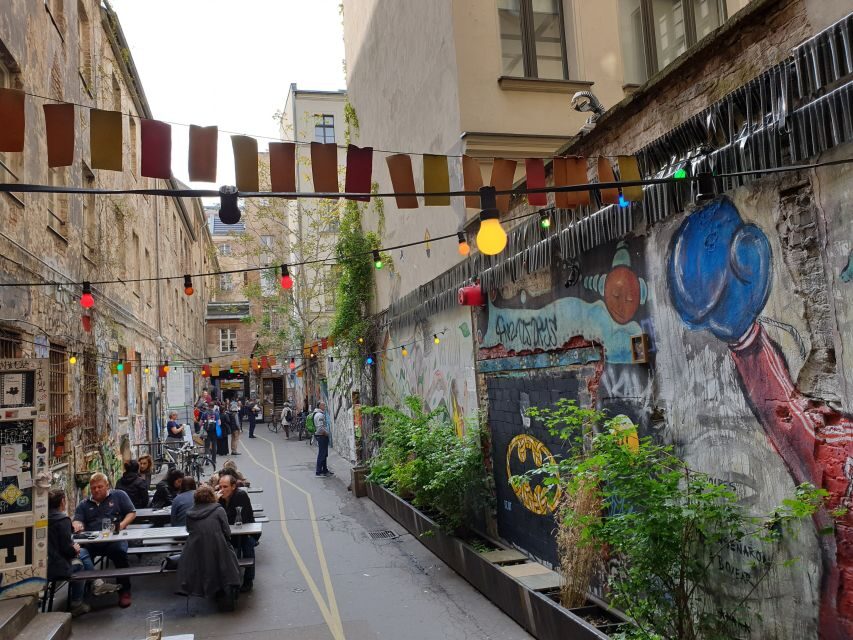
A smart part of this experience is the focus on scale. You’ll see the big works that sprout between buildings, but you’ll also learn to look for the smaller “wedged-in” pieces that live in corners and hidden courtyards. Those small finds are often what make the city feel personal, because they’re easy to miss when you’re sightseeing with tunnel vision.
Beyond the big murals: Friedrichshain and Mitte’s hidden corners
The tour doesn’t lock you into one look. It spreads across districts tied to that wall-era border energy and the neighborhood transformations that followed. Friedrichshain and Mitte come into play as the walk broadens, and that matters because street art changes meaning depending on the street you’re standing on.
In Friedrichshain, the tour emphasizes large works between buildings—art that feels “installed” into the urban rhythm. In Mitte, the theme shifts toward discovery: small pieces wedged into corners, along streets, and even tucked into courtyards. I like that you’re taught to slow down enough to actually notice those micro-murals and tags, because that’s where the narrative becomes dense and real.
One useful mindset for this part: don’t only chase the most famous surfaces. When you’re told to hunt for the small stuff, you start seeing how Berlin’s transformation shows up in fragments—on walls, in passages, and in the in-between spaces that don’t show up on the postcard list.
East Side Gallery: when wall art becomes a public exhibit
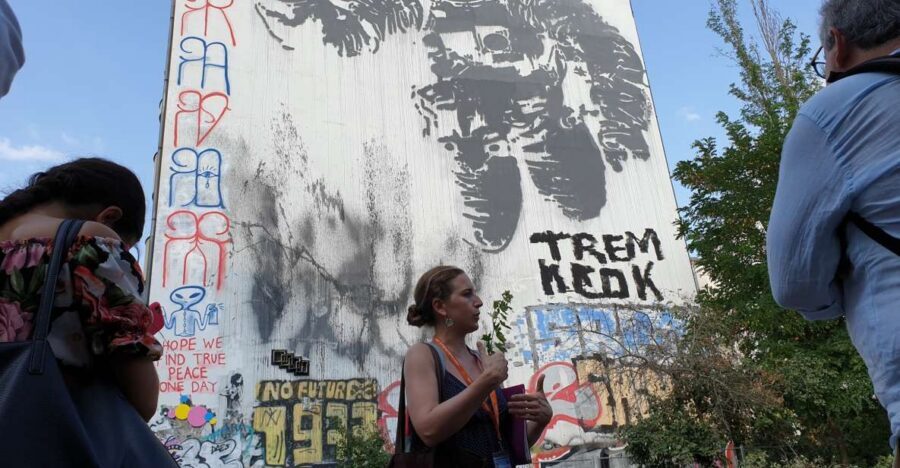
You’ll also make a stop at the East Side Gallery, and it’s described as one of the key experiences of the tour. Even without turning this into a history lecture, the stop is built to do something important: connect the idea of wall-as-border to wall-as-canvas.
This is where you can stand back and see the scale of what street art can do when it grows out of political context. The wall isn’t just scenery here. It’s presented as a stretch of “wounds” turned into a gallery, where color carries stories and meaning.
If you like your travel experiences to have an emotional aftertaste, this part tends to deliver. The art feels tied to the wall’s history, and the history feels tied to Berlin’s present-day identity—especially when the guide is connecting today’s changes back to what people were dealing with back then.
Guides who link art, architecture, and politics
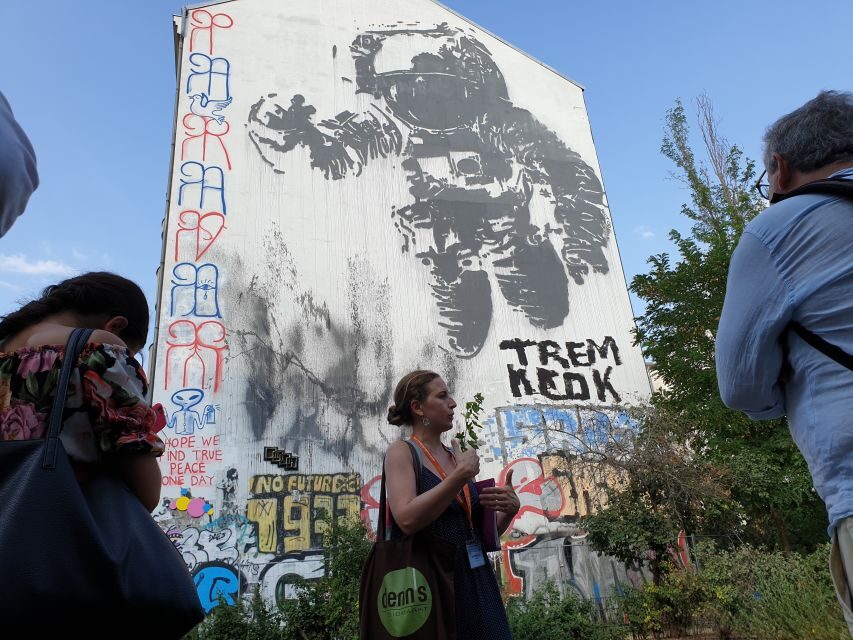
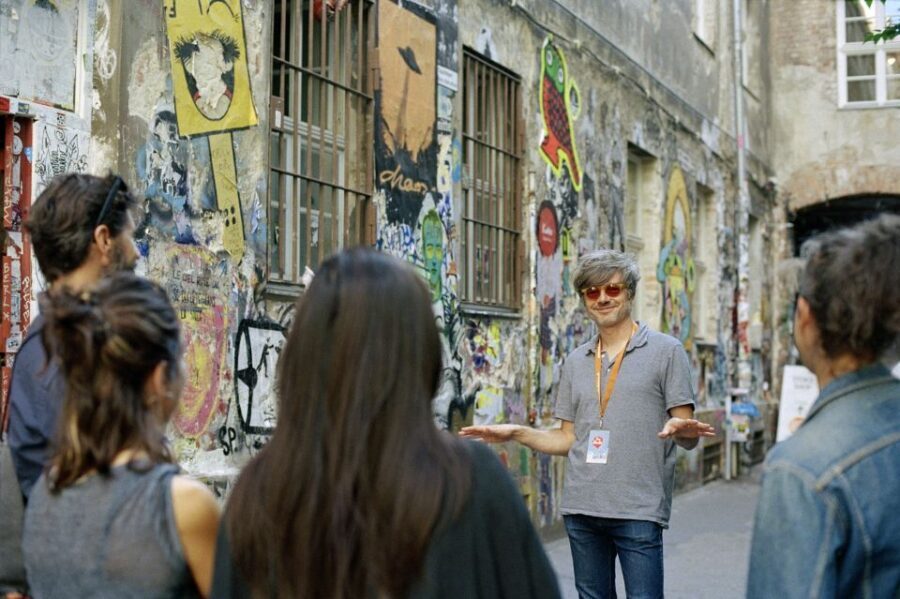
The guide is the engine of the tour. You’ll have a live guide in French or Italian, and the tour’s main promise is that you’ll learn city history from a friendly, passionate person who can connect the murals to the wider context.
What I found most compelling in the guide notes from the experience is the consistent theme: clear storytelling with enough historical relevance that the street art doesn’t float off into pure aesthetics. Guides are highlighted as prepared and capable of explaining street art alongside architecture and history—so you understand not only what you’re seeing, but why that location matters.
Names that come up include Antonella and Iacopo, who are described as highly prepared and passionate, and Martin, praised for sharing a real love for Berlin with accessible historical framing. Marie is also mentioned as bringing energy and answering questions, which is a big deal on a walking tour like this: you don’t just hear a script, you get back-and-forth.
Also, one of the strongest signals from the experience feedback is how well the tour ties street art to social claims. That’s exactly the kind of connection you want in Berlin, because so much of what you’ll see comes from lived conflict—then gets interpreted, reused, or even repackaged as neighborhoods change.

Timing, price, and what makes $31 feel fair
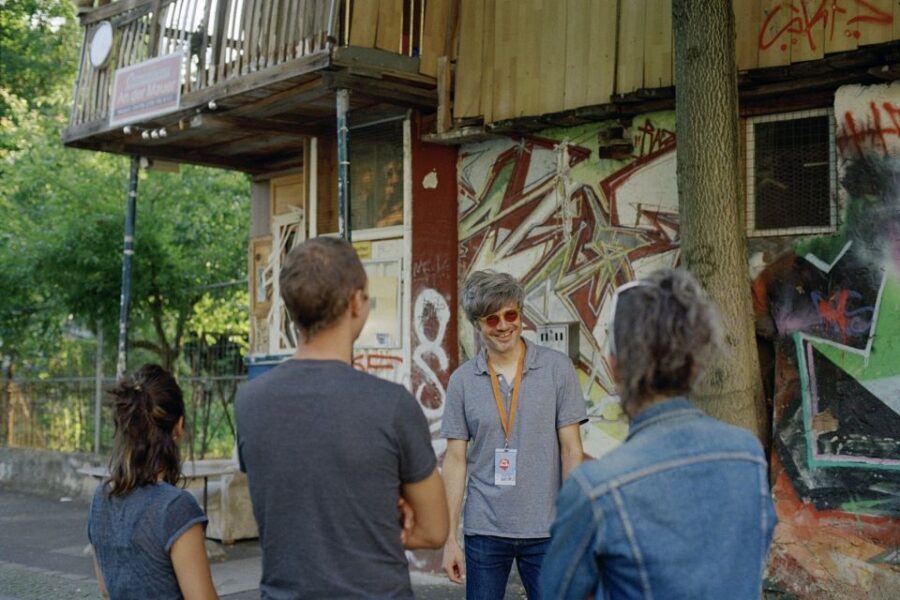
The tour runs about 3 hours, and it’s priced at $31 per person. For me, that’s the sweet spot for this kind of experience: long enough to walk, stop, look closely, and get context; short enough that you don’t feel like you’re doing a full day just to learn how to read a wall.
Here’s how the value works for your money:
- You’re not just touring streets—you’re getting a guide who explains the link between art and politics
- The group is described as small, which helps you actually hear the story while you’re standing in front of the art
- You’re covering multiple districts and key wall art without needing to design the route yourself
The one “consideration” you should take seriously is transport. The tour information is clear: you’ll need to purchase a 24-hour AB public transport ticket to take part. If you arrive without it, you’ll feel rushed before the walk even begins.
In short: the price feels reasonable when you want context-driven street art, not just a photo walk.
Who should book this alternative street art walk
This tour is a great fit if you:
- Want Berlin street art explained through the city’s Cold War-era border story
- Prefer walking with a guide instead of wandering with an app and guessing at meanings
- Like the idea of seeing how neighborhoods change after major events—here, from 1989 onward
- Want to understand why alternative culture became central to Berlin’s identity and 90s revival
It’s also a good option for couples and solo travelers who like conversation. The small-group approach helps, and the guide’s ability to respond to questions is repeatedly highlighted.
If you only want famous sights with minimal talking, you might find the context-heavy approach less your style. But if you’re curious how street art works as social language—this is built for that.
Practical tips so you enjoy every stop
A few small choices will make the tour more comfortable and more rewarding:
- Wear comfortable shoes. The experience is a walking tour, and the focus is on stopping to look.
- Plan your transit around the 24-hour AB ticket requirement. Build that step into your arrival routine.
- Bring a mindset of looking for the small stuff. The tour emphasizes both huge wall works and smaller pieces tucked into corners and courtyards.
One more small note: the meeting point can vary depending on the option you book. There’s also at least one comment from a booking experience asking why the meeting isn’t fixed at Kotbusser Tor when the walk appears to start there. Bottom line: confirm your exact pickup spot in your confirmation details and arrive a few minutes early.
Should you book this Berlin Street Art and Alternative Tour?
If you want Berlin street art with meaning—not just murals for photos—I think this is a strong booking. The combination of Kreuzberg’s alternative feel, the wider district storytelling, and the East Side Gallery wall-art stop makes it a focused 3-hour introduction to how Berlin’s art is tied to history, social change, and neighborhood evolution.
Book it if you:
- Like guides who connect art to politics and everyday life
- Want a small-group walking tour that teaches you how to notice
- Are okay with a bit of walking and a required transit ticket
Skip it if you’re looking for a purely scenic, minimal-explanation tour. But if you’re ready to read Berlin’s walls like they’re telling you a story, this one is easy to recommend.
FAQ
How long is the Berlin Street Art and Alternative Tour?
The tour lasts 3 hours.
How much does the tour cost?
The price is $31 per person.
What languages are the guides?
The live tour guide speaks French or Italian.
Is this tour only street art, or is there history included?
You’ll learn city history and how alternative culture connects to Berlin’s Cold War background, the fall of the wall in 1989, the 90s revival, and today’s gentrification.
Do I need public transport to join the tour?
Yes. You need to purchase a 24-hour AB public transport ticket for the day.
What should I bring?
Wear comfortable shoes.
Does the meeting point stay the same?
The meeting point may vary depending on the option booked.
Can I cancel or choose pay later?
You can reserve now & pay later, and you can cancel up to 24 hours in advance for a full refund.