REVIEW · BERLIN
Berlin: David Bowie in 1970s West-Berlin
Book on GetYourGuide →Operated by Berlin-Tours Martin Sauter · Bookable on GetYourGuide
Bowie in Berlin feels like a time machine. I love the chance to stand outside Hansa Studios, and I also like how the guide ties specific songs and sounds to where Bowie lived and went in West-Berlin. One possible drawback: it’s a 3-hour, mostly-on-the-move outing with no food stop built in, so come ready to keep moving.
Your guide, Martin Sauter, keeps the tone friendly and story-driven as you pass City West landmarks like KaDeWe and the former sites of the Dschungel and Chez Romy Haag. You start at Martin Gropius Bau (site of the 2014 Bowie exhibition) and finish by bus near Bowies Berlin home.
In This Review
- Key things you’ll notice on this David Bowie in 1970s West Berlin tour
- Why Bowie’s 1970s move to West Berlin still matters
- Martin Gropius Bau: Starting where Bowie’s Berlin era gets framed
- Potsdamer Platz to KaDeWe: Getting Bowie’s Berlin “feel” in daylight
- Hansa Studios: Stand in front of a West Berlin recording legend
- Dschungel and Chez Romy Haag: The nightlife map, seen from the street
- A bus ride to Bowies home: The endpoint that turns theory into a place
- Guide quality and private-group style (Martin Sauter’s pace)
- Price and value: Is $288 per person worth it?
- Who should book this Bowie in West Berlin tour
- Should you book this David Bowie in 1970s West Berlin tour?
- FAQ
- How long is the David Bowie in 1970s West Berlin tour?
- What does the tour include?
- Where does the tour start?
- Where is the meeting point?
- Is food included?
- What languages are available for the live guide?
- How much does it cost?
- FAQ
- Is there free cancellation?
- What’s the main route like?
Key things you’ll notice on this David Bowie in 1970s West Berlin tour
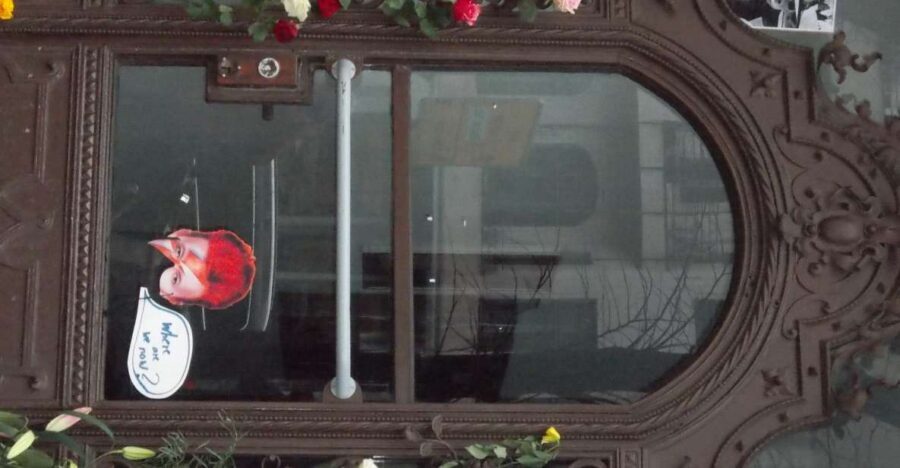
- Hansa Studios outside time: you stop right at the place tied to the era’s iconic recordings
- Songs tied to street locations: Heroes, Boys Keep Swinging, Yassassin, and Neuköln get grounded in real neighborhoods
- City West context: KaDeWe and Potsdamer Platz show how Bowie moved through West Berlin’s modern face
- Nightlife sites you can picture: the former Dschungel area and Chez Romy Haag locations help you imagine the scene
- A bus ride to Bowies home area: the tour ends at the doorstep level, not just abstract sightseeing
- Private-group pacing: Martin adapts to your questions and your group’s rhythm
Why Bowie’s 1970s move to West Berlin still matters
This tour works best if you like the idea that music comes from place. In the mid-to-late 1970s, David Bowie was no longer just touring or making records somewhere else. He was choosing West Berlin like a creative tool, and the guide sets that up fast.
A key thread is Bowie’s fascination with emerging electronic sound. You get the sense that Berlin wasn’t just a scenic backdrop; it was a lab. And you’ll hear how the city’s atmosphere helped shape tracks that became part of the Bowie story, including the way Berlin shows up in songs like Heroes and Neuköln (including Bowie’s deliberate spelling choice).
Another important angle is the practical reality of the move. Before he had his own flat, Bowie was offered a place to stay in the apartment of Edgar Froese, known as the founder of Tangerine Dream. That matters because it shows how Bowie plugged into a scene that was already experimenting.
If you like music history that connects to real geography, this is the strong suit here. If you only want famous-photo moments and zero context, you may find you’re spending a lot of your time listening to stories.
You can also read our reviews of more tours and experiences in Berlin.


Martin Gropius Bau: Starting where Bowie’s Berlin era gets framed
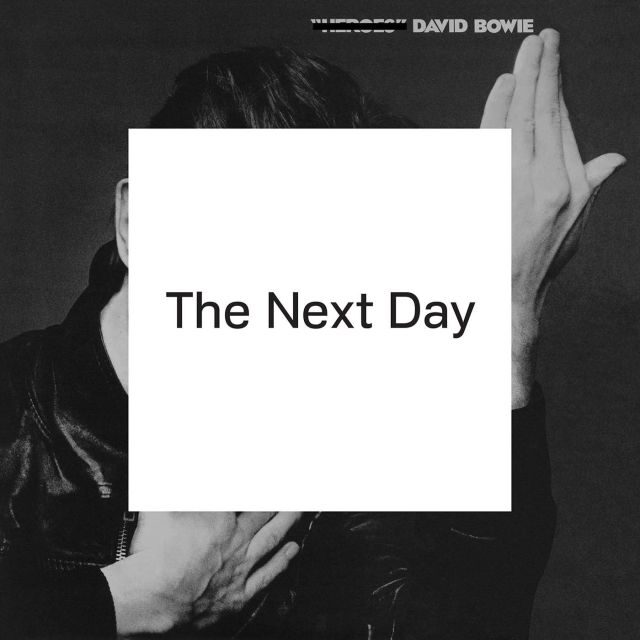
The tour begins at Martin Gropius Bau, where a legendary David Bowie exhibition ran in 2014. Even if you never saw the show, the building gives you a useful reference point: it’s a formal, public space that tells you this is not just pop trivia. It’s treated like art and cultural history.
This first stop is also where you get the setup for what’s coming next: why Bowie came to West Berlin, what he was looking for, and how the city’s sound and lifestyle show up in his work from that period. You’ll get the guiding map in your head before you start walking the streets.
Practical tip: use this first stretch to get oriented. The locations you’ll later visit are spread across West Berlin, and once you have the story scaffolding, it becomes easier to remember what each neighborhood represents.
Potsdamer Platz to KaDeWe: Getting Bowie’s Berlin “feel” in daylight
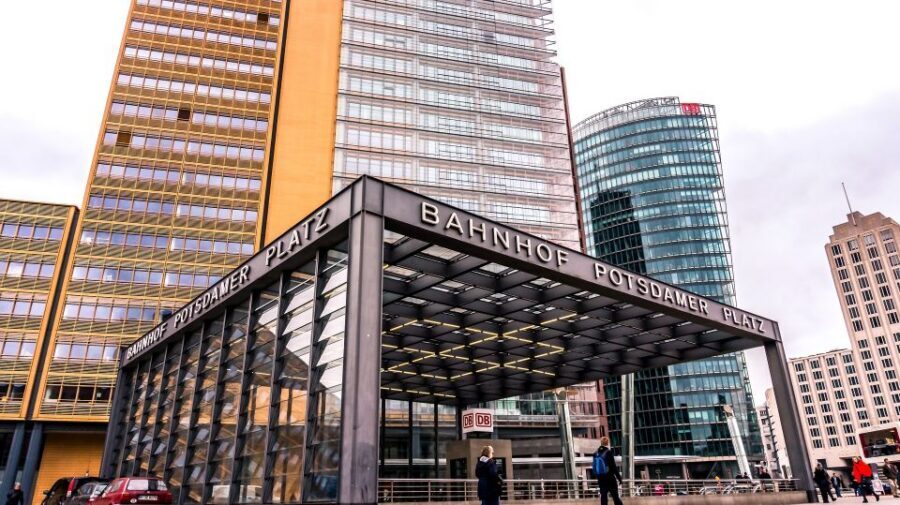
After Martin Gropius Bau, the tour heads toward Potsdamer Platz. You’ll see how this landmark area has been shaped over time, and the guide connects it to Bowies 2012 Where Are We Now. That link is smart because it turns Potsdamer Platz into more than a place you pass through. It becomes a long-running symbol of Berlin’s transformation, with Bowie’s voice still echoing.
From there, the route moves into City West. This is where the tour starts to feel like a guided walk through the version of Berlin that was looking forward while still carrying Cold War realities.
You’ll pass KaDeWe, one of the best-known sights in this part of town. You’re not going to be living inside the department store for the whole tour, but the point is that Bowie’s West Berlin is the world he could step into: big public spaces, shopping streets, and a city that felt modern and visible.
This section is especially good if you’re building a mental picture of Bowie moving through the city. It’s less about one exact doorstep and more about atmosphere and scale.
Hansa Studios: Stand in front of a West Berlin recording legend
Then comes the stop you’ll remember. You’ll stand outside Hansa Studios.
This is the moment the tour earns its title in a simple way: you’re physically in front of a real West Berlin site tied to the recording scene of the era. The guide uses this location to connect Bowie’s taste for new sound to the city’s wider push toward electronic music and modern production.
Even if you’re not a recording-nerd, Hansa Studios is one of those places that feels instantly important. It’s the kind of spot that makes your photos look like more than a tourist snapshot. It also helps you understand why West Berlin became a magnet for artists chasing new directions.
Possible drawback here: since the tour is focused on exterior viewing and street stops, you don’t get a museum-style walkthrough of music technology. You’re meant to learn through context and stories, then carry the sound ideas with you as you walk.
Dschungel and Chez Romy Haag: The nightlife map, seen from the street
West Berlin at night is part of the Bowie myth, but the tour handles it in a grounded way. You’ll pass the former location of the Dschungel and then go past the area connected to Chez Romy Haag.
The guide’s goal isn’t just to list club names. It’s to help you picture the era, which is why the tour includes this “transport back” feeling outside the club that’s often associated with Chez Romy Haag.
Here’s what makes these stops work for you: they put Bowie’s nightlife into a geographic story you can actually hold onto. When you later listen to songs linked to that period, you’re not thinking only about studio sessions. You’re remembering neighborhoods, energy, and the rhythm of a city where artists could disappear into nightlife and then re-emerge as new versions of themselves.
One more detail worth noting: the tour doesn’t treat Berlin as one uniform blob. Dschungel and Chez Romy Haag represent a side of West Berlin with its own identity, and you’ll feel that difference as the route shifts through City West.





A bus ride to Bowies home: The endpoint that turns theory into a place
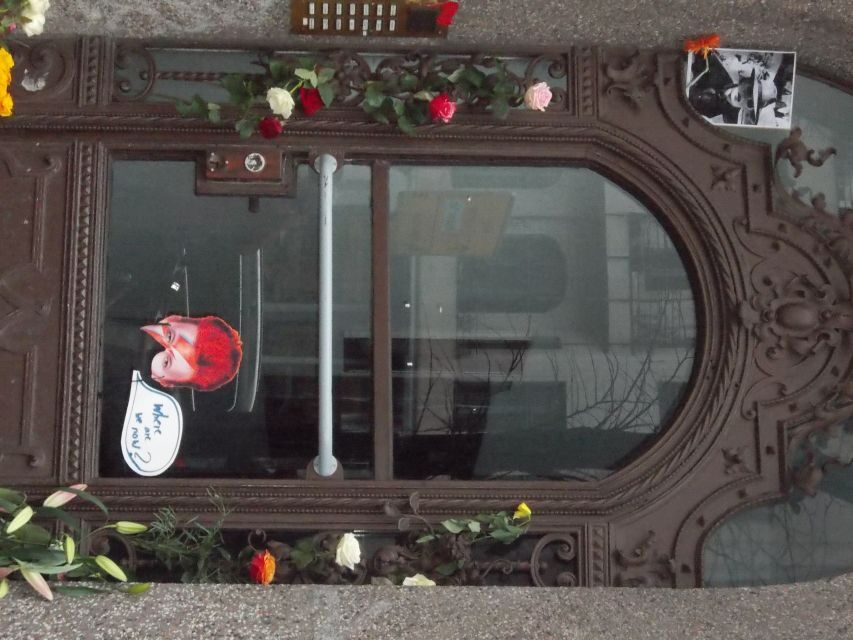
After you’ve walked through the major reference points, you board a bus to get to David Bowie’s Berlin home. The tour ends there.
This is a smart design choice for this kind of experience. Street stops can cover a lot of symbolic ground, but Bowie’s home anchors the story to something more intimate than a public venue. It’s the last step that turns the earlier talk about sound and influence into a “this is where it happened” feeling.
You should also understand what you’re likely not getting: you’re not here for a formal interior visit. The tour is built around exterior locations and street-level perspective, ending at the doorstep level.
If you’re the type who likes to end with a clear, physical marker, this finale helps. If you prefer an active experience like a hands-on museum visit, you might want to pair this tour with one of Berlin’s history or music-related indoor options afterward.
Guide quality and private-group style (Martin Sauter’s pace)
A big reason people rate this tour highly is the guide. Martin Sauter is described as charming, very knowledgeable, and able to explain Bowie and Berlin with humor and warmth. For a private group, that matters because the tour can flex to your interests.
The effect you’ll want from a Bowie tour is focus without going cold and lecture-y. The tour is positioned to feel like a discovery trip: you get stops, context, and song-related connections, then you move on before the experience gets stale.
The tour runs with a live guide in English, French, and German, and it’s explicitly a private group. That usually means you spend less time waiting and more time asking questions—exactly what you want when you’re trying to connect a famous artist to specific places.
Price and value: Is $288 per person worth it?
At $288 per person for a 3-hour private tour, this isn’t a budget activity. But value here comes from three things you generally can’t replicate easily on your own:
- The concentrated story
You’re not just seeing sites. You’re learning why Bowie chose West Berlin in that specific window, including the electronic sound pull and the Tangerine Dream connection through Edgar Froese.
- The specific locations that make Bowie’s era feel real
Hansa Studios, Potsdamer Platz with Where Are We Now, the KaDeWe area, former Dschungel and Chez Romy Haag locations, then the move to Bowies home area at the end. That’s a lot of “high signal” stops in one outing.
- Convenience and time savings
Hotel pickup is available if you want it. You also use a bus for the final transfer. In Berlin, where distances and routes can be tricky, this saves planning energy.
What you should factor in: food and drinks are not included. So consider this more like a cultured walk-with-stories you slot between meals, not a self-contained half-day experience.
Who should book this Bowie in West Berlin tour
You’ll love it if:
- You’re a David Bowie fan who wants more than a greatest-hits overview
- You like music history that connects to place, not just recording dates
- You want West Berlin in the 1970s with a concrete route through City West
- You enjoy electronic music context and the way artists influence each other
You might skip it if:
- You want a museum-like experience with indoor viewing and exhibits
- You’re hoping for a long food-and-drink break during the tour
- You’re not interested in hearing how specific songs connect to the city
Should you book this David Bowie in 1970s West Berlin tour?
If your idea of a great Berlin day is walking with a good guide and leaving with a better mental map of the city, book it. The price is serious, but the tour earns it with tightly linked stops: Hansa Studios, nightlife-area references like Chez Romy Haag, and an ending that brings Bowie’s Berlin into a real-world location. Add Martin Sauter’s described charm and the private-group pacing, and this becomes a smart way to spend 3 hours if Bowie and West Berlin are your kind of subjects.
FAQ
How long is the David Bowie in 1970s West Berlin tour?
It lasts 3 hours.
What does the tour include?
Hotel pickup if desired, an in-depth view of David Bowie’s life in what used to be West Berlin, and an explanation of why Bowie chose to live in Berlin.
Where does the tour start?
It starts at Martin Gropius Bau.
Where is the meeting point?
Your guide will be holding a David Bowie album, book, or CD.
Is food included?
No. Food and drinks are not included.
What languages are available for the live guide?
The tour is offered in English, French, and German.
How much does it cost?
It costs $288 per person.
FAQ
Is there free cancellation?
Yes, you can cancel up to 24 hours in advance for a full refund.
What’s the main route like?
You’ll move through West Berlin stops such as Potsdamer Platz and City West, pass places like KaDeWe and former club locations tied to Bowie’s nightlife, and then take a bus to Bowies home area where the tour ends.