REVIEW · BERLIN
Berlin & The Third Reich Private Guided Tour
Book on Viator →Operated by Private Tours Berlin · Bookable on Viator
Berlin has a way of putting history on the sidewalk.
This private guided tour strings together the Nazi rise, the machinery of power, and the end of the war through some of the city’s most important landmarks. You’ll walk between places tied to the Reich’s political control, the Holocaust memorial, and even the area where Hitler spent his final days. It’s a tightly guided route that helps you make sense of what you’re seeing instead of just snapping photos.
Two things I especially like: the private pacing (you’re not stuck with a big crowd), and the way the guide turns “famous” locations into a story you can follow in order. In the words of one guide named Walid, it can feel like a stroll that covers every important historical stop in just four hours. That kind of flow matters in Berlin, where serious history can otherwise blur together.
One consideration: this tour covers extremely dark topics, including the Holocaust. If you’re not in the headspace for that, or you prefer lighter sightseeing, you may want to choose a different Berlin route.
In This Review
- Key highlights worth prioritizing
- A private Berlin walk that connects the Nazi rise to 1945
- Starting at Pariser Platz: the view you need before you hit the story
- Reichstag Building and the fire that changed everything
- Brandenburg Gate: from division to reunification symbolism
- The Holocaust Memorial: time to slow down and face it
- Fuhrerbunker: what the last days look like in the present
- Potsdamer Platz: war destruction and the big rebuild
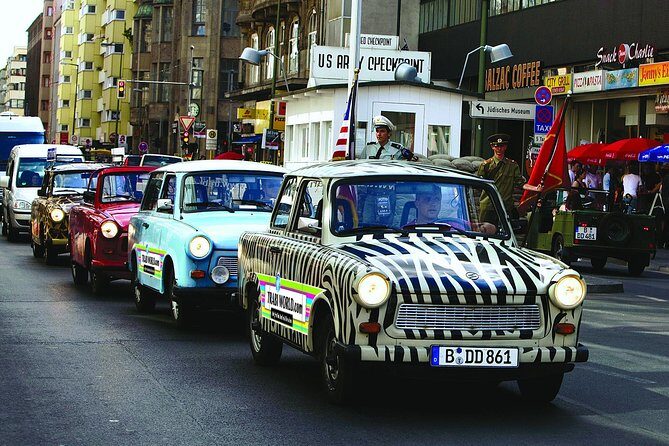
- Checkpoint Charlie: where WWII memory meets Cold War tension
- Price and value for a private Berlin Third Reich tour
- Guides and storytelling: why the names you hear matter
- Who should book this tour, and who might want a different pace
- Should you book Berlin & The Third Reich Private Guided Tour?
- FAQ
- How long is the Berlin & The Third Reich Private Guided Tour?
- What is the price for this private tour?
- Where does the tour start?
- Does the tour include pickup?
- Is there a mobile ticket?
- Are there admission tickets for the stops?
- Is this tour private?
- Is the tour near public transportation?
- Are service animals allowed?
- What is the cancellation policy?
Key highlights worth prioritizing
- A four-hour private route that keeps the story moving through major sites
- Reichstag context tied to the fire and Hitler’s rise to total control
- Holocaust Memorial on the schedule with time to take it in properly
- Fuhrerbunker area as it exists today (a parking lot with a simple sign)
- Cold War landmarks paired with WWII memory, like Potsdamer Platz and Checkpoint Charlie
A private Berlin walk that connects the Nazi rise to 1945
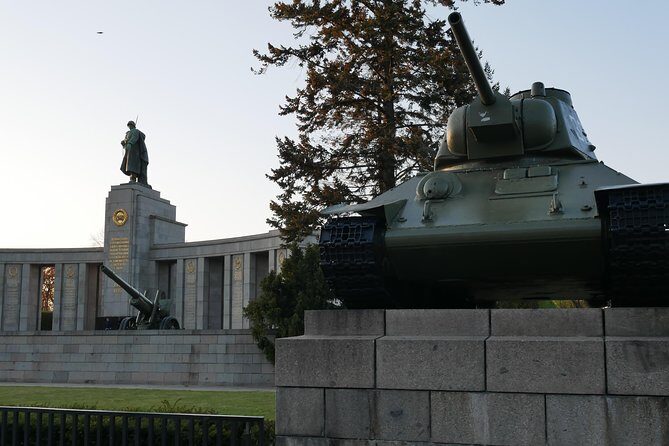
This is the kind of tour where the sequence matters. Instead of hopping randomly between monuments, you follow a guided path through central Berlin and watch how one era’s political theater links to the next era’s destruction. The format is built for a clear narrative: a guided walk lasting about four hours, with stops that cover power, propaganda, persecution, war, and the final collapse in 1945.
The tour price is set per group (up to 15 people). That’s important because it lets you turn Berlin sightseeing into something more like a conversation with one guide rather than a mass-produced bus stop checklist. One private-tour experience with a guide named Campbell was praised for the amount of ground covered, even on days when you’d already walked past some of the same locations without connecting all the dots. Another guide named Gregor was noted for how much there was to learn and how clearly it was explained.
You also get two small but real conveniences: pickup is offered, and you receive a mobile ticket. Those details matter when you’re trying to keep the day efficient.
You can also read our reviews of more guided tours in Berlin


Starting at Pariser Platz: the view you need before you hit the story
Your walk begins at Brandenburg Gate area, Pariser Platz. This matters because Pariser Platz sits right at one end of Unter den Linden and frames the Brandenburg Gate as the royal-style entrance to Berlin. It’s not a random square. It’s the kind of place that has always been about authority and public messaging, which makes it a smart starting point for a tour focused on how the Nazi regime seized control.
From here, the tour moves quickly into the heart of “what happened where.” Even if you’ve seen the Brandenburg Gate before, starting at Pariser Platz first gives you the geography you need. The gate’s story also includes survival through huge upheavals: it outlasted Napoleon’s era, the Second World War, and then sat trapped in the middle of the Berlin Wall for almost 30 years. Today it’s commonly read as a symbol of reunified Germany, but your guide ties it back to the earlier meanings you’re learning.
If you’re the kind of traveler who likes to understand why a landmark matters beyond the postcard view, this is a great setup.
Reichstag Building and the fire that changed everything
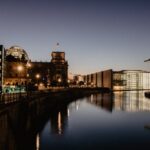
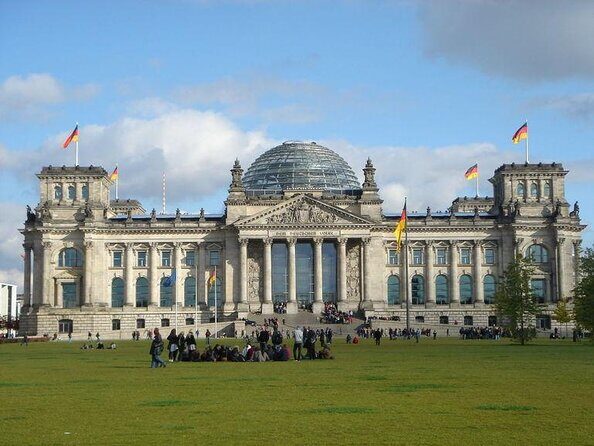
Next up is the Reichstag Building, Germany’s House of Parliament. This stop is central to the tour’s theme because the Reichstag fire is directly linked to how Hitler was able to move toward total control.
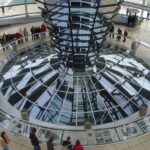
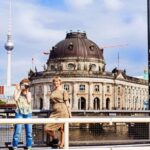
Even when you’re outside the building, the significance hits fast. This is where politics and power symbolism overlap. You’re also shown the Reichstag’s modern top: a glass dome (cupola) designed by British architect Sir Norman Foster. That detail is more than architecture trivia. It’s a visual reminder that the building has been reworked for a different Germany, while still connected to the consequences of what happened there.
Time on this stop is short (about 10 minutes), so you’ll want to pay attention early. The value here is not lingering; it’s getting the story angle that makes the building click in your mind the first time you see it in context.
Brandenburg Gate: from division to reunification symbolism
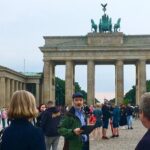
Then you’re at the Brandenburg Gate itself, with about 15 minutes at the stop. The gate is one of 18 former city gates, and its survival through multiple eras is part of why it’s so powerful as a reference point.
The key idea your guide brings is the contrast: once it was a symbol of division during the Wall period, and now it’s a widely recognized sign of reunification. For a tour about the Third Reich, that shift matters. It shows how Berlin’s public symbols get reused and reinterpreted as the political order changes.
This is also a good stop for taking a few minutes to look around rather than just staring up at the gate. Berlin is a city where the street grid and building placement help you understand movement and strategy. Watching how the space opens up here gives you a mental map you’ll carry to later stops.
The Holocaust Memorial: time to slow down and face it
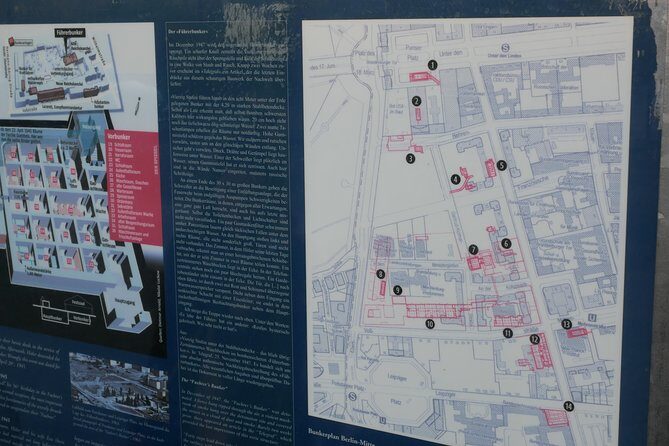
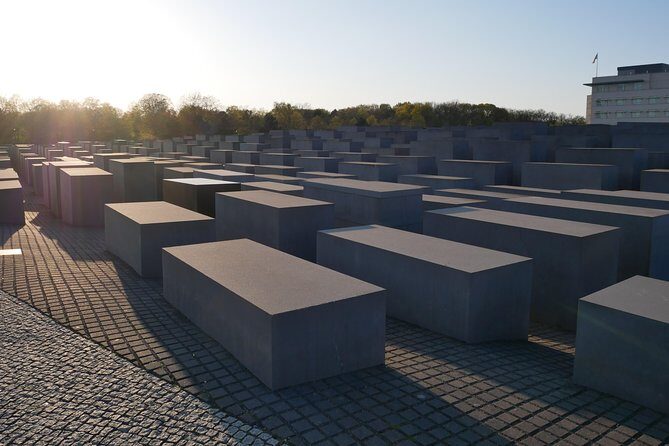
The schedule includes the Memorial to the Murdered Jews of Europe (the Holocaust Memorial). You’ll have about 20 minutes here, which is just enough time to do two things: read the overall layout and then stand within the stone stelae long enough to feel the scale.
This stop isn’t about quick photos. It’s the tour’s emotional center and one of its most important moments. The memorial is massive and made of repeated forms, and that repetition is part of the impact. Your guide will help you frame what you’re looking at so it doesn’t feel like a “thing you visited,” but instead a place tied to real loss.
If you’re sensitive to heavy content, plan your energy accordingly. But if you want Berlin history with the Holocaust treated as more than a footnote, this is non-negotiable.
You can also read our reviews of more private tours in Berlin




Fuhrerbunker: what the last days look like in the present
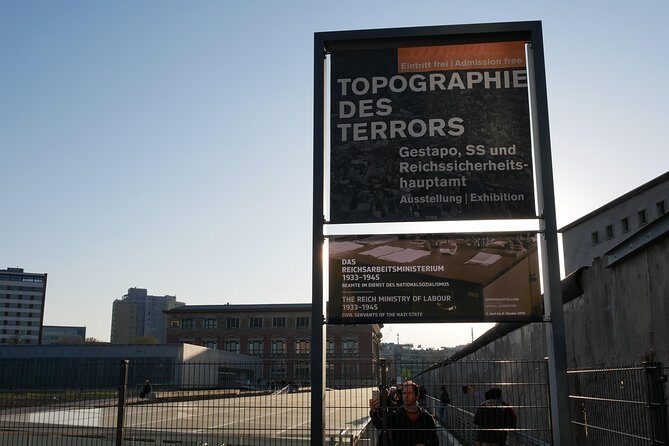
The next stop is Fuhrerbunker, marked by what it is today: a parking lot with a simple sign. You’ll spend about 15 minutes here. That contrast is intense. One of history’s most notorious locations is now part of everyday city movement.
The tour connects this site to what happened in the final days of WWII in Europe. You’re told that Hitler spent those days here, including that he married and then committed suicide during the war’s final phase. Even if you already know the broad outline, hearing it tied to this exact place helps your brain connect dates to geography.
This is one of those stops where short duration can actually be a benefit. It keeps the moment focused. You don’t have time to get bored, and you don’t get rushed through it either.
Potsdamer Platz: war destruction and the big rebuild
After Fuhrerbunker, the tour heads to Potsdamer Platz, with about 10 minutes. This stop illustrates how Berlin can hold multiple time periods at once.
In the 1920s, it was one of Europe’s busiest intersections. Then WWII destroyed it almost completely. Later, starting in the 1990s and continuing into the early 2000s, it was rebuilt as one of Berlin’s most modern precincts.
That swing—from peak city life, to wartime ruin, to modern redevelopment—is exactly the kind of historical layering you want to understand. It also gives the tour a visual reset. After the intensity of Nazi sites and Holocaust memory, seeing how the city remakes itself helps you keep the larger Berlin story in view.
Checkpoint Charlie: where WWII memory meets Cold War tension
To close the loop between eras, you’ll see Checkpoint Charlie. The stop runs about 10 minutes. During the Cold War, this was a frontline checkpoint manned by the Americans and Soviets.
This matters because it shows how Berlin didn’t just move on after WWII. The city became a stage for a new kind of power struggle. Standing at or near the checkpoint area helps you feel the transition from hot war to ideological confrontation.
By ending near the meeting point (back at Brandenburg Gate area), the tour finishes where you started, leaving you with a cleaner sense of the full arc: from the Nazi attempt to dominate Europe, to the war’s end, and then to the next geopolitical struggle built on the same city geography.
Price and value for a private Berlin Third Reich tour
At $329.92 per group (up to 15 people), you’re paying for a private guide and a focused route through high-impact locations. The price is not low if you’re solo or two people, but it can become fair fast if your group is larger. Think of it this way: you’re essentially buying time with one guide for a set route, plus convenience like pickup being offered and a mobile ticket.
There’s also an efficiency angle. Many stops you’ll visit are listed as free admission at the points on the schedule. That makes this tour more cost-predictable than some sightseeing days where you add ticket after ticket.
One detail I like for planning: this experience is booked on average 12 days in advance. That suggests it’s popular, so if you’re traveling during a busy season, you’ll want to lock it in sooner rather than later.
Guides and storytelling: why the names you hear matter
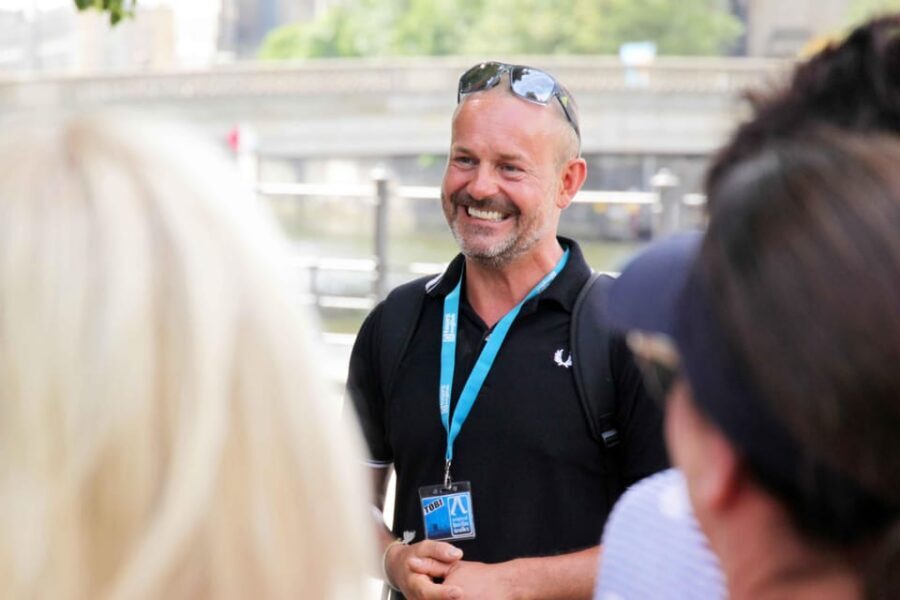
In a private tour, the guide quality is the whole experience. The feedback tied to guides named Walid, Campbell, and Gregor is consistent in one respect: they don’t treat the walk as a list. They treat it as explanation.
Walid’s tour was praised as a “4 hour stroll” that included breaks at key historical locations for chat. The takeaway for you is that pacing matters on a tour like this. You get time to ask questions and let the story land where the facts come from.
Campbell’s private tour was highlighted for covering a lot of ground and for being especially valuable if you’d already walked near some of the sites but hadn’t connected them into a coherent story. That’s exactly what you should hope for in Berlin: seeing familiar landmarks become meaningful.
Gregor was described as incredibly knowledgeable, with a fascination built from learning how Berlin’s modern history fits together. That’s the real promise of a Third Reich-focused tour: you’re not just looking at memorials, you’re understanding how they connect.
Who should book this tour, and who might want a different pace
This tour is a good match if you:
- Want a guided story route rather than a self-guided monument hop
- Like understanding how political events link to physical places
- Appreciate the blend of Nazi-era sites and later Berlin memory markers, like Potsdamer Platz and Checkpoint Charlie
- Prefer a private format, which is especially helpful for sensitive or complex topics
It may be less suitable if you:
- Know you want a lighter day in Berlin
- Get overwhelmed by content related to the Holocaust and WWII atrocities
- Don’t want a structured sequence and would rather roam freely on your own schedule
The good news is that the tour says most travelers can participate, and it allows service animals. If you have mobility concerns, consider asking ahead, since the itinerary is designed as a walk through central sites.
Should you book Berlin & The Third Reich Private Guided Tour?
Book it if you want Berlin history in a clear, guided order, with the Holocaust memorial and major power-related sites included. The route is tightly planned for meaning: Pariser Platz and Brandenburg Gate for context, the Reichstag for the political pivot tied to the fire, Fuhrerbunker for the end-of-war reality, and then Potsdamer Platz and Checkpoint Charlie to show how Berlin’s conflicts evolved.
Skip it if your ideal Berlin day is more about scenery, art, and casual strolling without heavy subject matter. This tour is built for serious history, and it will stay with you.
One practical note before you commit: the experience is listed as non-refundable and cannot be changed, so make sure your dates are solid.
If you’re ready for that kind of learning day, this is one of the more focused ways to understand Berlin’s darkest chapters without losing the plot.
FAQ
How long is the Berlin & The Third Reich Private Guided Tour?
It’s about 4 hours (approx.).
What is the price for this private tour?
The price is $329.92 per group, up to 15 people.
Where does the tour start?
The tour starts at Brandenburg Gate, Pariser Platz, 10117 Berlin, Germany.
Does the tour include pickup?
Pickup is offered.
Is there a mobile ticket?
Yes, the tour includes a mobile ticket.
Are there admission tickets for the stops?
The stops on the schedule list admission ticket free.
Is this tour private?
Yes. It’s private, and only your group participates.
Is the tour near public transportation?
Yes, it is near public transportation.
Are service animals allowed?
Yes, service animals are allowed.
What is the cancellation policy?
It is non-refundable and cannot be changed for any reason. If you cancel or request an amendment, the amount paid is not refunded.