REVIEW · BERLIN
Berlin Wall History Small Group Cycling Tour
Book on GetYourGuide →Operated by BBT-Sightseeing & More · Bookable on GetYourGuide
A bike ride through Berlin’s border ghosts. You follow the old Mauerweg in a tight group, stopping at Bornholmer Straße where the first people crossed on 9 November 1989, and you get clear context at the Chausseestraße ghost-station. I like how the route mixes big moments with quieter traces, and how the pace stays calm and easy to follow. One possible drawback: you’ll cover a lot in 4 hours, so some stops feel more like “see it, learn it, move on.”
This tour earns its high marks for the way guides make the Cold War readable on the street. In particular, names like Marcus and Kathrin show up in past experiences as people who add personal insights and keep the ride relaxed even when you’re near major sights. Plus, you’re not on your own for gear or weather, since the bicycle and a rain poncho are included, and the max group size is 8.
At $36 per person for a 4-hour, guided ride, the value comes from stacking multiple wall-related landmarks into one route without turning it into a checklist sprint. Still, you should know food and drink are not included, so plan on grabbing something after if you get hungry.
In This Review
- Key points before you pedal
- Cycling the Berlin Wall route on a small-group bike ride
- Meeting at Bornholmer Straße: where your ride starts and ends
- Bornholmer Straße: the first crossings, cherry trees, and an old watchtower
- Mauerpark cycling: seeing how daily life sits beside memory
- Bernauer Straße Wall Memorials: when the physical traces are missing, the meaning stays
- Chausseestraße ghost-station: the border system explained on the street
- Invalidenstraße and the Invaliden Graveyard: a quieter, heavier chapter
- The Government Bank ride to the Parliament of Trees
- Brandenburg Gate to Friedrichstraße: Potsdamer Platz, Checkpoint Charlie, and Tränenpalast
- Pacing, bikes, and what 4 hours really means
- What $36 buys you: value and trade-offs
- What to bring so the ride feels easy
- Should you book this Berlin Wall cycling tour?
- FAQ
- How long is the Berlin Wall history cycling tour?
- How big is the group?
- What’s included in the price?
- Is food or drink included?
- Where do I meet the guide?
- What language is the tour guide?
- What should I bring with me?
- Is the tour held in rainy weather?
- Am I allowed to bring luggage or large bags?
- Is cancellation free?
Key points before you pedal
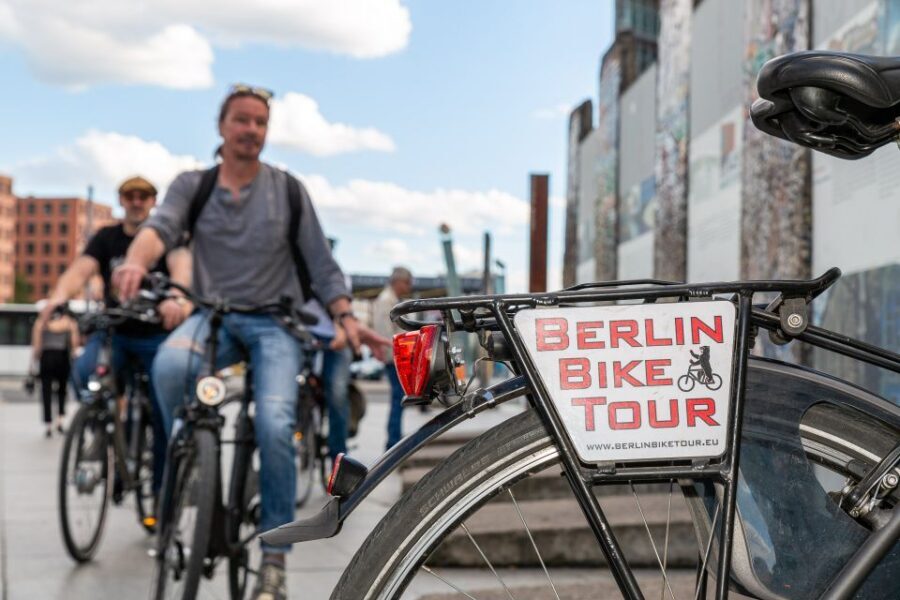
- Bornholmer Straße border scene: Start at the place where it all ended, then cycle through Mauerpark
- Wall Memorials at Bernauer Straße: You’ll see the memorial sites tied to the Wall’s most tragic moments
- Chausseestraße ghost-station stop: A guided walk-through makes the border system feel real
- Invaliden Graveyard and Invalidenstraße crossing: A quieter, heavier segment of the route
- Government Bank to Parliament of Trees: You move from Wall history to a modern Berlin landmark
- Friedrichstraße highlights: Brandenburg Gate, Potsdamer Platz, Checkpoint Charlie, and Tränenpalast in one sweep
Cycling the Berlin Wall route on a small-group bike ride
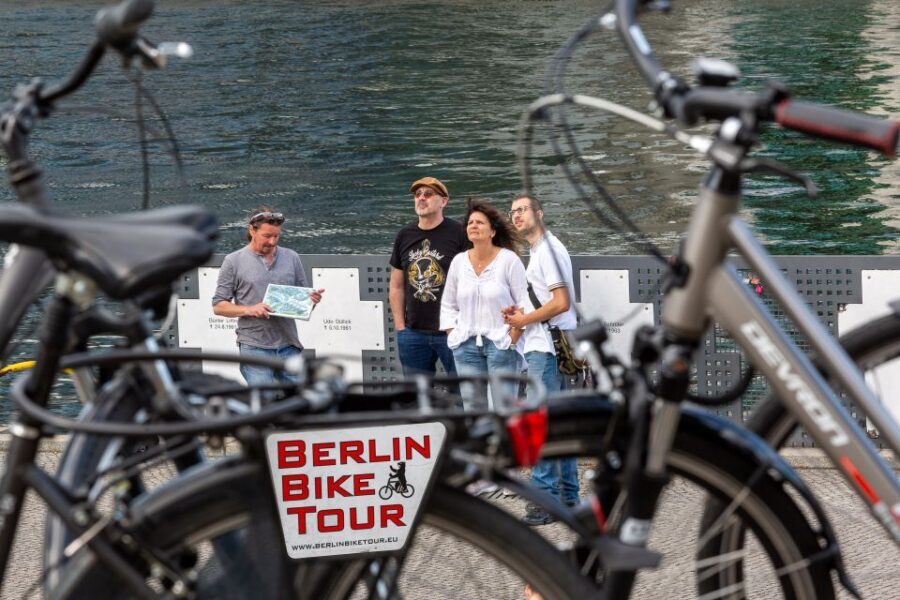
If you want Berlin Wall history without spending the whole day in museums, this is a smart compromise. You stay mobile, you see the city between the famous monuments, and your guide ties the route together so it makes sense as one story instead of separate stops.
The small group size matters here. With 8 participants max, you’re less likely to feel like a number, and it’s easier to hear explanations while you roll through traffic and busy intersections. You also get a live guide who talks in German, which can be a plus if you’re comfortable following a language-led tour.
It’s also practical that the tour is designed for “all weathers.” Berlin weather is a mood, not a schedule, so you can expect the ride to happen on rainy days too, with a rain poncho handed to you if needed.
You can also read our reviews of more cycling tours in Berlin

Meeting at Bornholmer Straße: where your ride starts and ends
The tour meets at 75 Bornholmer Straße, 10439 Berlin. You’ll end back at the same meeting point, so you’re not planning a separate return.
Getting there is straightforward by transit:
- About 1 minute on foot from tram stop Björnsonstraße (lines M1, M13, M50)
- About 2 minutes on foot from S-Bahn station Bornholmer Straße (lines S1, S2, S8, S25, S85)
- About 10 minutes on foot from S-Bahn/U-Bahn station Schönhauser Allee (lines S8, S41, S42, S85, U2)
This is useful because it keeps your travel day simple. You can plan to arrive early, get your bearings, and then focus on the route once you’re on the bike.
Bornholmer Straße: the first crossings, cherry trees, and an old watchtower
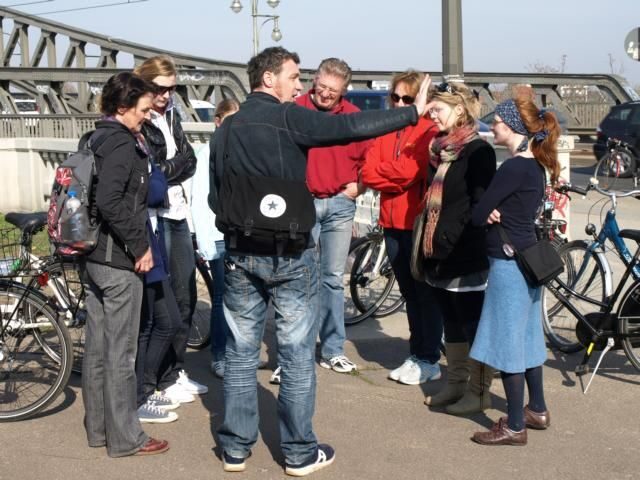
You start at the Square of the 9th November 1989, the place where the first East German citizens crossed the border. That opening isn’t just dramatic. It sets the tone for the entire ride by anchoring everything in a specific moment, then moving outward into the surrounding border system.
From there, you’ll cycle through Bornholmer Straße and you’ll learn why the cherry trees are grown there. It’s one of those details that makes the modern street feel connected to events that happened decades ago.
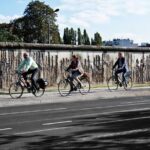
Two other parts of this area help you “see” what you’re reading about: you’ll spot an original watchtower and you’ll encounter traces of the death strip. Even though very little of the actual Wall remains today, these details help you understand what the border landscape was designed to do.
If you’re the kind of person who likes small visual cues, you’ll probably enjoy this segment even more. The tour includes walking through moments where you follow cues on the ground, like the pictures of rabbits, which keeps the route from feeling cold and purely factual.
Mauerpark cycling: seeing how daily life sits beside memory
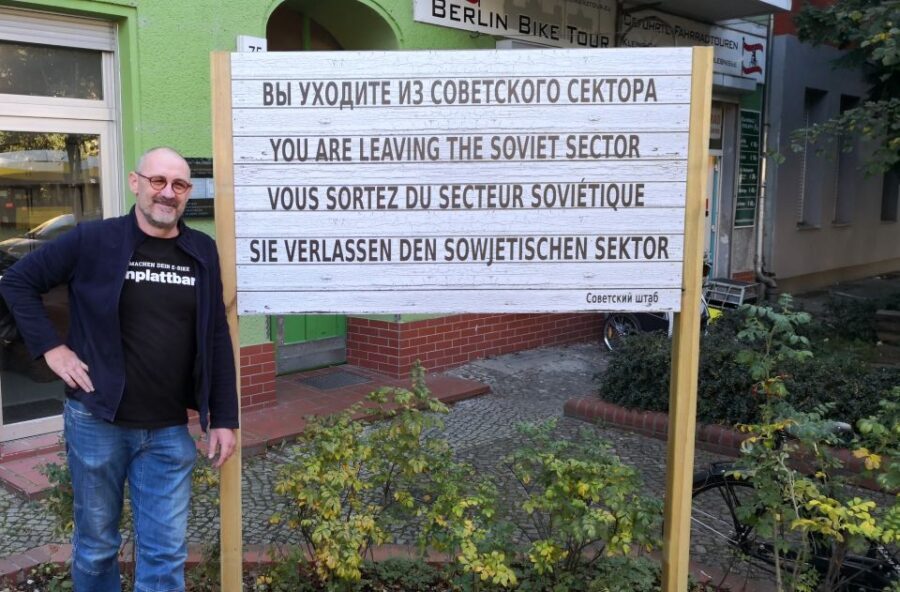
After the start-area landmarks, you cycle through Mauerpark. This is a key shift in feeling: you move from border-control intensity into a public Berlin space.
Why this matters for your understanding: the Wall wasn’t only a line on a map. It shaped neighborhoods, paths, and how people experienced everyday routines. Riding through a lively public area right after the darker border points helps you keep the timeline grounded.
The main “consideration” here is simple pacing. Since the tour is 4 hours total, you’ll want to stay mentally ready for quick stop-and-go segments. You’ll likely have a moment to process each place, but not long enough to linger like you would on your own.
Bernauer Straße Wall Memorials: when the physical traces are missing, the meaning stays
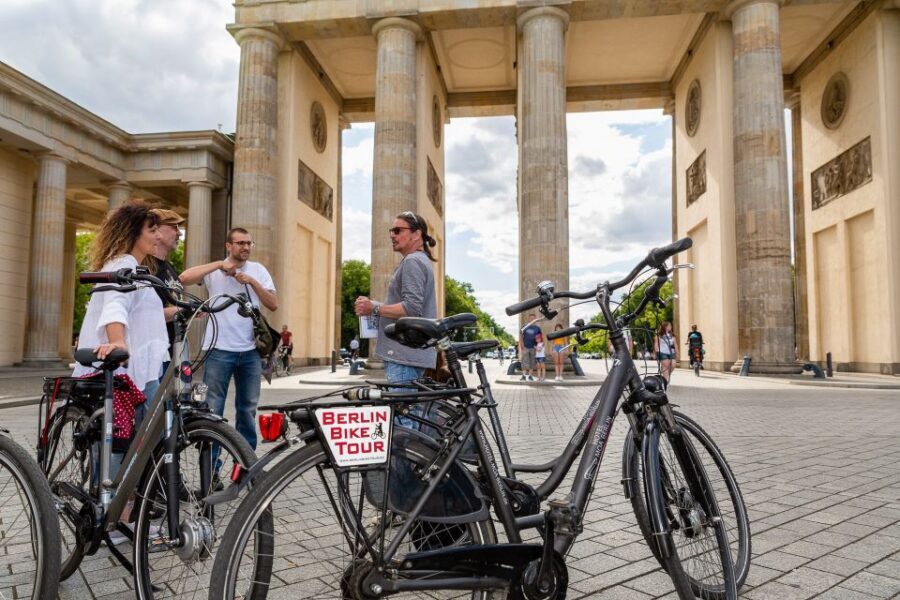
Next you’ll reach the Wall Memorials at Bernauer Straße. This stop is especially valuable because it does something that’s hard to do from photos: it gives you scale and location context in a way a screen can’t.
Even if the Wall itself is mostly gone in this part of Berlin, the memorials help you understand the historical impact of where the border ran. In a cycling format, you also get a real sense of how the environment around the Wall kept functioning while the border controlled movement.
If you’re sensitive to heavier stories, it helps that your guide is present at these points. You won’t be left staring at plaques trying to guess what’s important; instead, the tour frames what you’re seeing and shares tragic, fateful stories connected to the sites.
You can also read our reviews of more historical tours in Berlin


Chausseestraße ghost-station: the border system explained on the street
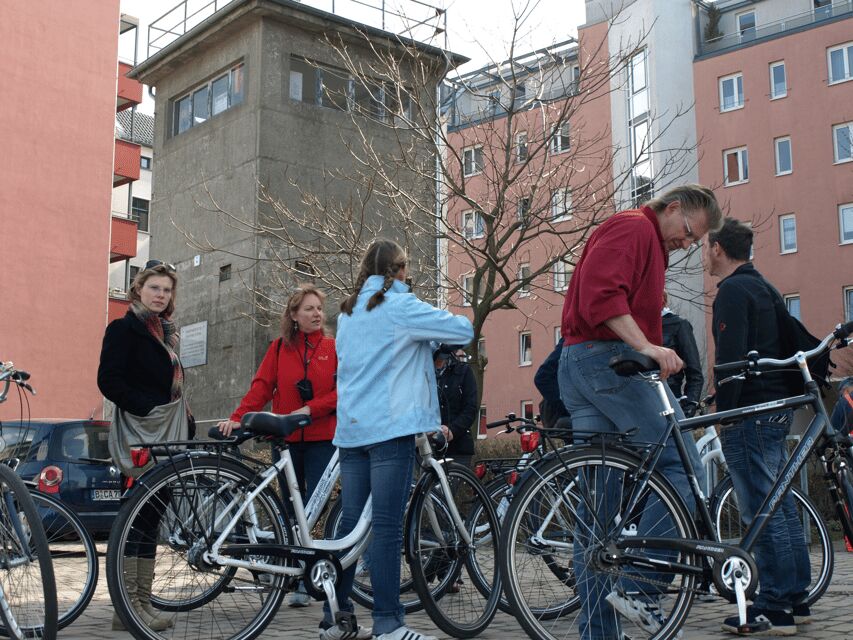
One of the most memorable segments is the visit to the ghost-station and border-crossing at Chausseestraße. This is where the tour goes beyond general “Berlin Wall” talk and moves toward how the border operated day to day.
A ghost-station stop works well on a bike tour because it forces you to slow slightly and look at the layout. The guide can point out how the station area relates to the broader border-control network, so the story becomes spatial, not abstract.
If you like guided storytelling more than self-guided reading, this stop is a strong reason to choose the tour. It’s also a helpful contrast to the brighter, more tourist-friendly sights later in the route.
Invalidenstraße and the Invaliden Graveyard: a quieter, heavier chapter
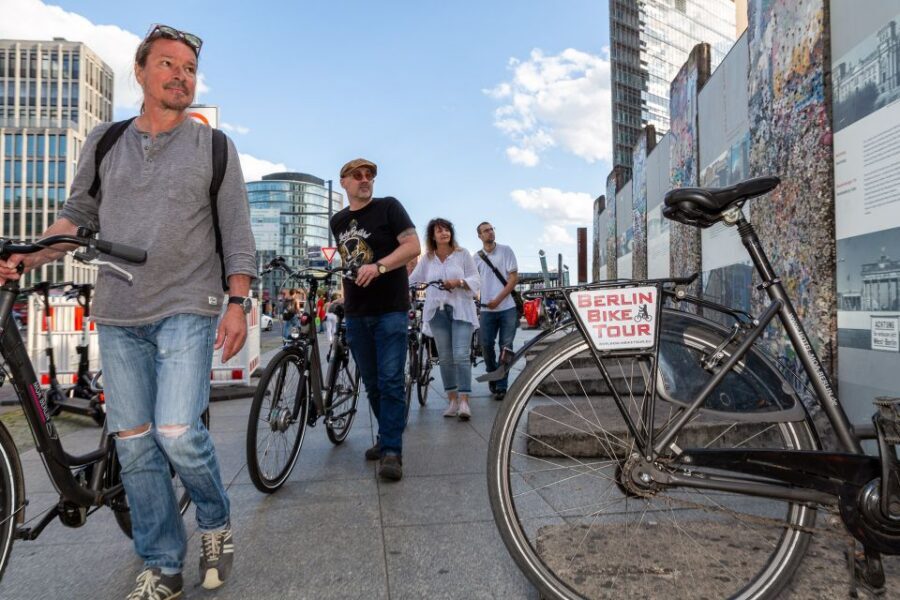
You then ride to the Invaliden Graveyard and the former border-crossing at Invalidenstraße. This part of the tour tends to hit differently because it connects the Wall’s history to the human cost in a more solemn setting.
From a practical standpoint, it’s also a good reminder that “Wall history” isn’t only about dramatic images. It’s about consequences, and places like a graveyard push that home.
A small consideration: if you’re traveling with limited time and you want only light sightseeing, this may feel heavier than you expect. But if you’re here for real historical understanding, you’ll probably appreciate the balance this stop brings to the overall route.
The Government Bank ride to the Parliament of Trees
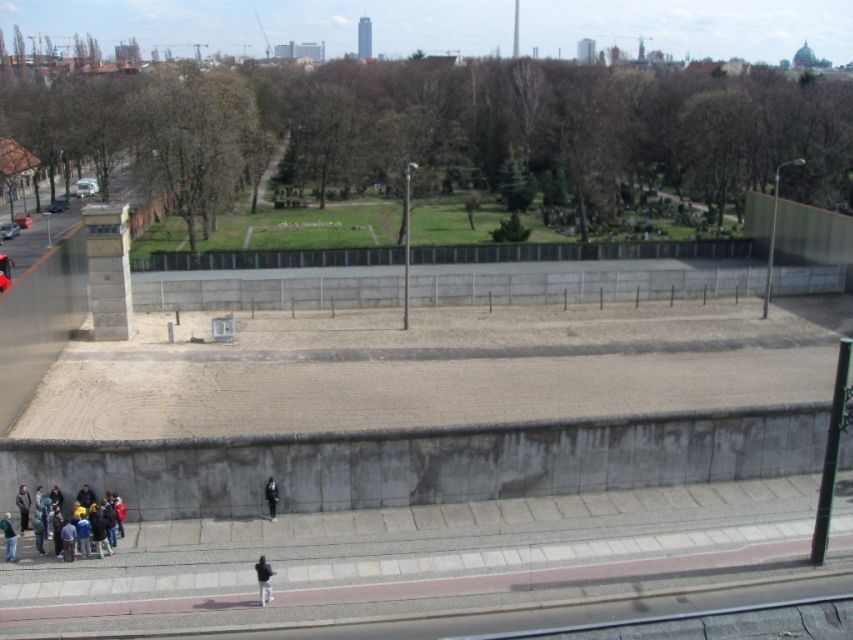
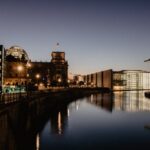
After the memorial-heavy stretches, the route takes you along the Government Bank and toward the Parliament of Trees. This is a smart balance move within the 4-hour loop.
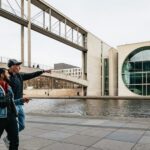
Why it’s a good addition: after learning about a border that restricted movement, you get to see a modern Berlin landmark that signals how the city has changed. It doesn’t cancel out the past, but it shows the present built around it.
This segment also gives your legs and brain a breather. If earlier stops felt emotionally intense, the bike rhythm here can feel like a reset before you hit the busiest, most iconic landmarks.
Brandenburg Gate to Friedrichstraße: Potsdamer Platz, Checkpoint Charlie, and Tränenpalast
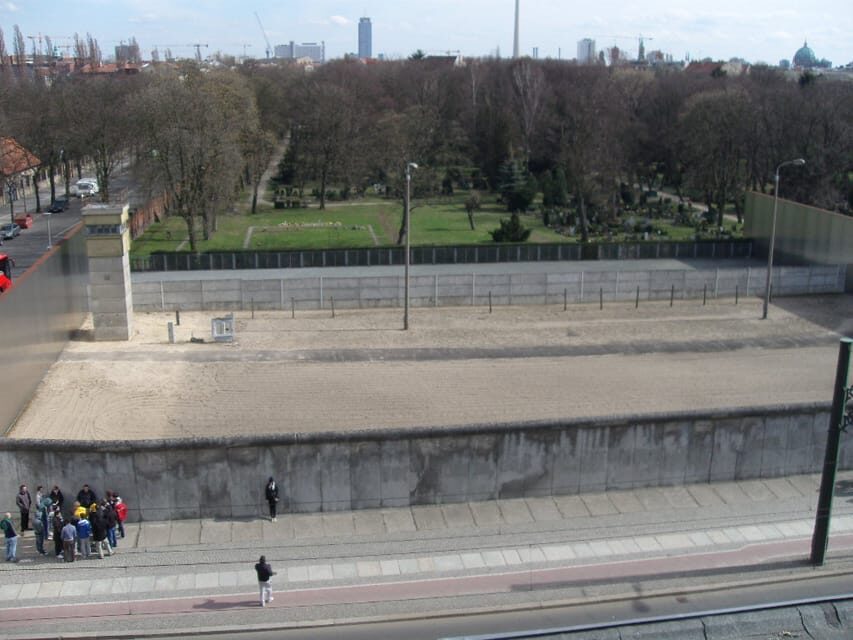
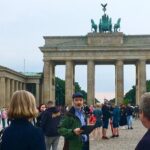
Later, the tour sweeps through Brandenburg Gate, Potsdamer Platz, Checkpoint Charlie, and heads to Friedrichstraße. This is the portion most people expect when they think about Berlin Wall imagery, but you’re seeing it with the route’s logic in mind, not just as postcard stops.
Friedrichstraße also includes Tränenpalast, often called the Palace of Tears. In the context of the tour, it feels less like a single attraction and more like a fitting endpoint for the border story you’ve been tracing along the route.
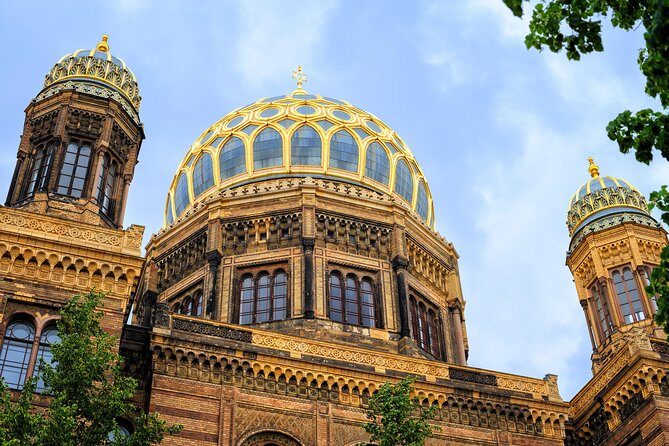
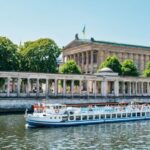
Along the way, you also ride past Friedrichstadt Palace, Museum Island, the New Synagogue, and the Old Berlin Post Office. Even if you don’t stop for long at each, passing them during a themed tour helps you connect the Wall-era story to the wider city fabric.
One good “expectation management” tip: Checkpoint Charlie and other big-name sights can be visually crowded areas. The advantage here is that your guide helps you focus on what matters for the tour story, so you don’t get stuck just taking photos without learning.
Pacing, bikes, and what 4 hours really means
This is a 4-hour tour with a maximum of 8 participants. That time window is long enough for meaningful stops, but short enough that you won’t get exhausted by hours of transit between sites.
You’ll be cycling the core route and pausing at key points to learn. That makes the experience feel like moving through Berlin while also stopping when the story demands it.
Because luggage or large bags are not allowed, pack light. Bring what you need, then keep your hands free for the bike and your camera. The tour also provides a bicycle and fees, which keeps you from worrying about renting or extra entry costs.
What $36 buys you: value and trade-offs
At $36 per person for a guided 4-hour small-group ride, the value comes from the combination:
- You get a live guide and guided fees covered
- You get the bicycle included
- You hit multiple wall-related locations in one loop, from border-control areas to memorial sites to major Berlin landmarks
The trade-off is time. This tour is focused, not endless. If you want to deeply linger at every site with lots of self-guided reading, you’ll likely want additional time after the tour to revisit places that you found most meaningful.
Also, food and drink are not included. That’s not a dealbreaker for the day, but it means you should plan a snack or meal before or after, especially if you’re sensitive to hunger.
What to bring so the ride feels easy
You’ll want the basics:
- Passport or ID card
- Sunglasses
- Sun hat
- Camera
Even with the rain poncho provided on rainy days, it helps to dress for comfort and weather. You’ll be outside for a few hours, so consider layers if the forecast looks changeable.
And because this is a bike tour, keep items minimal and secure. Luggage or large bags are not allowed, so avoid arriving with anything bulky.
Should you book this Berlin Wall cycling tour?
Book it if you want the Berlin Wall story in a way that’s active, focused, and human-scale. This tour is particularly worth it if you like learning while moving, and if you appreciate guides who can turn places like the Chausseestraße ghost-station, Bernauer Straße memorial sites, and the Invaliden Graveyard into a clear, connected narrative. The high rating score and the repeated mention of guides like Marcus and Kathrin as professional, informative, and relaxed is a strong signal that the experience works.
Skip it only if you’re looking for a quiet, long museum-style visit. With a 4-hour duration and multiple major stops, the format is meant for cycling and short guided moments, not slow roaming.
If you do book, arrive a bit early at 75 Bornholmer Straße, bring your ID, and plan for a snack later. Then enjoy the best part: seeing the Wall’s traces stitch through Berlin’s present-day streets.
FAQ
How long is the Berlin Wall history cycling tour?
It lasts 4 hours.
How big is the group?
The tour runs as a small group, with a minimum of 3 people and a maximum of 8 participants.
What’s included in the price?
The price includes the bicycle, fees, a city guide, and a rain poncho if necessary.
Is food or drink included?
No. Food and drink are not included.
Where do I meet the guide?
Meet your guide at 75 Bornholmer Straße, Berlin 10439. The tour ends back at the meeting point.
What language is the tour guide?
The live tour guide speaks German.
What should I bring with me?
Bring a passport or ID card, sunglasses, a sun hat, and a camera.
Is the tour held in rainy weather?
Yes. The tour takes place in all weathers, and you’ll be given a rain poncho if needed.
Am I allowed to bring luggage or large bags?
No. Luggage or large bags are not allowed.
Is cancellation free?
You can cancel up to 24 hours in advance for a full refund.