REVIEW · BERLIN
Berlin: Berlin Wall & East Side Gallery Walking Tour
Book on GetYourGuide →Operated by Real Berlin Tours @guidecris · Bookable on GetYourGuide
The Wall has street-art opinions. This Berlin Wall and East Side Gallery walking tour links Cold War history to the murals you see today, with stops around Friedrichshain and Kreuzberg. You also get real photo moments, not just standing and listening.
I love how Cristobal, from Real Berlin Tours (@guidecris), explains the Wall story and then connects it to what artists said after it fell. I also like the hands-on photography coaching, where you practice at specific places with street art and old architecture as your backdrop.
One drawback: it’s a mostly outdoors walk, so cold weather matters. And if you expect the entire time to be wall-focused only, know the emphasis can tilt toward street art analysis.
In This Review
- Key Highlights at a Glance
- Cold War Facts, Then Street Art Meaning (Without the Museum Tone)
- Starting Point and the Pace You Should Plan For
- Berlin Wall and Berlin Wall Museum: What You’re Seeing and Why It Happened
- East Side Gallery: The Largest Open-Air Gallery, With Symbolism That Matters
- Cengaver Katranci Memorial and Oberbaumbrücke: Human Scale Between Big Themes
- Kreuzberg and Friedrichshain: Seeing the Wall’s Afterlife in Daily City Life
- Photography Tips You Can Use Immediately (Not Just Theory)
- Value for $29: What You’re Actually Buying
- Who This Tour Fits Best (And Who Might Want to Skip)
- FAQ
- FAQ
- How long is the Berlin Wall & East Side Gallery walking tour?
- Where does the tour start?
- Which places are included on the tour?
- Which neighborhoods does the tour cover?
- What languages is the guide available in?
- Is the tour wheelchair accessible?
- What should I bring for the tour?
- Is free cancellation available?
- Is the tour suitable for people with hearing loss or a broken foot?
- Is the tour suitable for very elderly visitors?
- Should You Book This Tour?
Key Highlights at a Glance
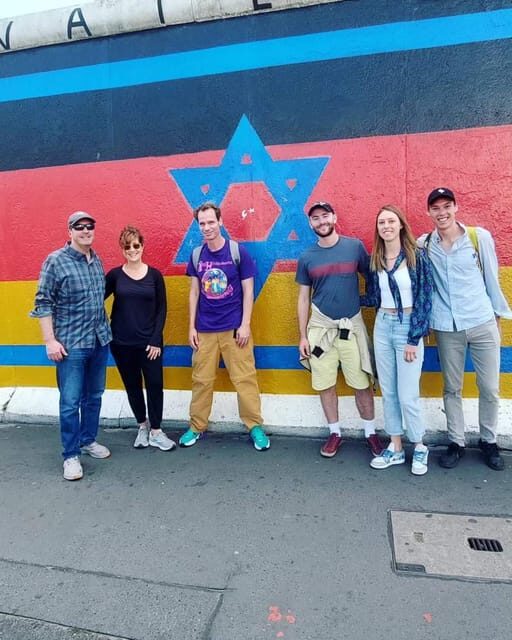
- Berlin Wall + Berlin Wall Museum context so you understand what you’re looking at
- East Side Gallery explained piece-by-piece, including symbolism and the artists’ angles
- Kreuzberg and Friedrichshain neighborhoods, where the Wall’s afterlife shows up in daily city life
- Oberbaumbrücke and surrounding architecture that make great photo backdrops
- Cristobal’s story-telling style that turns big Cold War themes into street-level details
- Practical photo tips and concrete photo stops, so you leave with images you planned, not just snapshots
Cold War Facts, Then Street Art Meaning (Without the Museum Tone)
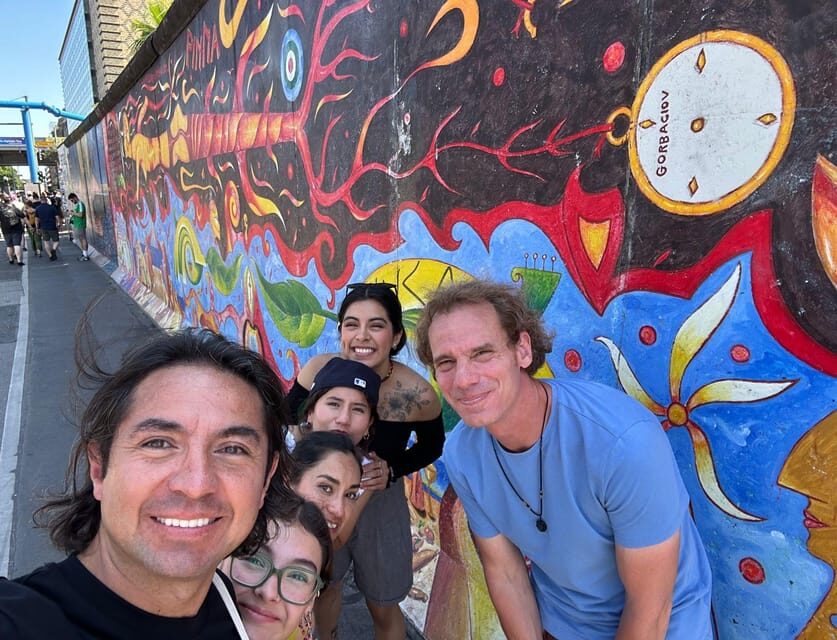
Berlin’s Berlin Wall still pulls rank. Even if you’ve read a few articles or watched a documentary, it can stay abstract until someone shows you how the Wall shaped choices, fear, and eventually creativity. On this tour, you get that link—history to art—so the experience feels like cause-and-effect, not trivia.
What makes it interesting is the balance. You’re not only looking at the Wall and calling it a day. You’re also studying how East Side Gallery murals became a way to speak publicly after decades of separation. That’s a different way to “see Berlin”: less postcard, more meaning.
And yes, you’ll get the photography angle too. The tour includes photography scenarios and tips, with time built in for taking photos at concrete spots. If you care about getting good shots with context, that part clicks.
You can also read our reviews of more walking tours in Berlin

Starting Point and the Pace You Should Plan For
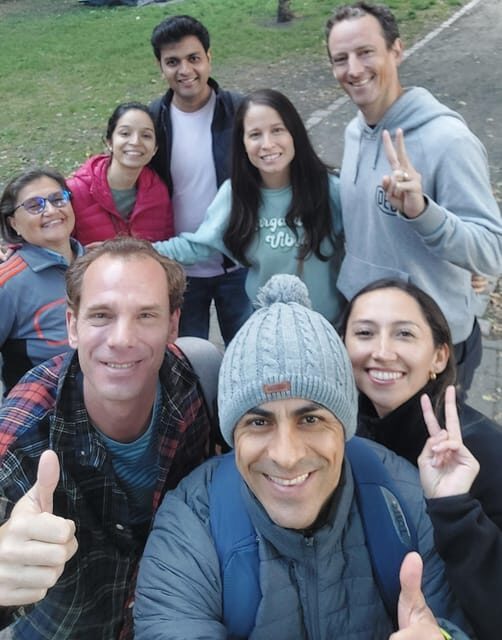
The tour runs for 2 hours, and you’ll move at a comfortable walking pace between key Wall-era locations and the art sites. There’s more than one starting option, including East Side Bäckerei on Warschauer Str. 34-36, and the exact meeting point can vary depending on what you book.
You’ll be guided in English and Spanish, which is helpful for a mixed group. It’s also listed as wheelchair accessible, but keep in mind it’s still a walking tour, so you should think realistically about what “accessible” means for your specific mobility needs.
A practical tip: wear shoes you can trust. This is the kind of tour where slipping once can ruin the whole rhythm, especially when you’re stopping for photos and discussing details.
Berlin Wall and Berlin Wall Museum: What You’re Seeing and Why It Happened
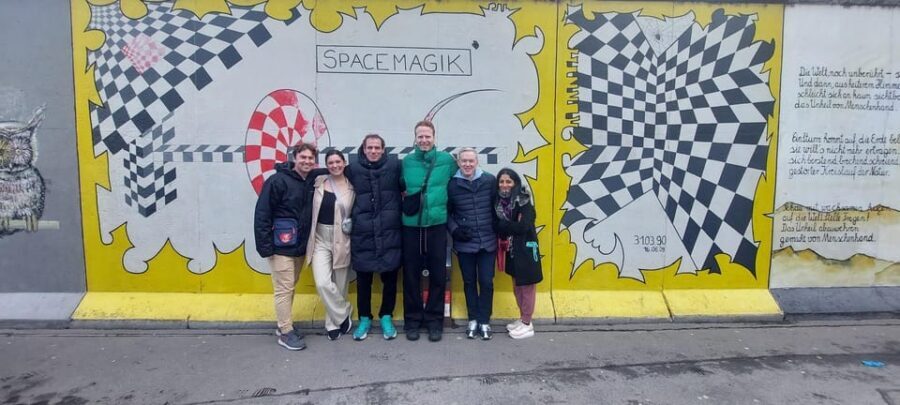
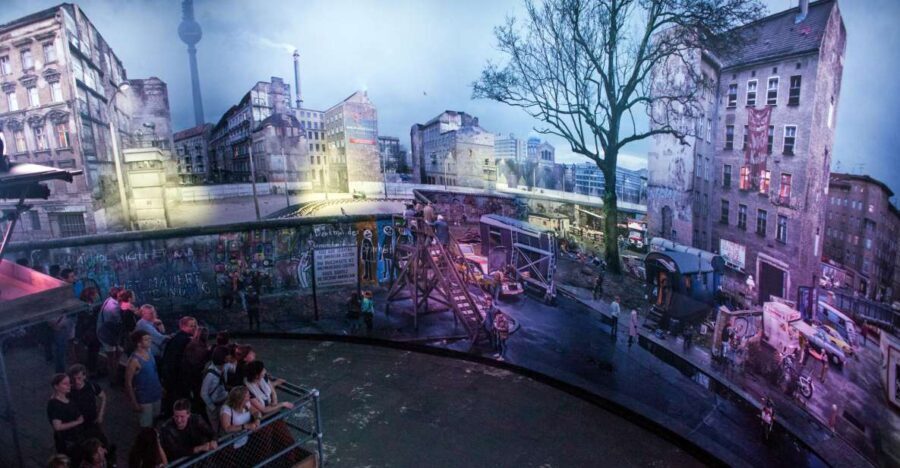
This is where the Wall story gets grounded. You’ll visit Berlin Wall sites and also spend time with Berlin Wall Museum context, which helps explain the broader Cold War episodes behind the barrier. The value here isn’t only learning dates—it’s understanding why the Wall was built and what it did to daily life and political reality.
A good part of the experience is how the guide connects the past to the present. Cristobal’s approach (as reflected in his reviews) focuses on turning large events into street-level meaning—so you’re not just “reading the Wall,” you’re interpreting it. That makes your later mural viewing feel less random and more like a continuation.
If you’re short on time in Berlin, I like that this tour gives you a structured start. You’re not wandering the Wall area with half-answers. You get a guided framework first, then the art lands better.
East Side Gallery: The Largest Open-Air Gallery, With Symbolism That Matters
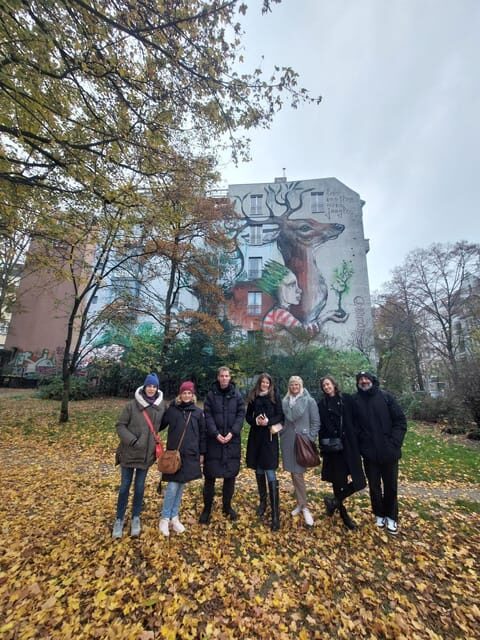
The East Side Gallery is the headline. It’s also the part where this tour earns its keep: you don’t just walk past murals—you look at them like messages.
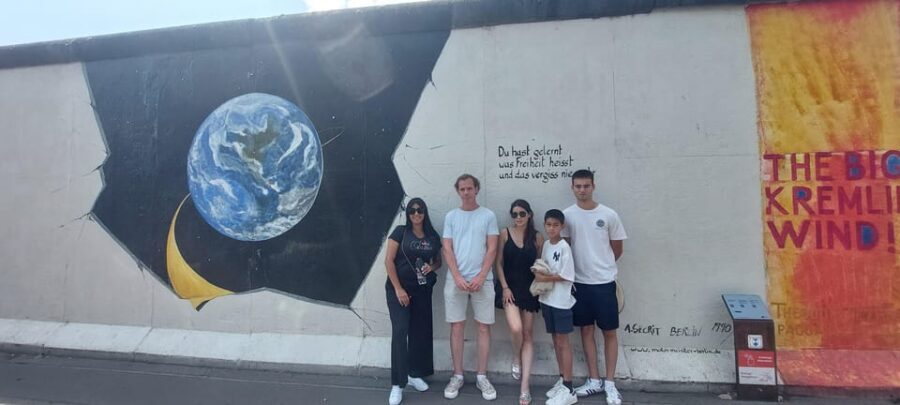
Cristobal’s tour style emphasizes close analysis. In reviews, people specifically praised how he explained symbolism, the influence of the artists, and how the murals relate to the Wall’s final years and the shift that followed. That’s what you want here. The East Side Gallery can look like street art at first glance, but the deeper meanings are doing a lot of work.
You’ll also get photography support during this section. The tour description mentions photography scenarios and tips, and reviews mention concrete photo help. That matters because the Gallery is wide, busy, and visually loud. Having someone point you to the best angles and encourage you to take photos at the right moments helps you capture the art without missing the story.
Quick reality check: this is still outdoors street art viewing. If you’re the type who gets frustrated when you need to walk and stand in wind, dress for it. But if you enjoy murals with context, this is a strong match.
Cengaver Katranci Memorial and Oberbaumbrücke: Human Scale Between Big Themes
Between the Wall and the murals, the tour adds moments that bring the story down to a more personal scale. One stop includes the Cengaver Katranci Memorial. Even when you only get a short guided moment there, it adds weight to the broader Cold War narrative—you’re reminded that history wasn’t only political. It involved people, and it left marks.
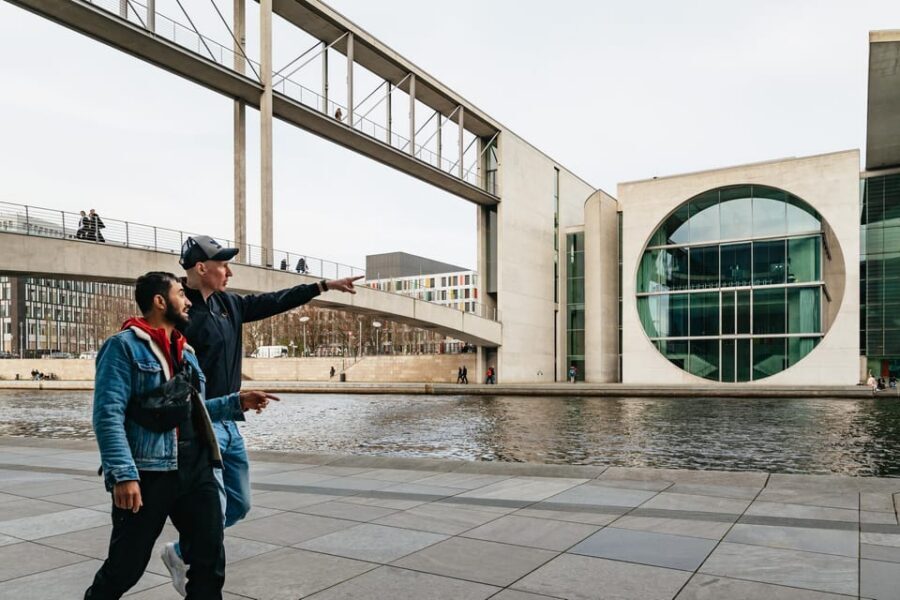
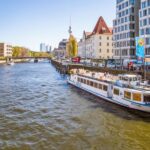
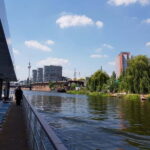
Then you move toward Oberbaumbrücke, a location that’s great for photos and atmosphere. Bridges in Berlin tend to be more than connectors; they’re landmarks with geometry and brickwork that frame the city. If you’re practicing photography, this is a smart place to try different perspectives—wide framing for architecture and tighter framing when the murals or Wall-era textures sit in the background.
One reason I like including stops like this: it breaks the emotional intensity without watering it down. You get movement, perspective, and a chance to reset before the tour heads into more neighborhood time.
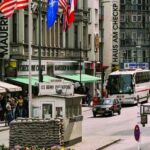
You can also read our reviews of more museum experiences in Berlin
Kreuzberg and Friedrichshain: Seeing the Wall’s Afterlife in Daily City Life
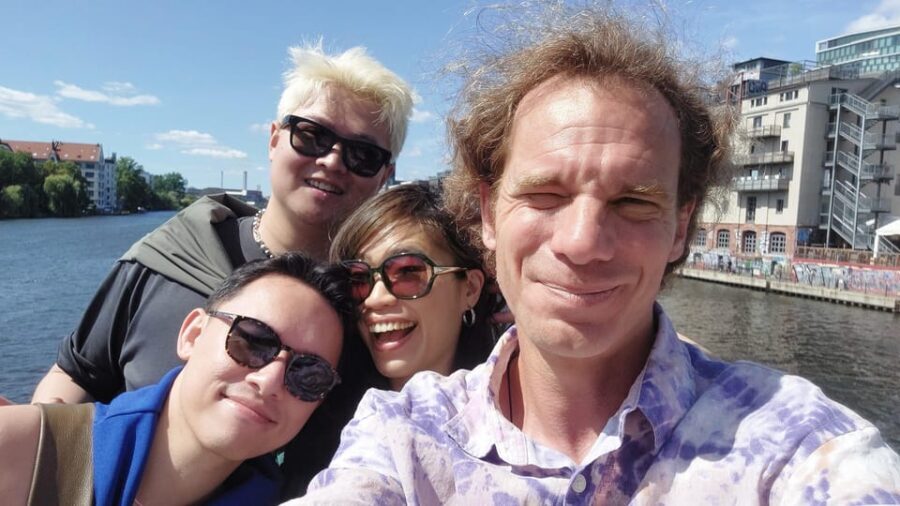
The tour explores Kreuzberg and Friedrichshain, two neighborhoods where Berlin’s layers show up fast. These areas aren’t themed like a set. They feel lived-in—cafés, streets, buildings that don’t care about your history worksheet.
This part matters because it changes your mental map. The Wall story can trap people into thinking the Wall is a single monument. But the real point is how the city absorbed it: how urban art, architecture, and public spaces adapted over time.
You’ll spend guided time moving through these areas, and the tour ends at Schlesisches Tor. Finishing in a working neighborhood is a good choice. It helps you connect what you learned to what you’ll keep seeing after the tour ends—street life, not just street history.
Photography Tips You Can Use Immediately (Not Just Theory)
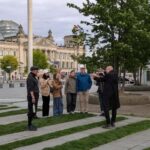
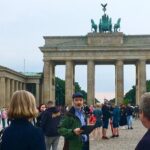
This tour is explicitly set up for photography. The description talks about learning photography tips and doing concrete photo practice at concrete places. Reviews also mention that Cristobal offered help getting good shots and helped people with family photos when needed.
Here’s why that’s valuable for you: the East Side Gallery and Wall-area sites are full of visual clutter. If you’re not sure what to shoot, you’ll end up with random pictures that don’t say what you meant to capture. With guidance, you can focus on composition—framing murals, capturing textures, using architecture as structure—so your photos match the story you’re learning.
Also, winter matters here. In reviews, people mention icy cold weather and the guide sensibly adapting so everyone stayed involved. That’s a real comfort factor: when your fingers are numb, “tips” don’t help unless the tour pace and stops are workable. Dress like you’re going out for a long walk in cold wind, not like you’re heading to a gallery.
Value for $29: What You’re Actually Buying
At $29 per person for a 2-hour guided experience, you’re paying for three things:
First, you’re buying someone’s ability to connect dots. The Wall story is big and complex. The East Side Gallery stories are also packed with meaning. A specialist guide compresses that into something you can understand in one outing—especially with a style that keeps the conversation moving.
Second, you’re buying structure. You visit major sites like the Wall and East Side Gallery, plus additional stops such as the museum context and Oberbaumbrücke. Without a guide, it’s easy to see locations but miss the “why it matters” layer.
Third, you’re buying photography coaching time. Even if you’re not a pro, the guide helps you practice at the right spots so you leave with better results than you would by wandering.
If you care about history and street art, this price-to-time ratio is hard to beat. The tour also holds a 4.9 rating from 264 reviews, which is a useful signal—especially because many comments focus on guide quality, clear explanations, and the tour’s engaging pace.
Who This Tour Fits Best (And Who Might Want to Skip)
This tour is best if you like at least one of these:
- Urban art and street art analysis, especially when it’s tied to politics and symbolism
- Cold War history but told in a way that connects to what you’ll see on the street
- Photography practice while walking real locations, not just looking
It may not suit you if:
- You don’t speak English or Spanish well, since the tour is guided in those languages
- You have a physical issue like a broken foot or hearing loss, since the info says it isn’t set up for those situations
- You’re planning for someone over 95 years old, since it’s listed as not suitable
One more “fit” note: bring warm clothing. The tour explicitly asks for comfortable shoes and layered cold-weather gear, including snow/thermal clothing. This is Berlin. Even a well-run tour can’t magically cancel wind.
FAQ
FAQ
How long is the Berlin Wall & East Side Gallery walking tour?
It lasts 2 hours.
Where does the tour start?
The meeting point can vary depending on your option. One listed starting point is East Side Bäckerei, Warschauer Str. 34-36.
Which places are included on the tour?
You’ll visit stops including the Berlin Wall, Berlin Wall Museum, East Side Gallery, Cengaver Katranci Memorial, Oberbaumbrücke, and you end at Schlesisches Tor.
Which neighborhoods does the tour cover?
It includes areas in Kreuzberg and Friedrichshain.
What languages is the guide available in?
The live guide offers the tour in English and Spanish.
Is the tour wheelchair accessible?
Yes, it’s listed as wheelchair accessible.
What should I bring for the tour?
Bring comfortable shoes and weather-appropriate clothing. The tour also specifically suggests warm clothing, snow clothing, and thermal clothing.
Is free cancellation available?
Yes. The tour offers free cancellation up to 24 hours in advance for a full refund.
Is the tour suitable for people with hearing loss or a broken foot?
The activity notes that it’s not suitable if you have a physical problem like hearing loss or a broken foot.
Is the tour suitable for very elderly visitors?
It’s listed as not suitable for people over 95 years.
Should You Book This Tour?
I’d book it if you want Berlin Wall history with a street-level voice and you’re excited to understand the East Side Gallery beyond the surface. The mix of Wall context, mural symbolism, neighborhood walking, and built-in photo help makes it feel like a complete outing rather than a stop-and-snap circuit.
Skip it only if cold weather walking will be a problem for you, or if you need accommodations beyond what’s stated for hearing loss and mobility limitations. And if you’re arriving expecting wall viewing to dominate every minute, be aware the tour’s design spends real time on art analysis too.
If that sounds like your kind of Berlin, this is a strong value pick.