REVIEW · BERLIN
An Introduction to Berlin Walking Tour
Book on GetYourGuide →Operated by insightcities.com · Bookable on GetYourGuide
Berlin has a talent for telling hard truths fast. This 3-hour walk strings together Prussia, empire, Nazi rule, Cold War division, and modern Berlin into one clear timeline. I really like the way it connects big places to big ideas, and you get a historian-led approach that keeps the story grounded.
One thing to consider: this tour covers heavy subjects, so it’s not a light “see the sights” loop. Also, you’ll use public transport one or twice, since some key stops are too far apart to do purely on foot.
In This Review
- Key highlights worth planning around
- Why This Berlin Walk Treats Politics Like a Timeline
- Potsdamer Platz: Where the Death Strip Becomes a Starting Point
- Following the Berlin Wall Line Through Tiergarten
- Holocaust Memorial and the Reichstag Dome: Seeing Democracy as Design
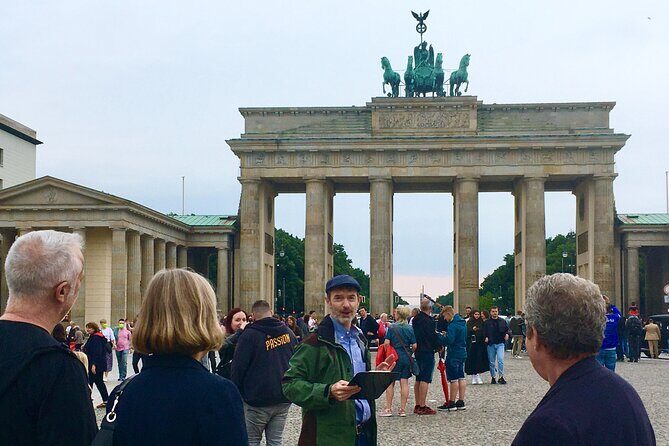
- Brandenburg Gate Through Napoleon’s Footsteps
- Unter den Linden and Frederick the Great: Prussia’s Poet King
- Bebelplatz Book Burning and Museum Island’s Cultural Push
- Hackescher Markt to Alexanderplatz: Old Courtyards Meet East Berlin Showpieces
- Checkpoint Charlie: The Cold War Ends, Right Where You Finish
- Price, Pace, and Transit: Getting Value From 3 Hours
- Who This Tour Fits Best (And Who Might Want Something Else)
- Should You Book This Berlin Walking Tour?
- FAQ
- FAQ
- How long is the Berlin walking tour?
- What is the price per person?
- Where does the tour meet?
- Is the guide English-speaking?
- Do I need to buy a transport ticket?
- Do you help if I don’t have a Berlin metro pass?
- Can I cancel and get a refund?
Key highlights worth planning around
- Three centuries, one coherent storyline from Prussia to reunified Berlin
- Potsdamer Platz to the Wall line including the memory of East Germany’s Death Strip
- Holocaust Memorial + Reichstag with discussion of the 1992 dome and democratic symbolism
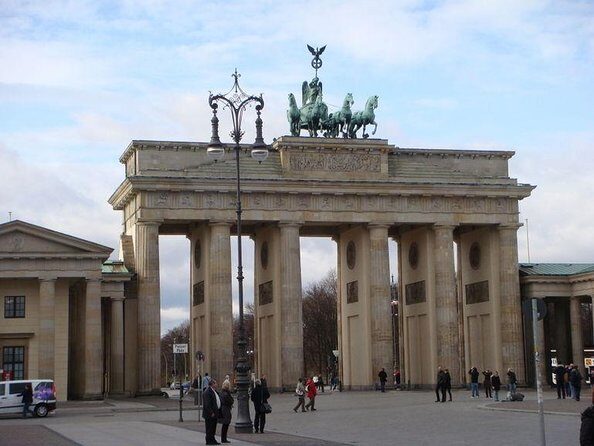
- Brandenburg Gate through Napoleon-era influence and how French revolution shaped German nationalism
- Bebelplatz book burning site where Nazi propaganda and Hitler’s rise get tied to consequences
- Checkpoint Charlie as a Cold War ending point where 1989 border-crossing energy still echoes
Why This Berlin Walk Treats Politics Like a Timeline
Berlin isn’t just one era stuck together; it’s layers. This tour helps you read those layers in the right order, starting when Prussia was still small and learning how its rise fed later conflicts. You’ll move through the city while the guide constantly answers the same question: how did we get from politics to catastrophe?
I like that the tour doesn’t act like tragedy began in 1933. Instead, it links early militaristic and cultural currents in Prussia to the later world-shaking disasters of the 20th century. That bigger frame is what makes the landmarks hit harder, because you understand why they mattered then, not just how they look now.
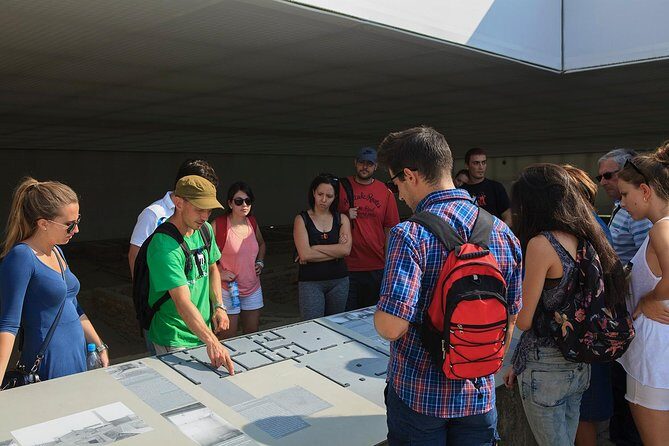
You’ll also appreciate the guide style. This isn’t a casual lecture. The tour is led by people such as professors, doctoral students, historians, journalists, art critics, and published authors, and that shows in the pacing and the clarity.
You can also read our reviews of more walking tours in Berlin

Potsdamer Platz: Where the Death Strip Becomes a Starting Point
You begin at Café Einstein, Unter den Linden 42, a convenient anchor on one of Berlin’s central historic corridors. The first major theme shows up fast at Potsdamer Platz, the business center that replaced what had been the wasteland of East Germany’s so-called Death Strip.
This is the kind of start that gives you orientation and emotional context at the same time. You’re not just walking past a landmark; you’re stepping into a rebuilt space where the city chose what to remember and what to let fade. The guide’s job here is to help you see how the same stretch of ground can carry totally different meanings depending on the era.
It’s also a good stretch to get your questions out early. If you’re unsure how Berlin’s borders worked—who controlled what, and what “dividing a city” actually meant in daily life—this opening helps you catch up quickly.
Following the Berlin Wall Line Through Tiergarten
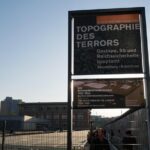
After the Potsdamer Platz area, the route tracks the path where the Berlin Wall once stood, moving toward Tiergarten. The guide uses this walk to make the Wall feel less like a museum object and more like a tool that shaped movement, fear, and survival.
Tiergarten works well here because it gives you a shift in tempo. You get a sense of how Berlin’s political choices played out in both built spaces and public space. Even if you’ve seen photos of the Wall, this part can change how you picture it—less like a single barrier and more like a system.
This is also where the tour keeps its promise about breadth: the Wall-era story isn’t isolated. It sits inside the longer political evolution the tour will return to again and again.
Holocaust Memorial and the Reichstag Dome: Seeing Democracy as Design
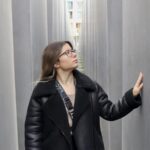
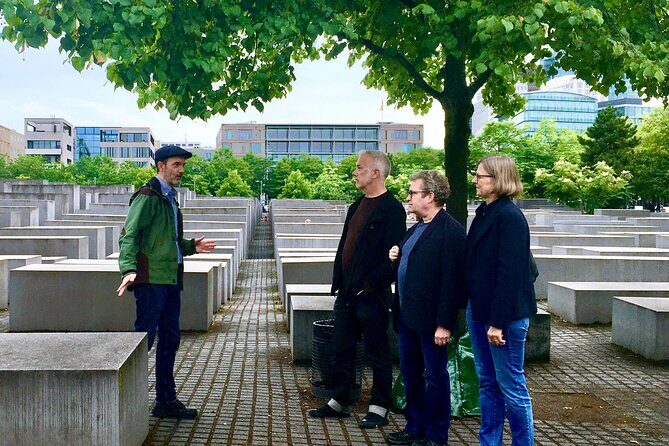
Next comes two of Berlin’s most powerful “look again” stops: the Holocaust Memorial and the Reichstag. The Holocaust Memorial is dramatic by nature, but the real value of a guided stop is having someone help you interpret what you’re feeling without telling you what you must think.
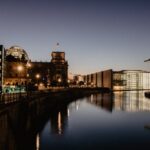
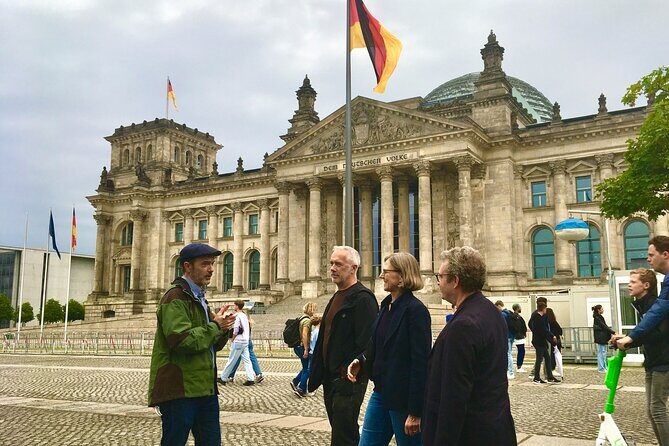
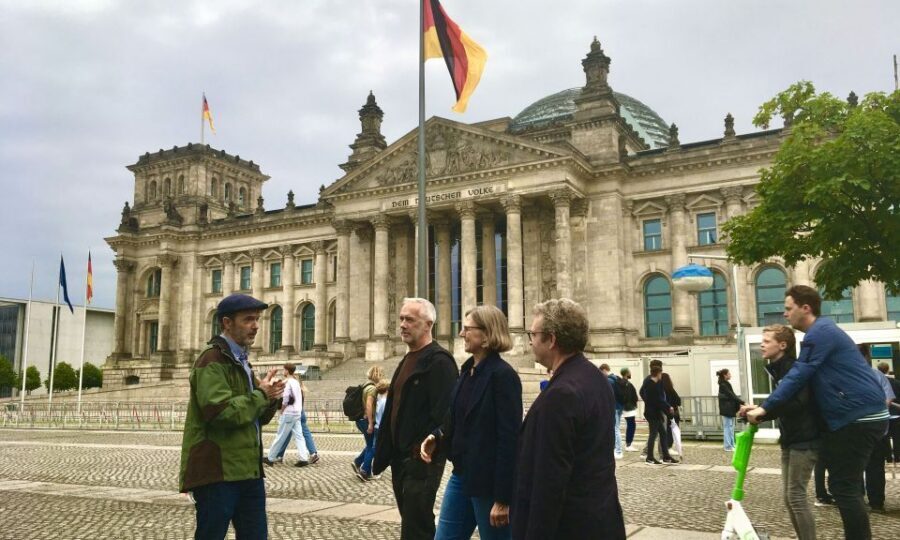
The Reichstag part is where the tour becomes very teachable. In 1933, the fire that damaged the building was used by the Nazis as a pretext to suspend civil liberties and arrest political opponents. That’s a crucial point, because it shows how fragile rights can be when fear and propaganda take the lead.
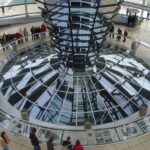
Then you reach the modern layer: the glass dome created in 1992 by architect Norman Foster. You’ll be directed to walkways that look down into the Parliament area, and the guide uses this design to spark discussion about symbolism—reunification, transparency, and a commitment to democracy. It’s not just architecture trivia; it’s a way to talk about what Germany wanted to communicate after division.
Brandenburg Gate Through Napoleon’s Footsteps
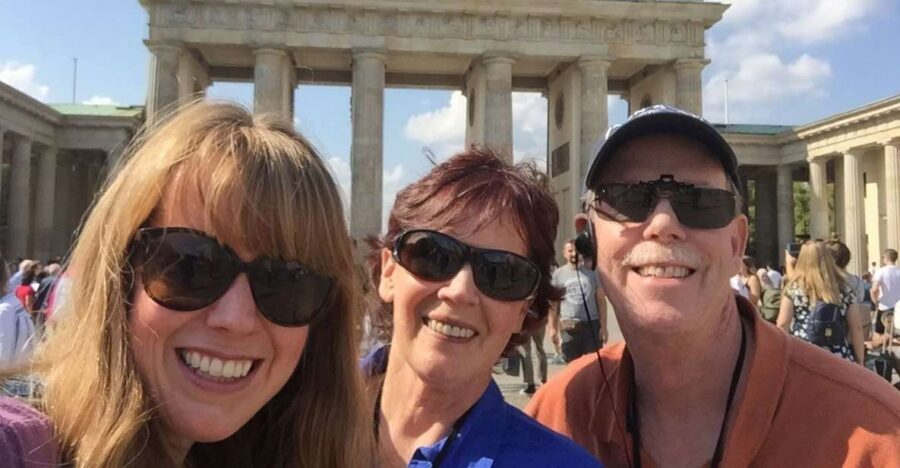
The tour then reaches further back, when Berlin’s story is still being written. You follow the footsteps of Napoleon through the Brandenburg Gate, and the guide connects this moment to the French Revolution as a catalyst for German nationalism.
This is one of the stops that can surprise people. The Brandenburg Gate looks like a universal icon, but the tour frames it as a hinge in political moods—how ideas traveled across borders and how revolutions could turn into nationalism rather than liberty. If you’ve ever wondered why later German leaders were so focused on power and unity, this part helps explain the roots.
And because the route keeps moving, you’re not stuck at a single monument. You’re building a mental map where each place is tied to the next chapter.

Unter den Linden and Frederick the Great: Prussia’s Poet King
From the Brandenburg Gate, you continue along Unter den Linden, Berlin’s royal boulevard lined with palaces, museums, and theaters. The guide doesn’t treat it like a pretty postcard strip. Instead, it becomes a corridor that explains how Prussian ambition mixed cultural life with military thinking.
A key pause is at the famous equestrian statue of Frederick the Great. The tour discusses his role as the “Poet King” and how his influence shaped the militaristic and cultural orientations that later fed the German Empire. The big idea here is unsettling but clear: art and power can share the same stage.
If you enjoy when history has nuance—when rulers are both complex and consequential—this section is a standout. It gives you a way to hold contradictions in your head, which makes later events easier to understand.
Bebelplatz Book Burning and Museum Island’s Cultural Push
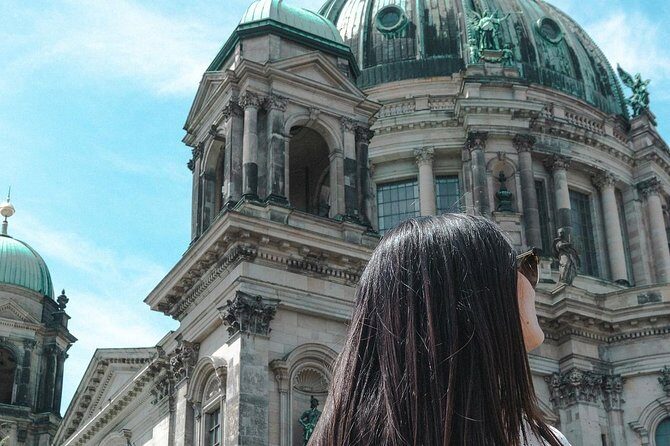
At Bebelplatz, you reach the site of the 1933 Nazi book burning. The guide connects this to Adolf Hitler’s rise to power and the terrible consequences that followed. It’s heavy, but it’s also one of the tour’s best “cause and effect” teaching moments: censorship becomes policy, and policy becomes violence.
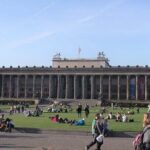
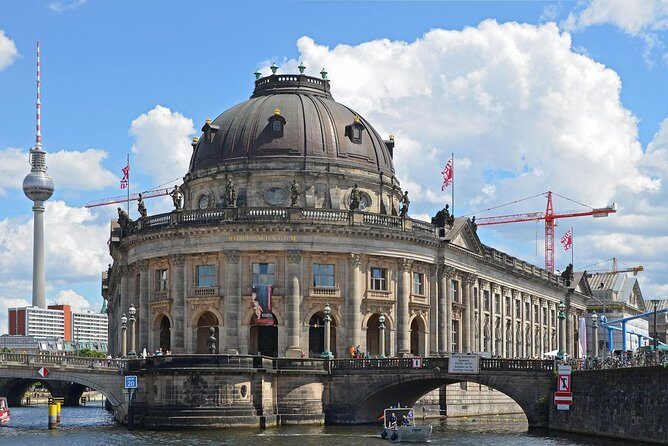
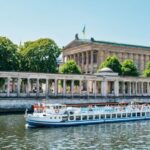
Then you cross Museum Island, which helps explain Berlin’s 19th-century transformation into a cultural center. This isn’t just about naming museums. The point is to show how Berlin tried to build an identity through culture—while, at the same time, political forces were tightening and radicalizing elsewhere.
That contrast matters. You’ll likely leave Museum Island thinking about how societies can simultaneously fund art and race toward authoritarianism. Berlin forces you to face the uncomfortable idea that culture doesn’t automatically protect people from cruelty.
Hackescher Markt to Alexanderplatz: Old Courtyards Meet East Berlin Showpieces
Next is Hackescher Markt, where you get a chance to wander through a network of hidden courtyards. This is one of the lighter-feeling moments on the route, and it’s genuinely useful. It helps you reset your eyes after the memorial and political-heavy sites, while still staying inside Berlin’s story.
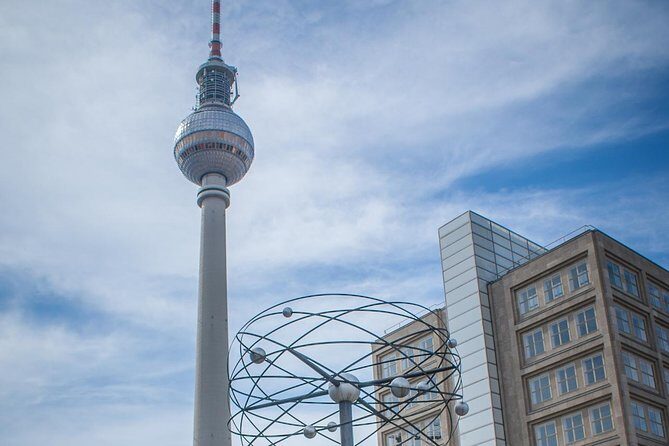
From there you head to Alexanderplatz, where the vibe flips. This square was rebuilt by East Germans in the 1960s into a communist-bloc showplace, with futuristic government buildings, apartment blocks, and the iconic TV Tower. The guide uses the contrast to show what the state wanted people to see every day—modernity as a political message.
If you like urban design and how ideology gets built into everyday life, you’ll appreciate this stop. It also makes the Cold War feel less abstract. It’s not just diplomacy and walls. It’s housing, skylines, and what a square is meant to suggest.
Checkpoint Charlie: The Cold War Ends, Right Where You Finish
The tour finishes at Checkpoint Charlie, the famous crossing point between West Berlin and East Berlin. The guide frames it as a legendary border zone, especially in 1989 when thousands of East Germans poured across, helping bring the Cold War to an end.
This is a strong ending because it gives closure to the long timeline. You started with early power struggles and moved through division and repression. Now you end with a moment where people crossed a border in huge numbers, turning the Cold War from a system into history.
Even if you’re not a “torture-political-narrative” person, the finishing point works. Checkpoint Charlie is easy to recognize, and the guide helps you see past the tourist version of the site and back into what it meant for ordinary lives.
Price, Pace, and Transit: Getting Value From 3 Hours
At $135 per person for about 3 hours, you’re paying for something simple: an expert guide who can connect dozens of landmarks into one readable story. If you were to do this solo, you could absolutely visit the major sites—but it’s the linking of cause, symbolism, and ideology that you’re really buying here.
The pace is also a practical factor. The tour isn’t only walking. You’ll use public transport one or twice because some distances between key sites are too far to walk comfortably. If you don’t have a Berlin metro pass, the guide helps you purchase tickets in the first metro station.
For planning, here are the transit fares shared for Berlin:
- One-way AB ticket: 2.8 EUR (Senior: 1.70 EUR)
- Day ticket: 7 EUR (Senior: 4.70 EUR)
This matters because it can change how you plan your day. If you’re trying to fit museum stops or a long lunch right after, keep a little buffer so you’re not rushed.
On top of that, the tour is offered as private or small groups. That format tends to make it easier to ask questions—especially when the content gets intense.
Who This Tour Fits Best (And Who Might Want Something Else)
This is a great choice if you want more than surface sightseeing. You’ll enjoy it if you like understanding how ideology and politics shaped buildings, streets, and national narratives. It also suits visitors who want a clear “from A to B to C” story rather than hopping randomly between landmarks.
I think it’s less ideal if you’re seeking a purely upbeat photo-walk. The Holocaust Memorial, Nazi-era book burning, and Cold War division are central to the experience, and the tour treats them seriously.
For guide quality, I also appreciate what’s been shared in past bookings. One example is a guide listed as Dr. Martin Sauter, praised for being super and very individualized. Another note highlighted strong subject expertise and satisfaction with his approach. That kind of feedback is a good sign that the guide’s role isn’t just reciting facts—it’s explaining them in a way that feels personal.
Should You Book This Berlin Walking Tour?
Book it if you want Berlin’s major landmarks connected into a single, understandable timeline—from Prussia to Checkpoint Charlie. The price makes sense when you think about what you get: 3 hours of historian-level interpretation plus key sites that would be time-consuming to stitch together alone.
Skip it if you’re not up for difficult topics or if you prefer a lighter, purely scenic route. But if you’re willing to hold complexity in your head, this tour is one of the most efficient ways to see how Berlin became what it is.
FAQ
FAQ
How long is the Berlin walking tour?
The tour lasts 3 hours.
What is the price per person?
The price is $135 per person.
Where does the tour meet?
The meeting point is Café Einstein, Unter den Linden 42, 10117 Berlin, Germany.
Is the guide English-speaking?
Yes, the tour has a live guide in English.
Do I need to buy a transport ticket?
Yes. Transport tickets are not included. The tour notes that you may need public transport one or twice, and the guide can help you buy tickets in the first metro station.
Do you help if I don’t have a Berlin metro pass?
Yes. If you do not have a Berlin metro pass, your guide will help you purchase tickets in the first metro station you reach.
Can I cancel and get a refund?
Yes. There is free cancellation up to 24 hours in advance for a full refund.