REVIEW · BERLIN
Private Analogue Photography Experience in Berlin
Book on Viator →Operated by Jason McGlade · Bookable on Viator
Berlin looks different on film.
This private analogue photography experience in Berlin turns the usual phone-snap routine into a real skill session. I love the mix of hands-on darkroom access and the practical street photography coaching you get while you’re out riding and shooting.
You start at Jason McGlade’s studio for a tour of the darkroom and a clear introduction to using an analogue camera and film. Then you roll out on a bike through Moabit toward Berlin Mitte, aiming for big landmarks like Brandenburg Gate and the Reichstag while learning how to make strong compositions, work with lighting, and even approach strangers for photos.
One consideration: it depends on good weather, and a bike-based half day means you’ll want to be comfortable moving around for the duration.
In This Review
- Key Things You’ll Notice on This Analogue Photo Session
- First Stop: Salzwedeler Str. and the Darkroom Welcome
- Getting Your Analog Camera Under Control (Without Guesswork)
- Darkroom Hands-On: The Value of Making a Contact Sheet
- Bike Out to Moabit and Toward Berlin Mitte
- Brandenburg Gate, Reichstag, and Tiergarten Through a Film Lens
- Street Photography Etiquette: Approaching Strangers for Photos
- Why the 4-Hour Private Format Feels Just Right
- Who This Analogue Berlin Tour Is Best For
- Should You Book This Private Analogue Photography Experience in Berlin?
- FAQ
- How long is the private analogue photography experience?
- Where does the experience start?
- What time does the tour begin?
- Is this a private tour?
- What’s included besides photography instruction?
- Do I get tips for street photography?
- Is the experience weather-dependent?
- Are service animals allowed?
Key Things You’ll Notice on This Analogue Photo Session
- Professional darkroom time to learn how film images are handled, including making a contact sheet
- Private format means you only share the session with your group, not a full crowd
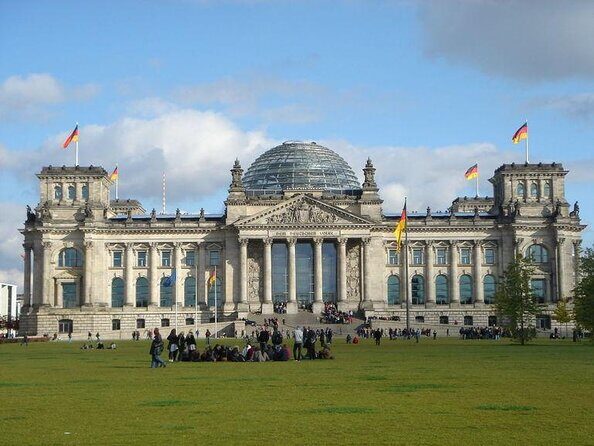
- Bike tour from Moabit to Berlin Mitte with stops that include Brandenburg Gate, Reichstag, and Tiergarten
- Real street photography guidance, including how to approach strangers for portraits or photos
- Composition and lighting tips that are explained in the field, not just in theory
- A film-first mindset that slows you down just enough to see better
First Stop: Salzwedeler Str. and the Darkroom Welcome
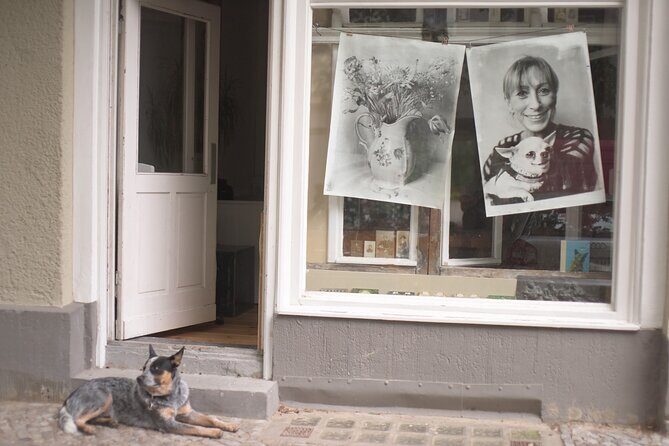
You meet at Salzwedeler Str. 2, 10559 Berlin, with the session starting at 10:00 am. From the first moments, the goal is simple: get you away from automatic smartphone thinking and into deliberate photography.
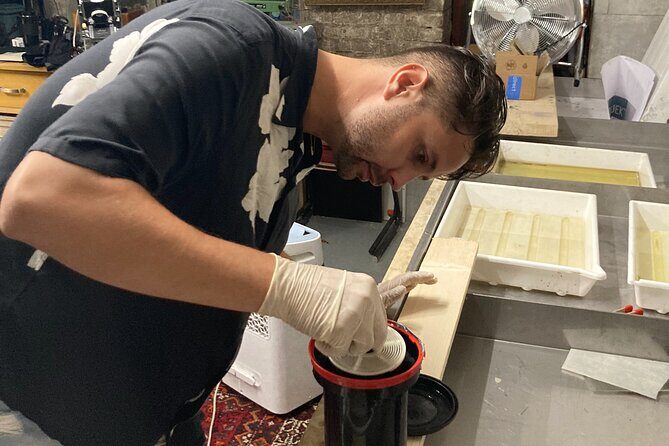
Jason’s studio is where the day starts to click. You’ll get a guided look at the darkroom, plus an intro to his approach and practice. If you’ve never been near a darkroom before, this is the part that makes the rest of the day feel real. You’re not just learning camera buttons—you’re learning what film photography actually means.
Even if you consider yourself a beginner, you should feel supported here. The setup includes instruction on using an analogue camera and photographic film, and it’s paced so you can ask questions. It’s also private, so you don’t have to compete for attention.
Practical note: darkroom space can feel a bit dim by design, so bring your patience. You’ll likely spend more time learning than shooting at first—and that’s the point.
You can also read our reviews of more private tours in Berlin
Getting Your Analog Camera Under Control (Without Guesswork)
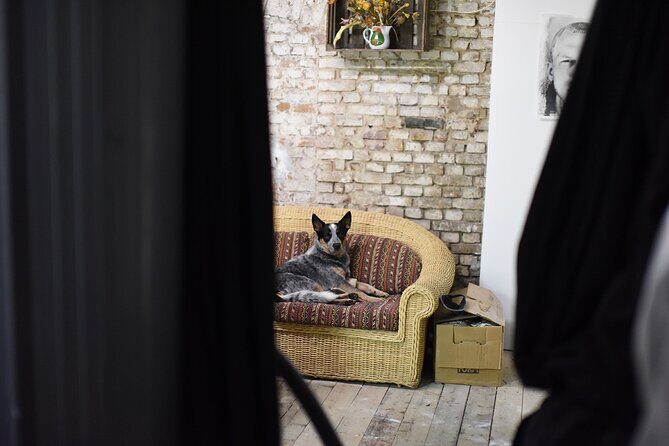
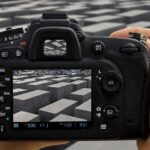
Once the darkroom tour is underway, you move into the basics of how to work with an analogue camera and film. This is one of the biggest reasons I think people enjoy this experience: you get a structured start, not a random scavenger hunt.
You’ll cover the foundational mechanics of film photography, which matters because film punishes guesswork. On a smartphone, a bad shot is one tap away from a redo. With film, you start thinking: What does this scene look like in light? What’s the frame doing? What’s the subject doing?
Jason’s coaching-style focus is meant for street work, too. He guides you on composition, lighting, and practical photo decisions, the kind you need when you’re out in real streets with real light changes.
This isn’t just about technical correctness. It’s about building a camera habit that helps you notice details: shadows that shape a face, angles that pull you into the frame, and moments where the background isn’t background—it’s part of the story.
Possible snag: if you’re expecting to spend the whole half-day purely shooting, you might feel the early instruction takes some time. But trust me, that instruction is what turns later landmark photos into something better than a quick hit.
Darkroom Hands-On: The Value of Making a Contact Sheet
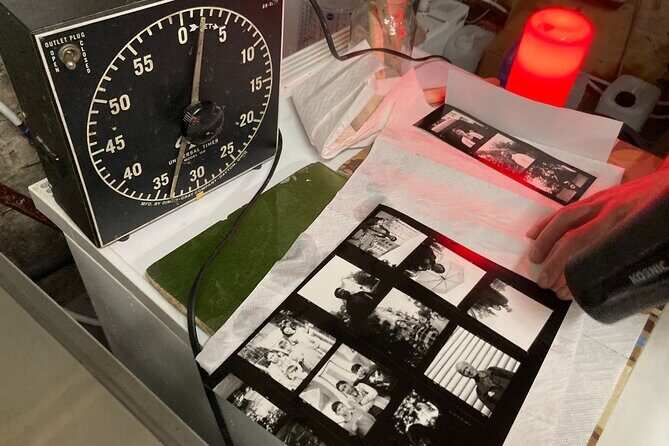
A standout moment here is the darkroom work that ends with a tangible outcome. In at least one recent experience, the participant made a contact sheet during the session. That matters more than people think.
A contact sheet is a reality check. It shows you what your negatives captured, not what you imagined. You see which frames had clean composition, which ones were too dark or too bright, and which shots had the right timing even if the exposure wasn’t perfect.
For you, this is valuable because you stop treating photography like a magic trick. You learn it as a repeatable process: see, choose, expose, then review. That cycle is the foundation of film photography, and it’s hard to learn properly just by watching videos.
Even if you don’t come in with deep technical knowledge, having that physical output helps you connect the streets you shoot with what the camera actually recorded. It also turns the experience into something you can remember long after you leave Berlin Mitte.
And since this is private, the instructor can explain what you’re looking at while you’re looking at it. That’s a big difference from “here’s a class, good luck.”
Bike Out to Moabit and Toward Berlin Mitte
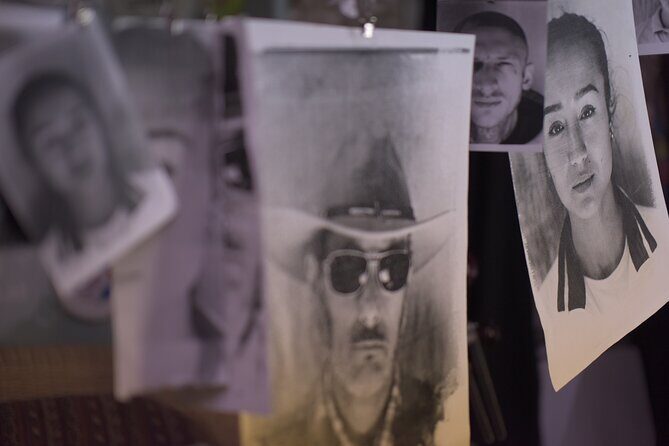
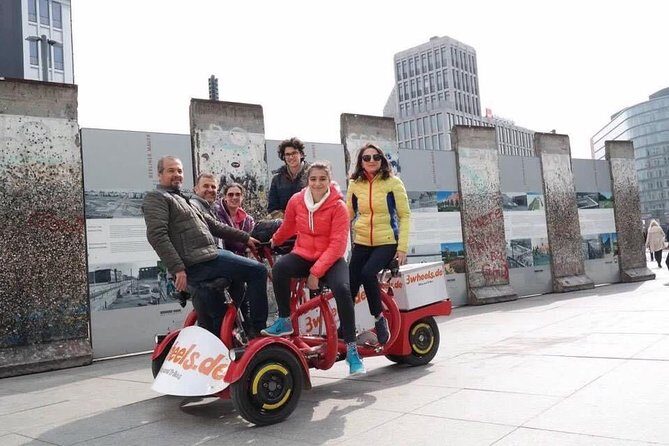
After the darkroom section, the session shifts gears: you pick up bikes and ride into the neighborhood stretch between Moabit and the more central area of Berlin Mitte. The tour focuses on places you can recognize, but the approach is still about photography—not sightseeing boxes.
Moabit is described as a cool, funky district in the experience setup, and that’s exactly the kind of area that benefits from film. You get a mix of street corners and everyday scenes where a trained eye can find patterns: geometry, doorway light, sidewalk textures, and small human moments.
The ride itself matters, too. Cycling keeps you moving at a pace where you can look—without the stop-start fatigue of walking every block. It also sets you up for quick framing opportunities when you reach big photo areas near the centre.
What you’ll get while riding is guidance in context. Jason doesn’t just point at landmarks; he helps you approach what you’re seeing. If you’re wondering how to plan a shot while passing through a busy area, this portion is where those answers get practical.
Drawback to consider: you’ll be outside and on a bike for part of the time, so you’ll want to be comfortable with getting around. Also, because it requires good weather, plan for the possibility of rescheduling if conditions aren’t right.
Brandenburg Gate, Reichstag, and Tiergarten Through a Film Lens
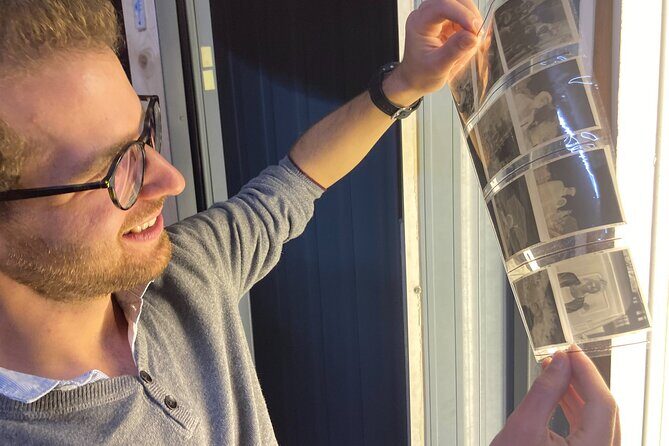
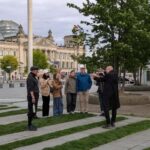
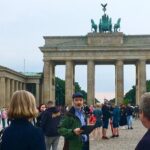
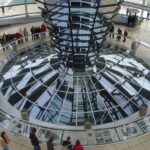
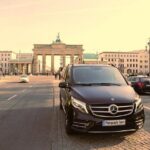
The tour includes passes by major sights, including Brandenburg Gate, the Reichstag, and Tiergarten. Seeing these places with a film camera mindset is a different experience than holding a phone.
With analogue photography, you’re not just capturing a famous background. You’re making decisions about framing, direction of light, and how much of the scene you want in the shot. Jason’s coaching is built around helping you translate those big Berlin sights into composed images that feel intentional rather than postcard-ish.
Here’s what I like about this kind of landmark routing: you get structure. Instead of wandering for hours hoping to stumble onto something, you have a planned path. That planning frees your mind to think about composition, because you’re not also solving navigation.
At the same time, the instruction is aimed at street photography rather than only monument photography. So even when you pass through central areas, you’re learning how to capture the human scale around the landmarks—the foreground details, the light on surfaces, and the way people move through public space.
If you’re worried you’ll only shoot “famous stuff,” don’t. The day is designed so the big sights act as anchors while the real learning happens through techniques and on-the-spot photo thinking.
You can also read our reviews of more photography tours in Berlin
Street Photography Etiquette: Approaching Strangers for Photos
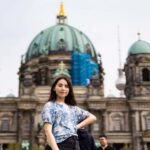
One of the most useful parts of the day is the guidance on how to approach strangers to be photographed. In real street shooting, that’s the hardest skill—not the camera buttons.
You’ll get practical advice on how to handle moments where you want a portrait or a photo that includes someone else. That might mean how to ask, how to keep it respectful, and how to avoid turning a simple street moment into an awkward confrontation.
What you learn here is not theoretical. It’s tied to how people interact in public spaces, and it’s explained with the reality of street photography in mind: you’re working with limited time and genuine unpredictability.
If you’ve ever wanted to photograph people but felt nervous about starting the conversation, this is the portion where your confidence can grow. And because the tour is private, your guide can tailor your approach to your comfort level.
A quick reality check: even with good advice, street photography still takes patience. Some people will say no. The skill is how to handle those moments without getting flustered and without losing your rhythm as you move through the city.
Why the 4-Hour Private Format Feels Just Right
A half-day sounds short—until you’re actually doing it. Here’s why this format works: you get two modes of learning in one block of time.
First, you focus indoors in the darkroom environment. That’s the “slow down and learn” phase. Then you switch to an active streets phase with bikes and live coaching. That makes the learning stick because you apply it soon after you understand it.
At about 4 hours, you’re not stuck committing a full day to photography. This is a good option if Berlin is part of a longer trip and you still want a hands-on activity with real takeaways.
The private element also changes everything. You’re not trying to listen to instructions while someone else’s camera problem is happening in the next group. It’s you, your guide, and your pace.
In terms of value for money, $156.28 per person feels more reasonable when you remember what’s included: professional darkroom access, analogue camera and film instruction, guided street shooting tips, and the bike portion connecting neighborhoods. You’re not paying only for “a tour”—you’re paying for instruction time and a guided workflow from analog basics into real-world shooting.
Still, if you’re traveling solo, private experiences can feel like a bigger bite than group tours. If you can share with friends, it often feels even better.
Who This Analogue Berlin Tour Is Best For
This experience is a smart fit for you if you:
- want a film photography session that includes real darkroom access (not just theory)
- like learning with a guide who gives composition and lighting tips while you’re in the streets
- want to photograph people but need help with how to approach them
- prefer experiences with a clear route and practical instruction over aimless wandering
It’s also a solid choice if you’re already curious about analogue photography and want to turn curiosity into skills. You don’t have to be an expert; you just need a willingness to slow down and pay attention.
If you only want skyline views and don’t care about camera practice, this might feel too hands-on. But if you want the kind of Berlin memory that comes with technique—not just photos—this is the right direction.
Should You Book This Private Analogue Photography Experience in Berlin?
If you want a Berlin experience that mixes darkroom learning with guided street shooting, I’d book it. You get professional help, a clear plan, and a chance to work with film in a way that actually teaches you something. The bike portion also keeps it from feeling like a classroom day.
I’d think twice if bad weather would ruin your schedule. The experience requires good weather, and because it’s timed around that bike-and-streets component, you’ll want flexibility.
Otherwise, this is a great bet for people who want Berlin in a different format: slower, more deliberate, and far more interesting than another phone photo spree.
FAQ
How long is the private analogue photography experience?
It lasts about 4 hours.
Where does the experience start?
It starts at Salzwedeler Str. 2, 10559 Berlin, Germany.
What time does the tour begin?
The start time is 10:00 am.
Is this a private tour?
Yes. It’s private, and only your group participates.
What’s included besides photography instruction?
You get access to a professional darkroom and then a bike ride exploring Moabit and Berlin Mitte, including passes by Brandenburg Gate, Reichstag, and Tiergarten.
Do I get tips for street photography?
Yes. You’ll receive guidance on composition, lighting, and street photography, including advice on how to approach strangers for photos.
Is the experience weather-dependent?
Yes. It requires good weather. If it’s canceled due to poor weather, you’ll be offered another date or a full refund.
Are service animals allowed?
Yes. Service animals are allowed.