REVIEW · BERLIN
Berlin: Museum Island Tour
Book on GetYourGuide →Operated by Kontext Berlin Stadtführungen · Bookable on GetYourGuide
Seven museums, one smart walk. Berlin’s Museum Island gets easier when a guide maps it for you. This private tour covers the UNESCO World Heritage complex and points you to seven major museums and landmarks, so you can stop feeling overwhelmed and start choosing what to see next.
I really like the chance to walk the Colonade Courtyard area between those romantic columns, because it turns Museum Island into a real place, not just a list of buildings. I also love the way the tour begins in the Bode Museum entrance hall, with a guide who connects architecture, art, and German history. If you’re lucky enough to get Klaus, the tour style is engaging and enthusiastic, with strong background knowledge and clear explanations about how the city shaped these institutions.
One thing to keep in mind: this is a short introduction. You get a few entrance-hall moments and guided context, but you are not getting full museum time, so you’ll still want to plan a separate visit for the collections you care about most.
In This Review
- Key Things You’ll Enjoy Most
- Museum Island Gets Its “First Day” Checklist Done
- Starting at the Bode Museum: Where the Tour Hits Its Stride
- A Quick Architectural Lesson, Without Needing a Full Museum Ticket
- Humboldt Forum: Modern Landmark, Historic Setting
- Unter den Linden and the Zeughaus: German Historical Museum in Context
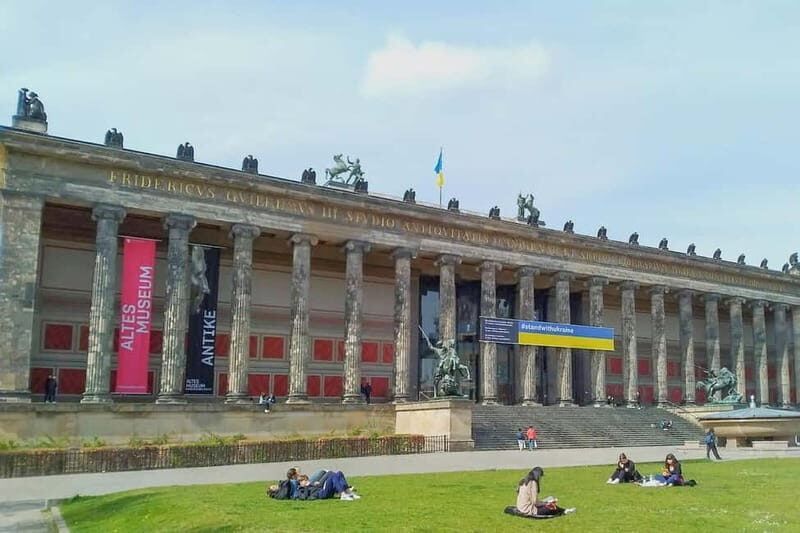
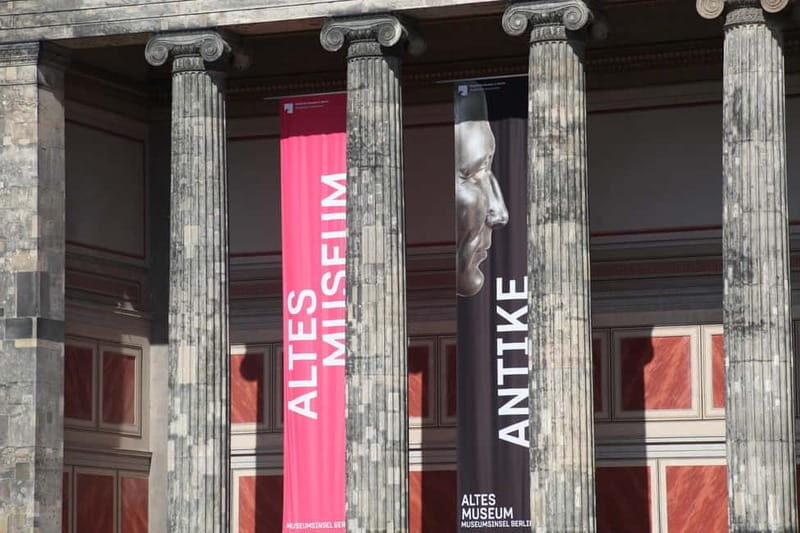
- Altes Museum: Learning to Read the Facade Before You Pick a Room
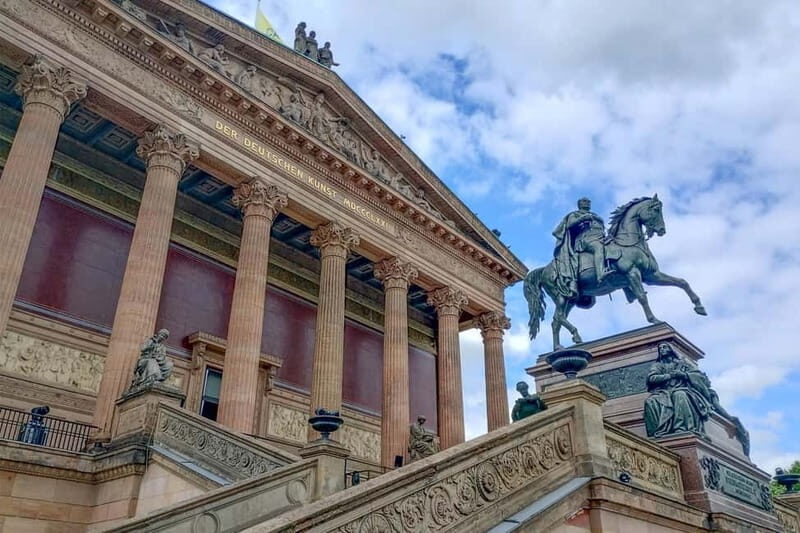
- Alte Nationalgalerie: Art Museum Energy, Built into the Setting
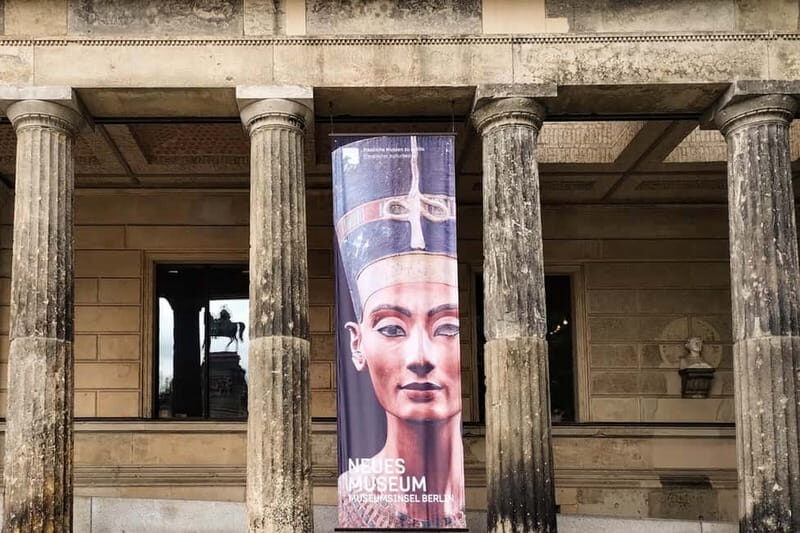
- Neues Museum: Why the Building Story Changes How You Look
- Pergamon Museum and the Grantschale: A Story You’ll Remember
- The Real Value: You Leave With a Smart Return Plan
- Price and What Makes It Fair for a Private Group
- Timing Tips for a Smooth Two Hours on Museum Island
- Who This Tour Fits Best
- Should You Book This Berlin Museum Island Tour?
- FAQ
- Where does the tour start and end?
- How long is the Berlin Museum Island tour?
- Is this tour private?
- What is the group size?
- What languages is the guide available in?
- Is the tour wheelchair accessible?
- Does the tour include museum entry tickets?
- Which museums and sites are included?
- Do you get to enter buildings or only view from outside?
- Can I cancel for a refund?
Key Things You’ll Enjoy Most
- Colonade Courtyard columns: a beautiful walking moment that makes the island feel cinematic.
- Bode Museum entrance hall: you start indoors, with architecture explained instead of guessed.
- UNESCO Museum Island orientation: you learn how the seven museums fit together in one place.
- Short, high-impact stops: each museum gets just enough time to set you up for a focused return visit.
- Grantschale story: you hear the tale behind Berlin’s famous granite dish.
Museum Island Gets Its “First Day” Checklist Done
Berlin can do a lot in a day. Museum Island tries to do it all at once. That’s why this tour is so handy: it gives you a starting point for the whole complex, without demanding that you commit to one museum for hours.
This is also the kind of tour where context helps fast. The guide talks about how Berlin’s shifting history shaped the buildings and how the museums became what they are today. After two hours, you’re not expected to know everything. You’re expected to know where to go next.
And because it’s a private group (up to 20 people), the pace stays more realistic than a large open-group shuffle. You can ask practical questions, and the guide can tailor the walk to your interests a bit.
You can also read our reviews of more museum experiences in Berlin


Starting at the Bode Museum: Where the Tour Hits Its Stride
Meet your guide in front of the main entrance of the Bode Museum. From there, the tour’s first “wow” isn’t a sculpture or painting yet. It’s the entrance hall architecture.
That’s a big deal. Museum Island is full of grand facades, but you often only notice them after you’ve done the inside work. Starting at Bode lets you read the building like a clue: why it looks the way it does, what it signals about cultural ambition, and how the museum fits into the larger island story.
If your guide is Klaus (based on strong feedback from previous tours), you’ll notice the difference right away. The explanations come with an easy energy and solid background, including links between museum development and Berlin’s wider geography and culture. In other words: the stop doesn’t feel like a lecture. It feels like museum understanding being handed to you on a plate.
Practical tip: wear shoes you can walk in comfortably. Even with short guided segments, Museum Island requires steady footwork.
A Quick Architectural Lesson, Without Needing a Full Museum Ticket
The tour includes entering some entrance halls, not full museum galleries. That means you’ll get a taste of the historic interiors and the building’s atmosphere, but you should still expect to save the deeper collection time for a return visit.
I like this approach because it stops the most common mistake: spending the entire day trying to “do everything” inside big museums. This tour is designed for orientation. It helps you recognize what kind of museum you actually want to linger in—art, archaeology, ethnographic material, or history—rather than guessing based on exterior looks alone.
If you’re planning your own museum day afterward, this tour works like an efficient decoder ring. You’ll walk away knowing which buildings feel most important to you and why.
Humboldt Forum: Modern Landmark, Historic Setting
After Bode, the tour heads to the Humboldt Forum, with a guided stop that focuses on what the building represents in Berlin today and how its story connects to the island’s museum identity.
What makes this stop useful is the framing. You don’t just look at the structure and move on. You get a story about the museum landscape itself—how these institutions evolved, changed, and found new meanings as Berlin’s political and cultural life shifted.
Even if you end up caring more about one specific traditional museum on the island, Humboldt Forum helps you understand the “why” behind the mix. It shows that Museum Island isn’t frozen in time; it’s part of an ongoing conversation about culture and interpretation.
Unter den Linden and the Zeughaus: German Historical Museum in Context
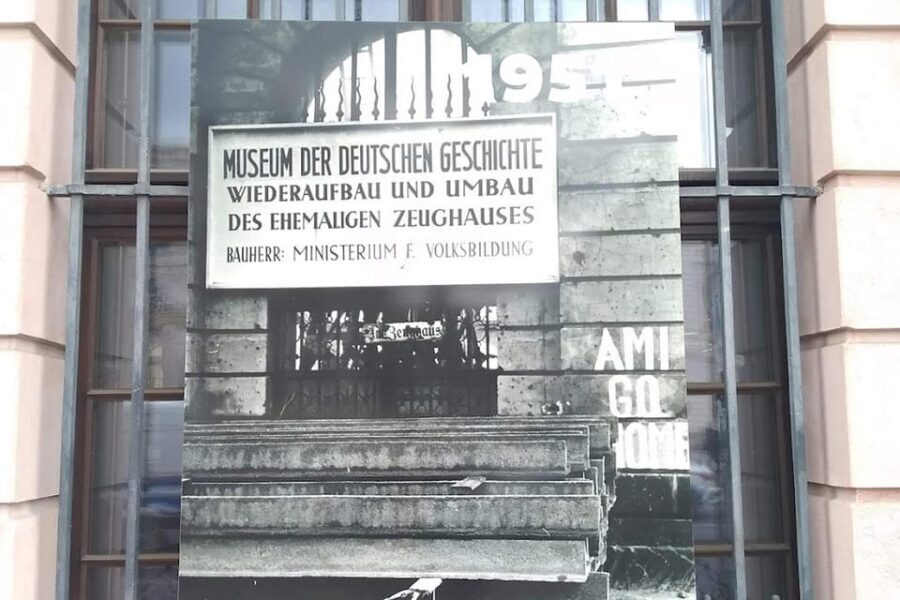
One of the smartest parts of the walk is the inclusion of the historic Old Arsenal (Zeughaus) on Unter den Linden, now home to the German Historical Museum.
This stop matters because it broadens your museum thinking. You’re not only learning about museum buildings that display art and collections. You’re also seeing a building shaped by military and state history, repurposed for public memory.
In real-world terms, this helps you later when you’re choosing museum tickets. It’s easier to understand what you want when you’ve already tasted different museum “modes.” This is museum viewing with a historical spine.
Practical drawback: because it’s a guided orientation stop, you won’t have time to treat German Historical Museum as a full day destination during this tour. Use this moment to decide if you want to return and spend real time there.





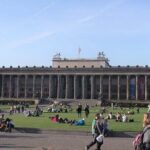
Altes Museum: Learning to Read the Facade Before You Pick a Room
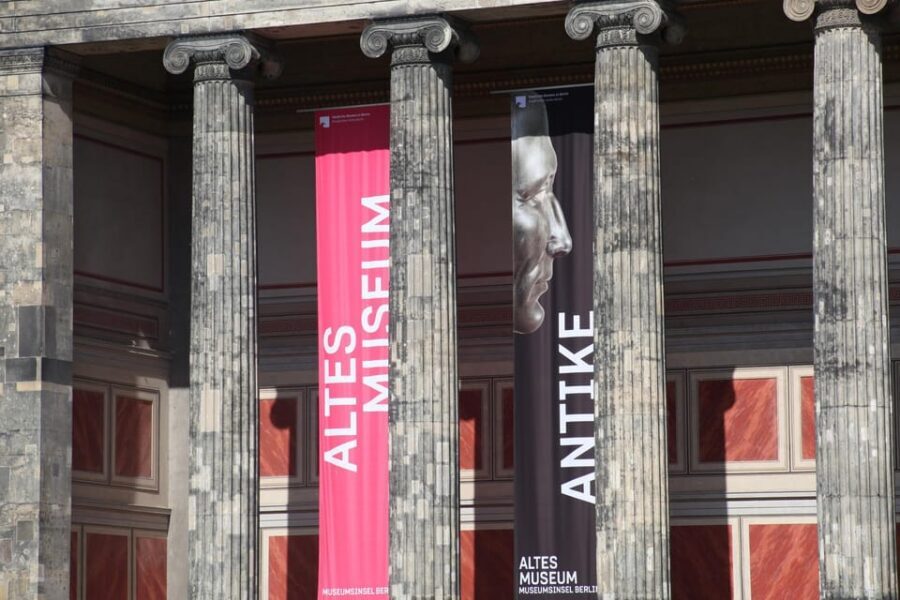
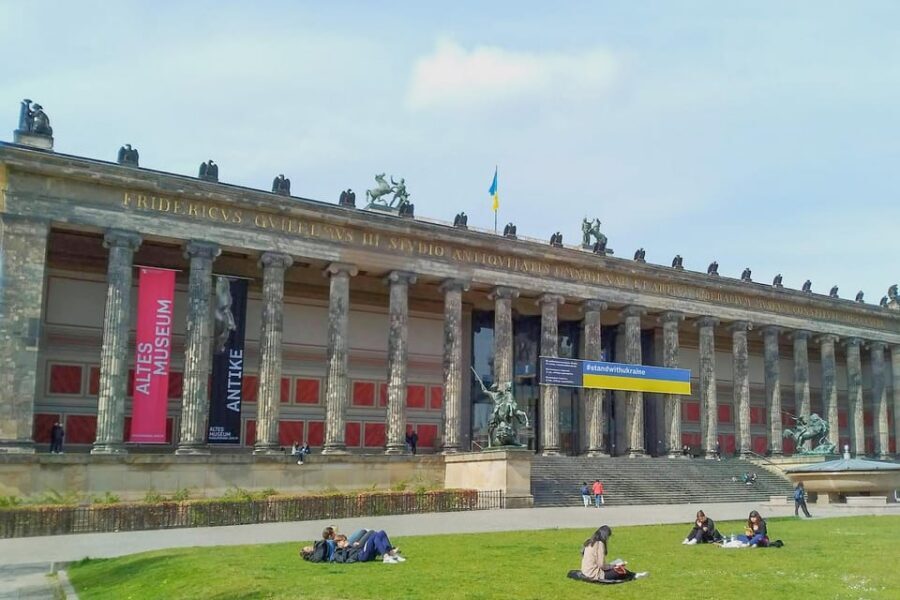
The tour then moves to the Altes Museum. Even when you’re only getting guided time on the building itself (and not a full gallery marathon), you can start noticing details you’d otherwise miss—because the guide gives you a reason to look.
This is where the tour does a nice job preparing you for a future self-guided visit. Once you’ve had the building explained, you’ll know what to look for: architectural intent, the museum’s place on the island, and how the collection identity fits into the overall cultural mission.
This is also a good stop for pacing. After a couple of museum narratives, you get a chance to absorb the overall visual rhythm of Museum Island—especially if you take a minute at the sidewalk edges to look back at the structures you already visited.
Alte Nationalgalerie: Art Museum Energy, Built into the Setting
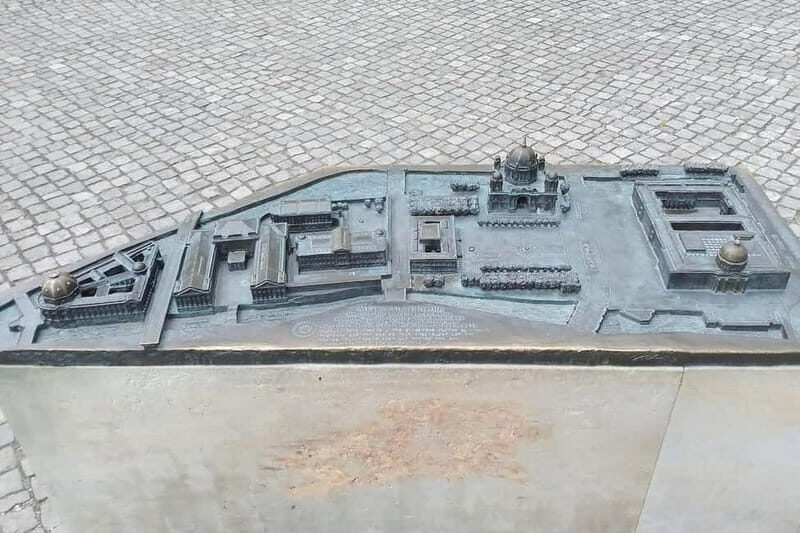
Next is the Alte Nationalgalerie. The guided portion helps connect what you’ll see later with why the museum exists where it does.
You’ll also start to feel the overall shape of the island: the way these museums line up as separate cultural worlds that still belong to one UNESCO-designated complex. That’s one of the biggest benefits of a guided overview. Without it, you might treat each museum like a standalone building. With it, you start seeing the island as an organized cultural district.
If you’re an art-focused visitor, this stop is especially helpful for steering your later choices. You’re not just thinking about which museum sounds good. You can connect the building’s identity to what kind of visit you want.
Neues Museum: Why the Building Story Changes How You Look
The tour reaches the Neues Museum next. Even with limited time, the guide’s explanations help you understand the museum’s role within Museum Island’s broader evolution.
This matters because the Neues Museum is the kind of place where the building and the collections can feel inseparable. If you ever walk into a major museum and feel lost, this is the fix: you learn what to expect and how to interpret the setting.
The tour approach also helps you avoid the common “checklist” mentality. Instead of just saying I saw the Neues Museum, you’ll be thinking: what kind of museum experience does this building promise, and what collection should I prioritize later?
Pergamon Museum and the Grantschale: A Story You’ll Remember
The final major stop is the Pergamon Museum. This is a high-importance museum name for many people, but the tour keeps it practical: you get guided context, and you learn how the museum fits into Berlin’s larger museum evolution story.
One standout highlight is the story of the Grantschale, described as the largest granite dish in the world. Hearing that kind of detail during the tour is great because it gives you a hook. Later, if you revisit, you’ll recognize the reference instantly—and you’ll know to pay attention.
This is also where the tour’s pacing makes sense. By the time you reach Pergamon, your brain has already absorbed enough context that you can start sorting what you care about most, even if you’re not spending hours inside today.
The Real Value: You Leave With a Smart Return Plan
Some tours just show you where to stand. This one tries to change how you choose what to do next.
Here’s what you gain that self-guided walking often misses:
- You learn how Museum Island’s museums evolved and why they matter in Berlin’s story, not just as individual attractions.
- You get short interior access at key moments (like the Bode Museum entrance hall), which helps you understand the architecture rather than only photographing facades.
- You get a guide who can explain connections, so your future museum day feels intentional.
And if Klaus is your guide, the big win is the teaching style: enthusiastic delivery, strong museum background, and a clear link between German history and the museums themselves. That mix makes the two hours feel like more than a quick overview.
Price and What Makes It Fair for a Private Group
The price is $283 per group up to 20 for about 2 hours. On its face, that might sound like “a lot” or “not much,” depending on how you think about value.
For me, the fairness comes from three things:
- Expert guide time across multiple major sites (not just one museum).
- A UNESCO Museum Island orientation that can save you hours of guesswork.
- A private group setup, which usually means you can keep questions from getting lost in a crowd.
If you’re visiting with a small group, this price can be very good value compared to paying per person for longer, multi-ticket museum experiences. If you’re alone, it may still make sense because the tour is specifically designed as an efficient introduction. But if your goal is to spend full days inside museums, you’d likely save money by skipping this kind of intro walk and building your own itinerary.
Timing Tips for a Smooth Two Hours on Museum Island
Because the guided stops are short (around 15 minutes each for the museum portions), you’ll want to treat this like a guided “setup,” not a complete museum day.
Do this before the tour:
- Decide what you’re most curious about: art vs history vs archaeology vs architecture.
- Pick one or two museums you want to prioritize for a longer visit later.
- Bring water and plan for brisk walking between stops.
During the tour:
- Keep an eye on what grabs you. The guide’s explanations can help you decide later, but you still need your own preferences.
- If you spot something that feels important, take note so you can find it again when you have full gallery time.
After the tour:
- Use the orientation you gained to build a focused plan. The whole point is to make your next museum visit smarter.
Who This Tour Fits Best
This is ideal for:
- First-time Berlin visitors who want a fast, structured overview of Museum Island.
- People who feel overwhelmed by having seven major museums in one place.
- Visitors who care about architecture and historical context, not only objects behind glass.
- Small groups who prefer a private format and want a guide who can explain as you walk.
It’s less ideal if:
- You want to spend hours inside one museum today.
- You already know exactly which museum you want and don’t need context.
Should You Book This Berlin Museum Island Tour?
I’d book this if you’re the kind of person who likes to understand what you’re looking at before committing to a full day inside a museum. It gives you the orientation for Museum Island, includes architecture moments like the Bode Museum entrance hall, and adds memorable story bits like the Grantschale.
I’d skip it if you’re purely chasing maximum gallery time. In that case, plan a self-guided museum day and skip the guided orientation. But if your challenge is deciding where to go and why, this tour is made for that.
If you do book, go in with one or two “must-do” museums for your return visit. The tour will do its best work when it helps you choose, not when it tries to replace a full museum experience.
FAQ
Where does the tour start and end?
Meet your guide in front of the main entrance of the Bode Museum. The tour ends back at the same meeting point.
How long is the Berlin Museum Island tour?
The tour lasts 2 hours. Starting times vary, so check availability for exact times.
Is this tour private?
Yes. This is a private group tour.
What is the group size?
It’s priced per group up to 20 people.
What languages is the guide available in?
The live tour guide is available in English and German.
Is the tour wheelchair accessible?
Yes, the tour is wheelchair accessible.
Does the tour include museum entry tickets?
Museum entry is not included, apart from some entrance halls.
Which museums and sites are included?
You’ll see the Bode Museum, Humboldt Forum, German Historical Museum (Zeughaus), Altes Museum, Alte Nationalgalerie, Neues Museum, and Pergamon Museum, plus walking through the Museum Island area.
Do you get to enter buildings or only view from outside?
You enter some entrance halls to experience historic architecture, but it’s not full museum time.
Can I cancel for a refund?
Yes. Free cancellation is available up to 24 hours in advance for a full refund.