REVIEW · BERLIN
Private Highlights of Berlin Bike Tour
Book on GetYourGuide →Operated by Fat Tire Tours - Berlin · Bookable on GetYourGuide
Berlin clicks into place on a bike.
This private tour is a smart way to connect Cold War landmarks, including a Checkpoint Charlie stop and a remaining stretch of the Berlin Wall, with the city’s older layers of power. I love the way the guide threads escape-attempt stories into what you see as you pedal, so the history feels practical instead of lecture-y.
I also like the steady, comfortable pace and the rhythm of built-in pauses for photos. Guides such as Carlo and Daniel are described as keeping you at ease and safe, which matters in a city where you’ll mix with real traffic. One consideration: if you’re hunting for a specific East Berlin landmark like the East Side Gallery, you may or may not see it on your exact run.
In This Review
- Key things to know before you ride
- Why this private Berlin bike tour fits the city’s split story
- Meeting at Alexanderplatz and getting comfortable on the cruiser bike
- Checkpoint Charlie and the Berlin Wall remnant you can still see
- Bebelplatz: the Prussian Berlin core you might not expect on a Cold War tour
- Escape-attempt anecdotes: how the guide makes border history feel human
- Spotting Nazi-era architecture left in the city
- How the 3-hour format keeps the tour moving without rushing you
- Price reality: is $353 per group up to 4 good value?
- Who this tour is best for (and who should think twice)
- Tips to make your private bike tour smoother
- Should you book this private Berlin highlights bike tour?
- FAQ
- Where does the private bike tour meet?
- How long is the tour, and is the guide in English?
- What’s included in the tour price?
- Does the tour run in bad weather?
- What should I bring with me?
- Do I need to be able to ride a bike, and what about kids?
Key things to know before you ride
- Checkpoint Charlie plus a Berlin Wall remnant: you get the landmark feel without just posing at the sign.
- Bebelplatz, the Prussian center: you’ll see the older power base that framed Berlin’s rise.
- Stories of escapes and tactics: the guide’s anecdotes turn streets and borders into a timeline.
- Some of the only Nazi architecture left: you’ll spot surviving structures where the city’s memory is visible.
- Private group format: easier questions, calmer pace, and more tailored attention.
- 3 hours is the sweet spot: enough time for multiple zones without frying your feet.
Why this private Berlin bike tour fits the city’s split story
Berlin has layers. You can walk them, sure. But you can also feel them faster on a bicycle, because the distances between meaning points are real. This tour leans into that: you’re not just collecting attractions, you’re moving through the geography that shaped life, fear, and hope.
The best part is how the guide connects the visual landmarks to the human side of the Cold War. You’ll hear about escape attempts and the techniques people used, and those details help you understand why certain spots mattered. Instead of reading about the divide, you start recognizing the logic behind it.
And since it’s private, the guide can set the pace to your group. In the feedback I saw, guides like Carlo and Jef kept the ride calm and engaging, not frantic. That makes it easier to focus on learning rather than surviving the next intersection.
You can also read our reviews of more cycling tours in Berlin
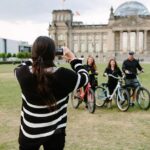
Meeting at Alexanderplatz and getting comfortable on the cruiser bike
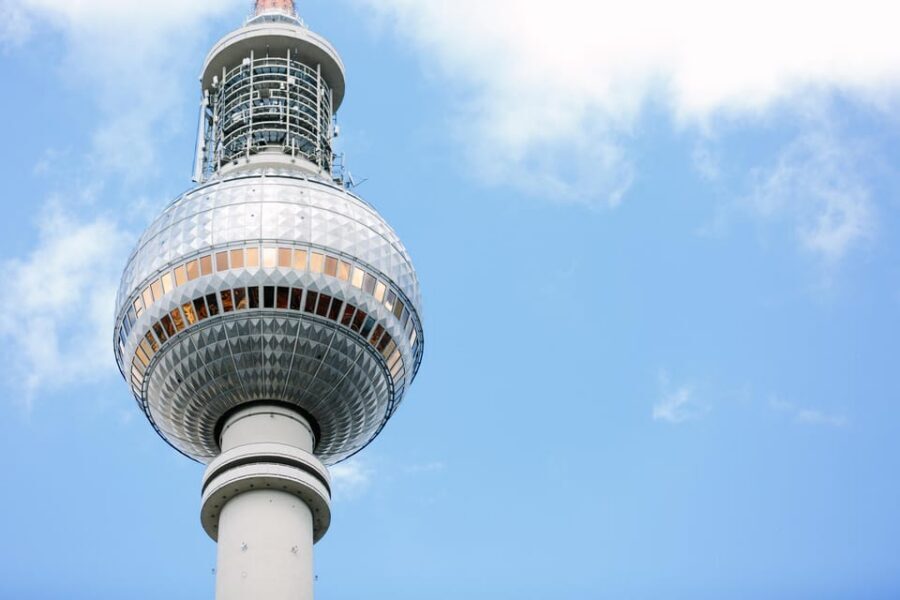
You start at the base of the TV Tower in Alexanderplatz. That’s a convenient anchor point, and it also gives you an instant sense of Berlin’s modern skyline before you head toward the older, heavier stories.
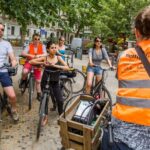
The bike is a comfortable city cruiser-style ride. That matters more than people think. A cruiser bike keeps you relaxed in the saddle and usually makes it easier to handle stops and starts. The tour includes a helmet that’s provided but optional, and I’d treat that as your personal choice based on comfort and local feel.
The ride is designed to be doable for most people who can pedal on their own. The tour notes are clear: all guests must be able to ride independently unless children are using attachments. If you’re the kind of rider who hates traffic, this is where a steady guide pace helps a lot.
Also, it runs rain or shine. Berlin weather loves to change its mind. So bring weather-appropriate clothing and accept that you’re going to get outside either way.
Checkpoint Charlie and the Berlin Wall remnant you can still see
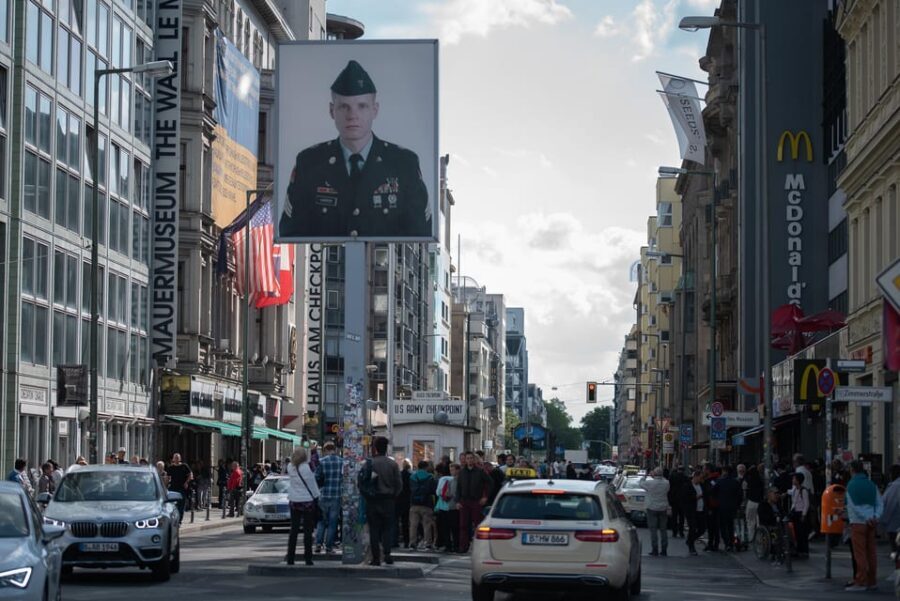
One of the main reasons to choose this route is the Checkpoint Charlie stop. It’s the kind of place everyone recognizes, but on a bike you get a more contextual approach than standing still for photos. The guide can point out what you’re actually looking at and why this spot became symbolic.
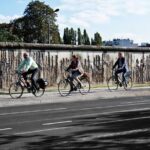
What makes this more than a quick stop is the mention of seeing a remaining stretch of the Berlin Wall. That changes the experience. The Wall is usually something people imagine, but seeing a physical remnant makes it easier to understand scale and separation. You’re not just hearing dates; you’re standing near evidence.
The guide’s anecdotes of escape attempts fit naturally here. You’ll hear stories about how people tried to break through, and then you can look at the street layout with fresh eyes. It turns the area into a puzzle with answers that the guide talks you through.
Practical thought: bring your camera, but also look up from it. The best learning moments happen when you notice the relationship between buildings, crossings, and sightlines—things a phone picture won’t always capture.
Bebelplatz: the Prussian Berlin core you might not expect on a Cold War tour
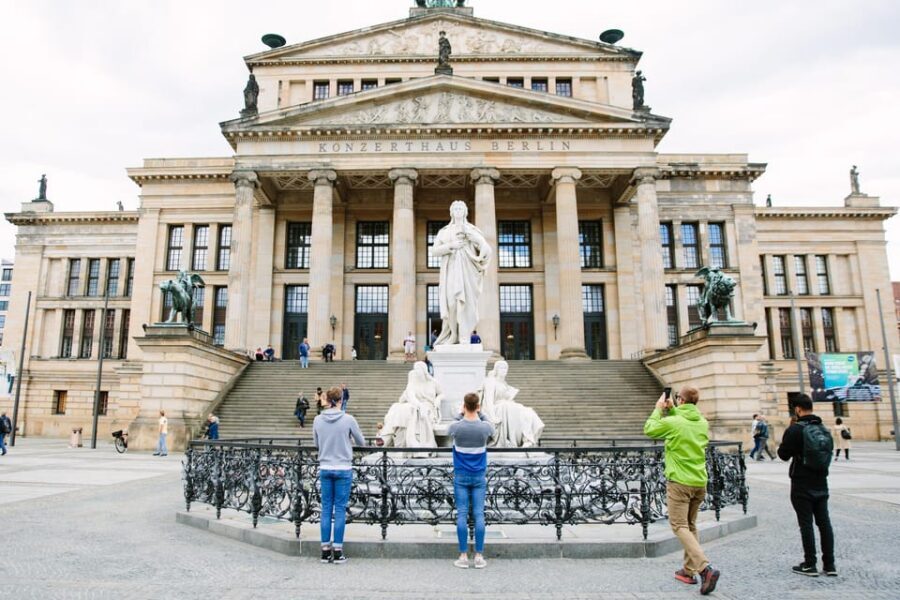
The tour’s stop at Bebelplatz is a useful reminder that Berlin wasn’t invented by the Cold War. This is the kind of place tied to the center of Prussian Berlin, and it helps you broaden the story beyond postwar politics.
I like including an older core site in a Cold War-themed ride because it changes your frame of reference. You start seeing how power structures and urban design can echo across decades. You might not connect that while walking past it on your own, which is exactly the point of having a guide making those connections for you.
Bebelplatz also tends to help the pace of the tour. After the intensity around border history, you get a moment to absorb the setting—open space, architecture, and the feel of a civic center. It’s easier to digest the Cold War material when the tour isn’t only about tension.
Escape-attempt anecdotes: how the guide makes border history feel human
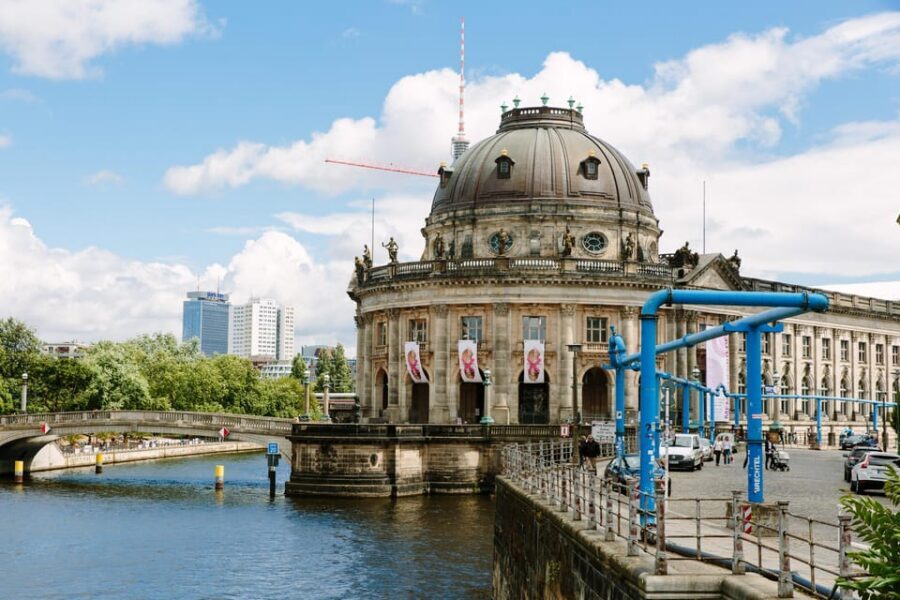
The standout theme across the experience is the guide’s storytelling about escape attempts and the techniques used. These stories matter because the Cold War isn’t only about walls and slogans. It’s also about planning, risk, fear, ingenuity, and the very ordinary question of how someone might get from A to B.
On this tour, those anecdotes aren’t random. They’re attached to what you’re seeing, and that’s why a bike works so well. As you move, the guide can explain cause and effect: what a person would watch for, what a lookout might notice, and why certain areas carried higher stakes.
Guides named in the experience include Daniel, who was praised for being entertaining and motivated, and Carlo, who kept people comfortable and safe while sharing a lot of detail. Jef also stood out for making the tour interesting, not just informative.
There’s another subtle benefit: if you’re traveling with teenagers or history-curious kids, this style often clicks. One account described a guide finding time to interact with a pair of 15-year-olds during a break, based on their interest. That tells me the guide isn’t just reading a script—they’ll connect when someone asks good questions.
If you’re the type who likes stories with specifics, you’ll probably enjoy this most. If you prefer strictly scenic sightseeing, this might feel more educational than expected—but that’s usually what people sign up for when they choose a Cold War highlights route.
You can also read our reviews of more private tours in Berlin


Spotting Nazi-era architecture left in the city
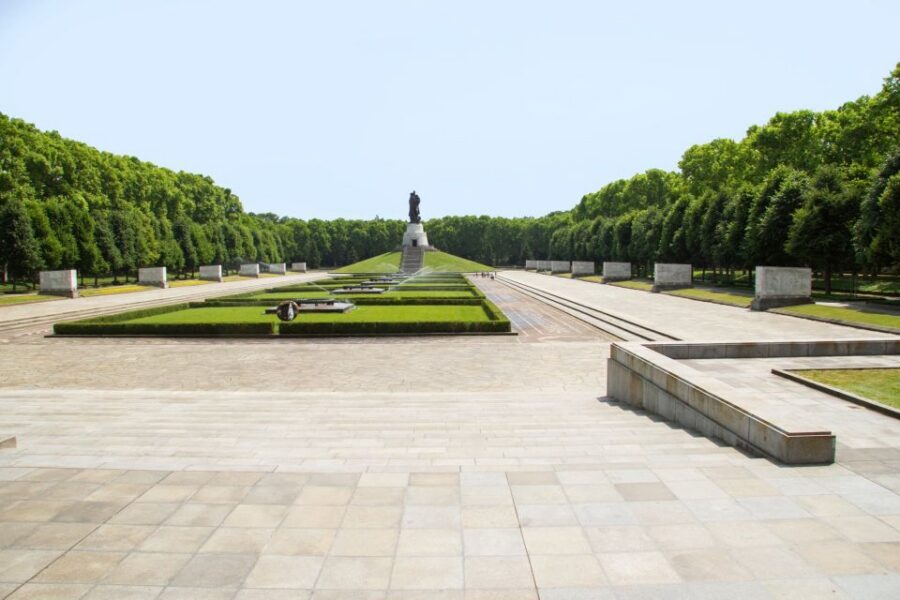
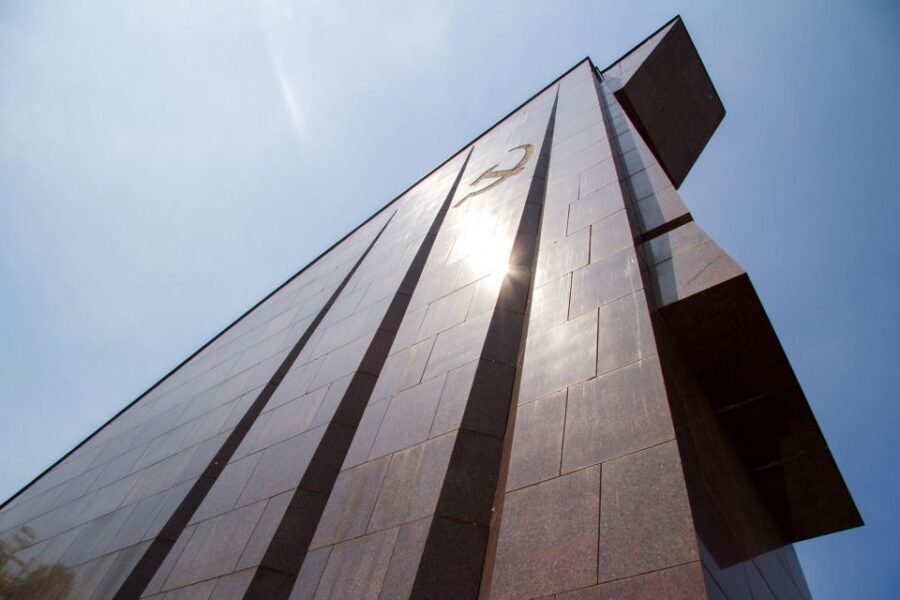
The tour also includes seeing some of the only Nazi architecture left in Berlin. This is delicate territory, but it’s also honest. Cities don’t erase their past; they display it, negotiate it, and sometimes argue about it.
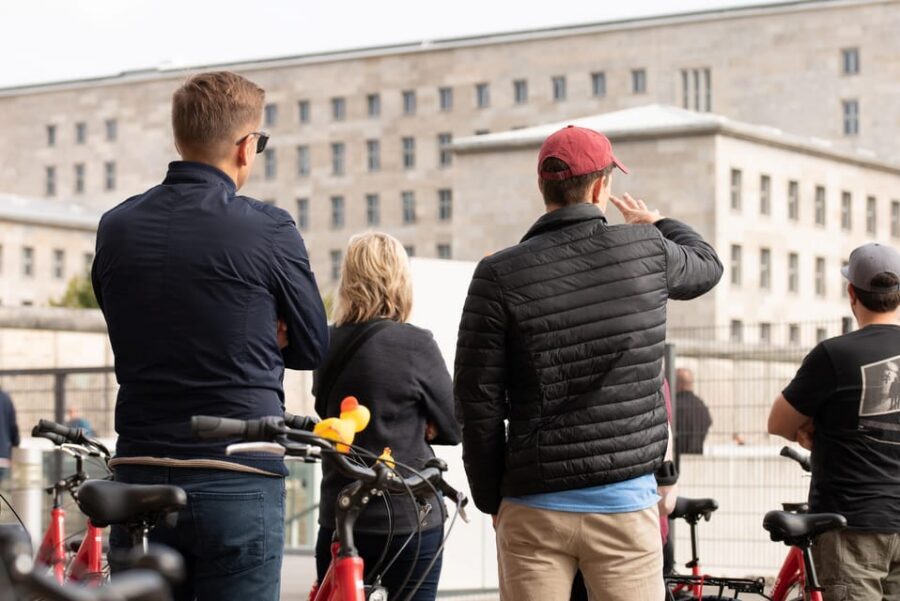
On the bike, you’ll pass structures that still show traces of that era. The guide’s role here is key: you’re not just looking at buildings; you’re getting help placing them in context. That makes the experience less about shock and more about understanding how ideology translated into concrete form.
I recommend mentally preparing for this section. If you’re sensitive to heavy historical material, go in with the expectation that you’ll be seeing remnants of real wrongdoing. The benefit of a guided stop is that you’re less likely to misread what you’re seeing or reduce it to a photo moment.
Also, don’t rush this part. If your guide offers time to look closely and ask questions, take it. Architectural features can be subtle at street level, and a guide can point out what to notice so you don’t miss the point.
How the 3-hour format keeps the tour moving without rushing you
This is a 3-hour tour, and that timing matters. Berlin is big. The Cold War story covers multiple zones. A walking tour can get slow fast, and a long bike tour can get exhausting.
In the feedback, people repeatedly liked the steady pace—not just the speed, but the way the guide kept everyone feeling safe. That’s especially important on a bicycle where you need both focus and comfort. You want to learn, not grip the handlebars like it’s a survival game.
Expect multiple stops near essential attractions, plus photo opportunities. The guide provides narration while you ride and pauses when it’s worth getting off the bike for a better view. That stop-and-go rhythm is usually what turns a “tour” into an experience.
If you’re traveling with a partner, a bike format also tends to keep conversation flowing. You’re not stuck in a line of walking tourists. You’re moving through the city at human speed, with the guide filling the gaps while you get your bearings fast.
One more heads-up based on the experience notes: if a particular major highlight is a must for you—again, an example being the East Side Gallery—you should confirm whether it’s part of your specific route. In at least one case, it wasn’t included during a period when people expected it.
Price reality: is $353 per group up to 4 good value?
The price is $353 per group up to 4 for a 3-hour private bike tour. That sounds steep until you do the math and compare it to what private time costs in big cities.
If you book with two people, the effective cost per person is higher than if you can share the group. If you book with four, the per-person cost drops a lot, and suddenly it becomes a very efficient way to get a guide without waiting your turn in a larger group.
What you’re really paying for here isn’t just someone holding a clipboard. You’re paying for:
- A private guide who can keep your group at a comfortable pace
- A bike plus helmet option
- Multiple high-meaning stops in a short time window
You’re also buying time and energy. Berlin is easier by bike when you want to cover the essentials, and the guide makes the difference between looking at buildings and understanding why they mattered.
For families and friend groups: this is often the easiest case. Everyone gets to share the cost, and the private format helps keep kids and teens engaged. For solo travelers, it can still be worth it if you value one-on-one guidance and hate group logistics, but the best value is clearly when you fill the group.
Who this tour is best for (and who should think twice)
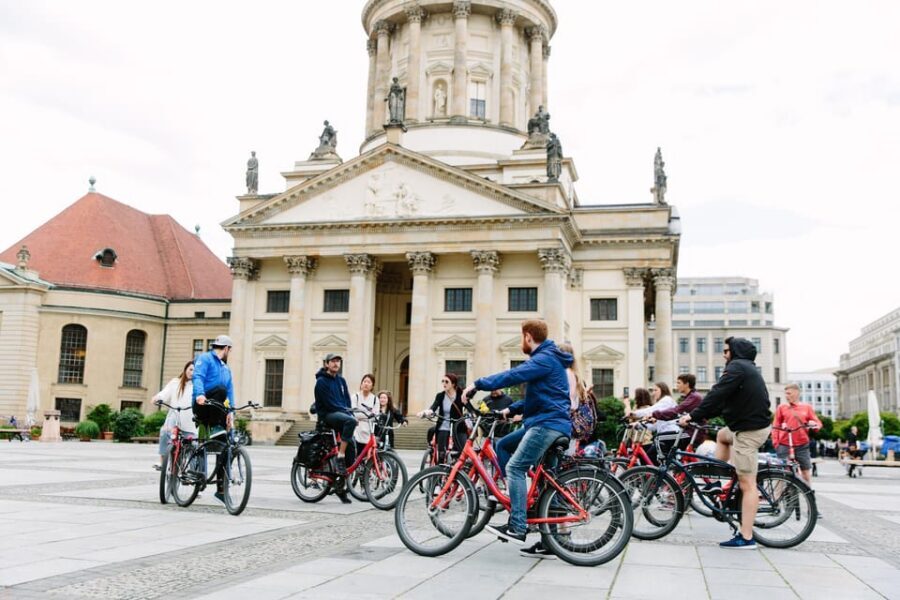
This tour is a great fit if you want a high-impact highlights experience with strong narration. It’s also a good choice if you’re time-limited and still want real context, especially on Cold War history.
It’s especially promising for:
- Couples who want a calm, scenic ride with frequent stops
- Small groups and families who want attention and questions answered
- Teenagers who prefer moving and story-driven history over a museum lecture
It may be less ideal if:
- You need very specific stops to match a personal checklist
- You don’t feel confident riding a bike in city conditions
- You’re uncomfortable with heavier history content like Nazi-era remnants
One more practical note: the tour says helmets are provided but optional. I’d use the helmet if you’re even slightly unsure about bike comfort, and I’d never let pride override safety. The guide’s job is to manage pace; your job is to stay in control.
Tips to make your private bike tour smoother
A few small things will help you enjoy this more:
- Wear weather-appropriate clothing and layers if Berlin is changing its mood
- Bring a camera, but also take in the views while stopping with purpose
- If you have questions, ask them early. Private tours work best when you use them
- If you’re traveling as a family, confirm how attachments work for kids using the children’s rate
Also, bring a passport or ID card. The tour explicitly calls for it, and it’s the kind of simple requirement that’s easy to forget when you’re packing light.
If you like food breaks, keep an open mind. In the experience notes, one guide was praised for taking the group to a good low-cost restaurant. Even if your ride doesn’t include a formal lunch plan, your guide may point you toward an easy option.
Should you book this private Berlin highlights bike tour?
I’d book this tour if you want Berlin’s story tied together with movement. The combination of Checkpoint Charlie, a remaining Wall stretch, Bebelplatz, escape-attempt anecdotes, and Nazi-era architecture is a strong mix in just 3 hours. Private guiding makes it feel personal, and the consistent praise for safety and a steady pace is a big reason to trust it.
I’d hesitate only if your trip depends on a specific missing stop like the East Side Gallery. If that’s your top priority, verify your route details before you commit.
Bottom line: for a time-efficient, story-heavy Berlin introduction where you actually learn something while you see the sights, this is a very solid choice.
FAQ
Where does the private bike tour meet?
It meets at the base of the TV Tower in Alexanderplatz.
How long is the tour, and is the guide in English?
The tour lasts 3 hours, and the guide speaks English.
What’s included in the tour price?
You get a comfortable city cruiser-style bike, and a helmet is provided but optional. You also get a private, experienced English-speaking guide.
Does the tour run in bad weather?
Yes. The tour runs rain or shine.
What should I bring with me?
Bring your passport or ID card and a credit card, plus weather-appropriate clothing.
Do I need to be able to ride a bike, and what about kids?
All guests must be able to ride a bicycle on their own (unless using children’s attachments). Double trailers for toddlers and tag-a-long attachments or kid’s seats for young children are available at the children’s rate, and no guest under 18 will be given a bike without an adult over 18 present.