REVIEW · BERLIN
Berlin: Lighthouse of Digital Art Ticket
Book on GetYourGuide →Operated by Lighthouse Arts GmbH · Bookable on GetYourGuide
A short show that feels bigger than Berlin. At Lighthouse of Digital Art, I love how The Grand Tour uses high-detail space imagery and how the spoken narration steers the experience turn by turn. The one catch: you need the right show time if you care about English versus German.
You’ll also get real tech-based art rooms, not just a screen and a chair. I like that it’s compact (about 30 minutes total), so you can fit it into a busy day without feeling rushed. And because it’s designed to get your attention back from your phone, it can be a calm mental reset.
One practical consideration: the main exhibition area can be easy to overlook if you move too fast. Plan a few extra minutes to find both the museum exhibition space and the areas included with your ticket, not just the show.
In This Review
- Key things to know before you go
- Meet the Lighthouse: a digital art stop that fits Berlin days
- The Grand Tour show: Mars, the Moon, and galaxies on a narrated timeline
- Language choice: German on the hour, English on the half hour
- Space Gallery: where the science feeling turns into art
- Infinity Room: light, sound, and the need to respond
- Getting value from an $11 ticket: what you actually get
- Timing your visit in Berlin: make it an easy win
- Who this is best for (and who should skip it)
- Practical tips that make the difference
- Price and logistics: the ticket setup that keeps it simple
- Should you book Lighthouse of Digital Art in Berlin?
- FAQ
- How long is the Lighthouse of Digital Art experience?
- What show do you see with this ticket?
- What language is the narration in?
- What is included in the price?
- Is it wheelchair accessible?
- Is it suitable for people with epilepsy?
- Can I cancel my ticket?
Key things to know before you go
- The show is narrated in two languages: German on the hour, English on the half hour
- Expect a 27-minute audio-visual journey focused on the solar system and beyond
- Space Gallery and Infinity Room are included with your ticket
- You’re watching near-realistic planets and galaxies using recent space imaging
- Not suitable for epilepsy (so skip it if light/sound effects are a concern for you)
- Wheelchair accessible, with the ticket timed to a start slot
Meet the Lighthouse: a digital art stop that fits Berlin days
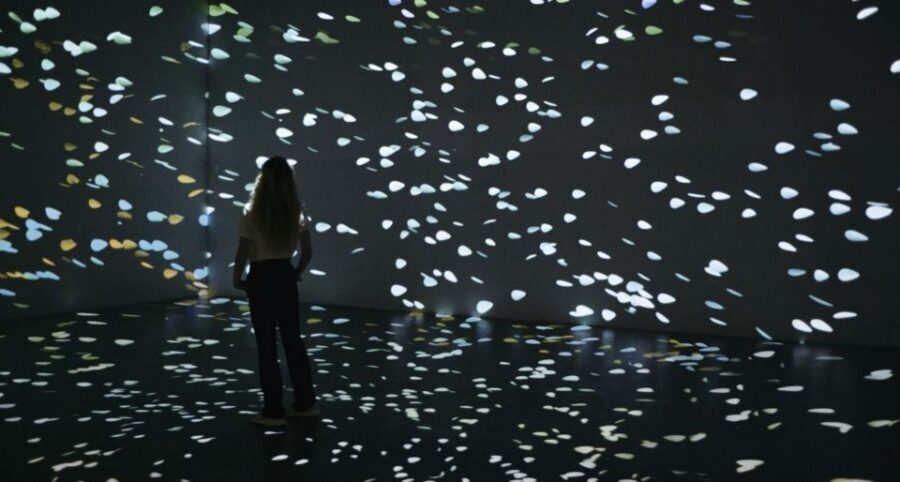
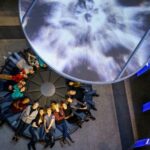
Berlin is full of museums, but not all of them are made for your senses. Lighthouse of Digital Art is built around digital and new media art, with rooms that use sound, color, and projection to give you a strong “you’re inside it” feeling. Your ticket covers entry, the main show, and the supporting areas: the Space Gallery and the Infinity Room.
What I like is how focused the experience is. You’re not wandering for hours trying to piece together what matters. Instead, you get a tight arc: a guided, narrated show that leads into art spaces that keep you in the same mood.
The whole thing takes about 30 minutes, so it’s ideal when you want something different from churches, checkpoints, or classic galleries. It’s also a good use of indoor time if the weather turns.
You can also read our reviews of more tours and experiences in Berlin


The Grand Tour show: Mars, the Moon, and galaxies on a narrated timeline

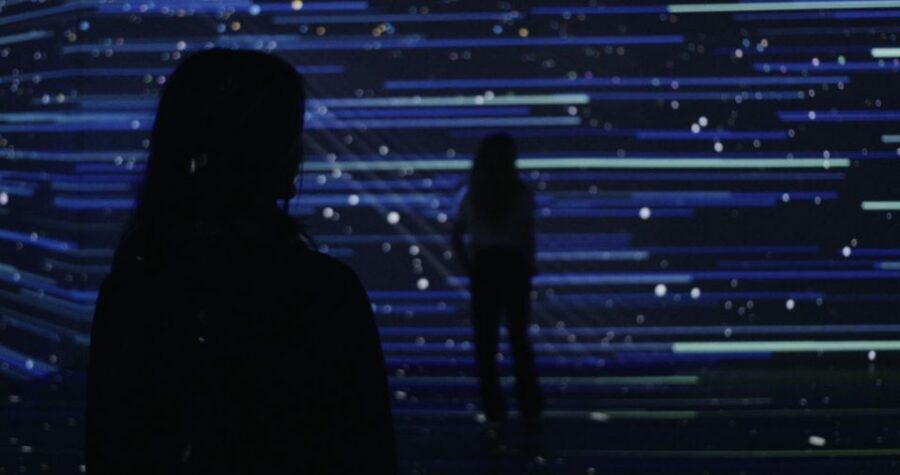
Your ticket’s main event is The Grand Tour, a 27-minute audio-visual show. The big promise here is realism. The show uses imagery and data from the James Webb Space Telescope and NASA, plus carefully mapped visuals for the Moon and Mars. That means you’re not just getting generic planet art—you’re getting a representation tied to accurate mapping.
The pacing matters. This isn’t music-only “watch what you want” entertainment. You’ll hear spoken narration guiding what you’re seeing, which helps you connect the visuals to actual concepts. If you’re traveling with someone who likes facts (or if you just want your brain to stay engaged), the narration is a win.
Language is the key detail to plan around. On the hour shows (like 2:00 p.m.) are in German. On the half hour shows (like 2:30 p.m.) are in English. If you’re booking for one person in English and another who needs German, check the time carefully before you lock it in.
A small but important tip: because your ticket is timed to a start slot and the show is narrated, arrive with enough breathing room to get seated and settle your focus. If you walk in late, you’re not just missing images—you’re missing the storytelling thread.
Language choice: German on the hour, English on the half hour
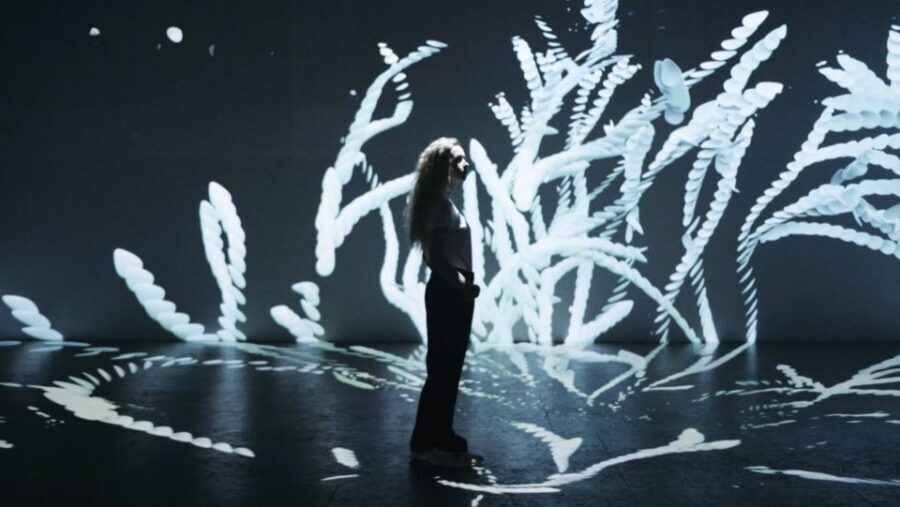
This is the easiest place to make a mistake, and it can change the whole value of your ticket.
- If you want English narration, aim for shows on the half hour.
- If you prefer German, choose shows on the hour.
The show is only 27 minutes long, so there’s little forgiveness if you end up in the wrong language. If your German is rusty and you care about understanding, don’t gamble.
If you’re comfortable with visuals carrying the day, it can still be enjoyable even without full comprehension. But since the narration is part of the design, you’ll likely feel the difference.
Space Gallery: where the science feeling turns into art
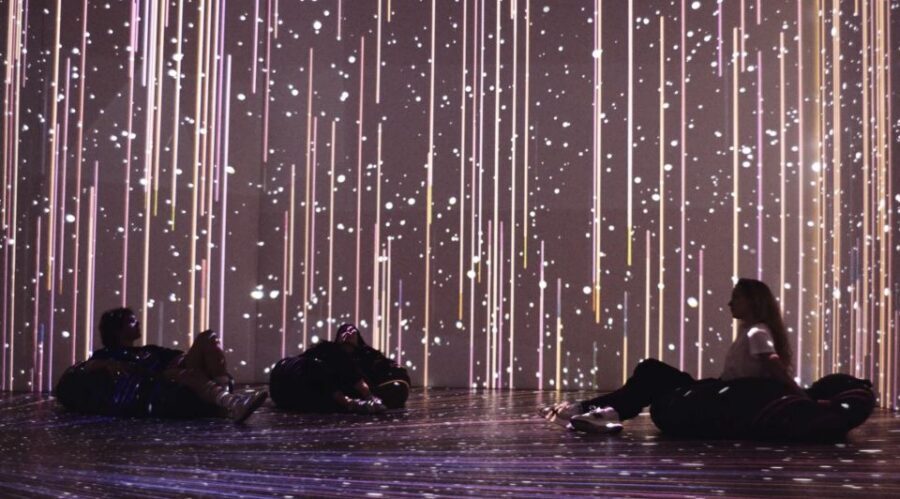
Your ticket includes the Space Gallery, which is part of what makes this more than a one-room show. Think of it as the bridge between the narrated screen experience and the more “feel it with your senses” room.
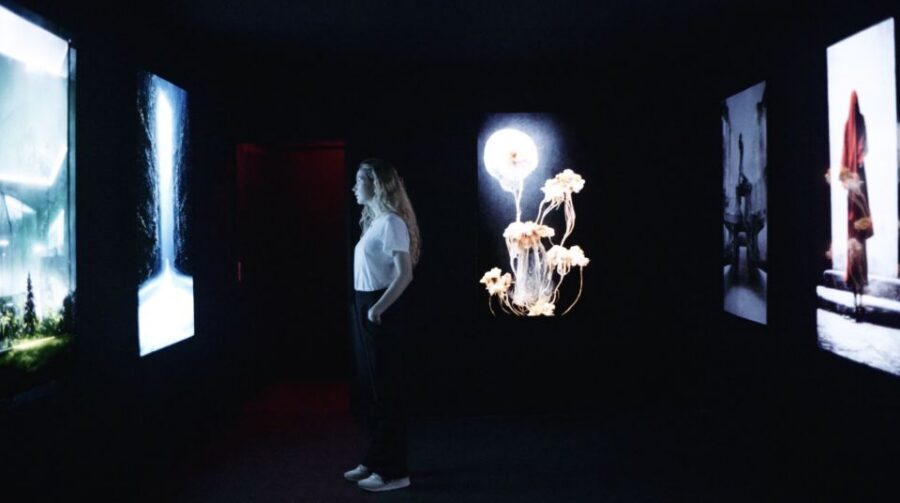
In the Space Gallery, the goal is to keep you in the space theme while letting the technology speak in a different way than the main show. You’re moving from a timed, narrated presentation to spaces designed for you to react, stand, and take in changing visuals and sound.
This is also where your attention matters. One of the practical takeaways from how people experience the museum is that the exhibition spaces can be easy to miss if you head straight for the show and then exit immediately afterward. I’d treat this time as your chance to slow down and actually look around—follow the signage, take a moment to locate the included areas, and don’t assume everything is obvious.
If you’re short on time, prioritize what’s on your ticket (the show, Space Gallery, and Infinity Room). If you have a little extra buffer, adding time for the museum exhibition can make the whole visit feel more complete.
Infinity Room: light, sound, and the need to respond
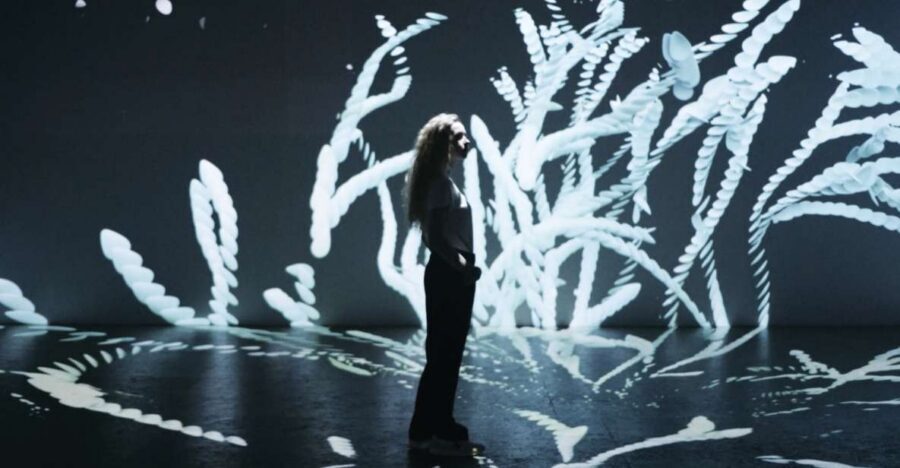
The Infinity Room is the part people tend to talk about because it asks more from you than standard museum viewing. Your ticket includes it, and it’s specifically designed so your actions or presence are part of the experience.
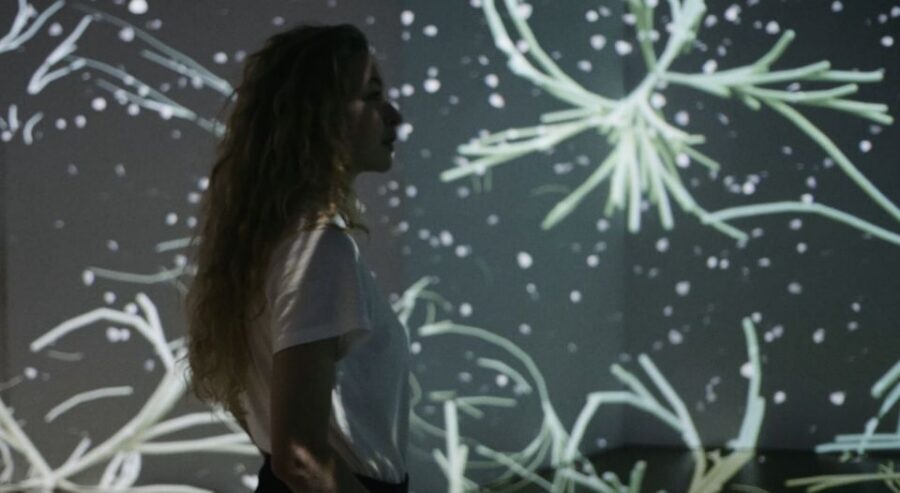
The experience is built to work with sound and color in a way that creates a strong sense of atmosphere. It’s not just a passive viewing room. You’re meant to notice changes and let the installation guide your emotions rather than trying to “solve” it like a puzzle.
The upside is obvious: it’s memorable, and it can be a satisfying break from everyday screens. I like that it’s the kind of room that makes you stop thinking about your next plan and start paying attention to what’s happening around you.
The main consideration is that it’s tech-driven. If you have epilepsy, this is listed as not suitable. If you’re sensitive to flashing light, strong audio effects, or unusual sensory input, use caution even if your condition isn’t exactly epilepsy—this type of room is designed to be intense.






Getting value from an $11 ticket: what you actually get
At about $11 per person, this is positioned as a low-cost ticket to a high-cost-feeling experience. The value is in three areas:
First, you get a full audio-visual show (27 minutes) with a spoken guide. That turns it into structured storytelling, not random entertainment.
Second, you get more than one space: entry plus the Space Gallery and Infinity Room. That extra time is what separates a quick attraction from something you can feel good about afterward.
Third, the theme is built on recent, credible space sources. Using James Webb Space Telescope and NASA imagery gives the experience a real-world grounding, which is more satisfying than vague sci-fi visuals.
If you’re comparing it to other indoor Berlin experiences, this is one of the more time-efficient options: you can do it without losing half your day.
The only real value question is your language fit. Pick the time that matches the narration language you want, and the ticket becomes easier to justify.
Timing your visit in Berlin: make it an easy win
This is best as a “smart slot” activity. Because it’s only 30 minutes total, you can use it between bigger plans like neighborhoods, meals, or longer museum blocks.
If you’re doing this early, consider lining it up before dinner so you’re not stuck rushing. If you’re doing it later, you still have the advantage that it won’t swallow your evening.
Also, keep your expectations realistic. This is not a massive museum campus. It’s a concentrated experience built to be understood quickly and remembered clearly. That makes it great for a short trip, and it can be even better if you’re traveling with someone who doesn’t want a half-day museum commitment.
Who this is best for (and who should skip it)
I think Lighthouse of Digital Art is a strong fit for:
- People who like digital art and tech-forward installations
- Travelers who want a short stop that still feels like an experience
- Anyone curious about the solar system and galaxies and likes that the visuals are paired with narration
- Couples and solo travelers who want a calm mental reset without planning a full day
Skip it if:
- You have epilepsy (it’s explicitly not suitable)
- You hate sensory-heavy installations or you know tech light/sound effects are a problem for you
- You’re looking for a large, multi-hour museum with lots of reading and independent wandering
Practical tips that make the difference
A few things will help you get more from this ticket:
Match your show time to your language. English is on the half hour; German is on the hour. Don’t treat it as a minor detail.
Plan a few minutes for the included rooms. If you only aim for the show, you might miss the point of Space Gallery and Infinity Room. Also, the exhibition area can be easy to miss if you move too quickly, so give yourself time to locate it.
Treat it as attention work. The Infinity Room and the audio-visual show are designed for you to react. Put your phone away during the show and you’ll get more out of it.
Keep it flexible. The ticket offer includes free cancellation up to 24 hours in advance, so if your Berlin plans wobble, you can still adjust.
Price and logistics: the ticket setup that keeps it simple
For about $11 per person, you’re paying for an entry ticket plus the show and both included rooms. That’s a straightforward package, and the price makes sense if you want something immersive without expensive add-ons.
The experience also runs on a schedule. Starting times vary, so you’ll want to check availability when you book your pre-booked ticket. And because the experience is time-based, showing up late can quietly reduce your enjoyment.
You also have options to keep travel plans flexible: there’s free cancellation up to 24 hours before, and a reserve-and-pay-later option is offered. In practice, that means you can hold your spot while you confirm your day plan.
Should you book Lighthouse of Digital Art in Berlin?
I’d book it if you want a short, tech-forward Berlin experience that still feels meaningful. The ticket gives you more than one component: the guided The Grand Tour show plus the Space Gallery and Infinity Room, so you’re not done when the credits roll. The realism angle—using James Webb Space Telescope and NASA sources—also gives the show extra credibility, especially if you like science and space facts.
I would not book it if language is a deal-breaker and you’re not willing to pick the right show time, or if light/sound effects could be an issue for you. And if you hate sensory rooms or want a long, quiet museum wander, you may find this too focused and fast-paced.
FAQ
How long is the Lighthouse of Digital Art experience?
The duration is listed as 30 minutes, with different starting times depending on availability.
What show do you see with this ticket?
Your ticket includes the main show, The Grand Tour, plus entry to the Space Gallery and Infinity Room.
What language is the narration in?
The show includes spoken narration. Shows on the hour are presented in German, and shows on the half hour are presented in English.
What is included in the price?
The ticket includes entry, the show, and access to the Space Gallery & Infinity Room.
Is it wheelchair accessible?
Yes, the experience is listed as wheelchair accessible.
Is it suitable for people with epilepsy?
No. It is listed as not suitable for people with epilepsy.
Can I cancel my ticket?
You can cancel up to 24 hours in advance for a full refund.