REVIEW · BERLIN
Charité Hospital Walking Tour: Exploring Berlin’s Medical History
Book on Viator →Operated by Beyond and Beneath Tours · Bookable on Viator
Berlin’s medical past is on the sidewalk. This Charité Hospital walking tour threads together science, ethics, and hard truths by using public monuments and the red-brick Charité campus as your classroom, with Charité medical history front and center.
I love the way the guide connects each stop to real discoveries and real consequences, from Robert Koch’s breakthroughs to Rudolf Virchow’s ideas about social medicine. I also like the small group size (up to 15 people) and the 2-hour pace, which makes it easy to fit into a busy day.
One possible drawback: you do not go into working hospital or university facilities, so if you’re hoping for behind-the-scenes clinical areas, this won’t scratch that itch. It also runs best with good weather.
In This Review
- Key things I’d watch for on this Charité walking tour
- Why Charité’s medical story works on foot
- Price and time: good value for a theme-heavy tour
- Getting oriented: start at Robert-Koch-Platz, end by the canal
- Stop 1: Robert-Koch Denkmal and the science of germs
- Stop 2: Tieranatomisches Theater and how veterinary medicine worked
- Stop 3: Rudolf Virchow Denkmal and the birth of modern pathology
- Stop 4: Denkmal Albrecht von Graefe and why ophthalmology got a monument
- Stop 5: Charité Campus Mitte and medicine under pressure in the Third Reich
- Stop 6: Humboldthafen escape attempts and the socialist-era hospital world
- What you’ll actually learn (and how to keep it useful after the tour)
- How this tour compares to other Berlin “history” walks
- Who should book this Charité Hospital walking tour
- Should you book this Charité Hospital walking tour?
- FAQ
- How long is the Charité Hospital walking tour?
- What’s the price per person?
- Is the tour in English?
- Where does the tour start and end?
- Does the tour include visiting inside hospital or university operation areas?
- How big is the group?
- What if the weather is bad?
- Can I get a refund if I change my plans?
Key things I’d watch for on this Charité walking tour
- Robert Koch’s monument gets explained with both Nobel-level science and a dark pharmaceutical scandal footnote
- Tieranatomisches Theater is treated like a time machine for how animal disease study worked before modern science
- Rudolf Virchow and social medicine help you see public health as more than hospitals and cures
- Albrecht von Graefe’s ophthalmology legacy is grounded in why Berlin honored him with a scientist monument
- Charité Campus Mitte confronts Third Reich medical abuse and the doctors who tried to help indiscriminately
- Humboldthafen canal escape stories turn the tour from science to everyday survival under socialism and after the Wall
Why Charité’s medical story works on foot
Charité is not just one building. It’s an idea: Berlin treating medicine as both a scientific quest and a moral test. That’s why this walking format clicks. You don’t just read plaques. You walk between monuments and campus corners, and the guide puts each one in context so the names start to make sense in a bigger story.
Another thing I appreciate: the tour is short enough that you can keep your energy. Two hours is a sweet spot for a theme like this. You get meaning without turning your brain into a medical textbook.
You can also read our reviews of more walking tours in Berlin



Price and time: good value for a theme-heavy tour
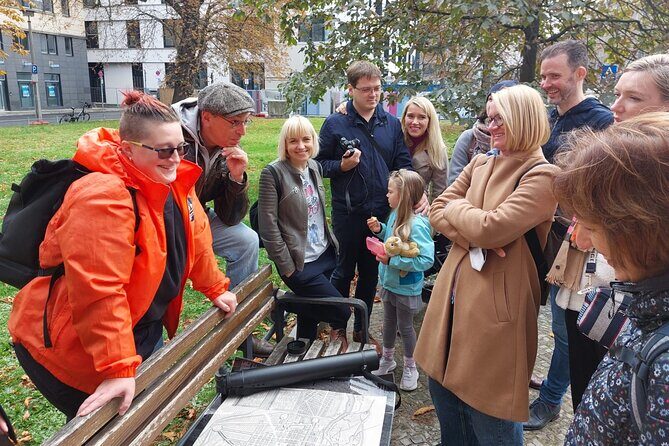
At about $30.12 per person for roughly 2 hours, you’re paying for a guide-led, curated route with no extra ticket costs along the way. The stops are outdoors, and the tour says admission tickets for the listed stops are free, so you’re not getting nickel-and-dimed to keep moving.
The real value is the structure. A self-guided wander around Charité might feel like walking past famous names. With a guide, you get the “why” behind those names and why Berlin chose to memorialize them in public space.
This is also a smart option if you’re on a tight schedule. The route is compact, and it’s designed around quick stops that still carry weight—about 20 minutes per main point.
Getting oriented: start at Robert-Koch-Platz, end by the canal
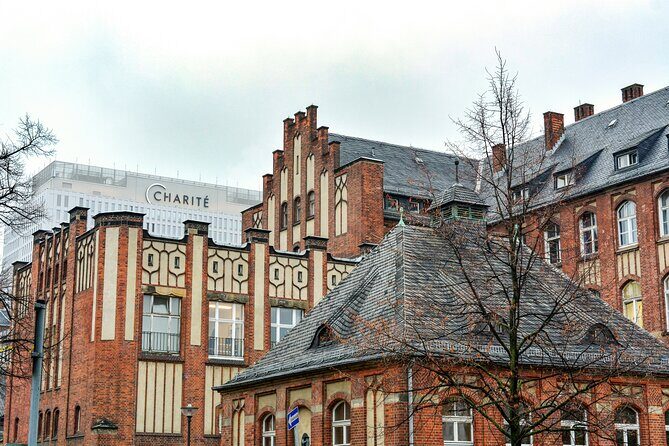
You start at Robert-Koch-Platz (10115 Berlin) and finish at Alexanderufer (10117 Berlin) near the Humboldthafen canal. If you’re coming from Berlin Central Station, it’s about a 10-minute walk to the canal area where the tour ends.
That matters more than you’d think. Walking tours can leave you stranded. This one finishes near a natural transit corridor, so you can roll into your next plan without a long trek.
It’s also offered in English, and there’s a mobile ticket. Service animals are allowed, and the tour notes that most people can participate.
Stop 1: Robert-Koch Denkmal and the science of germs
Your first stop is the Robert-Koch Denkmal. This monument is tied to the early story of Charité as Berlin’s oldest hospital, established in the 18th century. The guide also brings in Robert Koch himself, including why he’s remembered as a Nobel-prize winning scientist linked to discovering causes of diseases like tuberculosis, anthrax, and cholera.
Here’s the added layer that makes this stop more than a science trivia moment: the tour mentions Koch’s role in what’s described as the first pharmaceutical scandal in medical history. That’s a reminder that medical progress has always had speed bumps—sometimes caused by human choices, not lab results.
Practical tip: take a minute here to look at how the monument frames Koch in public space. It helps later when you’re seeing other science memorials on the route.
Stop 2: Tieranatomisches Theater and how veterinary medicine worked
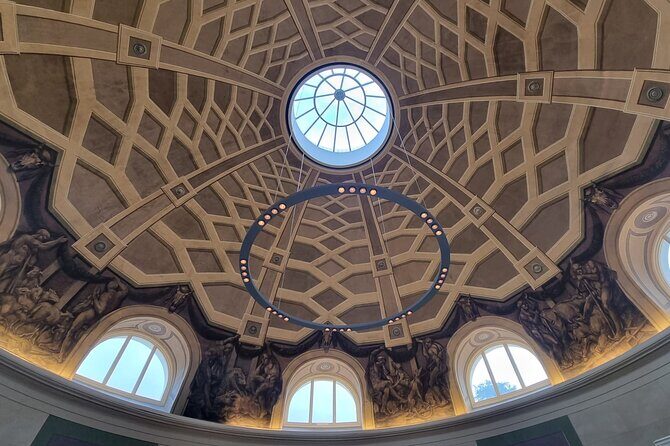
Next you’ll reach the Tieranatomisches Theater, described as the oldest surviving academic building in Berlin. It’s an 18th-century neoclassical building, and the story shifts from human disease to how animal disease study shaped early medical thinking.
The tour focuses on veterinarians learning about animal illnesses and, importantly, the way diseases were treated before modern science became the main driver. You start to see a pattern: knowledge doesn’t arrive fully formed. It’s built slowly, with imperfect tools, lots of observation, and a lot of uncertainty.
This stop can surprise you even if you only came for Charité’s “big names.” It’s a useful bridge between lab breakthroughs and real-world illness—because animals were often an early warning system for patterns that later mattered to humans.
You can also read our reviews of more historical tours in Berlin






Stop 3: Rudolf Virchow Denkmal and the birth of modern pathology
At the Denkmal Rudolf Virchow, the guide brings in Rudolf Virchow, highlighted as the father of modern pathology. You’ll also hear how he helped launch ideas that go beyond diagnosing disease—specifically his role as the founder of social medicine.
This is one of those stops that changes how you read everything else on the tour. When pathology and social medicine enter the conversation, medicine stops being just about what happens in a clinic. It becomes about what happens in society: living conditions, inequality, and who gets access to care.
If you care about ethics in medicine, this monument is a key turning point. It sets up the later, much heavier material at Charité Campus Mitte.
Stop 4: Denkmal Albrecht von Graefe and why ophthalmology got a monument
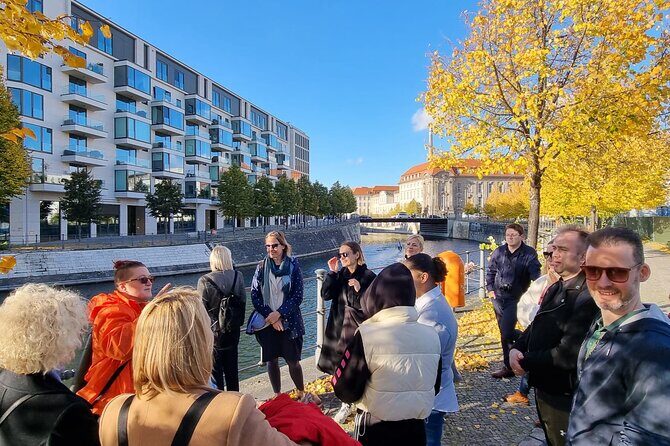
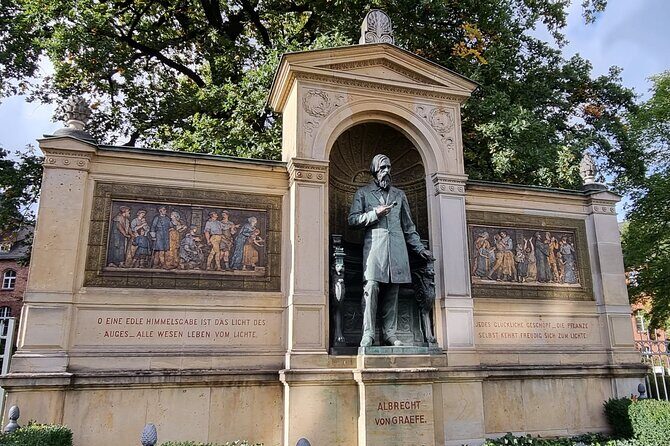
The route then points you to the Denkmal Albrecht von Graefe. Albrecht von Graefe was a groundbreaking ophthalmologist, and the tour notes something specific and important: this was the first monument in Berlin dedicated to a scientist.
That detail matters because it shows how public recognition for science was changing over time. Berlin wasn’t only honoring rulers or thinkers; it started placing scientists in the public story too. And in this case, you’re given a chance to connect that recognition to real medical impact in a field as practical as eye health.
If your museum time is limited, this stop is a good reminder that medical progress isn’t only about cures for major epidemics. It also includes specialties that improve daily life.
Stop 5: Charité Campus Mitte and medicine under pressure in the Third Reich

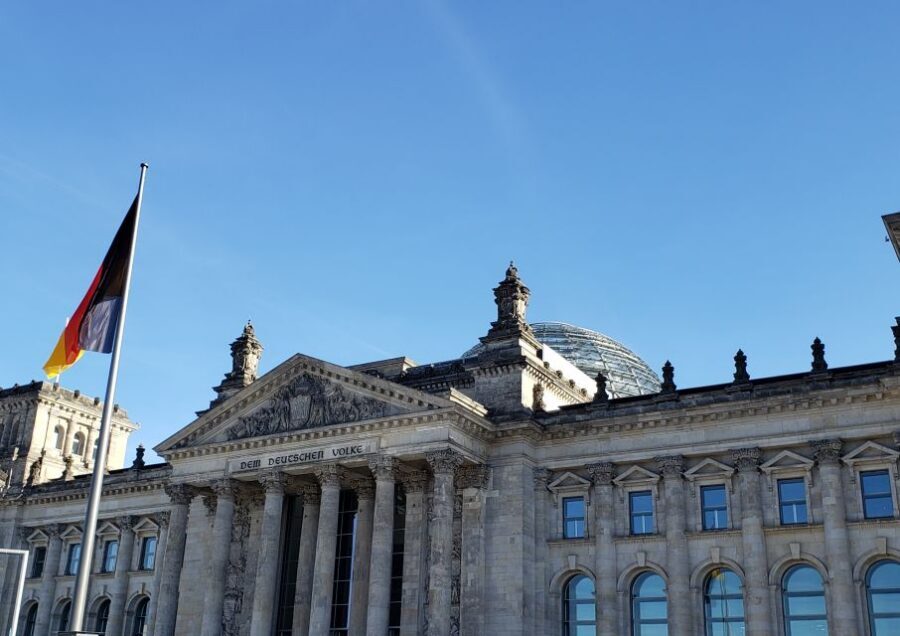
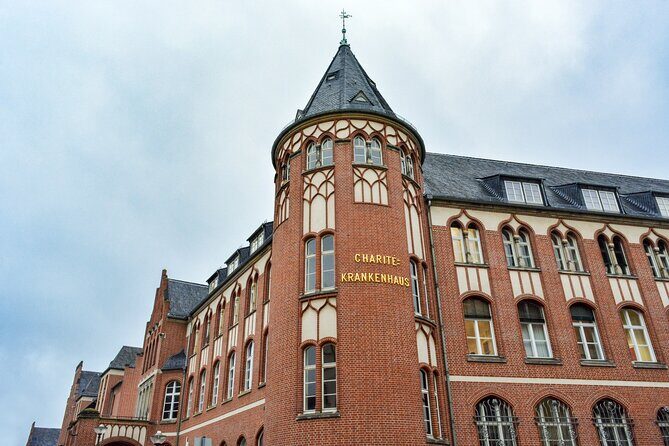
Now you’ll move to Charité Campus Mitte, described as a neogothic red-brick campus. This is where the tour takes a darker turn, because the story isn’t just “great doctors discovered great things.”
You’ll hear how some doctors abused medicine during the Third Reich, while others tried to help everyone indiscriminately until the last days of WWII. That contrast is the tour’s core message at this stop: medicine is never value-neutral. The systems around doctors matter, and so do the choices doctors make.
A practical note: this part is emotionally heavier. If you prefer upbeat tours only, you may want to pace yourself mentally. But if you want the real Berlin story—how institutions can be both brilliant and cruel—this is the heart of the experience.
You’ll also get a feel for the campus as a physical place. Even if you never go inside clinical spaces, seeing the architecture and setting makes the history easier to hold.
Stop 6: Humboldthafen escape attempts and the socialist-era hospital world
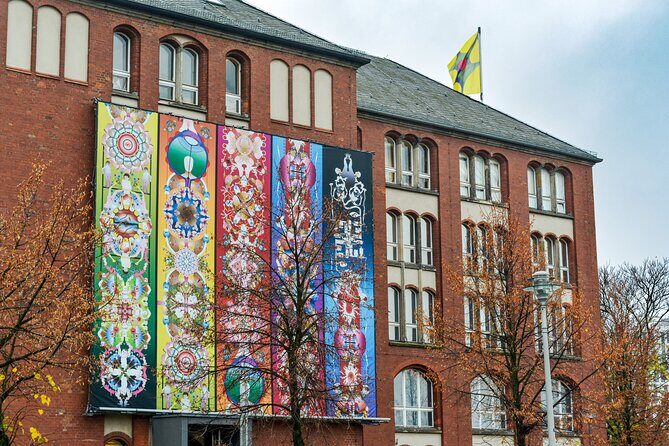
The final stop takes you near the Design Offices Berlin Humboldthafen, outside the Charité campus area by the canal. This is where the tour connects hospital history to Berlin’s political history in a very human way.
The tour explains that several East Berliners attempted to escape to the West by swimming across the city canal just outside the Charité campus. The guide also ties this to life in and around the hospital during the socialist era and after the fall of the Berlin Wall.
What I liked here is the change of lens. You move from lab coats and ideology to survival stories and the everyday risks people took. It’s also a reminder that “where a hospital sits” can matter in ways you’d never guess from a map.
If you’re doing this at the end of a busy sightseeing day, you might want to slow down for a minute near the water. The mood shift is real, and it helps the history land.
What you’ll actually learn (and how to keep it useful after the tour)
This is a walking tour, but it’s really a lesson in how medical ideas travel through time. You’re not just memorizing names. You’re learning the themes that link them:
- How germ theory and scientific discovery shaped public health
- Why pathology and social medicine changed who becomes the “patient”
- How medical authority can be misused under authoritarian pressure
- Why public monuments show what a city chooses to remember
The guide’s storytelling comes through in the way the route is built. Each stop is brief, but the connections stack. By the time you reach Charité Campus Mitte, you’ll understand why the tour starts with scientists and ends with escape attempts and political change.
Also, the route helps you read the campus and monuments like an informed passerby. Afterward, you’ll likely notice details you’d otherwise skip, like how different figures are memorialized and what Berlin chose to make public.
How this tour compares to other Berlin “history” walks
If you’ve done plenty of Berlin history tours, you may notice a common problem: you get dates and context, but not meaning. This one mostly avoids that trap by focusing on a single thread—medicine—and asking what medicine did to people and what people did inside medical systems.
It’s also different from tours that try to get you into rooms. Since it doesn’t include clinical or university operations, you won’t be stuck waiting for restricted access. Instead, you get a consistent route with free-entry outdoor stops.
No lab coat required. Just a good pair of walking shoes.
Who should book this Charité Hospital walking tour
This fits best if you:
- Want a focused way to understand Berlin’s medical and ethical history
- Like monuments and outdoor storytelling over indoor museum time
- Have limited time and want a short, guided route
- Prefer a small group experience (max 15 people) so you can hear the guide clearly
It’s also a solid choice if you like science topics but don’t want to spend your day in a lab setting. This tour keeps the science human—by pairing discoveries with consequences.
You might skip it if you specifically want to tour functioning hospital wards or university rooms, because this experience explicitly does not include visiting places where clinical or university operations take place.
Should you book this Charité Hospital walking tour?
I’d book it if you want Berlin’s medical story told with context, not just names. The route is efficient, the stops are meaningful, and the tone stays balanced: scientific progress comes with moral questions, and the tour doesn’t dodge either side.
If you’re the type who enjoys short guided walks with a clear theme—and you can handle a darker WWII-era section—this is a good fit at $30.12 for about two hours. Plus, with a 5/5 rating across 26 reviews, it’s the kind of small-group tour that people consistently leave feeling they got their money’s worth.
FAQ
How long is the Charité Hospital walking tour?
It lasts about 2 hours.
What’s the price per person?
The price is $30.12 per person.
Is the tour in English?
Yes. It’s offered in English.
Where does the tour start and end?
It starts at Robert-Koch-Platz (10115 Berlin) and ends at Alexanderufer (10117 Berlin) near the Humboldthafen canal.
Does the tour include visiting inside hospital or university operation areas?
No. It does not include visiting buildings where clinical or university operations take place.
How big is the group?
The tour has a maximum of 15 people.
What if the weather is bad?
This experience requires good weather. If it’s canceled due to poor weather, you’ll be offered a different date or a full refund.
Can I get a refund if I change my plans?
Yes. You can cancel for a full refund up to 24 hours before the experience starts.