REVIEW · BERLIN
Small-Group Berlin Sightseeing and Food Tour of Prenzlauer Berg and Mitte
Book on Viator →Operated by Fork & Walk - Food Tours Berlin · Bookable on Viator
Berlin tastes better on foot.
This 4.5-hour, small-group walk pairs six food tastings with real history stops, including the Berlin Wall Memorial, so the day feels more like a story you can eat than a checklist.
I particularly like the way the route mixes neighborhoods that are easy to miss on a normal sightseeing loop. You also get four drink breaks, which helps keep the pace friendly while you hear guide commentary move from WWII to Soviet occupation and into today.
One heads-up: expect a moderate walking day with frequent stop-and-go moments, and you’ll want comfortable shoes (plus a rain layer if weather turns). Also, you’ll need your own BVG transport ticket since it’s not included.
In This Review
- Quick highlights before you commit
- Price and what $301.20 really buys you
- The meeting point: starting easy, ending central
- A route built around contrasts: Wall-era Berlin and modern food culture
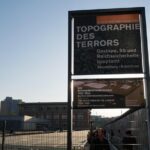
- The Berlin Wall Memorial: the stop that changes the tone of the day
- Café start: coffee at The Barn Schönhauser Allee Café
- Pastries and sweets: Wiener Feinbäckerei Heberer and Cuore di Vetro
- The butcher stop: Fleischerei and what it says about Berlin food
- Jewish history and synagogue stops: from Berlin’s largest synagogue to Kristallnacht memory
- Concentration-camp related stop: Wasserturm Prenzlauer Berg
- Immigration and “today Berlin”: Yarok with Cardamon tea
- Bagels and dessert rounding out the story: Schlomo’s Bagels and more
- Drink breaks: coffee, plus Berlin’s barista and beer culture
- Pacing and walking: plan like a local
- Small-group size: why max 10 is the sweet spot
- Who this tour fits best (and who might want to think twice)
- Final verdict: should you book this Berlin food and history walk?
- FAQ
- How long is the Berlin sightseeing and food tour in Prenzlauer Berg and Mitte?
- How many people are in the group?
- Where do I meet, and where does the tour end?
- What food and drink are included?
- Can the tour accommodate allergies or vegetarian diets?
- Is the BVG transport ticket included?
- What is the cancellation policy?
Quick highlights before you commit
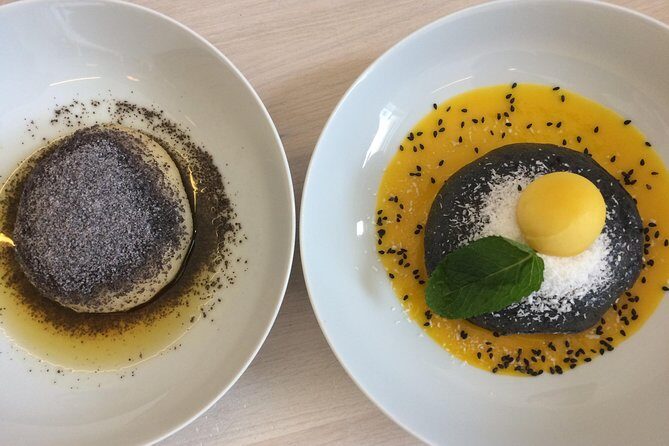
- Six tastings across German classics, international plates, sweets, and Berlin standards
- Four drink breaks along the way, including an early café stop for coffee
- Touching the Berlin Wall at the Memorial, with explanations of escapes and what the Wall meant after reunification
- Nazi-era sites in the middle of the city, including the Wasserturm area tied to Germany’s first concentration camp in WWII
- Stops built around Jewish history in Berlin, from a synagogue tied to Kristallnacht to food in the former Jewish Quarter
- A max group size of 10, which keeps it conversational and helps your guide answer questions
Price and what $301.20 really buys you
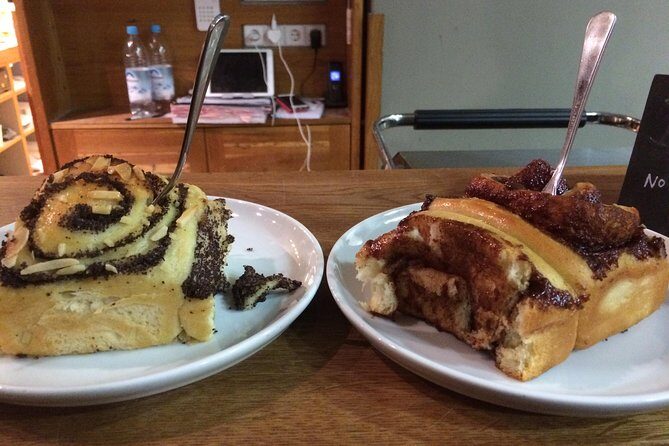
At about $301.20 per person for roughly 4 hours 30 minutes, this isn’t a budget snack crawl. The value comes from what’s bundled: you get six food tastings, four drink breaks, a guide, and guided visits where entry is handled for key stops.
Another part of the price equation is time. You’re paying to have someone connect the dots between what you taste and what you’re seeing—WWII through Soviet occupation to post-communist Berlin—so you don’t spend your own energy figuring out where to go and what to ask.
Two things affect the final cost you’ll feel on the day:
- BVG rides aren’t included, so you may want a transit card or single tickets ready.
- If you’re a light eater, you may need to pace yourself. The tastings are generous enough that skipping breakfast is a better strategy than trying to “save room” by eating less than you need.
You can also read our reviews of more food & drink experiences in Berlin

The meeting point: starting easy, ending central
You start near Schankhalle Pfefferberg on Schönhauser Allee (close to the Senefelderplatz U-Bahn area). That’s a smart setup because it’s simple to reach before an 11:00 am start, even if you’re coming in from a hotel across town.
The tour ends in Mitte at Rosa-Luxemburg-Platz, a good drop-off if you’re continuing on foot afterward or planning an evening in central Berlin. Ending in Mitte also matters because it keeps you close to more transit options, restaurants, and evening sights without forcing you back toward the starting neighborhood.
A route built around contrasts: Wall-era Berlin and modern food culture
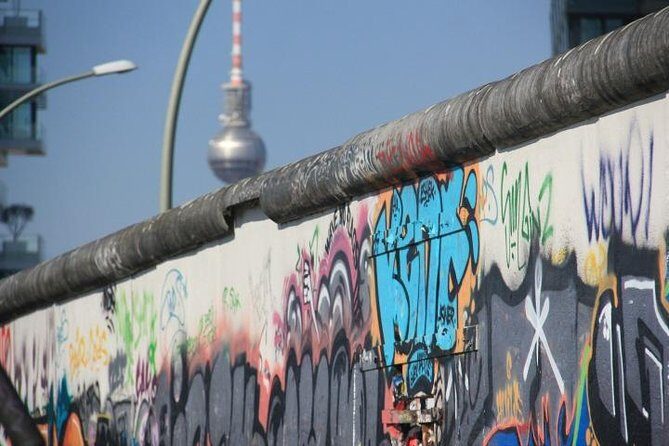
This walk follows an arc that changes the way you read the city. You begin with café culture and pastries, then shift into heavy history at the Berlin Wall Memorial and other WWII-era sites, and only after that do you move into Prenzlauer Berg’s more relaxed, people-watching streets.
The guide’s job here is not just to point out places. You’ll hear how the Wall shaped escape stories and daily survival, how Soviet occupation affected life, and how post-communist Berlin looks now. That makes the food stops feel earned: you’re tasting present-day Berlin with context for what had to be rebuilt.
You also step off the main tourist path and into Prenzlauer Berg, where the city feels more neighborhood than postcard. The tour ends with time around Hackescher Markt, including courtyards tucked behind the streets—exactly the kind of space that’s hard to notice if you’re just walking fast with a map.
The Berlin Wall Memorial: the stop that changes the tone of the day
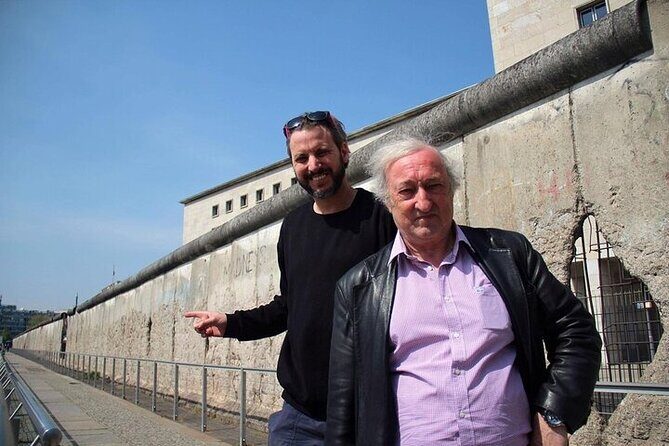
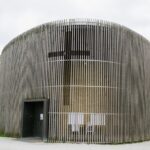
One of the most powerful moments is the Wall stop, where you can touch the original Berlin Wall. It’s not a long visit, but it’s timed well: after your coffee and early tastings, you get the history in a way that feels grounded, not abstract.
Your guide explains how and why the Wall happened, plus what escape attempts looked like and how survival played out. The most useful part for me is the emphasis on meaning—how Berliners understand the Wall today and how the city’s identity shifted after reunification.
Practical note: this kind of stop can make you want to slow down. Wear shoes you can stand in, and plan on listening closely rather than trying to photograph everything at once. You’ll remember it more that way.
Café start: coffee at The Barn Schönhauser Allee Café
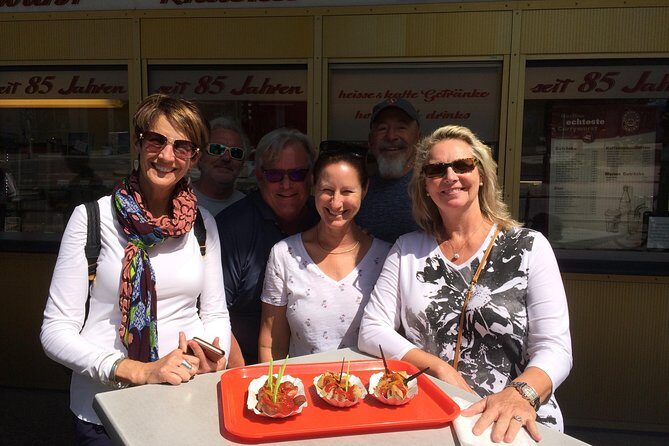
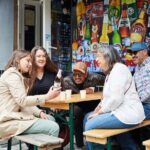
The day kicks off at THE BARN Schönhauser Allee Café, with a barista-style coffee as your first bite-sized preview of Berlin’s café culture. It’s only a short stop, but it sets expectations. Berlin’s food scene isn’t only about hearty meals; it’s also about small craft rituals, like how people order, talk, and linger over drinks.
This early start also works for pacing. By the time you hit the heavier historical portions later, you’ve already settled into the tour rhythm and you’re less likely to feel rushed.
If you’re caffeine-sensitive, you might want to pick something gentle. The tour is set up to get you going without turning the day into a sprint.
You can also read our reviews of more tours and experiences in Berlin
Pastries and sweets: Wiener Feinbäckerei Heberer and Cuore di Vetro
Two of the tastings lean into classic comfort, and they’re worth it for a simple reason: Berlin does sweets well, and you want those flavors fresh in your mind later when the route turns more complicated.
At Wiener Feinbäckerei Heberer, you’ll try local pastries. This is the kind of stop that teaches you something even if you’re not a “food critic.” You start noticing textures and sweetness levels, and it helps you compare what you taste at other places on the route.
Then later, the tour ends with Cuore di Vetro, a local dessert stop. Ending with dessert is a smart choice because it acts like a little celebration after the history-focused walking. It also gives you something you can share with friends back home without needing to explain a whole museum-style program.
The butcher stop: Fleischerei and what it says about Berlin food

At Fleischerei, you get a tasting built around a very Berlin-style butcher experience. This is one of the more distinctive stops because it’s not a universal “tourist food” option. Instead, it’s about how Berlin treats meat culture—portioning it into something you can try in a guided format.
Even if you don’t eat a lot of meat, this kind of stop can still be interesting because it’s really about craft: preparation choices, quality cues, and how a city’s food identity forms.
If you have dietary restrictions, check what’s available in advance when you book. The tour states that special dietary requests can be accommodated, and it also lists a vegetarian option if you signal your needs ahead of time.
Jewish history and synagogue stops: from Berlin’s largest synagogue to Kristallnacht memory
The tour includes a stop tied to Berlin’s largest synagogue, with the story centered on the synagogue that survived the infamous Night of Broken Glass. Another stop later also focuses on the Stiftung Neue Synagoge Berlin – Centrum Judaicum, reinforcing that the day isn’t just about what’s on menus—it’s about the layers of history that shaped what Berlin could rebuild.
These stops matter because they connect food and daily life to real cultural survival. When you later taste things in the former Jewish Quarter area, you get a bigger picture of what “neighborhood history” means in practice.
One tip: if you’re the type who likes taking notes, bring a small notebook. The way the guide connects events to present-day locations is the kind of detail that can slip by if you’re only using your phone.
Concentration-camp related stop: Wasserturm Prenzlauer Berg
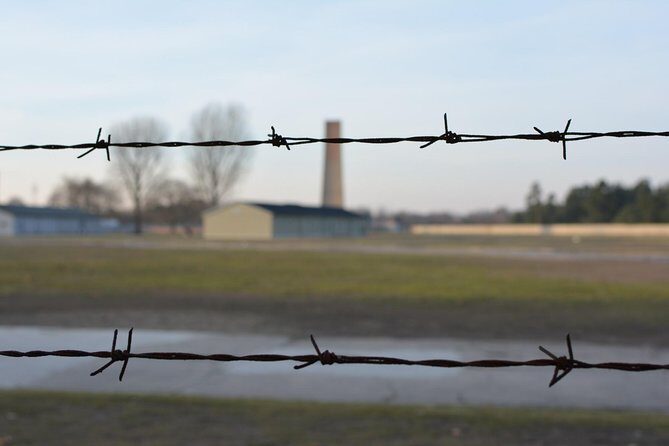
At Wasserturm Prenzlauer Berg, you’ll learn about a WWII-era concentration camp connection, described as Germany’s first prisoner/concentration camp of Nazi Germany right in the heart of Berlin. It’s a short stop, but it’s the kind of site that makes the rest of the tour feel serious.
This is also why the pacing of the day matters. You don’t spend hours in one place. Instead, the guide places the stop where it changes your understanding of the city you’re about to taste in.
Again, wear shoes that handle uneven walking and don’t plan to rush the explanation. Even a short stop can be emotionally heavy if you’re not expecting it.
Immigration and “today Berlin”: Yarok with Cardamon tea
For a shift in tone, you’ll get to Yarok, where you eat from beautiful orientally styled plates and sip homemade Cardamon Tea. This is a great contrast after the WWII-focused stops because it shows how Berlin’s food scene is shaped by movement of people over time.
What I like here is that it’s not only about taste. You also learn about the history of immigration in Berlin and how it influences modern-day food culture and neighborhood character.
If you enjoy tea flavors, this is the moment to slow down. The tea isn’t just a beverage; it’s a signal that the stop is about atmosphere, not speed.
Bagels and dessert rounding out the story: Schlomo’s Bagels and more
In the former Jewish Quarter area, you’ll stop at Schlomo’s Bagels for a tasting that matches the neighborhood theme. It’s a quick bite, but it’s placed where it pays off: you’ve already heard the background, and now you taste the continuation.
After that, the dessert tasting at Cuore di Vetro gives you closure. You finish with something sweet and memorable, but still grounded in the day’s route theme: Berlin as a city of layered identity.
Drink breaks: coffee, plus Berlin’s barista and beer culture
The tour builds in four drink breaks, so you’re not only eating. You’re also getting opportunities to refresh, talk with your guide, and adjust the pace.
Berlin is known for craft coffee and a strong barista scene, and the tour reflects that early with the coffee stop at THE BARN. The walk also references Berlin’s craft beer scene, so you might find at least one drink break fits that vibe rather than being only café-style.
If you’re trying to keep things light, you can choose a drink at one stop and skip others. The format supports doing all four, but it’s not forced.
Pacing and walking: plan like a local
This is a half-day walking tour, roughly 4 hours 30 minutes. The experience is built from short tasting stops and a couple of longer history explanations, so the day feels active without being a “whole day in motion” grind.
Comfort matters more than you think. Bring shoes that handle cobblestones and uneven pavement. The tour also advises a rain jacket or poncho depending on weather, and Berlin weather can switch quickly.
One more practical tip: if you arrive hungry, it’s easier to enjoy everything. The structure is designed around tastings and drinks, so eating a full breakfast right before can make you feel overfull by the later stops.
Small-group size: why max 10 is the sweet spot
The group size cap is 10, and that has real impact on quality. With a smaller group, your guide can answer questions without rushing the whole pace. It also makes it easier to hear explanations near stops where people usually gather.
Smaller groups are also helpful for food experiences. You can ask what something is, compare flavors, and get recommendations for what to try later on your own.
And if rain hits, a small group makes route adjustments easier. The better your guide can react in real time—staying flexible around closures or weather—the more smooth your day feels.
Who this tour fits best (and who might want to think twice)
This tour is a strong match if you want:
- a food tour that’s more than just eating
- history content that connects to what you see outside
- a manageable walking day with short stops and frequent tastings
It might be less ideal if:
- you dislike walking or need long stretches of quiet time
- you only want restaurant sit-downs (this tour is mostly tasting-and-walk)
- you’re extremely sensitive to heavy historical topics at WWII-related sites
If you’re traveling with mixed interests—someone who wants food, someone who wants serious context—this style tends to satisfy both.
Final verdict: should you book this Berlin food and history walk?
I’d book it if you like the idea of tasting Berlin while your guide explains the city’s past and present in the same route. You’re getting real value from the combination of six tastings, four drink breaks, and high-impact history stops like the Wall Memorial and WWII-era sites, all in a group capped at 10.
Skip it only if you want a purely lighthearted food day with minimal historical stops. This one takes its context seriously, and it’s better suited to you if you enjoy that kind of connection.
If you’re on the fence, decide based on this simple question: do you want Berlin food with context, or Berlin food without it?
FAQ
How long is the Berlin sightseeing and food tour in Prenzlauer Berg and Mitte?
The tour runs for about 4 hours 30 minutes, starting at 11:00 am.
How many people are in the group?
The tour is limited to a maximum of 10 travelers.
Where do I meet, and where does the tour end?
You meet at Schankhalle Pfefferberg on Schönhauser Allee 176, and the tour ends in Mitte at Rosa-Luxemburg-Platz (U2 train line).
What food and drink are included?
You’ll get six food tastings and four drink breaks, along the walking route.
Can the tour accommodate allergies or vegetarian diets?
Yes. You can specify allergies and dietary requirements when booking. A vegetarian option is also available if you request it ahead of time.
Is the BVG transport ticket included?
No. The BVG transport ticket is not included, though the tour is near public transportation.
What is the cancellation policy?
You can cancel for a full refund up to 24 hours in advance of the experience start time, and it offers free cancellation.