REVIEW · BERLIN
From Berlin: Sachsenhausen Concentration Camp Day Trip
Book on GetYourGuide →Operated by Walkative Tours · Bookable on GetYourGuide
Sachsenhausen hits fast and hard. This 5-hour day trip from Berlin takes you by train to Oranienburg, then into a concentration camp where the Nazis built the place in 1936 as a model for others. What makes the tour especially useful is the guided walking format: you’re not just looking at ruins, you’re getting the story behind what you see. I like that it’s led in English by a live guide who can explain the why, not only the what.
I also like the small-group feel, capped at 15 people. That matters here. You’ll walk at a steady pace, and the guide can actually answer questions. Reviews point to guides such as Tina, Will, Xavier, and Julie for clear, human explanations—some with poems or quotes from people who were imprisoned.
One consideration: this is rain-or-shine, and you’re outside for a good chunk of the day. Wear weather-ready layers and shoes you can handle on foot, because you’ll want to be present for every stop.
In This Review
- Key things to know before you go
- Red Town Hall to Oranienburg: the train part that sets the tone
- Entering Sachsenhausen’s gate: what you’re really doing on the walking tour
- Why the Nazis built Sachsenhausen in 1936 as a “model”
- Who was kept here, and why the Nazis targeted each group
- The memorial stop: how to pay respects without rushing it
- Meeting your guide: small-group pacing and strong English narration
- Time on the ground: how the 5-hour structure works
- Price and value: is $32 worth it?
- Who this Sachsenhausen day trip is best for
- Should you book this Sachsenhausen Concentration Camp day trip?
- FAQ
- How long is the Sachsenhausen Concentration Camp day trip?
- Where do I meet the guide?
- Where does the tour end?
- Is the Sachsenhausen entry ticket included?
- Do I need an ABC zone train ticket?
- Is the tour offered in English?
- Is the tour wheelchair accessible?
- Does the tour run in bad weather?
- What should I bring?
- How large is the group?
Key things to know before you go
- Red Town Hall start point: You’ll meet at the entrance of Rotes Rathaus in central Berlin and head out together.
- ABC zone train ticket needed: Entry is included, but you must buy your own ABC zone transit ticket for the ride.
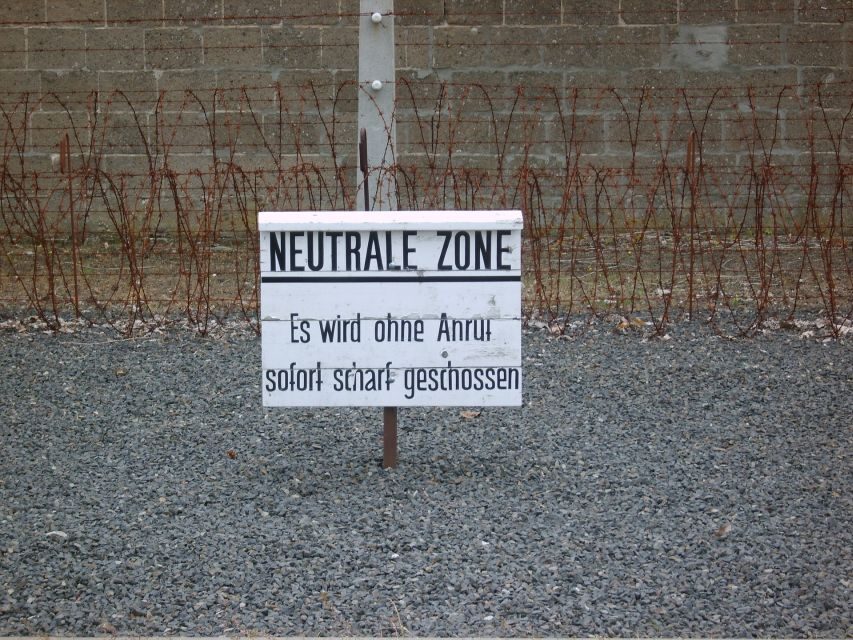
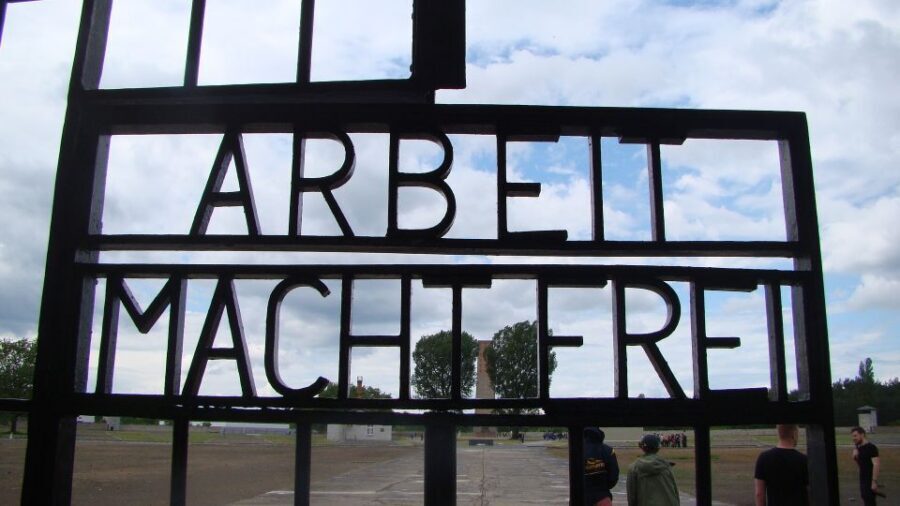
- Walk through the main gate: The tour is designed so you feel the shift from Berlin life into the camp’s reality.
- 1936 origins explained: You’ll hear how Sachsenhausen was created and why it became a template for other Nazi camps.
- Groups targeted by the Nazis: The guide explains who was held and the logic the Nazis used to persecute each group.
- Memorial stop for reflection: The experience includes time to pay respects at the victims’ memorial.
Red Town Hall to Oranienburg: the train part that sets the tone
Your day begins in Berlin at the Rotes Rathaus area. You meet your guide at the main entrance, so you can start with your bearings already set instead of wandering the city hunting for the group. From there, you take the train to Oranienburg.
Here’s the practical bit you’ll care about: you’ll need an ABC zone public transport ticket. The tour includes Sachsenhausen entry and the guide, but not that transit ticket. If you’re staying somewhere in the city center, getting the right ticket is usually the only “admin” you’ll need before the historical part begins.
I like this setup because it keeps the day trip honest. You’re traveling like a local—by rail—then you arrive ready for a walking tour with context. It’s not a bus-and-drop-and-snap photo mission. It’s a slow conversion from normal time into documented history.
Also, give yourself a little buffer. The camp visit is somber and the schedule matters; being on time helps the group get through the flow smoothly. If you’re the type who hates being rushed, arriving a bit early at Rotes Rathaus is the easiest fix.
You can also read our reviews of more tours and experiences in Berlin



Entering Sachsenhausen’s gate: what you’re really doing on the walking tour
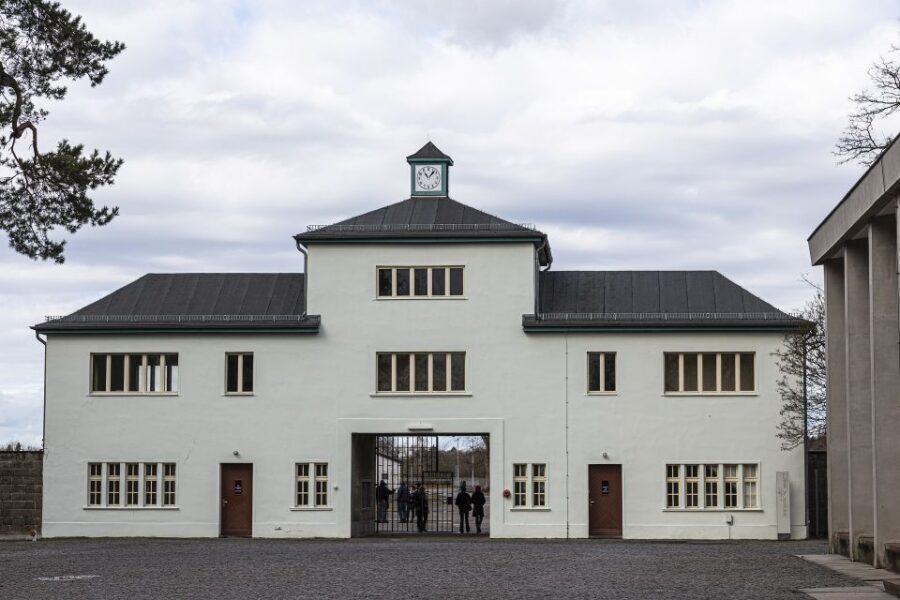
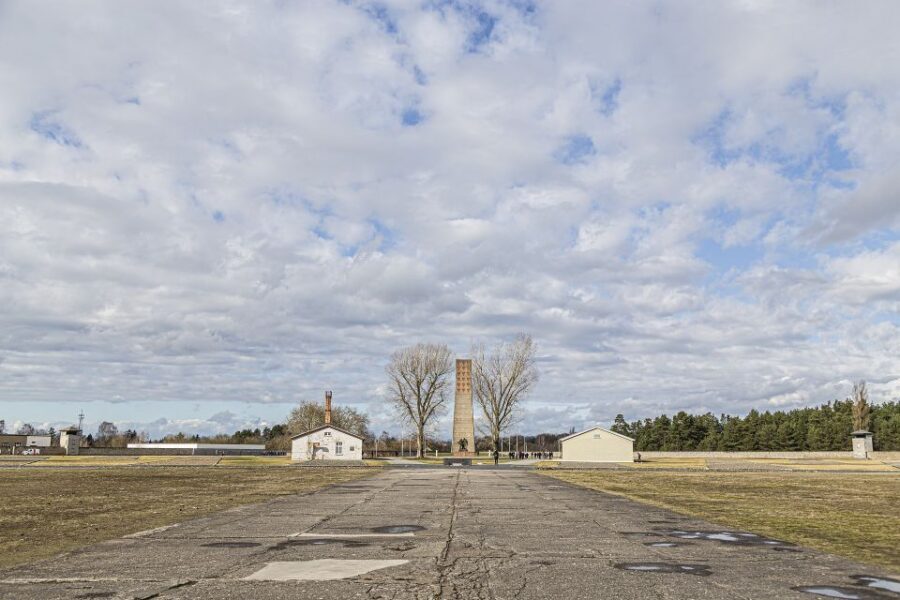
The tour’s centerpiece is a guided walking experience inside Sachsenhausen. You enter the camp through the main gate, and that moment has a way of landing in your body before your brain catches up.
This is one of the best parts of the trip. Not because it’s pleasant. Because it’s structured. The guide doesn’t just point things out. They explain what the Nazis were building, how the camp functioned, and how the site was meant to intimidate and control.
As you walk, the camp layout becomes a kind of historical diagram in real space. You start to understand that the Nazis weren’t improvising. They designed a system with rules, boundaries, and procedures. The guide’s job is to connect those physical features to the human consequences.
You should also know the tone of the visit. You’re not here for entertainment. Even if you like history, be ready for silence when you need it. The best tours handle that with care—guides often give you emotional context, including personal words and quotations, so the stories don’t float by as abstract facts.
If you’re traveling with teens or adults who need explanation as they go, the pacing helps. You can take a moment at key points and let the meaning settle.
Why the Nazis built Sachsenhausen in 1936 as a “model”
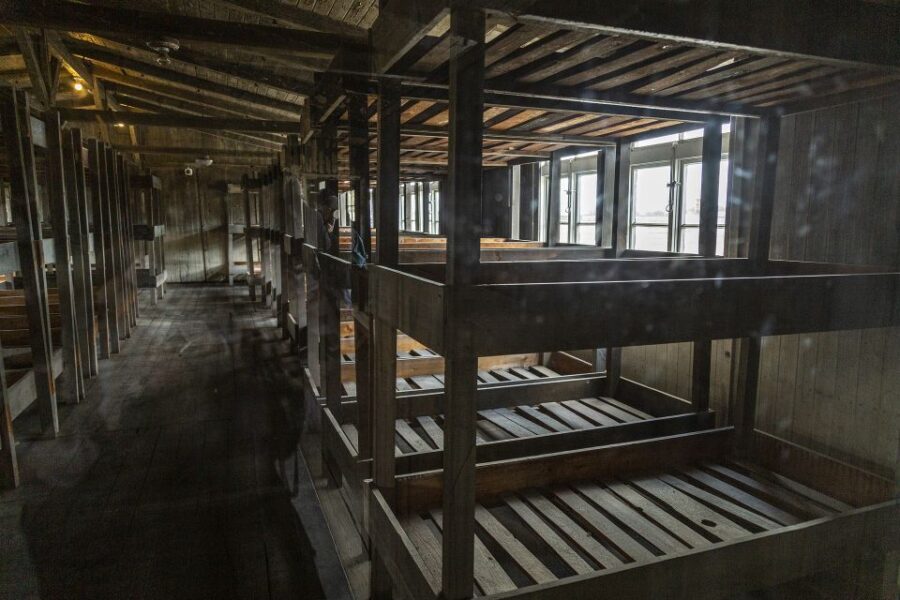
One of the tour highlights is learning how Sachsenhausen was created in 1936, and how it was meant to function as a model for other Nazi camps. That idea can be hard to hold at first. It sounds like a historical footnote until your guide connects it to what the camp represented in Nazi policy.
On this tour, you’ll hear about the historical events that led to the camp’s creation. You’ll also learn the logic behind why the Nazis would build something that could be repeated elsewhere—an operational blueprint, not just a prison.
For you, this matters because it changes how you interpret what you see. Instead of treating the site as only a place of suffering (which it absolutely is), you start seeing the machinery of persecution. You begin to understand how ideology turned into process, and process turned into daily reality for people who had no control over their lives.
A good guide helps you avoid two extremes: treating it like a museum exhibit, or treating it like an endless horror story with no structure. From what you can expect on the English-led tours, the approach leans toward clear explanation with human stakes attached.
If you’re the kind of traveler who likes to leave with a stronger mental map of cause-and-effect, this part of the tour is where you’ll feel your understanding tighten.
Who was kept here, and why the Nazis targeted each group
Another major strength of the tour is that it doesn’t reduce Sachsenhausen to one category of victims. You’ll hear about the political prisoners and other persecuted groups who were held there, along with why the Nazis targeted each group.
The guide addresses both the persecutors and the victims. That balance is important, because it shows how the system fed on ideology and propaganda. You’ll get explanations for how the Nazis categorized people and why those groups were treated as enemies of the state.
It’s also a reminder that persecution wasn’t random. It followed a worldview. The Nazi system used labels to justify cruelty and to organize punishment.
When guides bring in quotes or poems from people imprisoned in camps, it can make this section hit even harder—but also more grounded. One review mentioned a guide using quotes and poems to explain how the story began, and that technique can help you connect the historical events to real voices.
If you want your visit to do more than inform—if you want it to help you understand how persecution worked—you’ll appreciate that the tour aims to answer the why behind each group.
Just be prepared: some parts of the explanation will be difficult. That’s not a flaw in the tour; it’s the nature of the subject. The best you can do as a visitor is to show up mentally ready.
The memorial stop: how to pay respects without rushing it
At some point during the walk, you’ll stop to visit the memorial and pay your respects at the victims of the camp. This is a different kind of moment than the explanation-heavy parts of the tour.
What’s valuable here is that the tour includes reflection as part of the experience, not as an optional add-on you have to remember to do on your own. You get guided context, and then you’re allowed to pause.
This is where you can slow down and let the names and the meaning land. If you’re traveling with others, it can be helpful to agree ahead of time that this isn’t the moment for quick photos. If you do take pictures, keep it respectful and brief.
For me, the memorial stop is the sign that the tour understands what concentration camps represent: not just history, but remembrance. The guide’s role is to point you toward understanding, and your role is to take the time your mind needs.





Meeting your guide: small-group pacing and strong English narration
This tour is led by a live English guide, and the group is limited to 15 participants. In a place like Sachsenhausen, that’s a big deal. It reduces the chaos you sometimes get with larger groups and makes it easier to ask questions.
The reviews strongly suggest guides like Will and Tina (and also Xavier and Julie) are effective at holding attention while still staying respectful. One highlight from feedback: guides were described as passionate and easy to follow, and some kept narratives clear even while explaining difficult material.
Here’s what you should look for when you’re choosing a tour like this: you want a guide who can explain without turning the experience into a lecture. You want them to connect physical details to human stories, and to make complicated historical developments understandable without flattening them.
A couple reviews also mentioned responsiveness—like helping with public transport when schedules shifted. That’s the sort of reliability that matters because the day includes train travel both ways.
If you like to learn by asking questions, this format is set up for that. If you’re more quiet, it still works because the guide drives the narrative. You’ll always know what you’re looking at next.
Time on the ground: how the 5-hour structure works
The whole trip runs about 5 hours. That’s long enough to do real walking and still short enough to stay focused. You’re not spending a full day stuck on the bus. The route is built around getting you from Berlin to the camp efficiently, then using the time on-site for the guided walk and memorial stop.
For your planning, that means you can keep the rest of your Berlin itinerary lighter. Don’t stack another demanding timed activity right afterward unless you’re sure about your return transit.
Also, because it runs in rain or shine, plan for weather. Bring a light rain layer even if the forecast looks good. Wet ground and cold hands can make you lose track of what the guide is saying, and you don’t want that.
A final time tip: the tour returns to the same meeting point at the end, so you don’t need to figure out where to be next. That reduces stress, especially when you’re thinking about trains back into Berlin.
Price and value: is $32 worth it?
At around $32 per person, this day trip is priced like a serious but not extravagant guided experience. The big value component is that entry to Sachsenhausen is included, and you get a live guide for the whole walking tour.
The other half of the price story is the train: you’ll buy your own ABC zone ticket. That’s a minor extra compared to the overall cost, but it’s still important to remember so you don’t get surprised.
For me, the best way to judge the value is this: concentration camps are not places where self-guided wandering usually works best. Yes, you can read signs. But you’ll miss the connecting story—why things were built, what specific groups faced, and how the camp’s role in Nazi policy fit into the broader system.
A good guide is the difference between seeing facts and understanding context. Based on the strong guide feedback (including named guides and clear narration), this tour’s price looks reasonable for what you get: entry, a focused walking tour, and time at the memorial.
Who this Sachsenhausen day trip is best for
You’ll get the most from this tour if you:
- want guided context rather than only signage
- prefer a small group with time for questions
- are traveling in English and want live narration
- can handle a somber, reflective experience
If you’re someone who needs humor to survive hard history, you won’t find much here—and you probably shouldn’t. But you will find clear explanation and a structured pace that helps you process what you’re seeing.
This is also a solid choice for people who want a meaningful day trip from Berlin without making it complicated. The meeting point is central, the transit is straightforward, and the return is at the same place.
Should you book this Sachsenhausen Concentration Camp day trip?
I’d book it if you want an organized, respectful, English-guided way to experience Sachsenhausen. The 1936 origins, the explanation of who was imprisoned and why, and the memorial stop are exactly the kinds of elements that self-guided visits often miss.
Skip this only if you:
- can’t handle rain-or-shine walking
- strongly prefer to travel with zero guided interpretation
- need very short activities due to time limits
If you do book, my best advice is simple: show up early at Rotes Rathaus, wear weather-ready clothes, and treat the memorial moment as your cue to slow down. This isn’t a check-the-box stop. It’s a place where careful context and respectful pacing genuinely matter.
FAQ
How long is the Sachsenhausen Concentration Camp day trip?
The tour duration is listed as 5 hours.
Where do I meet the guide?
Meet your guide in front of the Red Town Hall (Rotes Rathaus) entrance.
Where does the tour end?
The activity ends back at the meeting point.
Is the Sachsenhausen entry ticket included?
Yes. Sachsenhausen Concentration Camp entry is included.
Do I need an ABC zone train ticket?
Yes. The tour does not include the ABC zone train ticket, so you’ll need to purchase it yourself.
Is the tour offered in English?
Yes. The tour includes a live guide in English.
Is the tour wheelchair accessible?
Yes. The tour is listed as wheelchair accessible.
Does the tour run in bad weather?
Yes. The tour takes place rain or shine.
What should I bring?
Bring weather-appropriate clothing and your public transport ticket.
How large is the group?
The group is limited to 15 participants.