REVIEW · BERLIN
Charlottenburg: 2-Hour City Walking Tour
Book on GetYourGuide →Operated by Sonderweg-Berlin · Bookable on GetYourGuide
Berlin has another face in Charlottenburg. This 2-hour walk strings together 800 years of Prussian-era city planning with the kind of everyday street life you rarely notice in a fast sightseeing day. You start at Rathaus Charlottenburg and finish at the opulent Charlottenburg Palace, with a guide who keeps the story moving from old village roots to palace splendor.
I especially like the way the tour connects big landmarks to human details, like Heinrich Zille and his motifs near the historic Stadtbad. I also love the shift into real neighborhood rhythm around Klausener Kiez, with cafés and shops that make Charlottenburg feel lived-in, not staged.
One thing to plan for: you’ll walk for the full 2 hours rain or shine, so bring comfortable shoes and weather-ready clothes. If you’re hoping for lots of indoor breaks, this isn’t that kind of tour.
In This Review
- Key highlights you’ll actually feel on the walk
- Why Charlottenburg feels like a different Berlin
- Starting at Rathaus Charlottenburg: where the story gets formal
- From the medieval nucleus to Old-World street cues
- Heinrich Zille and the Stadtbad: when art meets street history
- Luisenkirche and the 18th-century planning lesson
- Berlin housing and the “still-here” clues
- Schoolhouses from 1786: tiny buildings with big continuity
- Quaint corners at Nehringstraße and Christstraße
- Klausener Kiez: shops and cafés as living history
- Villa Oppenheim and Schlossstraße: palace grandeur with cultural purpose
- Finishing at Charlottenburg Palace and the Stüler buildings
- Price and value: is $23 worth it?
- Pacing, comfort, and who this tour fits best
- Should you book this Charlottenburg city walking tour?
- FAQ
- Where is the meeting point for the tour?
- How long is the Charlottenburg city walking tour?
- How much does the tour cost?
- Is this a live guided tour, and what language is it?
- Does the tour run rain or shine?
- Is the tour wheelchair accessible?
- Do I need to buy food and drinks during the tour?
- Are museum visits included in the tour?
- What if my plans change? Can I cancel or pay later?
Key highlights you’ll actually feel on the walk
- Rathaus Charlottenburg to medieval core in one smooth urban story
- Heinrich Zille motifs near Stadtbad, tied to working-class Berlin art
- 18th-century urban planning lessons near Luisenkirche
- Preserved schoolhouses from 1786, a rare kind of continuity
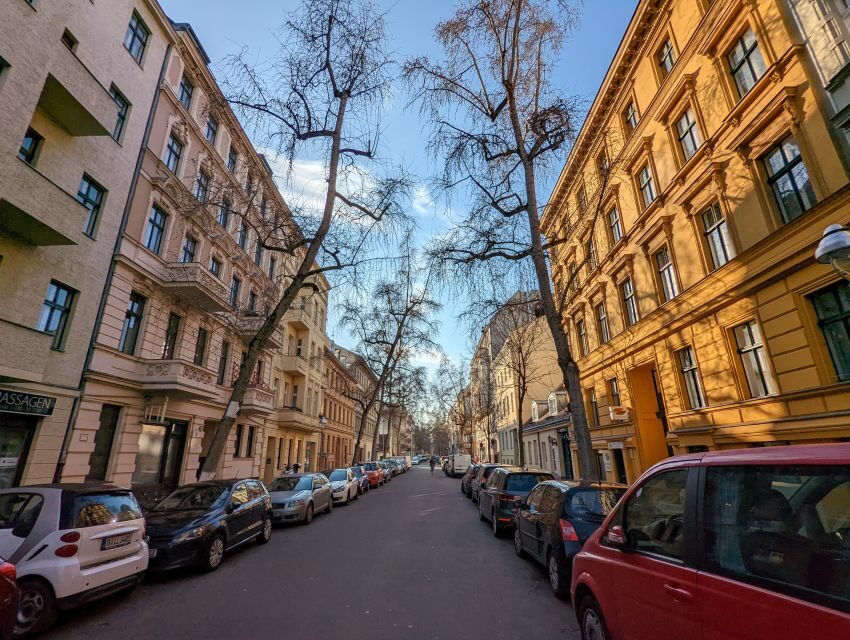
- Local neighborhood stops at Nehringstraße and Christstraße, plus Klausener Kiez cafés and shops
- Charlottenburg Palace finish with Stüler dome-topped buildings in view
Why Charlottenburg feels like a different Berlin
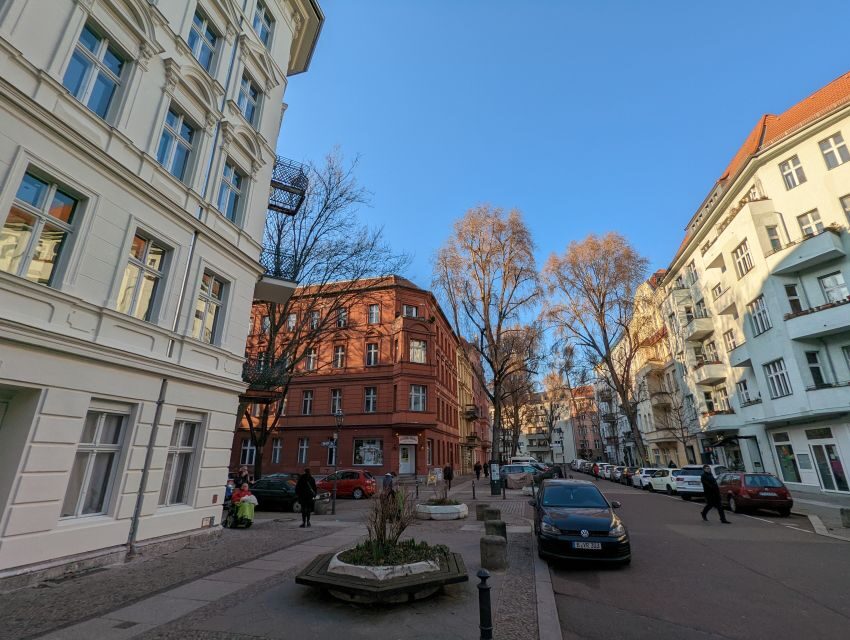
Charlottenburg is one of those parts of Berlin where the architecture and planning tell you what kind of city this became. You’re not just seeing pretty buildings. You’re learning how power, class, and everyday life shaped the streets you’ll stand on.
What makes this tour work is the balance. The route threads grand history through smaller, still-used spaces. That means you’re watching the past and present talk to each other while you walk.
And since the guide is a professional museum expert, the facts come with context instead of trivia dumps. Expect clear explanations, plus enough anecdotes to help everything stick.
You can also read our reviews of more walking tours in Berlin



Starting at Rathaus Charlottenburg: where the story gets formal
You meet your guide right in front of the main entrance to Rathaus Charlottenburg. It’s a good starting point because it instantly signals the borough’s old prosperity—this is not random countryside or a forgotten corner of Berlin.
From there, the tour begins moving from the civic to the historic. You’ll continue toward the medieval nucleus, including an old village square. That shift matters. You see how Charlottenburg grew from older foundations into a more structured, bourgeois city area.
If you like tours that don’t waste time, this one starts strong. There’s a clear sense of direction, and you get a framework for what you’ll see next.
From the medieval nucleus to Old-World street cues
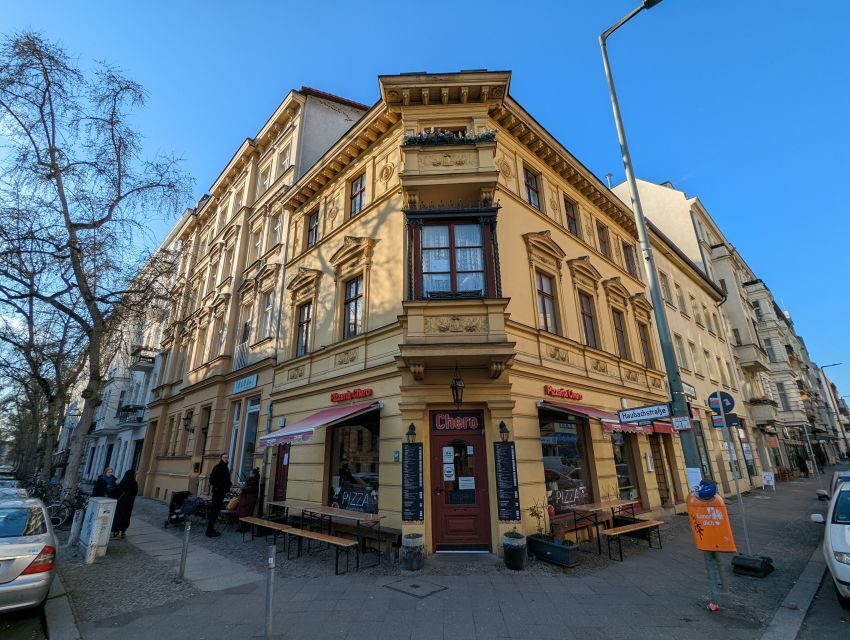
One of my favorite aspects of this walk is how it teaches you how to read a neighborhood. As you move through different areas, you notice details that most people zoom past: street corners, building forms, and the way blocks seem to be planned around older routes.
This section is where the tour’s “800 years” promise turns real. You go from medieval roots to later urban development cues, so by the time you reach the more famous sights, you understand what changed and why.
You’ll also hear how Charlottenburg was shaped as a Prussian power center over time. That’s helpful, because Charlottenburg Palace isn’t just a pretty end point. It’s the culmination of a long story you can follow step by step.
Heinrich Zille and the Stadtbad: when art meets street history
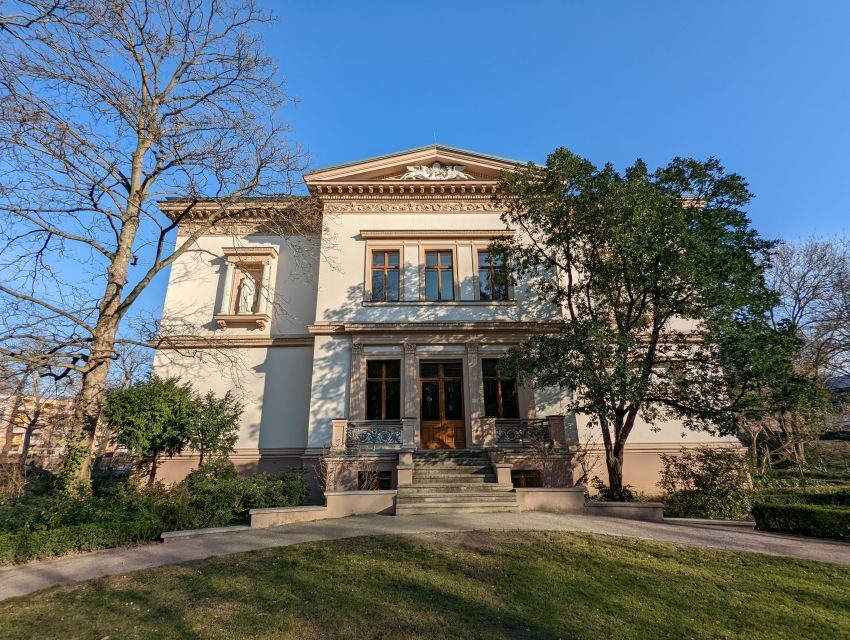
Near the historic Stadtbad, you’ll learn about Heinrich Zille and the motifs he used for his lovingly ironic depictions of Berlin’s working class. That detail makes the tour feel human. It’s not only rulers, monuments, and official buildings.
What you take away from this stop is perspective. Even in a neighborhood known for opulence, artists looked closely at real daily life. The guide’s anecdotes help you see the street environment as something people lived in, not just something preserved for visitors.
This is also a nice moment to slow down. You’ll have the chance to connect what you’re hearing with what you’re actually seeing around you.
Luisenkirche and the 18th-century planning lesson
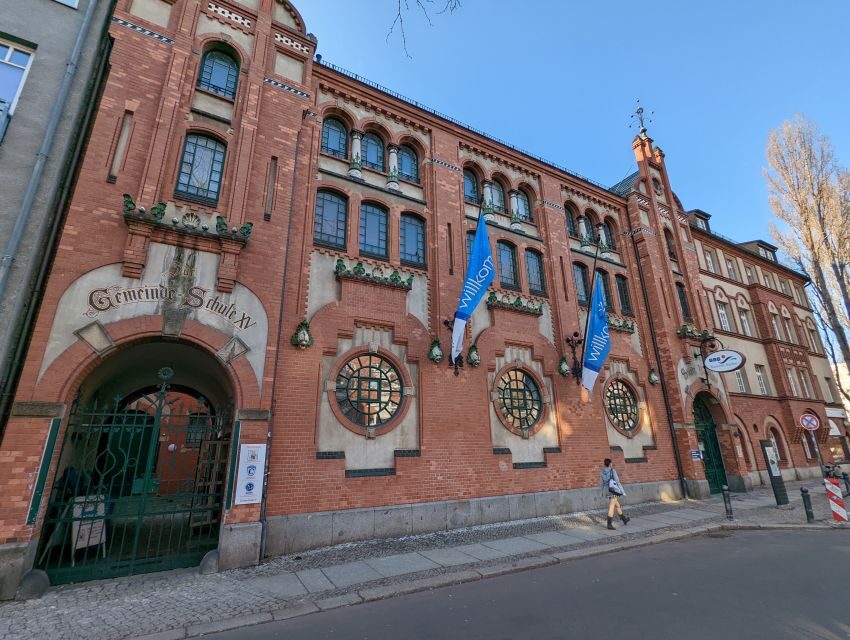
Next, you’ll spend time near Luisenkirche, where the focus turns to architectural history and 18th-century urban planning. This is a turning point in the tour because it explains how planned design affects how you move through a city.
You’ll learn how the town was organized and how certain housing patterns contributed to the look of Berlin you still recognize today. The tour doesn’t treat architecture like a museum object. It treats it like a working system that guided everyday behavior.
If you’ve ever wondered why some streets feel orderly while others feel haphazard, this is the kind of explanation that answers it.
You can also read our reviews of more city tours in Berlin






Berlin housing and the “still-here” clues
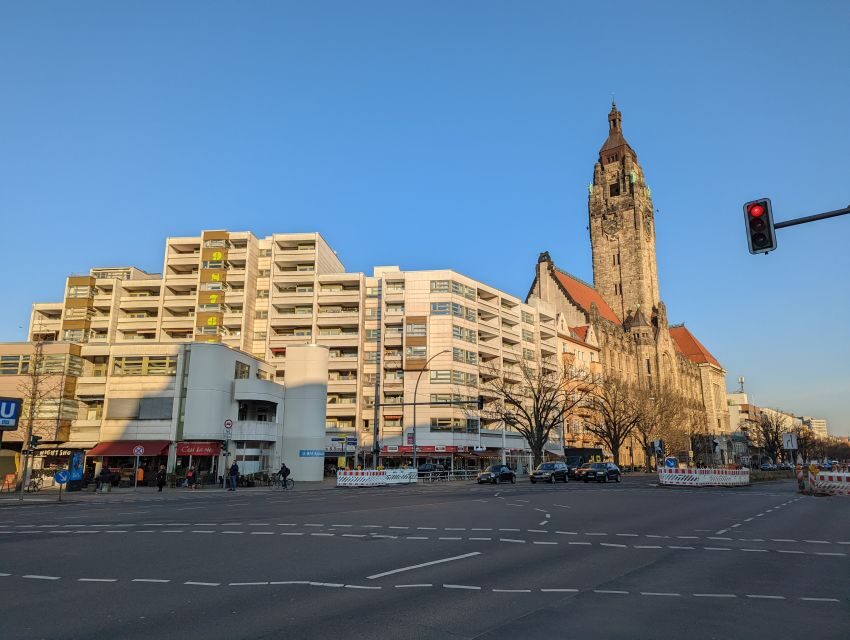
As you continue, you’ll see good examples of the style of housing that still characterizes Berlin’s cityscape. That’s one of those subtle tour benefits that often gets overlooked. Many tours show you what’s famous. This one shows you what’s still functioning.
So while you’re looking at buildings, you’re also learning how urban form repeats over time. It’s not a history lecture inside a classroom. It’s a walk where the clues are built into the streets and facades.
You’ll also have a moment with preserved elements that make the past feel less distant—especially in the next stretch.
Schoolhouses from 1786: tiny buildings with big continuity
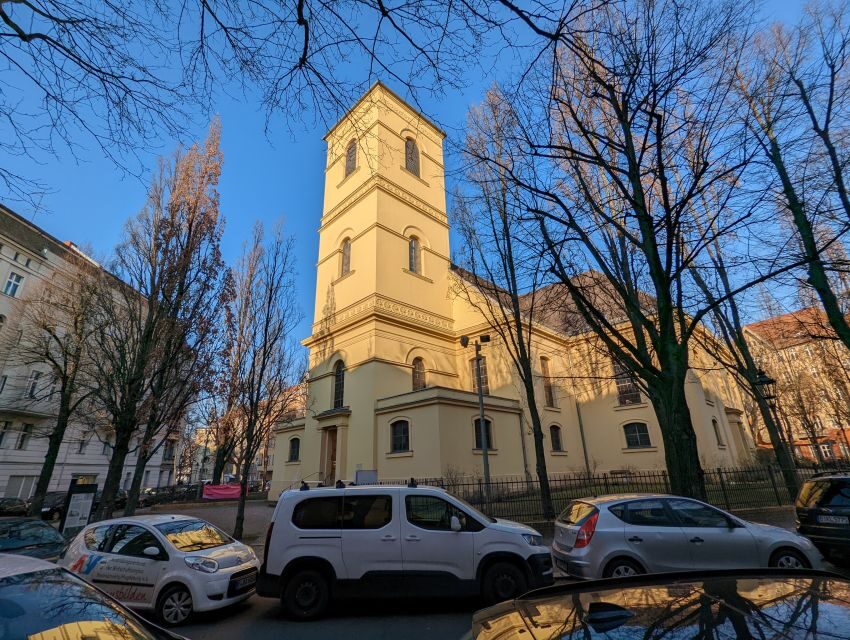
The tour includes preserved schoolhouses in Berlin dating from 1786. That’s a rare kind of landmark, because education buildings often don’t survive in recognizable form.
These schoolhouses give you a different angle on “Prussian history.” Instead of thinking only about palaces and power, you start thinking about civic life and how communities prepared the next generation.
Even if you’re not a history nerd, this stop helps you understand why cities don’t only grow through big projects. They develop through steady institutions, too.
Quaint corners at Nehringstraße and Christstraße
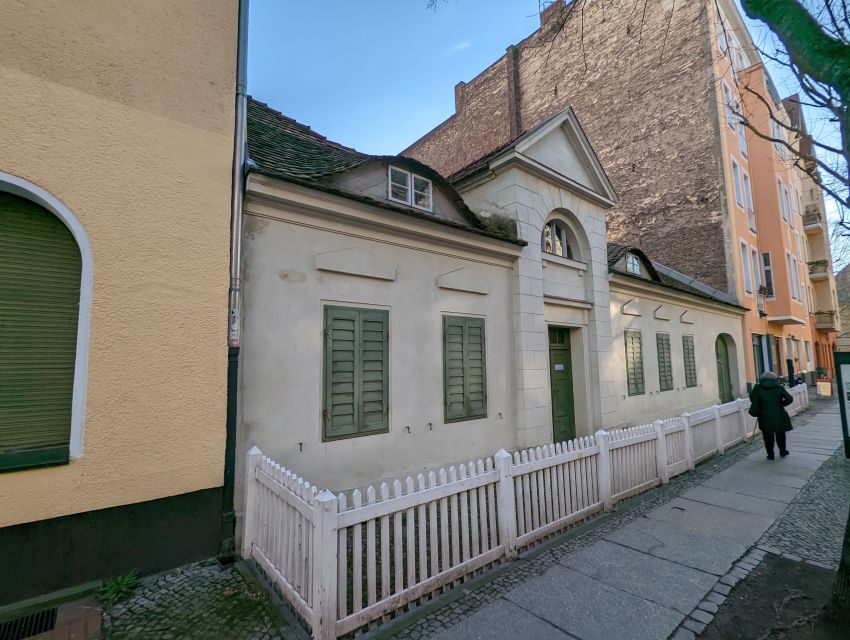
At the corner of Nehringstraße and Christstraße, you’ll get one of the most enjoyable parts of the tour: watching real local life. This is where the neighborhood feels properly ordinary in the best way.
You’ll see locals mixing in cafés, thrift stores, and corner shops. The guide uses this as a teaching moment, pointing out how historic planning and modern day-to-day routines coexist.
If you want a Berlin walk that ends with you noticing people rather than just buildings, this is the stretch that does it.
Klausener Kiez: shops and cafés as living history
The tour also spends time in Klausener Kiez, known here for authentic city life rather than tourist staging. Think shops you might pop into, cafés where people linger, and storefront rhythms you don’t see when your day is only structured around landmarks.
This part matters because Charlottenburg isn’t only a destination. It’s a place residents keep using. And when your tour includes that reality, you leave with a better mental picture of the city.
The guide also ties this neighborhood feel back to the wider narrative, so it’s not just a wander. You’re still learning, just in a more relaxed atmosphere.
Villa Oppenheim and Schlossstraße: palace grandeur with cultural purpose
As the walk moves toward the finish, you’ll notice a shift toward the more monumental. Villa Oppenheim is one of those stops that signals how Charlottenburg housed wealth and status.
Then you’ll head toward Schlossstraße, which now houses world-class museums. Even though museum entries aren’t included, you’ll still get the sense of cultural weight in the street itself. It’s a helpful way to connect the palace story to what visitors can do next with their time.
This section is also where the guide’s “structure and anecdotes” style pays off. The more famous sights land better when you understand the street context around them.
Finishing at Charlottenburg Palace and the Stüler buildings
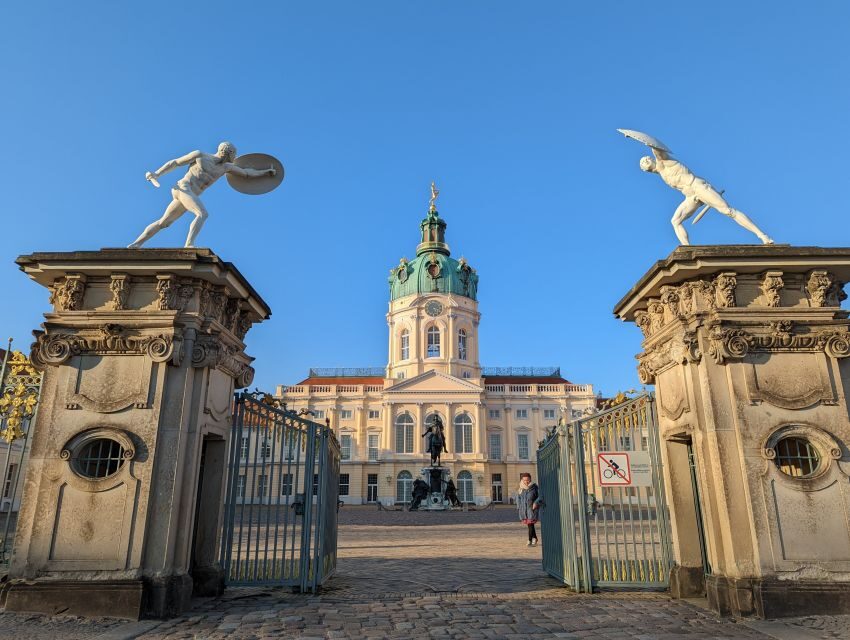
You end at Charlottenburg Palace, lined with magnificent Stüler buildings topped with domes. This is the payoff view, and it’s dramatic in a way you can feel even when you’re just standing outdoors.
The guide frames the palace as a former Prussian power center, which helps you see it as more than an attractive structure. It becomes the point where civic planning, political power, and elite culture all converge.
If you want to continue your day, this is also a practical finishing location because the area around the palace connects you to broader sightseeing routes and museum options nearby. You can choose to go inside some things, or simply linger outside and let the scale sink in.
Price and value: is $23 worth it?
At $23 per person for a 2-hour guided walk, the value comes from two places: a live guide and professional museum expertise. You’re paying for interpretation—someone making sense of architecture, urban planning, and historical anecdotes while you walk.
You also avoid the main cost trap that some city tours fall into: expensive transport or lots of ticketed stops. Here, the tour is built around walking and seeing. Museum visits aren’t included, and food and drink aren’t included, which keeps the price focused on guiding rather than add-ons.
If you like tours where you learn how to read a neighborhood, this price feels fair. If you only want quick photos with minimal explanation, you might not get your money’s worth.
Pacing, comfort, and who this tour fits best
The tour runs for two hours, so it has a steady pace. You’ll cover a meaningful stretch of Charlottenburg, with stops designed to keep you moving and listening without long gaps.
Because it’s rain or shine, you’ll want to think practically. Good shoes are a must, and weather-ready clothing helps you stay comfortable through the whole walk. There’s no promise of indoor time built into the tour plan.
It fits best if you:
- want history tied to real streets, not only monuments
- enjoy architecture and urban planning as much as palace grandeur
- like the mix of neighborhood life plus major landmarks
- prefer a guide who can answer questions and explain clearly in German
If you’re traveling with limited mobility, it’s listed as wheelchair accessible, which is a big plus. Still, confirm your own comfort with a walking tour setup, especially in wet or uneven areas.
Should you book this Charlottenburg city walking tour?
I’d book this tour if you want a smarter Charlottenburg day. The route gives you the palace payoff at the end, but it’s the middle that makes it special: Heinrich Zille near the Stadtbad, 18th-century planning by Luisenkirche, preserved schoolhouses from 1786, and neighborhood corners around Klausener Kiez.
You should probably skip it if you want mostly museum entry time or long indoor stops. This is a guided walking experience where the value is interpretation, not ticketed attractions.
If your goal is to understand Charlottenburg as a shaped, planned part of Berlin—then yes, this is a strong choice.
FAQ
Where is the meeting point for the tour?
Meet your guide right in front of the main entrance to Rathaus Charlottenburg.
How long is the Charlottenburg city walking tour?
The tour lasts 2 hours.
How much does the tour cost?
The price is $23 per person.
Is this a live guided tour, and what language is it?
Yes, it’s a live tour with a live guide, and the tour language is German.
Does the tour run rain or shine?
Yes, the tour takes place rain or shine.
Is the tour wheelchair accessible?
Yes, it is listed as wheelchair accessible.
Do I need to buy food and drinks during the tour?
Food and drink are not included, so you’ll want to plan meals outside the tour.
Are museum visits included in the tour?
No, museum visits are not included.
What if my plans change? Can I cancel or pay later?
You can cancel up to 24 hours in advance for a full refund, and there’s also a reserve now & pay later option.