REVIEW · BERLIN
Architectural Berlin: Private Tour with a Local Expert
Book on Viator →Bookable on Viator
Berlin’s skyline reads like a design textbook. This private tour links old and new with quick, clear explanations at each stop. You’ll see how landmark buildings shape the city’s look, from Museum Island to the Reichstag glass dome and the Philharmonie’s famous tent form.
I especially like the exclusive, tailored setup: it’s just your group, the pace is adjusted, and the itinerary can shift with your interests and the weather. Another plus is the range of styles packed into two hours, so you’re not just looking at pretty facades—you learn how form, purpose, and politics show up in architecture.
One consideration: since this is guided by an independent local, the quality of the architecture focus can swing. If you’re picky about details or access, it’s worth being very clear about what you want to emphasize before you meet.
In This Review
- Key Highlights You’ll Feel Fast
- A 2-Hour Architecture Story With Real City Flow
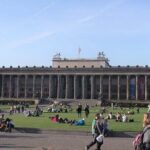
- Museum Island Neoclassical Gallery: Where Art and Form Set the Tone
- The Lustgarten Area Church With a Dome: Renaissance and Baroque Energy
- An Eco-Friendly Modern Office Building: Berlin’s Present-Day Design Message
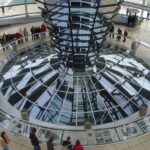
- The Reichstag and Norman Foster’s Glass Dome: Transparency as a Design Choice
- Modern Architecture in Historical Context: Reading Berlin’s Contrasts
- Berlin Philharmonie: Tent-Like Form and Why Acoustics Matter
- The Skyline Thread: How Berliner Fernsehturm Fits In
- Price and Value for a Two-Person Private Tour
- Where You Meet and How the Walk Connects
- The Guide Quality Variable: What Past Experiences Suggest
- Who This Tour Fits Best
- Should You Book This Architectural Berlin Private Tour?
- FAQ
- How long is the private architecture tour in Berlin?
- What is the group size for this private tour?
- Where does the tour start and end?
- What’s included in the tour price?
- What isn’t included during the tour?
- What’s the cancellation policy?
Key Highlights You’ll Feel Fast
- Private and adjustable: your guide shapes the walk to your pace and interests, not a fixed script.
- Architecture variety in 2 hours: neoclassical, Renaissance/Baroque, modern eco-minded office design, glass-and-steel politics, and concert-hall acoustics.
- Reichstag’s Norman Foster dome: learn how transparency became a visual language in modern civic design.
- Berlin Philharmonie’s tent-like shell: the building’s shape is part of the sound story.
- Skyline connection: the tour ties the skyline to Berliner Fernsehturm, not just street-level sights.
- Real-world guide matters: strong performers like Georg and Rüdiger show what a great architecture narrative can sound like—others may need a nudge toward the right sites.
A 2-Hour Architecture Story With Real City Flow
Berlin architecture can feel like five different cities stacked on top of each other. This tour works because it moves you through that mix without dragging you through museum queues or turning everything into a lecture.
You’ll get a local expert’s walkthrough of key stops tied together by theme: how Berlin builds, rebuilds, and redefines space. And because it’s private, you can ask practical questions as you go, like what was the design goal, what changed over time, and what you should notice in photos versus in person.
The tour is about seeing structure and reading choices. That means you’ll look at buildings as decisions: material choices, symmetry versus experiment, and how public buildings signal power, culture, or civic values.
You can also read our reviews of more private tours in Berlin


Museum Island Neoclassical Gallery: Where Art and Form Set the Tone
You start on the Museum Island side, at a key gallery known for its neoclassical architecture. This is the kind of building where the design language is meant to feel official and timeless—columns, balanced proportions, and a formal sense of space.
What I like about tackling this first is that it gives you a baseline. After you’ve looked at that disciplined neoclassical style, the later modern contrasts in Berlin land harder and make more sense.
This gallery is also described as housing a collection of 19th-century art, which helps you connect architecture to cultural priorities. Even if you don’t go inside anywhere during your stop, you still learn why the façade and the museum purpose work together.
A possible catch: the tour notes that stops and access can change with weather. If the day is slick or windy, you may spend more time looking outward and less time lingering.
The Lustgarten Area Church With a Dome: Renaissance and Baroque Energy
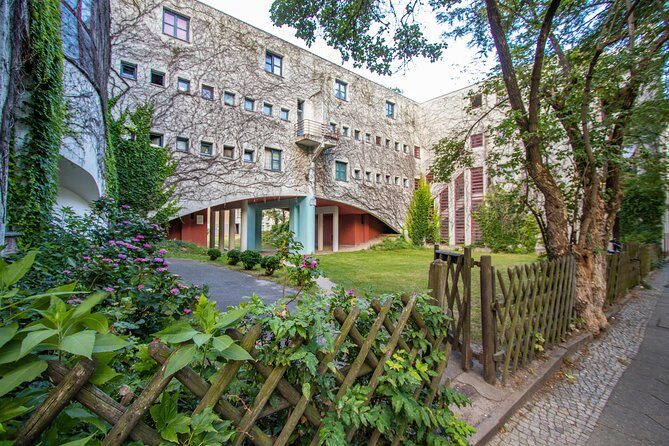
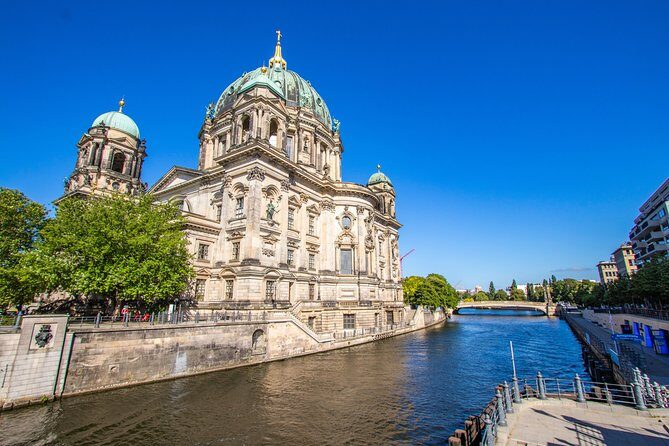
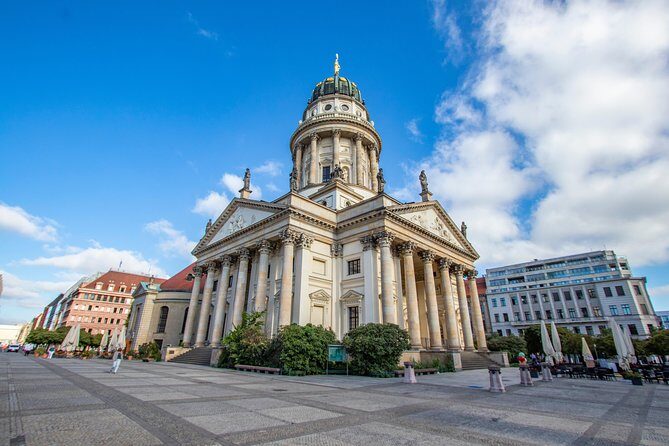
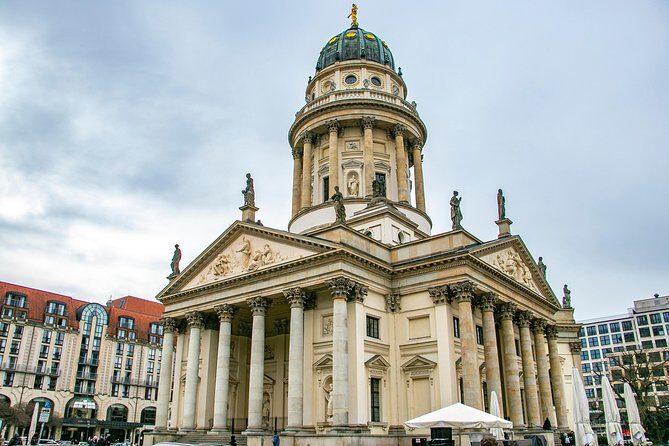
Next comes a major historic church near Lustgarten park. It’s known for Renaissance and Baroque influences, plus a large dome that makes it a landmark you can spot from far enough away to orient yourself.
This stop is valuable because domes are more than decoration. They’re a way to pull your eye upward and create a sense of scale, especially for a building meant to anchor a civic-religious center.
When you stand near it, focus on how the building’s rhythm changes across surfaces: the church style uses grand curves and bold architectural volume to communicate importance. You also learn how the dome sits in the wider skyline picture—Berlin doesn’t hide its power buildings.
One practical consideration: churches can feel cold in shoulder seasons because stone and wind do their thing. If weather is turning, wear layers so you can enjoy the details without rushing.
An Eco-Friendly Modern Office Building: Berlin’s Present-Day Design Message
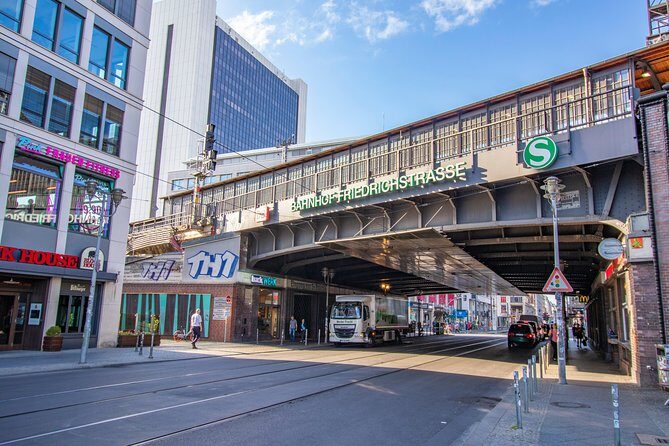
Then you shift to a modern office building described as innovative and eco-friendly. This is where the tour stops being about old styles and starts being about Berlin’s current urban thinking: function, sustainability, and modern identity.
Why this matters is simple. Berlin’s architecture isn’t only a history lesson; it’s also how the city decides to work now. Even a quick look at the exterior can help you see how modern design often tries to communicate values—efficiency, transparency (sometimes), and an effort to align with environmental expectations.
For this stop, you’ll likely get a guided explanation focused on form and concept rather than just dates. That’s a good match for people who want the story behind the shape, not just a photo spot.
If you love architecture but hate long walks, this is a good time to pause and ask your guide to connect what you’re seeing to the next big political landmark.
The Reichstag and Norman Foster’s Glass Dome: Transparency as a Design Choice
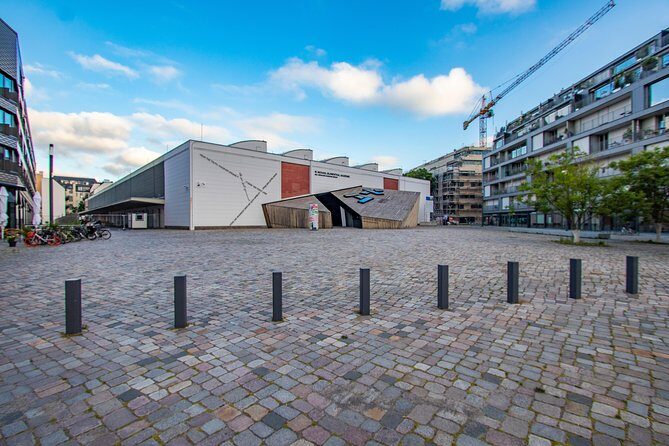
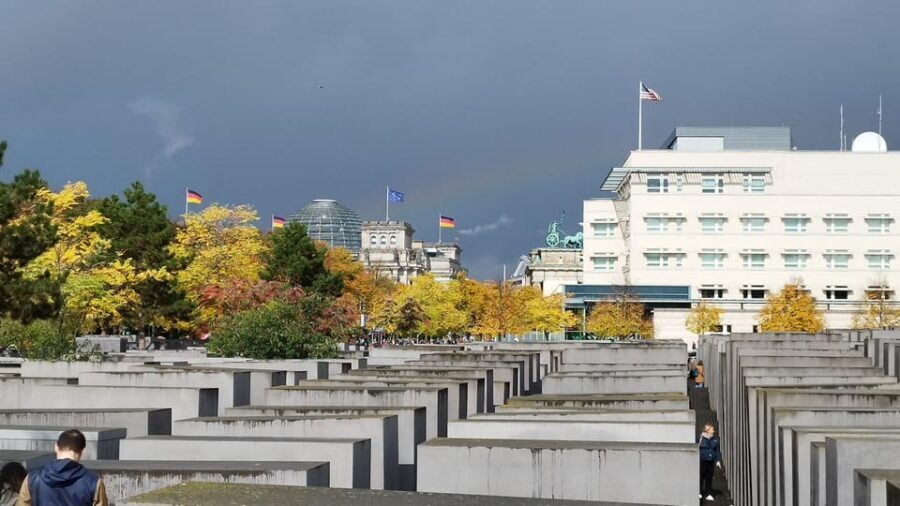
The Reichstag stop is the headline for many architecture fans, and for good reason. You’ll get to the German parliament building with the iconic glass dome designed by Norman Foster, which is described as a fusion of historical architecture with modern elements.
This dome is one of those design moves that’s easy to recognize in a skyline photo, but it’s even more interesting in person. The whole point is that politics becomes visible. In plain terms, the architecture is using openness—glass, geometry, and an elevated viewpoint—to communicate civic transparency.
Even if your time inside is limited, your guide can help you read the structure as an idea: the old seat of power plus a modern glass system that reframes how people experience the building.
If you’re the type who likes to understand symbolism, this is where the tour often clicks. You stop thinking of a dome as a decoration and start seeing it as a public-facing message.




Modern Architecture in Historical Context: Reading Berlin’s Contrasts
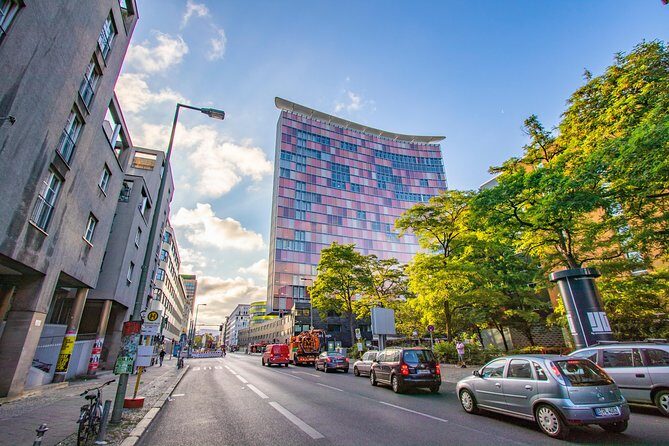
After the Reichstag, the tour includes another stop that blends modern architecture with the historical context around it. This part helps you understand Berlin as a city that frequently places newer design right alongside older anchors.
That’s not just visual variety. It’s a lesson in how urban space negotiates change. Berlin doesn’t always treat historic buildings like they need a protective bubble; it often treats them like the base layer in an ongoing design conversation.
In this segment, I’d pay attention to edges and transitions—how materials and lines either clash or harmonize. A good guide can point out how modern architecture here isn’t only about being new. It’s about being legible inside an older city fabric.
There’s also a practical note: the tour says stops may vary depending on weather. So if the day is less cooperative, you might spend more time on viewpoints and outside perspectives.
Berlin Philharmonie: Tent-Like Form and Why Acoustics Matter
The last major architectural stop is the Berlin Philharmonie, home to the Berlin Philharmonic orchestra. It’s famous for its distinctive tent-like shape and brilliant acoustics, which turns a building exterior into an engineering story.
This is a smart inclusion because it reminds you that architecture isn’t only about looks. The form is tied to sound. You get to see how designers shape experience—how the building’s shape supports performance—rather than treating acoustics like a hidden trick.
If you love music, even casually, this is one of those moments where the architecture becomes personal. If you don’t, the explanation still matters because it trains you to notice how a building’s geometry affects what happens inside.
The tour ends around Herbert-von-Karajan-Straße 1, so you finish near the concert hall area. That makes it easy to keep walking afterward and keep using what you learned as your new city filter.
The Skyline Thread: How Berliner Fernsehturm Fits In
The tour description also highlights Berliner Fernsehturm, the TV Tower, as a shaper of Berlin’s skyline. Even when the TV Tower isn’t the final end goal, it’s used here as a visual thread: Berlin’s skyline isn’t random; it’s built from design decisions across decades.
What I’d take from this approach is how to look at the city as an evolving image. Fernsehturm reads as a modern marker in a skyline that also holds older landmarks and reconstructed silhouettes.
So as you walk, don’t just spot buildings. Ask yourself how each one changes the skyline composition. A local guide can help you notice these relationships fast, which is the real value of having them in your ear.
Price and Value for a Two-Person Private Tour
At $639.96 per group (up to 2) for about two hours, the price is not cheap. But it’s also not priced like a huge bus day with a dozen strangers. You’re paying for privacy, pacing control, and a guide who can tailor the route to your architecture interests.
Here’s how I’d judge value for your money:
- If you want an architecture-focused walk where you can ask questions and adjust on the fly, private format is genuinely worth it.
- If you only want a quick highlights loop with no depth, you might find a cheaper group option elsewhere.
The tour includes a local expert guide and is explicitly exclusive for your group. The mobile ticket is a small convenience, but it reflects that you’re meant to keep things simple on the day.
What’s not included matters too: transportation, museum, and monument entry tickets are excluded, plus personal expenses. That means the value is highest when you treat it as a guided architecture orientation and use later time (on your own schedule) for any entries you decide you want.
Where You Meet and How the Walk Connects
You start at Bodestraße 1, 10178 Berlin and end at Herbert-von-Karajan-Straße 1, 10785 Berlin. That end point near the Philharmonie area is a good way to avoid feeling like you’re teleporting away from your last big stop.
The tour is near public transportation, which helps if you want a low-stress commute before meeting. Also, since it adapts to your walking pace and interests, it’s easier to handle if you’re arriving after sightseeing earlier in the day.
Weather is part of the plan. Stops can vary, so keep expectations flexible, especially for outdoor-heavy architecture viewing.
The Guide Quality Variable: What Past Experiences Suggest
Private tours live or die with the guide. The good news is there are guides who clearly know how to tell an architecture story. Georg, for example, received top praise for being interesting, personable, knowledgeable, and just plain likeable.
There’s also Rüdiger, praised for a smooth pickup and an organized route that included alternative areas depending on what you wanted to see. That kind of flexibility is exactly what makes a private architecture tour feel different from a generic sightseeing walk.
The caution: not every experience hits the architecture depth you might expect. One account described a guide who hadn’t done research on architecture sites or whether places were open. If architecture detail is your main goal, be direct when you share your interests—ask the guide to focus on architectural features and practical access, not just general landmarks.
Who This Tour Fits Best
This is a good match if you:
- want an architecture walk that covers major landmarks fast
- care about how buildings communicate ideas, not just what they look like
- like the comfort of a small-group private format where you can ask questions
- want curated recommendations afterward, so you can keep exploring Berlin with less guesswork
It also works well if you’re combining Berlin sightseeing with a focused morning or afternoon. The stops are spread across a meaningful architectural arc, so you finish with a stronger mental map.
If you need wheelchair-level specifics, note that the tour lists that it accommodates guests with impaired mobility. Still, since the exact route can shift with weather and walking pace, it’s wise to ask for the most comfortable plan.
Should You Book This Architectural Berlin Private Tour?
Yes, if you want a private, architecture-forward walk and you’re happy to treat entry tickets as optional add-ons. The value lands best when you’ll use the guide for explanations, comparisons, and direction for what to look at next.
Skip it or shop around if you’re expecting a guaranteed architecture expert with guaranteed site access details every single time. Private tours can vary by host, so your best move is to communicate what you care about—Reichstag dome symbolism, modern eco design, Philharmonie form, or how Berliner Fernsehturm changes the skyline view.
If you’re flexible and you ask good questions, this two-hour format can give you that key skill: reading Berlin’s buildings like a story, not just a list of sights.
FAQ
How long is the private architecture tour in Berlin?
The tour lasts about 2 hours.
What is the group size for this private tour?
It’s a private tour for your group, and the pricing is listed per group for up to 2 people.
Where does the tour start and end?
It starts at Bodestraße 1, 10178 Berlin, Germany and ends at Herbert-von-Karajan-Straße 1, 10785 Berlin, Germany.
What’s included in the tour price?
Included are a local expert guide, the exclusive private tour, and a tailored itinerary.
What isn’t included during the tour?
Personal expenses are not included. Entry tickets for transportation, museums, and monuments are also excluded.
What’s the cancellation policy?
You can cancel for free up to 24 hours in advance for a full refund. If you cancel less than 24 hours before the start time, the amount paid is not refunded.