REVIEW · BERLIN
Berlin: 2.5-Hour Neighborhood Tour of Neukölln
Book on GetYourGuide →Operated by Sonderweg-Berlin · Bookable on GetYourGuide
Neukölln has stories in every brick. This 2.5-hour Berlin neighborhood walk connects today’s multicultural feel with older lives in Rixdorf and the proletarian housing world of Rollberg. You’ll get a guided route that makes architecture feel like a timeline, not just a backdrop.
What I like most is the mix of big, visible landmarks and smaller details you’d otherwise miss, like the old district court and former prison plus the Town Hall’s stand-out architecture. I also love how the tour links sites to ideas, from why Rixdorf became Neukölln in 1912 to how everyday housing shaped the district.
One possible drawback: you’ll cover a lot of ground for 2.5 hours. If you prefer long sits, deep reading, or lots of photo stops, you may want a slower pace before or after the walk.
In This Review
- Quick hits: what makes this Neukölln tour special
- Neukölln in 2.5 hours: where the past shows up fast
- Rixdorf to Neukölln: the name change and the deeper layers
- Courts, former prisons, and the Rathaus effect
- Rollberg’s proletarian housing: Innstraße’s architecture with meaning
- Old public pool façade to Saalbau Neukölln: public life in architecture
- Karl-Marx-Straße arcade: a Berlin passage worth slowing down for
- Bohemian Rixdorf and Richardplatz: exile houses and Bethlehem Church
- The guide factor: how Tobias makes the details click
- Price and value: why $23 works for a 2.5-hour Berlin walk
- Who should take this Neukölln neighborhood tour
- Should you book this Neukölln tour?
- FAQ
- How long is the Neukölln neighborhood tour?
- What sights are included on the walking route?
- What is included in the ticket price?
- Are food and drinks included?
- What languages are available for the live tour guide?
- Is the tour wheelchair accessible?
- Can I arrange the meeting point, date, and time for my group?
- Is free cancellation available?
- Can I reserve and pay later?
Quick hits: what makes this Neukölln tour special
- Rixdorf to Neukölln: the 1912 renaming story tied to Berlin’s image problem
- Courts and cells: the old district court and former prison in Neukölln
- Rollberg on Innstraße: outstanding housing architecture tied to the area’s working-class roots
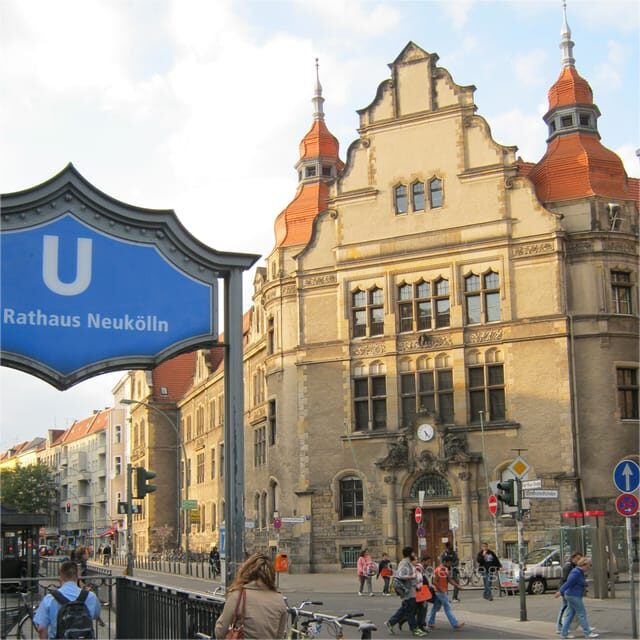
- Town Hall and public buildings: big civic architecture plus the Saalbau Neukölln
- Karl-Marx-Straße arcade: a classic Berlin passage with neighborhood energy
- Richardplatz and Bohemian Rixdorf: exile houses and Bethlehem Church
Neukölln in 2.5 hours: where the past shows up fast
Neukölln can feel like a city within a city. On this walk, you get help seeing that layered reality in real time: the district moves from medieval origins toward modern Berlin, without losing the threads of religion, housing, and public life.
I like that the tour is built around concrete stops you can locate and remember. Instead of vague neighborhood talk, you’re given landmarks you can point at later, from the Saalbau Neukölln to the housing blocks on Innstraße.
If you’re short on time in Berlin but want more than the usual checklist, this is a smart fit. It’s also one of those tours where architecture does the storytelling, which makes the whole route easier to follow.
You can also read our reviews of more tours and experiences in Berlin.

Rixdorf to Neukölln: the name change and the deeper layers
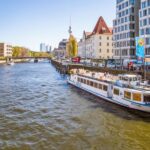
A key storyline here is the shift from Rixdorf to Neukölln. With the approval of Wilhelm II, Rixdorf was renamed in 1912, partly because the southern part of Berlin had an image tied to entertainment.
What’s worth your attention is how the tour doesn’t stop at the name. It also points out that Rixdorf’s origins run much deeper than 1912, and that different religious beliefs shaped daily life in the area.
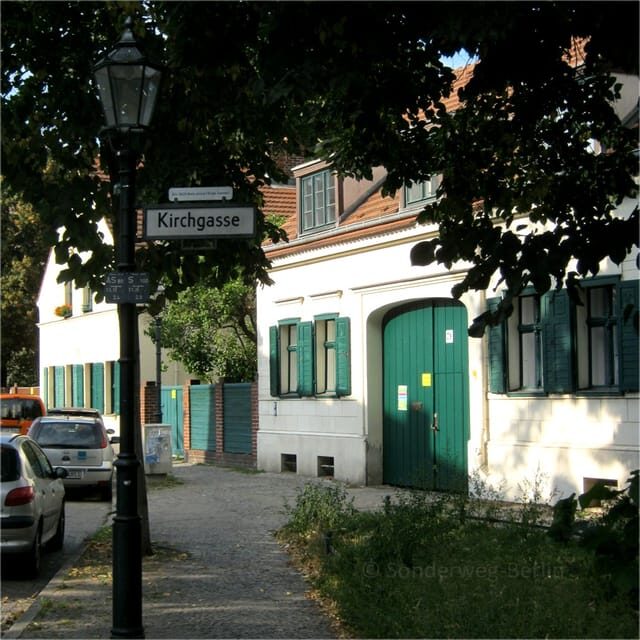
You’ll hear about the Bohemian Exulanten, Protestant refugees who settled here alongside Germans as early as the 18th century. That detail matters, because it helps explain why places near Richardplatz can still feel almost village-like, even inside a huge modern capital.
Courts, former prisons, and the Rathaus effect
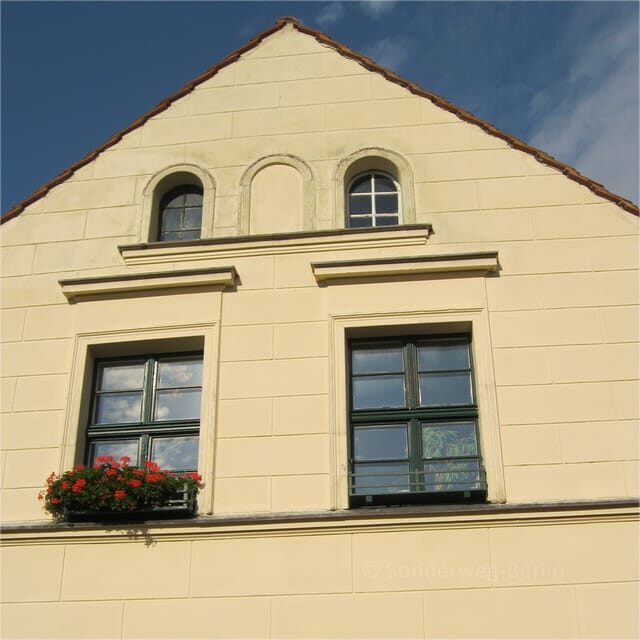
Neukölln isn’t only street corners and coffee shops. Early on, you’re guided toward places tied to law and punishment, including the old district court and the former prison.
Even if you’re not into legal history, these buildings help you understand a Berlin theme: public institutions were meant to control order and reflect state power. Seeing them in the neighborhood, not in some museum bubble, makes the whole city feel more human and more complicated.
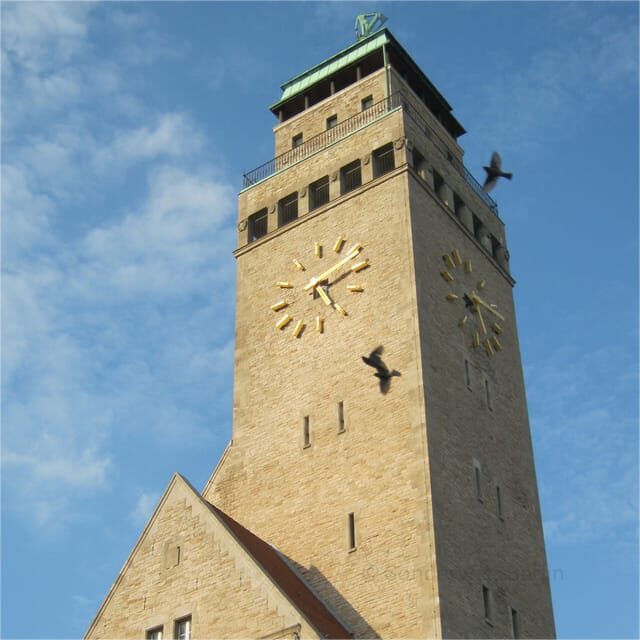
Then the route leans into civic pride with the Town Hall. The Town Hall’s architecture is described as magnificent, and you’ll have a chance to slow down and look at the details instead of just walking past. This is where the tour gives your eyes something to do.
If you like architecture more than pure chronology, this segment is a strong start. The only caution is weather: classic Berlin stone buildings don’t care about your schedule, so dress for the walk.
Rollberg’s proletarian housing: Innstraße’s architecture with meaning
One of the most interesting parts is how the tour treats housing as history. The focus on Rollberg puts attention on the district’s role as a proletarian residence area, and you’ll learn how that shaped what got built and why.
The stop at the housing complex on Innstrasse is an architecture highlight for a reason. Working-class housing here wasn’t just shelter; it was a statement about living conditions, social priorities, and the kind of city leaders wanted.
I also like how the tour doesn’t talk down to you. It makes the case that you can read a neighborhood by paying attention to scale, repeated forms, and how buildings relate to the street.
This section is also a good reminder that Berlin’s layers aren’t only about world wars and big political dates. Often, the most lasting change is written into daily life through housing policy and design.
Old public pool façade to Saalbau Neukölln: public life in architecture
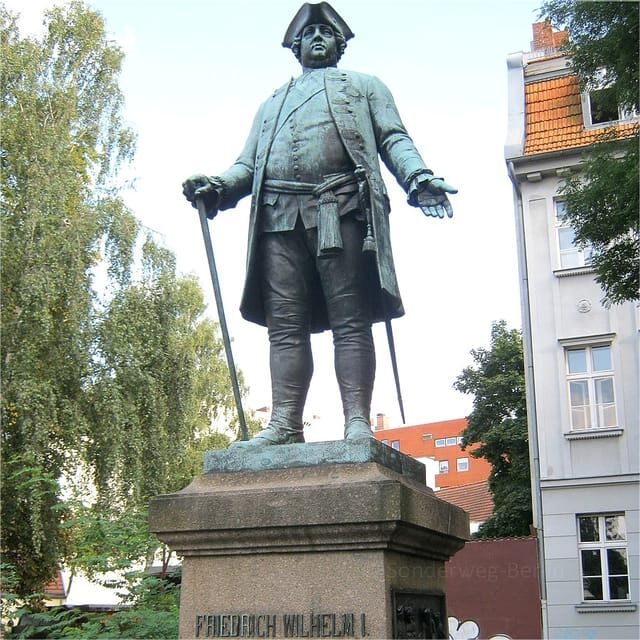
Next, the tour shifts from justice and housing into public recreation and culture. You’ll admire the façade of the old Neukölln public pool, a building element that helps you picture how locals spent time and gathered around everyday leisure.
Even though you’re mostly looking at fronts and façades, it helps to ask yourself what a city values enough to build permanently. Public buildings like this usually tell you something about municipal priorities—health, community, and the idea that recreation belongs to everyone.
Then you’ll move toward the Saalbau Neukölln, another architectural stop that reinforces the idea of public venues as neighborhood anchors. It’s the kind of place that makes you think about how culture and social life overlap.
If you’re the type who likes photos, this is a section where your camera will actually help. Facades and building shapes give you good angles without needing to wait for a perfect moment.




Karl-Marx-Straße arcade: a Berlin passage worth slowing down for
On Karl-Marx-Straße, you’ll find an arcade that’s more than a walkway. The tour calls out the arcade as a key sight, and that makes sense: arcades are old-school Berlin problem-solvers that give you covered movement and a small social corridor.
This stop is useful because it shows you how commerce and pedestrian routes shape a neighborhood’s mood. It’s also a reminder that “multicultural hub” isn’t just a modern slogan. Places like this tend to attract different communities over time because they work for everyday life.
I’d treat this as a moment to watch people for a minute. Even if your tour guide is talking, you can also notice how the space feels—enclosed, practical, and tuned for foot traffic.
The main drawback is simply pacing. If you’re traveling with others who hate walking, this is where you might want to keep your group together so no one wanders off into side streets.
Bohemian Rixdorf and Richardplatz: exile houses and Bethlehem Church
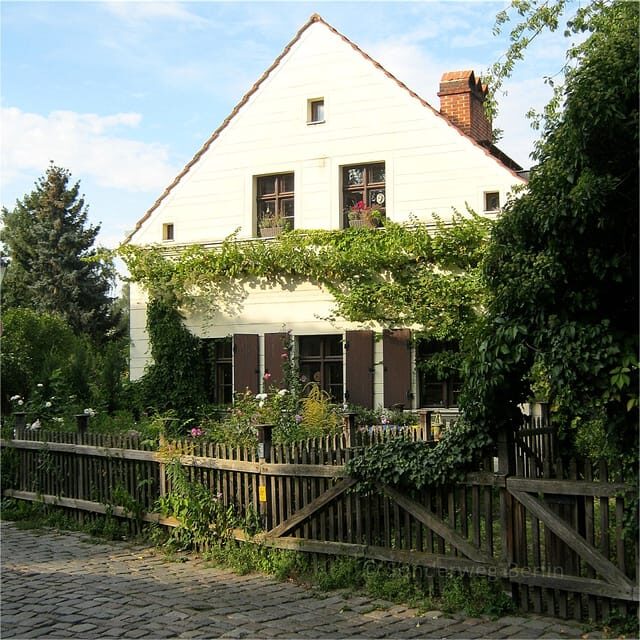
The final stretch brings you back to the heart of neighborhood identity. The tour highlights Bohemian Rixdorf and the exile houses, tying directly to the story of Protestant refugees who made this area home centuries ago.
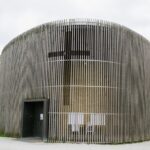
Then you’ll visit the Bethlehem Church on Richardplatz. Richardplatz is described as radiating a village-like atmosphere, and that quality is exactly why this stop works. Churches and squares tend to preserve older rhythms of community, even as the city around them changes.
What I like here is the way the tour uses sacred space without turning it into a lecture. You’re given enough context to understand why this place mattered to the Exulanten community and why it still resonates today.
This section is also emotionally effective in a low-key way. It doesn’t ask you to feel anything dramatic. It just helps you see how people built stability through faith and community after displacement.
If you want to end with a sense of meaning, this is the right place to do it.
The guide factor: how Tobias makes the details click
The strongest praise in the reviews centers on the tour guide experience, and one name comes up repeatedly: Tobias. The way he explains things is described as personal and full of real-world knowledge, including background tied to the city’s coat of arms and the district’s development.
That matters because these stops can otherwise feel like separate postcards. A good guide stitches them together so you understand why a courthouse and a housing block both belong to the same story.
You’ll also be working with a live tour guide in German and English. The delivery is described as relaxed, with facts presented in a way that keeps it human instead of stiff.
One extra note: reviews also mention very small group conditions, including a private-style tour on a holiday date with no other participants. So if you want a chatty, question-friendly format, this tour can sometimes feel tailored.
Price and value: why $23 works for a 2.5-hour Berlin walk
At $23 per person for 2.5 hours, the value is mainly in two things: expert guidance and focused stops. You’re paying for a route that connects architecture, politics, and everyday life, not for a long bus ride or a huge time commitment.
This is also a case where the duration is a benefit. Two and a half hours is long enough to cover the major anchors in Neukölln, but short enough that you don’t burn a whole day when Berlin can already chew through time.
If you’re comparing to other Berlin tours, think less about whether you’ll get every landmark and more about whether the guide helps you read the neighborhood. If that’s what you want, the price feels fair.
And because the route is outdoors walking-based, you’re getting something you can revisit later. You’ll know where things are, and that makes Neukölln more navigable after the tour.
Who should take this Neukölln neighborhood tour
This tour is best for you if:
- You like architecture with stories, not just photos of buildings
- You’re curious about how neighborhoods evolve through housing, religion, and institutions
- You want a guided walk that makes Berlin’s layers make sense quickly
It’s also a solid choice for people who have already done the big center highlights and want something more local but still well guided.
The tour is wheelchair accessible, which is an important factor if mobility is part of your planning. For anyone who needs that reassurance, it’s good to see accessibility stated clearly upfront.
If your travel style is mostly “sit, snack, and watch” with occasional short walks, you might find the pace a bit brisk. But you can balance that by planning a slower morning or evening around it.
Should you book this Neukölln tour?
Yes, you should book it if you want a compact Berlin experience that explains why Neukölln looks and feels the way it does. The strongest reason to choose it is the combination of specific landmarks and clear context—courts, housing, civic buildings, and places tied to refugee settlement.
I’d skip it only if you dislike walking tours or you’re hunting for famous museum interiors and big ticket sights. This is a neighborhood read, built from streets and façades.
If you can handle 2.5 hours on foot and you like learning while looking around, this is one of the better ways to spend a Berlin block of time.
FAQ
How long is the Neukölln neighborhood tour?
The tour lasts 2.5 hours.
What sights are included on the walking route?
You’ll see highlights including the old district court and the former prison in Neukölln, the Town Hall, the housing complex on Innstraße, the façade of the old Neukölln public pool, the Saalbau Neukölln, the arcade on Karl-Marx-Straße, exile houses in Bohemian Rixdorf, and the Bethlehem Church on Richardplatz.
What is included in the ticket price?
An expert tour guide is included.
Are food and drinks included?
No. Personal expenses, food, and drinks are not included.
What languages are available for the live tour guide?
The live tour guide is available in German and English.
Is the tour wheelchair accessible?
Yes, the tour is wheelchair accessible.
Can I arrange the meeting point, date, and time for my group?
Yes. A meeting point, date, and time of your choice can be arranged for your group upon request when booking.
Is free cancellation available?
Yes. You can cancel up to 24 hours in advance for a full refund.
Can I reserve and pay later?
Yes. You can reserve now and pay later.