REVIEW · BERLIN
Berlin and Car Culture Tour
Book on Viator →Operated by Berlin car culture · Bookable on Viator
A car story starts in the middle of Berlin. This tour connects big milestones in mobility to places you can see right now, from Potsdamer Platz to Moabit. I love the way the route turns history into street-level moments, and I love that you also get hands-on time with modern electric cars. The main drawback to plan for: you need your own Berlin public transport ticket for the AB zone.
One highlight is the guide style, with Martin Sacan mentioned in strong terms for bringing both Berlin and cars to life. Expect a friendly, focused pace (max 30 people), and plenty of conversation about how we got here and where we might be headed. With a price of $50.57 for about 3 hours, it also feels like solid value—especially since admission tickets to the stops are included.
In This Review
- Key things to know before you go
- Berlin’s car story starts at Potsdamer Platz
- Leipziger Platz: electric cars, Tesla, and the future debate
- Moabit’s 1.5-hour car stop: seeing the engineering up close
- Price and value: what $50.57 buys you in real access
- Timing and meeting points: start at Potsdamer Platz and walk through the city
- Who this Berlin automobile history and car culture tour fits best
- Making the most of the stops (without overthinking it)
- Should you book this Berlin car culture tour?
- FAQ
- FAQ
- How long is the Berlin and Car Culture tour?
- What is the price per person?
- What language is the tour offered in?
- Where do I meet, and where does the tour end?
- What’s included in the ticket price?
- Is a Berlin public transport ticket included?
- Do I receive a mobile ticket?
- What is the maximum group size?
- Is free cancellation available?
- Are service animals allowed?
Key things to know before you go
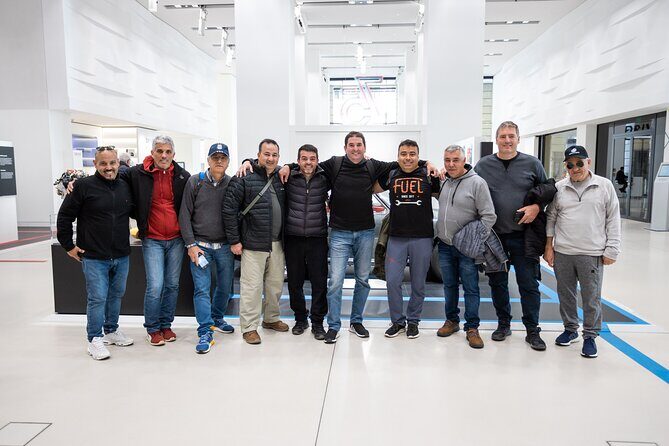
- Potsdamer Platz anchors the origin story with the area tied to an early auto patent and the oldest traffic light in Germany
- Electric-car time at Leipziger Platz includes getting in cars and a look at a Tesla made near Berlin
- Moabit is the longest stop where you’ll spend 1.5 hours with motor-related sights and details on display
- Admission is included, so you are paying for access, not just talking
- Small-ish group size with a maximum of 30 keeps it from feeling like a cattle drive
Berlin’s car story starts at Potsdamer Platz
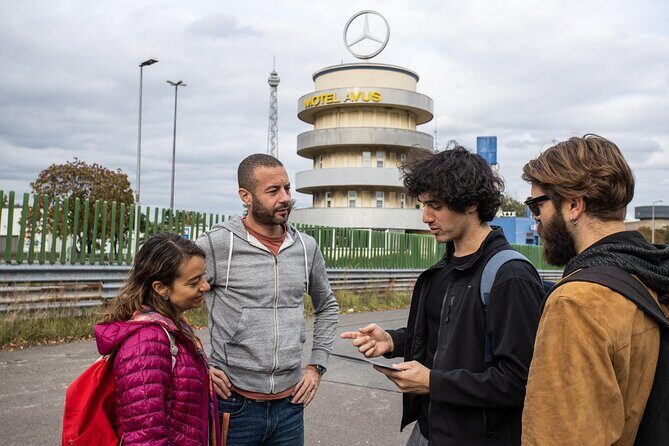
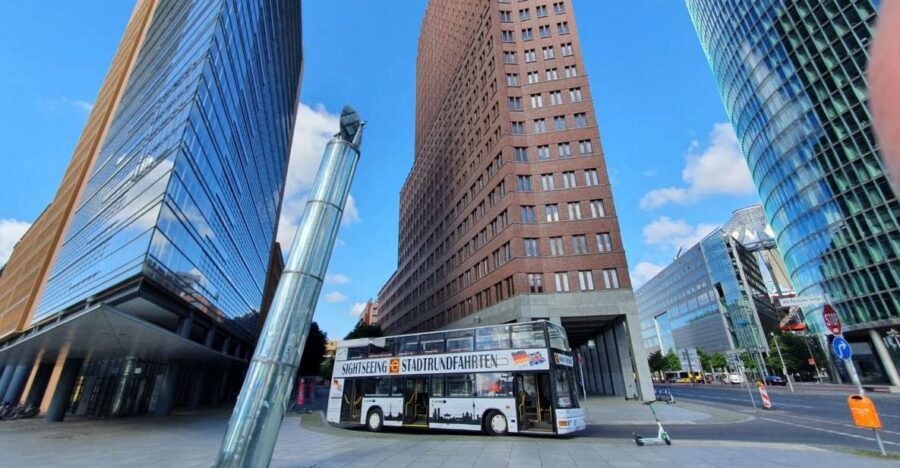
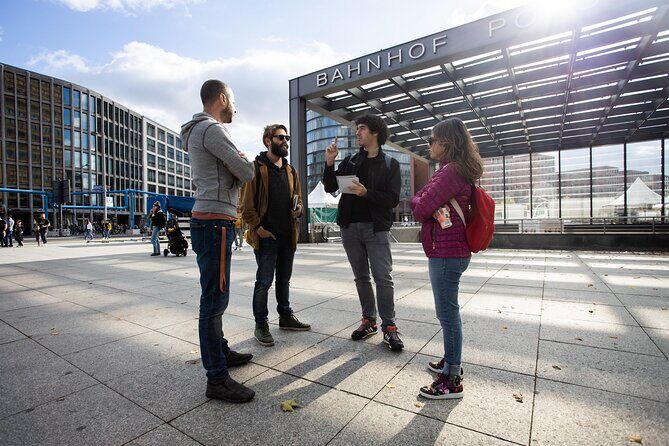
Potsdamer Platz is the kind of place where Berlin’s past and reinvention show up in the same frame. You’ll start near the area where Berlin issued the patent for the first automobile in history, and then you’ll fan out on foot to see how the city reacted to a machine that was new, noisy, and kind of shocking for its era.
A standout moment here is the oldest traffic light in Germany, close enough to feel like you are standing in a living exhibit. From that spot, the tour links traffic control to the broader idea of how cities had to adapt once cars showed up. You’ll also hear about Karl Benz and his invention, including the furor that the new technology stirred up at the time. It’s not just dates and names. The point is how quickly transport ideas changed street life, and how Berlin was part of that shift.
The main practical downside at this stop is also the simplest: you only have about 30 minutes. That’s enough for the key scenes and stories, but it’s not enough to slow down for deep browsing. If you like to linger, plan to return to Potsdamer Platz later on your own with your favorite questions in hand.
You can also read our reviews of more tours and experiences in Berlin.



Leipziger Platz: electric cars, Tesla, and the future debate
If Potsdamer Platz gives you the origin story, Leipziger Platz is where the tour asks a harder question: what happens next? This stop is built around modern mobility—especially electric cars—and it doesn’t treat the topic like a marketing brochure. You’ll look at advanced electric vehicles and talk through the big debate: is electric the real future of driving, or is it partly political push?
One of the best parts is that you’ll get in the cars during this segment. That matters more than people expect. Sitting behind a wheel helps you understand the differences that matter day-to-day, like how the cabin feels and how driver-focused design has changed. You’re not just seeing cars at a distance.
You’ll also see a Tesla manufactured near Berlin. That detail gives the conversation local roots. Instead of talking about electric cars as an abstract trend, you’re grounding the future in a real manufacturing connection within Germany.
This stop runs about 30 minutes, so expect a focused hit of ideas and visuals rather than a long Q&A session. If you want to ask lots of technical questions, come ready with 1–2 that you care about most, and use the time efficiently.
Moabit’s 1.5-hour car stop: seeing the engineering up close
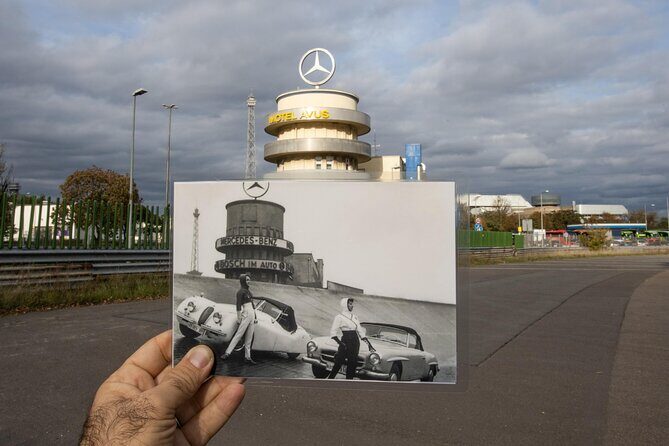
Moabit is where you spend the most time, about 1 hour 30 minutes, and that’s a clue that the tour wants you to slow down. The idea here is “timeless jewels” and motor-related sights in Berlin, which translates to more time around vehicles and the kinds of details that help you understand design changes across eras.
Because the tour keeps this portion longer, you should expect more walking, more looking, and more conversation than at the first two stops. The practical payoff is that you get a better sense of progression—how car design, purpose, and technology have moved from experimental machines to everyday tools, and now toward an electric age.
What I like about structuring the tour this way is that Moabit gives your brain a chance to connect the dots. You’ve already heard why early cars caused chaos and how cities responded. Then you’ve already tasted the present with electric-car time. Moabit becomes the “between” segment, where you can compare what you saw and start noticing patterns: form follows function, regulations shape design, and technology reshapes habits.
The main consideration here is energy. By the time you reach Moabit, you’ve had two separate stops with different themes. Wear comfortable shoes and keep water in mind, especially if you’re visiting on a warm day.
Price and value: what $50.57 buys you in real access
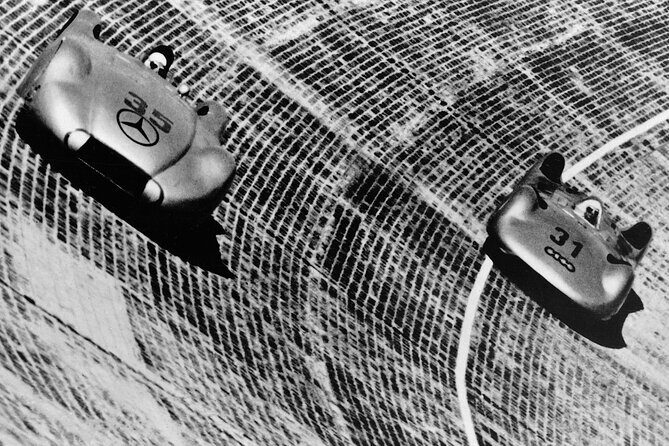
At $50.57 per person for about 3 hours, this tour isn’t priced like a fancy private driver situation. It’s positioned as an experience that gives you access—plus the stories that connect it all.
The biggest value lever is that entrance tickets are included for all places visited. That means you’re not paying extra at each stop to unlock access. If you compare this kind of route to DIY strolling plus multiple paid entries, this price starts to look more sensible.
One cost you do need to plan for: the tour does not include a daily transport ticket for the Berlin AB zone. That doesn’t make the tour overpriced; it just means you should bring the right transit ticket if you plan to move between stops on your own.
Admission included, group size kept to a maximum of 30, and an English offering all point to this being built for practical sightseeing, not just classroom talk. You’re paying for a structured route where you’re meant to see and learn in the same trip.
Timing and meeting points: start at Potsdamer Platz and walk through the city
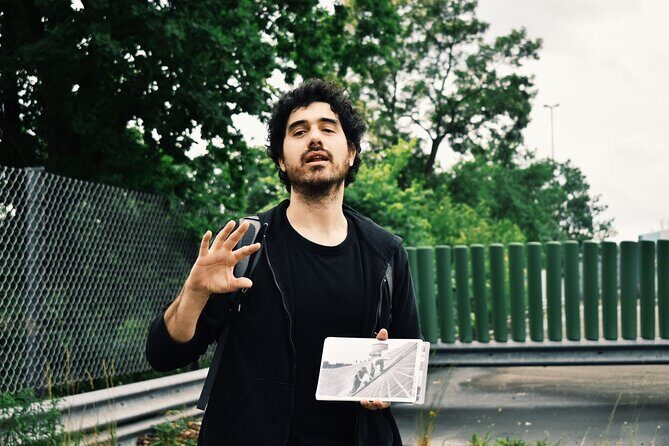
Your tour starts at Potsdamer Platz 10, 10785 Berlin. It ends at Berlin BeusselstraßeBeusselbrücke, 10551 Berlin. Those are useful details because they affect how easily you can connect the tour to the rest of your day.
The tour is about 3 hours total, so you don’t need to lock your whole afternoon into it. Still, it helps to avoid tight connections right before or after. Berlin transit can be great, but you want breathing room.
You’ll also get a mobile ticket, which is convenient if you already travel light with your phone. If you book close to departure, you might get confirmation as soon as possible depending on availability, so it’s worth booking earlier when you can.
One more practical note: the route is marked as near public transportation, which usually means you can adjust if your timing is off or if you want to hop off for food and return later for a separate walk.






Who this Berlin automobile history and car culture tour fits best
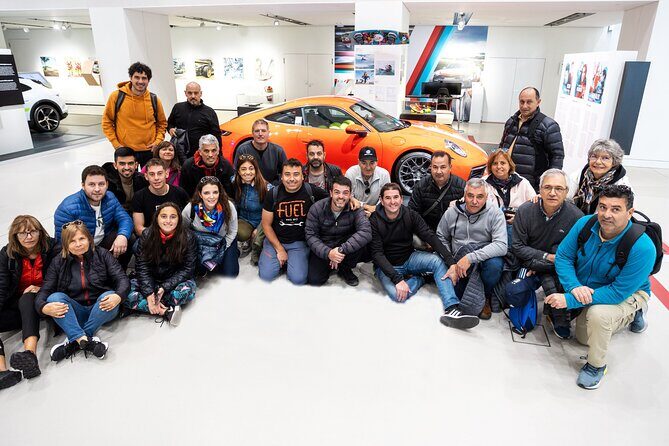
This works especially well if you like the idea of a tech story told through real places. If you enjoy seeing how inventions change everyday life—roads, traffic flow, manufacturing, and design—then the structure makes sense: origin, debate and hands-on modern cars, then a longer look at motor “jewels” in Moabit.
It also suits you if you care about both angles of the electric-car conversation. The tour doesn’t just say electric is the future. It pushes you to think about why people argue about it and when older combustion engines might finally fade.
Small-group energy matters here too. With up to 30 people, you should expect the guide to keep conversations moving and help the group stay together.
If you’re traveling with a service animal, the tour indicates that service animals are allowed. And it notes that most people can participate, so this likely fits a broad range of ages and mobility levels, though you should still wear proper shoes for city walking.
Making the most of the stops (without overthinking it)
A car culture tour rewards curiosity more than expertise. You don’t need to know engines or electric charging jargon to enjoy it.
I’d do this:
- Bring a couple questions, one historical and one future-focused. For example: why did traffic control evolve so fast after cars appeared? And what trade-offs do you really notice in electric cars?
- Use the car-getting-in moment at Leipziger Platz to look at the everyday details, not just the wow factor.
- After the tour ends near BeusselstraßeBeusselbrücke, give yourself time to wander. That’s when the city’s shape starts to make sense.
Also, if you’re the type who likes to read signage afterward, take a photo of anything that looks important. The tour gives you the threads; you can pull on them later at your own pace.
Should you book this Berlin car culture tour?
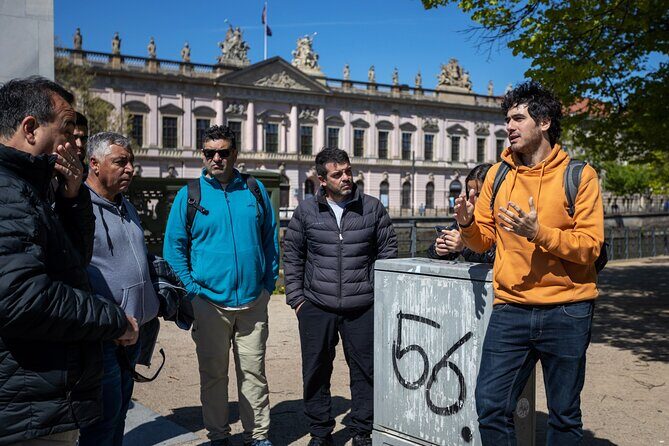
Yes, if you want a short, structured route that mixes Berlin’s auto origin story with modern electric-car questions—and you want it in English with admission handled for you. The included entrance tickets make it feel like a real “experience,” not just a walk with a guide.
Skip it or think twice if you need deep time at each spot. The whole tour is about 3 hours, and the first two stops are only about 30 minutes each. You’ll leave with a clear outline and strong themes, but you might want a follow-up solo visit if a specific location grabs you.
FAQ
FAQ
How long is the Berlin and Car Culture tour?
It runs for about 3 hours.
What is the price per person?
The price is $50.57 per person.
What language is the tour offered in?
It is offered in English.
Where do I meet, and where does the tour end?
You start at Potsdamer Platz 10, 10785 Berlin, Germany. The tour ends at Berlin BeusselstraßeBeusselbrücke, 10551 Berlin, Germany.
What’s included in the ticket price?
The ticket includes the entrance ticket to all places visited.
Is a Berlin public transport ticket included?
No. A daily transport ticket AB zone is not included.
Do I receive a mobile ticket?
Yes, the tour includes a mobile ticket.
What is the maximum group size?
The tour has a maximum of 30 travelers.
Is free cancellation available?
Yes. You can cancel up to 24 hours in advance for a full refund.
Are service animals allowed?
Yes. Service animals are allowed, and the tour notes that most travelers can participate.