REVIEW · BERLIN
Berlin Battlefield Tour – Operation Berlin 1945
Book on GetYourGuide →Operated by On the Front Tours · Bookable on GetYourGuide
Berlin’s last WWII fight is still written into the streets. This Operation Berlin 1945 tour takes you through the spots where the war in Europe effectively ended, with an expert guide connecting strategy, fear, and bravery. It’s built for people who want more than plaques and photos: you get the story behind the map, including the push toward the Reichstag and the desperate moments around the bridges.
I especially liked how the guide ties together the big moves—Soviet and German commander decisions—with the everyday human cost. I also like the “Then & Now” photos and maps, because you can actually see how the battlefield points line up with today’s Berlin. One consideration: it’s a tight, walking-heavy 150 minutes, so comfortable shoes and weather gear matter.
If you’re curious about the final act of WWII and you don’t want it watered down, this is a strong, focused option at a fair price for a specialist tour.
In This Review
- Key things to know before you go
- Meeting at MEININGER Berlin Hauptbahnhof: finding your blue umbrella guide
- A 150-minute walk through Berlin’s last WWII chapters
- Moltkebrücke: why crossings mattered in Operation Berlin 1945
- Platz der Republik: city streets, assault planning, and the approach to the Reichstag
- Reichstag: the Soviets’ main objective and the lead-up to the assault
- Weidendammer Brücke: desperation, hope, and the final moments
- Then & Now photos, maps, and the sound of artillery (in words)
- Price and value: what $57 gets you in Berlin
- Who should book this tour (and who might want something else)
- A quick note on guides and your meeting spot
- Should you book Berlin Battlefield Tour – Operation Berlin 1945?
- FAQ
- FAQ
- How long is the Berlin Battlefield Tour – Operation Berlin 1945?
- Where does the tour start?
- When should I arrive for the tour?
- Is the tour guided in English?
- Is the tour wheelchair accessible?
- What happens if it rains?
- What locations are covered during the tour?
- What should I bring with me?
- What is included in the tour price?
- Is there free cancellation?
Key things to know before you go
- A specialist WWII guide: this is Berlin’s only World War II tour specialist.
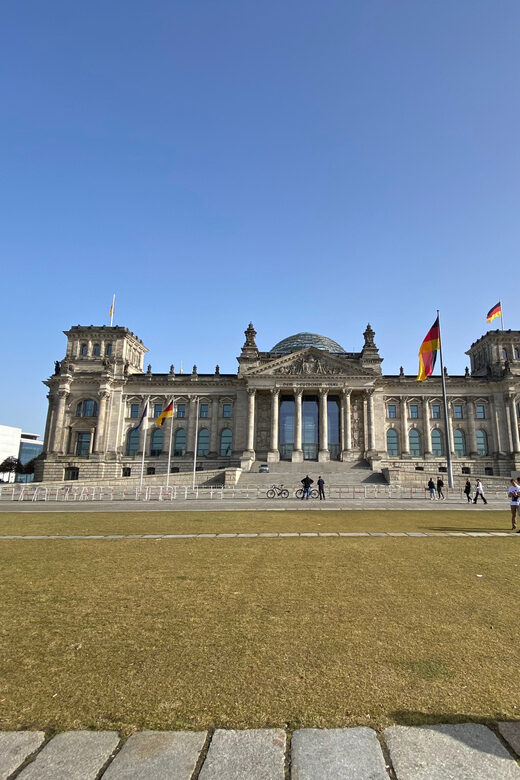
- Reichstag-centered story: the Soviets’ main objective and the lead-up to the assault are the core of the route.
- Bridges as battle lines: Moltke Bridge and Weidendammer Bridge frame the fighting and movement.
- Then & Now photos/maps: you’ll see how modern streets match the battlefield layout.
- Small-group feel: you’ll get more attention and better pacing than the big-bus tours.
Meeting at MEININGER Berlin Hauptbahnhof: finding your blue umbrella guide
The tour meets in front of the MEININGER Hotel Berlin Hauptbahnhof, Ella-Trebe-Straße 9 (on the south side of Berlin’s main station). The guide stands outside holding a blue umbrella. Plan to arrive about 10 minutes early so you can get your bearings fast, especially if your schedule is tight.
This is also where you’ll set expectations. The tour runs rain or shine, and the operator provides umbrellas through the year if the weather turns. Still, I’d rather you personally show up ready with a raincoat or umbrella of your own, plus water and a snack. Nothing kills a good history walk like being cold and cranky halfway through.
You can also read our reviews of more tours and experiences in Berlin.


A 150-minute walk through Berlin’s last WWII chapters
This tour is 150 minutes, and the structure is simple: you start near the station, then move through key battle locations, with guided stops and short walks between them. The pace is designed for street-level understanding—how armies moved, where objectives sat, and why specific crossings and streets mattered.
You’re not just handed a timeline. The tour is framed around strategy and command decisions—what Soviet forces needed, what German forces tried to prevent, and how the fight around the Reichstag shaped everything around it. You’ll also hear the kind of details that make WWII feel less like textbook drama and more like what it likely was on the ground: urgency, confusion, and moments of bravery amid heavy destruction.
One more note: the experience leans emotional on purpose. You’ll hear tales of desperation, hope, and carnage, and you’ll get the human side of war alongside military planning. If you prefer your history strictly academic, you might find the tone intense—but it’s consistent with the subject.
Moltkebrücke: why crossings mattered in Operation Berlin 1945
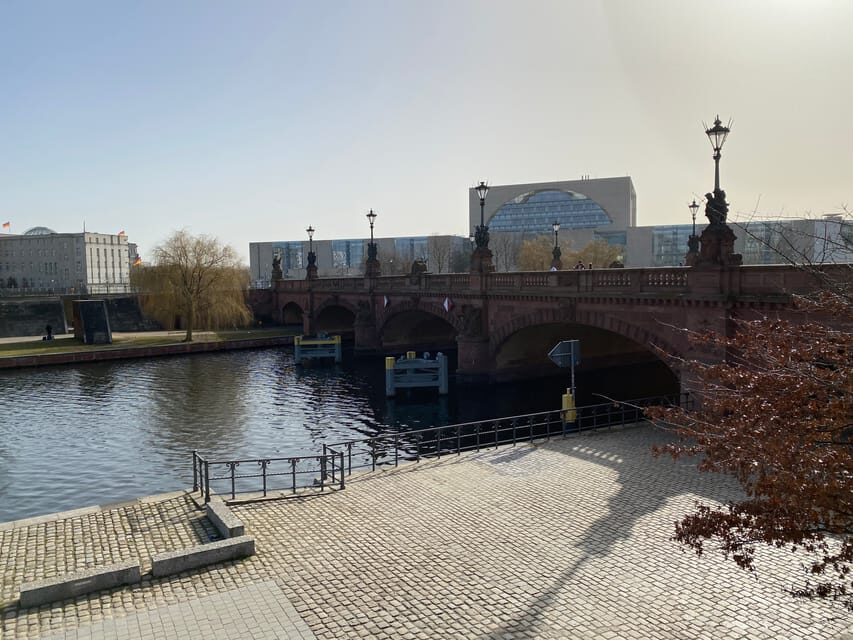
The Moltkebrücke stop is short but meaningful. Bridges were often the difference between advancing and getting stuck, and in Berlin’s final battle, river and canal edges could funnel troops into predictable, dangerous paths.
Expect a guided walk-through that connects the location to movement and pressure—where forces aimed to go, what obstacles could slow them, and how that pressure fed the wider plan toward the Reichstag. This is where the tour’s strategy focus starts to click: you see how one “small” piece of infrastructure could shape an entire phase of a battle.
A practical tip: bring good walking shoes. Even though each stop isn’t long, you’ll cover multiple locations with short passes and guided segments. Berlin sidewalks are fine, but you’ll still want your feet to feel comfortable.
Platz der Republik: city streets, assault planning, and the approach to the Reichstag
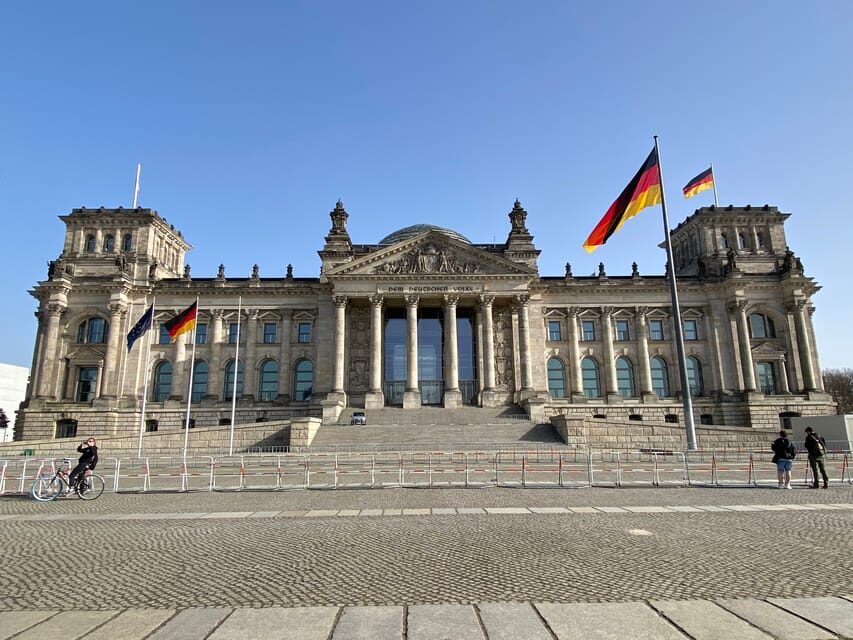
After the bridge, you move toward Platz der Republik, which is tied to the assault phase of the fight. This stop is about the transition from “where to move” into “how to fight in the streets.” In a battle like this, the layout of the city isn’t scenery—it becomes part of the tactics.
You’ll get guided context that frames why the assault took the shape it did and how key objectives influenced the direction of combat. The tour’s described goal here is to relive the intense moments during the push into the area around the main target.
If you’ve ever wondered why armies can look methodical on a map but feel chaotic in real life, this section helps. You’re learning how pressure builds: artillery, infantry movement, and the constant need to keep momentum going while defenses adapt.
Reichstag: the Soviets’ main objective and the lead-up to the assault
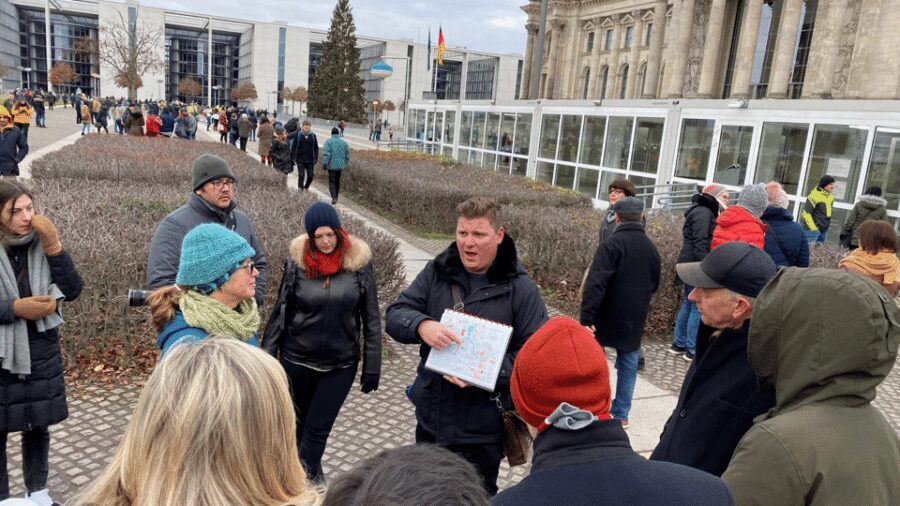
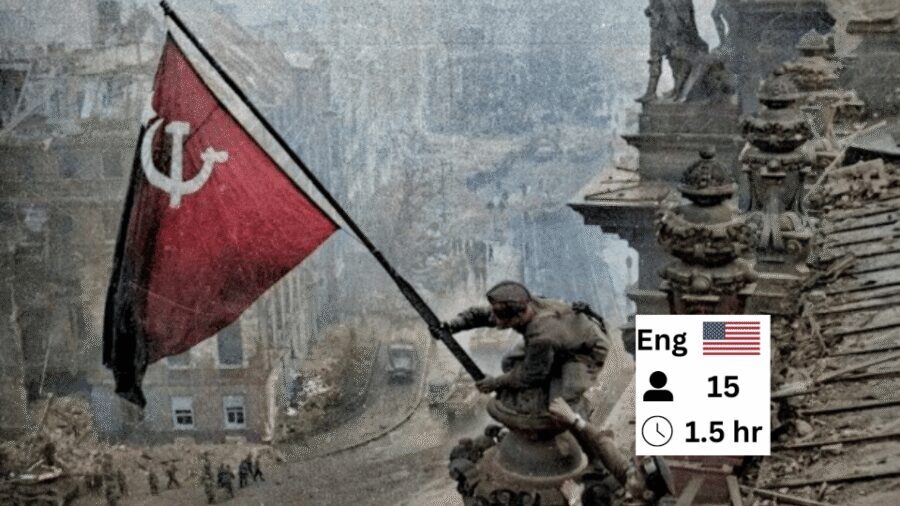
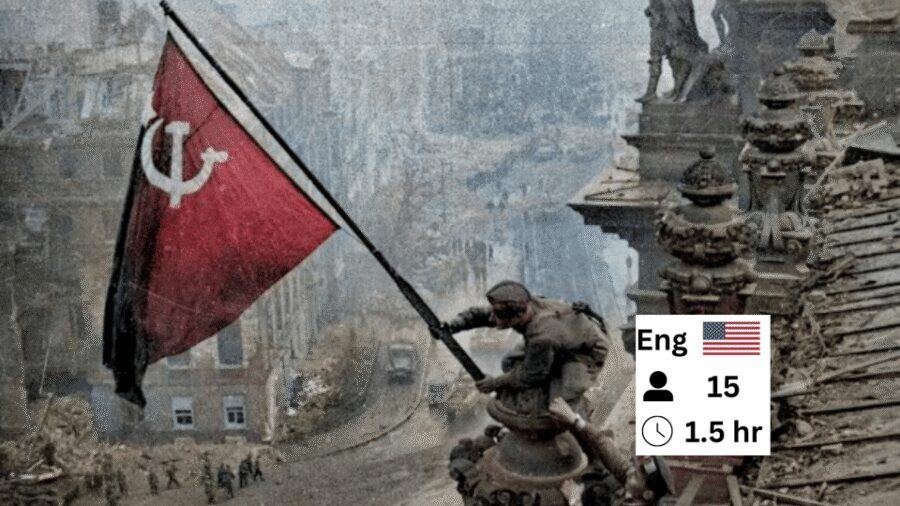
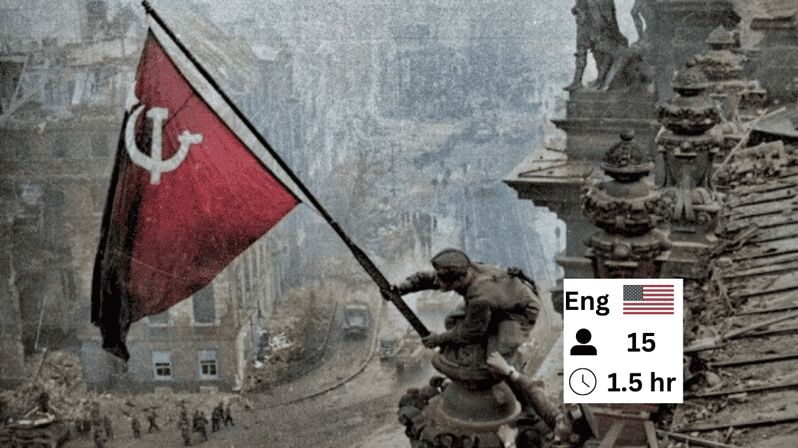
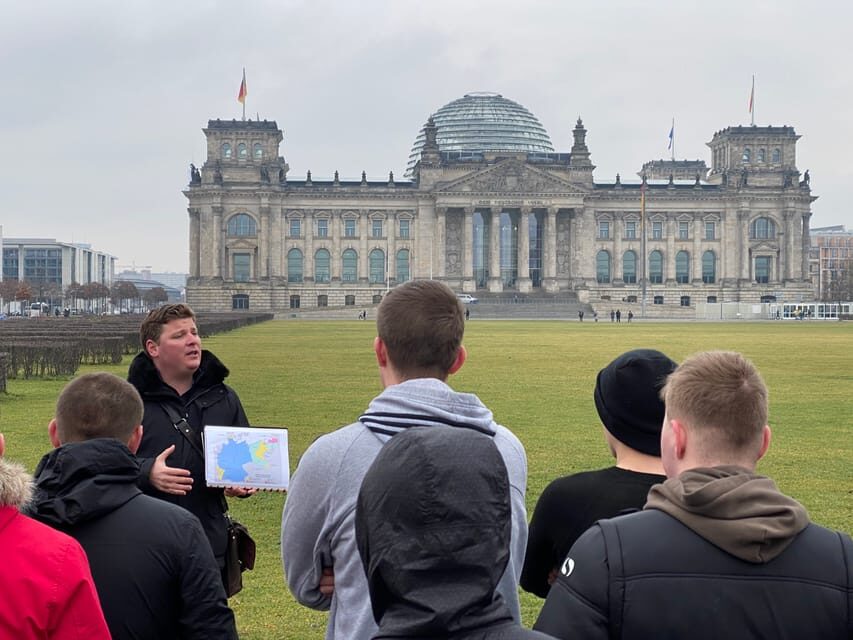
The highlight stop is the Reichstag, and it’s handled as the centerpiece of the story. The tour explains the Reichstag as a primary objective for the Soviets and connects that to what commanders needed to achieve as the battle narrowed.
You’ll hear the story in a way that links individual decisions to the larger plan. That means not just who went where, but why leaders believed certain moves would work—and what they feared could go wrong. The tour also focuses on the lead-up to the assault, so the mood builds instead of jumping straight to the aftermath.
One of the tour’s promised learning outcomes is understanding how Soviet and German commanders made decisions under extreme conditions. That’s a lot to ask of a 150-minute walk, but the Reichstag stop is where it’s most concentrated. If you want to walk away with a clearer mental picture of why this target mattered so much, this is the moment.
Important expectation-setting: the Reichstag area is a real city area. You’re learning at street level, not in a museum gallery.




Weidendammer Brücke: desperation, hope, and the final moments
The tour ends at Weidendammer Brücke, with guided time on site. The bridge is tied to the account of desperation, hope, and carnage that unfolded at the end of the fight. It’s also framed as the tour’s culminating arc—capturing the intensity after the assaults and movements around the Reichstag.
Bridges often show up in war stories because they’re both literal crossings and symbolic choke points. You get that dual meaning here: as a physical place where fighting and movement converged, and as a narrative endpoint for the “last stages” feeling of the battle.
This is a good stop to slow down mentally. The tour is dramatic by design, but Weidendammer gives it closure—why the battle’s final phase looked the way it did and how the German side tried to respond as the trap tightened.
Then & Now photos, maps, and the sound of artillery (in words)
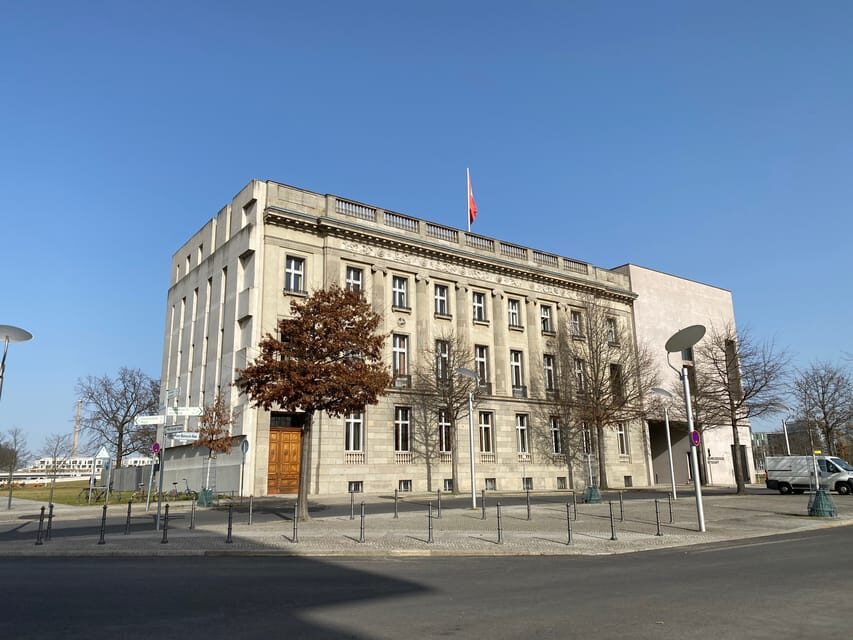
The tour includes Then & Now photographs and maps, and that’s one of the best parts for practical reasons. Berlin today can be surprisingly smooth and modern; without visual matching, it’s easy for the battlefield to feel abstract. The maps and photos help you connect what you’re hearing to where you’re standing.
The narration also uses vivid battle elements—like the roar of the MG42 and the hiss-and-snap feel of artillery. You’re not hearing explosions, of course, but the language helps you understand why the pace and fear of street fighting mattered so much.
If you like learning with a mental model, this works well. You can hold three layers at once:
- the tactical goal (what forces needed),
- the geographic constraint (what the city allowed or blocked),
- and the human reality (how it felt to be there).
Price and value: what $57 gets you in Berlin
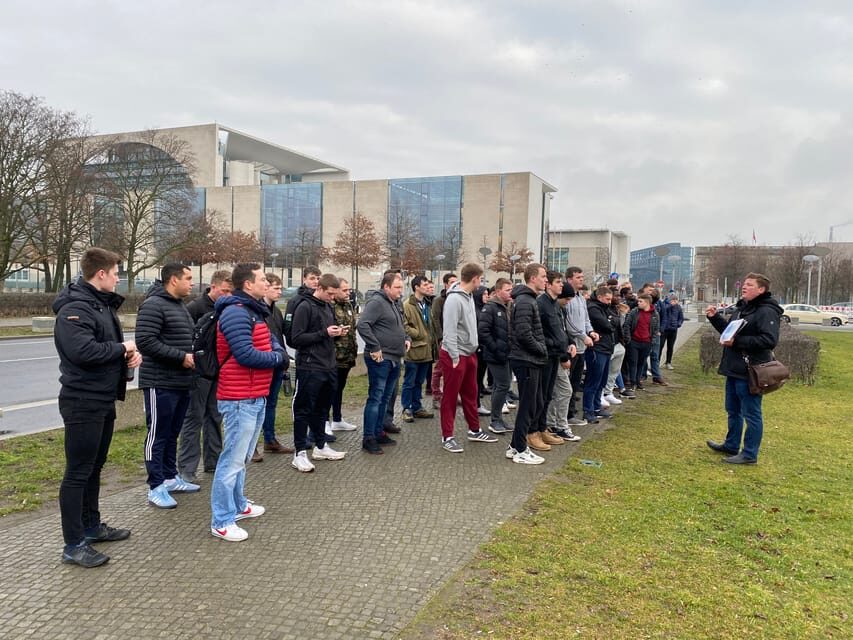
At $57 per person for 150 minutes, this isn’t a “cheap and cheerful” add-on. It also isn’t priced like a museum ticket. For the money, you’re paying for an expert guide and a tightly focused WWII route with included photos and maps, plus a small-group format.
Is it “worth it” depends on your style. If you’re a passive tourist who only wants surface-level highlights, you may feel the price. But if you actively want to understand why the battle ended the way it did—especially around the Reichstag and those bridge approaches—then the specialist focus is the value.
There’s also a big difference between reading about Berlin 1945 and walking the specific lines where the account comes alive. For many people, that switch from information to comprehension is exactly what justifies the cost.
Who should book this tour (and who might want something else)
This tour fits best if you:
- want a WWII-focused guide rather than a general Berlin history walk,
- care about the “why” behind the major moves, not just names and dates,
- like route-based learning with maps and before-and-after visuals.
You might want a different option if you:
- don’t like intense battle storytelling,
- have limited stamina for walking across several stops and short guided segments,
- prefer long sit-down museum time over street-level context.
In other words, this is for people who want Berlin 1945 to come into focus fast.
A quick note on guides and your meeting spot
The guide is meant to be easy to spot with a blue umbrella at the MEININGER Hotel Berlin Hauptbahnhof. That visual marker matters, especially on a platform-adjacent city area where people move quickly.
If you’re someone who hates last-minute stress, arrive early and stand where instructed. On one occasion, a mismatch in what a guide carried visually caused real confusion, so your best move is simple: show up early, check the umbrella color guidance, and confirm you’re with the right group before you start walking.
Should you book Berlin Battlefield Tour – Operation Berlin 1945?
Yes, if your goal is a focused, street-level understanding of WWII’s final battle in Berlin—especially the Reichstag approach and the bridge crossings that shaped movement. The included Then & Now photos and maps make it easier to connect narration to reality, and the small-group setup helps the guide keep the story coherent.
Skip it only if you’re looking for light sightseeing or you want a more relaxed pace. For the right traveler, this is a smart way to turn the last pages of WWII into something you can actually picture.
FAQ
FAQ
How long is the Berlin Battlefield Tour – Operation Berlin 1945?
It lasts 150 minutes.
Where does the tour start?
The meeting point is in front of the MEININGER Hotel Berlin Hauptbahnhof, Ella-Trebe-Straße 9, on the south side of Berlin central station.
When should I arrive for the tour?
Please arrive about 10 minutes before the activity starts.
Is the tour guided in English?
Yes, there is a live tour guide in English.
Is the tour wheelchair accessible?
Yes, the tour is wheelchair accessible.
What happens if it rains?
The tour takes place rain or shine, and you’ll have umbrellas available throughout the year. Bringing a raincoat or umbrella is still a good idea.
What locations are covered during the tour?
The route includes stops at Moltkebrücke, Platz der Republik, the Reichstag, and Weidendammer Brücke, with the tour finishing at Weidendammer Brücke.
What should I bring with me?
Bring comfortable shoes, water, snacks, and rain gear (umbrella or raincoat).
What is included in the tour price?
Included are an expert tour guide, an exclusive small group tour, Then & Now photographs & maps, and an accessible tour, plus umbrellas in case of rain.
Is there free cancellation?
Yes, there is free cancellation up to 24 hours in advance for a full refund.