REVIEW · BERLIN
Berlin: Classical concerts in Köpenick Palace – Aurora Hall
Book on GetYourGuide →Operated by Berliner Schlosskonzerte · Bookable on GetYourGuide
One ticket, one historic hall, and music that lands fast. In Köpenick Palace’s Aurora Hall, you get a focused 90-minute program that mixes opera, piano, and chamber-style classical sounds in a genuinely elegant setting. Two things I really like: the range of 2026 concerts (from romantic duets to Bach violin sonatas) and the simple way it fits into a Berlin day thanks to the free museum access.
The main thing to consider is comfort. One guest report points to heat in the hall when the room lacks air-conditioning, so bring a light layer and plan for a warm spell even in cooler months.
In This Review
- Key things to know before you go
- Köpenick Palace and Aurora Hall: a compact concert setting in Berlin
- How the 90 minutes works (and how to plan your evening)
- The 2026 concert calendar: pick your vibe, then match the program
- February 15, 2026: Pure Romance – Romantic Duets
- March 8, 2026: Mozart Piano Works Complete Performance (Program 2)
- March 22, 2026: Mozart: Songs, Arias, and Duets
- March 29, 2026: The Seven Last Words of the Savior on the Cross
- April 3, 2026: The Music Book of Frederick the Great
- April 4, 2026: Mozart Piano Works Complete Performance (Program 3)
- April 5, 2026: Piano magic for 4 hands
- April 6, 2026: Classical violin sonatas
- May 1, 2026: Schubert Potpourri
- May 10, 2026: Bach Violin Sonatas (2)
- May 17, 2026: Piano music to dream to
- May 31, 2026: Iberian sounds
- Why opera, piano, and small ensembles fit Aurora Hall
- Artists to watch for in 2026 (and how to choose based on their roles)
- Value for a $33 concert ticket in a palace setting
- Palace concert rules that shape the whole experience
- Comfort and one real-world snag to plan around
- Should you book this Berlin classical concert at Köpenick Palace?
- FAQ
- Where is the concert meeting point?
- How long is the concert?
- Is there free museum admission included?
- Is the venue wheelchair accessible?
- Are audio recordings allowed during the concert?
- What is the cancellation policy?
Key things to know before you go
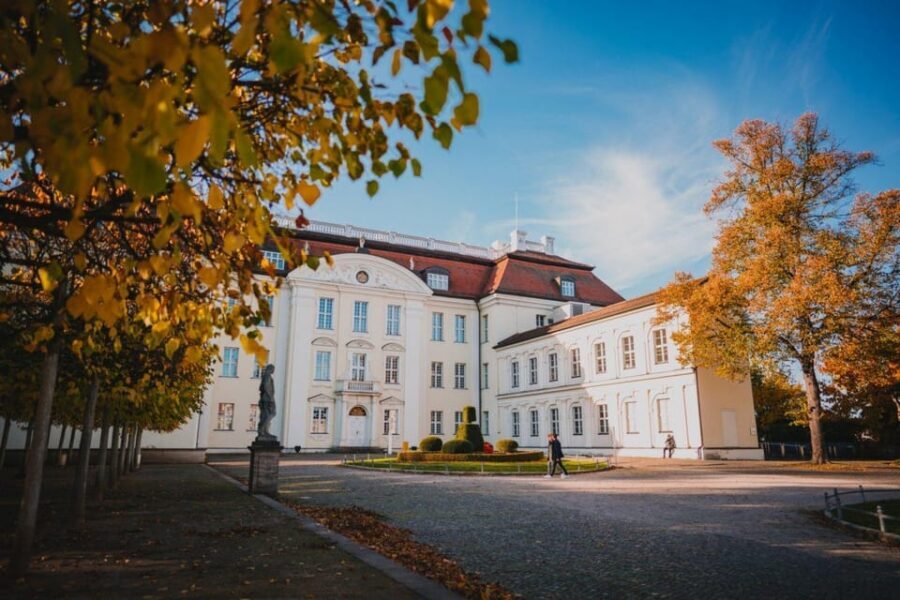
- Aurora Hall is the meeting point, so plan to arrive a little early and settle before the music starts.
- Programs run about 90 minutes, which makes this easy to pair with other Berlin sights.
- You’ll see a real mix of classical styles, including opera duets, Mozart song cycles, and Bach violin sonatas.
- Free museum admission is included, so you can turn the evening into a longer cultural stop.
- Concert rules are strict: no alcohol, no drugs, no audio recording.
- The provider is Berliner Schlosskonzerte, and the format is designed for a serious listening experience.
Köpenick Palace and Aurora Hall: a compact concert setting in Berlin
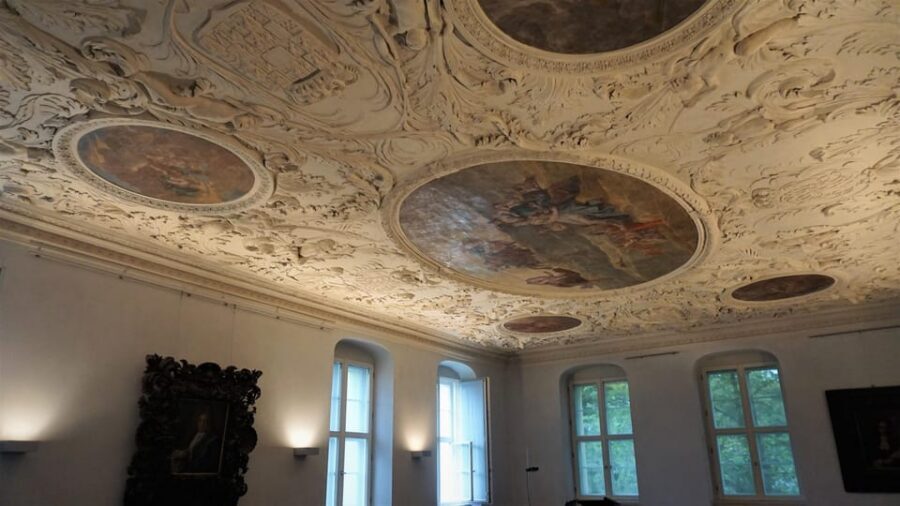
If you think Berlin means big stages and huge crowds all the time, Köpenick Palace can reset that. Aurora Hall is built for an intimate kind of attention where the music stays center stage and the mood feels more ceremonial than casual.
Köpenick itself sits a bit apart from the classic tourist core, which can be a plus. You’re going to a palace setting, not just a concert room, and that matters for your mindset. Even before the first note, the surroundings signal that this is about music and form, not nightlife.
The space is also accessible in practical ways: the event is wheelchair accessible, which is a real advantage if you need step-free options. From the information you have, the “front door” idea is simple—show up at Aurora Hall—so you’re not hunting around trying to figure things out mid-trip.
You can also read our reviews of more tours and experiences in Berlin


How the 90 minutes works (and how to plan your evening)
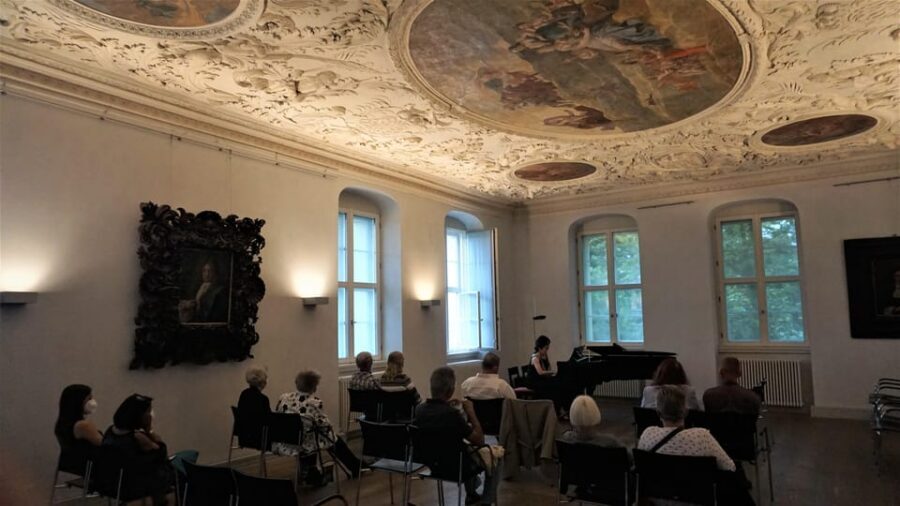
This concert experience is 90 minutes, so it’s built like a musical “chapter” rather than a full night out. For planning, that’s gold. You can pair it with museum time, dinner nearby, or even a morning sightseeing block without wrecking your schedule.
A smart way to approach it: treat the hall like a listening space from minute one. You’ll want to arrive with your mindset set to focus, because the rules are strict (more on that below). If the music is your goal—and it usually is at concerts like this—you’ll enjoy the format more when you’re not thinking about getting up halfway through.
Also, keep expectations realistic about comfort. One report highlighted lack of air-conditioning and excess warmth, so dress like you might be in a warmer indoor room than you’d prefer. I’d rather see you in a breathable layer than regretting too-thick clothes once you’re seated.
Finally, don’t forget the included bonus: free museum admission. That turns the evening from a single event into a small cultural arc. Even a brief museum visit before the concert can make the palace setting feel less random and more connected.
The 2026 concert calendar: pick your vibe, then match the program
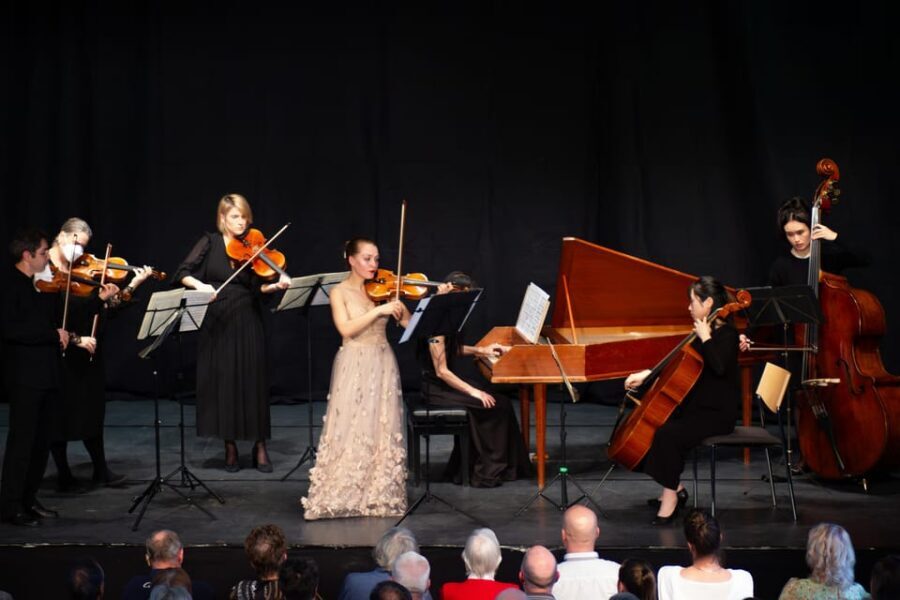
What’s fun here is the variety. These aren’t just repeats of the same “greatest hits” style. The 2026 line-up is clearly designed for different tastes—romance, Mozart, sacred drama, keyboard works, violin sonatas, and even Iberian sounds.
Here’s the schedule you can aim for in 2026:
February 15, 2026: Pure Romance – Romantic Duets
This one leans into voice-forward music. Inês Pinto (soprano) and Kristina Naudé (alto) are joined by Beatrice Wehner-Schaller on piano. If you like the feeling of opera and duet writing—where voices braid together—this is likely the most emotionally direct choice.
March 8, 2026: Mozart Piano Works Complete Performance (Program 2)
Maria-Magdalena Pitu-Jokisch plays piano. This is for people who enjoy the architecture of Mozart’s writing—clear lines, careful phrasing, and the satisfaction of hearing a focused set rather than a few excerpts.






March 22, 2026: Mozart: Songs, Arias, and Duets
Yuri Mizobuchi (mezzo-soprano) and Stephen Barchi (baritone) with Graham Cox at the piano. This program sounds like the ideal bridge between solo vocal pieces and duet drama. If you enjoy opera-adjacent storytelling without necessarily needing a full theatrical production, this should land well.
March 29, 2026: The Seven Last Words of the Savior on the Cross
This is a heavier, more contemplative choice, performed by the Mozart Ensemble Berlin. If you like music that moves like a conversation between grief and hope, this is the evening to choose.
April 3, 2026: The Music Book of Frederick the Great
Susanne Ehrhardt plays recorders and Yuko Tomeda is on harpsichord. This is for people who like distinctive instrument colors—recorders can sound bright and intimate, and a harpsichord changes how time feels in the music.
April 4, 2026: Mozart Piano Works Complete Performance (Program 3)
Naoko Fukumoto on piano. If you already enjoy Mozart’s keyboard world, a “complete performance” program format is a strong sign you’ll hear a cohesive artistic plan rather than a sampler.
April 5, 2026: Piano magic for 4 hands
Naoko Fukumoto and Maria-Magdalena Pitu-Jokisch share the keyboard. Four-hands piano is a special vibe—rhythms sync, melodies trade, and the music gains a playful momentum. If you want something that still feels “classical serious” but a touch lighter, this is a good bet.
April 6, 2026: Classical violin sonatas
Annegret Pieske (violin) and Victoria Litsoukova (piano). Violin sonatas often feel like debates in the best way: the instruments argue, agree, and then sweep into shared emotion. Great if you want variety without the complexity of an opera cast.
May 1, 2026: Schubert Potpourri
Stephen Barchi (baritone) and Maria-Magdalena Pitu-Jokisch on piano. A potpourri format usually means you get a broader slice of a composer’s world in one sitting—less “complete cycle” and more “walk through the landscape.”
May 10, 2026: Bach Violin Sonatas (2)
Marianne Boettcher (violin) and Yuko Tomeda (harpsichord). Bach and harpsichord is a classic match. If you like structure, counterpoint, and that feeling of music built from interlocking gears, this has strong appeal.
May 17, 2026: Piano music to dream to
Maria-Magdalena Pitu-Jokisch performs. The title hints at mood. This is likely the “slow evening” choice—ideal if you want a calm counterweight to Berlin sightseeing.
May 31, 2026: Iberian sounds
Inês Pinto (soprano) and Márcio Silva (guitar). If you want color and a different musical accent, this is the program to look for. Guitar in a palace concert setting is a great way to keep things fresh and less predictable.
Why opera, piano, and small ensembles fit Aurora Hall
Classical concerts can go one of two ways: either the venue disappears into the background, or it adds atmosphere without overpowering the music. Aurora Hall seems designed for the second case. You’re in a palace setting, but the experience is still focused on listening—especially since audio recording is not allowed.
That rule matters more than you might think. When people aren’t pulling out phones or microphones, the audience tends to behave like listeners rather than content producers. It’s a small difference, but it changes the energy of the room.
The programs themselves also fit the venue. Duets, Mozart vocal works, piano sets, and ensemble pieces all benefit from an intimate listening space. Even if you’re not a classical “insider,” you can follow along to the structure of music: who leads, who answers, and how the harmony shifts with each phrase.
One note from the experience reports: the atmosphere can tilt warm. That doesn’t ruin the listening experience for everyone, but it can affect how long you stay comfortable in your seat. If you tend to run hot, plan for that and bring breathable clothing.
Artists to watch for in 2026 (and how to choose based on their roles)
If you’re picking a concert date, use the performer details as your shortcut.
- Vocal programs: Look for Inês Pinto (soprano), Kristina Naudé (alto), Yuri Mizobuchi (mezzo-soprano), and Stephen Barchi (baritone). When you see a soprano/alto or mezzo/baritone pairing, it usually signals duet-heavy music, which many people find emotionally immediate.
- Keyboard and Mozart cycles: Maria-Magdalena Pitu-Jokisch and Naoko Fukumoto appear in multiple Mozart piano programs, plus there’s a four-hands piano performance. If you like hearing a composer’s “voice” through the same instrument across an evening, these are the dates to prioritize.
- Period-instrument interest: Susanne Ehrhardt on recorders and Yuko Tomeda at the harpsichord show up in the Frederick the Great program and the Bach Violin Sonatas (2) slot. If harpsichord sound and older-instrument textures appeal to you, those nights likely feel especially distinctive.
- Guitar and Iberian flavor: Márcio Silva on guitar in May is the clearest ticket toward a broader European color palette, with a vocal partner in the mix.
There’s no wrong choice, but you’ll enjoy the evening more if you match the program type to your mood. Want romance or drama? Go vocal and duet-heavy. Want clarity and structure? Choose the Mozart piano or Bach sonatas nights. Want something lighter and less expected? Try four hands or the Iberian sounds.
Value for a $33 concert ticket in a palace setting
At $33 per person for a 90-minute classical concert, this can be a strong value—especially because free museum admission is included. You’re not just paying for a single performance; you’re buying a cultural outing that uses the palace as more than decoration.
The cost also makes it easier to take a risk on a program you’re curious about. In Berlin, tickets for classical music can vary wildly, and it’s often harder to justify trying one you’ve never heard of. Here, the price point lowers the barrier.
That said, value only stays value if you get an actual performance. One low-score report mentions a booked event that did not take place, with no response at the time. You can’t control rare issues, but you can control your habits: confirm your booking close to the date and keep your contact details up to date, especially if you’re traveling from out of town.
Palace concert rules that shape the whole experience
This is a concert with clear expectations. Alcohol and drugs are not allowed. Audio recording is also not allowed. Those rules usually make the listening experience better for everyone, because the hall stays quieter and more respectful.
It also means you should come ready to enjoy with your senses, not your files. I’d suggest bringing a small shawl or layer for comfort. With reports of heat and the no-recording environment, you’ll likely be settled in for the full session.
Since the event is wheelchair accessible, it’s reasonable to expect the venue staff plans for different needs. You’ll still want to arrive on time, so you’re not rushed in seating.
Comfort and one real-world snag to plan around
Let’s talk about the one practical downside that shows up in real life: warmth. A report described conditions in the hall as too hot due to no air-conditioning. That can matter in February and shoulder seasons when you might expect comfortable indoor temperatures.
How to handle it:
- Wear breathable clothes and consider a light outer layer you can remove.
- Arrive a bit early so you’re not already sweaty when the lights go down.
- If you know you’re sensitive to heat, choose a program in a milder month if you have flexibility.
There’s also the rare but important risk that an event could fail to run. One severe review flagged a performance that did not take place. I can’t predict that outcome, but it’s a reminder: always check the day-of status and keep an eye on your booking confirmation.
Should you book this Berlin classical concert at Köpenick Palace?
I’d book it if you want a 90-minute classical evening with real variety across opera, Mozart, Bach, Schubert, and vocal duets—inside a palace hall where the atmosphere is part of the experience. It’s also a good value because the ticket includes free museum admission, turning it into more than just a quick stop.
I’d think twice if you’re highly sensitive to heat, since reports point to an uncomfortable lack of air-conditioning in the hall. And if you’re booking for a tight travel window, build in a little buffer so you can handle last-minute changes calmly.
If you match the program to your taste—romantic duets for emotion, Mozart piano for structure, Bach for counterpoint, Iberian sounds for color—this is the kind of Berlin night you’ll remember for the right reasons: focused music, a beautiful historic setting, and a simple schedule that doesn’t eat your whole day.
FAQ
Where is the concert meeting point?
The meeting point is Aurora Hall at Köpenick Palace.
How long is the concert?
The concert experience lasts 90 minutes.
Is there free museum admission included?
Yes. Free museum admission is included with the concert experience.
Is the venue wheelchair accessible?
Yes, the experience is wheelchair accessible.
Are audio recordings allowed during the concert?
No. Audio recording is not allowed.
What is the cancellation policy?
You can cancel up to 24 hours in advance for a full refund.