REVIEW · BERLIN
Berlin: Entry Ticket To The Kunstgewerbemuseum
Book on GetYourGuide →Operated by Distributor: GetYourGuide Tours & Tickets GmbH · Bookable on GetYourGuide
One museum, two moods, and lots of shiny detail. This entry ticket is a smart way to see Berlin’s decorative-arts highlights without overpaying, and I especially like the chance to spot gold-and-gem reliquaries alongside everyday design objects. One thing to consider: the collections are big, but some rooms can feel dim, so if you’re sensitive to lighting you may want extra time.
Your ticket gives you 1 day to explore at the museum’s two Berlin exhibition locations—one at the Kulturforum near Potsdamer Platz and another at the picturesque Köpenick Castle on a peninsula. Audio guides cost extra, so if you want deeper background on what you’re seeing, plan to read signs or bring your own notes.
In This Review
- Key things to notice before you go
- Kunstgewerbemuseum: why decorative arts feel so Berlin
- Price and value: what $11 gets you (and what it doesn’t)
- Where to start: Matthäikirchplatz and your first impressions
- Main museum vibe: craftsmanship from medieval to modern design
- Kulturforum near Potsdamer Platz: where design conversations feel modern
- Köpenick Castle on a peninsula: 16th–18th century art of space
- What to look for: the objects people remember
- Timing and pacing: how to fit both sites into one day
- Practical tips to make your visit smoother
- Who this ticket suits best
- Should you book this entry ticket?
- FAQ
- How much does the Berlin Kunstgewerbemuseum entry ticket cost?
- How long is the ticket valid for?
- Where is the meeting point?
- Is an audio guide included?
- Is a tour guide included?
- Is the experience wheelchair accessible?
- Is it refundable?
Key things to notice before you go
- Oldest decorative arts museum in Germany: you’re stepping into a long-running tradition of craftsmanship and design.
- A mix of time periods: medieval and early-modern objects sit near later design, which makes the evolution feel tangible.
- Two exhibition sites in Berlin: plan your route so you don’t waste the day bouncing around.
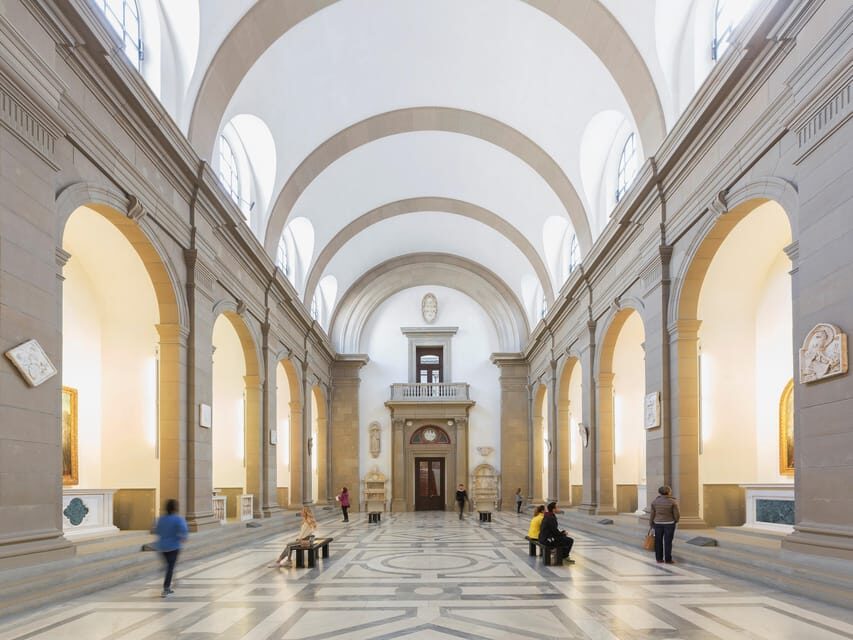
- Showpiece-style presentation: spacious rooms and an open staircase help you get your bearings fast.
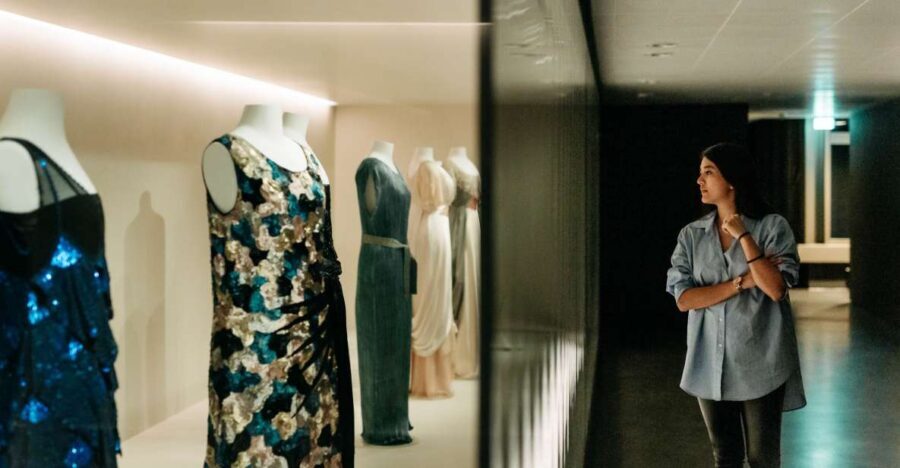
- Standout categories: woodwork, ceramics, silver/gold-smithing, glassware, furniture, and fashion show up as major threads.
- Tiergarten-adjacent vibe: museum greenery visually connects to the lush park atmosphere nearby.
Kunstgewerbemuseum: why decorative arts feel so Berlin
If you like the idea that design is history you can touch, the Kunstgewerbemuseum fits the mood perfectly. Instead of treating art as something sealed behind glass and labels, this museum highlights making—how people shaped materials, built objects, and dressed bodies. The result is that you’re not only looking at finished work; you’re seeing the skill behind it.
Two parts are especially satisfying for a first-time visit. First, the museum’s focus on decorative arts pulls you into craftsmanship that ranges from medieval times forward. Second, it doesn’t just stick to one type of object: you get everything from precious reliquaries (gold and precious stones) to furniture, ceramics, glass, and fashion pieces. It’s the kind of variety that keeps you from zoning out.
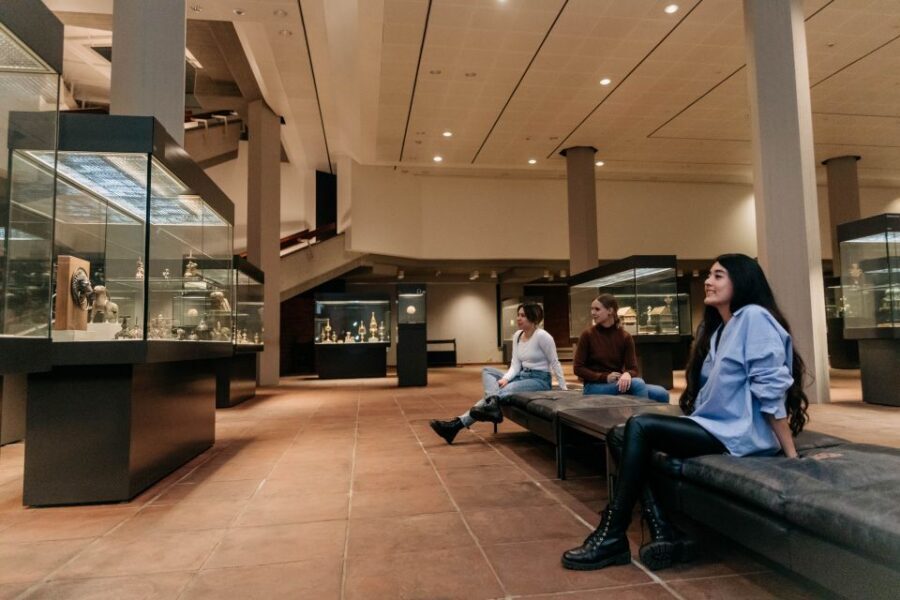
The main thing to watch is your expectations around scale and lighting. It’s described as a spacious museum with exhibition rooms and an open staircase, but one practical note from experience-style feedback is that lighting in some areas can feel quite dark. If you need bright, easy-to-read viewing conditions, budget extra time and don’t rush the galleries.
You can also read our reviews of more tours and experiences in Berlin


Price and value: what $11 gets you (and what it doesn’t)
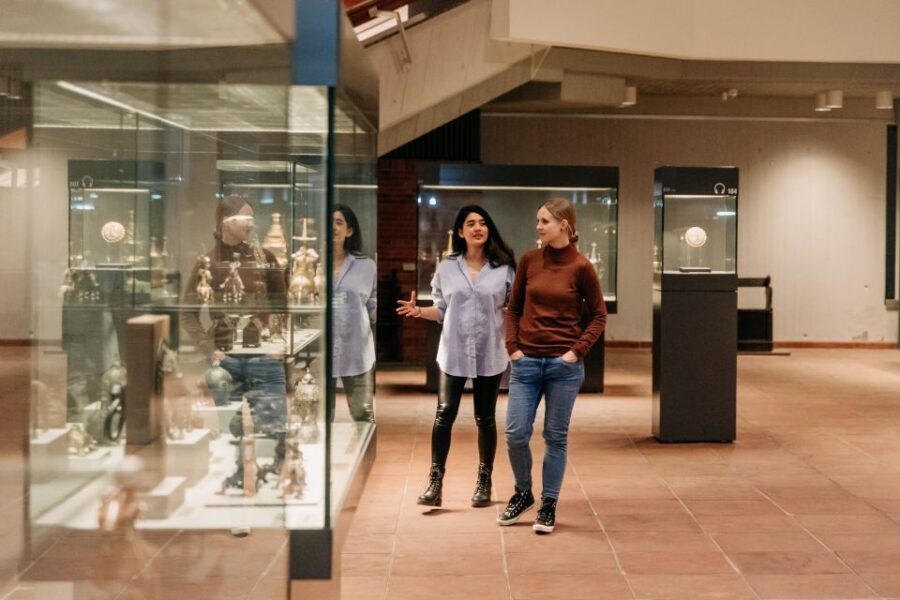
At around $11 per person for a 1-day ticket, this is priced in the “good deal” category—especially when you consider what’s on the menu. You’re paying for entry to a museum that covers multiple material worlds: metalwork, glassware, porcelain, woodwork, furniture details, and even dress and textile-related pieces.
What you should know up front: the ticket includes entry only. An audio guide and a tour guide are not included. That’s not a dealbreaker, but it changes how you’ll experience the museum. Without an audio guide, you’ll rely on whatever context you can pick up from the signage and your own curiosity. If you’re the type who likes guided storytelling, you might want to supplement with a phone app or do a quick pre-read so the objects feel more connected when you’re inside.
Also note: the activity is non-refundable. Since it’s tied to a specific plan for a day in Berlin, I’d only book if you’re confident you’ll be in the city and ready to commit to that schedule.
Where to start: Matthäikirchplatz and your first impressions
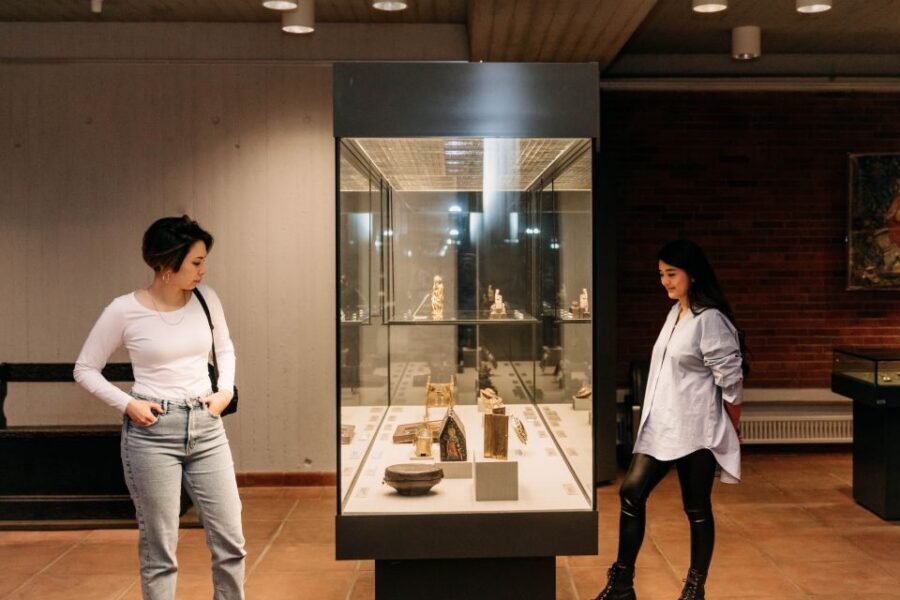
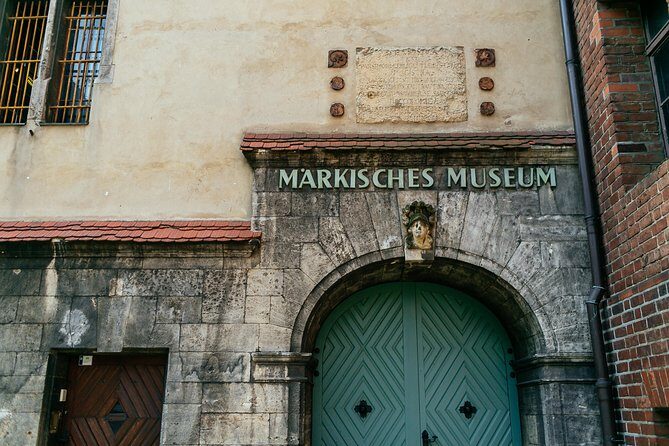
Your meeting point is listed as Kunstgewerbemuseum, Matthäikirchplatz (10785 Berlin). That matters because it places you at the entry point for the museum experience, so your first move is simply to get oriented and pick a direction.
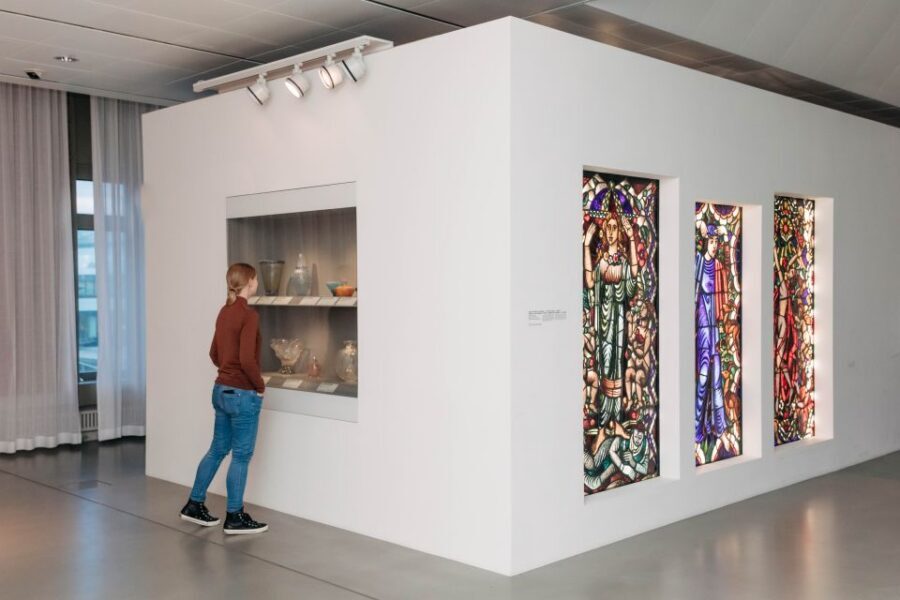
The museum is set up to help you pace yourself. You’ll find spacious exhibition rooms and an open staircase, which is useful because it lets you quickly see where you are in the building and how the flow connects to the rest of the collection. If you’ve ever visited museums where you feel trapped in one wing, this open layout is a relief—it’s easier to make a plan and keep moving.
Here’s a practical tip: give yourself a short “warm-up” period. Start with the galleries that match what you’re most excited to see—like fashion, glass, or precious metalwork—and let that lead you into the rest of the museum. It keeps the day from turning into a generic walk-through.
Main museum vibe: craftsmanship from medieval to modern design
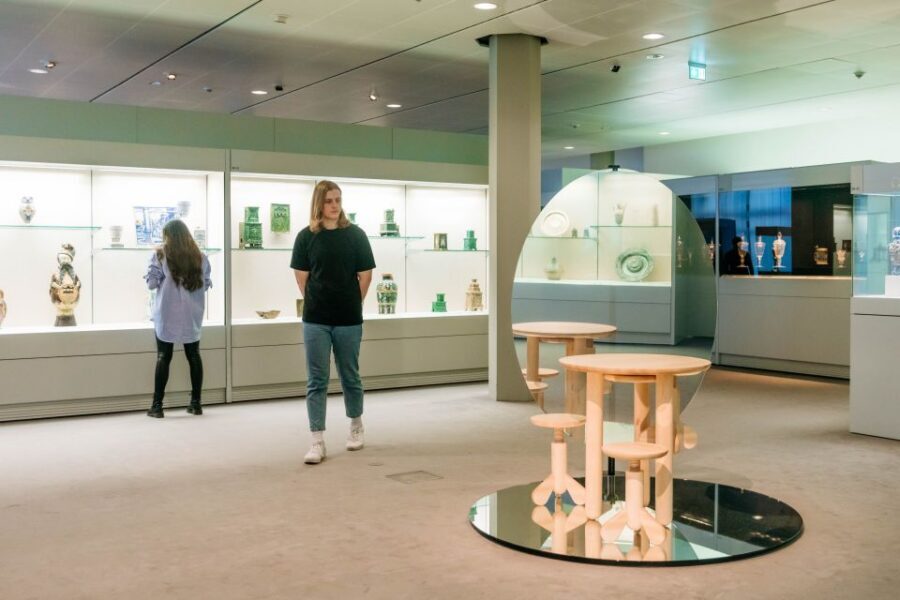
The Kunstgewerbemuseum presents itself as a place where European craftsmanship and design are treated as central, not side stories. The museum is described as the oldest museum of decorative arts in Germany, and that helps you understand the atmosphere: it’s not trying to be new and loud. It’s focused on objects, on making, on form and material.
One reason this works well on a single-day ticket is that the museum includes a mix of permanent and special exhibitions. You can expect classic categories: ornate reliquaries of gold and precious stones; vases made from glass or porcelain; finely embroidered dresses; detailed furniture; and also examples connected to modern industrial design. That time-jumping is part of the value. It helps you notice how design logic travels—techniques change, tastes shift, but the thinking behind objects often stays recognizable.
If you want to get the most out of the museum without getting overwhelmed, I’d choose a “two-track” strategy:
- One track in materials (metal, glass, ceramics, wood)
- One track in human use (fashion, furniture, daily objects)
That way, even if you hit a gallery that isn’t your favorite, you’ll still be collecting connections all day.
Kulturforum near Potsdamer Platz: where design conversations feel modern
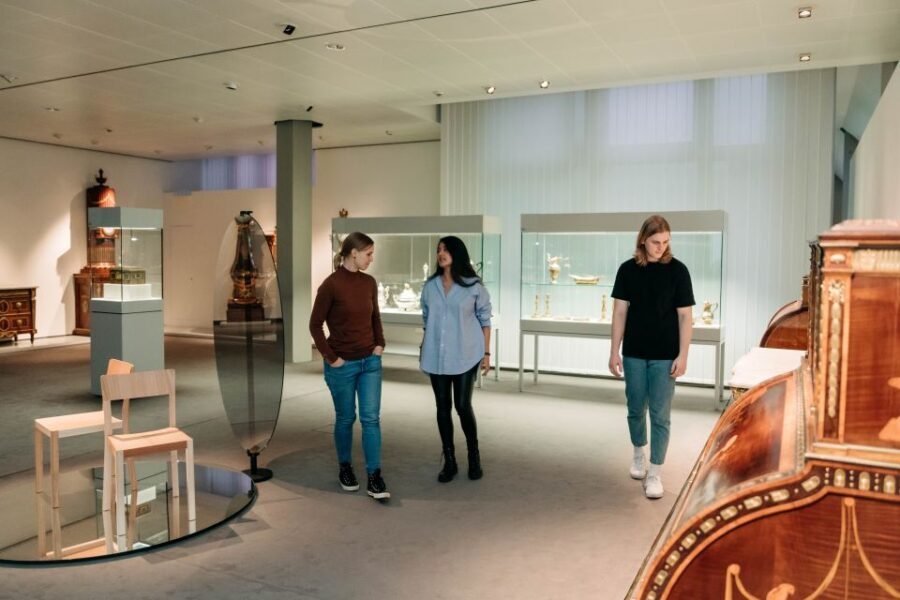
One of the museum’s exhibition locations is at the Kulturforum near Potsdamer Platz. This is where you may feel the museum’s relationship to later design more strongly, since the museum includes examples of modern industrial design alongside earlier decorative traditions.
This location is great if you like the idea of comparing “then and now.” When you walk from older craft traditions into more modern design expressions, you can see how the museum frames design as an ongoing language. Even without a guided talk, the objects often do the explaining—shapes, materials, and construction methods become the narrative.
Possible drawback: depending on the day and exhibition rotation, you might find fewer fashion or textile moments than you hoped for, and the lighting can be a challenge in some rooms. If fashion is a top priority, plan to spend extra time at the site where dress-related pieces are most prominent, and don’t assume one location will cover everything.




Köpenick Castle on a peninsula: 16th–18th century art of space
The second exhibition site is at Köpenick Castle, located on a peninsula in the Dahme. The special focus here is the art of space from the 16th to the 18th centuries. If you enjoy how rooms, architecture, and objects shape each other, this setting is a big part of the appeal. You’re not only viewing historical design; you’re experiencing historical space.
This site can work as a perfect “pause” from the denser feel of a museum interior. A castle location tends to slow you down, and the museum concept here leans into that. You’re looking at objects designed to be part of rooms and routines—so the connection between furniture, ornament, and lived-in space is easier to sense.
One practical consideration: castle visits often mean you’ll walk a bit more than you expect between areas and levels. Since your ticket covers one day, it’s worth planning your order of visits so you don’t end up rushing through the more interesting rooms. Give this site the time it deserves.
What to look for: the objects people remember
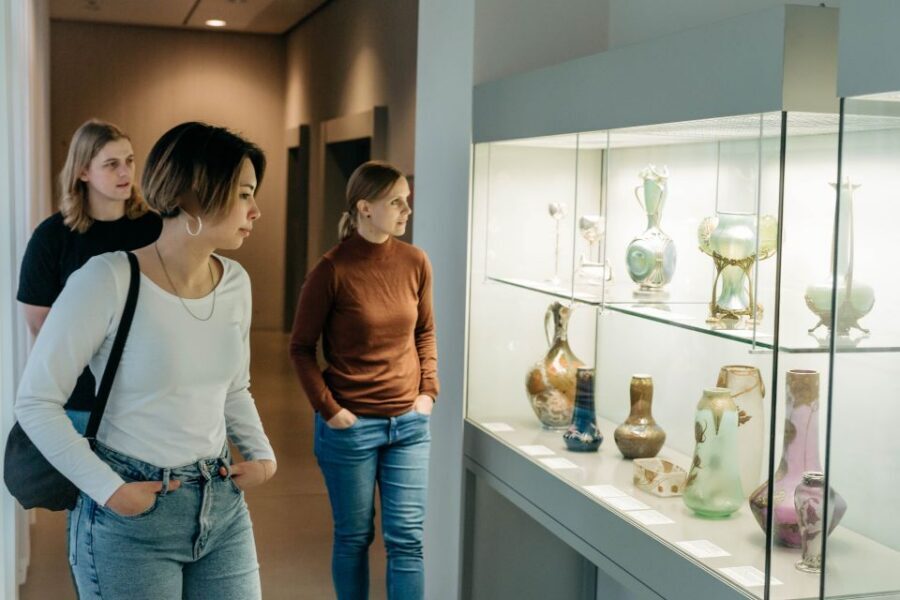
From the standout feedback and the museum’s described collection, these are the categories that tend to grab attention. I recommend using them like a checklist, so your visit feels intentional instead of random.
- Precious reliquaries: gold and precious stones aren’t just pretty; they show how people used ornament to express belief and status.
- Glass and porcelain vases: look closely at how form and surface finish work together. Even simple objects can reveal craft logic.
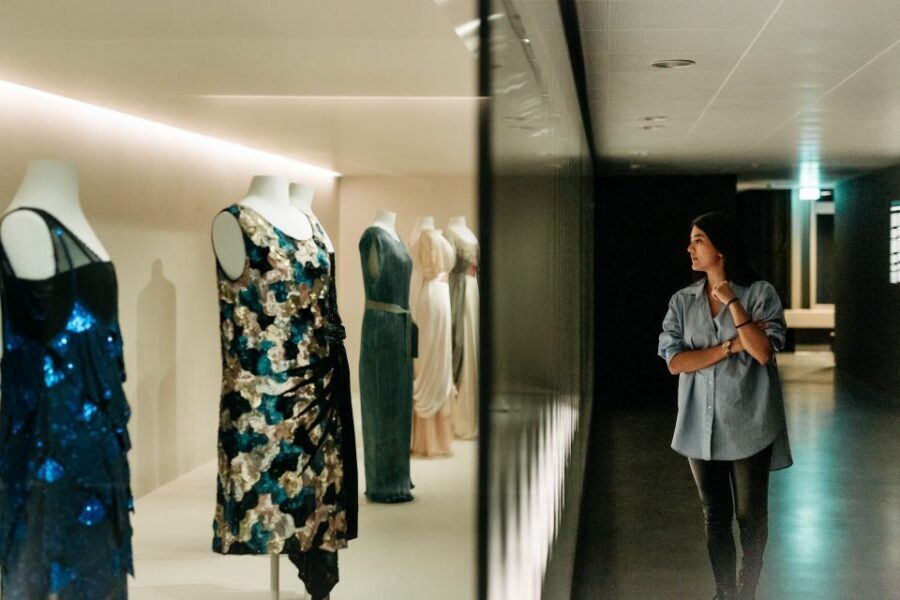
- Finely embroidered dresses: fashion here isn’t treated as modern shopping. You’ll be able to see how clothing construction and decoration communicate identity.
- Detailed furniture: furniture is where craftsmanship becomes “architecture you can move.” Pay attention to joinery, surfaces, and decorative elements.
- Woodwork and wooden art: one memorable mention was that wooden artworks can hold your attention for a long time—so don’t treat them as background.
- Silver and gold-smithing: these pieces are great for first-time visitors because they make the museum’s craft focus obvious.
There’s also an overall museum design approach described as roomy and structured, with an open staircase and exhibition spaces that feel planned rather than cramped. And there’s greenery involved in the experience. The museum reflects the nearby park atmosphere—Tiergarten—so if you enjoy the idea of art and nature sharing the same day plan, this place fits.
Timing and pacing: how to fit both sites into one day
Because the museum’s exhibitions are in two Berlin locations, the main “itinerary” challenge is simple: don’t over-schedule. With a 1-day valid ticket, you’ll get the most value if you treat the day as a route with breaks, not as a sprint.
A smart pacing plan looks like this:
- Start where you have the easiest morning energy for your top priority (fashion, goldwork, or woodwork).
- Take a break between locations, especially if you’re switching from one mood (craft interiors) to another (castle-space context).
- Leave your second location with enough time to slow down. The Köpenick Castle setting is the one that often benefits from a calmer pace.
Also keep in mind that you’re not limited to one “perfect” path. The museum flow is built to help you move through exhibition rooms and climb via the open staircase, so you can choose what to prioritize instead of following a rigid route.
If you’re visiting without an audio guide (since it isn’t included), plan to spend a little time early scanning for signage that explains what you’re about to see. That one habit can turn a long visit from “interesting objects” into “connected themes.”
Practical tips to make your visit smoother
A few small choices can make a big difference in comfort and enjoyment.
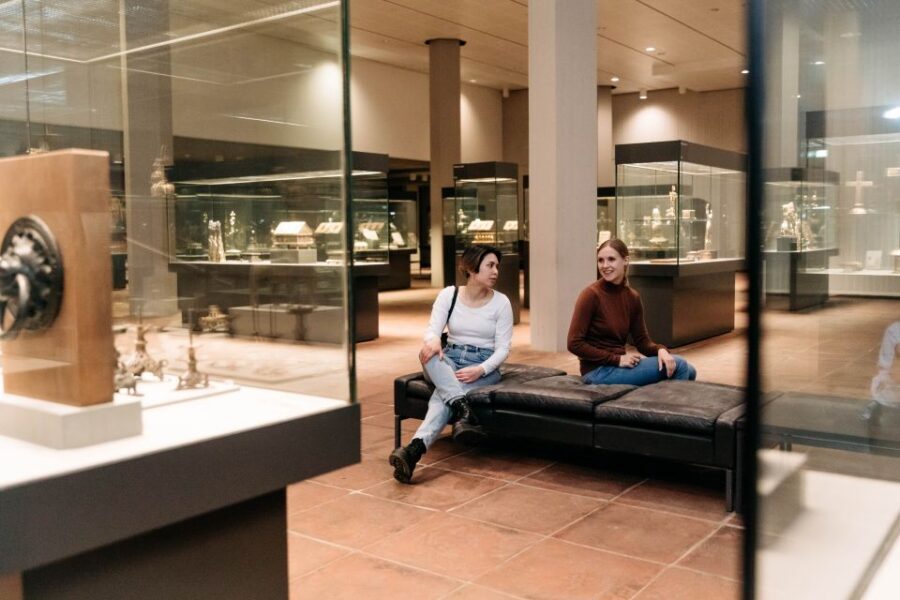
- Bring patience for lighting. If some galleries are dim, don’t fight it—adjust your pace and give your eyes time.
- Don’t plan for everything. Even with a full day, you’ll likely hit what you love most and still have items you miss. That’s normal for a museum like this.
- Plan for extra reading time. Since audio guides aren’t included, you’ll get more meaning by spending a bit longer with the object descriptions.
- Mask guidance is flexible. A medical or FFP2 mask is recommended but not mandatory. Use that as your comfort guide.
- Comfort matters more than you think. With a castle option and museum galleries, you’ll do a fair amount of walking and standing. Wear shoes you trust.
If you like museums where materials do the talking, this is a great fit. You get a rare blend: precious historical objects, everyday design categories like glass and furniture, and fashion-related pieces that help you see how art touches the body.
Who this ticket suits best
This entry ticket is ideal if you want a museum day that feels practical, visual, and craft-forward. You’ll probably love it if:
- you’re curious about decorative arts across centuries
- you like comparing design styles rather than only chasing paintings
- you enjoy fashion and want it shown alongside materials and construction
- you want value for a low ticket price with enough variety to sustain a full day
It may be less satisfying if you want a very guided experience, because no tour guide and no audio guide are included. In that case, you’ll have to lean on reading and your own discovery.
Should you book this entry ticket?
I’d book it if you want a strong Berlin museum day for a modest price and you’re excited by craftsmanship—goldwork, ceramics, glass, furniture detail, and fashion pieces. It’s also a good call if you’re planning to spend time around Potsdamer Platz and you’d like to add the Köpenick Castle setting as a second chapter.
Skip it only if you know you need an audio guide or a guided storyline to keep your attention, because the ticket is entry-only. With that caveat, this is a smart, flexible way to see why decorative arts history still matters—right down to the smallest design choices.
FAQ
How much does the Berlin Kunstgewerbemuseum entry ticket cost?
The price listed is $11 per person.
How long is the ticket valid for?
It’s valid for 1 day. You’ll also see starting times based on availability.
Where is the meeting point?
The meeting point is Kunstgewerbemuseum, Matthäikirchplatz, 10785 Berlin.
Is an audio guide included?
No. Audio guides are not included in the price.
Is a tour guide included?
No. A tour guide is not included.
Is the experience wheelchair accessible?
Yes, it is wheelchair accessible.
Is it refundable?
No. The activity is non-refundable.