REVIEW · BERLIN
Berlin: Guided Bike tour of the Berlin Wall and Third Reich
Book on Viator →Operated by FREE BERLIN Bike Tours · Bookable on Viator
Berlin reveals its darkest secrets on two wheels. This 3-hour guided bike tour strings together Wall remnants, Third Reich-era corners, and multiple Holocaust memorials with an easy-on-your-legs ride plan. I particularly love the bike-and-helmet comfort, because it lets you focus on the stories instead of traffic or gear.
I also like how the tour is built around a local guide’s route and safety habits, so you’re not stuck at random photo spots. You’ll stop often enough to stay oriented, but each stop is kept moving so the big picture actually lands. One thing to keep in mind: because routes can vary, you may not see every named location in the exact order you expect.
In This Review
- The value question: why $42.34 works (and when it won’t)
- Why Berlin Wall history clicks better on a bike
- Nikolaiviertel: the old-town start that makes bomb history feel real
- A Jewish history stop and the courage story behind a saved synagogue
- The Berlin Wall: places where it still feels physically real
- Beyond the main Wall line: Gunter Litfin and the meaning of escape
- Nazi-era architecture and the Big Hall dream you’ll never see
- Reichstag and the outside story of power and democracy
- The Holocaust Memorial: why scale becomes part of the lesson
- Fuhrerbunker: the parking lot that stands in for absence
- Checkpoint Charlie: the Cold War tense moment
- What the ride is like: pace, bike comfort, and “group reality”
- Picking your tour day: who this is best for
- Should you book this Berlin Wall and Third Reich bike tour?
- FAQ
- How long is the Berlin Wall and Third Reich bike tour?
- What’s the price per person?
- Is a bike and helmet included?
- Where is the meeting point?
- Does the tour run in bad weather?
- Is there an admission ticket cost for the stops?
- What language options are available?
- How large are the groups?
- Can children join?
- What is the cancellation policy?
- Is food included?
The value question: why $42.34 works (and when it won’t)
At about $42 per person for roughly 3 hours, this is a good deal if you want more than a quick drive-by. You get a real city bike, a helmet, a professional guide, and a schedule with many history-heavy stops spread across central Berlin. That math gets even better if you’re coming from out of town and would otherwise pay for transit + a separate museum ticket.
That said, this tour isn’t a slow museum crawl. You’re moving, listening, biking, then moving again. If your goal is to linger for long periods at memorials, you’ll probably want to come back later on your own time.
One more “plan it right” note: the FREE BERLIN concept means guides design routes along the same theme, but not every bike tour will match a checklist perfectly. If there are must-see sites for you, I’d go in with flexibility.
Why Berlin Wall history clicks better on a bike
Berlin is flat, wide, and bike-friendly in practice. That matters here, because the Wall story isn’t just one wall line you stand next to. It’s a web of borders, neighborhoods, escape routes, surveillance, and political decisions that shaped daily life.
On a bike, you get something walking alone can struggle to deliver: movement through space. You can feel how far apart places were and how the city was reorganized around the divide. You also get a steadier flow between major themes: early old-town Berlin, Jewish history and courage, the Wall’s physical reality, Nazi-era planning and architecture, then the Holocaust memorial landscape.
Guides tend to balance facts with human scale. In real groups, they also try to keep everyone together and moving safely. In reviews, I saw mention of guides splitting bigger groups into smaller riding units when needed, and giving clear instructions before busier stretches.
You can also read our reviews of more cycling tours in Berlin
Nikolaiviertel: the old-town start that makes bomb history feel real
You begin in Nikolaiviertel, often described as Berlin’s “real” old town. The practical point isn’t medieval cosplay. It’s that this area gives you a baseline for what was here before the 20th-century rupture—so later stops don’t feel like random points on a map.
The tour frames the question you should ask while you’re there: how old is this place, really, especially when you think about Berlin’s wartime destruction. Even if you don’t focus on dates, it helps you visualize the scale of what was lost and what had to be rebuilt.
This is also a smart opener on a bike tour. You get rolling early, you build confidence with the bike, and you’re already learning how guides connect locations into a story, not just a list of attractions.
A Jewish history stop and the courage story behind a saved synagogue
Next is Stiftung Neue Synagoge Berlin – Centrum Judaicum, where the tour spotlights the story of civil courage during the night of broken glass. That phrase matters because it anchors the “why” behind the later memorial stops. This isn’t abstract tragedy. It’s targeted persecution followed by attempts to erase community life.
You’ll also want to watch how the guide explains the surrounding context—how one location can carry a whole chain of events. You’ll get a short stop here, but it sets the emotional gear shift for what comes next.
Right after this, the route includes a memorial for deportation victims and Holocaust victims that was designed in GDR times, which the tour presents as a sharper contrast to the more famous memorial near the Brandenburg Gate area. The takeaway: Berlin remembers in different styles, and those styles reflect politics, decades, and who had the voice in each era.
The Berlin Wall: places where it still feels physically real
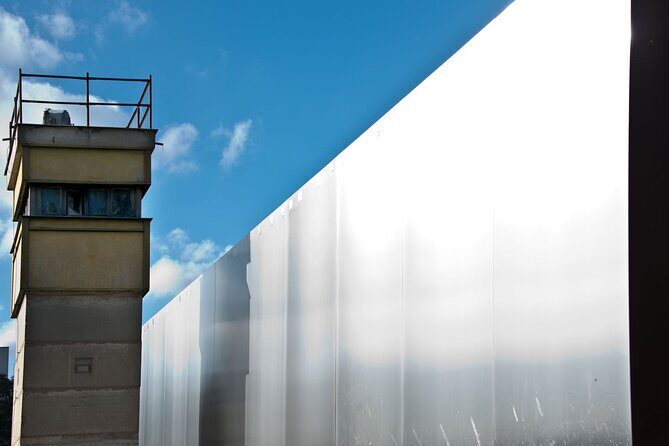
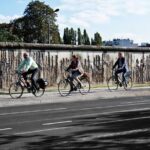
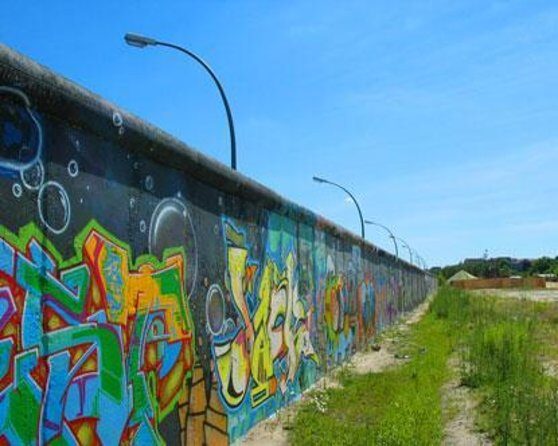
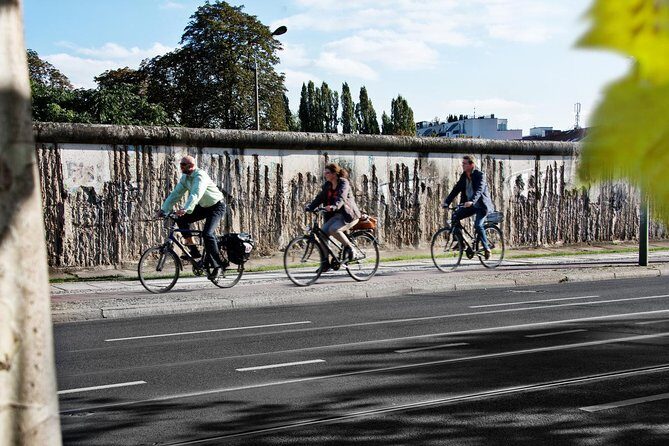
The tour’s anchor stop is the Memorial of the Berlin Wall, described as one of the locations where the Wall is still alive and you can actually understand what it meant to people in Berlin. This is where cycling through a city becomes more than sightseeing. You start measuring history in barriers, risk, and the human cost of control.
Expect a short, high-impact window. The tour frames it as educational but also experiential—meaning the guide doesn’t treat it like trivia. You’ll likely talk through how the Wall functioned in practice, not just what it looked like.
From there, you head toward Mauerpark, a place known for its Sunday flea market today. The contrast is the point. A city that lived 28 years with the Wall’s constraints slowly turned parts of that pressure into space for free expression. In a place like this, you can see how Berlin’s post-Wall identity didn’t erase the past—it repurposed it.
Beyond the main Wall line: Gunter Litfin and the meaning of escape
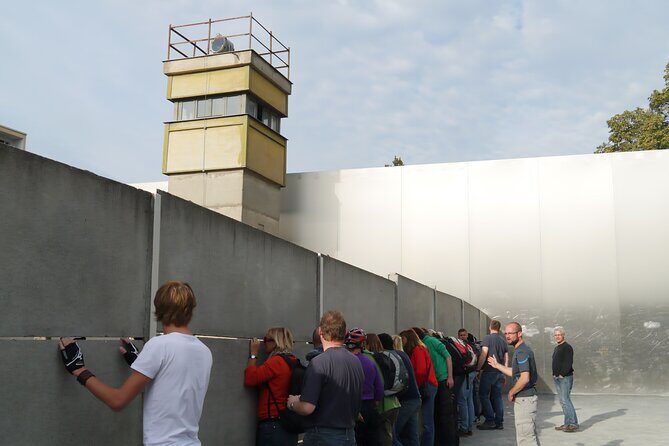
One of the most poignant stops is the Gunter Litfin Memorial at a preserved watchtower. The tour keeps it focused on the basics that hit hard: Litfin was the first person shot at the Wall. That makes the tower more than architecture. It becomes a marker of the moment the Wall’s violence became a daily reality.
Then you reach Invalidenfriedhof, a burial ground cut in the middle by the Wall. The tour ties this to escape stories because it’s near former checkpoints and also close to a canal that acted as a natural border between east and west Berlin.
This part is valuable because it shows the Wall wasn’t only a city-wall or border post. It sliced through landscapes and institutions, including places where the dead were laid to rest. If you like history that connects policy to everyday outcomes, this cemetery stop will be a highlight.
You can also read our reviews of more guided tours in Berlin


Nazi-era architecture and the Big Hall dream you’ll never see
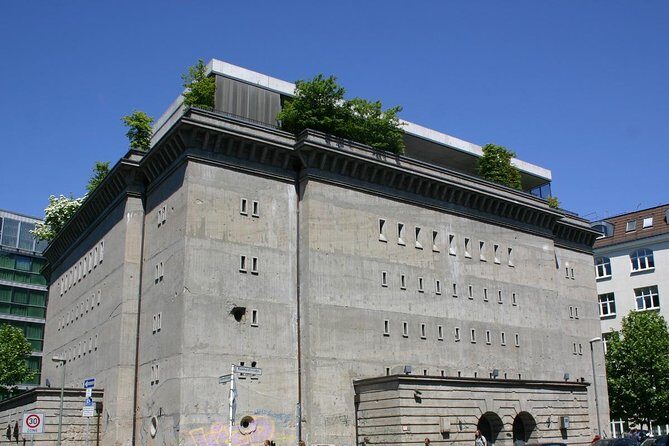
The tour includes Humboldthain Flak Tower, once a giant fortress and air-raid shelter. It’s both a physical structure and a teaching tool. The guide uses it to explain Nazi-architecture and what those buildings were meant to do in the war environment—especially the idea that “protection” and “power” could be built into the same concrete statement.
From there, you’ll likely hear about Spreebogenpark, including plans attributed to Hitler’s architect Albert Speer and his vision for a Great Hall that would have held around 180,000 people. Even if you don’t agree with every architectural interpretation, you’ll understand the mindset behind it: grand scale, mass control, and a future staged for propaganda.
This is a good moment to remember what bike tours do well: you get context by comparing viewpoints. The park stop gives you an overview of Berlin’s governing district area, so you can connect what you’re hearing to the actual geography.
Reichstag and the outside story of power and democracy
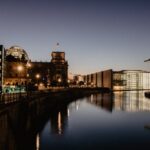
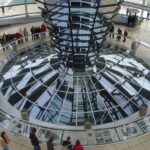
The route continues with a stop at the Reichstag Building, focusing on Hitler’s grab of power and Germany’s democratic history. You won’t have time for an inside visit, but you can still learn a lot from the outside because the building’s story is tied to the political shifts Berlin lived through.
This stop works best if you pay attention to the guide’s framing. The bike tour format forces you to absorb meaning quickly, so the guide’s job is to help you read the building like a page in a bigger book.
The Holocaust Memorial: why scale becomes part of the lesson
A major emotional point is The Holocaust Memorial – Memorial to the Murdered Jews of Europe, presented as the biggest genocide memorial in the world. The tour stresses something important: its size and importance to history.
What I’d do in your head, even on a short stop, is treat this less like a photo location and more like a time to reset. The guide may ask questions and invite personal interpretations, which can make the space feel more alive and less like a script.
The tour also includes other memorial stops for major Holocaust victim groups, described as one of three memorials for the biggest victim groups of the Holocaust. That matters. It nudges you to understand that one story can’t hold all the pain. Different memorial forms help separate victim identities and targeted persecution.
Fuhrerbunker: the parking lot that stands in for absence
Then comes Fuhrerbunker, the place where Hitler hid during the last weeks of the war and where he eventually committed suicide. Today, you see a parking lot. The tour explains why, and that contrast is the whole point.
This stop is useful even if you feel numb from memorial time. It forces you to confront how history can become “normal space” after the fact. On a bike tour, this kind of stop hits hard because you’re moving through a modern city that still contains the memory of an earlier catastrophe.
Checkpoint Charlie: the Cold War tense moment
Finally, the route can include Checkpoint Charlie, described as the most famous border station of the Cold War. The tour notes that it was the only shared one between the USA and USSR and frames the stakes: a period when the third world war almost started in central Berlin.
Important detail for planning: the tour indicates that Checkpoint Charlie appears in the English version of the tour. If you’re choosing language options and this stop matters to you, that’s worth double-checking when you book.
What the ride is like: pace, bike comfort, and “group reality”
The official format is about 3 hours with short stops and frequent movement between them. Most people can participate, and the ride is usually manageable because Berlin is flat and bikes help you cover ground quickly.
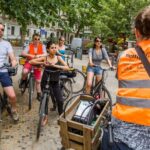
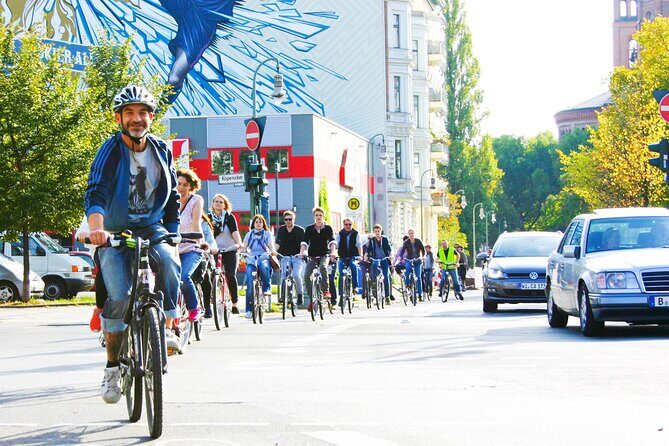
Still, biking on city streets is city biking. In reviews, I saw comments about main-road riding feeling daunting even with cycle lanes, plus a lot of confidence-building guidance from the leader. You’ll likely get clear directions, and if you fall behind at lights or intersections, guides are generally willing to wait so the group stays together.
Bikes may include a basket for carrying a bag, coat, or water bottle. That’s practical, especially if you don’t want to haul a backpack for 3 hours.
Group size is capped (the tour lists 4–15), but one review described the leader splitting a large group into two manageable riding groups. Translation: if your departure feels big, don’t panic. Ask questions and follow the guide’s rhythm.
Weather is another real factor. The tour operates in all weather, so dress for it and keep your phone secure.
Picking your tour day: who this is best for
This bike tour is a strong choice if you want:
- A structured history route that connects Berlin Wall life to Nazi-era planning and WWII aftermath
- A hands-on city format where you cover lots of ground in a short time
- A guide who brings places to life with stories and discussion
It’s also family-friendly. Children are welcome, and infant seats can be provided on request (as long as you coordinate). The short stop style and frequent movement tends to work better for mixed ages than a long museum session.
If you’re someone who wants absolute quiet at memorials or long, unguided time for reading, you might feel rushed. For that, you could use this tour as your orientation and then return to your favorite spots later.
Should you book this Berlin Wall and Third Reich bike tour?
Book it if you want a high-impact, city-scale overview with a bike and helmet included, plus memorial stops that make the Wall era and Nazi aftermath feel real in Berlin’s spaces.
Skip it, or go in with low expectations, if you need a guaranteed checklist of every specific site in a strict order. The route can vary, and time at each location is limited. If you’re particular about seeing certain places like Checkpoint Charlie, confirm you’re picking the right language option where it’s indicated.
My bottom line: for most first-time visitors who care about Berlin’s 20th-century history, this is an efficient way to learn without sacrificing motion and context.
FAQ
How long is the Berlin Wall and Third Reich bike tour?
It runs about 3 hours.
What’s the price per person?
The price listed is $42.34 per person.
Is a bike and helmet included?
Yes. Bike use and a helmet are included.
Where is the meeting point?
You start at Free Berlin Bike Tours & Rental, Poststraße 11, 10178 Berlin.
Does the tour run in bad weather?
Yes. It operates in all weather conditions, so dress appropriately.
Is there an admission ticket cost for the stops?
The tour notes that each stop listed has free admission.
What language options are available?
It operates in English and German, depending on the option selected. The tour notes that Checkpoint Charlie is included in the English version.
How large are the groups?
The participants range from 4 to 15, with a maximum of 15 travelers.
Can children join?
Yes, children are welcome and infant seats can be provided on request. Children must be accompanied by an adult.
What is the cancellation policy?
You can cancel for a full refund up to 24 hours before the experience starts.
Is food included?
No. Food and drinks are not included unless specified.