REVIEW · BERLIN
Berlin Wall and Cold War Bike Tour in Small Groups
Book on Viator →Operated by Berlin on Bike · Bookable on Viator
The Wall is more than a photo. This Berlin Wall bike tour brings Cold War stories to life with smooth, small-group cycling through central Berlin. I like that it’s paced for real sight-seeing, not marathon commuting, and you get a guide who ties landmarks to daily life behind the Iron Curtain. You’ll also love the small-group feel, capped at 15 people, which makes it easier to ask questions and actually hear the details.
Two things I’d highlight right away: the route hits major touchpoints like the Brandenburg Gate and Checkpoint Charlie, and the stops are short enough that you stay engaged without burning the whole day. The one thing to consider is the weather: the tour runs in bad weather too, so you’ll want proper layers and a plan for quick breaks if you get cold or wet.
In This Review
- Key highlights that make this Berlin Wall bike tour worth your time
- Start at KulturBrauerei and roll with a bike and helmet
- Brandenburg Gate: the big symbol, with real context behind it
- The Berlin Wall Memorial: what the Wall took, not just what it blocked
- Mauerpark: where the Wall’s border became a park
- KulturBrauerei: industrial architecture that still gives you a feel for place
- GDR watch tower at Kieler Eck: when surveillance was part of the street
- Checkpoint Charlie and the Tear Palace: crossings you can picture
- Guides who bring Cold War stories to life (without turning it into a lecture)
- How 3.5 hours works on the ground: steady stops, not nonstop riding
- What’s included vs. what you’ll plan yourself
- Value at $43.54: why this is a smart use of time
- Who should book this Berlin Wall and Cold War bike tour?
- Weather reality: all-weather touring, dress for the day
- Should you book it?
- FAQ
- How long is the Berlin Wall and Cold War bike tour?
- What does the tour cost?
- Is the tour language English?
- Are bikes and helmets included?
- How big is the group?
- Where do I meet and where does it end?
- Is food included?
- What if the weather is bad?
- Is there free cancellation?
Key highlights that make this Berlin Wall bike tour worth your time
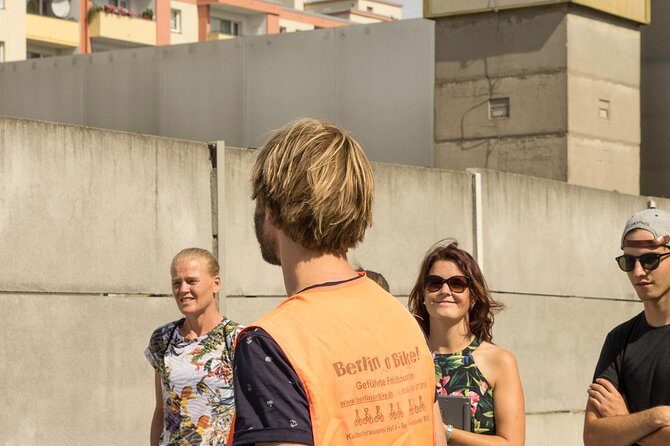
- Short, guided stops at the Wall’s most important sites so you learn while you see, not after you’re done riding
- Easy cycling through the center of Berlin with bike and helmet included
- Cold War context from real-life stories, helped by guides known for bringing the era to life (names you may hear include Peter, Giovanni, George, Monti, and Gilles)
- A route that connects big symbols and small details, from Brandenburg Gate views to the Berlin Wall Memorial
- Checkpoint Charlie plus the Tear Palace exit hall, linking West-East crossings to what people actually faced
Start at KulturBrauerei and roll with a bike and helmet
This tour starts and ends at Berlin on Bike at the Kulturbrauerei area (Knaackstraße 97). That matters because it puts you right in the part of Berlin that still feels like an active neighborhood, not a bus-only museum stop. You’re also not wasting time in transit: you meet, gear up, and get moving.
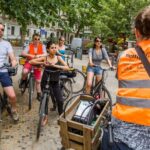
The package is simple and useful: you get the bicycle and a helmet, plus a local guide. A mobile ticket is part of the deal, and the tour runs in English. Group size is capped at 15, which keeps the ride from turning into a chaotic line of bicycles.
Pace is one of the quiet selling points here. Multiple guides have been described as making the cycling feel easy, with the ride acting as a welcome change from walking. That’s a real advantage in Berlin, where a walking-only Wall tour can leave your legs working overtime.
You can also read our reviews of more cycling tours in Berlin
Brandenburg Gate: the big symbol, with real context behind it
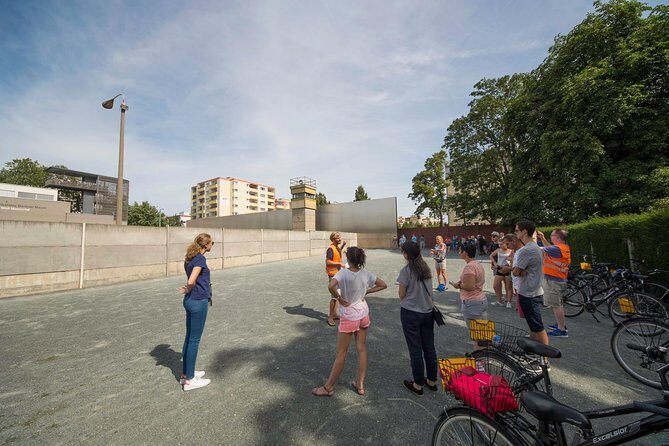
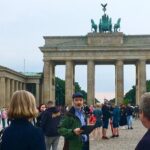
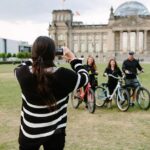
The first major stop is the Brandenburg Gate, right by Pariser Platz in Mitte. It’s a classicist triumphal gate, and yes, it’s famous. But here it’s not just a photo op. You’re there long enough—about 10 minutes—to get your bearings and learn how the city’s political split showed up in what people saw every day.
Why it works on a bike tour: the Gate sits in a central, walk-up-to-everything area. Once you’ve seen it with a guide’s framing, the rest of the route makes more sense. You start to notice what changes between East and West—visually and socially—without needing to memorize a map first.
Practical note: the time here is short, so if you want extra photos, keep them quick at first and don’t count on having a second long stop.
The Berlin Wall Memorial: what the Wall took, not just what it blocked
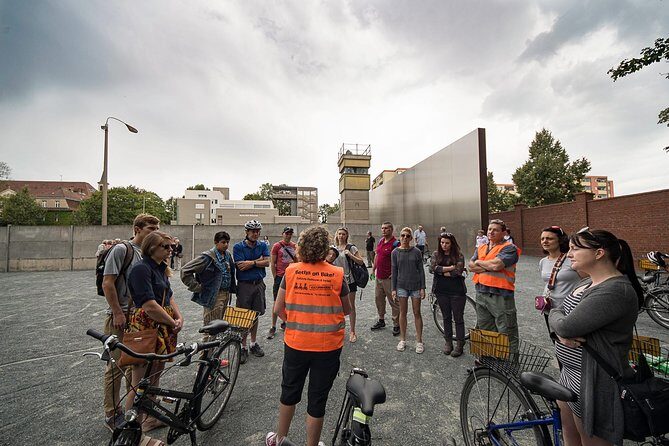
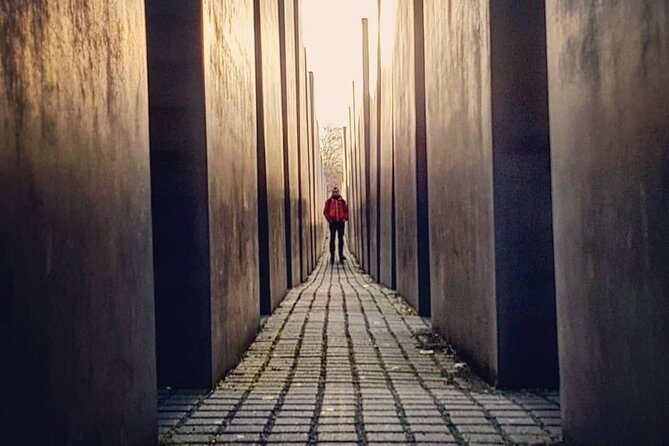
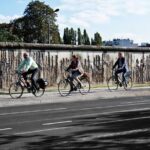
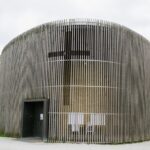
Next comes the Berlin Wall Memorial, a free stop that centers on the division of Berlin and the deaths connected to the Wall. Expect about 10 minutes here. That brevity is intentional: it keeps the ride from feeling like a solemn detour that lasts an hour.
This is also where a guide’s tone matters. Several guides on this route are praised for being compassionate about what happened and for connecting facts to human impact. You’ll get names, dates, and explanations, but the bigger goal is understanding the Wall as a system that affected daily movement, safety, family contact, and hope.
A small consideration: even with a quick stop, this part can feel emotionally heavy. If you’re riding with kids or teens, it helps to go in ready for honest talk. The guides on this tour have handled family groups well, including at least one 12-year-old who was described as a key reason the pacing and format worked.
Mauerpark: where the Wall’s border became a park
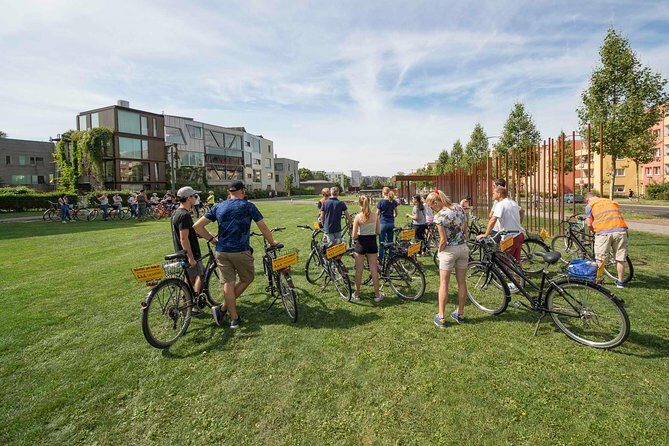
Then you pedal into Mauerpark, a park whose name connects directly to the Wall era. You’re looking at space where the 1961 Wall once formed the border between former districts—specifically tied to areas like Prenzlauer Berg and Wedding, and described as the border between Gesundbrunnen and Prenzlauer Berg in the route’s framing.
This stop is short—about 5 minutes—and that’s exactly the point. It’s a reminder that Berlin didn’t just rebuild after the Cold War. It repurposed. When you see the park now, the guide can help you picture what the same line meant when fences, patrols, and restrictions ruled that ground.
If you like your history grounded in geography, this is a good moment to ask a question. I like asking: what would have been visible from here, and what would have been impossible?
KulturBrauerei: industrial architecture that still gives you a feel for place
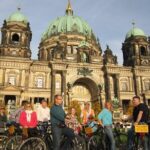
Back near the KulturBrauerei area, you’ll pass through a quick stop connected to Berlin on Bike’s base. A few minutes are also set aside for KulturBrauerei, the building ensemble that covers about 25,000 m². It’s known for courtyards and preserved industrial architecture from the late 19th century and has been listed as a historic building since 1974.
Why include this on a Wall tour? Because Cold War Berlin wasn’t only about concrete and barbed wire. It was also about buildings that people worked in, lived near, and moved through—real infrastructure sitting behind the political story. Even a short stop can make the neighborhood feel less generic.
This is also one of those moments that can be a nice reset. After memorial-heavy thinking, you get something visual and architectural—still tied to the era, but lighter in tone.

GDR watch tower at Kieler Eck: when surveillance was part of the street
A standout stop is the GDR Watch Tower at Kieler Eck. It’s described as an old watch tower, and you’ll spend about 5 minutes here.
You’re not just looking at a relic. You’re seeing the idea of surveillance made physical. This is the kind of detail that walking tours can gloss over, because it’s easier to talk about the Wall as a line than to show how people monitored that line.
If you’re sensitive to the themes, stay with the guide’s framing here. The best tours treat these structures as evidence of how fear shaped movement, not as cool architecture props. The guides leading this route have been noted for bringing stories to life from multiple angles, which helps keep the explanation human.
Checkpoint Charlie and the Tear Palace: crossings you can picture
Toward the later part of the tour route, you reach Checkpoint Charlie, one of Berlin’s best-known border crossings during the divided years (1961 to 1990). The guide frames its position as connecting Soviet and American sectors along Friedrichstraße, linking Mitte (East Berlin) with Kreuzberg (West Berlin).
Then there’s the Tear Palace, the colloquial name in Berlin for the former exit hall at Bahnhof Friedrichstraße, used between 1961 and 1989.
These two stops are powerful because they move the story from “what the Wall was” to “what crossing actually meant.” Checkpoint Charlie is a famous name, but hearing how it worked—who controlled what, and how people experienced it—turns a landmark into a lived moment.
Time here isn’t listed the same way as the earlier stops, but I’d treat this as your best chance for photos. Do your wide-angle shots early, then let the guide finish the explanation before you wander too far. It’s easy to get photo-happy and miss the key points.
Guides who bring Cold War stories to life (without turning it into a lecture)
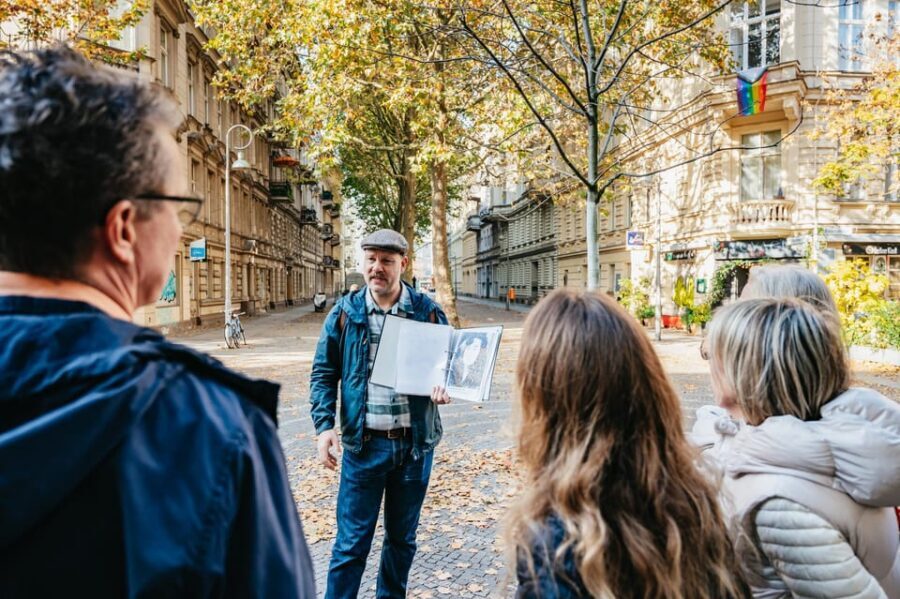
This is one of the most consistently praised parts of the experience. Guides are described as articulate and enjoyable to listen to, with a style that makes dates and facts stick by connecting them to daily life and personal struggles. Names that show up in customer feedback for this route include Peter (often referred to as Liverpool Pete), Giovanni, George, Monti, and Gilles.
What I like about this kind of guiding is that it doesn’t treat history like a one-way speech. You’ll get compassion for the past and an encouragement to view events from different angles. That helps a lot when the subject is heavy. It also helps if you’re traveling with mixed ages—adults get the context, kids get a story that doesn’t talk down to them.
One practical benefit: since the group is small, your questions can actually land. If something doesn’t make sense—like how one crossing worked compared to another—you can ask on the spot instead of Googling later.
How 3.5 hours works on the ground: steady stops, not nonstop riding
The tour runs about 3 hours 30 minutes. Most stops are short, usually around 5 to 10 minutes, with several key landmarks and explanations layered in between. That stop style matters because it keeps your attention focused while you’re still fresh enough to listen.
The cycling itself is described as easy, and the ride is framed as a nice change from walking. Some feedback even mentions roughly 20 km of biking on a completed run, which gives you a sense that you’re not doing a casual shuffle the whole way, but you’re also not on a hard-core training ride.
What to do to make the ride smoother:
- Wear layers you can adjust quickly. Cold Berlin weather can change fast between stations and street corners.
- Bring a small water bottle. There’s no food included, so you’ll want your own snack strategy.
- If weather turns miserable, don’t panic. One review specifically noted a guide keeping things fun even when conditions weren’t great.
What’s included vs. what you’ll plan yourself
Included is straightforward: your bike and helmet, plus a local guide.
Not included is just as clear: food and drinks. Hotel pickup and drop-off aren’t part of it either. That’s normal for a bike tour in central Berlin, and it can actually be good value because you’re paying for time on the route, not for extra vehicle logistics.
Since there’s no meal included, plan for quick sustenance before or after. If you get caught out mid-tour, you may find you’re looking for a quick, nearby option rather than a proper sit-down break. Having a plan for snacks and warming up helps.
Value at $43.54: why this is a smart use of time
At $43.54 per person for about 3.5 hours, this is priced like a budget-friendly activity with real substance. Here’s where the value comes from:
- You get a guide for the full experience, not just at one landmark.
- You get a bike and helmet included, which adds cost if you rented separately.
- The route focuses on specific, meaningful stops tied to the Cold War story, instead of scattering your time across random sights.
If you’ve ever done a Wall tour that’s mostly walking, you’ll appreciate the efficiency. Riding keeps your energy available for the explanations, and the guided stops act like interpretive “checkpoints” so you don’t just see buildings—you understand why they mattered.
Who should book this Berlin Wall and Cold War bike tour?
I think this tour is ideal if you want history with momentum. If your Berlin plan includes major sites like the Brandenburg Gate area and Checkpoint Charlie, this route helps you connect them into a coherent story without turning your day into 10 miles of walking.
It’s also a strong fit for families. Feedback highlights that the ride format works for kids, including a 12-year-old, and that guides can keep the tone age-friendly while still being respectful and accurate.
You might want another option if you:
- Need long, quiet museum time at multiple venues (this is built around short guided stops).
- Don’t feel comfortable riding a bicycle in city conditions. The tour is designed for “most travelers,” but city biking still takes basic comfort.
Weather reality: all-weather touring, dress for the day
The tour notes that it operates in all weather conditions and to dress appropriately. At the same time, the experience can be affected by very poor conditions, with options like rescheduling or a refund. In practice, that means you should plan for your layers to matter.
I’d treat this as a rain-or-shine activity. Bring waterproof gear if you have it, and keep gloves in mind. Berlin in cooler months can feel windier than you expect, especially along open squares.
Should you book it?
If you’re short on time and want the Wall story told in a way that connects landmarks to real life, I’d book this. The combination of small-group size, bike-and-helmet included, and a route that hits both symbolic sites (Brandenburg Gate, Checkpoint Charlie) and story-driven stops (the Berlin Wall Memorial, Mauerpark, Kieler Eck watch tower) makes it an efficient, memorable use of a half-day.
My one caution: plan your clothing and comfort carefully. When the weather is rough, the ride and the listening still go on, so you’ll enjoy it more if you arrive warm and ready.
FAQ
How long is the Berlin Wall and Cold War bike tour?
It runs for about 3 hours 30 minutes.
What does the tour cost?
The price is $43.54 per person.
Is the tour language English?
Yes, the tour is offered in English.
Are bikes and helmets included?
Yes. The bicycle and helmet use are included.
How big is the group?
The tour has a maximum of 15 travelers.
Where do I meet and where does it end?
You meet at Berlin on Bike – Radtouren & FahrradverleihKulturbrauerei, Knaackstraße 97, 10435 Berlin. The tour ends back at the meeting point.
Is food included?
No. Food and drinks are not included.
What if the weather is bad?
The tour operates in all weather conditions and you should dress appropriately. If the experience is canceled due to poor weather, you’ll be offered a different date or a full refund.
Is there free cancellation?
Yes. You can cancel up to 24 hours in advance for a full refund.