REVIEW · BERLIN
DDR Museum Berlin Admission Ticket
Book on Viator →Operated by DDR Museum Berlin GmbH · Bookable on Viator
GDR life feels real here. The DDR Museum Berlin turns the 1949–1989 East German years into hands-on interactive exhibits and reconstructed rooms, so you’re not just reading. I especially liked the Trabant car exhibition and the way the museum uses practical, everyday details—TV, home setups, and routine—to make the past feel close.
The main drawback is the trade-off: the museum is small, so crowds can crush the fun, and it can run hot inside. If you’re going with kids, great—just plan for lots of button-pushing and foot traffic.
In This Review
- Key Highlights That Matter
- Finding the DDR Museum: Karl-Liebknecht-Str.1 by the Spree
- Price and Timed Entry: When $16.26 Makes Sense
- Replica East German Rooms: From the Carat Cupboard to Propaganda TV
- Trabant Car Exhibition and the GDR Streets You Can Almost Feel
- Stasi Interrogation: Control Up Close, Not Just a Story on Paper
- GDR Elections, the Socialist Union Party, and How the System Worked
- What the Virtual Housing Estate Adds (and Why It Helps)
- Heat, Crowds, and How to Avoid a Rough Visit
- Food, Time, and How to Plan Your 1–2 Hour Window
- Value Check: Is It Worth $16.26?
- Who Should Book This Ticket—and Who Might Want a Different Plan
- Should You Book DDR Museum Berlin Admission?
- FAQ
- How long does the DDR Museum visit usually take?
- Where is the DDR Museum Berlin located?
- Is this ticket available in English?
- What does the ticket price include?
- What are the opening hours?
- Can I cancel for a full refund?
Key Highlights That Matter
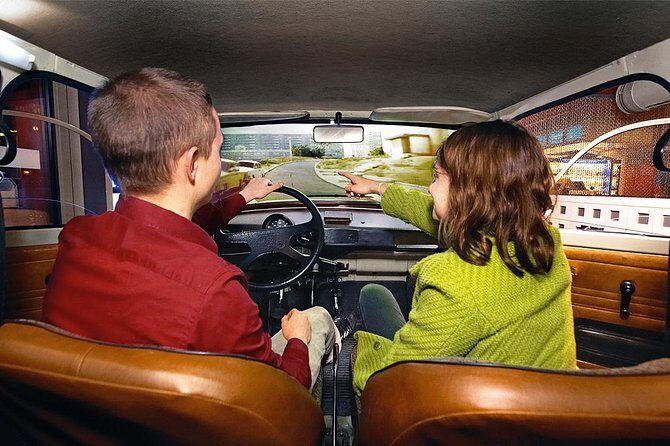
- Reconstructed living rooms and kitchen details that feel like you could step into everyday GDR life
- Trabant car exhibition paired with video scenes and an interactive feel for transport and street life
- Stasi interrogation experience that keeps the story grounded in how control worked
- GDR housing estate virtual tour so you understand more than one apartment block
- Mock election and Socialist Union Party exhibits that explain the political system without hand-waving
- Exit through a hole in the Berlin Wall for a final, sobering moment
Finding the DDR Museum: Karl-Liebknecht-Str.1 by the Spree
You’ll find the DDR Museum in central Berlin, at Karl-Liebknecht-Str.1, opposite Berlin Cathedral. It’s also described as being by the river Spree, which is handy for a pre- or post-museum walk. If you like starting with landmarks, this location makes it easy to orient yourself fast.
Plan to arrive a little early. Even with a ticket that’s meant to help you get in, the area can be busy as people shuffle toward the entrance.
You can also read our reviews of more tours and experiences in Berlin


Price and Timed Entry: When $16.26 Makes Sense
At about $16.26 per person, this ticket is priced for a focused visit, not a long day. Expect 1 to 2 hours on average. That timing matters, because the museum is small enough that you’ll feel the quality—or the crowding—right away.
You choose a date and time slot, and the ticket is a mobile ticket in English. That setup is useful if you’re building your Berlin plan tightly, since you’re not hunting around for open hours once you arrive.
Also: yes, there’s lots of reading and activity stations. That means the experience works best when you treat it like a “museum sprint with stops,” not a sit-and-stare tour.
Replica East German Rooms: From the Carat Cupboard to Propaganda TV
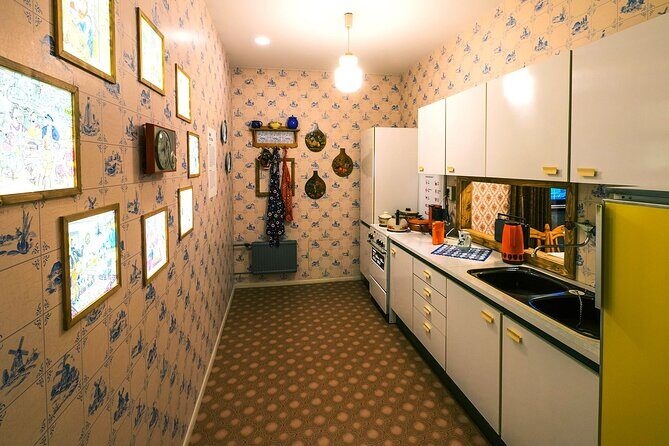
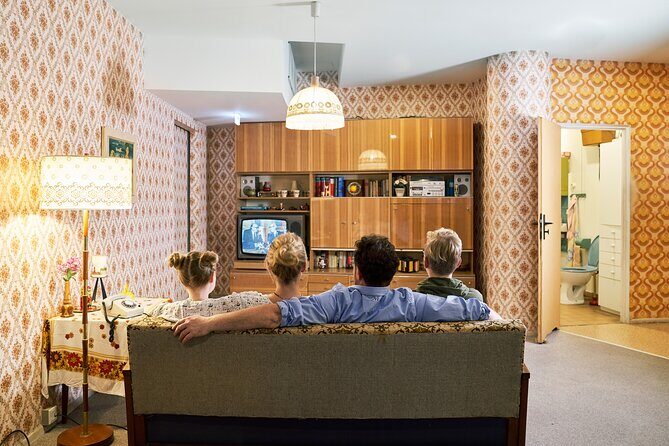
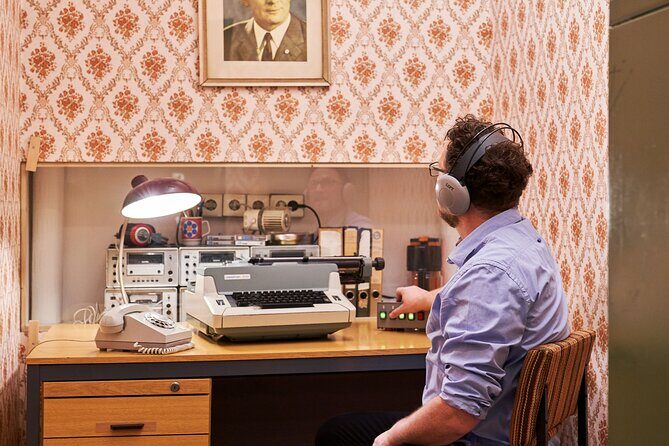
The heart of the DDR Museum is the feeling that you’ve walked into a GDR apartment and neighborhood life. You’ll move through recreated spaces that cover how people lived day to day, including rooms designed to look and function like real homes.
One standout is the reconstructed living room setup with details like the Carat living-room cupboard. It’s the kind of object-and-space recreation that helps you picture how families stored things, lived in smaller conditions, and managed daily routines with what the system allowed.
In the same home-area world, you’ll catch programming on East German TV. It’s not just set dressing. The museum uses TV content to show propaganda as part of ordinary life—something you saw in the background, not only a political event.
Practical tip: slow down in the apartment rooms. Those spaces are where you’ll get the most “oh, that’s what it meant” moments, because you can connect objects to human behavior.
Trabant Car Exhibition and the GDR Streets You Can Almost Feel
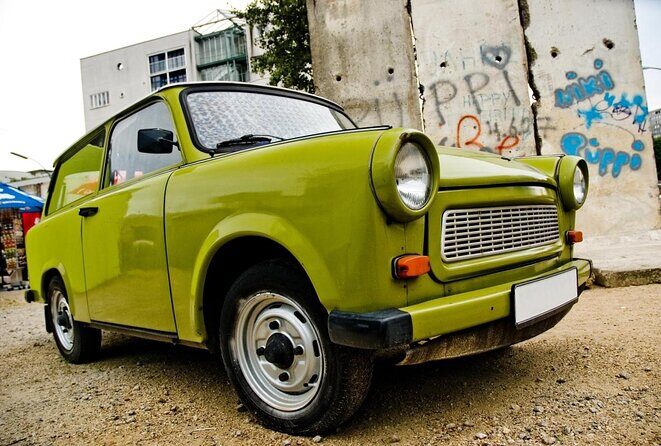
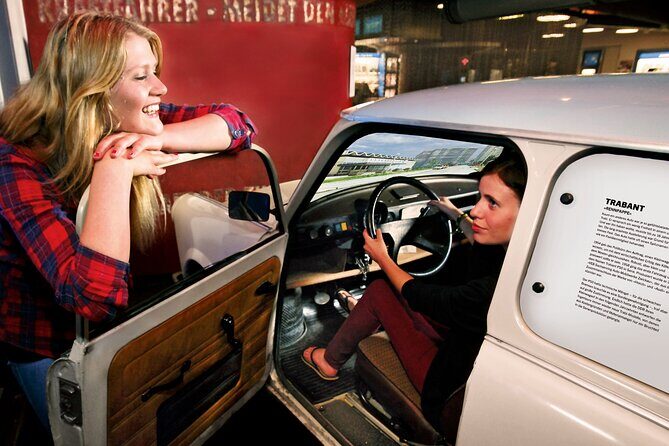
Then comes the Trabant section, and it’s one of the reasons this museum works for a wide range of ages. The Trabant is a simple object with a complicated story, and the museum treats it that way.
You’ll see a Trabant car exhibition and get extra context through films showing everyday scenes. There’s also a sense of a “ride through the city,” supported by interactive elements that help you connect transport with daily routines.
One reason I like this part for visitors is that cars translate history into something physical. Even if you don’t know GDR politics, you can still understand how a standard vehicle shaped movement, identity, and expectations.
If you want the most from this section, don’t just take a quick look at the car. Stay for the visual scenes and give yourself time at the surrounding interactive points.
Stasi Interrogation: Control Up Close, Not Just a Story on Paper
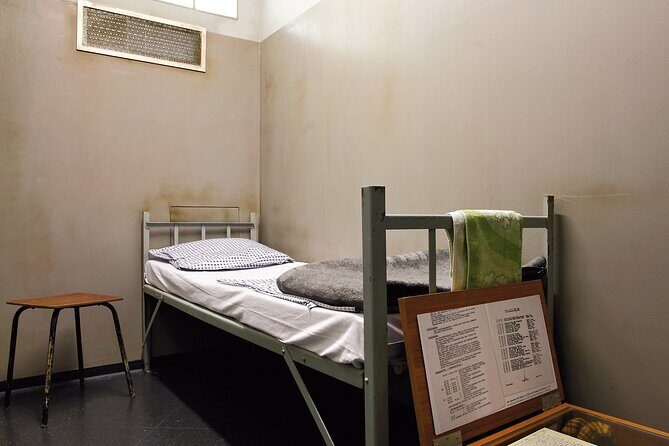
The museum doesn’t shy away from the darker side of East German life. The Stasi interrogation experience is built to show how surveillance and intimidation shaped ordinary existence.
This section can land hard, and that’s the point. You’re not just collecting trivia about the Stasi; you’re being put in the pressure zone the museum wants you to understand.
A key benefit here is tone control. The museum’s layout makes it easier to move between home life and state power, so the contrast hits. That helps you grasp that the system wasn’t only about laws and posters—it was about fear, information control, and what people dared to say.
If you’re visiting with kids, it’s smart to pause and gauge what they can handle. The museum is family-friendly in structure, but the topic is serious.
You can also read our reviews of more museum experiences in Berlin


GDR Elections, the Socialist Union Party, and How the System Worked
Another anchor of the DDR Museum is the way it explains the political structure through interactive exhibits. You’ll learn about the Socialist Union Party, plus there are displays that let you engage with the idea of voting in a GDR election.
This is where the museum can feel both educational and slightly game-like. That works if you treat the activities as prompts to read and interpret, rather than just push buttons.
If you like history that explains mechanics—how institutions behaved and how participation was shaped—this part is a strong match. It’s also one of the easiest sections to connect to broader post-WWII European history, because you’ll see how systems control people through formal processes.
Practical tip: when you hit interactive political areas, take an extra minute to read the surrounding context text. It turns the activity into understanding.
What the Virtual Housing Estate Adds (and Why It Helps)
The museum includes a virtual tour of a GDR housing estate. This matters because it expands your view beyond one apartment recreation.
Housing is where daily life becomes visible: layout, density, shared spaces, and how “normal” could still feel controlled. A virtual tour format works well in a small museum footprint. You still get scale and variety without needing to travel across Berlin neighborhoods to understand the idea.
For visitors who like to compare, this section also helps you separate “romanticized memory” from lived reality. It makes you ask new questions about space, routine, and community under the system.
Heat, Crowds, and How to Avoid a Rough Visit
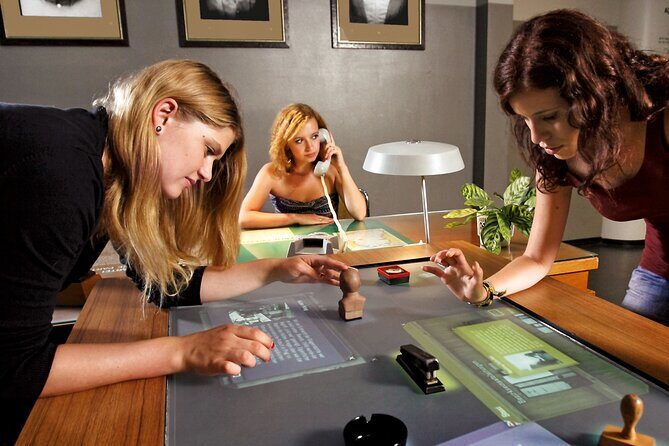
Here’s the part nobody loves to hear: the museum can get very busy, especially because it’s small and interactive. The result can be physical crowding. People press toward the same exhibits. Lines form around the most popular hands-on pieces.
One practical note: some visitors report it being extremely hot inside with no air conditioning. That doesn’t mean you’ll feel it the same way, but it’s enough to plan for comfort.
If you want a smoother experience, aim for quieter times. Later in the day can sometimes help because the museum stays open until 9:00 PM, but you’ll still want to choose your time slot wisely.
Bring water if you’re sensitive to heat. And if you’re stuck behind a crowd, pivot to another room rather than waiting. The museum’s layout lets you bounce around.
Food, Time, and How to Plan Your 1–2 Hour Window
No food or drinks are included. That means you should treat the DDR Museum like a museum block, then plan nearby meals around it. Since you’re likely inside for up to two hours, it’s smart to schedule it mid-morning or mid-afternoon, depending on your energy and kid stamina.
The museum closes with that Berlin Wall moment, so don’t treat it like a random stop. Think of it as an “anchor exhibit” in your day.
If you’re squeezing Berlin into a tight route, you’ll also appreciate the clean format: pick a slot, show up, and go room to room. It’s not a long multi-stop tour. You’ll feel the story progress quickly.
Value Check: Is It Worth $16.26?
For the price, I think the value depends on what you want from Berlin museums.
If you want hands-on, understandable history with interactive rooms and a Trabant focus, this is a strong buy. The museum’s setup is built for visitors who learn by doing—pushing buttons, stepping into reconstructed spaces, and moving through staged scenes.
If you prefer quiet, spacious museums with lots of reading time in peace, you might find the small layout limiting. Crowding and heat can make it feel cramped, which can drain the experience.
For most people, though, $16.26 is reasonable because you’re paying for entry to multiple curated rooms, plus interactive experiences and a set time entry format. You’re not just buying a ticket to look at photos.
Who Should Book This Ticket—and Who Might Want a Different Plan
This experience is ideal for history buffs who want daily life in socialist East Germany explained through objects and spaces. It also works well for families because the interactive sections invite kids to participate, not only observe.
It’s less ideal if you hate crowds or you’re uncomfortable with exhibits that are hands-on while people move around you. Also, if heat bothers you in enclosed spaces, choose your time carefully.
For language: the ticket is offered in English, and the museum uses English plaques and context throughout, making it manageable if you’re not fluent in German.
Should You Book DDR Museum Berlin Admission?
Yes—if you want a practical, family-friendly history stop that connects politics to everyday life. Book it if you like interactive museums, clear exhibit storytelling, and a visit that fits neatly into 1–2 hours.
I’d book earlier in your planning window rather than last minute, especially if you’re trying to dodge crowds. And if you’re flexible, the free cancellation window (up to 24 hours in advance) gives you a safety net if Berlin weather, energy, or schedules shift.
If you’re on the fence, choose the quieter end of the day and give yourself a little buffer. The museum is small enough that a calm visit makes it feel twice as good.
FAQ
How long does the DDR Museum visit usually take?
The ticket is for an approximately 1 to 2 hour visit.
Where is the DDR Museum Berlin located?
It’s located at Karl-Liebknecht-Str.1, opposite Berlin Cathedral, near the river Spree.
Is this ticket available in English?
Yes. The admission is offered in English.
What does the ticket price include?
Your ticket includes DDR Museum admission only. Food and drinks are not included.
What are the opening hours?
The museum is open 9:00 AM to 9:00 PM, Monday through Sunday.
Can I cancel for a full refund?
Yes. You can cancel up to 24 hours in advance for a full refund. If you cancel within 24 hours of the start time, there’s no refund.