REVIEW · BERLIN
Gastro Tour with Klaus though the Wrangelkiez, Kreuzberg
Book on Viator →Operated by Kontext Berlin · Bookable on Viator
Berlin can be loud and fast. This walk slows you down with food and street-level history. You’ll follow Klaus through Kreuzberg’s Wall-era corners and into the kind of international eating streets locals actually use.
Two things I like a lot: the snack-and-story format that makes each stop feel connected, and the way you get to taste options you’d likely skip if you were just guessing on your own. I also like the small group size, which helps you ask questions without feeling rushed.
One possible drawback: drinks are not included, so plan on a little extra spending if you want beer or soda with tastings. Also, you’re walking for about three hours, so comfy shoes matter.
In This Review
- Key highlights before you go
- A 3-Hour Kreuzberg Food Walk That Links Plates to Places
- Route, Timing, and Where You’ll Start and Finish
- Oberbaumbrücke: The East-West Bridge That Shapes the Neighborhood
- Lohmühleninsel: A Tiny Island With a Big Past
- GDR Watch Tower: A Preserved Relic From the Border Area
- Görlitzer Park: Recreation Now, Reputation Later
- Falckensteinstraße: Where International Food Density Does the Talking
- Wrangelstraße and the Romanesque-Style Church Moment
- What You Actually Get for $83.08 and Why It’s Fair
- The Small-Group Advantage: Better Questions, Less Waiting
- Who Should Book This Gastro Tour (and Who Might Skip It)
- Should You Book Gastro Tour with Klaus in Wrangelkiez and Kreuzberg?
- FAQ
- FAQ
- How long is the Gastro Tour with Klaus?
- What does the tour cost?
- Is the tour offered in English?
- How big are the groups?
- Where does the tour start and end?
- What is included in the price?
- Are drinks included?
- Are there admission tickets for the sights?
- Do I get a mobile ticket?
- What is the cancellation policy?
Key highlights before you go
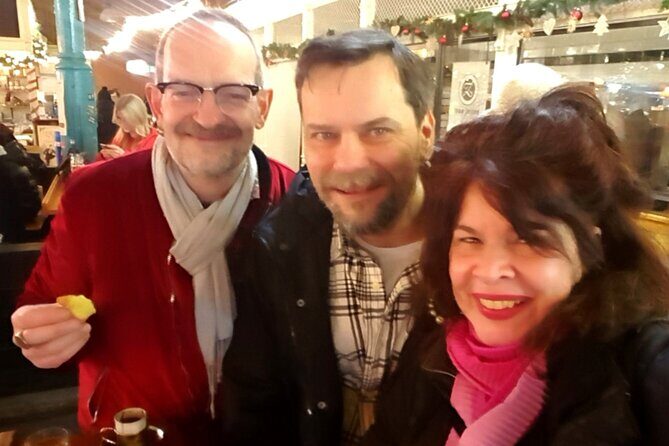
- Klaus’s mix of food and local context so you’re not just moving from one bite to the next
- Five gastro partners for tastings, including some street-food style stops
- Free entry sights at each historical stop, so you’re paying mainly for the experience
- A route designed to avoid mass-tourism, staying in everyday neighborhood spaces
- Wall-era stops and a preserved watch tower, plus an explanation of why this area carried stigma
- Easy transit finish near Schlesisches Tor, with the subway not underground
A 3-Hour Kreuzberg Food Walk That Links Plates to Places
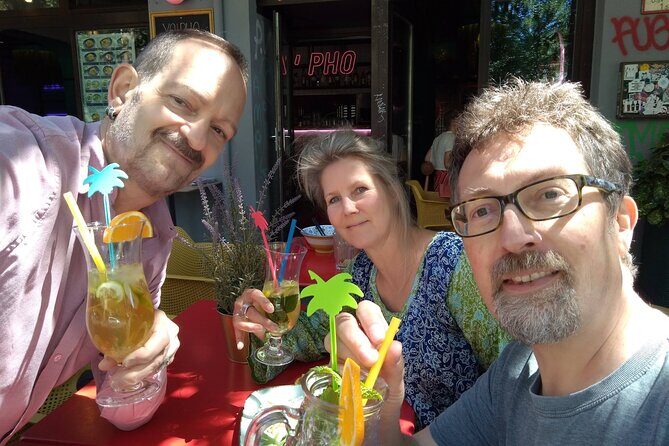
This is the kind of Berlin tour that doesn’t make you choose between history and eating. You get both, but in a practical way: short stops, then tastings, then another quick story that helps the neighborhood click into place.
I especially like how Klaus keeps the pace social. With a maximum of 15 people, it stays conversational, and the group doesn’t sprawl across the sidewalk. You’re also in the Wrangelkiez and Kreuzberg area, where the streets feel lived-in rather than staged.
One more thing: you’re not stuck at one “famous” restaurant. The evening spreads across multiple food partners on key streets, so your appetite stays engaged from start to finish. And because you’re tasting rather than ordering a full meal at every stop, you can sample a lot without blowing your budget.
You can also read our reviews of more tours and experiences in Berlin.

Route, Timing, and Where You’ll Start and Finish
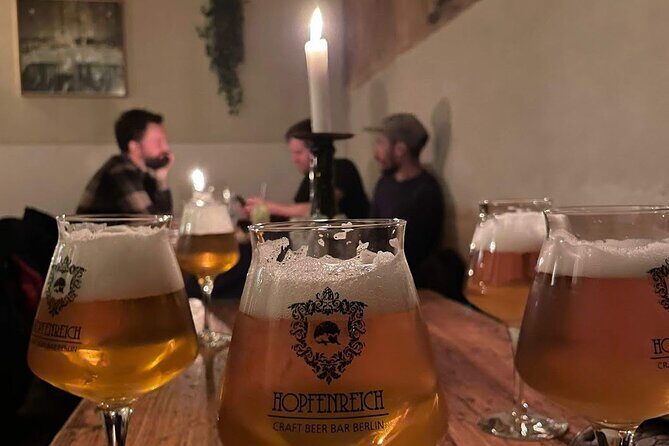
The tour runs about 3 hours and uses a simple linear route through Kreuzberg. You start at Cuvrystraße 2, 10997 Berlin, and you’ll finish near Schlesisches Tor—with your final stop varying by season.
This matters because your ending experience may shift slightly. Instead of a single fixed last venue, you get routed to gastro partners near the metro, so it’s easier to continue exploring after the tour without hauling yourself across town.
You’ll also get a mobile ticket, which makes the check-in feel straightforward. And since it’s offered in English, you don’t have to piece together translations while you’re trying to listen to the guide and keep up with the walking.
Oberbaumbrücke: The East-West Bridge That Shapes the Neighborhood
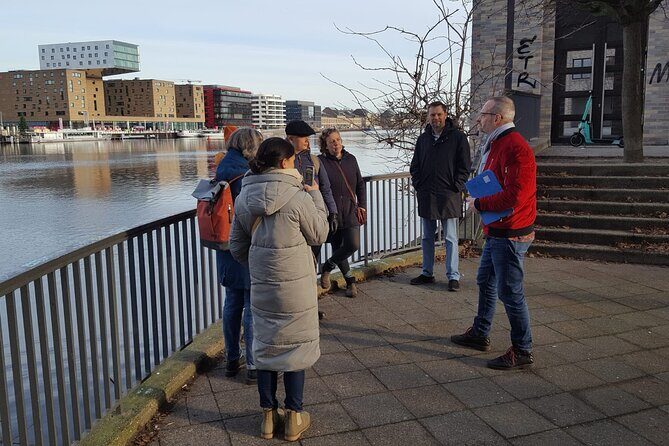
You begin at Oberbaumbrücke, one of Berlin’s best-known bridges. Klaus explains why this crossing is more than scenery—it’s tied to the city’s division and the ways Berliners lived with a border that ran through daily life.
Even if you know the basics about Berlin’s split, this stop works because it’s specific and local. You’re not staring at a landmark in isolation; you’re learning how that structure connected, separated, and influenced the surrounding areas.
A practical win: the stop is short and doesn’t feel like you’re waiting around. You get about 10 minutes, and the admission is free, so you’re not adding a ticket line or extra cost to your evening.
Tip: If you’re taking photos, do it quickly and keep moving. The bridge is great for pictures, but the tour’s value is how the story carries onward.
Lohmühleninsel: A Tiny Island With a Big Past
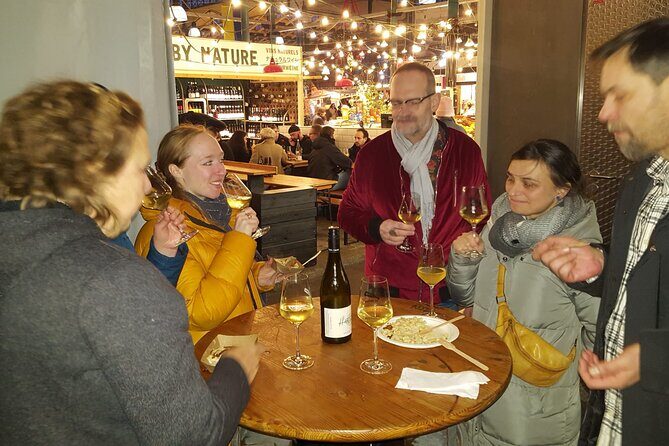
Next up is Lohmühleninsel, a small parcel of land with a lot of backstory. This is the kind of place that rewards attention: it’s not one of the flashy “everyone goes here” stops, so the experience feels more grounded.
Klaus uses this moment to point out lesser-known architectural monuments and to share the area’s eventful history. The payoff is that you start noticing details you’d otherwise walk right past—edges of buildings, the way the island sits in the city, and why it matters.
Again, the stop is about 10 minutes and free. That timing is important because it keeps your attention from wandering. You’re learning just enough to make the next parts of the neighborhood meaningful.
Possible drawback here: because it’s short, you won’t get deep time to roam at your own pace. If you like to linger, be ready to save that for after the tour.
GDR Watch Tower: A Preserved Relic From the Border Area
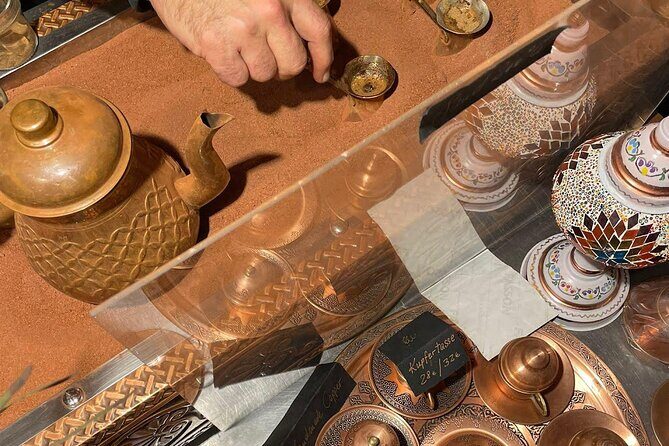
Stop three is the GDR Watch Tower, in the former border area. This is where Klaus connects the city’s partition to what it meant on the ground for neighborhoods like Kreuzberg and Alt-Treptow—how the Wall made these areas feel peripheral.
The tour doesn’t treat it like a distant museum object. Instead, it frames the tower as a visible reminder of how power and control shaped everyday streets.
You get about 5 minutes here, with free admission. Short stops like this can feel quick, but for an outdoor landmark, it works. The goal is to give you a clear takeaway, then move you toward more human-scale neighborhood food scenes.
If you want to capture the tower for photos, do it during that window and keep your group close. With only a few minutes, drifting behind can make the pacing awkward for the whole party.




Görlitzer Park: Recreation Now, Reputation Later
From the tower, you head to Görlitzer Park, a recreational area for the neighborhood. Klaus shares anecdotes about its history and explains why it has a bad reputation today, which is a useful balance if you’ve heard only one version of the story.
This stop is about 10 minutes. That’s enough time to understand the context without turning the park into a long debate session.
A small consideration: parks can be emotionally loaded based on news and reputation. Klaus’s job here is to put it back into local context, but you’ll still want to use your own street sense the way you would anywhere in a big city.
Tip: If you’re sensitive to heavy topics, keep an open mind. The park story is partly about perception, and that’s part of why it’s valuable.
Falckensteinstraße: Where International Food Density Does the Talking

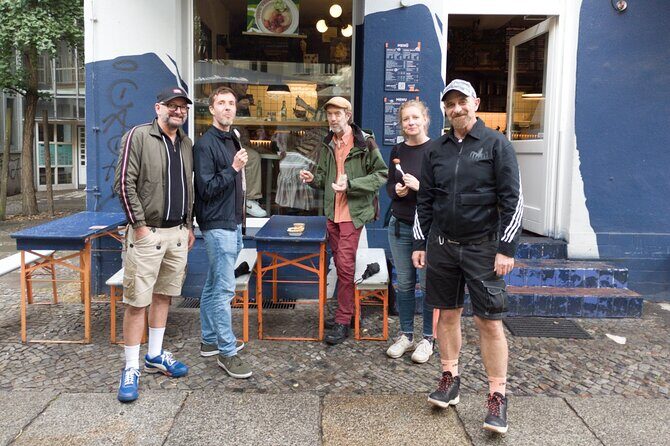
Then the tour shifts into full-on eating mode at Falckensteinstraße. This street is known for an extraordinary density of international gastro options, and Klaus gives you personally tested highlights so you’re not just guessing.
You’ll spend about 30 minutes here, which is noticeably longer than the earlier stops. That time is what turns the evening from a history walk into a real food experience.
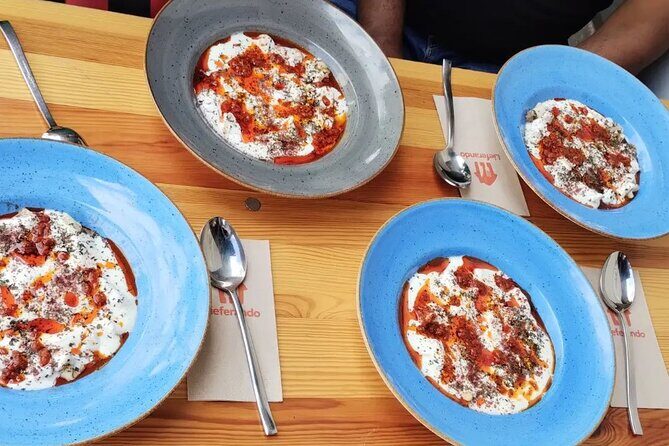
This is also where the tour’s snack format really shows its strength. You stop at five gastro partners, and you’ll receive selected tastings at each. Some of those tastings can be street-food style stalls, so the food stays varied and casual rather than turning into one long restaurant visit.
The biggest value in this section is decision fatigue relief. In Berlin, menus are huge and tastes are personal. Klaus helps you pick a path through the chaos, and you leave knowing what you actually liked.
Possible drawback: if you’re a picky eater, you might need to communicate that early. The tour is designed for variety, and the tastings are part of the point.
Wrangelstraße and the Romanesque-Style Church Moment
The tour continues to Wrangelstraße, the name-giving street of the neighborhood. Here, Klaus adds another layer of place through a church built in the style of a Romanesque monastery—another short window where architecture becomes a story about identity.
As with Falckensteinstraße, the area stays packed with international food options. The guided experience keeps you moving, and Klaus adds context so the street feels more than a lineup of restaurants.
Your time here is part of the final stretch. You also get a choice depending on what you feel like: Klaus can help you rest in a Kiez pub, or he can take you to Schlesisches Tor, where the subway is not underground.
That last detail matters more than you’d think. If you’re moving onward by transit, “not underground” can mean less stepping up and down and less time hunting for entrances.
Tip: If you’re still hungry after the tastings, plan for a simple follow-up snack or drink near the metro. The tour is built to feel like a meal, but everyone’s appetite differs.
What You Actually Get for $83.08 and Why It’s Fair
Let’s talk value, because $83.08 can either feel high or feel right depending on what you expect. This tour includes the local guide and snacks across five gastro partners. The tastings are selected for you, which is the biggest cost-saver in practice: you’re paying for someone else to do the research and funnel you into good choices.
Admission is free at every listed historical stop, so the price isn’t getting eaten up by ticket fees. And since drinks are not included, you keep control over your spending instead of paying for water-or-soda-by-default.
From a pacing standpoint, you also get about three hours of active walking and story time, not just a quick “check out a couple streets” experience. Klaus’s presence is the glue here—he’s guiding you through the why behind the where, and that’s what turns tastings into something more memorable than a food crawl.
The best practical advice: treat it like a full evening. Eat lightly earlier in the day, or at least expect that this tour is designed so you can eat enough to feel satisfied.
The Small-Group Advantage: Better Questions, Less Waiting
With a maximum group size of 15 travelers, the tour avoids the worst kind of food tour problem: queues and gaps. In a larger group, one slow eater can mess up the schedule. Here, the pace feels manageable and the guide can adjust if someone asks a question or needs a moment.
You’ll also get more of the guide’s personality because the format isn’t anonymous. The reviews point to Klaus being engaging and the whole evening feeling fun, with history woven into food rather than tacked on like a lecture.
If you like a relaxed tone, this fits. You’re not being rushed through sight after sight, but you also aren’t wandering with no plan.
Who Should Book This Gastro Tour (and Who Might Skip It)
This tour is a good match if you want:
- International food variety without having to research every stop first
- Local history that stays practical, tied to streets you can actually see
- A guided route through Kreuzberg’s key corners, ending near transit
You might consider skipping if:
- You want a quiet, slow walking tour with lots of independent time at each landmark
- You expect drinks to be included in the price
- You need a totally fixed ending venue regardless of season
If you’re visiting Berlin for the first time, this can also be a strong “get your bearings” kind of evening. It shows you what makes this neighborhood tick: bridges and border relics, then the food streets that grew around everyday life.
Should You Book Gastro Tour with Klaus in Wrangelkiez and Kreuzberg?
Yes, if you want an evening that mixes food tastings with neighborhood context and you like guided choices. I think the format is good value for the attention you get—especially because the stops are free and the tastings are spread across multiple partners.
Book it sooner rather than later. The tour is often reserved about 94 days in advance on average, which usually means it’s popular enough that waiting can limit your options.
And if you do book: come hungry, bring comfy shoes, and be ready for a neighborhood story that doesn’t feel like a lecture. By the time you reach Schlesisches Tor, you’ll understand Kreuzberg less as a postcard and more as a lived place—one bite at a time.
FAQ
FAQ
How long is the Gastro Tour with Klaus?
It runs for about 3 hours.
What does the tour cost?
The price is $83.08 per person.
Is the tour offered in English?
Yes, the tour is offered in English.
How big are the groups?
The tour has a maximum of 15 travelers.
Where does the tour start and end?
It starts at Cuvrystraße 2, 10997 Berlin, and ends near Schlesisches Tor. The final gastro partner may vary by season.
What is included in the price?
The guide is included, and you’ll get snacks via selected tastings at five gastro partners.
Are drinks included?
No, drinks are not included.
Are there admission tickets for the sights?
All listed stops have admission ticket free.
Do I get a mobile ticket?
Yes, the tour includes a mobile ticket.
What is the cancellation policy?
You can cancel for a full refund up to 24 hours before the tour starts. If the minimum number of travelers isn’t met, you’ll be offered a different date or a full refund.