REVIEW · BERLIN
Berlin: Neukölln Walking Tour
Book on GetYourGuide →Operated by ReinholdSteinle · Bookable on GetYourGuide
Berlin has more layers than you expect. This Neukölln Walking Tour turns a regular neighborhood stroll into a guided story about where people lived, what changed, and what still surprises you along the way—especially at Körner Park/Kölner Park. I like how the focus stays local and human, not like a textbook. I also like that you get an actual narrative arc, from the area’s older “Glory Halls” threads and the figure of Will Meisel to the unexpected David Bowie connection. One thing to consider: the tour is not suitable for people with mobility impairments, and it’s a walk through an urban district.
You’ll meet at Leuchtstoff Kaffeebar (Siegfriedstraße 19), then spend about 90 minutes with a German-speaking guide who’s known as an ambassador for Neukölln. The pace fits a small private group (up to 6), with frequent stops for explanation and anecdotes. If you’re the kind of traveler who enjoys architecture, street-level history, and “wait, really?” facts, you’ll likely feel like the district opens up in real time—though you should be ready for a short, opinionated tour style rather than a slow museum crawl.
In This Review
- Key things to know before you go
- Why Neukölln’s stories hit harder than the postcard Berlin route
- Meeting at Leuchtstoff Kaffeebar and how the 90 minutes actually work
- Ilsenhof: stepping into 1920s residential Neukölln
- The Glory Halls thread and Will Meisel: local history with an edge
- Finding the David Bowie link while you’re still in the district
- Körner Park / Kölner Park: the neo-Baroque moment in the middle of old buildings
- The 1912 archaeological discovery you’ll hear about on the walk
- The small-group pacing and what you get at the end
- Price and value: $70 for a group up to 6
- Who should book this Neukölln walk (and who might not love it)
- Should you book the Neukölln Walking Tour with Reinhold Steinle?
- FAQ
- How long is the Berlin: Neukölln Walking Tour?
- How much does the tour cost?
- Is this tour private or group-based?
- What is the meeting point?
- What language is the tour guide speaking?
- What’s included in the tour?
- Is the tour suitable for people with mobility impairments?
- Can I cancel for a refund?
Key things to know before you go
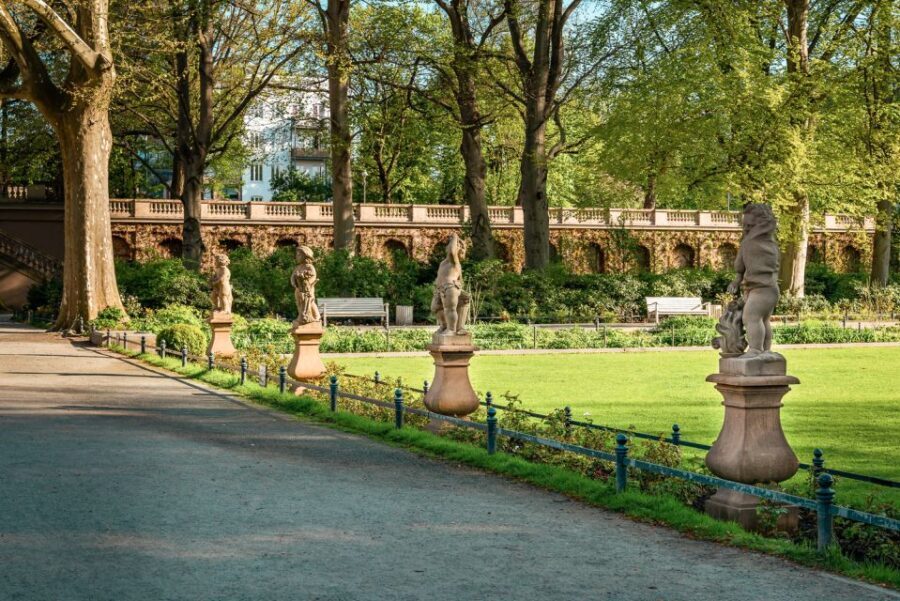
- Neo-Baroque garden focus in the middle of old Neukölln blocks: you’ll reach the highlight at Körner Park/Kölner Park and learn what makes it special
- Ilsenhof, a 1920s residential complex: the guide connects housing history to how the neighborhood feels today
- Stories beyond the obvious: you’ll hear about the “Glory Halls of Neukölln” and who Will Meisel was
- A real David Bowie link tied to the area: not a generic trivia drop, but part of the neighborhood’s story
- Archaeology on a street-level walk: you’ll see an archaeological discovery from 1912 along the route
- A guide with “heart” in the way he tells it: Reinhold Steinle is praised for engagement and lots of lived-in anecdotes
Why Neukölln’s stories hit harder than the postcard Berlin route
Neukölln is one of those Berlin districts where you can stand in the same place and feel like you’re watching multiple decades overlap. This tour leans into that. You’re not just shown sights—you’re guided through the logic of the neighborhood: why certain buildings are there, what kinds of entertainment and characters once shaped local life, and how the area has been shifting over the last ten years.
A big reason this works is the guide’s angle. Reinhold Steinle isn’t presenting Neukölln as a problem to solve or a trend to chase. He’s presenting it as a place with texture—full of past residents and small, specific details that most people skip because they’re moving too fast. That’s the “ambassador” feel you’ll notice from the start: the tour is built to spotlight what’s positive, interesting, and worth paying attention to in your own two hours there.
You’ll also see how history can show up in unexpected ways. The tour’s promise includes links to older cultural life, but it also brings in something pop-culture adjacent: the David Bowie connection. For me, the value is that this keeps you curious throughout the walk. You’re not trudging through names and dates; you’re learning how people in this district were part of bigger stories.
You can also read our reviews of more walking tours in Berlin



Meeting at Leuchtstoff Kaffeebar and how the 90 minutes actually work
You start at Leuchtstoff Kaffeebar, Siegfriedstraße 19, 12051 Berlin. That matters because it puts you in the middle of everyday Neukölln life right away, not at a far-off landmark where the tour feels like it begins after the city already happened.
This is a private group experience for up to 6 people, and it runs about 90 minutes. In practical terms, that’s long enough for a real conversation with your guide, but short enough that you don’t have to “commit a whole day” to see the district at a guided pace. Since the tour is German, it’s best if you feel comfortable following spoken German—or you’re going with a group that does.
The tour style also gives you a built-in advantage: because it’s private and small, your guide can explain context without rushing. You’ll likely get more of the why than the what—especially around the connections between old residential structures, entertainment history, and how the garden highlight sits inside the neighborhood rather than outside it.
Ilsenhof: stepping into 1920s residential Neukölln
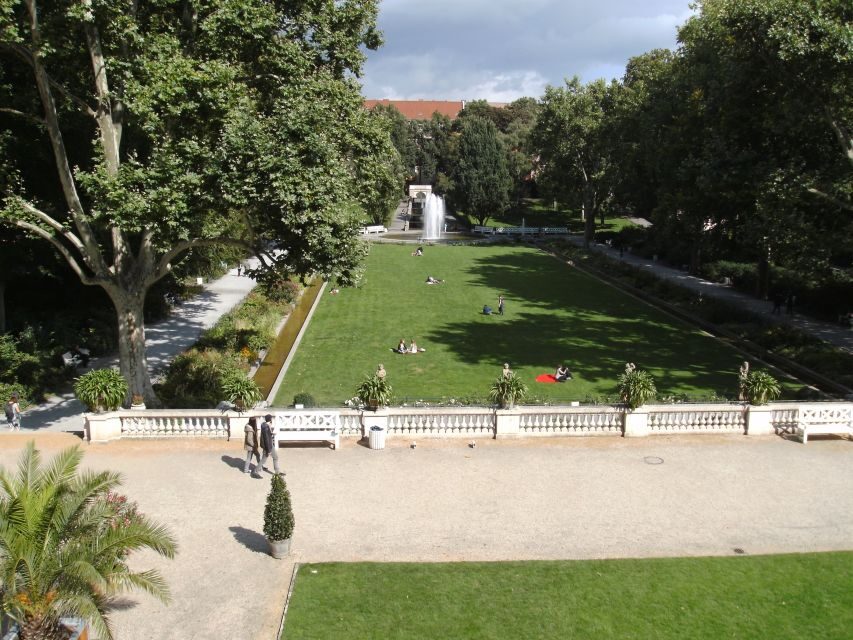
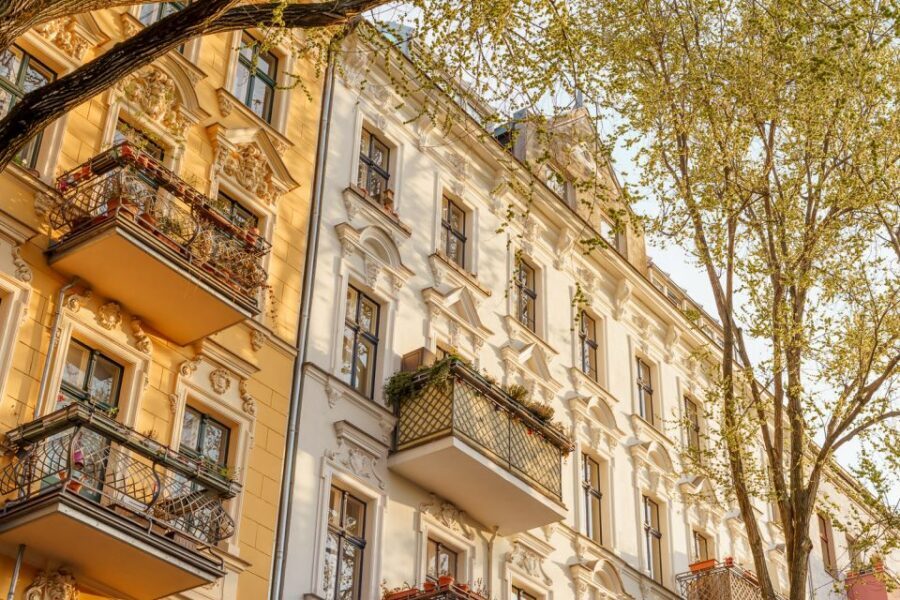
One of the first stops on your route is Ilsenhof, described as a residential complex from the 1920s. Even if you’ve never heard of the place, this kind of stop is valuable because it anchors the tour in everyday architecture. Berlin isn’t only monuments; a lot of the city’s personality comes from how people were housed—what builders tried to provide, and what that means for how the street feels now.
I like this stop because it turns “Neukölln today” into something you can read. The guide connects past and present, so you’re not just looking at older buildings as background. You’re learning to spot how earlier planning decisions echo in the neighborhood’s layout and character.
If you enjoy city walks where architecture is treated like evidence, not decoration, this part will be a good match. The tour keeps you in motion, but it pauses enough for you to understand what you’re looking at.
The Glory Halls thread and Will Meisel: local history with an edge
The tour includes a section on the history of Glory Halls of Neukölln, plus an explanation of who Will Meisel was. This is the kind of neighborhood history that many visitors avoid because it sounds too sensational. But the way this tour is framed is different: it uses those threads to show how communities formed, how entertainment and nightlife shaped local identity, and how people’s stories leave long shadows.
This part is also where you’ll notice the guide’s storytelling approach. In the tour’s anecdotes, you can expect colorful characters from the area’s past. One example from feedback described stories ranging from a scandal-linked erotic dancer to an eccentric gravel-pit owner. That range is a reminder that neighborhoods don’t get shaped by one kind of person. They get shaped by many.
A practical consideration: if you prefer history that’s strictly formal and sanitized, this segment might feel too “human” and too direct. If you like history as lived experience, this is where the tour tends to feel most alive.
Finding the David Bowie link while you’re still in the district
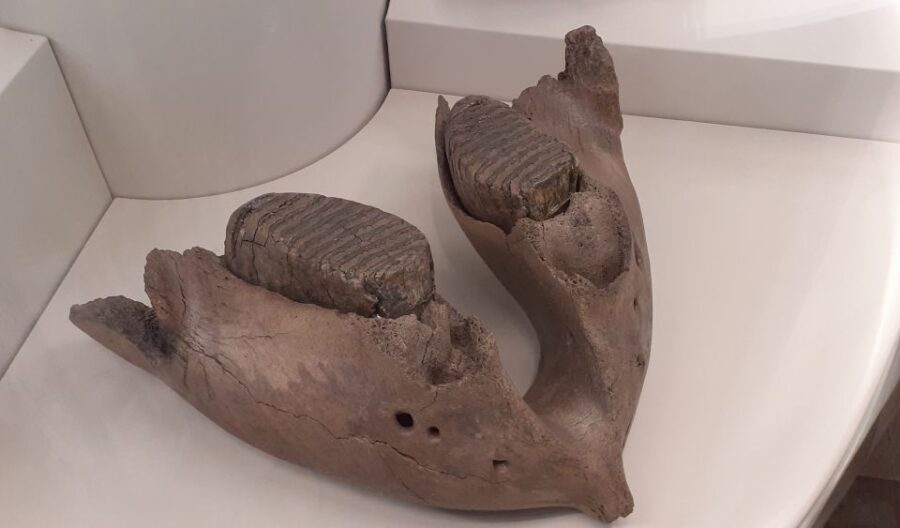
One of the tour highlights is the link to David Bowie. The value here isn’t just that Bowie fans get a small thrill. It’s that the guide uses the connection to help you understand how cultural influence travels. When a neighborhood has links to a globally famous artist, it’s often because of specific local scenes, people, or venues.
This tour’s approach keeps the Bowie angle tied to place. You’re learning why the connection matters for Neukölln’s own story—not just collecting trivia. And when you hear the Bowie reference in context, it tends to stick, because it’s connected to street-level history and the earlier sections you just learned about.
If you’re traveling with someone who loves music, this is also a great “bridge moment.” Even if your friend isn’t focused on architecture or neighborhood history, that Bowie clue gives them a hook to follow along with the rest.





Körner Park / Kölner Park: the neo-Baroque moment in the middle of old buildings
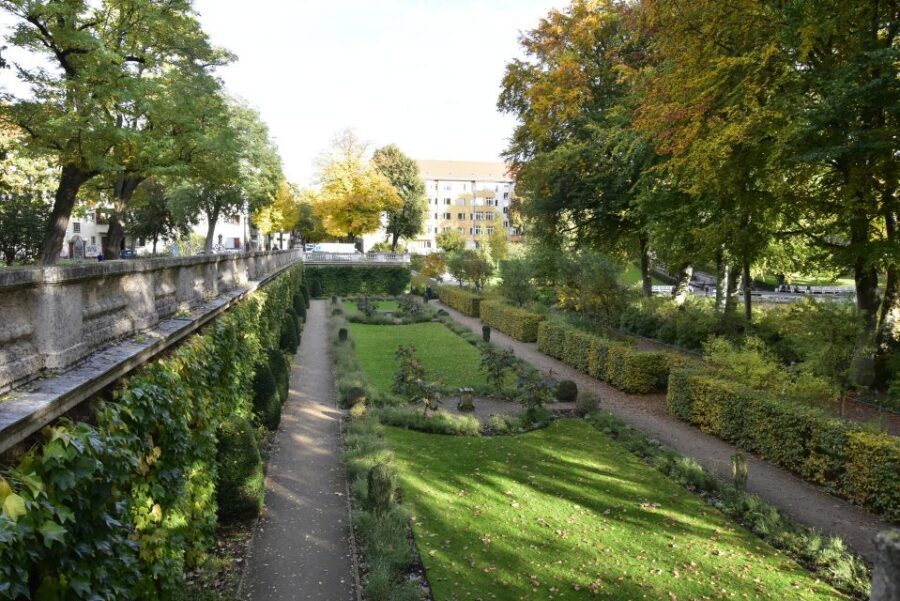
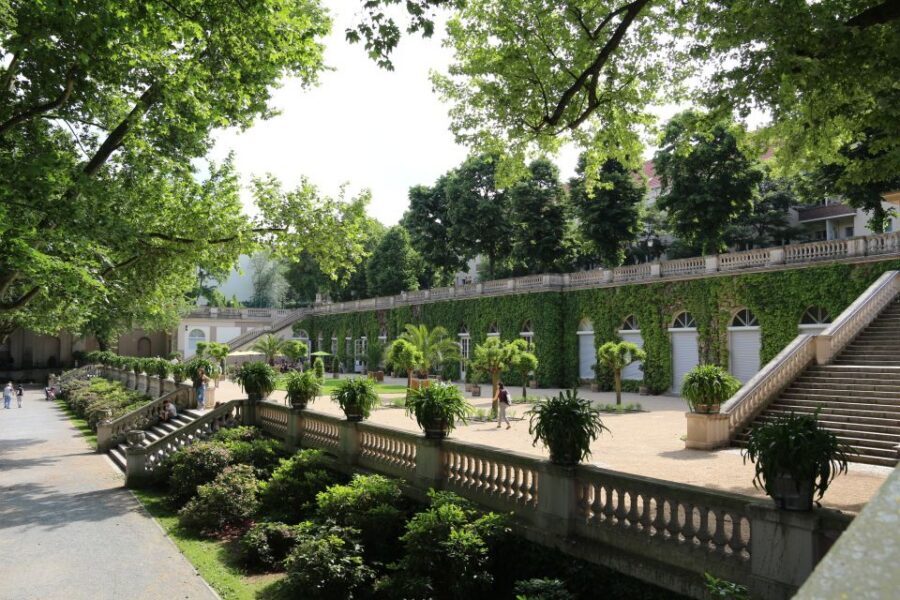
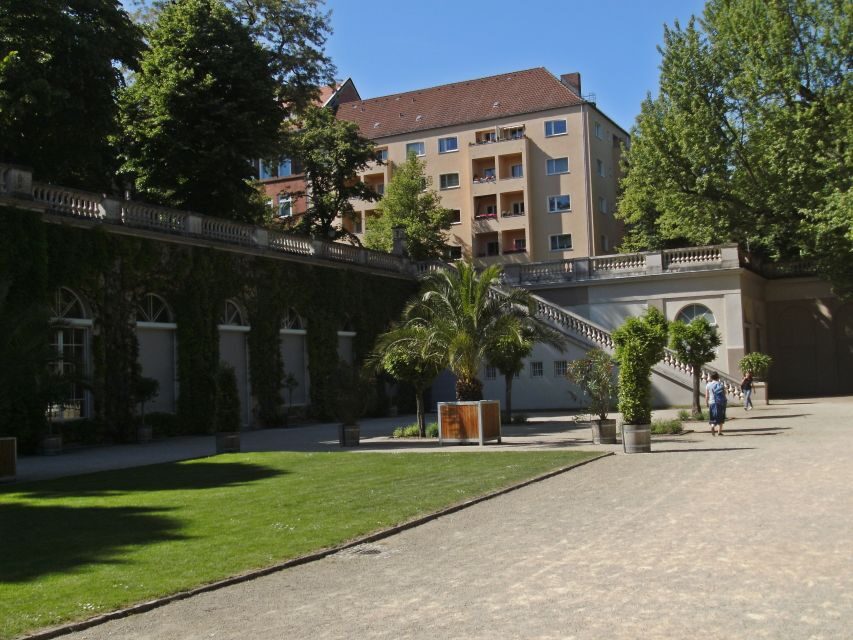
Then comes the main attraction: Körner Park, specifically focused on the Kölner Park neo-Baroque garden. This is described as a garden that “astonishes,” and you’ll see why once you’re there. The key point is contrast: a carefully designed garden experience inside the surrounding fabric of older Neukölln buildings.
I like garden stops on walking tours when they do more than provide a pretty view. This one earns its place because the guide explains what you’re seeing and frames it within Berlin’s wider story—plus it fits naturally into the route rather than acting like a separate detour.
Neo-Baroque garden design has a different feel than the more commonly expected styles. You’re not just looking at plants. You’re reading geometry, layout, and intent—how the space was meant to function as a kind of outdoor statement. In other words, the garden becomes a historical object, not just scenery.
If you’re someone who tends to rush through parks, this stop is a good cure. You’ll have a reason to slow down, look around, and notice details you’d otherwise miss.
The 1912 archaeological discovery you’ll hear about on the walk
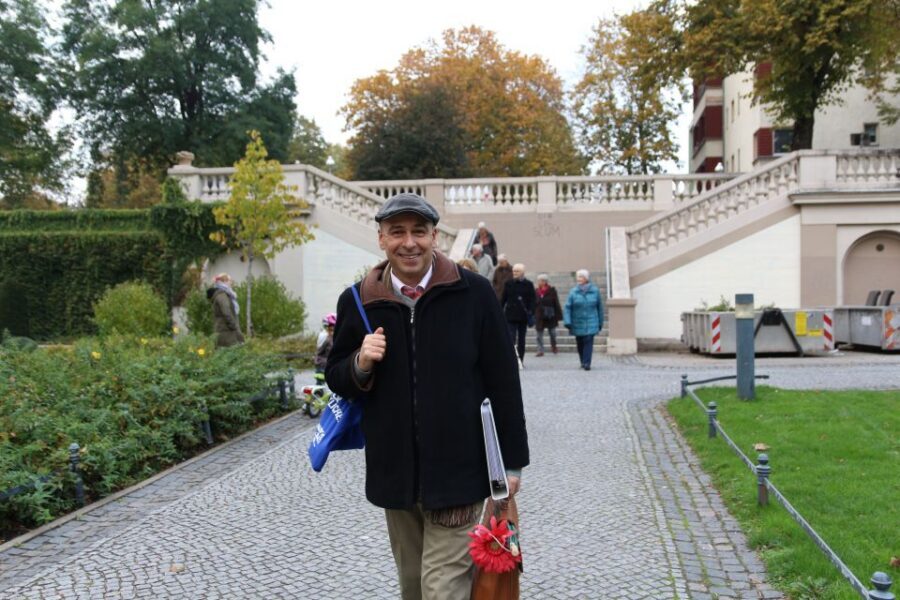
A walking tour usually includes “look at this building” moments. This one adds something rarer: the guide shows you an archaeological discovery from 1912 on the way to the park.
Even when you can’t physically verify every aspect of the find (you’re often looking at the modern street layer), it still changes how you think about the neighborhood. It reminds you that what you see today sits on multiple earlier phases of Berlin life. You start thinking in layers: ground history, construction history, and social history.
If you like facts that shift your perspective—like the idea that the neighborhood isn’t just recently built—you’ll enjoy this element. It also helps explain why the tour can move from “old residential” to “garden design” without feeling random.
The small-group pacing and what you get at the end
This tour finishes with a written summary of the key contents, given at the end. That’s more useful than it sounds. When a tour includes multiple themes—housing, entertainment history, named individuals like Will Meisel, pop-culture links, and a garden highlight—your brain can blur details if you don’t have a reference afterwards. The written recap gives you something you can pull out later when you’re mapping the tour in your head.
You’ll also get tips from the guide for further ventures—places worth seeing beyond the tour route. Since Reinhold Steinle is positioned as an ambassador for Neukölln, those suggestions tend to line up with what the district is actually like, rather than what guidebooks assume visitors will want.
There’s also a nice bonus possibility: because the guide is attentive and talkative in the way praised by visitors, he may point out events you can catch. One story in feedback described noticing a Rosinenbomber overflight because the guide had signaled it ahead of time. It’s not something you can plan on, but it’s a good example of how alert his guidance can be.
Price and value: $70 for a group up to 6
The tour price is $70 per group up to 6, lasting 90 minutes. That’s a pricing model that can be very good value if you’re traveling with at least a couple of people. Instead of paying per person and losing flexibility, you’re buying a private, guided walkthrough of a specific neighborhood theme set.
How to judge if it’s worth it for you:
- If you’re 2–3 people, the cost per person can drop quickly compared with many individual tours.
- If you’re a solo traveler, it can still be worth it when you want a small-group atmosphere and a guide who can keep the story coherent in a short time.
- If your group includes culture- and history-minded people, you’ll likely get more satisfaction per minute because the tour connects themes rather than treating every stop separately.
For $70, you’re also buying something hard to measure: a motivated guide. The reviews you have here repeatedly emphasize engagement and a lot of information packaged as anecdotes. That’s the difference between a tour you forget after lunch and one that sticks.
Who should book this Neukölln walk (and who might not love it)
Book this tour if you like:
- neighborhood history that’s specific and not generic
- architecture and city layers, like Ilsenhof and the neo-Baroque garden at Körner Park/Kölner Park
- a mix of serious context and story-driven characters
- a David Bowie link that’s tied to place rather than random trivia
It may be less ideal if:
- you need an accessible route (it’s not suitable for people with mobility impairments)
- you prefer tours only in languages other than German
- you want a long, slow pace with minimal walking
Also, remember the duration. Ninety minutes is focused. It’s not meant to replace a full Neukölln day on your own. It’s a strong way to get your bearings fast and then keep exploring with better context.
Should you book the Neukölln Walking Tour with Reinhold Steinle?
If your idea of a great Berlin day is a guided story that makes the streets feel meaningful, I think this is a smart booking. The combination of Ilsenhof (1920s housing), the history threads around Glory Halls of Neukölln and Will Meisel, the David Bowie connection, and the centerpiece at Körner Park/Kölner Park gives you variety without randomness.
The tour also seems to win on execution: the guide’s energy and ability to connect details into a clear narrative is a recurring strength. And the private group size helps you get a more personal experience within a short time window.
If you’re comfortable with German and you can handle a walking tour through an urban neighborhood, this is the kind of experience that makes Neukölln feel like more than a name on a map.
FAQ
How long is the Berlin: Neukölln Walking Tour?
It lasts about 90 minutes.
How much does the tour cost?
It costs $70 per group, up to 6 people.
Is this tour private or group-based?
It’s a private group tour.
What is the meeting point?
The meeting point is Leuchtstoff Kaffeebar, Siegfriedstraße 19, 12051 Berlin.
What language is the tour guide speaking?
The live tour guide speaks German.
What’s included in the tour?
You get a written summary of the key tour contents at the end, plus tips from the guide for further places to see.
Is the tour suitable for people with mobility impairments?
No, it is not suitable for people with mobility impairments.
Can I cancel for a refund?
Yes. Free cancellation is available up to 24 hours in advance for a full refund.