REVIEW · BERLIN
Hitler to Stalin – WWII & Cold War Tour (Small Group)
Book on GetYourGuide →Operated by On the Front Tours · Bookable on GetYourGuide
Berlin’s dark timeline walks with you. This small-group WWII and Cold War tour threads together the Nazi years and the Cold War in a way that feels practical, not academic. I especially like the street-level focus on landmark sites and how the guide’s storytelling connects what you see to what came next. I also like the Then & Now photographs and maps, because it helps you picture how the city has changed instead of treating today’s streets like a static museum.
The main drawback is time: in 2.5 hours, you move fast between major stops, so you get solid context rather than extended museum-level detail.
In This Review
- Key things that make this tour worth your feet
- How a 2.5-hour WWII and Cold War walk really works
- Meeting at Brandenburg Gate: get oriented fast
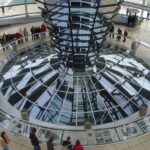
- Brandenburg Gate to the Reichstag: politics you can see
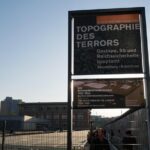
- Hitler’s Bunker and Gestapo HQ: the machinery of control
- The Holocaust Memorial: loss, memory, and why it matters
- Checkpoint Charlie: a city split in plain view
- Berlin Wall reality: the “iron curtain” made visible
- Then & Now photos and maps: how the city “changes” without losing the plot
- Small-group guide quality: what you should watch for
- Price and value: is $34 for this route a smart buy?
- Who this tour fits best (and who should think twice)
- Quick planning tips before you go
- Should you book this WWII-to-Cold-War tour?
- FAQ
- Where is the meeting point for the tour?
- How long is the tour?
- Is the tour available in English?
- What major sites are included?
- Does the tour run in bad weather?
- Is the tour wheelchair accessible?
- What should I bring?
- What are the cancellation and payment options?
Key things that make this tour worth your feet
- Brandenburg Gate as the anchor point: you start at a symbol of unity and understand why it matters so much.
- A WWII-to-Cold-War storyline: the tour is built to show cause-and-effect, not just a list of famous places.
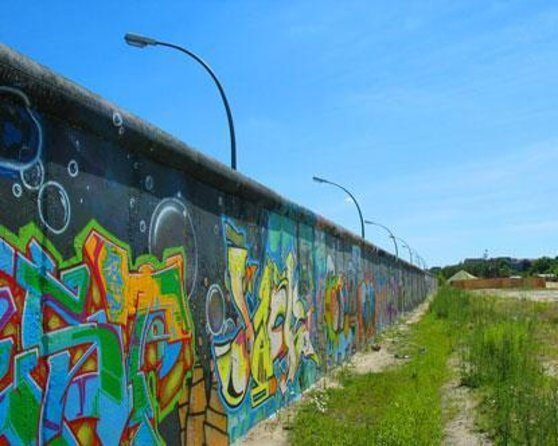
- Concrete Cold War sights: you see the Berlin Wall area and get the division-and-unification thread explained.
- The Nazi-era landmarks on the same route: Hitler’s Bunker site, Gestapo HQ, and the Holocaust Memorial shape the emotional arc.
- Checkpoint Charlie included for context: you learn what the site meant in the city’s daily reality.
- Small-group pacing with an expert historian: you get more room for questions than in giant bus tours.
How a 2.5-hour WWII and Cold War walk really works
Berlin is one of Europe’s best places to learn history with your feet. The catch is that the city is huge, and it’s easy to bounce from landmark to landmark without understanding the big story. This tour is designed to avoid that problem by building a timeline that moves from the Nazi era toward the Cold War—and ties the two together through the way Berlin was controlled, divided, and later re-unified.
I like that it’s run by Berlin’s only World War II tour specialists. That phrasing matters, because it signals the focus is narrow on purpose: you’re not getting a general city tour that happens to pass a few historical stops. Instead, you’re walking a route with a clear theme: the human consequences of Nazi power and the political consequences of the Cold War.
The pacing is also part of the value. At about 2.5 hours, you get a compact route that hits many of Berlin’s most important related sites without needing a full day. That makes it a great choice if you’re visiting for a few days and want the emotional and political context early, before the city’s own layers start to blur together.
You can also read our reviews of more tours and experiences in Berlin.


Meeting at Brandenburg Gate: get oriented fast
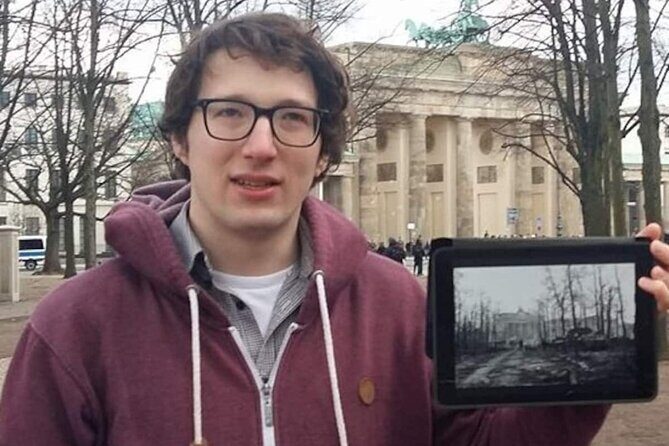
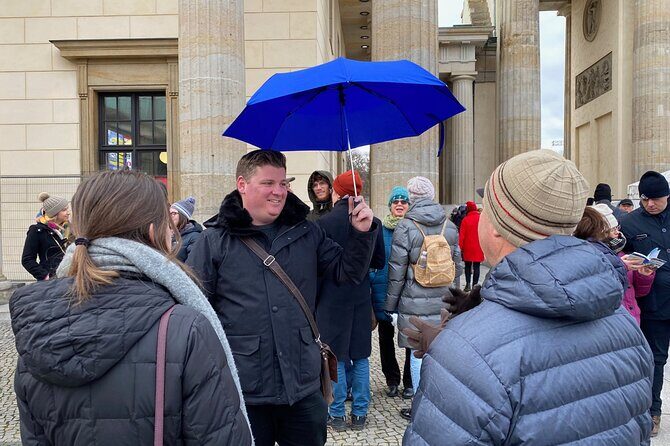
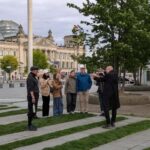
Your tour starts at the Tourist Center at the Brandenburg Gate. You’ll want to look for the blue umbrella. The good news: if Brandenburg Gate is part of your first-time Berlin plan, you can combine this with normal sightseeing in the same area.
You’ll also finish back at the meeting point. For practical travel planning, that’s helpful. You don’t end up stranded across town wondering how to get to dinner. You’re back near a major transport and sightseeing hub.
One more small practical detail: the tour is rain or shine. Berlin weather can be unpredictable, so think like a local—wear shoes you can walk in for a while, bring water and a light snack, and pack an umbrella or raincoat if the forecast looks messy.
Brandenburg Gate to the Reichstag: politics you can see
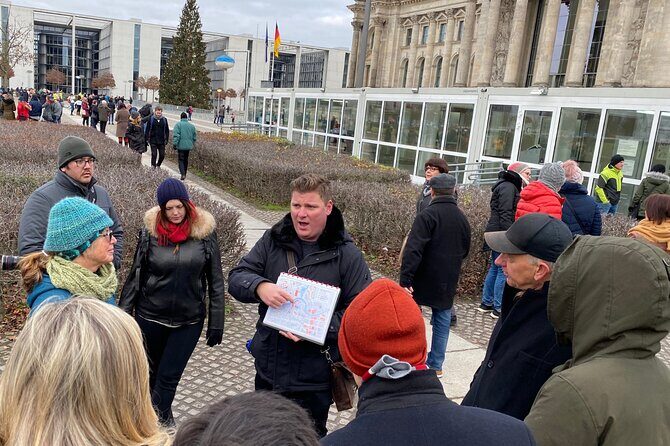
Starting at Brandenburg Gate is more than a convenient landmark. The tour frames it as a transition point—moving from war-torn scars toward an emblem of unity. That sets the tone: Berlin isn’t just about tragedy. It’s also about rebuilding, politics, and the symbols people choose to represent a new reality.
From there, you head toward the Reichstag. This is one of the best places to understand how power works, because it sits at the intersection of government, public life, and major historical turning points. On this tour, the Reichstag isn’t treated like a photo stop. It’s used to explain the political stakes of the era—how decisions made at the top shape what ordinary people endure on the ground.
This part is valuable if you’re the kind of traveler who wants the why behind the what. The tour aims to help you connect the city’s major sites to the political mechanics of the time, including how ideology and control played out through institutions and public spaces.
Hitler’s Bunker and Gestapo HQ: the machinery of control
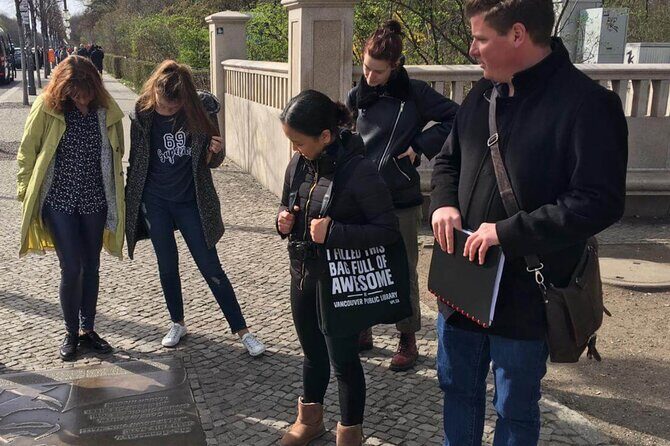
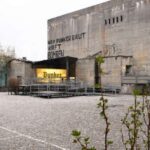
The emotionally heavy stops are a core reason to pick a tour like this. You’ll visit sites connected to Hitler’s Bunker and the Gestapo HQ. Even when a stop is a location rather than a full museum experience, it helps you understand what it means when power is centralized and dissent is punished.
This is where the tour’s WWII focus earns its keep. You’re not just learning dates; you’re learning the shape of the Nazi system—how it controlled information, intimidated opponents, and used fear as policy. Having a guide who can connect the street-level location to the bigger storyline can change how the city feels. It’s not only about seeing what happened. It’s about understanding how it happened.
Just note the balance: you’ll cover serious ground, and the historical weight is the point. If you’re traveling with someone who prefers upbeat themes or wants lighter sightseeing, you may want to mentally prep for heavy topics early in the walk.
The Holocaust Memorial: loss, memory, and why it matters
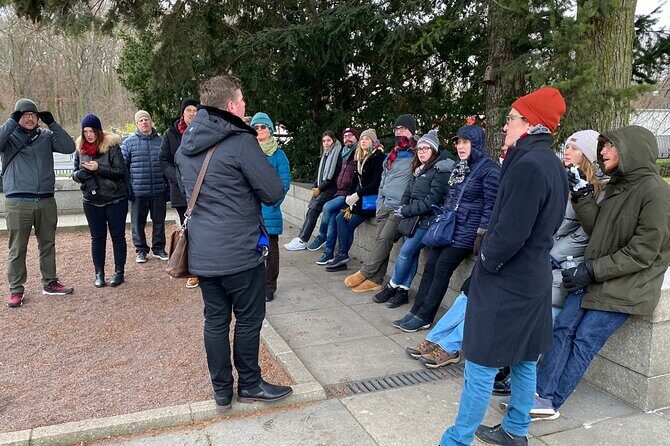
The tour includes the Memorial to the Holocaust. This stop is handled as a learning moment and a remembrance moment, not a checkbox. The lesson you take away is simple but essential: the scale of loss during the Nazi era was not abstract. It affected families, neighborhoods, and future generations.
What I like about including this memorial within the broader WWII-to-Cold-War arc is the cause-and-effect connection. It reinforces that the Cold War wasn’t happening in a vacuum. The world was reshaped by the Second World War, and Berlin became one of the key places where those shifts played out physically.
If you plan to visit the memorial for a quick look on your own later, doing it as part of a guided timeline can make it more meaningful. You’ll have context in your head as you walk.




Checkpoint Charlie: a city split in plain view
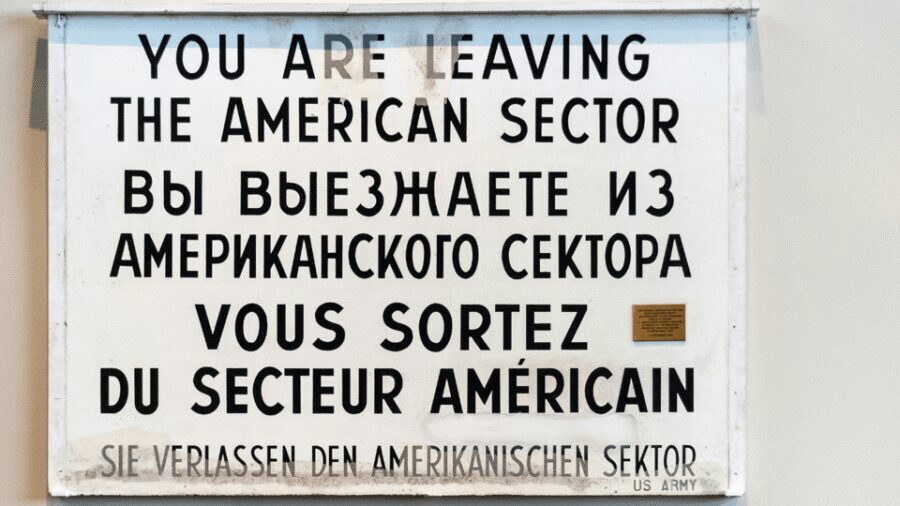
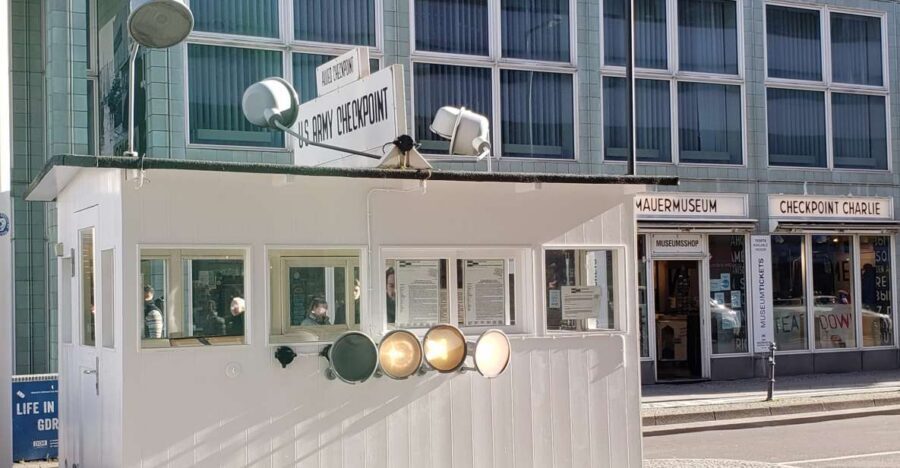
Checkpoint Charlie is one of Berlin’s most recognizable Cold War images. On this tour, it’s used to explain the lived reality of a divided city. You’re shown how the division affected movement, identity, and everyday life—how a line on a map became something people had to navigate day after day.
This is also a great stop for first-time Berlin visitors. If you’ve ever seen Cold War photos of soldiers and borders, this is where those images start to feel less like history and more like a place you’re standing in. The guide helps you connect the visual symbolism to the political tension behind it.
In a short 2.5-hour framework, this stop works well as a transition: you move from understanding Nazi power and its aftermath into understanding how the city’s new division became part of global geopolitics.
Berlin Wall reality: the “iron curtain” made visible
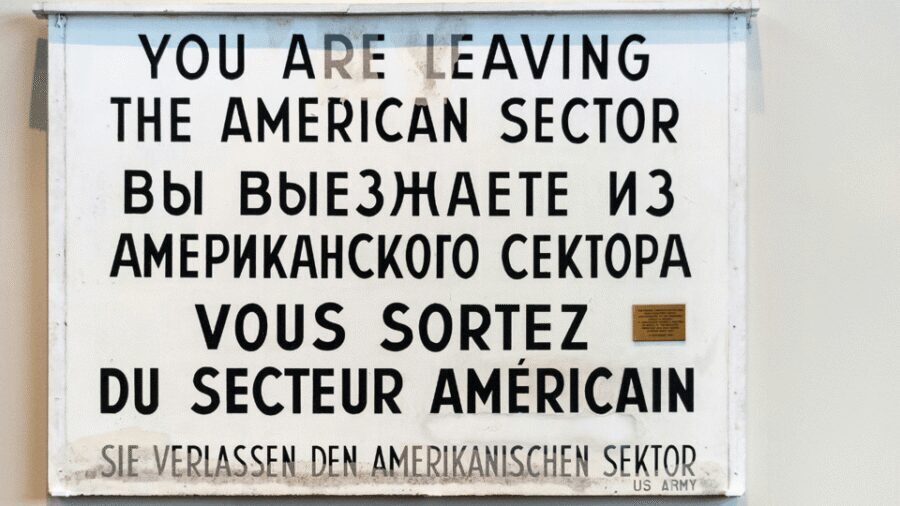
You’ll see the Berlin Wall—presented as the actual Iron Curtain experience, not just a story from a textbook. The tour frames the Wall as a tangible symbol of division, and that matters. It’s one thing to read about a divided Germany. It’s another to look at the physical evidence that division once existed and see how Berlin’s landscape still carries that memory.
This is where the tour’s promise—helping you understand events that led to Berlin’s division and eventual unification—becomes practical. Instead of treating unification as an inevitable happy ending, you learn what drove the split and how the world’s power politics shaped Berlin’s walls and borders.
Even if you think you already know the headline story, I find the value is in connecting the dots: why the world ended up like this, and why Berlin became such a powerful symbol for the whole Cold War.
Then & Now photos and maps: how the city “changes” without losing the plot
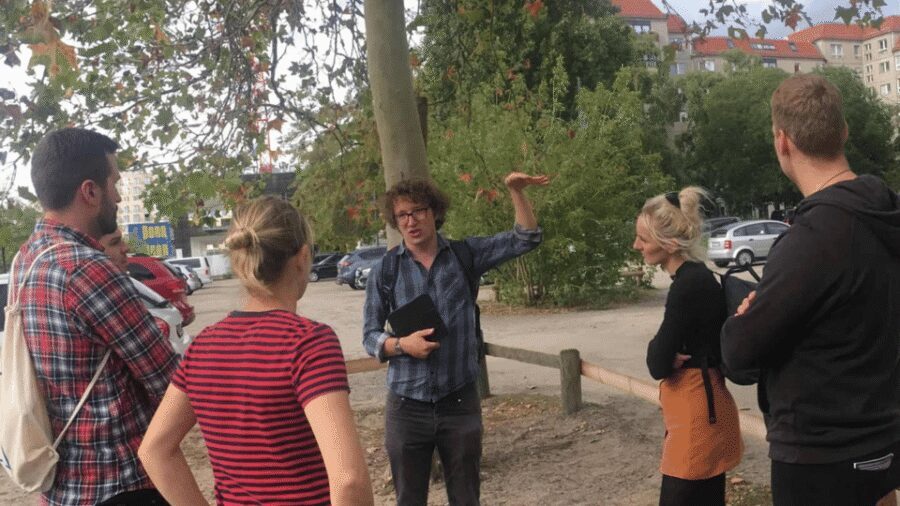
A lot of Berlin history walking tours use photos, but here the package matters. You get Then & Now photographs and maps, which help you understand what has been rebuilt, what has been preserved, and what simply disappeared.
This is especially useful around the Reichstag and other high-profile areas where modern Berlin can look too clean if you’re not reminded of the earlier layers. The photos help you keep your mental timeline in order, instead of getting stuck only on what’s physically present today.
If you like to orient yourself and visualize how a city evolves, this added material can make the tour stick longer after you leave.
Small-group guide quality: what you should watch for
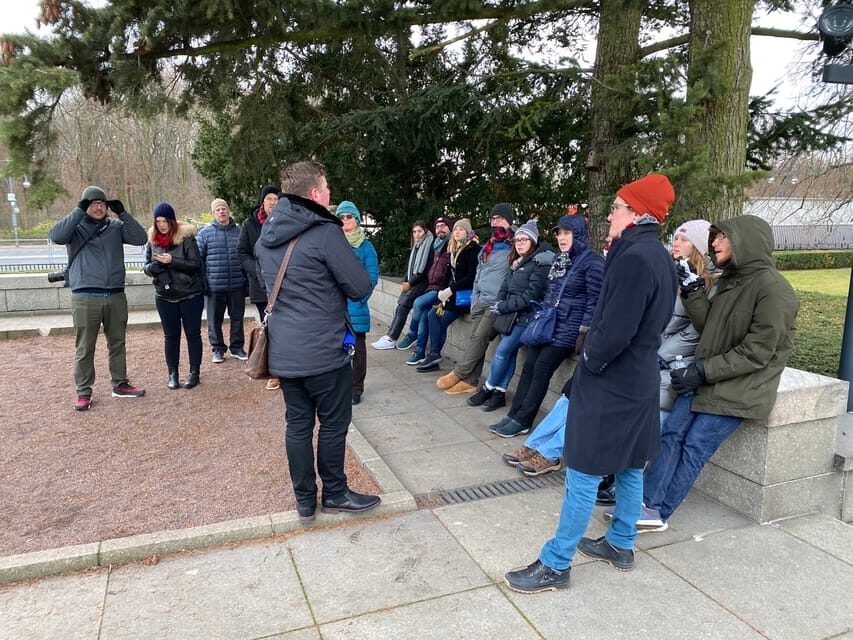
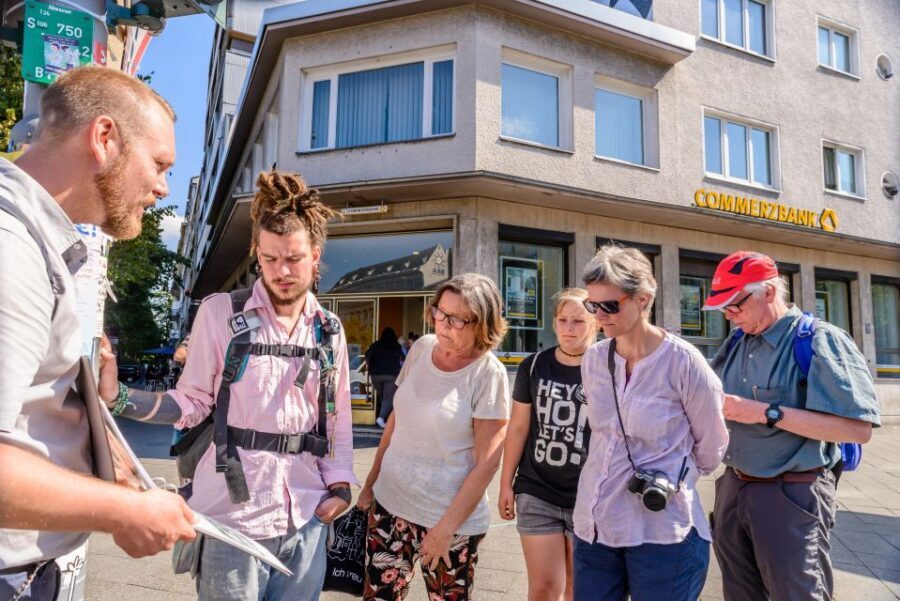
The tour is built around a live English guide and an exclusive small group format. That’s not just comfort—it changes the learning experience. Smaller groups mean you’re less likely to be rushed past questions, and the guide can pace the story to your questions and reactions.
One guide name that stands out in the tour’s feedback is Tom. He’s praised for being excellent: knowledgeable, interesting, appropriate, and engaged with the group. If you see departures mentioning Tom as the guide, it’s a good sign that you’ll get a structured story with enough clarity to keep everyone following the timeline.
Price and value: is $34 for this route a smart buy?
At about $34 per person for roughly 2.5 hours, you’re paying for more than a walking route. You’re paying for an expert guide, a themed WWII-to-Cold-War storyline, and visits to multiple major sites in one go: Brandenburg Gate, Hitler’s Bunker-related locations, Gestapo HQ, the Reichstag, the Holocaust Memorial, Checkpoint Charlie, and the Berlin Wall.
For a city where the history can cost you time (and energy) trying to piece together sites on your own, $34 often feels reasonable because it saves planning and reduces decision fatigue. You also get supporting material—Then & Now photos and maps—that you likely wouldn’t gather as quickly DIY.
If you enjoy guided context, this price feels like practical value. If you’re the type who wants to spend hours inside museums, you might compare this to longer-ticket options. But as a focused overview that connects the story, it’s a strong deal.
Who this tour fits best (and who should think twice)
This tour is a great match if you:
- want a structured connection between WWII and the Cold War
- like seeing major landmarks with real-world political context
- prefer a smaller group to keep the experience human-sized
- want an early understanding of Berlin so later self-guided sightseeing makes more sense
It may not be your best choice if you:
- want mostly light, entertainment-style sightseeing
- get overwhelmed by heavy topics and want gentler pacing
- dislike walking for a couple hours on uneven city terrain
That said, the route is designed for general visitors and is wheelchair accessible, so it’s built with a broad range of travelers in mind.
Quick planning tips before you go
Berlin history days work best when you travel prepared. Since the tour takes place rain or shine and is a walking experience, I’d plan like this:
- wear comfortable shoes
- bring water and a light snack
- pack an umbrella or raincoat if the weather looks iffy
Also, don’t schedule another “major museum” right after unless you know you can handle it emotionally. This route covers serious subject matter, and your brain will keep replaying it while you move on.
Should you book this WWII-to-Cold-War tour?
I’d book it if you want one efficient, guided timeline that connects Nazi-era control to Cold War division—without forcing you to do all the research yourself. The strong points are the site selection, the clear WWII-to-Cold-War storyline, and the added Then & Now photos and maps that make the city’s layers easier to understand.
Skip it only if you’re looking for a light city stroll or you prefer long museum stops over walking-based context. For most first-time Berlin visitors who want real understanding fast, this tour is a smart, worthwhile choice.
FAQ
Where is the meeting point for the tour?
You meet at the Tourist Center at the Brandenburg Gate. Look for the blue umbrella.
How long is the tour?
The duration is 2.5 hours.
Is the tour available in English?
Yes, the live tour guide speaks English.
What major sites are included?
The tour highlights include the Berlin Wall, Hitler’s Bunker, Gestapo HQ, the Reichstag, Checkpoint Charlie, the Memorial to the Holocaust, and Brandenburg Gate.
Does the tour run in bad weather?
Yes, it runs rain or shine.
Is the tour wheelchair accessible?
Yes, the tour is wheelchair accessible.
What should I bring?
Bring comfortable shoes, water, and light snacks. If weather is unfavorable, bring an umbrella or raincoat.
What are the cancellation and payment options?
You can cancel up to 24 hours in advance for a full refund. You can also reserve now and pay later to keep plans flexible.