REVIEW · BERLIN
Produce Techno and House Music in Berlin
Book on GetYourGuide →Operated by Andy Sexton · Bookable on GetYourGuide
Two hours, one real Berlin track. This small-group workshop takes place in Andy Sexton’s studio in the clubbing district, and it focuses on the practical steps behind the sound you hear all over Berlin. You’ll work through synth and drum machine programming and build a house or techno track using professional software.
I love that the session doesn’t stop at theory. You also finish by arranging and mixing so your track is prepared for club play, not just saved as a demo. One thing to consider: the time is tight, so if you’re brand new and want to go deep into every setting, you may feel a little rushed in a 2-hour format.
In This Review
- Key Points at a Glance
- Why This Berlin Techno Studio Session Feels Different
- The 2-Hour Flow: From Programming to a Club-Ready Mixdown
- 1) Setting up the groove: synths and drum machines
- 2) Recording and arranging your track
- 3) Mixdown to prepare for club play
- What You’ll Use: Modern Software + Vintage Studio Gear
- Programming Synths and Drum Machines Without Getting Lost
- Synth programming: make sound feel rhythmic
- Drum machine programming: timing is everything
- Recording and Arranging: Making It Feel Like a Track
- Mixing for Club Play: The Step That Makes It Sound Real
- Berlin Context: Why This Workshop Isn’t Just a Generic Course
- Price and Value: Is $147 Worth It?
- Getting the Most Out of It: Who Should Book
- Practical Notes: Timing, Meeting Point, and What to Bring
- Should You Book This Berlin House and Techno Masterclass?
- FAQ
- How long is the Berlin house and techno production masterclass?
- How much does the experience cost?
- Is prior music production experience required?
- What languages is the instruction offered in?
- How big is the group?
- What will I learn to do during the session?
- What equipment and tools are included?
- Is anything included besides the instruction and studio use?
- Is transportation or meals included?
- What is the minimum age to participate?
Key Points at a Glance
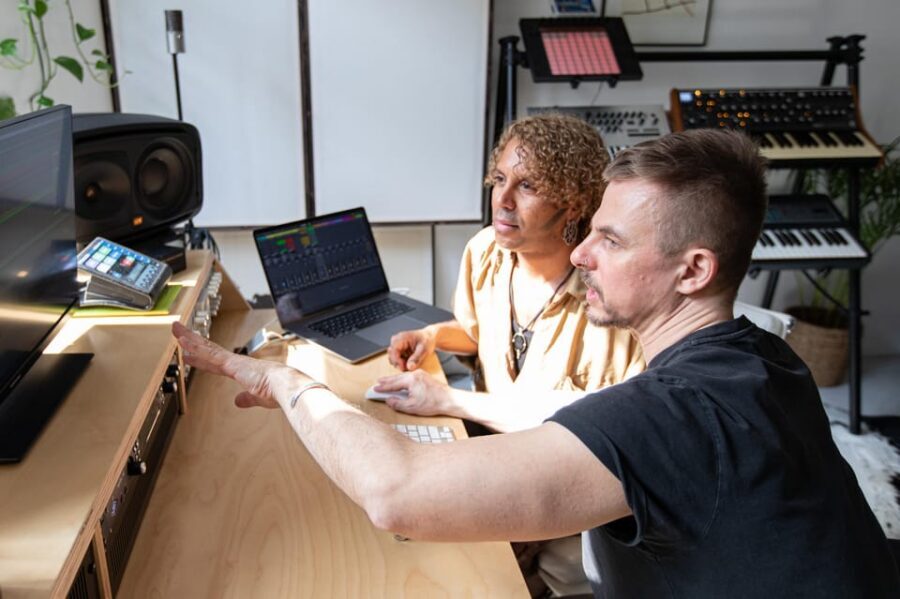
- Studio setup that feels like the real thing: modern and vintage gear, plus lots of instruments and microphones
- Beginner-friendly workflow: no prior music production experience required
- Hands-on track building: programming, recording, arranging, then mixdown
- Small group focus: limited to 4 participants, so you’re not lost in the crowd
- English instruction: you’ll get clear guidance while you work through the software
- Berlin culture context: you get the inside look at how people build the sound, not just songs
Why This Berlin Techno Studio Session Feels Different
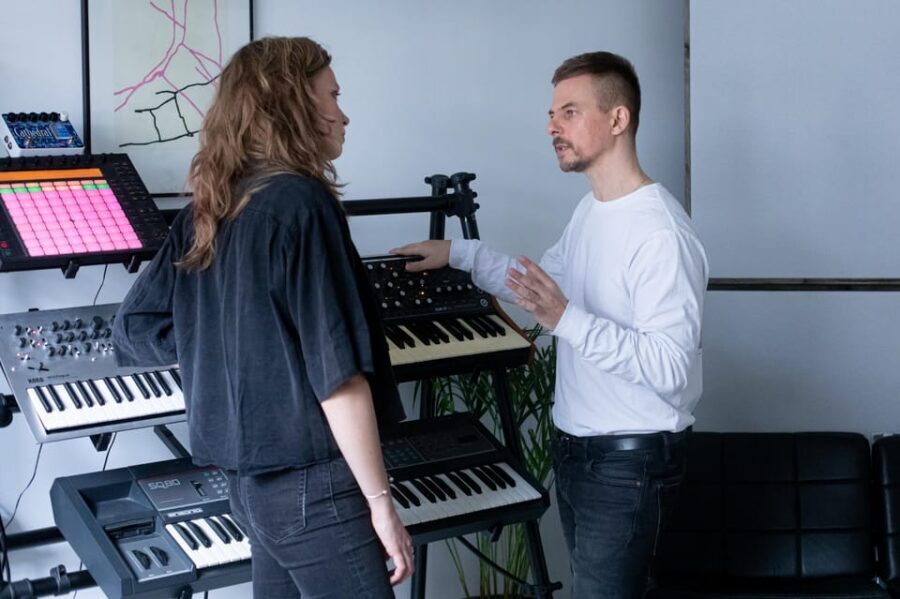
Berlin techno is easy to romanticize from the outside. From the club floor, it can seem like the magic comes from one secret trick or a mysterious studio myth. In this workshop, the magic comes from workflow. You watch how a producer turns small sound decisions into a groove you can actually play.
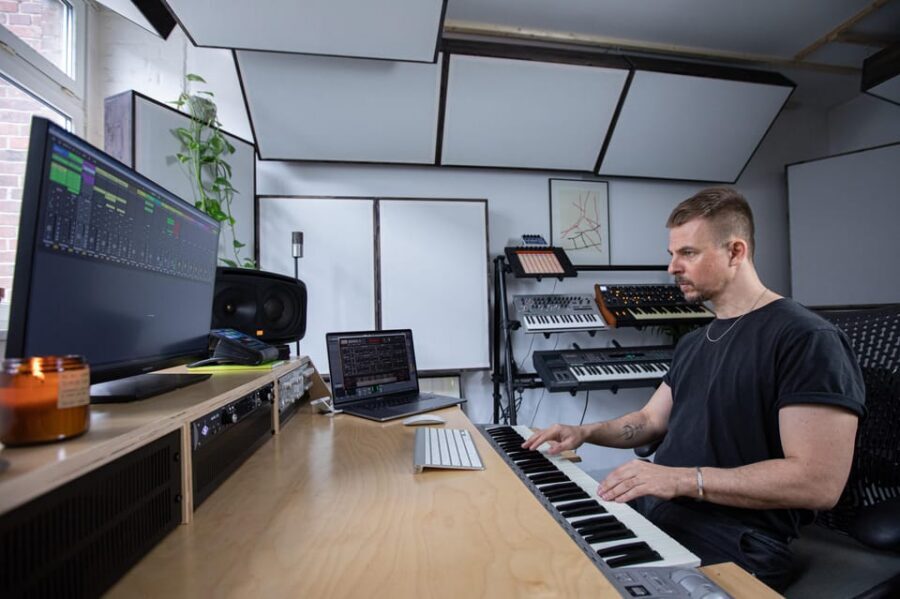
You start in a studio located right in the clubbing district. That matters more than it sounds. Being around the real nightlife zone keeps the focus on music you can picture in motion. You’re not touring a museum of past sounds; you’re making a track in a working room.
The best part is that you’re not just learning “what buttons to press.” You’re learning a process: how to program, record, arrange, and prepare a mix. That is the difference between messing around with sound and creating something with structure.
And with a small group limited to 4, you get time to ask what you’re stuck on. That’s huge when you’re learning software and sound design at the same time.
You can also read our reviews of more tours and experiences in Berlin.


The 2-Hour Flow: From Programming to a Club-Ready Mixdown
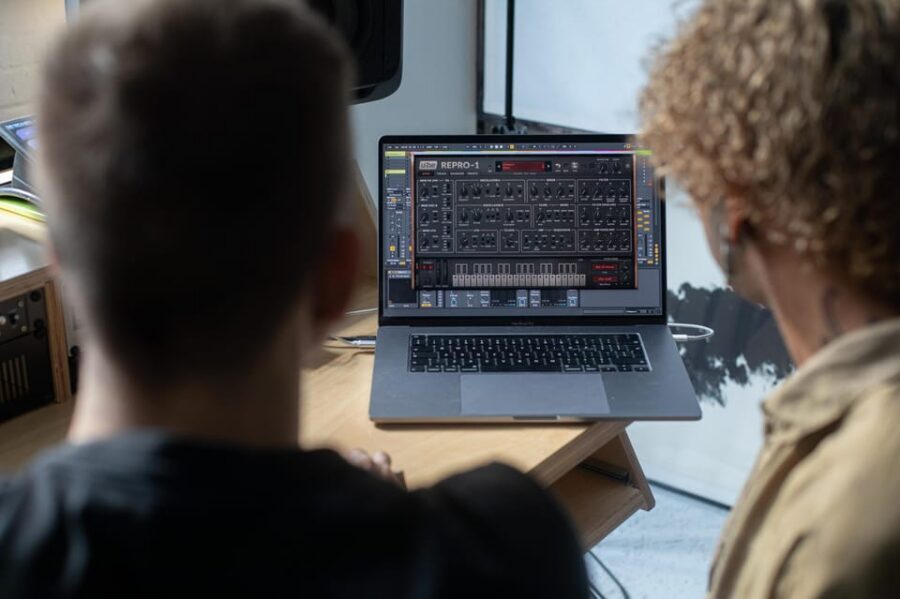
This is a short masterclass, but it’s built like a real production session. The goal is simple: leave with a finished track (or at least a very solid draft) by the end.
You can expect the session to follow this arc:
1) Setting up the groove: synths and drum machines
First comes programming. You’ll learn how to create parts that feel like house or techno. That includes:
- choosing synth sounds and shaping them for rhythm and character
- programming drum patterns with the right timing feel
- building a basic structure so the track doesn’t wander
The point isn’t to copy one famous track. The point is to understand how Berlin-style tracks get their momentum. When you learn how the kick, hat, and bass roles fit together, you start hearing production logic everywhere.
2) Recording and arranging your track
Next you’ll move from isolated programming into a more complete idea. You’ll record and arrange your house or techno track using the professional production software provided. Arranging is where a track becomes something people can listen to—not just a loop.
In practice, arranging means deciding what changes over time:
- where energy builds
- what repeats so the groove stays locked
- where you add new texture so it doesn’t feel static
If you’re a beginner, don’t worry about getting it perfect. The workshop is designed to get you moving fast, and you’ll get support as you build.
3) Mixdown to prepare for club play
Finally, you mix. This is the step most hobby sessions skip. You’ll learn how to prepare your track so it’s ready for the kinds of speakers and volume levels you associate with clubs.
Mixdown preparation usually means balancing:
- levels so elements don’t fight
- low-end so bass and kick work together
- overall sound so it holds up when it’s played loud
This is where the session feels most “Berlin.” People don’t just want something catchy. They want something that holds up on a dance floor.




What You’ll Use: Modern Software + Vintage Studio Gear
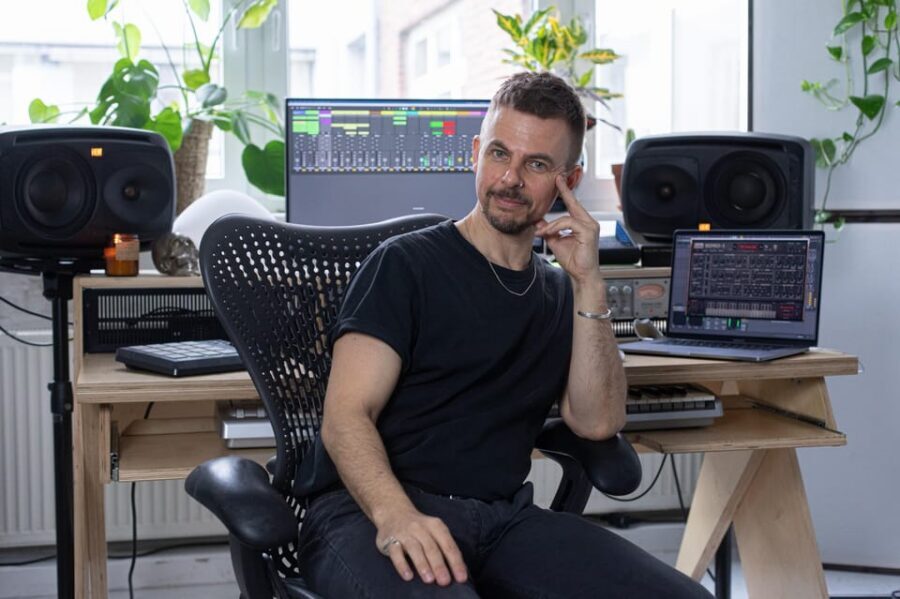
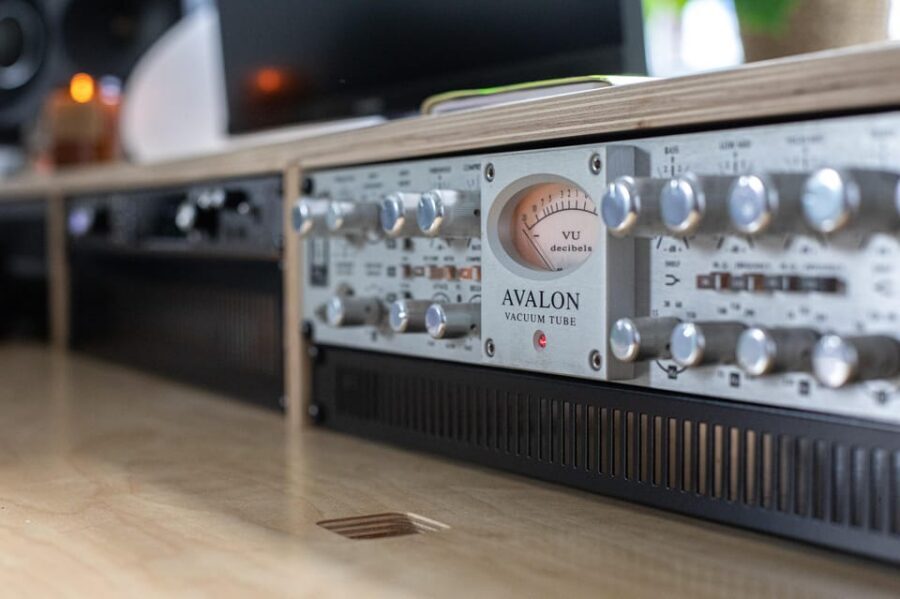
A lot of music classes claim they have good equipment. Here, the details matter because the studio has both modern and vintage gear. That gives you a real sense of why some sounds feel thick, tight, or characterful.
You’ll also have access to:
- professional music production software
- a vast array of microphones
- acoustic instruments like piano, guitar, and percussion
Even if you don’t end up using every instrument, it’s valuable to see what options a working producer has. It changes how you think about sound. Instead of treating production as only “inside the computer,” you start hearing how microphones and instruments can become part of the groove.
One practical tip: if you’re curious about sound design, ask yourself what you like about the house or techno you hear in Berlin. Is it the kick punch? The hissy texture? The bass movement? The studio setup gives you tools to test those ideas quickly.
Programming Synths and Drum Machines Without Getting Lost
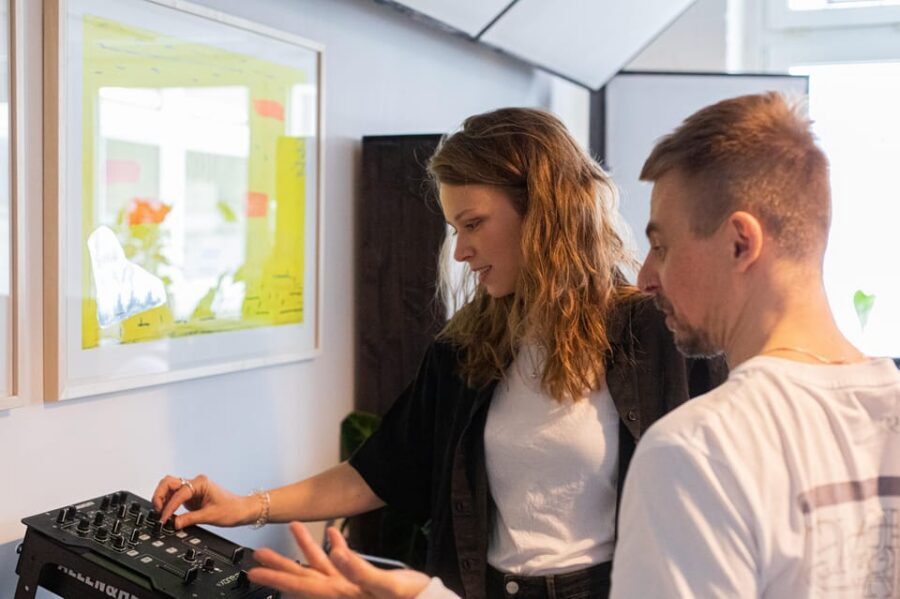
If you’re worried you’ll be overwhelmed, good news: the workshop is built for people without prior music production experience. You’ll still do real work, but you’re guided through the logic.
Synth programming: make sound feel rhythmic
In house and techno, synths aren’t only about melody. They’re often about texture and timing. You’ll learn how to program synth parts so they:
- support the groove instead of floating above it
- create recognizable movement
- fit into the overall sound palette
You also learn to make choices faster. That’s a producer skill, not a technical one.
Drum machine programming: timing is everything
Techno and house live and die by the drum feel. You’ll learn how to program drum patterns and shape how they land. You’ll pay attention to the relationship between layers:
- kick foundation
- snare or clap role
- hi-hats and percussive rhythm
When you get this part right, the whole track sounds more intentional—even if the melodies are simple.
A nice sign of quality here is that your instructor doesn’t just teach steps. People have described how Andy Sexton shares frameworks and methodology that stick beyond the class. That helps you keep improving after you leave the studio.
Recording and Arranging: Making It Feel Like a Track
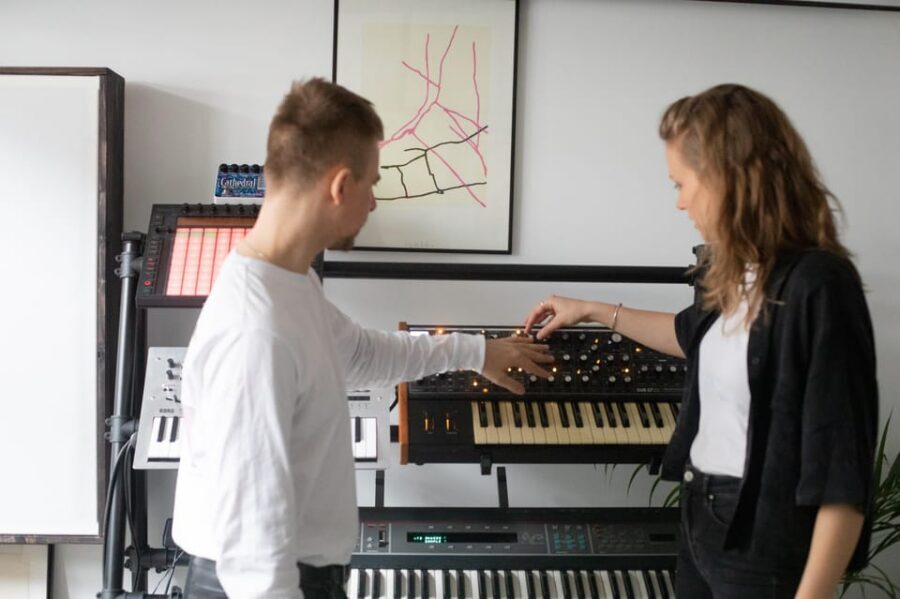
Programming can be fun. Arranging is where fun becomes music.
This masterclass teaches you how to record and arrange a house or techno track using the software available. That includes turning your parts into sections that make sense to a listener.
Think of it like building a small story:
- start with a groove that hooks
- add detail gradually
- keep enough repetition to feel hypnotic
- change things before they get boring
You’ll also get support while you build your structure. A couple of points from real experiences shared by participants show how Andy adapts to different needs. In one case, the session worked smoothly even with language barriers, and it was guided with empathy for a participant with cognitive impairment who wanted to produce music. That tells me the teaching style is practical and patient, not rigid.
So if you’re the type who learns by doing, you’ll likely feel comfortable early on.
Mixing for Club Play: The Step That Makes It Sound Real
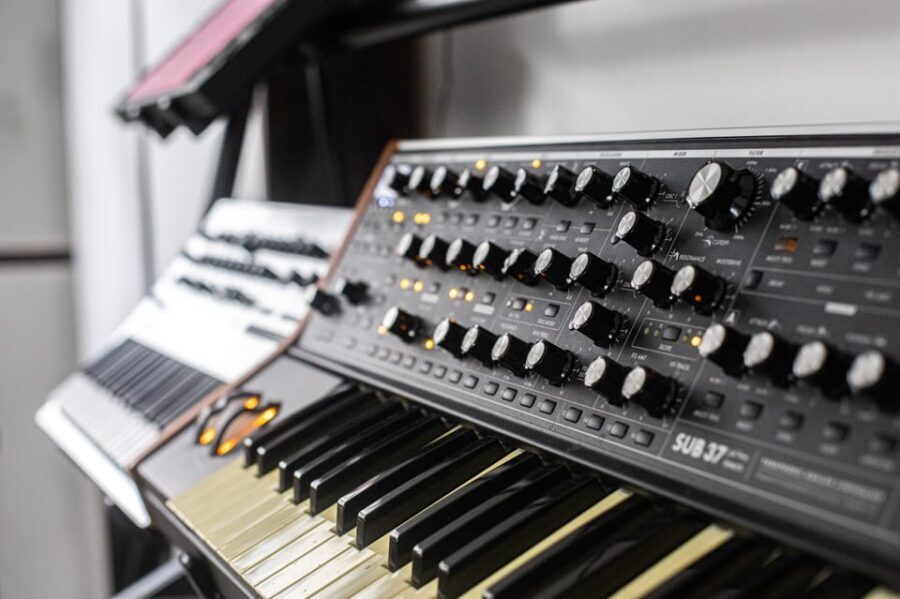
Mixdown can sound like a technical wall. In this workshop, you’re learning it in a production context tied to club readiness.
You’ll mix down your track for playing in a club. That means you’re not just trying to make it sound good on headphones. You’re preparing it for an environment where:
- bass carries
- drums cut through
- small balance problems become big at volume
Your instructor will guide you through the thinking behind the mix. It’s less about memorizing settings and more about learning what to listen for and why.
If you’ve never mixed before, you’ll come away with a clearer sense of what “balance” actually means in electronic music. You start recognizing how elements share space rather than stacking on top of each other.
And if you’re lucky with timing, you may even get extra minutes to tighten the track. Some participants have reported leaving with more than they expected.
Berlin Context: Why This Workshop Isn’t Just a Generic Course
You can learn software anywhere. You can even learn house and techno patterns in plenty of cities. What Berlin adds is attitude and process.
This workshop includes an inside look at how the sound of Berlin gets made. You’ll hear an explanation of how techno became part of the city’s culture and why the production approach matters. The result is that your track feels connected to a place.
That matters for you because it changes your listening. After a session like this, you’ll likely notice production choices you used to ignore. You may hear why certain rhythms feel driving rather than random. You may understand why some tracks sound minimal but still rich.
Even if you don’t plan to become a full-time producer, you’ll leave with a new way to appreciate the music you come to Berlin for.
Price and Value: Is $147 Worth It?
At $147 per person for a 2-hour session, this sits in the “experiences that you feel” category. You’re paying for:
- a working professional studio setup
- hands-on instruction
- professional production software access
- guided synth and drum programming
- recording, arranging, and mixdown support
The value isn’t only the gear. It’s the time with someone who can correct your workflow while you’re building. In short workshops, guidance is everything. Without it, you can burn an entire session clicking around without learning a usable method.
Also, the group size is limited to 4. That’s a big deal at this price point. It helps keep the session from turning into a demo where you watch most of the time.
One practical note: the session doesn’t include meals or drinks. If you’re going straight from sightseeing or dinner plans, plan your schedule so you’re not hungry and trying to focus on sound design at the same time.
Getting the Most Out of It: Who Should Book
This is a good match for you if:
- you want to make a house or techno track and learn the workflow
- you like learning by doing, not by watching
- you’re curious about how Berlin’s club sound gets built
- you want practical guidance in English
It’s also workable if you’re a complete beginner. No prior production experience is required, and the instruction supports people across experience levels.
It’s not suitable for children under 10, and participants must be at least 10 years old. If you’re bringing a younger teen, double-check age fit. For most families, 10+ can be a solid start if they’re excited about music and ready to sit and work with sound.
If you’re a wheelchair user, this experience is wheelchair accessible, which is great to know ahead of time.
Practical Notes: Timing, Meeting Point, and What to Bring
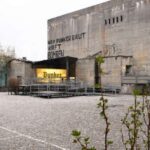
You meet at the front door of a large industrial building with reddish brown brick. Arrive a few minutes early so you can settle in before the session starts.
The instructor works in English. So if you’re comfortable following English explanations, you’ll have an easier time keeping up while you’re programming and recording.
Transportation to and from the studio isn’t included, and meals and drinks aren’t provided. That’s normal for a studio class, but it affects your day planning. Build buffer time around the start.
Smoking, alcohol, and drugs are not allowed. Littering is also prohibited.
Should You Book This Berlin House and Techno Masterclass?
If you want a hands-on Berlin experience that goes beyond clubbing vibes, I think this is an excellent choice. The workshop teaches you an actual chain of production skills: programming, recording, arranging, and mixdown. With a small group and professional studio gear, you’re set up to leave with real momentum—not just inspiration.
Book it if you:
- want to understand how techno and house tracks get made
- like structured guidance that you can reuse later
- want to connect Berlin culture to the work behind the sound
Skip it if you’re looking for a long, leisurely deep technical course. Two hours moves fast. But if you’re okay with focused progress, this is a strong use of time in Berlin.
FAQ
How long is the Berlin house and techno production masterclass?
It lasts 2 hours.
How much does the experience cost?
The price is listed as $147 per person.
Is prior music production experience required?
No prior music production experience is required.
What languages is the instruction offered in?
The instructor teaches in English.
How big is the group?
It’s a small group limited to 4 participants.
What will I learn to do during the session?
You’ll learn synthesizer and drum machine programming, recording and arranging a house or techno track, and mixing down to prepare it for club play.
What equipment and tools are included?
You get access to professional music production software, plus use of modern and vintage music gear, microphones, and instruments such as piano, guitar, and percussion.
Is anything included besides the instruction and studio use?
Your experience includes the production software access, intro to programming, recording and arranging help, and mixing down for club play.
Is transportation or meals included?
No. Meals and drinks, and transportation to and from the studio, are not included.
What is the minimum age to participate?
Participants must be at least 10 years old, and it is not suitable for children under 10.