REVIEW · BERLIN
Berlin: DIY & Subculture Sightseeing in a 1972 Ford Van!
Book on GetYourGuide →Operated by RMCM · Bookable on GetYourGuide
A 1972 van makes Berlin’s story feel close. You’ll ride into the city’s DIY and underground scene, then hop through the kind of spots that usually stay off the main sightseeing radar.
I really like the behind-the-scenes access—the tour focuses on what’s going on out of view, like basements, backyards, and what you’d normally miss from the street. I also like that the DIY/subculture context is front and center, with the guide connecting the political and musical past to the scene you can still feel in places like Friedrichshain and Kreuzberg.
One thing to plan for: the van is old and has no air conditioning (fan only), so summer heat or rainy evenings can get a bit sweaty.
In This Review
- Key highlights you’ll actually feel during the tour
- A 1972 Ford Van That Fits Berlin’s DIY Spirit
- East Side Gallery Start: Wall Memory Meets Underground Streets
- The Real Berlin Is Behind Shop Windows
- Kreuzberg and Beyond: Squats, Tension, and Creative Survival
- Music References You Can Place: Bowie to Beatsteaks
- How the Stops Work: Photos, Questions, and Time on the Clock
- Price and Value: Where the Money Goes
- Comfort Notes: The Van’s Quirk and Rain-Or-Shine Reality
- Who Should Book This DIY Subculture Ride
- Should You Book Get In The Van Berlin?
- FAQ
- How long is the tour?
- Where do I meet the guide and van?
- How many people are in the group?
- What should I bring?
- What languages are available?
- Does the tour run in bad weather?
- Is there food or drink included?
- Is the van accessible for wheelchair users?
Key highlights you’ll actually feel during the tour
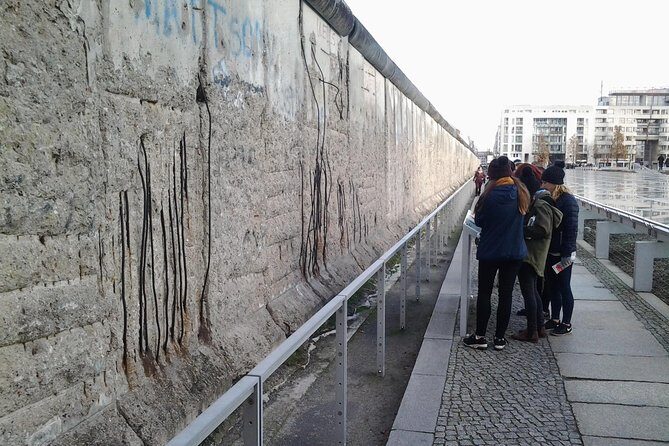
- East Side Gallery sets the tone: the longest Wall section you can still see, next to the Spree River.
- Backyards and basements, not just storefronts: the tour teaches you how Berlin’s DIY culture works in real spaces.
- Photos + history at street level: the van stops in front of many places so you can take pictures and learn what’s behind them.
- Kreuzberg squats and May 1 unrest context: you’ll hear how the scene survived tension and crackdowns.
- Ramones Museum Berlin founders bring the angle: the underground music lens stays specific, not generic.
- Small group (max 6): more room to ask questions and keep the pacing human.
A 1972 Ford Van That Fits Berlin’s DIY Spirit
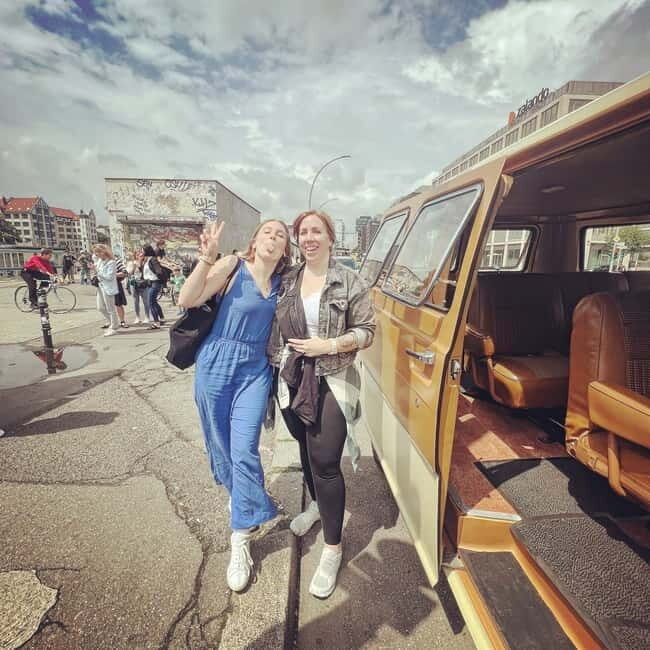
This tour is built around one idea: Berlin’s most interesting culture isn’t locked in museums. It lives in streets, venues, and the people who refuse to wait for permission—so the transport matches the theme.
You’ll start by meeting the beige/brown 1972 Ford Econoline. Inside, you’ll get a window seat, which matters more than you’d think in Berlin: many of the best stories are tied to what you can see from the curb. With a small group capped at 6 people, the guide can keep things conversational instead of turning your ride into a lecture.
The practical part: it’s a moving tour. You’re not stuck standing in one place for hours, but you are in a vehicle with limited comfort features—especially because the van has no air conditioning. Bring the right expectations and you’ll have a better time.
You can also read our reviews of more tours and experiences in Berlin.



East Side Gallery Start: Wall Memory Meets Underground Streets

The tour kicks off at East Side Gallery, right by the Spree River. That’s a strong starting point because it’s not just a landmark—it’s a visible reminder that Berlin’s identity has always been shaped by conflict, reinvention, and reclaiming space.
From there, the route is oriented toward the Berlin you can still feel today: the neighborhoods between Friedrichshain and Kreuzberg. If you like the idea of understanding nightlife and creative culture as something grown from history (not just entertainment), this is the tone-setter you want.
Expect the van to pause in front of key sites so you can take photos. More importantly, the guide uses your phone as part of the storytelling, sharing background info and old materials like photos and videos. That turns the ride from watching the city into learning how it got that way.
The Real Berlin Is Behind Shop Windows
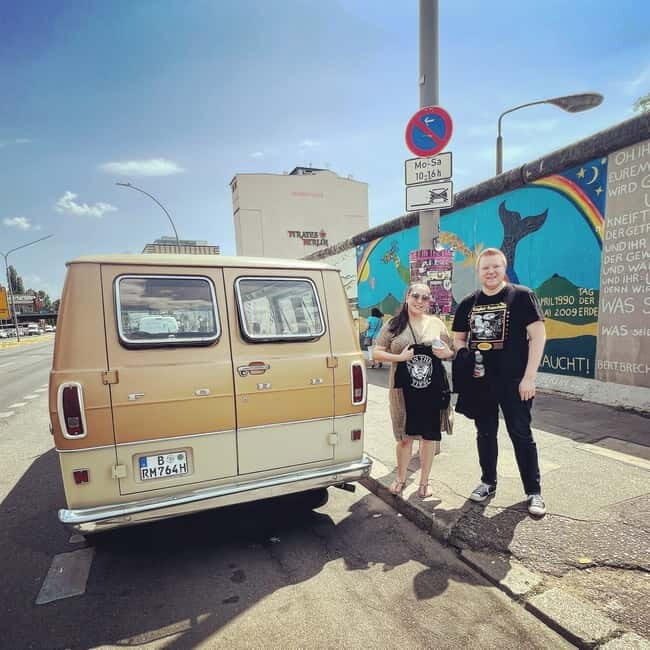
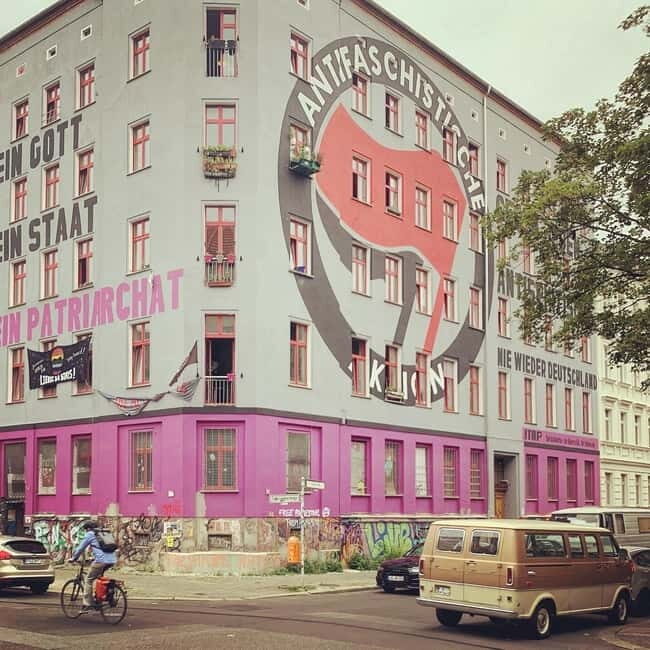
The tour’s biggest promise is also the most useful: it’s about what happens behind the shopfront. You’ll learn how Berlin’s DIY culture created spaces for music, drinking, and gathering—even when the “official” version of the city didn’t make room for it.
This is where the tour can feel different from the standard sightseeing shuffle. Instead of treating buildings like photo backdrops, you’ll get reasons: why a basement became a venue, why a backyard mattered, and how improvised bars and hidden spots became part of everyday subculture.
The added value is that you’re not just learning trivia. You’re getting a lens you can use after the tour. You’ll start noticing what’s possible in Berlin: how quickly spaces can transform when people take ownership, and how the scene keeps reinventing itself.
Kreuzberg and Beyond: Squats, Tension, and Creative Survival
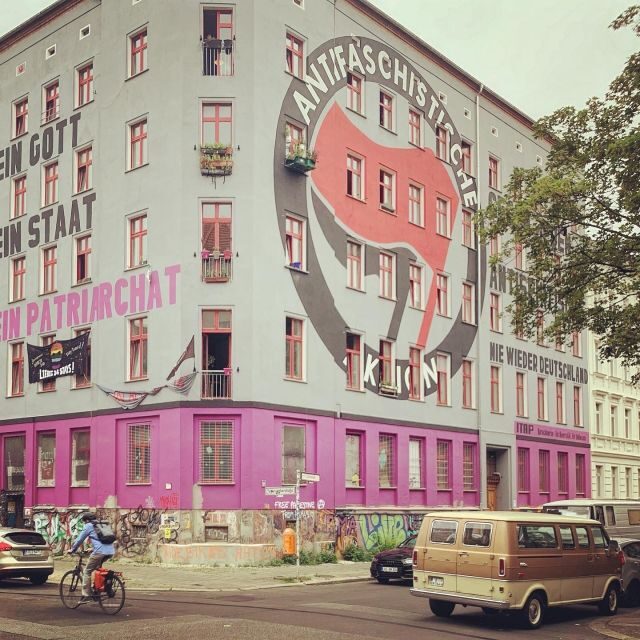
A big chunk of the story runs through Kreuzberg’s DIY energy, including the era of squats and the way subcultures pushed back against restrictions. The tour specifically brings up the squats of Kreuzberg, which helps you understand why the neighborhood became shorthand for “Berlin freedom.”
It also references the May 1st riots around Görlitzer Bahnhof, which is important context if you’re trying to grasp Berlin as a living city, not a postcard. When you understand the pressure points, you get a clearer picture of why certain spaces and scenes formed the way they did.
In practical terms, this part of the tour helps you make sense of the city’s contrasts. You’ll see how political unrest, creative survival, and music history overlap. That’s the kind of understanding that makes your own wandering later feel more guided, even though you’re on your own.
Music References You Can Place: Bowie to Beatsteaks
The music scope is one of the tour’s strengths. It covers Berlin’s DIY and underground scene from the 1970s until now, and it drops recognizable names along the way—like Bowie and Beatsteaks—without turning them into generic fan-service.
The tour is brought to you by the founders of Ramones Museum Berlin, which gives the underground music angle a little extra credibility. You can expect the stories to connect sound, place, and lifestyle, not just list bands.
One practical tip: bring a charged smartphone. The guide provides background info for you to read or reference, including photos and videos from the past. It’s a smart setup because it lets you follow along in real time while you’re seeing the streets, not after you’ve already moved on.
And if you love walking into a venue later and thinking, I know why this mattered—that’s exactly the mindset this tour is built to create.






How the Stops Work: Photos, Questions, and Time on the Clock
This is a short tour by design. It’s listed at 1.5 hours, and some package text also describes it as 2 hours—so treat it as a quick hit rather than a full day of transport and lectures. Either way, it’s built for efficient sightseeing, with stops in front of many places for pictures and learning.
You’ll ride, then pause for photos, then ride again. The guide also answers questions in English or German. If you’re the type who likes clarifying details on the spot—how a scene evolved, why a neighborhood earned its reputation—that small-group format helps.
Timing matters because the van has to follow a set route and finish back at the meeting point. Plan to arrive 15 minutes early so you’re not rushing when the van is ready to leave. Berlin tours move fast when the group is small.
There’s no mention of bathroom stops or long walking segments. So if you need time off the vehicle, decide early how you’ll handle that during the ride.
Price and Value: Where the Money Goes
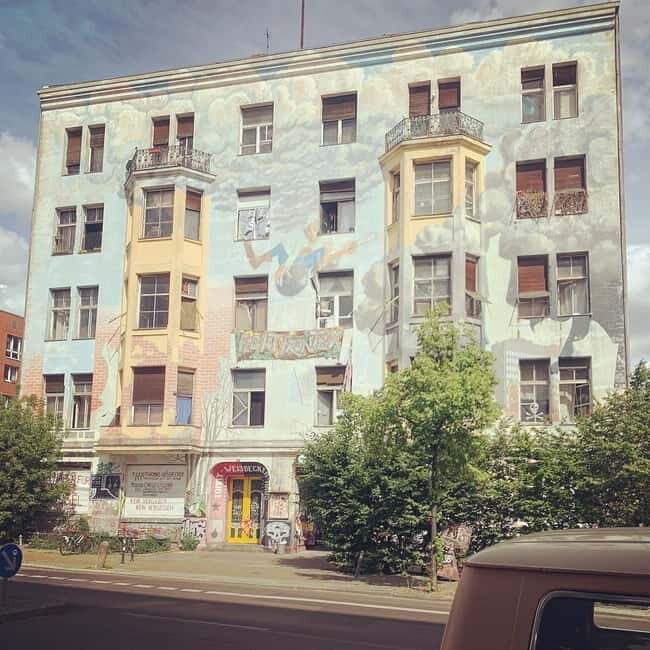
The price shown here is $85 per person, and that may feel high until you compare what’s included. The tour includes a free drink per person and an exclusive Get In The Van T-shirt, plus a live guide and the use of a vintage van for a specialized route through culture-focused neighborhoods.
If you book directly through getinthevanberlin.com, the price is listed as 59 Euros. That’s a meaningful difference, and it can help you decide if you want the tour as a priority splurge or a “nice if the schedule works” activity.
What makes it feel like value is the theme: you’re not paying for generic landmarks. You’re paying for a guided explanation of Berlin’s DIY and underground scene—specifically the parts you’d struggle to find on your own. Even if you’re a confident self-guided traveler, the context can save you time and prevent you from misunderstanding what you see later.
Comfort Notes: The Van’s Quirk and Rain-Or-Shine Reality
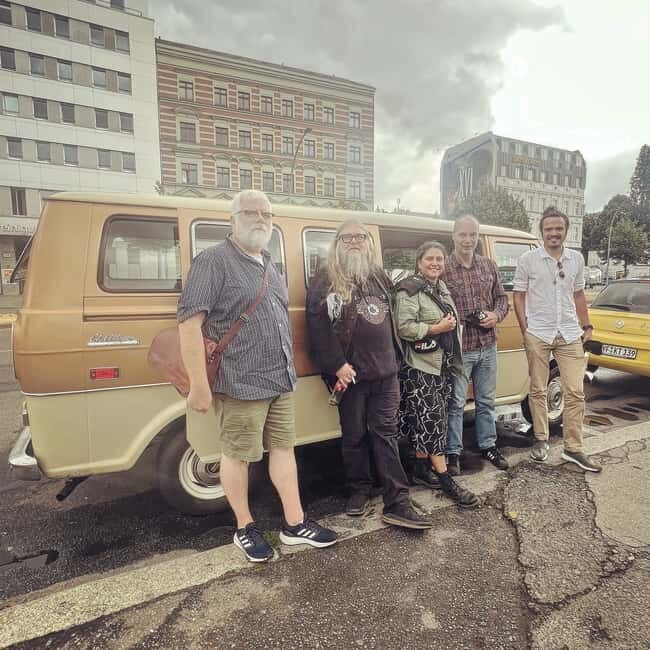
This tour runs rain or shine, so you should treat it like a street-and-history experience, not a weather-dependent museum outing. The van doesn’t have air conditioning—just a fan—so warm days can feel warm, and rainy evenings can get damp.
One more rule: no food in the vehicle. That’s mostly about keeping the inside clean and comfortable for everyone, but it also means you’ll want to eat before you go (or plan to eat after).
Wheelchair access is listed as available, and the group stays small. If you use mobility equipment, it’s still smart to consider how you’ll handle vehicle entry and limited space, but the tour does indicate accessibility support.
Who Should Book This DIY Subculture Ride
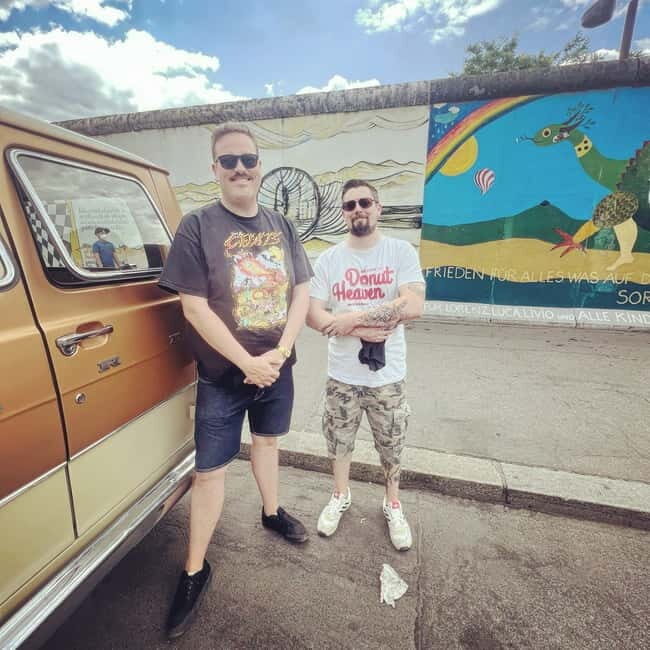
This is a great match if you:
- Want Berlin nightlife context that connects to history, not just venue lists.
- Like stories about how people create their own spaces—bars, venues, and hangouts.
- Prefer a small-group tour where you can ask questions and get details tied to what you’re seeing.
- Enjoy music history framed through real locations, not just band biographies.
You might consider a different type of tour if you:
- Hate being in vehicles for extended stretches, especially in warm weather.
- Want lots of walking through multiple blocks on foot. This one is more about riding and stopping at points.
Should You Book Get In The Van Berlin?
If you’re curious about Berlin’s DIY and subculture scene—and you want the kind of explanations that help you understand what you’ll see later—this is an easy yes. The mix of East Side Gallery history, Kreuzberg squats context, and music references like Bowie and Beatsteaks gives the tour a clear identity.
Just go in ready for the basics: old-van comfort, rain-or-shine timing, and a smartphone that’s charged. If that fits your travel style, you’ll come away feeling like Berlin’s underground culture makes more sense—at street level.
FAQ
How long is the tour?
The tour is listed as 1.5 hours, and the package description also mentions 2 hours. Plan for a short, fast-moving experience.
Where do I meet the guide and van?
Meet at the van: a beige/brown 1972 Ford Econoline. The tour returns to the same meeting point.
How many people are in the group?
It’s a small group limited to 6 participants.
What should I bring?
Bring a charged smartphone. The guide provides background information using your phone.
What languages are available?
The live guide offers English and German.
Does the tour run in bad weather?
Yes, the tour takes place rain or shine.
Is there food or drink included?
A free drink is included per person. Food is not allowed in the vehicle.
Is the van accessible for wheelchair users?
Wheelchair accessibility is listed as available.