REVIEW · BERLIN
Berlin: Muro,Guerra Fría y Museo de la Stasi
Book on GetYourGuide →Operated by cultourberlin by cultour-incoming · Bookable on GetYourGuide
Berlin’s Cold War scars still shape the city. This 4-hour Spanish tour takes you to the places where the wall controlled daily life, from the Death Strip to the Stasi Museum. I like how you get both the streetscape and the human system behind it, not just a photo stop.
Two things I really liked: first, seeing what remains of the Berlin Wall and the notorious Death Strip in the real urban setting; second, visiting the Stasi Museum with the concrete mechanics of how the secret service tried to control East Berlin life. It’s one of those experiences where the history explains itself as you walk.
One consideration: the subject is intense, and since the tour is in Spanish, you’ll want to feel comfortable following history at a steady pace.
In This Review
- Key highlights worth your time
- Where this tour starts: Alexanderplatz orientation that actually helps
- The Cold War story you’ll be following (and why it works)
- Part 1: Berlin Wall remnants and the Death Strip (the landscape lesson)
- Part 2: Frankfurter-Allee Avenue (politics meets street geography)
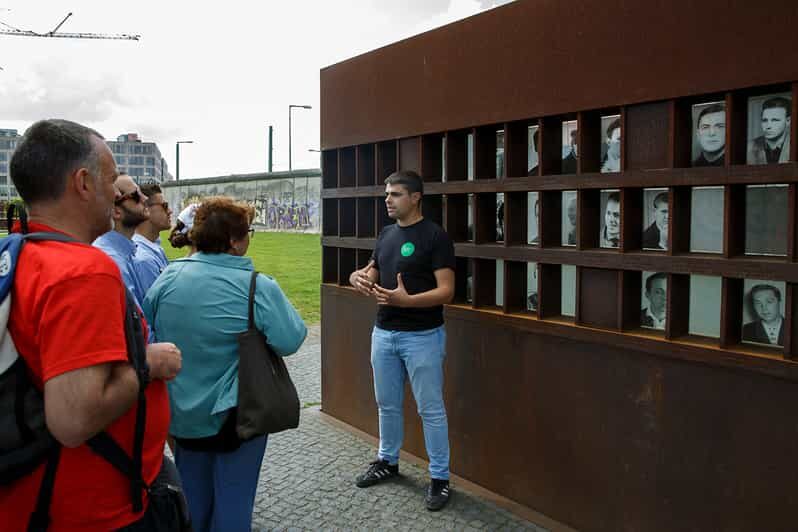
- Part 3: Bernauer Strasse Wall Memorial (where the meaning gets clear)
- Part 4: Ghost stations on the underground (control inside the commute)
- Part 5: Stasi Museum entrance included (the control system behind the wall)
- Timing and pacing: a 4-hour route that needs focus
- Price and value: what $41 really buys you
- Getting there and the AB transport card you must plan for
- Who this tour is best for (and who might prefer something else)
- Practical tips to make the most of it
- Should you book? My honest take
- FAQ
- Is the tour offered in Spanish?
- How long is the Berlin: Muro, Guerra Fría y Museo de la Stasi tour?
- What is included in the price?
- What do I need to buy for transport?
- Where is the meeting point?
- Is food or drinks included?
- Is the tour wheelchair accessible?
- Is free cancellation available?
- Is there an option to reserve without paying right away?
Key highlights worth your time
- Berlin Wall remnants and the Death Strip, explained in context so you can read the landscape
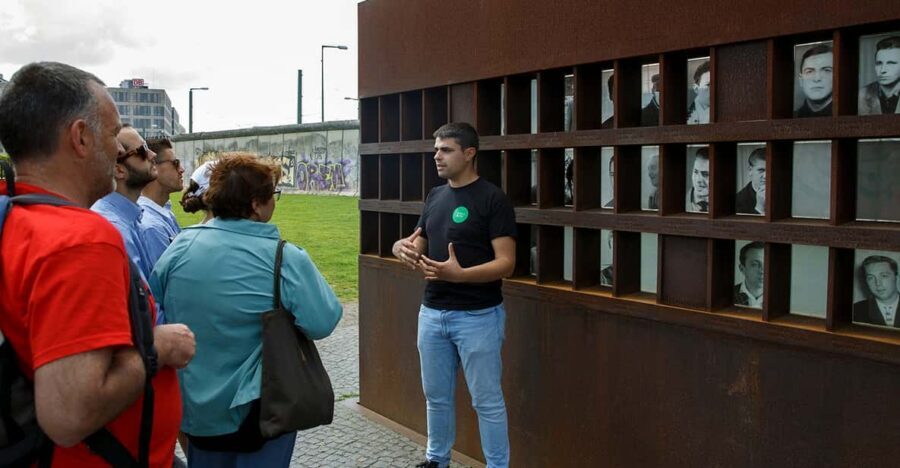
- Bernauer Strasse Wall Memorial, a strong place to understand what division meant on the ground
- Frankfurter-Allee Avenue, where you connect politics with city geography
- Former ghost stations on the underground lines, showing how even daily commutes were controlled
- Stasi Museum entrance included, so you can connect street-level clues with documented methods
Where this tour starts: Alexanderplatz orientation that actually helps
You meet at Alexanderplatz, by the Fernsehturm (TV Tower). The exact spot is next to the only entrance to the tower, by a green flag that says tours en español. It’s between the tower and the Alexanderplatz train station, beside the Espresso House.
This matters more than it sounds. Alexanderplatz is big, busy, and easy to navigate wrong if you arrive late or distracted. Starting right by the tower gives you a clear visual landmark, and you can quickly get your bearings before the tour moves into the Cold War story.
You can also read our reviews of more tours and experiences in Berlin.



The Cold War story you’ll be following (and why it works)
This isn’t a general sightseeing loop. The whole route is built to follow how Berlin operated during the Cold War: the physical barrier, the security system behind it, and the ways people tried to survive or escape.
Expect the guide to connect three layers:
- The wall as infrastructure (what it physically did to the city)
- The security logic (how surveillance and control worked)
- The human reality (why certain locations became symbolic)
The most valuable part is that you’re not only shown locations. You’re taught what those locations meant, so when you see a slab of wall or a station area that looks “normal” today, your brain knows what’s missing.
Part 1: Berlin Wall remnants and the Death Strip (the landscape lesson)
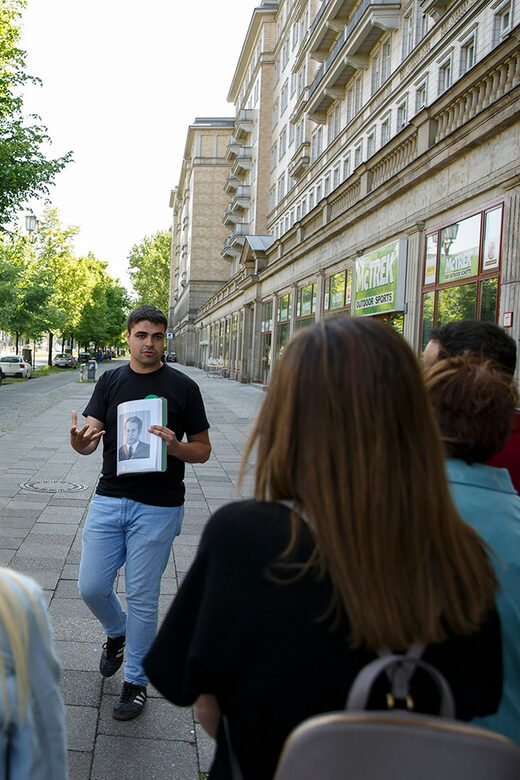
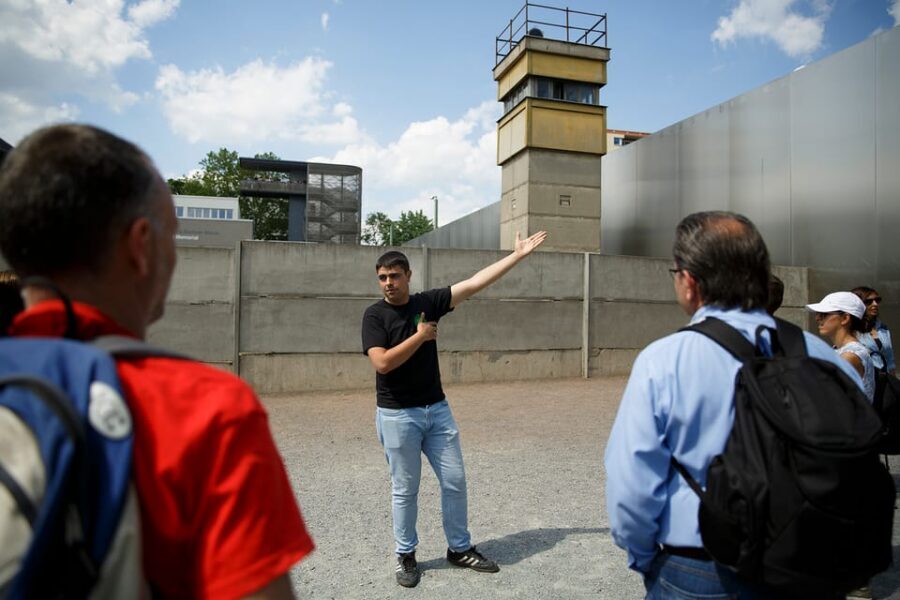
One of the core stops is seeing what remains of the Berlin Wall and the infamous Death Strip. Even when the wall is shorter than your mind expects, the explanation helps you grasp the system: the barrier wasn’t just a wall—it was a controlled zone designed to make escape extremely difficult.
What you should pay attention to is the “why does this feel tight or exposed?” feeling. In Berlin, the wall lines the city like a long punctuation mark. As you stand near surviving sections, you’ll start noticing how streets, sidewalks, and sightlines relate to security.
This is also where the tour tends to feel emotional. You’re dealing with a real division that shaped lives. If you prefer lighter history, you might find the tone heavy. If you want to understand how one political decision becomes everyday pressure, this part delivers.
Part 2: Frankfurter-Allee Avenue (politics meets street geography)
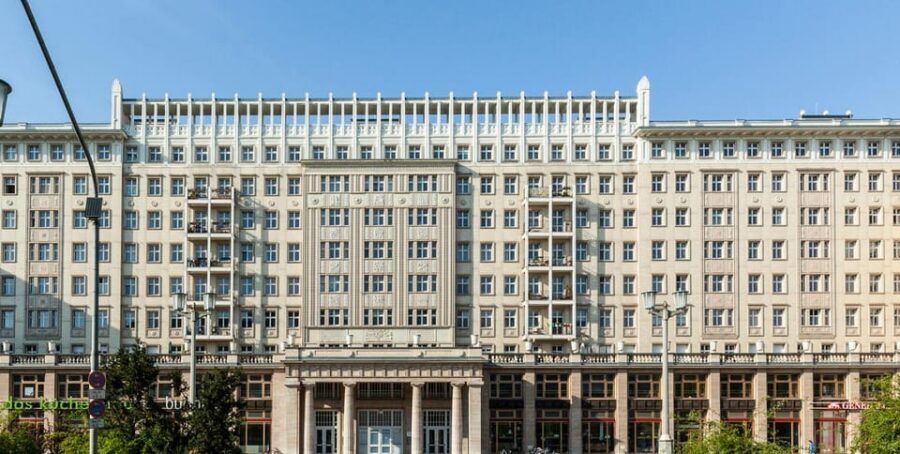
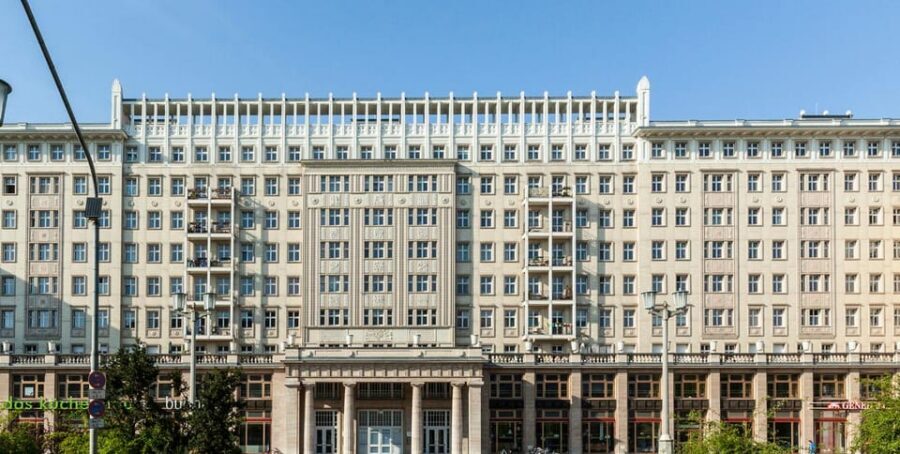
Next comes Frankfurter-Allee Avenue. This is an important choice because it helps you see Cold War Berlin as a lived-in city, not just a museum theme.
Street geography tells you a lot:
- where movement was encouraged or slowed,
- how major routes were shaped,
- and how the city’s form reflects its politics.
When you walk on a wide avenue like Frankfurter-Allee, you can better imagine how systems work at scale. People weren’t only caught at the wall; they were managed all the way through the city’s daily rhythm.
Part 3: Bernauer Strasse Wall Memorial (where the meaning gets clear)
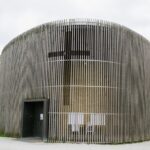
A major anchor stop is Bernauer Strasse Wall Memorial. This is the kind of place where the city’s past becomes readable. You’re not just looking at artifacts; you’re confronting how the wall affected ordinary movement and choices.
What makes this memorial especially useful on a guided tour is the way your guide connects details into a timeline you can follow. You’ll learn why the wall was built, and you’ll also hear how people tried to cross it—often using ingenuity, desperation, or both.
This stop is worth treating like a slow moment. If you rush it, you’ll miss the logic your guide is building. Take your time with the sections you can see, then let the explanation reframe what you’re looking at.




Part 4: Ghost stations on the underground (control inside the commute)
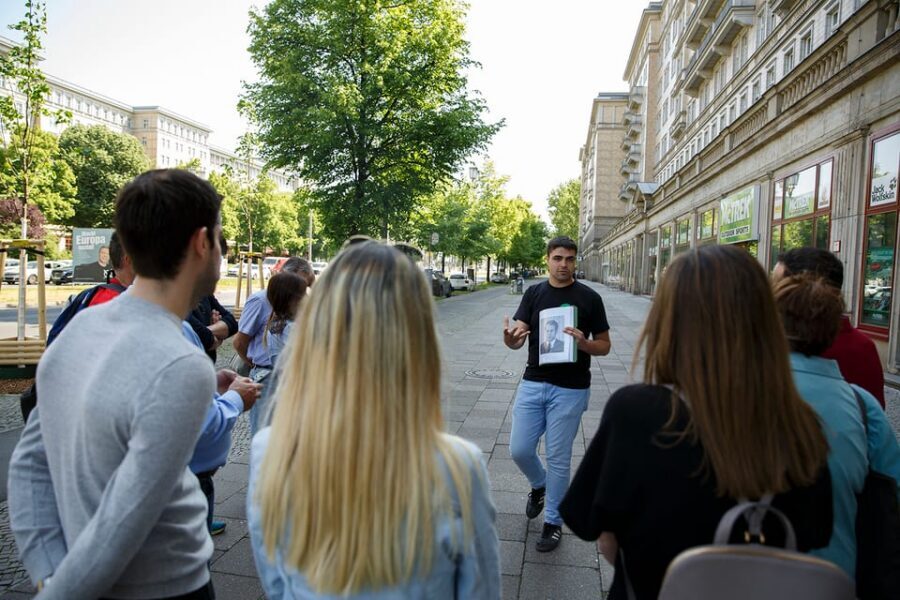
One of the most striking elements on this tour is the exploration of former ghost stations of the underground lines.
This part can feel quietly unsettling because it hits a different kind of control. It’s not only about what happens at the wall. It’s about what happens in everyday transit—places you normally trust to function normally.
Even if some stations look ordinary from the outside, the guide’s context helps you understand the “empty but monitored” reality behind them. You get a sense for how the system extended into public infrastructure and routines.
If you like history that shows how institutions shape daily life, this is a highlight. If you’re only into the big iconic wall views, you might still appreciate it because it adds a second perspective: the wall as a citywide rule, not just a border.
Part 5: Stasi Museum entrance included (the control system behind the wall)
You’ll also have entrance to the Stasi Museum included. This is where the tour’s value becomes very practical: you leave street-level imagery and move into how the secret service actually tried to manage people.
The tour explanation focuses on methods used to control the population of East Berlin. That means you’re not just learning that the Stasi existed—you’re learning what it did and how it influenced behavior.
This is also where the Spanish guide quality matters. In past Spanish groups, guides such as Constantino have been praised for detailed anecdotes and energy you can feel in the way they teach. Other Spanish guides like Jordi (from Barcelona) have also been noted for solid expertise and engagement. You won’t know which guide you’ll get, but the consistent theme is that the subject is handled professionally and with enough detail to make it click.
Timing and pacing: a 4-hour route that needs focus
The tour lasts 4 hours, which is a good length for this topic. You have enough time to cover multiple Cold War sites without turning the experience into a blur. At the same time, the content is heavy enough that you’ll want to stay mentally switched on.
A helpful way to manage pacing:
- Think of the first half as the physical story (wall and zones).
- Think of the middle as the city’s geography (avenue and memorial).
- Think of the later part as the system story (ghost stations and Stasi Museum).
If you follow that mental map, the route feels coherent instead of like separate stops.
Price and value: what $41 really buys you
The price is listed as $41 per person for a 4-hour guided experience in Spanish, with entrance to the Stasi Museum included.
Here’s the key value logic: your biggest paid component is usually museum access plus guide time across several Cold War sites. Having the Stasi Museum entrance built in can make this feel like a more efficient deal than doing everything separately.
The main thing that isn’t included is transport. You’ll need a Berlin transport card AB (one day), and it’s not part of the tour price. Food and beverages are also not included.
So the real budgeting picture is:
- pay for the tour,
- budget for one-day AB transport,
- and plan your own snacks or drinks.
If you’re staying central (Alexanderplatz area or nearby), you’ll feel the value even more because you’re already in the right orbit to start.
Getting there and the AB transport card you must plan for
You must have a Transport Card AB (one day) for this tour, and it’s not included in the price.
Since the tour includes multiple locations across the city, don’t rely on buying transit last-minute. Arrive with the mindset that you need to be ready to use public transport smoothly when the group moves.
If you already have a valid pass, you’re good. If not, factor the cost and time to get it. This is the single logistics item most likely to affect your day, not the tour itself.
Who this tour is best for (and who might prefer something else)
This experience is ideal for you if you want:
- a guided understanding of how Berlin’s Cold War system worked,
- concrete stops tied to the wall and its enforcement,
- and a museum component with the Stasi Museum entrance included.
It’s also a good fit if you like seeing how politics gets written into the city—streets, stations, and memorial space included.
You might hesitate if:
- you’re uncomfortable with historical topics that are emotionally heavy,
- or you want an English-language experience (this one is Spanish).
If Spanish is fine for you, you’ll probably appreciate how much the route focuses on making the story understandable on foot.
Practical tips to make the most of it
A few small moves can make a big difference:
- Wear comfortable shoes. You’ll be walking through multiple areas over 4 hours.
- Bring focus, not just curiosity. This tour works best when you stay with the guide’s explanation as you move.
- When you reach Bernauer Strasse Wall Memorial, slow down. That stop often needs a quieter pace to land.
- If you’re mapping the day, use Alexanderplatz as your anchor. The meeting point is very easy to find once you spot the green tours en español flag by the Fernsehturm entrance.
Should you book? My honest take
I recommend this tour if you want a structured, Spanish-language way to understand Berlin’s Cold War reality, with the Berlin Wall remnants, Death Strip, Bernauer Strasse Wall Memorial, ghost stations, and the Stasi Museum all in one connected story.
Skip it only if the topic feels too intense for your travel style or if Spanish won’t work for you. Otherwise, it’s one of those experiences where the city stops being background and starts being evidence.
FAQ
Is the tour offered in Spanish?
Yes. The tour guide is Spanish.
How long is the Berlin: Muro, Guerra Fría y Museo de la Stasi tour?
The duration is 4 hours.
What is included in the price?
The price includes a Spanish tour guide and entrance to the Stasi Museum.
What do I need to buy for transport?
You need a Berlin transport card AB (one day). It is not included in the tour price.
Where is the meeting point?
You meet next to the Fernsehturm entrance at Alexanderplatz, by a green flag that says tours en español. It’s between the tower and Alexanderplatz train station, next to Espresso House.
Is food or drinks included?
No. Food and beverages are not included.
Is the tour wheelchair accessible?
Yes, the tour is wheelchair accessible.
Is free cancellation available?
Yes. You can cancel up to 24 hours in advance for a full refund.
Is there an option to reserve without paying right away?
Yes. There is a reserve now & pay later option, where you can book your spot and pay nothing today.