REVIEW · BERLIN
Berlin: The Feuerle Collection Meditation Experience
Book on GetYourGuide →Operated by The Feuerle Collection · Bookable on GetYourGuide
Berlin’s art quiet time is its own kind of therapy.
This one-hour silent, mobile-detox experience at the Feuerle Collection is built around stillness in front of striking juxtapositions: Khmer sculptures, Imperial and Scholar Chinese furniture, and bold contemporary works. I especially like the way the route is designed like a ritual, moving you from the entrance into the Sound Room and then through the Lake Room. One consideration: this is not a guided tour, so if you want explanations and a lecturer, you’ll need to look elsewhere.
You can meditate if you want, but you’re not forced to do it on a schedule. Even if you’re more of a slow observer, you can walk quietly, use the mat and blanket if you like, and let the art do the talking. And at $25 for an hour, the value is mostly about access and atmosphere, not a staff-led program.
In This Review
- Key things to know before you go
- What this Feuerle Collection meditation experience is really like
- Entering the experience: rules that matter (and what you’re allowed to do)
- The route that turns a visit into a ritual: Sound Room to Lake Room
- Passing into the Sound Room
- Walking through the Lake Room
- The art you’ll meet in silence: Khmer sculpture and Chinese furniture
- Early Khmer sculptures (7th–13th century)
- Imperial and Scholar Chinese furniture (2nd century BC–17th century)
- The contemporary works: Kapoor, Iglesias, Fuss, Zeng Fanzhi, Byars, Araki
- Comfort setup: mat, blanket, and how to use the quiet without forcing it
- Price and value: why $25 can be a smart use of time
- Who this experience is for (and who should skip it)
- Practical tips so the hour stays peaceful
- Should you book the Berlin Feuerle Collection Meditation Experience?
- FAQ
- Is meditation required?
- How long is the experience?
- Is there a guided tour?
- What’s included in the ticket?
- What art will I see?
- Is it suitable for children?
Key things to know before you go
- Silent-by-design: you’re in a quiet setting focused on contemplation, not sightseeing chatter.
- Not a guided tour: the collection is open specifically for meditation and quiet viewing.
- Sound Room + Lake Room: expect two atmospheric passage spaces that shift how you experience the art.
- Real historical range: early Khmer sculptures (7th–13th century) and Chinese furniture (2nd century BC–17th century).
- Contemporary art with edge: works by Anish Kapoor, Cristina Iglesias, Adam Fuss, Zeng Fanzhi, James Lee Byars, and Nobuyoshi Araki.
- Basic comfort included: yoga mat and blanket are provided so you can settle in without bringing gear.
What this Feuerle Collection meditation experience is really like
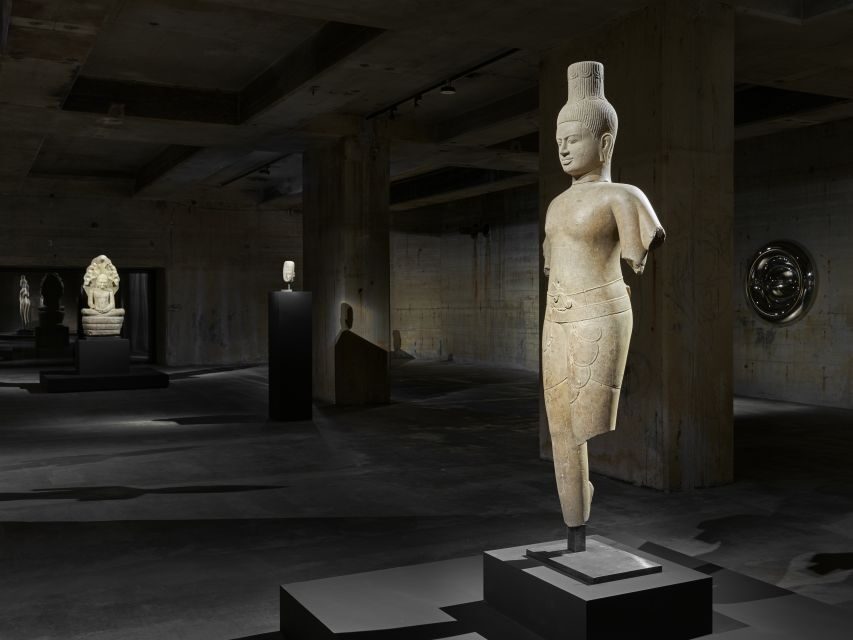
This isn’t the usual Berlin museum visit where you speed-walk, read labels, and try to beat the next group. The Feuerle Collection Meditation Experience is structured for quiet attention—so your body has less to manage and your mind has fewer distractions.
The format is simple: you enter, you move through designated spaces, and you pause. Along the way, you sit or stand in front of works that jump across centuries and cultures, from early Khmer sculpture to Chinese furniture traditions, and then into contemporary pieces by major international artists. That combination is the point. You’re not meant to resolve it into a single story. You’re meant to notice how your attention changes when the context shifts.
I also like that this is a mobile detox idea, not just “be quiet for a bit.” By design, you’re encouraged to leave your phone impulse behind and treat the experience like a pause button. In a city full of noise, that kind of break can feel rare.
You can also read our reviews of more tours and experiences in Berlin.



Entering the experience: rules that matter (and what you’re allowed to do)
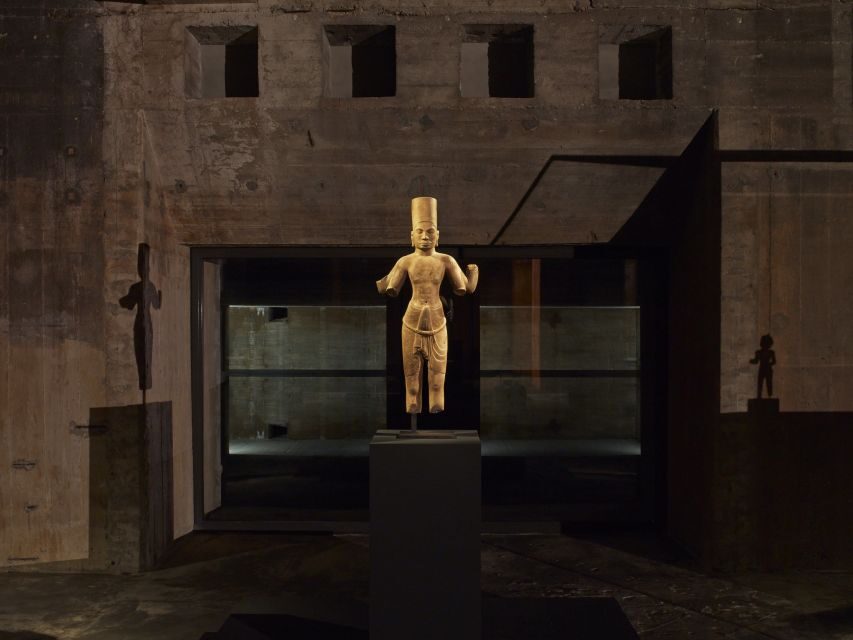
You’ll want to know the basic expectations right away, because this is the kind of experience where small choices change the vibe.
- The experience lasts one hour.
- Meditation is not mandatory. If you’d rather quietly observe, you can do that.
- There is no guided tour. The collection is open only for meditation and quiet presence.
- It’s not suitable for children under 16.
- The space is wheelchair accessible.
Think of it like this: the “program” is the environment. You’re guided mainly by the route and the silence, not by a person talking you through the artworks. If you’re the type who wants context, write down a couple artists you recognize (like Anish Kapoor or Zeng Fanzhi) and look them up later. Inside, you’re here to feel rather than decode.
Comfort helps. You’ll be given a yoga mat and blanket, which means you can settle into a position without improvising your own setup. If you run cold easily, take advantage of the blanket rather than trying to tough it out.
The route that turns a visit into a ritual: Sound Room to Lake Room
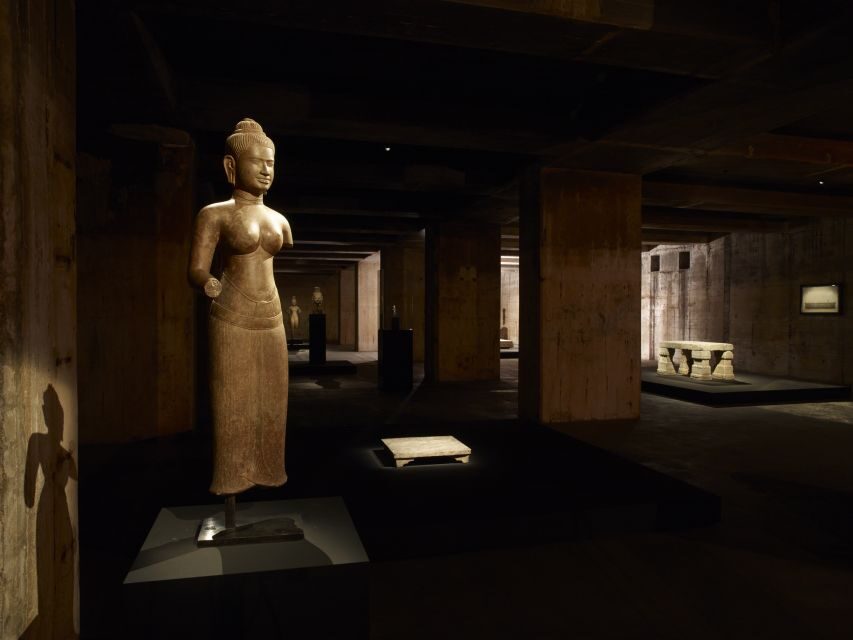
The experience is built around a passage. You don’t just walk in and pick a gallery. You move through a sequence of spaces that changes your pace.
Passing into the Sound Room
The walk toward the Sound Room is part of the experience. The idea is that you’re shifting gears—from outside-world attention into inside-world listening. Even if you aren’t meditating in the classic seated way, that transition matters because it cues your brain to slow down.
What to do here:
- Keep your movement gentle and unhurried.
- Let your senses catch up with the quiet.
- If your mind starts narrating everything, treat that as normal and return to stillness.
Walking through the Lake Room
After the Sound Room, you’ll enter and walk through the Lake Room. This is a big deal for how the hour lands on you. A different room design can change your breathing, your awareness of time, and the way sound carries in the space.
In practical terms, the Lake Room works well for people who can handle movement but still want calm. You can walk slowly and pause as you notice artworks and shifts in atmosphere. If you prefer total stillness, you may still find a spot to sit briefly, but the Lake Room is more about quiet presence through walking.
One note: because there’s no guided tour, you’re responsible for managing your own pace. If you know you get restless in silence, plan to arrive a little earlier so you can acclimate before the one-hour countdown begins.






The art you’ll meet in silence: Khmer sculpture and Chinese furniture
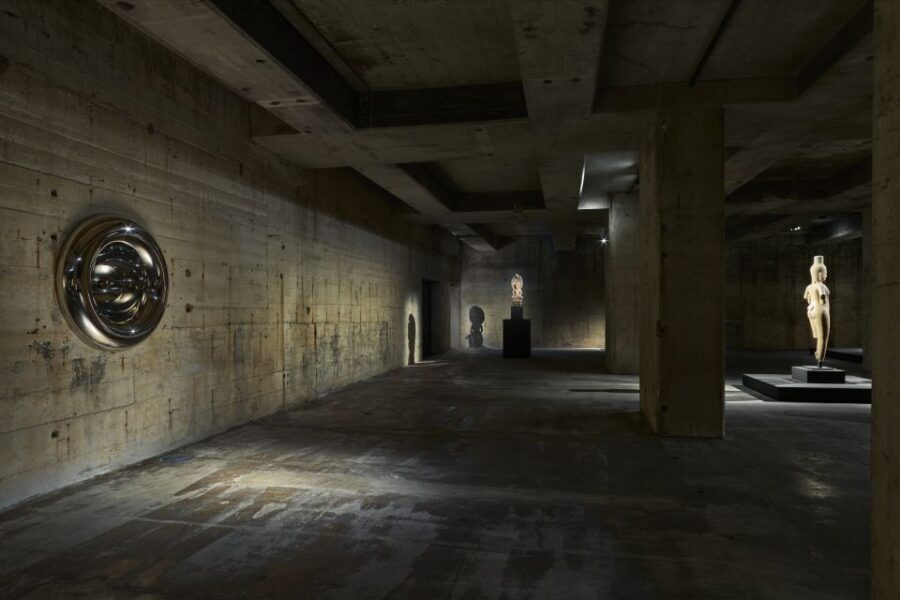
Here’s where the experience becomes more than “a quiet room.” You’re surrounded by art that rewards slow looking.
Early Khmer sculptures (7th–13th century)
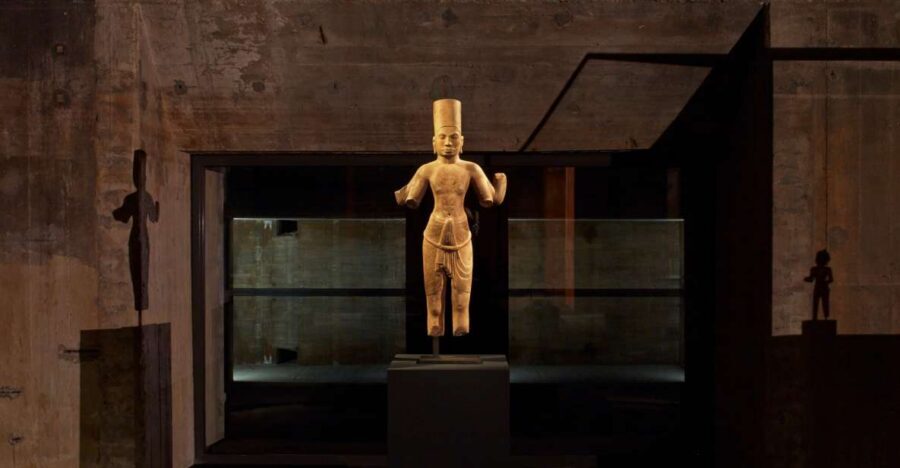
You’ll enter an area featuring early Khmer sculptures dating from the 7th to 13th century A.D. This is not background decor. Khmer sculpture has a strong physical presence—forms that hold attention even when you’re not reading labels.
In a silent meditation setting, this kind of art can work in two ways:
- If you’re meditating, it becomes a visual anchor.
- If you’re observing, it invites you to notice posture, lines, and the stillness in the artwork itself.
Imperial and Scholar Chinese furniture (2nd century BC–17th century)
Next comes Imperial and Scholar Chinese furniture, spanning from the 2nd century B.C. to the 17th century A.D. Furniture sounds ordinary until you realize the range includes objects designed for cultivated life, not mass production. In silence, the craftsmanship becomes even easier to “hear” with your eyes—joinery, proportions, and surfaces that feel meant for touch.
This section is a big reason the experience appeals to people who love material culture: you’re not just looking at paintings behind glass. You’re in front of objects that represent a whole way of living. It’s also a good match if you’re interested in art and design history across long timelines.
A small consideration: because the environment is meditation-focused, the setting doesn’t turn into a lecture hall. If you want a full chronology or scholarly explanations, you may find yourself wishing for more context.
The contemporary works: Kapoor, Iglesias, Fuss, Zeng Fanzhi, Byars, Araki
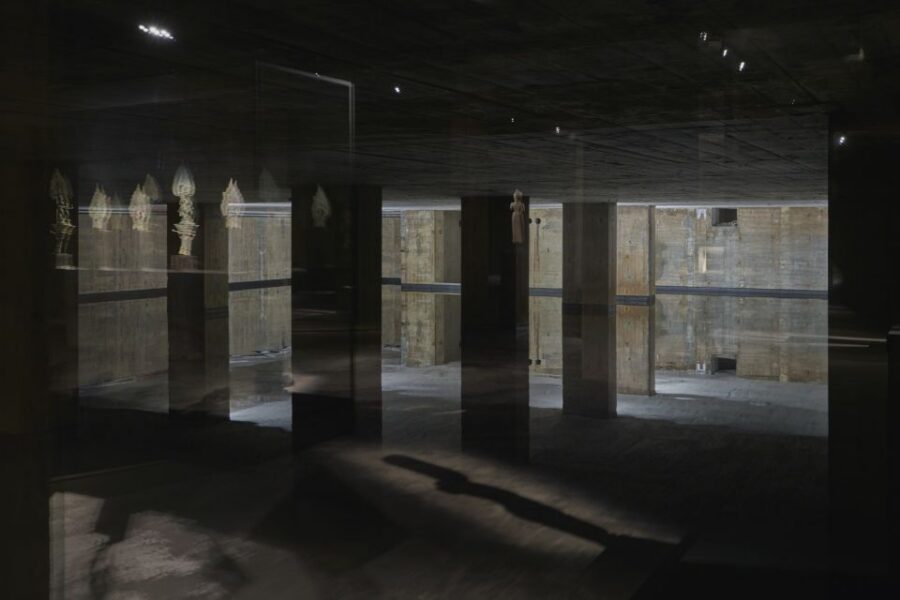
After the historical anchors, the collection introduces contemporary pieces that shift the mood. This is part of the “unexpected world of juxtapositions” idea: the hour keeps changing, so you don’t get locked into one emotional temperature.
You’ll have the chance to see contemporary works by:
- Anish Kapoor
- Cristina Iglesias
- Adam Fuss
- Zeng Fanzhi
- James Lee Byars
- Nobuyoshi Araki
In a silent experience, contemporary art can feel both easier and harder. Easier because you’re free to respond without being tested by interpretation questions. Harder because you may need to sit with discomfort or ambiguity longer than usual.
What I like about this mix is that it meets different kinds of curiosity. If you love Chinese art, the historical section already delivers. If you prefer emotional intensity, the contemporary works bring a modern edge. And if you’re simply seeking detachment from daily noise, the route and silence hold you steady even when the art gets provocative.
One review note that stood out: this experience can feel meaningful for people interested in Chinese art and more sensual, even erotic-leaning themes. If you’re sensitive to that side of contemporary artwork, it’s worth mentally preparing and going in with the right expectations for the atmosphere.
Comfort setup: mat, blanket, and how to use the quiet without forcing it
Included gear sounds small, but it’s actually practical. A provided yoga mat means you’re not stuck thinking, Where can I sit comfortably? The blanket helps if the room temperature doesn’t match your usual “museum posture.”
Since meditation is optional, your comfort choices can guide your experience:
- If you meditate, use the mat to stabilize your body and reduce fidgeting.
- If you don’t meditate, use the blanket and mat as a gentle landing spot for 5–10 minutes at a time.
A good strategy is to treat the hour like “cycles” instead of one long stretch. You might sit, then stand, then walk to a new artwork area. The room design supports that idea because the path itself creates moments of transition.
Also, go in knowing you’re leaving labels and explanations behind. That can be frustrating for some people, but for the right mindset, it’s freeing. Your job becomes slower attention, not decoding.
Price and value: why $25 can be a smart use of time
$25 for one hour in Berlin is not a bargain in the sense of “cheap everything.” But it is reasonable for what you’re buying: access to a curated quiet experience, with a structured route, and provided seating comfort (mat and blanket).
The value here is less about staff service and more about atmosphere:
- You get a silence-first experience that most museums don’t offer.
- You get access to multiple art periods and styles in a single hour.
- You get a physical route that shapes attention through Sound Room and Lake Room.
If you’re the kind of traveler who likes cultural experiences that don’t require high energy—no long tours, no constant standing, no loud explanations—this can be a great use of a slot in your day. It also pairs well with a museum afternoon because it flips the usual mode from visual overload to quiet focus.
Who this experience is for (and who should skip it)
This works best for you if:
- You want a silent reset during a trip.
- You enjoy art but prefer feeling over fact-checking.
- You’re drawn to Khmer sculpture, Chinese furniture, or contemporary artists like Anish Kapoor and Zeng Fanzhi.
- You’re okay with an experience that’s mostly self-guided in silence.
It may not fit you if:
- You need a guide to explain what you’re seeing.
- You get anxious or restless in quiet rooms.
- You’re traveling with kids under 16.
Because this is wheelchair accessible, it’s also a solid option if you want a calmer cultural experience that doesn’t rely on stairs or marathon walking.
Practical tips so the hour stays peaceful
A few small choices can make or break the experience.
- Arrive with a low-drama plan. You don’t want to be late and stressed right when the silence begins.
- Dress for stillness. You’ll have the blanket, but you’ll still be sitting or standing longer than a typical museum visit.
- Keep your phone off and out of sight. The whole point is that mobile detox feeling.
- If you’re not sure about meditation, don’t overthink it. Quiet observation counts.
- Use the room transitions. When you reach the Sound Room or Lake Room area, treat that as a cue to slow your breathing and reset your attention.
And one more mindset tip: you’re not chasing a special emotion. If your thoughts wander, that’s normal. The practice is returning to the art and the quiet again.
Should you book the Berlin Feuerle Collection Meditation Experience?
I’d book it if you want a one-hour cultural reset in Berlin that’s genuinely different from standard museum time. The combination of silent format, a route built around Sound Room and Lake Room, and the chance to see everything from early Khmer sculpture to Chinese furniture and contemporary works by artists like Anish Kapoor and Cristina Iglesias makes it a strong value for the money.
Skip it if you’re expecting a guided explanation, or if silence feels like pressure instead of relief. Also, if you’re very uncomfortable with potentially sensual or provocative contemporary art, think it through first so you won’t feel blindsided by the mood.
FAQ
Is meditation required?
No. Meditation is not mandatory. You can also walk quietly and simply enjoy the art.
How long is the experience?
It lasts one hour.
Is there a guided tour?
No. It is not a guided tour, and the collection is open only for meditation.
What’s included in the ticket?
A yoga mat and a blanket are included.
What art will I see?
You’ll experience early Khmer sculptures (7th–13th century A.D.), Imperial and Scholar Chinese furniture (2nd century B.C.–17th century A.D.), and contemporary works by Anish Kapoor, Cristina Iglesias, Adam Fuss, Zeng Fanzhi, James Lee Byars, and Nobuyoshi Araki.
Is it suitable for children?
No, it’s not suitable for children under 16.