REVIEW · BERLIN
Berlin: Guided Walking Tour in English
Book on GetYourGuide →Operated by Walkative Tours · Bookable on GetYourGuide
Berlin changes fast. This tour keeps up.
I love how the route tells Berlin in order, so you don’t just see landmarks—you understand how the city got where it is. Two things I especially liked were the chronological storytelling and the chance to get open views around Museum Island, including a clear look toward Berlin Cathedral. The one possible catch: it’s a nonstop walk for 2.5 hours, and food or drink isn’t included, so you’ll want to plan for comfort before you start.
You’ll meet at the Rotes Rathaus area near the TV Tower and Neptune Fountain, then move through big, recognizable squares and touchpoints tied to darker moments too. Recent groups have praised guides like J.R., Jule, Ru, and Will for staying engaging and practical, with some extra care for weather—still, come prepared, because the tour schedule won’t pause just because your hands are cold.
In This Review
- Key highlights to look forward to
- Why This 2.5-Hour Walk Feels Like Berlin in Order
- Meeting at Rotes Rathaus by the TV Tower and Neptune Fountain
- From Alexanderplatz to the Medieval Remnants of Old Berlin
- The Royal Palace of the Hohenzollern Area: Controversy in Plain Sight
- Museum Island Open Space and Berlin Cathedral Views
- Humboldt University Streets: When History Lives in Everyday Layouts
- Gendarmenmarkt: The Pretty Square With Real Character
- Checkpoint Charlie and the Berlin Wall’s Meaning on the Ground
- Walking Past Hitler’s Former Bunker Location
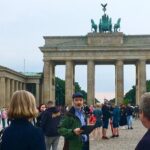
- Brandenburg Gate: From Division to a Shared Future
- Price and Value: Why $31 Can Actually Make Sense
- What to Bring, Plus the One Thing You Might Wish You Planned
- Who This Berlin Tour Suits Best (and Who Might Find It Less Ideal)
- If I Book Only One “First Look” Walk in Berlin…
- Should You Book This Berlin Walking Tour?
- FAQ
- How long is the Berlin guided walking tour?
- Where is the meeting point?
- Is the tour in English?
- Is the tour wheelchair accessible?
- What major sights are included on the route?
- Are food and drinks included?
- What should I bring?
- What is the cancellation policy?
- Can I reserve now and pay later?
Key highlights to look forward to
- Alexanderplatz to Museum Island in a clear timeline that helps the city make sense
- Museum Island open space plus a view toward Berlin Cathedral
- Gendarmenmarkt as a satisfying, photogenic square stop
- Checkpoint Charlie with real context for what the Berlin Wall meant
- Brandenburg Gate as the symbolic finish line for unity and modern Europe
Why This 2.5-Hour Walk Feels Like Berlin in Order
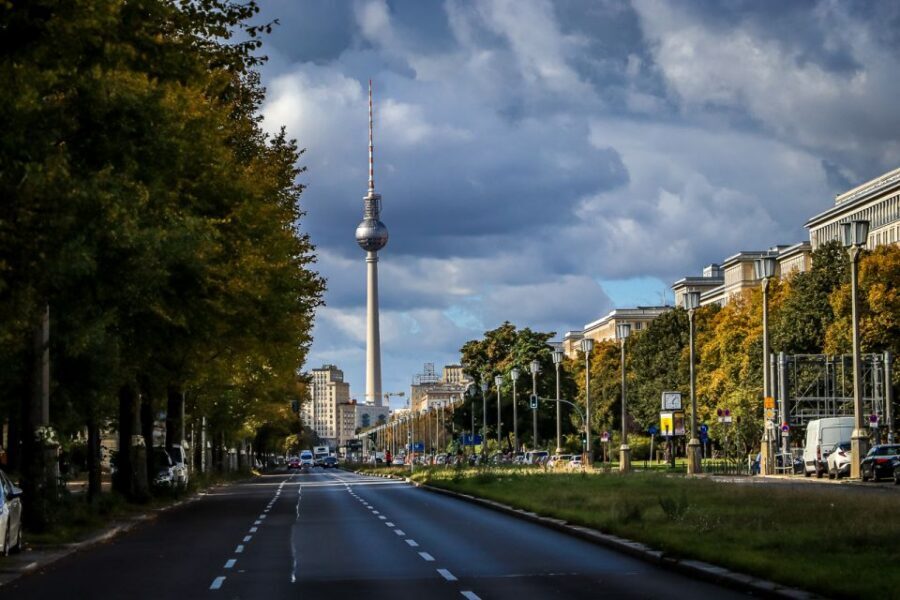
Berlin can feel like a patchwork: medieval bits here, Cold War scars there, and modern buildings trying to live their best life. This walking tour is built to fight that confusion. Instead of random stops, the guide takes you through Berlin’s story in a chronological narrative, so each location connects to the next.
That structure matters because Berlin’s buildings often look like they’re from different centuries. When you understand what came before and what came after, you start reading the city instead of just photographing it.
It also helps that the tour is long enough to feel substantial (2.5 hours), but short enough that you’ll still have energy afterward for museums, cafés, or just wandering.
You can also read our reviews of more walking tours in Berlin



Meeting at Rotes Rathaus by the TV Tower and Neptune Fountain

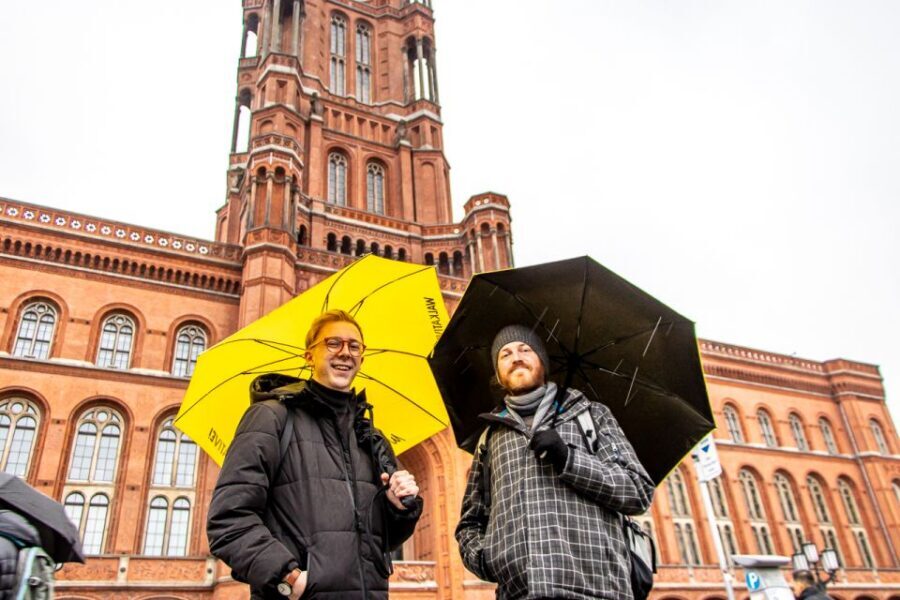
Your starting point is in front of the Red Town Hall (Rotes Rathaus), close to the TV Tower and Neptune Fountain. If you’re staying anywhere around Mitte, this is a convenient launch pad: you’re starting right at the heart of what most first-time visitors want to see.
Arrive about 10 minutes early. That gives you time to find the group without stress and to settle your route plans for the rest of the day. The tour is English-speaking and wheelchair accessible, so the pacing and path are meant to work for a range of travelers.
One more small tip: because the tour covers a lot of ground, I’d rather you spend your energy listening than searching for a meeting point—so show up early and start strong.
From Alexanderplatz to the Medieval Remnants of Old Berlin
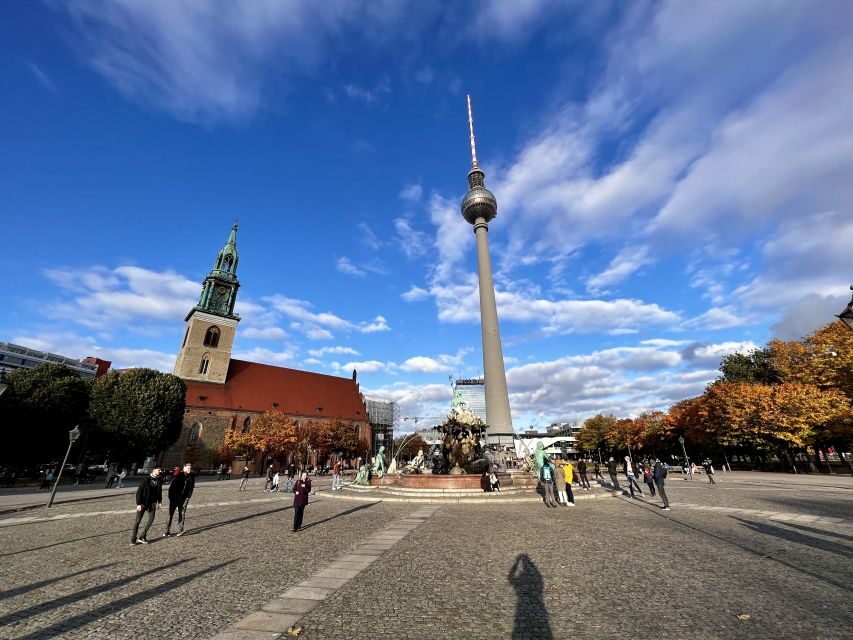
You begin at Alexanderplatz, where the TV Tower is hard to miss. From there, the tour shifts into the early Berlin story, including the original medieval remnants of the small town Berlin was for much of its history.
This is a smart place to start. Alexanderplatz can look like pure modern city life, but the guide uses it as a pivot: you see how the city expanded outward from earlier roots. If you’ve ever felt like Berlin’s past is hard to pin down, this opening section is where the timeline starts clicking.
Practical note: this part of the walk includes public streets and open views. Weather matters. Dress for it, not for your idea of it.
The Royal Palace of the Hohenzollern Area: Controversy in Plain Sight
Next, you pass by the reconstructed former Royal Palace of the Hohenzollern—a stop that comes with controversy. Berlin has a long relationship with how it represents history, and this is one of the places where that tension shows.
Even if you don’t have strong opinions going in, the guide’s job here is to help you understand why it’s debated. You’ll see a rebuilt presence in a city full of preserved and transformed spaces, and it will make you think about how nations choose what to show.
This section is also a useful reset: it breaks up the timeline with a moment of discussion about interpretation, not just facts.
Museum Island Open Space and Berlin Cathedral Views
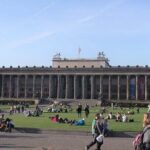
One of the tour highlights is the open space of Museum Island, and you’ll get a great view of Berlin Cathedral as you pass through the area.
Museum Island is famous, but you can miss the bigger point if you visit only as a checklist. Here, it’s treated like a living neighborhood rather than a single ticketed attraction. You’re walking through the cultural center while the guide places it inside Berlin’s broader development.
I like this stop because it gives you something rare: a panoramic pause. Even if you’re not museum-bound today, the view helps you anchor Berlin visually. It’s also a good moment for photos, because the area offers more breathing room than many city corners.
You can also read our reviews of more guided tours in Berlin




Humboldt University Streets: When History Lives in Everyday Layouts
After Museum Island, you move toward Humboldt University and then into a maze of central streets. This is where the tour gets real in a good way: you see how major institutions and the street grid shape how people move through a city.
You’re not just going from monument to monument. The guide uses these connections to show how Berlin’s “big story” plays out on normal walkways and everyday routes.
If you enjoy city wandering, this section is a payoff. It’s the stretch where you start noticing patterns—major streets, side lanes, and the way squares appear when the street opens up.
Gendarmenmarkt: The Pretty Square With Real Character
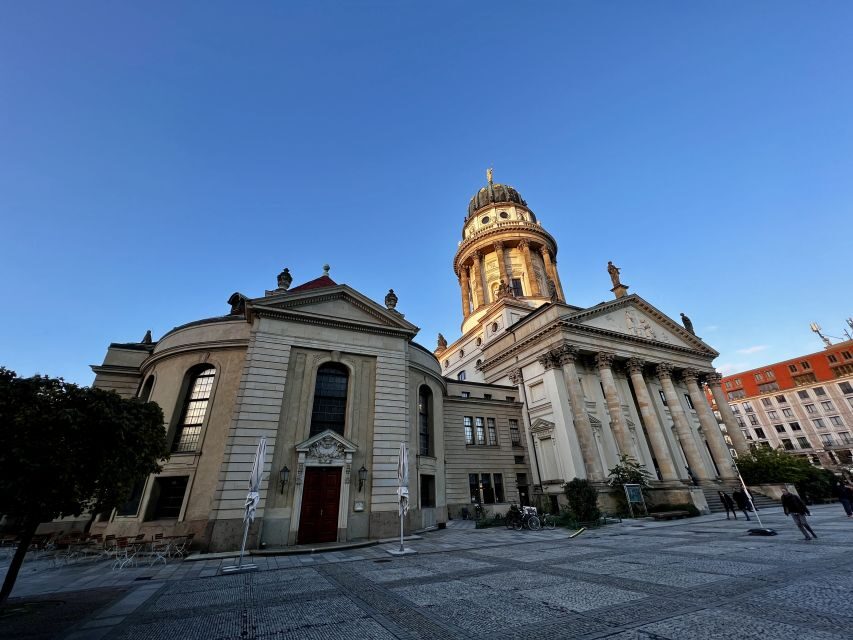
Next is Gendarmenmarkt, described as the prettiest square in the German capital. I get why that works. Squares like this can be visually stunning, but the best tours use them to explain why the space matters—not just how it looks.
Gendarmenmarkt is one of those stops that makes you slow down naturally. You’ll marvel at the beauty of the place and still come away with context, which is the difference between snapping photos and understanding what you’re seeing.
This is also a good practical moment on the walk. It’s a square, which usually means you can adjust your footing, regroup mentally, and take in the surroundings before the tour shifts toward the Cold War era.
Checkpoint Charlie and the Berlin Wall’s Meaning on the Ground
Then you get to one of the most emotionally loaded parts of the city: the Berlin Wall at Checkpoint Charlie. The guide explains the history of the wall here, turning a well-known name into something more grounded.
Checkpoint Charlie can feel like a symbol from a distance—something you’ve seen in photos. On this walk, it becomes more specific because you’re approaching it as a sequence in Berlin’s story, not as an isolated postcard spot.
If you want to understand why the wall mattered beyond the headlines, this is the section you’ll remember. It also helps that the tour doesn’t just point. You’re walking and learning at the same time, so the city’s geography becomes part of the lesson.
Walking Past Hitler’s Former Bunker Location
A powerful stop comes next: you walk past the location where Hitler’s bunker formerly stood. This part of the tour focuses on the country’s dark past, and it’s included for a reason. Berlin isn’t only about reconstructions and ceremonies; it also carries the weight of what happened here.
This is where the tour’s chronological approach shows its strength. By the time you reach this section, you’ve already been given a framework for how Berlin changed. That context makes the darker parts land with more clarity rather than shock alone.
Come mentally ready for a serious topic. The good thing is that you’ll have other stops before and after, so it won’t feel like the entire tour is heavy all the way through.
Brandenburg Gate: From Division to a Shared Future
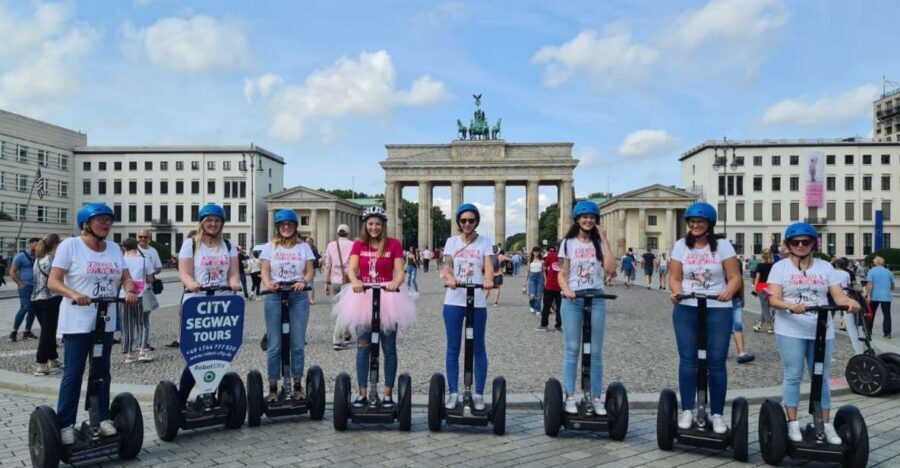
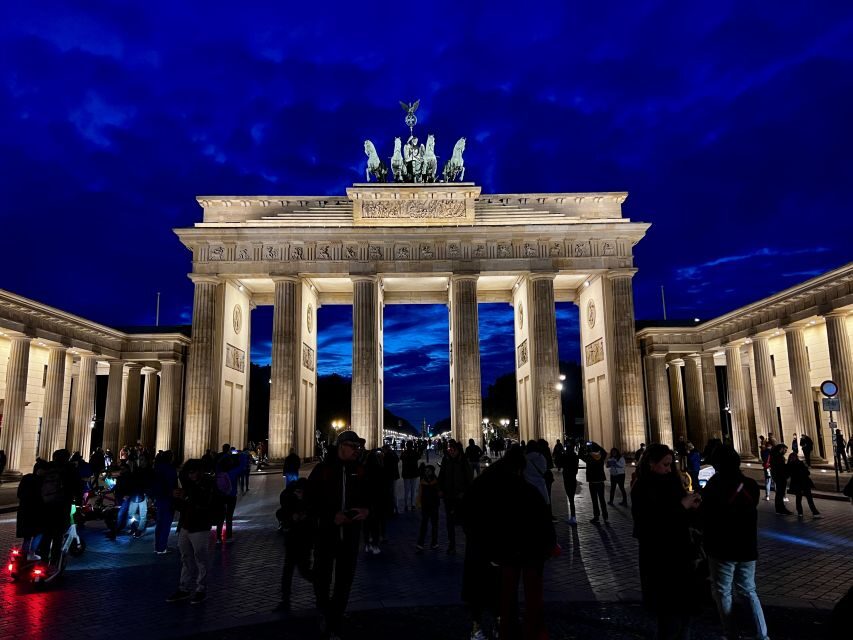
The final symbolic stop is the Brandenburg Gate, described as a symbol of unity of Germany and Europe. It works as an ending point because it visually represents a shift: from tension and division to something more hopeful and outward-looking.
You’ll reach the gate after walking through Cold War and WWII-era touchpoints, so the atmosphere tends to feel different. Even if you’ve seen it online, there’s something grounding about reaching it by foot, with the city narrative still fresh in your head.
I like finishing here because it gives you a clean “last picture” to connect everything you just learned. After this, you can branch out—museums, parks, or just strolling—without feeling lost.
Price and Value: Why $31 Can Actually Make Sense
At $31 per person for 2.5 hours, this isn’t a luxury add-on. It’s a practical way to get a guided framework for a city that can overwhelm first timers.
Here’s the value logic I see: Berlin’s top sights are spread out and connected to different time periods. A guided walking tour helps you sort them into order so you can use the rest of your visit more effectively.
There’s also something important in the payment structure. You’re joining a general pay-what-you-choose style setup, where the amount you pay covers the reservation fee and the guide’s payment. In plain terms: you book a slot, and then you can adjust your tip/reward based on how the guide’s delivery landed for you.
If you’re trying to travel smarter with time, that arrangement can feel fair. You’re not overpaying for a one-size-fits-all script, but you are paying to get the guide’s time and expertise.
What to Bring, Plus the One Thing You Might Wish You Planned
This tour doesn’t include food or drinks, so plan your comfort like a local. Wear weather-appropriate clothing, and think about layers. One review specifically mentioned a guide being mindful of the cold, which is a strong hint that temperature can matter more than you expect once you’re walking for hours.
Also, I’d handle your personal needs before you start. There’s no mention of built-in breaks for restrooms or grabbing a drink, and one review wished there had been clear notice about whether there’s time to do that. Even if you don’t need anything right away, building that buffer helps.
My simple rule for walking tours: bring water if you can, and avoid arriving hungry.
Who This Berlin Tour Suits Best (and Who Might Find It Less Ideal)
This is a great fit if you:
- Want an English guide and a clear timeline instead of random sightseeing
- Like learning through walking, with key stops like Museum Island, Gendarmenmarkt, Checkpoint Charlie, and Brandenburg Gate
- Plan to visit multiple Berlin sights afterward and want a first-pass framework (a guide like J.R. was praised for practical hints for the rest of your trip)
- Appreciate history that includes both impressive architecture and serious context
It may be less ideal if you:
- Want lots of breaks or time sitting down. This is 2.5 hours of moving, and food/drinks aren’t included.
- Prefer a slower pace with fewer transitions between topics.
If I Book Only One “First Look” Walk in Berlin…
Do it for this. The pacing and sequence make it a strong first outing because it gives you mental labels for what you’ll see later. One review even suggested doing the tour early, and I agree with the logic: by the time you’re out exploring on your own, you’ll know what era you’re looking at and why the city’s layout feels the way it does.
You’ll come away with more than names. You’ll understand why Museum Island is a focal cultural area, why the Royal Palace reconstruction is controversial, what Checkpoint Charlie represents, what the Wall changed, and why Brandenburg Gate matters as a finish.
Should You Book This Berlin Walking Tour?
Yes, if you want a guided, chronological way to connect Berlin’s major sights in a short time. At $31 for 2.5 hours, it’s good value for a visitor who wants direction and context, especially when you’ll otherwise need to do that sorting yourself.
I’d book it especially if:
- You enjoy walking tours and don’t mind moving continuously
- You want to see the key sites in central Berlin without building an itinerary from scratch
- You’d like a guide to help turn famous places like the Berlin Wall and Brandenburg Gate into something you truly understand
Skip it if you need scheduled breaks, food included, or a super-slow pace. Otherwise, this is a very workable way to get your bearings fast and leave Berlin with a timeline in your head, not just photos on your phone.
FAQ
How long is the Berlin guided walking tour?
The tour lasts 2.5 hours.
Where is the meeting point?
You meet in front of the Red Town Hall (Rotes Rathaus), close to the TV Tower and Neptune Fountain.
Is the tour in English?
Yes, the live tour guide speaks English.
Is the tour wheelchair accessible?
Yes, it is wheelchair accessible.
What major sights are included on the route?
You’ll see the TV Tower area and medieval remnants near Alexanderplatz, Museum Island with views toward Berlin Cathedral, stops around Humboldt University and Gendarmenmarkt, Checkpoint Charlie, the former location of Hitler’s bunker, and you finish at the Brandenburg Gate.
Are food and drinks included?
No, food and drinks are not included.
What should I bring?
Bring weather-appropriate clothing.
What is the cancellation policy?
You can cancel up to 24 hours in advance for a full refund.
Can I reserve now and pay later?
Yes, you can reserve and pay later to keep your plans flexible.