REVIEW · BERLIN
Berlin: Urbex Abandoned Places & History Tour
Book on GetYourGuide →Operated by Urbex Tour · Bookable on GetYourGuide
Berlin goes underground and back up fast. This 3-hour Berlin urbex tour takes you through abandoned Stasi hospital spaces, then down into dark service areas and back out to rooftop views, where history feels uncomfortably close to the present.
I especially like two things: the way you get real context for what you’re seeing, and the hands-on feel of urban exploration with torches in places that would be hard to navigate alone. The small group size also helps—you’re not wandering in a crowd, and your guide can steer you away from the empty-looking dead ends.
The main drawback to consider is site condition. Some parts can be rough, with broken glass and uneven access, and not every underground space may be accessible on every day. If you want pristine buildings or a perfectly intact bunker route, manage expectations.
In This Review
- Key things to know before you go
- Berlin’s Abandoned Stasi Hospitals: What the Tour Actually Feels Like
- Meeting at S-Bahn Buch and What to Wear
- Stasi-Era Stops: Hospitals, Secrecy, and Decay
- Down into the Tunnels: Headlamps, Graffiti, and Controlled Risk
- Up on the Roofs: Views and the Shift from Dark to Bright
- Photography Skills That Actually Help (Tripod Included in Your Plan)
- Price and Small-Group Value at $116 for 3 Hours
- Who Should Book, and Who Should Skip This One
- Should You Book This Urbex Berlin Tour?
- FAQ
- Where is the meeting point?
- How long is the tour?
- How many people are in the group?
- Is the tour guided, and what language is it in?
- Are torches provided?
- What should I wear or bring?
- Who should not book this tour?
Key things to know before you go
- Abandoned Stasi hospitals: you’re walking through a closed medical world built for secrecy.
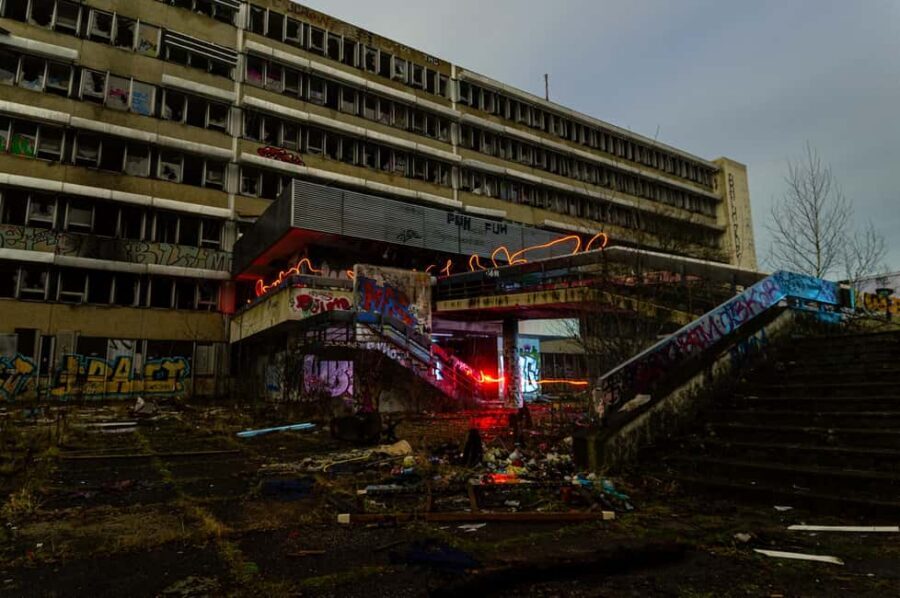
- Tunnels and dungeons: plan on using provided lighting and moving through darker, tighter areas.
- Rooftop time: you get a change of pace and Berlin views after the underground sections.
- Small group of 6: easier pacing, fewer lost people, more guide time.
- English guide, strong on safety and humor: you’ll get orientation and a lively tone.
- Photography setup: bringing a tripod can seriously improve your rooftop shots.
Berlin’s Abandoned Stasi Hospitals: What the Tour Actually Feels Like
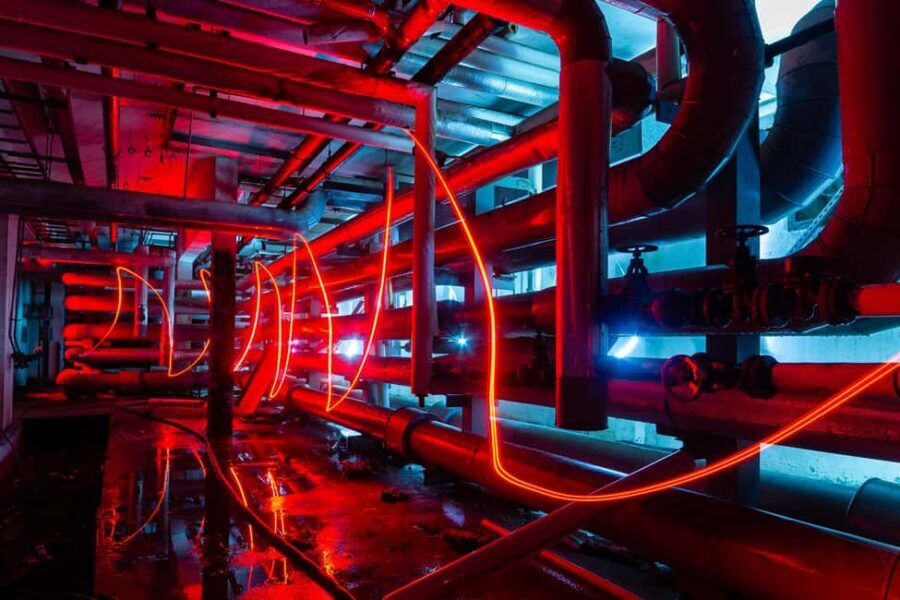
This isn’t a museum stroll. You’re moving through abandoned spaces that were once part of East Germany’s Stasi system—hospitals designed for a purpose that wasn’t public. The Stasi used a network of medical facilities to treat agents and high-ranking officials, keeping care and medical activity behind locked doors, away from outside scrutiny.
So when you walk the corridors, it hits differently. You’re not just looking at derelict walls. You’re trying to understand why a hospital had to be secret in the first place, and how that secrecy shaped everything from staffing to layout and security.
The tour’s pace matters here. In just three hours, you cover a lot of variation: decayed hospital areas, darker interior spaces below, then higher ground again. That rhythm keeps it from feeling like one long gloomy hallway. You also get a guide who can connect what you see—documents, flooring remnants, graffiti—to the broader Stasi story.
You can also read our reviews of more historical tours in Berlin



Meeting at S-Bahn Buch and What to Wear
Your starting point is specific: exit S-Bahn Buch on the side near the Netto supermarket, then turn left after the downstairs area. It’s worth arriving a few minutes early so you can get into the group without rushing.
Dress like you’re doing fieldwork, not sightseeing. Bring a cap or something for your head, wear comfortable clothes you don’t mind getting a little dirty, and skip anything sharp-edged or expensive. The rules are pretty clear: no tuxedo looks, no high heels. Also, don’t bring massive backpacks. Tight spaces and uneven footing make bulky bags more trouble than they’re worth.
You’ll likely appreciate layers too. Underground areas tend to feel cooler, and then rooftops can be brisk. Closed-toe shoes are a smart move because you’re dealing with uneven surfaces in forgotten places.
Group size is capped at 6 participants, which is one reason the clothing and gear expectations matter. Your guide is working with a smaller group to keep everyone moving safely through areas that can be cramped and visually confusing.
Stasi-Era Stops: Hospitals, Secrecy, and Decay
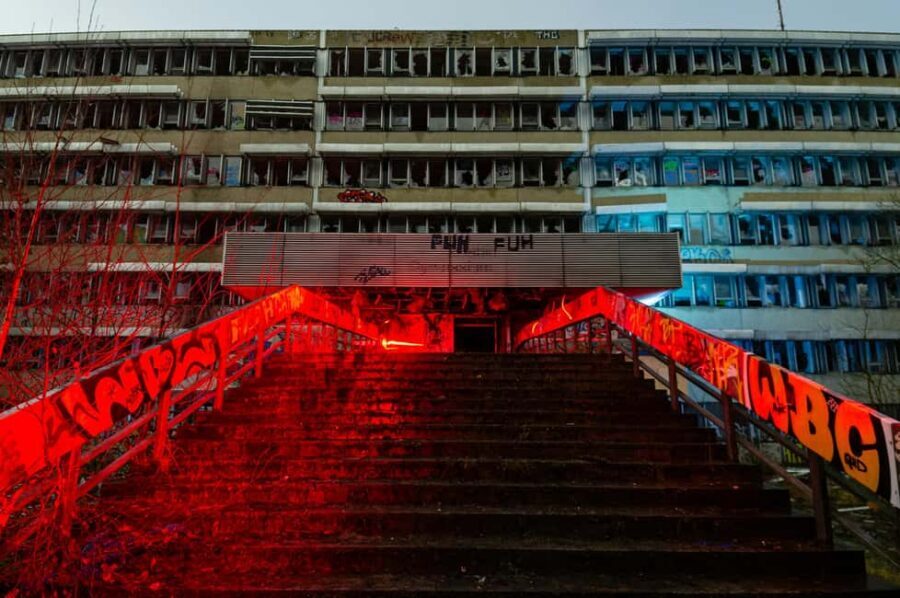
The core of this experience is the abandoned Stasi hospital setting. These weren’t ordinary community hospitals. They were set up for confidentiality, with medical professionals sworn to secrecy and facilities arranged in secluded areas.
On this tour, you’re there to understand the logic of that closed system. You’ll see the kind of leftovers that make the story tangible—old documents and original flooring remnants are the sort of details that can make you slow down and look twice. Even when the building is partly damaged, these traces give you something to connect to the past.
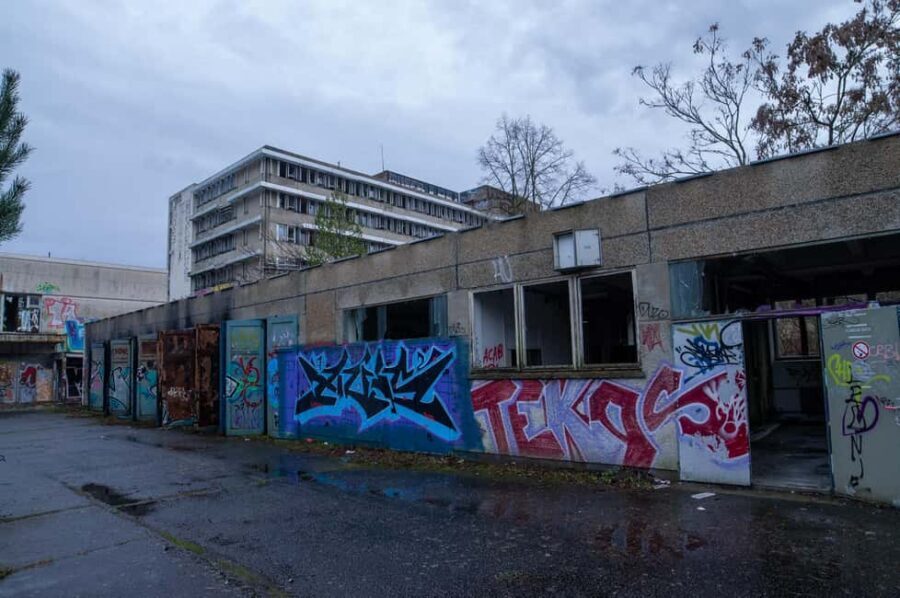
You’ll also notice the wall language of the present. Graffiti shows up in several areas, and it changes the tone fast: one moment you’re reading the ghost of a plan, the next you’re watching how newer people have marked the space. That mix can be unsettling, but it’s also part of Berlin’s reality.
One practical thing: some portions can feel large, with areas that look similar if you’re not guided. Having a guide helps you focus on the meaningful bits rather than getting stuck wandering in repetition. You’re not just getting directions; you’re getting interpretation.
Down into the Tunnels: Headlamps, Graffiti, and Controlled Risk
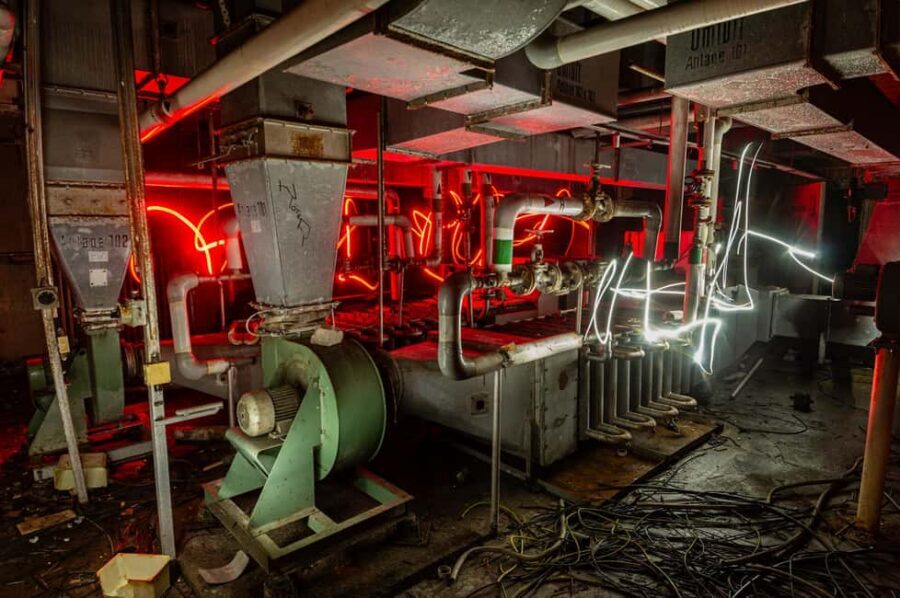
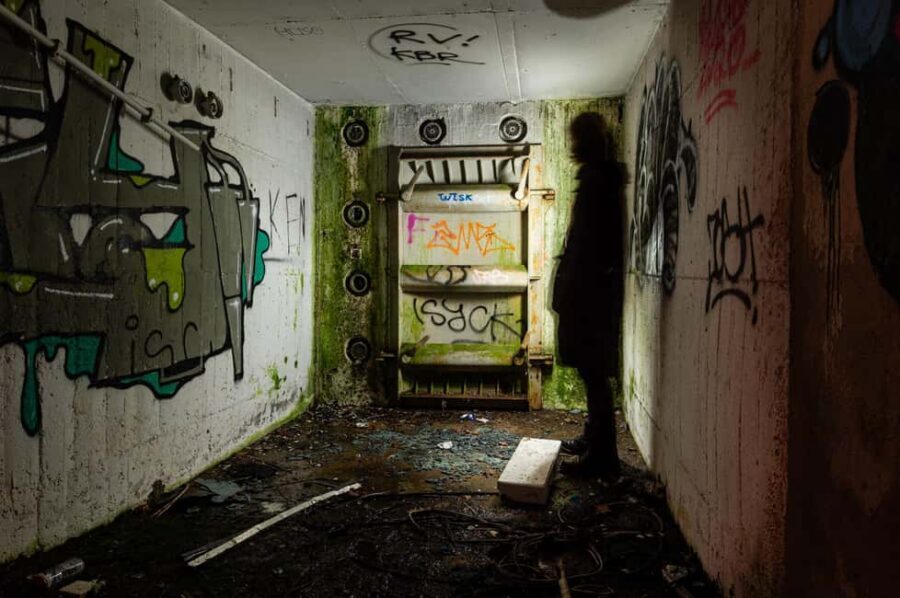
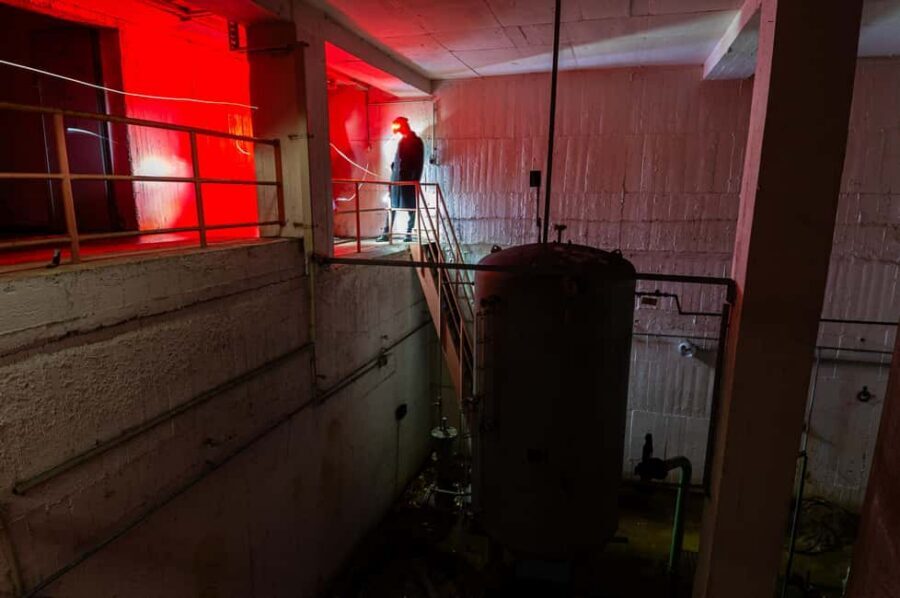
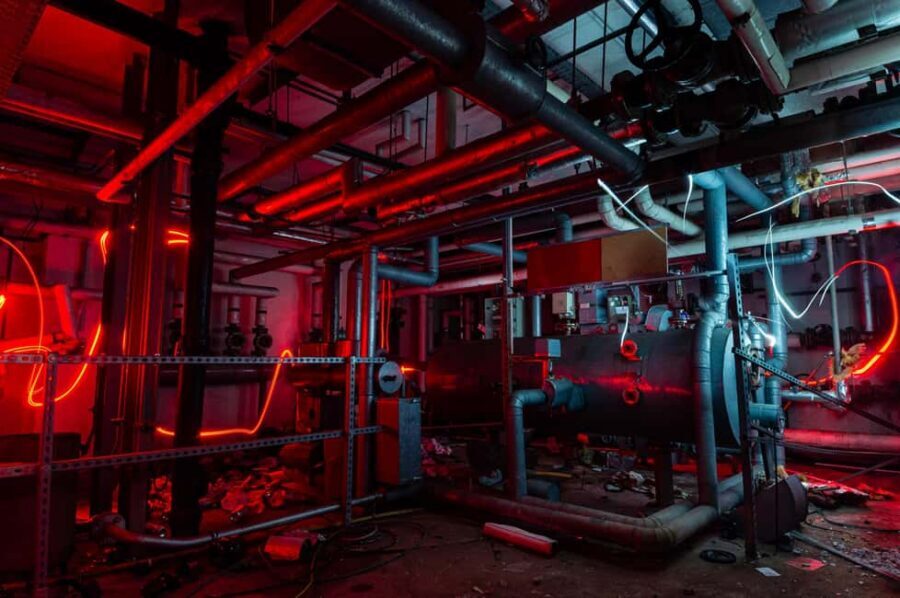
A highlight here is going down into dungeon-like spaces and service areas. The tour includes torches rental, and in practice that matters a lot. Light changes everything in abandoned buildings. Without it, you’d miss markings, flooring changes, and small clues that connect rooms and functions.
In darker sections, you can also expect the art of the in-between. There’s often graffiti and small creative work that only makes sense when you’re in the right lighting and at the right angle. One of the most memorable moments is finding art in the darkness—something you won’t get from a bright-walled viewpoint.
Now for the reality check. Site damage can mean broken glass and tricky footing. One less-than-perfect experience mentioned repeatedly walking through broken glass and frustration that a bunker wasn’t accessible. That tells you the condition can vary, and vandals may have changed parts of the route.
So go in with the right mindset:
- you’re exploring a place, not inspecting a restored set
- you need steady shoes and careful steps
- you should listen closely to your guide’s route choices
Up on the Roofs: Views and the Shift from Dark to Bright
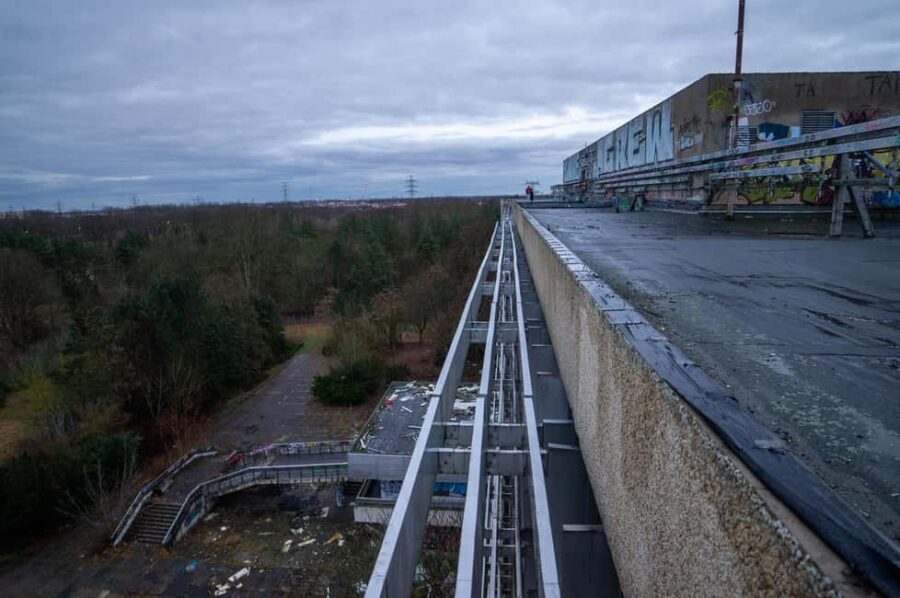
After the underground work, the tour shifts upward. Ascending rooftops gives you a mental reset, and the views are part of why this format works. Berlin looks different when you’re standing above the grid and seeing how the city wraps around its own past.
Rooftop time also affects your photos. Light is cleaner, and you can frame wider shots than you can inside broken corridors. If you like taking pictures, it’s one of the moments where you’ll feel glad you planned ahead.
If weather is bad, rooftop sections become more about comfort and safety than perfect views. The good news: the tour is only three hours, so you’re not stuck forever waiting for the clouds to behave. Still, wear clothing you can handle outdoors, and keep your tripod simple and stable.






Photography Skills That Actually Help (Tripod Included in Your Plan)
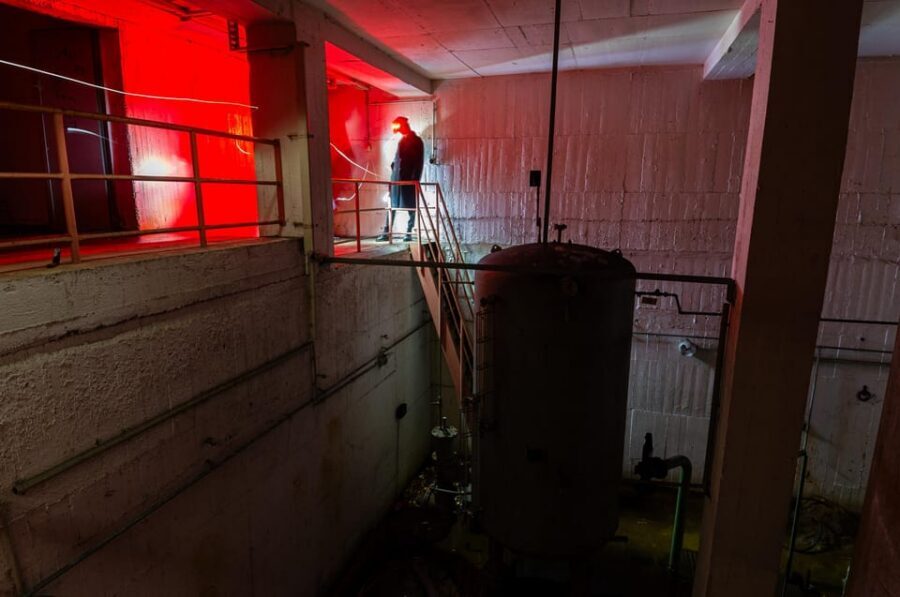
The tour is built for urbex photography energy, but it still takes basic technique. Indoors, your light is limited, and your shutter settings can’t do magic. That’s why the torches rental matters: it gives you enough illumination to capture details rather than just silhouettes.
For rooftop photos, bring a tripod if you’re serious about sharp shots. You’ll be working with varying light angles, and steady support can help you avoid blurry night-style smears even if the sky is bright.
Also, watch your movement. It’s easy to trip when you’re looking through a camera viewfinder. Keep a quick scan of your footing first, then compose.
Price and Small-Group Value at $116 for 3 Hours
At $116 per person for about three hours, this isn’t a bargain like a public walking tour. But it also isn’t trying to be one. You’re paying for access to a complex, abandoned location, plus a guide who manages the flow through dark spaces and keeps the group together.
Value comes from three places:
- A small group (limited to 6) keeps the experience from turning into a traffic jam
- Safety and direction matter in places where footing and visibility aren’t predictable
- History context makes the ruins meaningful instead of random
And the guide name you’ll hear often is Yoorii. Multiple write-ups credit him with a mix of humor and seriousness, plus attention to the group. That combination isn’t fluff. In a place like this, a confident guide helps you find the good areas and avoids wandering too long into sections that don’t add much.
That said, price sensitivity is fair. One mixed experience complained the building felt partially reduced—more broken and less historically interesting than expected, with access issues in at least one underground area. So if you’re paying for a specific kind of intact bunker exploration, you may find results vary based on how the site looks that day.
Who Should Book, and Who Should Skip This One
This tour is not for everyone, and that’s a good thing for safety and enjoyment.
It’s not suitable for:
- children under 10
- pregnant women
- wheelchair users
- people over 287 lbs (130 kg)
- people with high blood pressure
- people over 70
You also shouldn’t expect it to be comfortable if you’re sensitive to darkness, uneven surfaces, or tight spaces. Even with torches rental, you’re moving through abandoned infrastructure where you can’t rely on modern safety standards.
Who it fits best:
- adults who like history told through real physical spaces
- people who enjoy urbex photography and want a guided route
- travelers who value small-group pacing and clear direction
Also, this is best for travelers who can follow rules. The tour bans bikes and alcohol or drugs, and it restricts baby strollers and baby carriages—so plan accordingly if you’re traveling with kids or family needs.
Should You Book This Urbex Berlin Tour?
Book it if you want Berlin history you can feel in your body—secretive Stasi hospital spaces, underground darkness with torches, then rooftop views, guided by someone like Yoorii who can mix context with a calm, humorous approach. The small group size is a real part of the value, especially in a big and confusing site.
Skip it (or consider another style of tour) if you need a perfectly intact site, polished surfaces, and guaranteed access to every underground room. The condition of abandoned buildings can change, and rough areas like broken glass are part of the risk reality here.
If you can handle the practicalities—comfortable shoes, minimal bag size, head protection, and a bit of uncertainty—you’ll likely find this one of the more memorable ways to see how Berlin’s past still occupies space.
FAQ
Where is the meeting point?
Meet at the S-Bahn Buch exit on the side to the Netto supermarket. Turn left after the downstairs area.
How long is the tour?
The tour lasts 3 hours.
How many people are in the group?
It’s a small group limited to 6 participants.
Is the tour guided, and what language is it in?
Yes, there is a live guide, and the tour is in English.
Are torches provided?
Torches rental are included.
What should I wear or bring?
Wear comfortable clothes you don’t mind getting dirty, avoid massive backpacks, and use something to protect your head like a cap. If you want good photos, bring a tripod.
Who should not book this tour?
It’s not suitable for children under 10, pregnant women, wheelchair users, people over 287 lbs (130 kg), people with high blood pressure, or people over 70. Strollers, bikes, alcohol, and drugs are not allowed.