REVIEW · BERLIN
Small Group Walking Tour of East Berlin with a French Guide
Book on Viator →Operated by Vive Berlin Tours · Bookable on Viator
Berlin in 3 hours, with the Cold War made clear.
This small-group walk stitches together East Berlin’s political landmarks with real moments of separation and resistance, from a ghost S-Bahn station to the Wall’s memorial site. I especially like how you get face-to-face contact with the Berlin Wall while still moving efficiently between major stops, and how the French-speaking guide keeps the story structured. The main thing to consider: it’s a French-language experience, so if your French is limited, you’ll want to rely on the visuals and ask the guide to repeat key points.
You’ll cover the core sites that explain why Berlin still feels split even after decades of reunification. The route is built for a morning start, it’s paced for moderate fitness, and the group stays small (up to 25). If you prefer a self-guided visit where you can linger silently, this may feel a bit scheduled—still, that’s the trade for getting the connections between places in real time.
In This Review
- Key Highlights You’ll Care About
- Why a French-Language East Berlin Walk Works So Well
- Price, Timing, and the Value of This 3-Hour Format
- Stop 1: Potsdamer Platz to Nordbahnhof’s Ghost Station
- Stop 2: Berlin Wall Memorial on Bernauerstrasse and the Death Strip
- Stop 3: Alexanderplatz, Socialist Buildings, and STASI Pressure
- Stop 4: East Side Gallery and the Longest Still-Standing Wall Stretch
- Small Group Size, Real Guidance, and the Kind of Explanations to Expect
- Getting Around Berlin for This Tour: What You Need On the Ground
- What This Tour Teaches You That You Won’t Get From a Plaque
- Who Should Book This East Berlin Wall Story Walk
- Should You Book This Tour?
- FAQ
- What language is the tour conducted in?
- Where does the tour start?
- Where does the tour end?
- How long is the walking tour?
- What is included in the price?
- What is not included?
- Are there any admissions fees at the stops?
- What’s the maximum group size?
- Is cancellation free, and how late can I cancel?
- Is a mobile ticket used?
Key Highlights You’ll Care About
- French-guided storytelling that ties the sights to the Cold War’s human side
- Nordbahnhof’s ghost-station story as you head from Potsdamer Platz toward the Wall era
- Bernauerstrasse and the death strip with explanations of separation and escape attempts
- Alexanderplatz as a protest stage, including the role of STASI pressure
- East Side Gallery’s 104 murals, including the famous Brezhnev–Honecker kiss
- A small group size (max 25) that makes questions and pacing feel manageable
Why a French-Language East Berlin Walk Works So Well
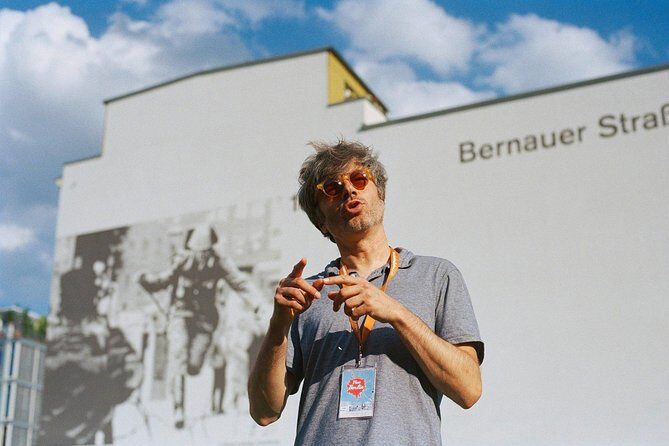
East Berlin history can feel abstract if you only read plaques. What makes this tour click is that it turns big, political ideas into scenes you can stand inside—places where people actually had to make decisions under surveillance, fear, and limited freedoms.
The French-language guide is central to that effect. Even if you’re not fluent, you’ll usually get the structure: what the site is, why it mattered, and what everyday people experienced because of it. The tour’s flow is built around contrasts—what you saw from the street, what was blocked behind fences, and what changed when protests gathered momentum.
I also like the focus on outcomes, not just dates. You’ll hear about the pressure from the state, but you’ll also connect it to the moments that helped push East Germany toward transformation. If you want a guided “how did we get here?” answer while you’re walking between landmarks, this is a solid format.
One more practical plus: it’s on foot. That means you’re not bouncing between locations in a vehicle for every stop, and you can actually absorb the city’s layout—how wide avenues, squares, and walls shape movement and visibility.
You can also read our reviews of more walking tours in Berlin



Price, Timing, and the Value of This 3-Hour Format
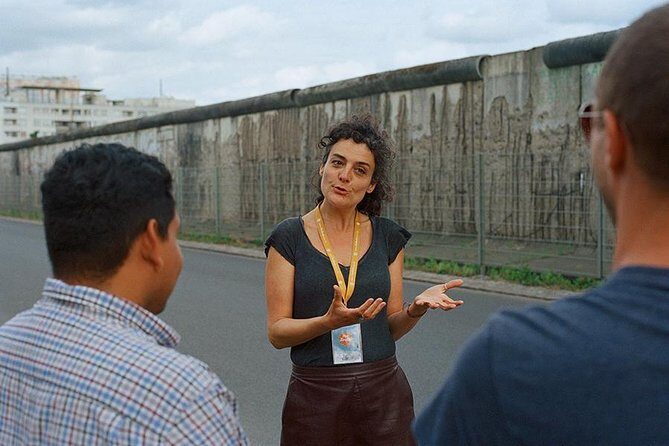
At $27.91 per person for about 3 hours, this is priced like a focused city walk rather than a premium museum day. And because the tour includes a local guide and local taxes, most of what you’re paying for is the interpretation—the part that’s hard to “DIY” quickly.
Timing helps too. Starting at 10:00 am gives you daylight for photos and it keeps the route realistic for a half-day plan. With an average booking window of about a month (34 days), it also tends to work well if you plan ahead like a grown-up and don’t wait until the last second.
A few logistical notes that affect value:
- The tour uses a mobile ticket, which reduces friction at check-in.
- It’s capped at 25 travelers, so you’re not swallowed by a giant group.
- Admission is listed as free for the main stops, which matters when you’re comparing tours that tack on site fees.
Not included: you’ll handle your own transportation to and from the stops. For getting around, plan on a public transportation day card for zones AB. That’s important because the route touches areas served by Berlin’s transit network, and having the right ticket avoids the annoying cost and hassle of single rides.
Stop 1: Potsdamer Platz to Nordbahnhof’s Ghost Station
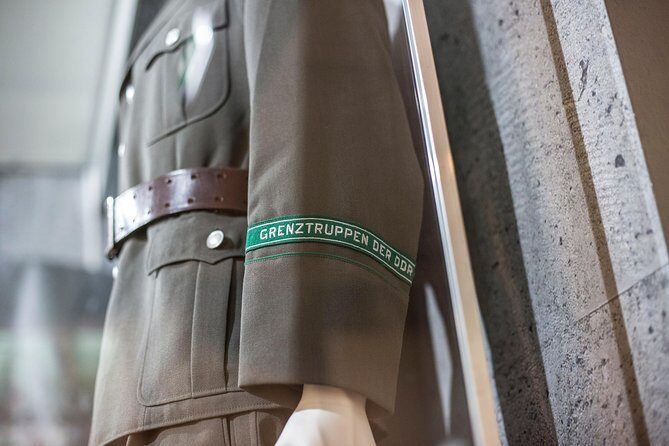
Your walk begins at Potsdamer Platz (Potsdamer Platz 10, 10785 Berlin) at 10:00 am. From there, you head toward Nordbahnhof by S-Bahn, including a stop where the station is described as a “ghost station” that stayed closed for nearly thirty years after the Wall was built.
This is a great opening stop because it sets the emotional tone fast: not just borders as lines on a map, but borders as operational reality. A closed station isn’t an abstract concept—it’s infrastructure that became unreachable, cutting off routines and mobility. When a place that should move people suddenly doesn’t, you can feel how the Cold War changed daily life at street level.
What to look for here:
- Notice how transit infrastructure can become political.
- Pay attention to what the guide says about how long the station remained closed and what that meant for people depending on routes.
Potential drawback: the early transit connection and walking can be a little brisk for people who prefer slow starts. If you’re arriving from a distant hotel, give yourself extra time so you’re not sprinting to meet the group.
Stop 2: Berlin Wall Memorial on Bernauerstrasse and the Death Strip

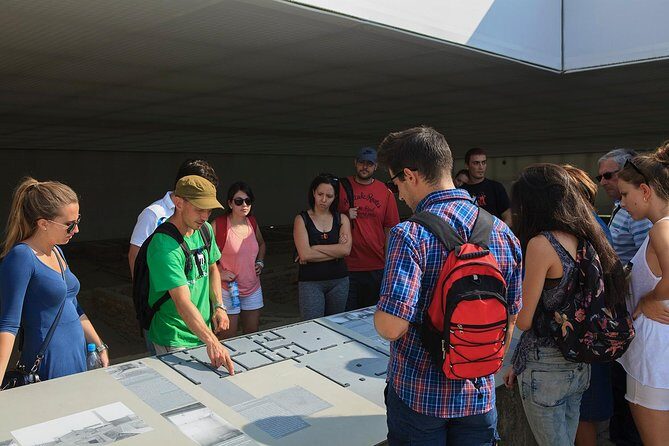
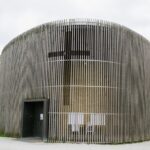
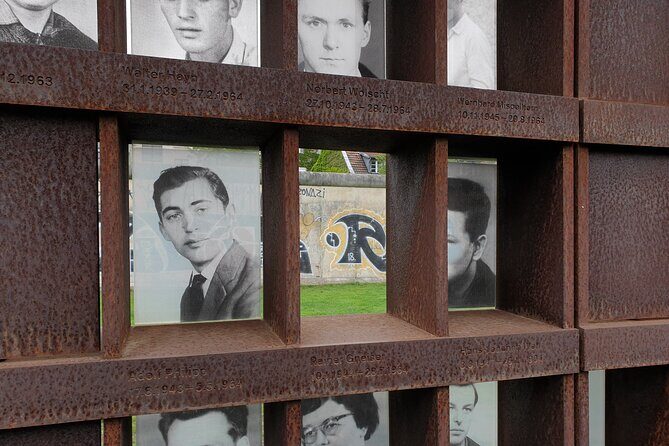
Next up is the Berlin Wall Memorial on Bernauerstrasse, where the tour focuses on the most painful parts of the story: the original section of the Wall and the death strip / no man’s land concept.
This stop is where the tour stops being a “photo walk” and becomes a history walk with gravity. You’ll hear about separation—families and neighbors split by a barrier they couldn’t cross—and about escape attempts, including tunnels dug for escape and the terrible outcomes for those who lost their lives.
Bernauerstrasse is the kind of place where the details matter. Even without getting overly technical, the guide’s job is to help you understand why this specific setting was so lethal and so emotionally charged. The memorial is also an educational bridge: it explains the system, but it doesn’t forget the human cost.
How long you spend here is about 50 minutes, which is a good length. It’s long enough to absorb the themes, but not so long that you lose the thread.
My practical tip: take a moment to slow down near the key sections the guide points out. If you rush, you’ll miss the “why this location is important” message that makes this stop worthwhile.
Stop 3: Alexanderplatz, Socialist Buildings, and STASI Pressure
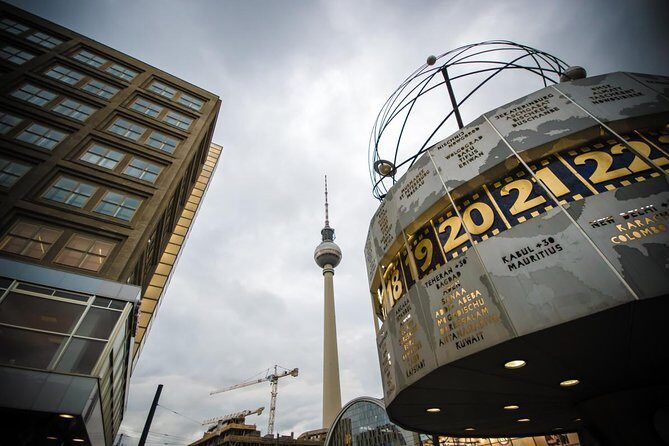
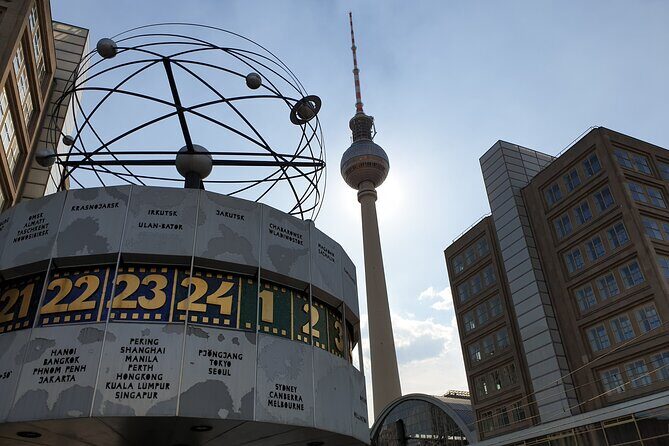
After the intensity of Bernauerstrasse, you move to Alexanderplatz, in front of representative buildings of socialist East Berlin. The guide uses this setting to talk about the emotions behind peaceful demonstrations and how people resisted STASI’s political repression.
This stop is smart because it shifts from the Wall as a physical barrier to the state as a surveillance machine. Alexanderplatz is a major public square—exactly the kind of space where you’d expect mass gatherings, visible political messaging, and public pressure to rise.
You’ll also connect the dots to major historical change: demonstrations, the weakening of control, and the subsequent collapse of the Wall and disintegration of the Soviet bloc.
Time here is shorter—about 20 minutes—so don’t expect a long sit-down explanation. This stop is more like a set of signposts: it gives you a framework so the next (final) Wall scene lands with meaning.
One consideration: if you’re the type who likes to linger in big squares, you may want to plan a little extra free time after the tour to soak in Alexanderplatz on your own.
You can also read our reviews of more guided tours in Berlin




Stop 4: East Side Gallery and the Longest Still-Standing Wall Stretch
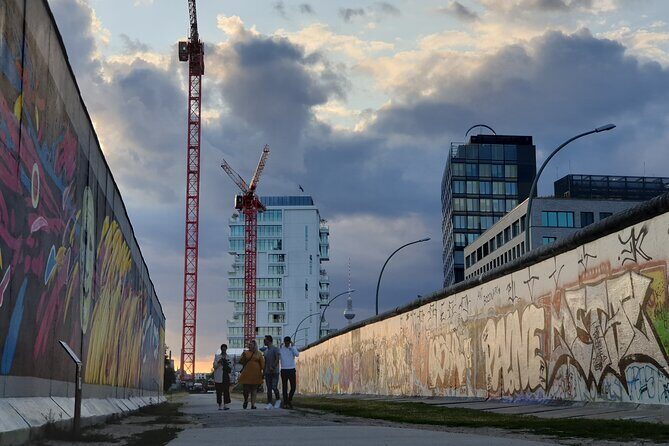
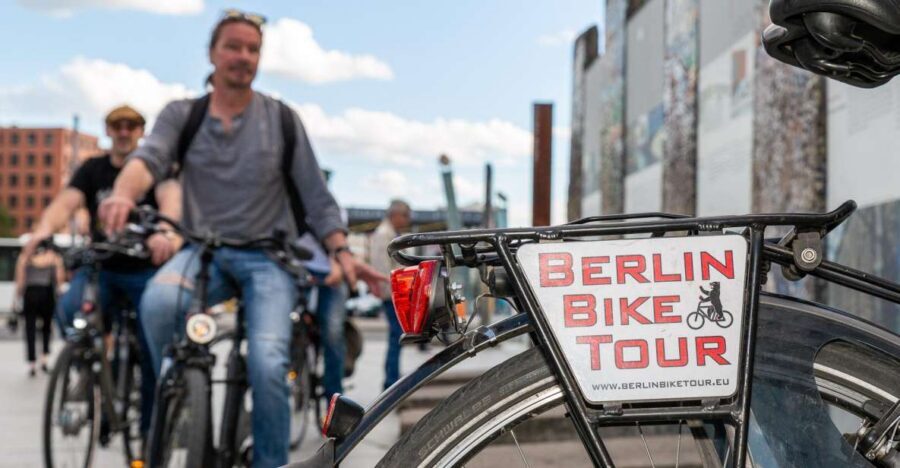
The tour ends at the East Side Gallery, described as the most famous and colorful stretch of the Berlin Wall. Here you’ll hear about 104 murals, including the now-famous kiss between Brezhnev and Honecker.
This is not just a “look at the art” stop. It’s a way to see how a brutal symbol can be repurposed into memory, commentary, and—yes—color. The guide uses it to close the emotional arc: you’ve seen separation and danger, you’ve seen resistance and change, and now you see how the Wall’s surface became a canvas for new voices.
The East Side Gallery is also described as the longest still-standing stretch of the Wall, which is a key reason this stop is essential. It’s one thing to learn about the Wall’s existence. It’s another to stand where a significant portion still shows its scale and permanence.
You get about 15 minutes here. That’s enough for the big picture and for a few photos, but if you love mural art, you might want to come back later for a slower walk.
If you’re photo-minded, do a quick two-pass strategy:
1) Get the “must-have” shots the murals are known for.
2) Then slow down for the smaller details the guide mentions.
Small Group Size, Real Guidance, and the Kind of Explanations to Expect
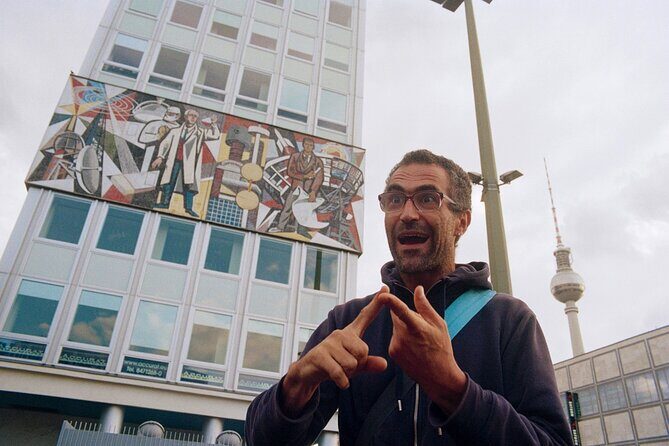
This is a French-speaking small-group experience with a maximum of 25 people, and that size matters. It’s large enough to keep energy and range of questions, but small enough that you’re not anonymous.
From the feedback, you’ll likely benefit from guides who are friendly and pedagogical. Two guide names came up in the feedback: Paul is described as both sympathetic and pedagogical, and Stéphane is described as telling the story with energy and lots of useful information. That combination—clear explanations plus enthusiasm—tends to be exactly what you want for this kind of tour, where accuracy and tone both matter.
Because the subject is heavy, good guidance also means pacing. You don’t just sprint from one location to the next. You get time at key sites (especially Bernauerstrasse) so you can process what you’re seeing.
Getting Around Berlin for This Tour: What You Need On the Ground
You’ll want to think of this tour as a guided route with transit support in mind, not a transport service. The tour doesn’t include transportation to and from attractions, and you should plan on using your own public transit.
Here’s what’s explicitly useful:
- You’ll need a public transportation day card for zones AB.
- The meeting point at Potsdamer Platz is near public transportation.
- The tour ends at a bike-and-transit hub near nextbike Berlin Jelbi at Mühlenstraße / Straße der Pariser Kommune (FHA/MU), 10243 Berlin.
Ending at a different spot is normal for city walks, but it affects your plans. Decide ahead of time how you’ll get back to your hotel—especially if you’re combining this with an afternoon activity.
Also, bring weather-ready clothing. It’s a walking tour, and Berlin weather can change quickly.
Finally, keep your movement comfortable. The tour asks for moderate physical fitness, which usually means you’re on your feet for stretches and walking between stops without long breaks.
What This Tour Teaches You That You Won’t Get From a Plaque
A lot of Berlin history content is split into categories—Wall facts here, protest history there, surveillance details somewhere else. This tour puts those threads together so you leave with more than a list of sights.
You’ll learn how:
- Infrastructure like a station can be turned off like a switch.
- Separation isn’t only political; it’s personal and physical.
- Escape attempts had both strategy (including tunnels) and tragic risk.
- Surveillance wasn’t distant—it shaped public life and fear levels in real spaces like Alexanderplatz.
- After reunification, the Wall became art and message, not just rubble.
That’s why the walking matters. When you connect the scenes with your own feet between them, the story becomes spatial. You feel how distance and movement were controlled, and you understand why certain places became symbols.
Who Should Book This East Berlin Wall Story Walk
This tour is a good match if you:
- Want a guided overview of East Berlin’s Cold War landmarks in a single morning block.
- Like small-group tours where you can ask questions and get clearer explanations than you’d get from reading alone.
- Are interested in the Wall from multiple angles: memorial, resistance, and later cultural transformation through murals.
It may not be the best fit if:
- You don’t understand French at all and need every detail explained in English (the tour is clearly set up as French-language).
- You prefer lots of unstructured time at each site over a tight 3-hour narrative.
Should You Book This Tour?
Yes, if you want your East Berlin introduction to feel human, connected, and efficient. The cost is reasonable for a guided history walk, the pacing makes sense for a 3-hour window, and the stops hit the big pillars: Nordbahnhof’s ghost-station story, the Wall Memorial on Bernauerstrasse, Alexanderplatz and STASI-era pressure, and finally the East Side Gallery with its 104 murals and the Brezhnev–Honecker kiss.
Book it especially if you’re the type who learns best by seeing places in order, not by jumping around the city. Just go in with one expectation: it’s a French-language experience about serious history, and you’ll get the most value when you lean into the guide’s storytelling and let the sites do their job.
If you want, tell me your travel dates and whether you speak any French. I can help you plan how to pair this with other nearby Berlin stops on the same day.
FAQ
What language is the tour conducted in?
The tour is described as a French-language walking tour with a French-speaking guide.
Where does the tour start?
The meeting point is Potsdamer Platz 10, 10785 Berlin, Germany.
Where does the tour end?
The tour ends at nextbike Berlin Jelbi Mühlenstraße / Straße der Pariser Kommune (FHA/MU), 10243 Berlin.
How long is the walking tour?
The duration is about 3 hours.
What is included in the price?
The price includes a local guide and local taxes.
What is not included?
Transportation to and from attractions is not included. You’ll also need to handle food and drinks, and tipping the guide is optional. You’ll need a public transportation day card for zones AB.
Are there any admissions fees at the stops?
The information provided lists admission ticket free for each of the main stops.
What’s the maximum group size?
This tour has a maximum of 25 travelers.
Is cancellation free, and how late can I cancel?
Yes, there is free cancellation. You can cancel up to 24 hours in advance for a full refund.
Is a mobile ticket used?
Yes, the tour uses a mobile ticket.