REVIEW · BERLIN
Sündenbabel Berlin – The Roaring Twenties in Berlin
Book on Viator →Operated by Freizeit-und Reiseclub Berlin · Bookable on Viator
Berlin’s past has a way of turning corners. This 2-hour guided walk traces the places tied to 1920s queer life around Nollendorfplatz and the Kurfürstendamm. It’s the kind of route where the streets themselves feel like set pieces.
I especially like how it pairs famous landmarks with street-level details, from the Eldorado slogan on Motzstraße to the landmark Kaiser Wilhelm Memorial Church sightline. Another strong point is the focus on nightlife and entertainment venues—dance halls, cinemas, and theaters—so you’re not stuck in one type of story. One caution: a couple of stops have admission that isn’t included, like the Zoo Palast, so you’ll want to be ready for a small extra expense and time it takes to get in.
In This Review
- Key highlights you can’t miss
- A 2-hour Berlin walk with mobile ticket ease
- Nollendorfplatz to Motzstraße: the Eldorado vibe starts immediately
- Fuggerstraße and the Scala story in a few steps
- KaDeWe at Kaufhaus des Westens: fashion as a world sensation
- Tauentzienstraße and Femina Palace: roof-open dancing
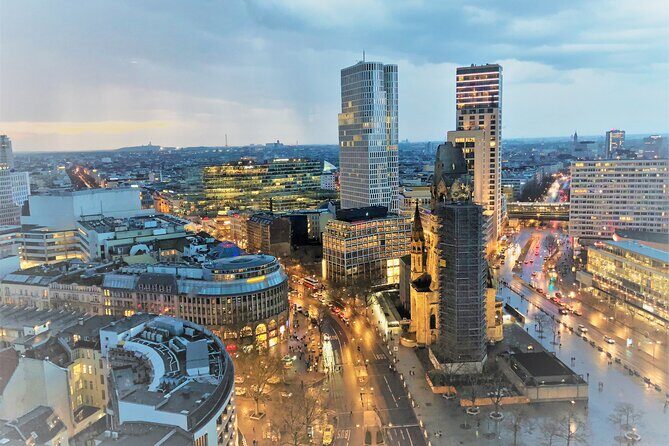
- Kaiser Wilhelm Memorial Church: a landmark you shouldn’t skip
- Zoo Palast: cinema hype and advertising mechanics
- Bahnhof Zoologischer Garten: the meeting place energy
- Theater des Westens and Delphi Palace: entertainment for the night crowd
- Kurfürstendamm and Kranzler Eck: luxury, credit cards, and café stories
- Price and ticket realities: what costs extra and what doesn’t
- How this tour feels on the ground (timing, group size, language)
- Who should book Sündenbabel Berlin, and who might pass
- Should you book this tour?
- FAQ
- What is the duration of the Sündenbabel Berlin tour?
- Where does the tour start and end?
- Is the tour in English?
- Is a mobile ticket used?
- Are all admissions included?
- How many people are in a group?
Key highlights you can’t miss

- Nollendorfplatz as the starting pulse: the walk frames the area as a magnet for the gay and lesbian movement in the 1920s.
- Motzstraße’s Eldorado clue: you’ll spot a slogan tied to the legendary Eldorado and connect it to who came and went.
- KaDeWe’s fashion-at-the-speed-of-Europe feeling: the tour uses the department store to explain how Paris fashion became a sensation.
- Femina Palace, roof-open dancing: you learn how the building’s original features helped enable dancing in open air.
- Zoo Palast and the machinery of movie hype: you’ll understand how cinema drew crowds and how advertising worked back then.
A 2-hour Berlin walk with mobile ticket ease
This is a short, focused tour—about 2 hours—built for getting your bearings fast without turning your day into a half-marathon. It runs with a maximum of 25 people, which usually means you can hear your guide and still look up at buildings instead of constantly checking your place in a long line.
You get a mobile ticket and the tour is offered in English, which matters in Berlin because schedules and museum timing can get complicated. Also, the route is designed along public-transport-friendly streets in central West Berlin, with a starting point at Nollendorfpl. 3–4 and an ending point near Kurfürstendamm / Cafe Kranzler.
You can also read our reviews of more tours and experiences in Berlin.
Nollendorfplatz to Motzstraße: the Eldorado vibe starts immediately

The walk kicks off in the zone tied to queer nightlife and community in the 1920s. The story starts with Auden and Isherwood—writers linked to that period’s attention on Berlin—and it frames Nollendorfplatz as a magnet for the gay and lesbian movement. That context matters, because it changes how you see the streets. You’re not just sight-seeing; you’re mapping a scene.
Then you reach Motzstraße, where the tour slows down for one of those street details that makes the whole theme click. You’ll see an Eldorado-related sign with the slogan This is the place. From there, your guide connects the slogan to the kinds of prominent personalities who may have come and gone in the area—basically teaching you to read the city like a diary.
What I like for your experience: even if you only know Berlin as a modern city, the Eldorado reference gives you a clear handle on what kind of night life these neighborhoods carried.
Possible drawback: because this is mostly exterior walking and short stops, you’ll want to bring a few seconds of attention per block. If you drift, you can miss the key “why this spot matters” moment.
Fuggerstraße and the Scala story in a few steps
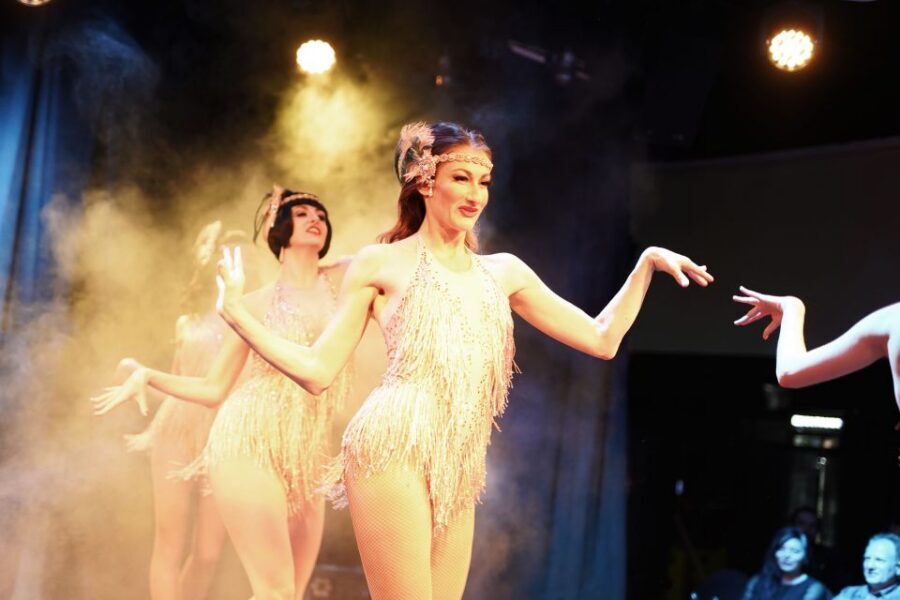
A few minutes into the route you’re at Fuggerstraße, close to the former Scala. Here the tour leans into the entertainment angle: going to the Scala in the evening became its own slogan. That’s a great way to understand the 1920s mind-set. People weren’t only meeting for conversation; they were building routines around shows, performers, and a place where the night had a script.
The tour also name-checks international performers associated with that scene—Enrico Rastelli, Clown Grock, and the Scala Girls. Even without deep background, these names act like anchor points. You start imagining the crowd energy and the way popular acts traveled and landed in Berlin.
This stop is short, but it’s effective: it reminds you that nightlife culture isn’t just about who you might meet. It’s also about the stage—the spectacle that drew people in and gave them a reason to keep coming back.
KaDeWe at Kaufhaus des Westens: fashion as a world sensation
One of the most surprising stops is Kaufhaus des Westens (KaDeWe). The tour positions it as a major early-20th-century department store that attracted an enormous audience—so much so that the place could pull in “millions.” And what made it feel important wasn’t only shopping. It was access.
The guide connects KaDeWe to something very practical: latest Parisian fashion arriving for purchase. That detail turns the store into more than a building. It becomes a symbol of how Berlin absorbed international style, then turned it into something local people could actually buy and wear.
Why this is valuable for you: it broadens the tour beyond dance halls and cinemas. You get a social map that includes shopping districts, where taste and identity show up in what people choose to wear.
Small consideration: if you’re hoping for a long interior visit or lots of time inside stores, you may find this stop is more about the story outside. The tour is about interpretation, not browsing.
Tauentzienstraße and Femina Palace: roof-open dancing
Next up is Tauentzienstraße, where the tour focuses on the Femina Palace. The interesting detail here is that the building has been preserved in its original condition—and that the roof could be opened so dancing could happen in open air.
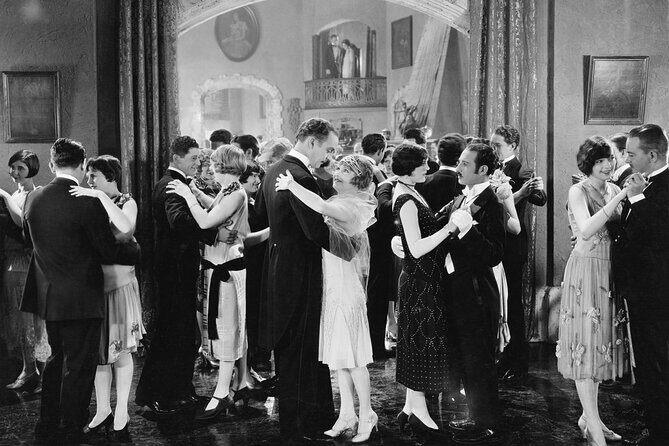
That’s a big deal. It gives the setting a physical feel. In the 1920s, you weren’t only going to a room; you were going to a kind of social performance where the architecture could change the whole experience. The tour uses this to get you thinking about how venues were designed for mood, weather, and atmosphere—especially in a city known for nightlife.
What I like: Femina Palace is one of those stops that turns “history” into sensory imagination. Roof open. Music and movement outside. People dressed up because the city let them.

Kaiser Wilhelm Memorial Church: a landmark you shouldn’t skip
You’ll also pass Kaiser Wilhelm Memorial Church, which the tour calls out as a Berlin landmark worth seeing. Even with a short stop, it’s a useful pause in the itinerary, because it gives you a recognizable marker in your mental map.
This church works as a visual reset. Up to this point the tour has been about queer nightlife spaces and entertainment. Adding a landmark like this helps you connect the neighborhood stories to a wider Berlin identity, instead of treating them like they exist in isolation.
Zoo Palast: cinema hype and advertising mechanics
One of the most distinctive parts of the walk is at Zoo Palast, described as the last remaining cinema around Breitscheidplatz. The tour doesn’t just say cinema was popular. It explains how cinema drew crowds in the 1920s and how cinema advertising worked.
Even better, the guide points you toward the idea of a date night—how cinema functioned as an easy plan. The tour mentions the type of outing where a gentleman took his wife out. It’s a small detail, but it makes the point clear: entertainment spaces were social tools, not just screens and seats.
Important practical note: Zoo Palast admission is not included in this tour. So I’d plan for a small extra step if you want to do that stop fully. It’s worth it if you like the behind-the-scenes angle of how media marketing sold the mood of an evening.
Bahnhof Zoologischer Garten: the meeting place energy
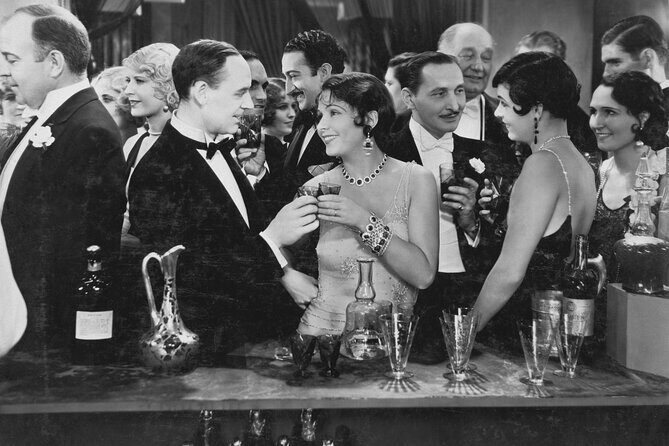
At Bahnhof Zoologischer Garten, the tour zooms back into the queer movement context. The area around the station is framed as a meeting point in the 1920s for the gay and lesbian movement in Berlin.
Here the guide explains which establishments were preferred. That phrasing matters: it keeps the conversation grounded in real-world “where people went,” not only in general ideas. It’s also a reminder that major transportation nodes often become social nodes. People meet where they can arrive, linger, and leave easily.
This stop includes admission, so you’re not juggling extra decisions mid-walk—just follow your guide and take it in.
Theater des Westens and Delphi Palace: entertainment for the night crowd
The itinerary also includes Theater des Westens and the adjacent Delphi Palace. These were described as important places of entertainment or dancing in Berlin during the 1920s.
For your experience, this is a useful anchor: the tour isn’t only about one type of venue. It links stage entertainment and dance culture, showing how people shaped their evenings across multiple kinds of nightlife.
If you like the social choreography of the city—how crowds flowed from one venue to another—this stop helps you picture the route people took and the rhythm of a night out.
Kurfürstendamm and Kranzler Eck: luxury, credit cards, and café stories
Later you reach Kurfürstendamm, where the tour has a fun bit of guidance: leave your credit card at home. The guide explains beautiful luxury items to buy on Kurfürstendamm, and also talks about dance and entertainment venues that already existed there in the 1920s.
That mix of shopping and nightlife tells you something important about this part of Berlin: it wasn’t only for going out in dark corners. It was also for public display—style, status, and the theater of being seen.
Finally, the tour ends near Cafe Kranzler at Kranzler Eck. The stop focuses on the former Cafe megalomania, and the guide shares why it was called that and what stories hide there.
What I like for your decision-making: ending with a café story gives closure. You’re not just left at a random street. You’re guided to an identifiable destination that fits the theme of conversation, meeting up, and continuation after the show.
Price and ticket realities: what costs extra and what doesn’t
Even without exact prices listed here, you can still judge value based on what’s included. Most stops are ticket-free in the itinerary, which keeps the cost under control and makes the walk feel like a true neighborhood experience rather than a string of paid attractions.
The two practical points to watch are:
- Zoo Palast is not included, so you should expect an extra admission if you want the cinema stop in full.
- Bahnhof Zoologischer Garten is marked as included, so you won’t need to add it yourself.
If you’re budgeting, this structure is usually a good sign. You get a lot of interpretation and exterior landmark time, then pay only for a limited number of ticketed experiences.
How this tour feels on the ground (timing, group size, language)
The whole walk is about 2 hours, which makes it easy to fit between other Berlin plans—like a museum visit earlier in the day or dinner afterward. The pace suits people who want story-driven sightseeing without sitting for long periods.
With English offered and a group cap of 25, it’s a reasonable size for hearing your guide and still checking details on façades and street signs. If you prefer a very quiet, contemplative pace, this might feel a little fast during the shorter stops. If you enjoy lively context and quick turns of the story, you’ll likely appreciate the format.
Who should book Sündenbabel Berlin, and who might pass
This tour fits best if you like:
- City stories tied to specific places (not generic Berlin history).
- Nightlife culture—dance halls, theaters, and cinemas.
- A clear theme: how entertainment and queer community overlapped in 1920s Berlin.
It might not be your best match if you want lots of time inside buildings, or if you don’t enjoy standing and walking for a couple of hours in central streets with multiple short stops.
Should you book this tour?
Yes, I think it’s a good booking for the right mood. The best value here comes from the way it connects queer nightlife geography to everyday landmarks—Motzstraße’s Eldorado slogan, Femina Palace’s roof-open dancing, Zoo Palast’s cinema advertising story, and the ending café narrative by Cafe Kranzler.
One more thing: the feedback sample includes a standout recommendation noting a super friendly guide and how informative the route feels as a different way to see Berlin. The overall average rating is modest, and there are only a handful of reviews, so I’d treat it as “worth considering, not guaranteed perfect for everyone.” But the structure and theme are strong enough that it should land well with people who enjoy story-first walking tours.
FAQ
What is the duration of the Sündenbabel Berlin tour?
It lasts about 2 hours.
Where does the tour start and end?
The tour starts at Nollendorfpl. 3–4, 10777 Berlin and ends around Kurfürstendamm 10719 at Cafe Kranzler.
Is the tour in English?
Yes, it is offered in English.
Is a mobile ticket used?
Yes, the tour uses a mobile ticket.
Are all admissions included?
No. Several stops are free, but Zoo Palast is not included, while Bahnhof Zoologischer Garten is included.
How many people are in a group?
The tour has a maximum of 25 travelers.