REVIEW · BERLIN
Berlin: Modernist Architecture Tour in the Hansaviertel
Book on GetYourGuide →Operated by Beyond and Beneath Tours · Bookable on GetYourGuide
Berlin can feel like a lot of monuments at once.
But this Hansaviertel walk is different: it’s a focused tour of modernist planning set inside calm streets between the Spree and the Tiergarten. I especially like how it connects architecture to real life, from the late-19th-century villas to the Cold War ideas behind Interbau 1957. I also like that the storytelling doesn’t stop at buildings; you get people, politics, and loss woven into the neighborhood. A possible drawback: it’s a true walking tour with a lot of historical context, so it works best if you’re comfortable standing and walking for about 2 hours.
You start at a real neighborhood beat (a biergarten nearby), then you move through a district that was rebuilt as a model for how a postwar city could function. The guide is live, in German or English, and you’ll want that brain-on pace, especially if you like asking questions. If you only want postcard sights and quick photos, you might find the depth a bit heavy.
In This Review
- Key things to know before you go
- A neighborhood built like a living argument
- Price and timing: what $23 buys you
- Where to meet: the Tiergarten S-Bahn + the orange umbrella
- Stop 1: Biergarten der Tiergartenquelle and fast orientation
- Hansaviertel on foot: villas, gardens, and famous residents
- The quiet but powerful memorial to Jewish life
- Interbau 1957: rubble turned into a Cold War showcase
- The architects you’ll recognize in real buildings
- How to get more out of the tour (without overthinking it)
- What you’ll walk away with
- Who this tour is best for
- Should you book this Hansaviertel modernist architecture tour?
- FAQ
- How long is the Berlin Hansaviertel modernist architecture tour?
- How much does the tour cost?
- Where do I meet the guide?
- Where does the tour end?
- What languages are available?
- Is food or drink included?
- What should I bring?
- Is the tour wheelchair accessible, and is it suitable for children?
- Are museum or monument entry fees included?
Key things to know before you go
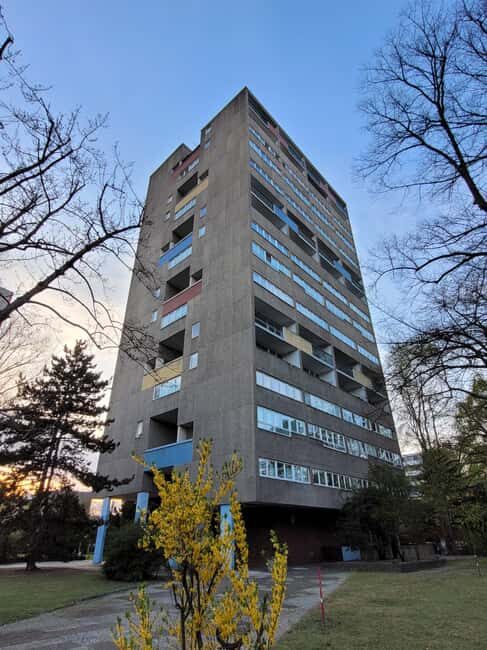
- Hansaviertel’s unusual mix: 19th-century elegance meets post-WWII modernist experiments.
- Interbau 1957, explained in plain terms, including what the buildings were trying to promise.
- A memorial tied to Jewish life: you learn to read the neighborhood with history in mind.
- Big modernist names show up in real space: Gropius, Niemeyer, Aalto, and more.
- Your guide matters: expect lively, answer-your-questions energy (including a guide named Morgan, if you’re lucky).
A neighborhood built like a living argument
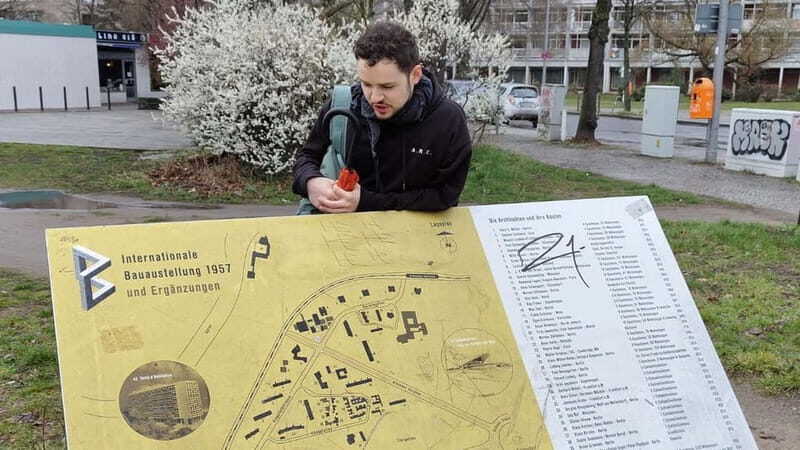
Hansaviertel sits in central Berlin, tucked between the Tiergarten and the Spree. On the map, it looks small and leafy. On the ground, it feels like a slow-moving debate about how cities should work and what modern life should look like.
That’s why I like this tour as a change of pace. Berlin has plenty of heavy hitters. This one takes you to a district that was intentionally remade after WWII, where architecture wasn’t just decoration. It was a statement about rebuilding, identity, and competing visions of the future.
You can also read our reviews of more tours and experiences in Berlin.



Price and timing: what $23 buys you
At $23 per person for about 2 hours, this is the kind of deal that’s hard to beat if you care about meaning. You’re not paying for a museum ticket or a bus ride. You’re paying for expert local interpretation of what you’re seeing as you walk.
You’ll cover roughly 1.5 hours focused on the Hansaviertel area, plus time to get oriented at the start and finish near the neighborhood center at Hansaplatz. The route is compact, so you’re not constantly relocating. Instead, you can actually notice details: spacing between buildings, how streets feel, how design choices shape movement and views.
Where to meet: the Tiergarten S-Bahn + the orange umbrella
Your start point is easy to find if you use the station as your anchor. Meet in front of the Berlin-Tiergarten S-Bahn station (Exit Siegmunds Hof / Bachstraße), next to the beer garden Biergartenquelle. Look for your guide holding an orange umbrella.
This matters more than it sounds. Modernist buildings can blend together fast, and your guide will likely pace the explanation to match what you’re seeing street by street. If you arrive a few minutes late, you’ll feel it right away.
Stop 1: Biergarten der Tiergartenquelle and fast orientation
Starting near Tiergartenquelle keeps the tour grounded in the real neighborhood rhythm instead of a “museum lobby” vibe. Before you hit Hansaviertel’s signature postwar shapes, you get the baseline: where this district sits, why it was designed in the first place, and how Berlin’s larger history shows up even when the streets look calm.
This early orientation helps you read later moments without getting lost in names. You’re setting up a timeline you’ll actually use as you walk.
Hansaviertel on foot: villas, gardens, and famous residents
Once you enter Hansaviertel properly, the tour shifts from general location to specific atmosphere. You’ll see the district’s 19th-century side, when Berlin was growing at breakneck speed and this area became a middle- and upper-class enclave. Think villas, manicured gardens, and elegant façades.
Here’s the practical value: if all you ever notice in architecture is style, you’ll miss why people cared. The guide frames these older details as context for what came after. The neighborhood didn’t become modernist on an empty stage. It was rebuilt after a war, but it also grew out of earlier urban ambitions.
The tour also brings in well-known Berlin figures tied to the area’s social fabric, including Rosa Luxemburg, Nelly Sachs, and Käthe Kollwitz. Hearing these names while you’re standing in the neighborhood helps you connect a place to the human layer that design can’t fully erase.




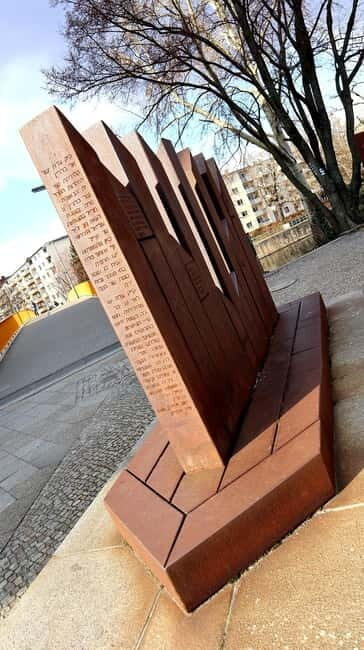
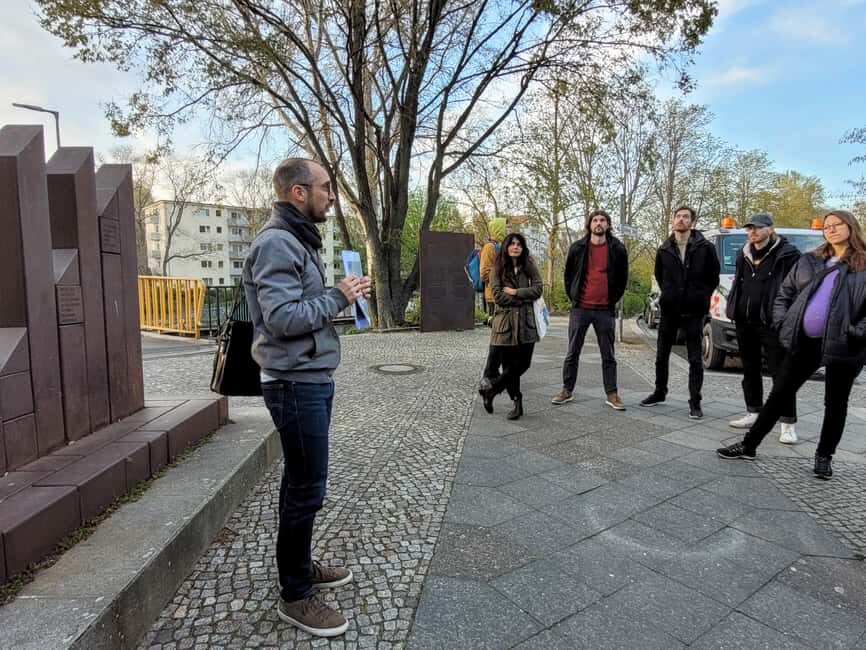
The quiet but powerful memorial to Jewish life
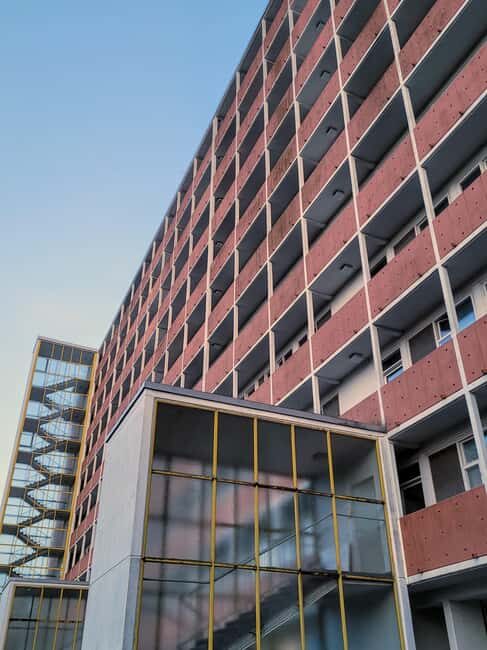
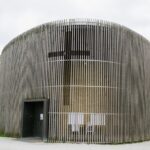
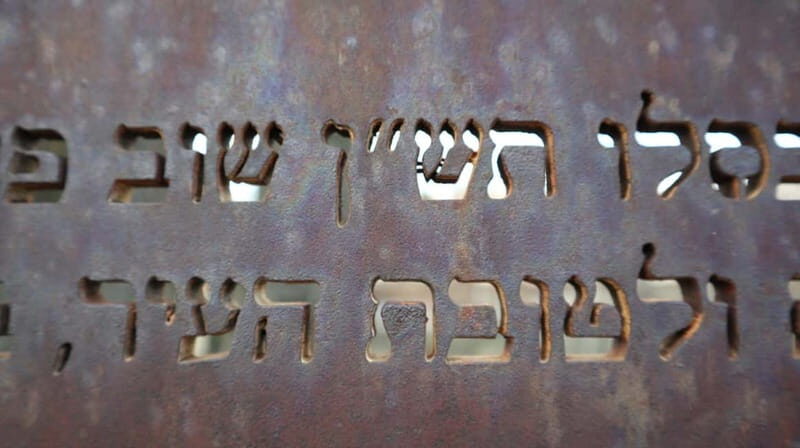
One of the tour’s most moving sections happens when the neighborhood story turns darker. You’ll visit a site tied to one of Berlin’s most significant Jewish communities—an area destroyed both socially and physically by the Nazi regime, and later by the Allied bombing raids that followed.
I like how this part is handled as a “read the place” lesson. You’re not just learning dates. You’re learning that urban design can’t replace memory. Even when streets are green and calm, there are losses underneath the surface.
If you’re sensitive to heavy history, plan your pace. This isn’t a performance of sorrow; it’s a reminder that the postwar rebuilding story also grew out of catastrophic erasure.
Interbau 1957: rubble turned into a Cold War showcase
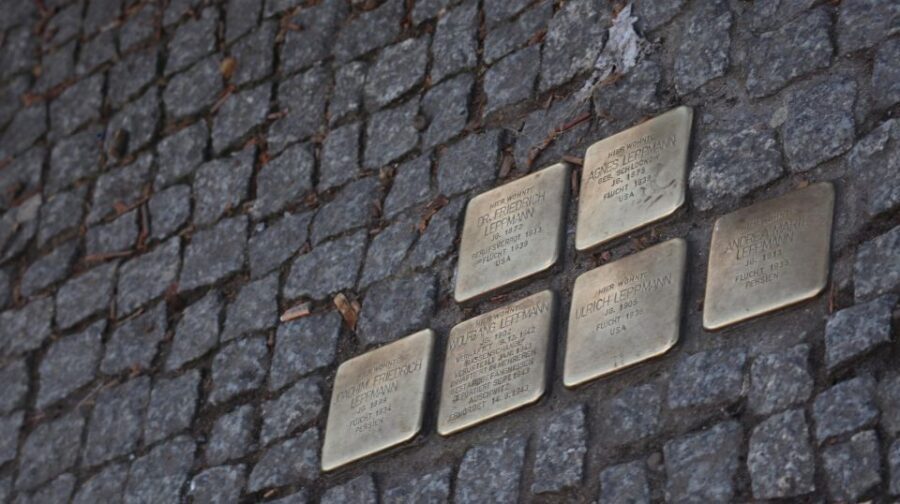
Then the tour takes a dramatic turn. In 1957, West Berlin hosted Interbau, an international architecture exhibition meant to reshape what a postwar city could be.
The key idea is Cold War rivalry, but it’s translated into walking-friendly terms. Interbau wasn’t only about aesthetics. It was about showing an image of the future—how people should live, how cities should function, and what kind of modern identity the West wanted to project.
And because this happened on land cleared by war, you can feel the contrast as you walk. The tour helps you understand why “modern” wasn’t neutral. It was competitive.
The architects you’ll recognize in real buildings
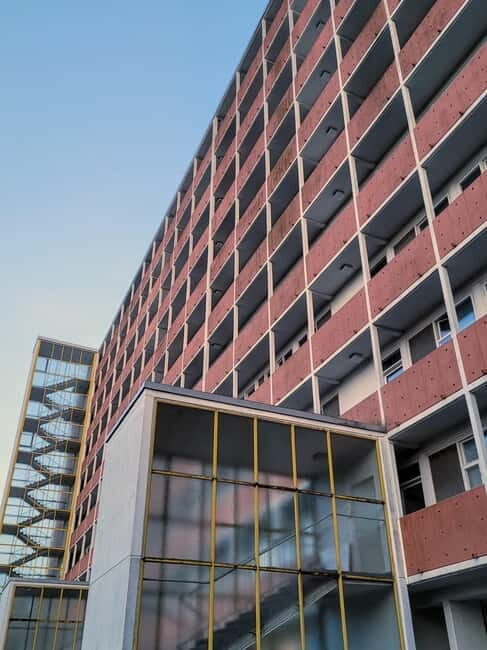
Hansaviertel becomes a kind of open-air syllabus for 20th-century design. You’ll see bold, sometimes provocative work associated with Walter Gropius, Oscar Niemeyer, and Alvar Aalto, plus other influential architects tied to Interbau.
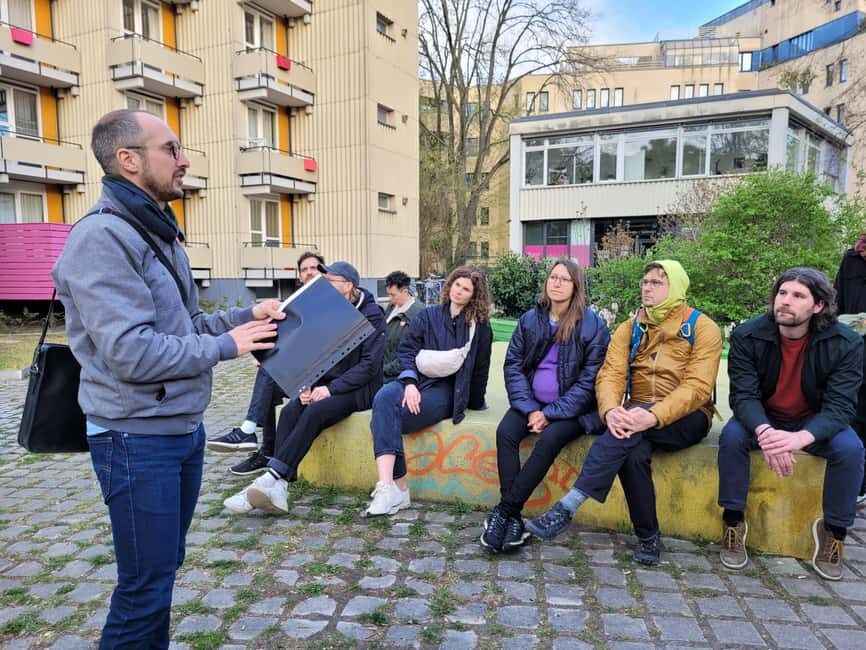
Here’s what’s especially useful: the guide doesn’t just name-drop. You’ll hear about the philosophies behind the buildings—what they promised, what kind of life they hoped to shape, and whether they still feel modern today.
On this tour, I think the best moments are the ones where you’re given a simple question to carry while looking. For example: Are these buildings trying to optimize movement, privacy, light, or community? Do they feel human-sized, or more like an idea made of concrete?
If you’ve ever found modern architecture intimidating, this approach makes it practical. You stop asking, What is this supposed to be? and start asking, What problem did the designer think this would solve?
How to get more out of the tour (without overthinking it)
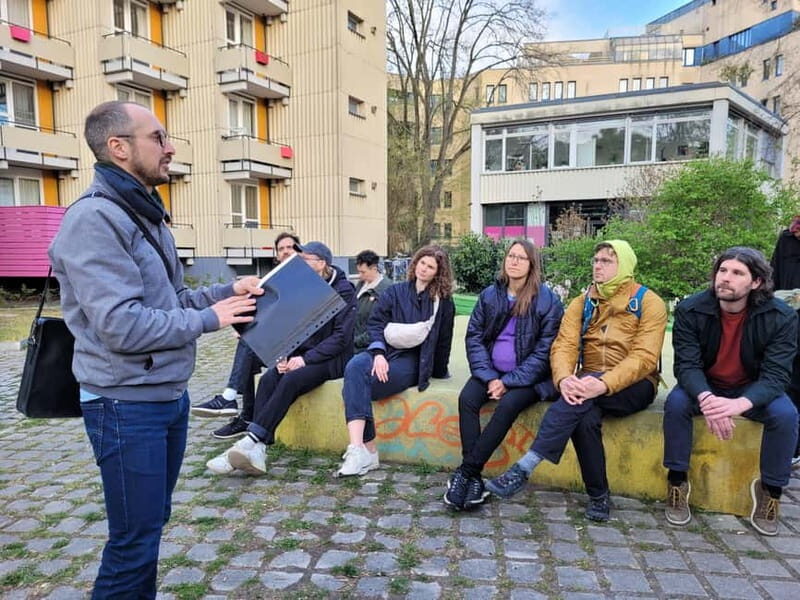
This is the kind of walking experience where your attention matters more than your photography skills.
Wear comfortable shoes and bring water. That’s not just “tour advice.” The district layout rewards slow looking, and you’ll want your body to cooperate. The tour is recommended for ages 14 and up, mainly because the historical content is layered and dense.
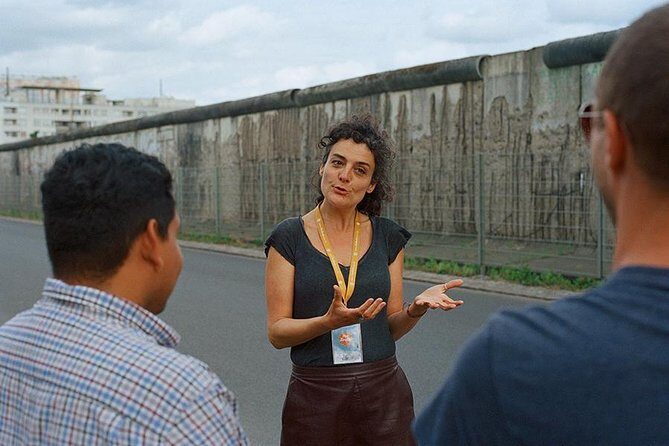
Also, give yourself permission to ask questions. A guide named Morgan has been described as taking people through time with a lively style and strong detail, and the tour is designed to keep conversation moving. If you like to talk, you’ll likely enjoy the back-and-forth.
What you’ll walk away with
By the end, you should feel like Hansaviertel is more than architecture on a postcard. You’ll have walked through more than a century of Berlin’s social and political shifts, from villas and public life to Cold War design experiments—while also confronting a memorial for Jewish life lost to persecution and bombing.
Most tours give you facts. This one gives you a way to interpret a neighborhood: look for the choices, then ask what those choices were trying to do to people’s lives.
Who this tour is best for
This tour is a strong match if you:
- like architecture that has a story tied to politics and daily living
- want to see Berlin without only hitting the famous monuments
- enjoy guided explanations that turn buildings into questions
- are comfortable walking for around 2 hours and standing while you listen
It’s less ideal if you:
- want a fast photo walk with minimal history
- prefer museums as your main learning format
Should you book this Hansaviertel modernist architecture tour?
Yes, I think it’s worth booking if you want one of Berlin’s most unusual neighborhoods at human pace. The $23 price feels fair for a guided, interpretive walk that connects modernist buildings, Cold War ambition, and a meaningful Jewish memorial in one coherent route.
Book it especially if you enjoy being guided through what you see, not just told what’s there. If you’re ready for layered history and you like modern architecture explained in plain language, this is a smart pick.
FAQ
How long is the Berlin Hansaviertel modernist architecture tour?
The tour lasts about 2 hours, and it includes roughly 1.5 hours on the Hansaviertel guided portion.
How much does the tour cost?
The price is $23 per person.
Where do I meet the guide?
Meet in front of the Berlin-Tiergarten S-Bahn station (Exit Siegmunds Hof / Bachstraße), next to the beer garden Biergartenquelle. Look for the guide with the orange umbrella.
Where does the tour end?
The tour finishes at Hansaplatz.
What languages are available?
The live guide offers German and English.
Is food or drink included?
No. Food and drinks are not included.
What should I bring?
Bring comfortable shoes and water.
Is the tour wheelchair accessible, and is it suitable for children?
It is wheelchair accessible. It is not suitable for children under 14, and minors must be accompanied by an adult.
Are museum or monument entry fees included?
Entry to museums or monuments is not included unless the itinerary specifically states otherwise.