REVIEW · BERLIN
Delicious Deutsch: Learn German while creating German Breakfast
Book on Viator →Operated by Eat like a Berliner - market tour + cooking class + lunch · Bookable on Viator
Berlin breakfast is a classroom for your mouth.
If you like learning German through real-life stuff, this one fits like a good knife. You’ll shop and cook fresh produce, then sit down to eat what you made, with language woven into every step. The host, Kit, is the kind of guide who makes it feel easy to ask questions, and the hands-on format helps you practice words you can actually use.
I like that it’s not just vocabulary on a screen. You handle ingredients, follow recipes, and taste as you go, which makes the German stick. A second big plus: it’s a private experience, so you’re not stuck waiting your turn while everyone else repeats the same basics.
One thing to consider: the session runs about 3 hours, and breakfast prep can move fast. If you’re a very cautious learner, tell Kit early what pace feels comfortable so you don’t feel rushed.
In This Review
- Key things I’d circle on your planning list
- A Berliner Breakfast Class That Teaches German With Real Ingredients
- Getting There at Goltzstraße 36 and Starting at 9:30
- Market Time: Learning German While You Shop for Frühstuck Ingredients
- The Cooking Session: German Breakfast, Taught With Steps You Can Copy
- What You’ll Eat: More Than a Meal, a Language Lesson at the Table
- How the Language Teaching Works (Without Feeling Like Homework)
- Price and Value for a Private Market + Breakfast Lesson
- Who Should Book This (and Who Might Skip It)
- A Few Practical Tips Before You Go
- Should You Book Delicious Deutsch: Learn German While Creating German Breakfast?
- FAQ
- What is included in the experience?
- Where does the tour start, and where does it end?
- How long is the experience?
- Is it a private tour?
- Can dietary restrictions be accommodated?
- Can I cancel or change my booking?
Key things I’d circle on your planning list
- Market-to-kitchen flow that turns German words into actions
- Hands-on cooking practice with ingredients you can actually name and explain
- Private group format for more conversation time with Kit
- Dietary flexibility on request, based on what the experience is set up to accommodate
- Modern German food culture + Berlin context, not just recipes
A Berliner Breakfast Class That Teaches German With Real Ingredients
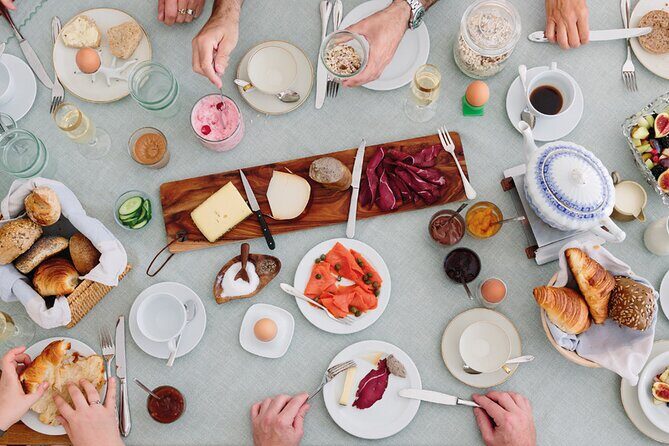
The magic here is simple: you learn German by doing German breakfast. Not by watching someone else do it, and not by reciting grammar rules. You see ingredients up close, touch them, sort them, chop them, and then taste the results. That’s what makes the language feel practical.
Berlin breakfast (Frühstück) is a real thing, not a token meal. You’ll spend the experience working through the rhythm of a German morning table: selecting ingredients, learning the names, understanding what goes together, and practicing phrases as you cook. You’re building a small set of everyday skills you can reuse when you’re out in the city ordering food or chatting with locals.
And because it’s multi-sensory learning—sight, smell, touch, taste—it tends to stick better. You’re connecting words to real sensations. That matters when you’re trying to remember German under travel stress, like when you’re hungry and the menu is in a language you’re still training.
You can also read our reviews of more tours and experiences in Berlin.



Getting There at Goltzstraße 36 and Starting at 9:30

You meet at Goltzstraße 36, 10781 Berlin, and the experience ends back at the meeting point. It’s near public transportation, so you won’t need to fight Berlin traffic or rely on private rides.
One practical note: the start time listed is 9:30 pm and the duration is about 3 hours. That’s later than you might expect for a breakfast theme, but the activity is still built around the Frühstück concept and German breakfast-style cooking. When you book, confirm the exact timing in your message so your schedule makes sense.
Since it’s a private tour/activity, you go as a group only. That’s a big advantage if you want to ask follow-up questions, adjust how you learn, or include kids without having them sit quietly while adults do most of the talking.
Market Time: Learning German While You Shop for Frühstuck Ingredients

A major part of the experience is the shopping phase. You’ll head to a market setting where you can talk with the host and see how Germans choose ingredients. In past sessions, the market element has been described as an outdoor, farmer-style setup, with vendors and local produce at the center of the plan.
This is where your German practice starts to feel real. Instead of learning words like you’re studying for a test, you learn them while pointing at what’s in front of you. You’re also learning how ingredients relate to taste and season—why certain items show up together, and what makes a breakfast feel German rather than generic.
There’s also a social element. In the reviews, Kit is described as having relationships with vendors and pointing out specific ingredients she likes to cook with, including seasonal treats. That kind of local familiarity helps you move beyond tourist questions and into normal human conversation—what’s good right now, what to use, and how to treat ingredients.
What to watch out for: markets can be busy, and shopping plus language practice means you may be moving between stalls and talking while making decisions. If you’re slow with directions in German, tell Kit at the start. A good host will adjust and keep you comfortable.
The Cooking Session: German Breakfast, Taught With Steps You Can Copy

After shopping, the experience shifts to cooking in a home kitchen. This is the part most language learners say they remember: not because it’s dramatic, but because you’re doing the steps yourself. You prepare, handle, and cook the food, while learning the German used in recipes and cooking techniques.
In reviews, Kit has been praised for making cooking feel approachable and for treating people like old friends, which matters when you’re practicing a new language and don’t want to feel embarrassed. There’s also mention of her being great with families, including helping a daughter feel included. If you’re traveling with kids, this format can be a lot more natural than a typical classroom-style lesson.
You should expect the language to show up in context:
- Ingredient names as you grab what you need
- Basic cooking instructions tied to what’s happening right then
- Short explanations of why something matters, not just what to do
And because you’re tasting what you’re making, you’ll understand the words behind the flavors. German food language is one thing. German food experience is another.
A small consideration: if you’re very picky about dietary needs, bring them up clearly at booking. The experience has been set up to accommodate dietary restrictions, and that’s a huge win. Still, the more specific you are, the easier it is for the menu to match your situation.
What You’ll Eat: More Than a Meal, a Language Lesson at the Table
The experience includes breakfast, and you’ll taste what you cooked. That’s not a minor detail. Eating is where your German comes back for review. You’ll hear the words used again, but this time they’re linked to the outcome: hot food, fresh flavors, and the satisfying moment when you finally understand what the recipe meant.
In reviews, the cooking phase has involved several dishes and described long, satisfying time together—sometimes stretching beyond the stated 3 hours. That doesn’t mean you should assume it will run long, but it does tell you what the energy can be like: the session often turns into real conversation, and cooking takes the time it takes.
There’s also been mention of wine being selected from a local shop. That detail may not be included in every run, so don’t plan on it as a guaranteed add-on. What you can bank on is the meal built around your work, plus the German practice embedded in it.
If you’re the type who learns best while eating and talking, this structure is a win. If you prefer a sit-and-watch experience, you may find the hands-on part a bit more intense than you expected.





How the Language Teaching Works (Without Feeling Like Homework)
This isn’t German grammar class. The goal is speaking German while doing tasks: ordering ingredients, discussing what you’re cooking, following steps, and naming what’s on your plate.
The experience is aimed at beginner to intermediate levels. That range matters because it gives Kit room to help you stay in the conversation without feeling totally lost. At the beginner end, cooking vocabulary provides a simple base. At the intermediate end, you can practice connecting phrases: explaining what you’re doing, asking what something means, and comparing ingredients and flavors.
The multi-sensory approach is also practical. When you smell something, touch it, and taste it while hearing the word, your brain gets more hooks. You’re not only hearing German—you’re living a mini German moment. For travel, that’s the difference between knowing a word and being able to use it.
What I’d do: come with a short list of what you want to say in German before the tour. Even a few basics—like how you order bread, ask what’s seasonal, or say what you’re tasting—can turn the experience into a targeted language workshop.
Price and Value for a Private Market + Breakfast Lesson
At $110 for about 3 hours, you’re paying for two things at once: a guided market stop and a home-cooking class that includes your meal. This isn’t a cheap group tour price, but it’s also not just a single activity. The value is in the time, the food, and the conversation with Kit.
Here’s how to think about the money in practical terms:
- You’re not paying separately for food, shopping guidance, and instruction.
- You’re buying a private setting where you can speak and ask questions.
- You’re getting market context, not just kitchen steps.
Also, since it ends back at the meeting point and is near public transport, you’re not adding a travel cost factor for getting there. The experience doesn’t include private transportation, so plan to use transit if you don’t want extra costs.
If you’re on a strict budget, there are free ways to practice German in Berlin. But if you want a structured, guided day that produces a meal you can describe in German, the price starts to make sense.
Who Should Book This (and Who Might Skip It)
This is a strong match if you:
- Want hands-on German practice instead of textbook learning
- Enjoy markets and want to understand what Germans buy and cook
- Prefer a private format where you can talk more freely
- Travel with kids and want them included in a normal, interactive setting
You might skip it if you:
- Want a long tour day with lots of sightseeing stops (this is centered on food and language)
- Are looking for a strictly timed, very formal cooking class with no social conversation
- Don’t eat or cook much and would feel like you’re watching more than participating
In other words: it’s ideal for active learners. If you like to do, not just observe, you’ll enjoy it more.
A Few Practical Tips Before You Go
- Confirm what time the session starts in your booking message, since the listing shows 9:30 pm.
- Bring questions. The best language practice comes when you ask why something is done a certain way.
- If you have dietary needs, share them early. The experience has shown it can accommodate restrictions, but details help.
- Wear something you can move in. Markets and kitchens are not always the place for delicate shoes.
Should You Book Delicious Deutsch: Learn German While Creating German Breakfast?
I’d book it if you want more than a meal and more than a language flashcard set. This experience is built for people who learn by doing: shopping, cooking, tasting, and talking. With Kit hosting, the reviews point to a warm, friendly dynamic where people feel included, even families.
If you’re a beginner to intermediate German learner and you want practical speaking practice with food at the center, this is a smart use of your Berlin time. Just go in ready to participate, and you’ll leave with both a fuller stomach and more real German.
FAQ
What is included in the experience?
The experience includes breakfast. You’ll also be cooking and tasting what you prepare during the session.
Where does the tour start, and where does it end?
It starts at Goltzstraße 36, 10781 Berlin, Germany, and ends back at the meeting point.
How long is the experience?
The duration is approximately 3 hours.
Is it a private tour?
Yes. It’s listed as a private tour/activity, and only your group will participate.
Can dietary restrictions be accommodated?
The available information indicates that dietary restrictions can be accommodated, but you should share your needs when booking so the host can plan accordingly.
Can I cancel or change my booking?
This experience is non-refundable and cannot be changed for any reason. If it’s canceled because the minimum number of travelers isn’t met, you’ll be offered another date/experience or a full refund.
If you want, tell me your German level (beginner, lower intermediate, higher intermediate) and whether you’re traveling with kids or have dietary needs. I can suggest what to focus on so you get the most speaking time out of the class.