REVIEW · BERLIN
Berlin Cold War & World War II Third Reich Walking Tour
Book on Viator →Operated by Original Berlin Tours · Bookable on Viator
Berlin has scars you can walk through. This Berlin Cold War and WWII Third Reich walking tour strings together the big turning points—from Hitler’s era into Cold War Berlin—so the city starts making sense fast. I especially like the story-first guidance (with guides like Miguel and Arthur standing out in customer comments) and the chance to see war damage and Cold War remnants in real neighborhoods. One thing to plan for: it runs longer than the headline time in some cases, so wear comfy shoes.
You’ll get a guided route that mixes major landmarks with places that most people just pass by. The guide keeps it moving at a steady, not-rushed pace, and there’s room for quick drink stops along the way. If you’re coming in with curiosity (or a school assignment like GCSE history), this format can really click.
If you want everything ultra-detailed, this may feel like a high-level overview at times. On the flip side, you’re paying for a guided walk that gives you bearings and context, then leaves you with a shopping list of what to see next on your own.
In This Review
- Key highlights you’ll feel on the street
- Why this Berlin Cold War and Third Reich walk works
- Your route: from Reichstag history to Teufelsberg wall echoes
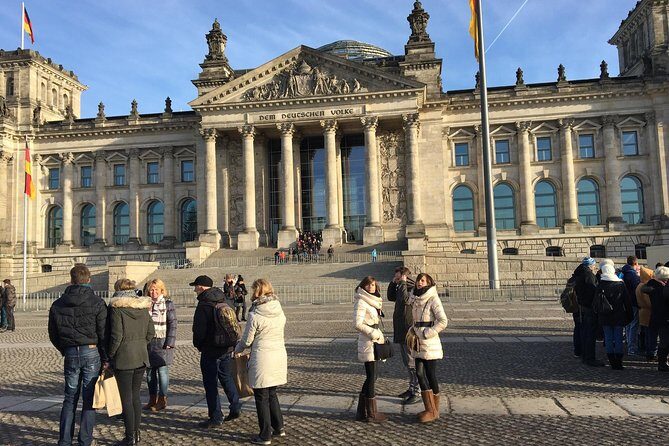
- Reichstag Building: where Germany’s political story takes center stage
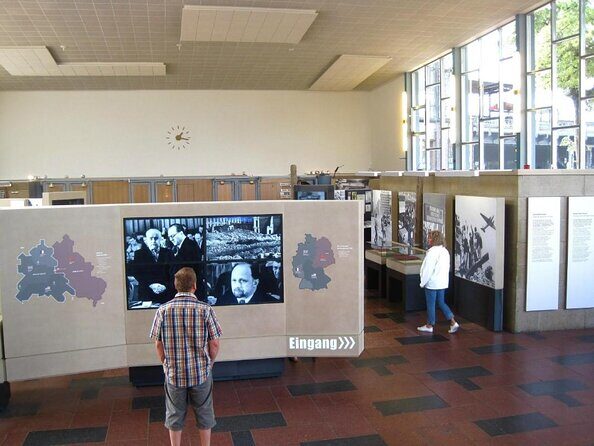
- Museum Berlin-Karlshorst: connecting WWII’s ending to place
- Humboldthain Flak Tower: the “you’d miss this” part of Berlin
- Prenzlauer Berg: scars from the Battle of Berlin
- Berlin Story Bunker: the underground Hitler-lair angle
- Palace of Tears: East Berlin escape routes and crossings
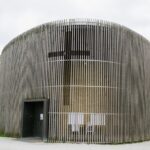
- Berlin Wall Memorial: visible reminders you can walk among
- Teufelsberg: wall landmarks plus a few turns off the main path
- East Side Gallery: the Wall as an art-and-memory statement
- DDR Watch Tower: wall sites, escapes, and forced conscription stories
- Guides matter here: stories, humor, and follow-up questions
- Timing and pacing: expect a longer walk than the label
- Value check: does $35.64 earn its keep?
- Who this tour suits best (and who might want another option)
- Should you book this Berlin Cold War walking tour?
- FAQ
- How long is the Berlin Cold War and WWII Third Reich walking tour?
- What time does the tour start, and where is the meeting point?
- Is the tour ticket-free at the stops?
- What is included in the price?
- Are beverages or snacks provided?
- How physically demanding is it?
- Does it run in bad weather?
- How large is the group?
- What’s the cancellation policy?
Key highlights you’ll feel on the street
- Stop-to-stop momentum across WWII, the Third Reich, and Cold War Berlin without wasting time hopping between far-flung sights
- Local guide Q&A energy, with plenty of chances to ask questions and follow the story where you want it to go
- Visible reminders of conflict, from Cold War sites to spots tied to the end of WWII and the Battle of Berlin
- Off-the-beaten-path wall viewpoints, including Teufelsberg and other less-familiar wall traces
- Practical, Berlin-specific tips beyond history, including restaurant, bar, and book suggestions shared by the guide
Why this Berlin Cold War and Third Reich walk works
Berlin can feel like a puzzle. You see the buildings, you hear the names, but the timeline can stay fuzzy—unless someone threads it together for you. This tour does that job by pacing you through landmark after landmark, then stopping long enough to connect what happened to what you’re standing in front of.
The big value here is that you’re not just looking at photos or plaques. You’re walking through places tied to some of the most brutal shifts in modern German history. The route is built around the idea that Berlin’s “ordinary streets” still carry meaning—especially where the Wall and WWII-era destruction shaped daily life.
I also like that it’s guided, not lecture-only. Based on guide comments like Miguel’s mix of humor and story, you’re likely to get explanations that stick. And if you’re the type who asks why something was built, or what happened next, this format is friendly to that.
A final practical win: the tour is priced at $35.64 per person for a 6-hour walk (approx.) with a local guide and ticket-free stops. For many visitors, that’s a lot of guided time without a big museum-ticket bill piling up.
You can also read our reviews of more walking tours in Berlin



Your route: from Reichstag history to Teufelsberg wall echoes
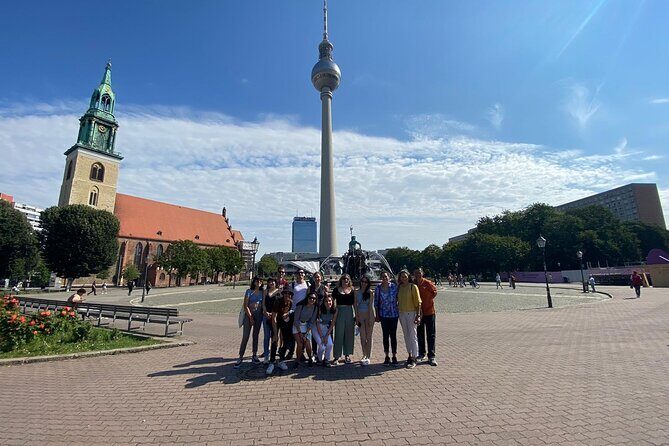
The tour starts at Generator Berlin Alexanderplatz (Otto-Braun-Straße 65) at 12:00 pm. You’ll end back at the same meeting point, which makes planning your day easier—no last-minute transit scramble.
Group size is capped at 100 travelers, and the tour calls for moderate physical fitness. Translation: you should expect a decent amount of walking and some standing around. It runs in all weather, so dress for rain or wind and bring a layer.
What makes the routing smart is how it alternates between major reference points and “scar sites” that are easy to miss on your own. Some stops are in places you’ll recognize right away; others are the kind of location you’d only notice if someone pointed it out.
Here’s what you’ll experience as you move through the day.
Reichstag Building: where Germany’s political story takes center stage
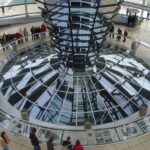
You start at the Reichstag Building for about 30 minutes. This is a strong kickoff because it gives you a clear political backdrop—then your guide can connect that setting to the rise of Hitler and the larger WWII arc.
A small but useful detail: the stop lists admission ticket free, so you’re less likely to lose time buying tickets or hitting timed-entry limits. The practical takeaway is that you start with context, then you spend the rest of the day adding layers.
Museum Berlin-Karlshorst: connecting WWII’s ending to place
Next is Museum Berlin-Karlshorst for about 30 minutes, also listed as ticket free. This stop is designed to tie the war’s conclusion to the exact Berlin locations where history happened.
One reason I like this kind of stop is simple: it helps you match the names you’ve heard with streets and buildings you can see. A visitor comment highlighted that the WWII end point—Nazi surrender—still draws attention here, and that’s exactly the kind of connection a walking tour can make clearer.
Humboldthain Flak Tower: the “you’d miss this” part of Berlin
You’ll then visit Humboldthain Flak Tower for about 30 minutes. Guides point out stories and facts people often overlook, which is a huge part of why guided walks work.
If you’re the type who enjoys learning how a city’s infrastructure reflects conflict—like how defense structures became landmarks—you’ll probably enjoy this stop. The drawback: it can feel like a lot of outside observing, so good walking shoes matter.




Prenzlauer Berg: scars from the Battle of Berlin
In Prenzlauer Berg, expect about 30 minutes. This part focuses on the scars and battlefields left behind from the Battle of Berlin.
The value here is that you start seeing WWII not as an abstract “then,” but as a physical imprint across neighborhoods. You get a clearer sense of why Berlin’s reconstruction and redevelopment shaped what you see today.
Berlin Story Bunker: the underground Hitler-lair angle
The route then includes Berlin Story Bunker for about 30 minutes—a stop tied to the idea of where Hitler had an underground lair. The tour description frames it as a notorious underground spot, and the guide stories are meant to bring the weirdness and fear of that era into focus.
If you tend to like darker, twisty history, this will be one of your more memorable pauses. If you’re squeamish about that period’s human stakes, take breaks when you need them—though the tour does aim for a steady, leisurely pace.
Palace of Tears: East Berlin escape routes and crossings
After that, you head to the Palace of Tears for around 20 minutes. This stop shifts gears into Cold War reality: boarding crossings, escape points, and famous East Berlin landmarks, all tied to how communism shaped movement and separation.
I like this segment because it helps you understand the Wall as more than a wall. It becomes a system—how people lived, left, or got trapped by borders. Even a short stop here can change how you interpret other Wall-related locations later.
Berlin Wall Memorial: visible reminders you can walk among
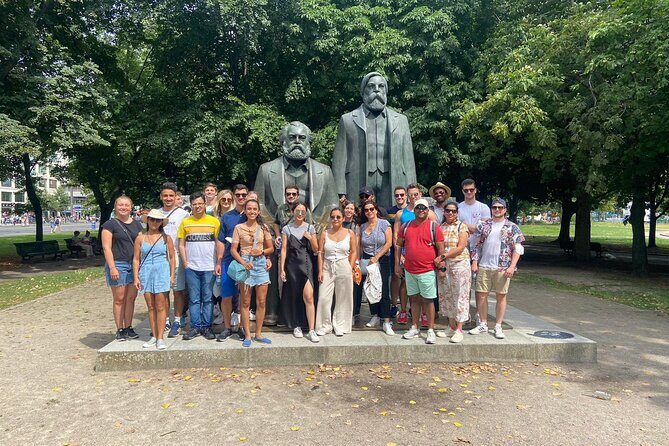
The Berlin Wall Memorial gets about 30 minutes, again ticket free. This is one of the key places on the route where you’ll see still-visible sections and reminders of this political catastrophe.
This stop is valuable even if you’ve seen pictures before. Seeing fragments in context is different. It turns the Wall from a concept into a physical barrier that shaped decisions on the ground.
Teufelsberg: wall landmarks plus a few turns off the main path
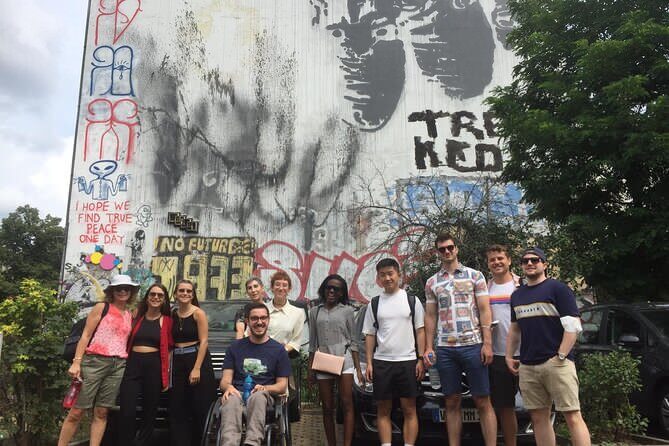
Next is Teufelsberg for about 30 minutes. This is where the tour tries to go beyond the obvious and show you “wall left behind” landmarks such as the East Side Gallery elements, guard tower references, and Wall memorial context—plus extra viewpoints off the beaten path.
If you’ve already seen the Wall in a book or on a map, Teufelsberg can feel like a different angle. It’s a practical stop for photos too, because you often get better sightlines and more breathing room than at the most famous locations.
One real consideration: because this part can include viewpoints and extra walking, it rewards steady shoes and a willingness to walk a bit longer than you expect.
East Side Gallery: the Wall as an art-and-memory statement
You’ll then spend time at the East Side Gallery for about 20 minutes. This is framed as the conflict between East and West culminating in the Wall’s creation, and it aims to connect you to what life felt like on the East side.
A short stop like this works well when you’ve already built context earlier in the day. You’re not starting cold; you’re adding meaning after learning the basics of separation, control, and escape routes.
DDR Watch Tower: wall sites, escapes, and forced conscription stories
Your last stop is the DDR Watch Tower for about 20 minutes. The tour description focuses on where the Wall once stood, plus stories around wall escapes and forced conscription.
This is a heavier ending, and that can be good. Ending with how the Wall operated day-to-day helps the whole story click into place: the Wall wasn’t just political theater—it affected real lives in real ways.
Guides matter here: stories, humor, and follow-up questions
The strongest recurring theme from customer feedback is the guide experience. Names like Miguel and Arthur came up with people describing them as passionate, hospitable, funny, and able to go into depth when asked.
That matters because WWII and Cold War material can turn into facts memorized from a distance. A good guide does something more useful: they give you threads. Then when you ask a follow-up question, they can pull the thread in a direction that matches your interests—whether that’s architecture, daily life, or what happened at turning points.
I also love that the guide stories don’t stop at history. One visitor mentioned Miguel’s tips for restaurants, bars, and books, which is a small detail but a real service when you only have a day or two in Berlin.
Timing and pacing: expect a longer walk than the label
The tour runs about 6 hours (approx.), but there’s also a pattern in comments that it can stretch beyond the shorter time window you might see at first glance. The tour also describes a nice leisurely pace and the expectation that you’ll stop for drinks during the walk.
So my practical advice is to plan your day around it:
- Wear comfortable shoes you can walk in for hours.
- Bring a small umbrella or rain layer, because it operates in all weather and Berlin weather loves surprise turns.
- If you care about energy, eat before you start; the tour doesn’t include beverages or snacks.
Group walks can feel rushed when you’re stuck waiting at every stop. This tour’s promise is more relaxed than that, but you’ll still want to stay close to the group when the route shifts.
Value check: does $35.64 earn its keep?
At $35.64 per person, you’re paying for a guided story route through WWII and Cold War sites, guided by a local person, for roughly half a day. The stop descriptions list admission ticket free for the landmarks and museums you visit, which lowers your total day-cost.
For me, the value comes down to your travel style:
- If you want a guided timeline and help turning Berlin’s monuments into a coherent story, this price is a bargain.
- If you’re the kind of traveler who prefers to wander independently and reads plaques on your own, you might not need a guide for all of these stops.
Also, group size capped at 100 travelers can be a mixed bag: smaller groups tend to feel more personal, but the tour still aims to keep you moving and answering questions. If you’re traveling with a school-age kid or you’re doing history homework, the guide’s ability to respond to questions can make this worth more than the base price.
Who this tour suits best (and who might want another option)
This tour is a great fit if:
- You have limited time and want WWII through Cold War in one walk.
- You want to see scars of the wars and understand what they meant in daily life.
- You like asking questions and getting story-based answers from the guide.
It may not be the best fit if:
- You want ultra-specific details at every stop with deep technical history. One kind of feedback you’ll want to note is that some people found the approach more high-level than what they hoped for.
- You’re not comfortable with a long outdoor walk. Even at a leisurely pace, you’re out for much of the afternoon.
Should you book this Berlin Cold War walking tour?
I’d book it if you want to get your bearings fast and leave with a timeline you can actually use later. The route is built to connect the big eras—Third Reich, WWII endings, Battle of Berlin scars, and the Wall—while also showing you less-obvious wall traces like Teufelsberg.
Skip it or compare your options if your goal is purely “sit and learn every detail for hours.” This is a walking tour designed for context, not a replacement for a deep museum program.
If you do book: pack rain protection, wear sturdy shoes, and come ready with one or two questions. The guide style here is made for that.
FAQ
How long is the Berlin Cold War and WWII Third Reich walking tour?
The duration is listed as about 6 hours.
What time does the tour start, and where is the meeting point?
The tour starts at 12:00 pm at Generator Berlin Alexanderplatz, Otto-Braun-Straße 65, 10178 Berlin. The tour ends back at the same meeting point.
Is the tour ticket-free at the stops?
The itinerary descriptions list admission ticket free for each stop.
What is included in the price?
The tour includes a local guide.
Are beverages or snacks provided?
No. Beverages and snacks are not included.
How physically demanding is it?
It’s recommended for travelers with a moderate physical fitness level.
Does it run in bad weather?
Yes, it operates in all weather conditions, so you should dress appropriately.
How large is the group?
The tour has a maximum of 100 travelers.
What’s the cancellation policy?
You can cancel for a full refund up to 24 hours in advance of the experience start time. If you cancel less than 24 hours before, the amount paid isn’t refunded.