REVIEW · BERLIN
Berlin: Third Reich & Cold War Walking Tour
Book on GetYourGuide →Operated by Guydeez Tours · Bookable on GetYourGuide
Berlin’s history hits fast, then stays with you. This private walking tour stitches together the Nazi era and the Cold War using the exact places where those stories happened, so you’re not just reading dates—you’re walking through them with context. I like that it’s private and customizable, so you can set the pace and focus as you go, whether you’re curious about politics, everyday life, or both.
I also really enjoy the way the guide handles the route. Past guides (including French-speaking Eugen and Spanish-speaking Carlo) are praised for being clear, friendly, and ready for questions, plus for sharing practical Berlin ideas beyond the major landmarks—like where to go next for neighborhoods and food.
The one drawback to keep in mind: this is emotionally heavy territory. You’ll spend real time at Holocaust and WWII-related sites, and the tone can get quiet—so it helps to come with the right mindset and a little patience for reflection.
In This Review
- Key takeaways before you go
- The route makes sense for first-timers with a time crunch
- Meeting at Hotel Adlon: getting oriented fast
- Brandenburg Gate: unity as a symbol with a darker edge
- The Reichstag: from Nazi dictatorship to Parliament’s role
- The Memorial to the Murdered Jews of Europe: turning facts into feeling
- Hitler’s bunker site: what it means to stand near the end
- Topography of Terror: the machinery behind terror
- Berlin Wall stories: construction, escapes, and why Checkpoint Charlie mattered
- What makes the $35 price feel fair
- Private and customizable: how to get more out of the guide
- Practical tips so this walk works smoothly
- Should you book this Berlin Third Reich & Cold War walking tour?
- FAQ
- How long is the Berlin: Third Reich & Cold War walking tour?
- Where does the tour start and where do I meet the guide?
- Is the tour private?
- What languages are available for the live guide?
- What major sights are included?
- Is public transport included?
- What’s included in the price?
- Is food or drink included?
- Is there a cancellation option?
- Is the tour wheelchair accessible?
Key takeaways before you go
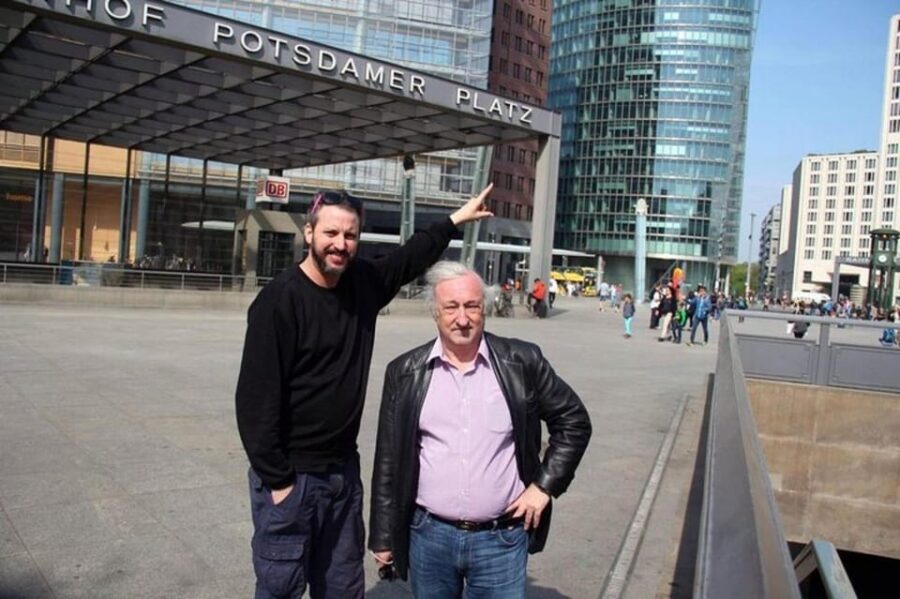
- Private, just you: no mixing into a larger group, which keeps questions and pacing easy
- Customizable route focus: you can steer where you want more detail
- Top sights, connected story: WWII → Cold War → the Wall’s legacy, all in one walk
- Guides who answer: strong emphasis on Q&A and clear explanations (Eugen and Carlo are named in feedback)
- Bonus local advice: guidance often extends beyond the official stops
- Walk + public transport included: you’re not stuck figuring out logistics for moving between sites
The route makes sense for first-timers with a time crunch
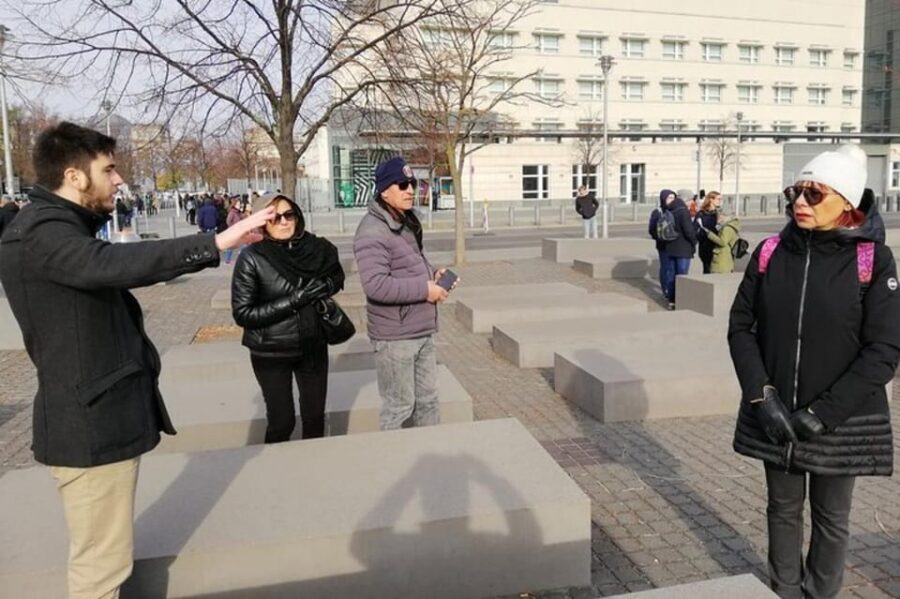
Berlin can feel like a giant puzzle: eras overlap, borders changed, and buildings survived while memories didn’t. This tour keeps it orderly by linking major landmarks in a straight line of meaning—from symbols of German unity, to Nazi power, to genocide, to the Wall, and finally to the famous crossing point.
At $35 per person for a 2-hour private format, the value isn’t just the sights. It’s the fact that you get a guide who can explain what you’re seeing and help you decide what to do after. That turns a short visit into a launchpad for the rest of your day.
You’re meeting near the Brandenburg Gate area, so you start with places that are easy to orient to. The timing also helps: in two hours, you can get an informed overview without burning your whole day.
You can also read our reviews of more walking tours in Berlin

Meeting at Hotel Adlon: getting oriented fast
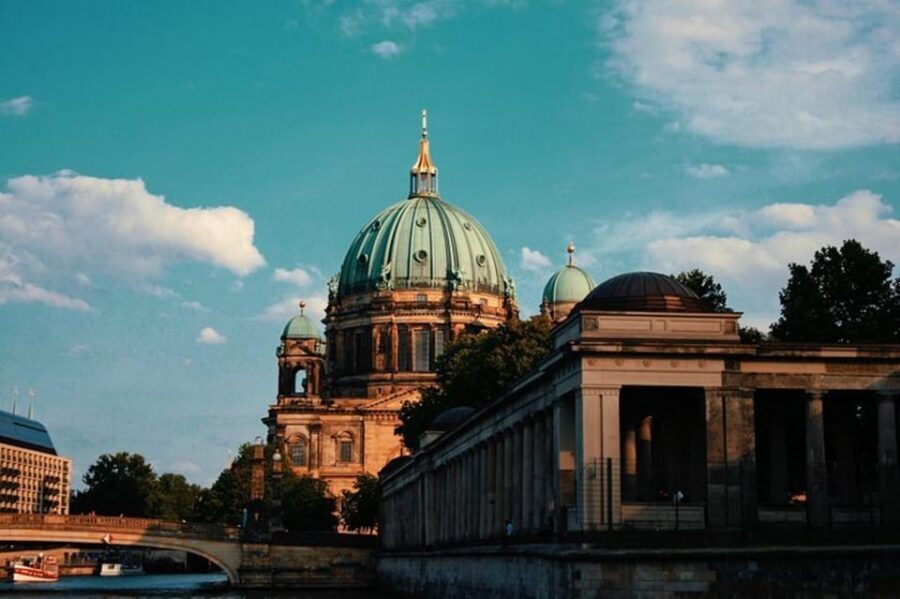
You’ll meet your guide in front of the Wellendorff Berlin at Hotel Adlon. This spot is a convenient starting point because it puts you close to the heart of the sightseeing area, where you can quickly connect the walk with landmarks you’ll want to revisit later.
From there, your guide sets the tone and gives you a sense of the historical map you’re about to walk. That matters in Berlin, where the physical distance between sites can feel small compared to the political distance between eras.
Also, since the tour is private, you can ask simple orientation questions immediately: how Berlin is laid out, what to see next, and where to spend more time depending on your interests.
Brandenburg Gate: unity as a symbol with a darker edge
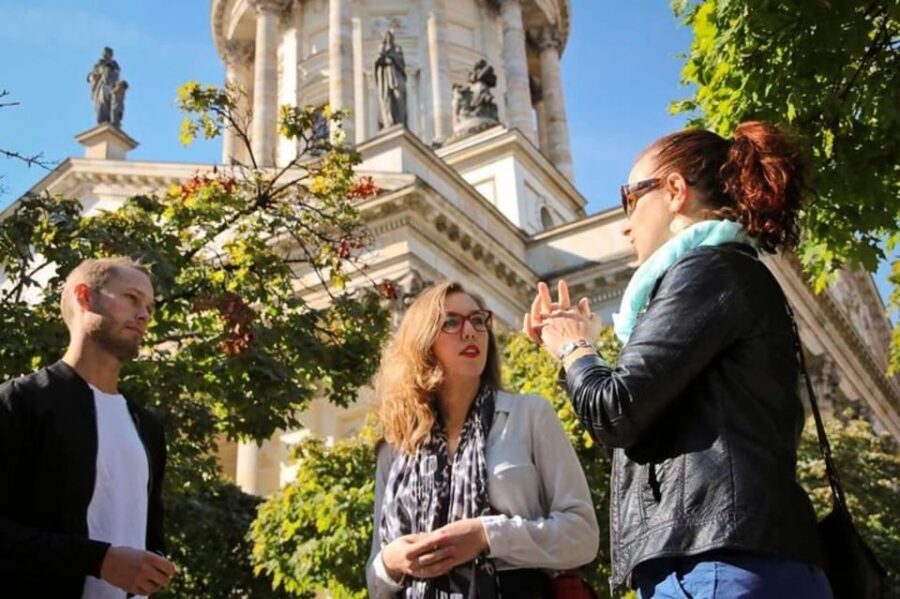
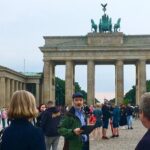
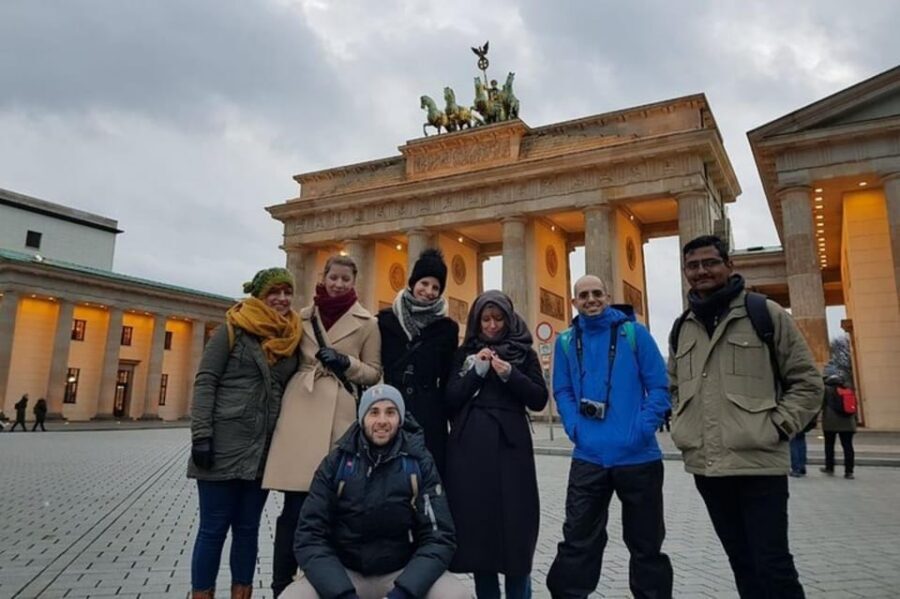
Your first major stop is the Brandenburg Gate. It’s the poster child for German unity, and your guide explains why that symbolism matters—especially given what happened in the decades that followed.
It’s worth approaching this stop with a “then and now” mindset. The Gate isn’t just a pretty photo spot. In a short tour like this, it becomes a marker you can mentally use as you move through Nazi-era power and Cold War division.
A private guide helps here because you can slow down and ask what specific events or choices led people to view the Gate differently over time. That’s harder to do on a crowded group tour.
The Reichstag: from Nazi dictatorship to Parliament’s role
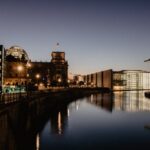
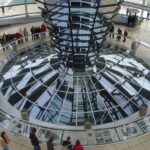
Next you’ll head to the Reichstag, Germany’s Parliament building. Your guide connects it to its role during the Nazi dictatorship, which gives the location a heavy weight right away.
The practical benefit of visiting this on a guided walk is that you’ll likely understand what to look for as you approach: how the building fits into the political story, not just the skyline. It’s the kind of context that changes the way you interpret “historic-looking” architecture.
One consideration: the Reichstag can be a place where people expect a simple timeline. Ask questions if that’s your style. A good guide can layer meaning quickly—why certain institutions mattered, how state power shifted, and how Berlin itself became part of that struggle.
The Memorial to the Murdered Jews of Europe: turning facts into feeling

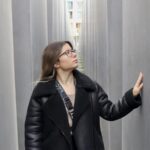
Then comes the Memorial to the Murdered Jews of Europe. Your guide explains it as a poignant tribute to Jewish victims of the Holocaust, and the emotional impact here is the point.
This is a stop where you’ll want to give yourself time. Even on a 2-hour tour, you’re not rushing through. The guide’s job is to help you understand what you’re seeing and why it’s designed to affect you, not distract you.
If you’re sensitive to heavy topics, it can help to know that this tour includes it as a centerpiece stop. You’re not just passing by history; you’re honoring it.



Hitler’s bunker site: what it means to stand near the end
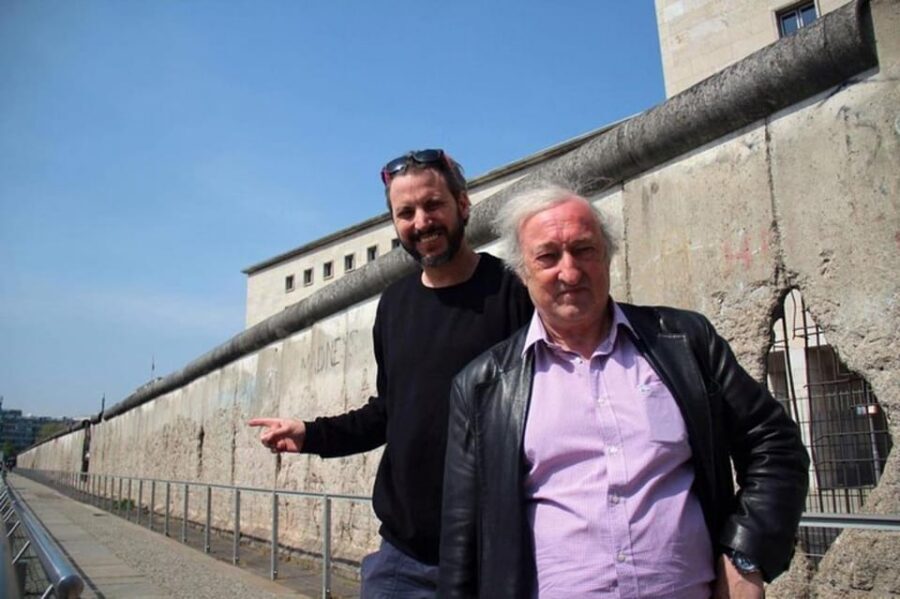
After the Holocaust memorial, you’ll visit the site of Hitler’s bunker. Your guide talks about the last days of World War II and Hitler’s suicide.
This kind of location can feel strange, because what you’re standing on is not a dramatic set piece. It’s a real place tied to real decisions—and that’s part of the lesson. The guide helps you connect the final stage of the war to Berlin’s immediate reality at the time.
If you like history that’s grounded in “where,” this stop delivers. If you prefer big-picture political analysis, your guide can still keep it grounded by pointing out how geography and power concentrated around key sites.
Topography of Terror: the machinery behind terror
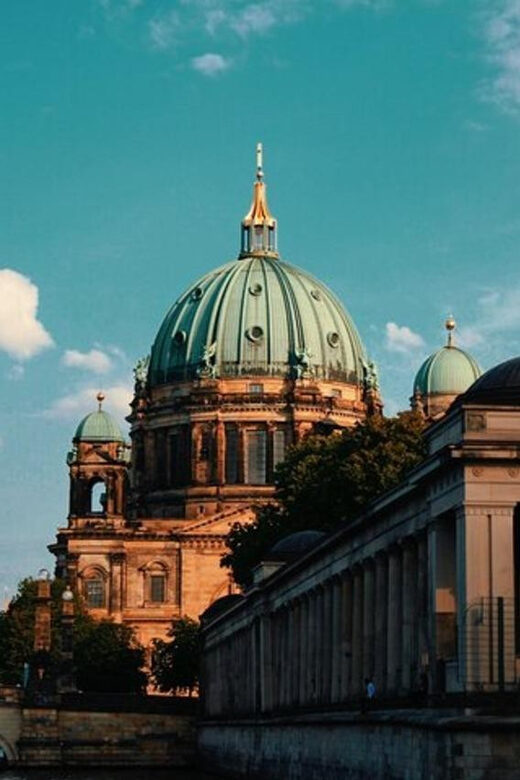
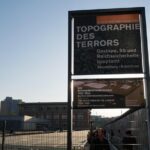
Next is the Topography of Terror exhibition, located on the site of the former Gestapo and SS headquarters. Your guide explains crimes committed during World War II, connecting the bureaucratic system of oppression to the human cost.
This is where many people shift from learning names and dates to understanding structure. The Nazi regime’s violence wasn’t just random cruelty—it was administered, documented, and enforced through institutions. That’s the kind of explanation a guide can deliver in plain language.
A key value here is the “so what” factor. When your guide connects the headquarters location with what happened there, the exhibition stops being a standalone museum and becomes part of the walking story of how Berlin changed.
Practical note: this area can be intense and may make you want to slow down. Private format helps, because you’re not trapped in someone else’s pace.
Berlin Wall stories: construction, escapes, and why Checkpoint Charlie mattered
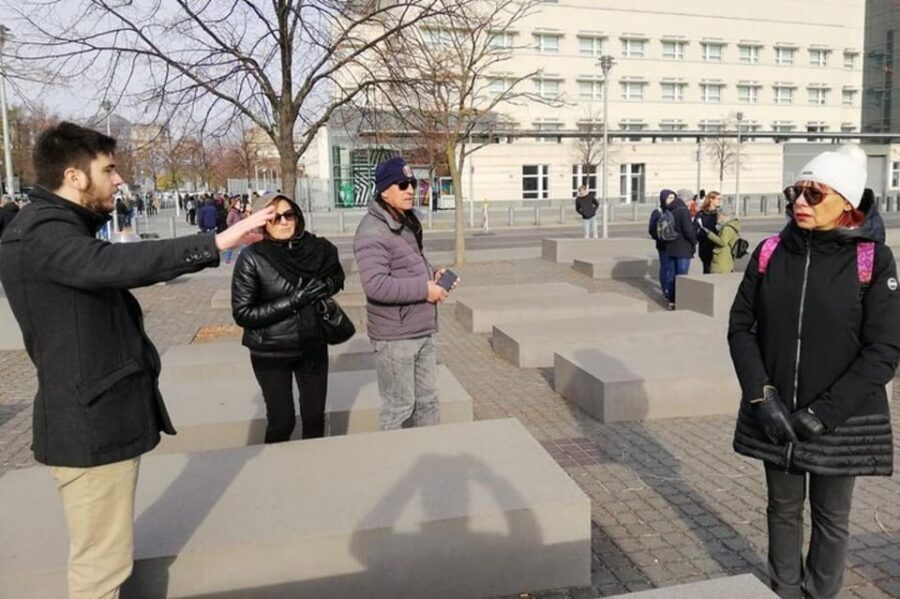
From Topography of Terror, the tour moves into the Berlin Wall era. Your guide discusses the Wall’s construction in 1961 and the daring escapes people attempted to make it to freedom.
This section is often where the tour feels most like a lived drama rather than a history lesson. Even if you’ve read about the Wall, you can still walk away with a stronger sense of how sudden division was—and how constant fear shaped daily movement.
You end at Checkpoint Charlie, the most famous checkpoint of the Berlin Wall. Here, your guide covers the standoff between Soviet and American forces in 1961 and the fall of the Berlin Wall in 1989, tying the Cold War to the reality of Germany’s later unity.
If you like symbolism, Checkpoint Charlie is a great final stop. It’s globally recognizable, but the guided context makes it more than a landmark. You’ll understand why it became a stage for superpower tension—and how that tension changed over time.
What makes the $35 price feel fair
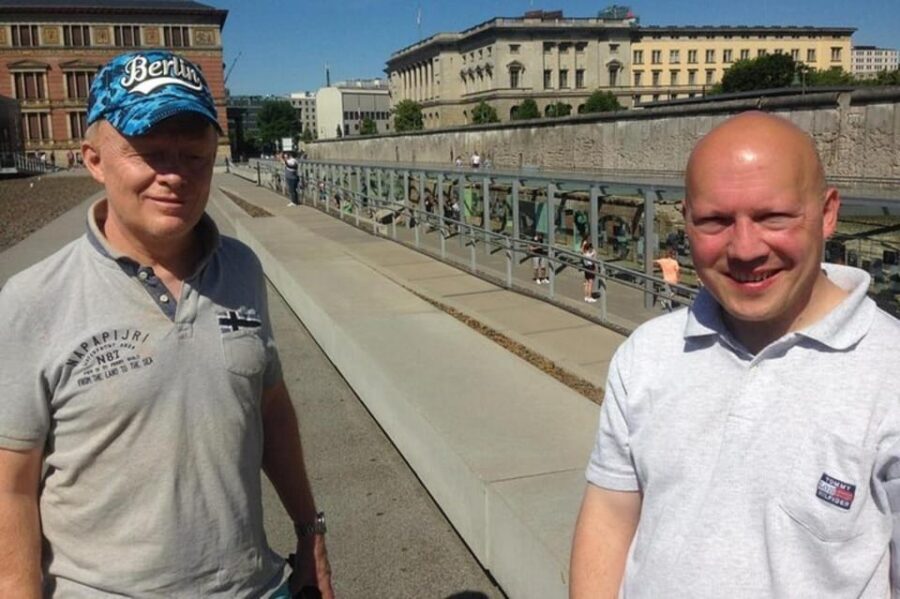
Let’s talk value without hype. At $35 per person for a 2-hour private walking tour, you’re paying for three things:
- A guide who can connect the sites into a single story
- A route you can tailor to your interests
- Extra help with tickets and timing for desired visits
The inclusion of walking plus public transport (unless you pick an option that changes that) also reduces the hidden friction. You don’t have to build the day route in your head while also processing heavy subject matter.
And because the tour ends at Checkpoint Charlie—one of the best places to transition into the rest of your Berlin day—you often save time figuring out your next move.
Food and drink are not included, so plan your own break. But in exchange, you get a focused experience without turning it into a long day.
Private and customizable: how to get more out of the guide
The private format is a big deal in Berlin. On group tours, guides often spend time keeping everyone together. Here, your guide can slow down for your questions and speed up for what you already know.
To get the best result, I’d come prepared with two or three questions. For example:
- Which site is likely to affect me the most emotionally, and what should I notice there?
- How did Berlin’s institutions change between the Nazi era and the Cold War?
- What neighborhood should I visit next based on my interests?
If you’re going language-first, note that tours are available in English, French, and Spanish. That can matter a lot for emotionally loaded topics—clarity helps, and comfort helps more.
Practical tips so this walk works smoothly
- Wear comfortable shoes. This is a walking tour, and memorial areas may involve uneven surfaces or time spent standing still.
- Bring water. You aren’t getting food or drinks included, so plan a simple break after the tour.
- Expect emotional intensity. The Holocaust memorial and WWII sites are the core of the experience, and a calm, respectful mood will improve everything.
- Use the guide’s Berlin advice right away. After Checkpoint Charlie, you’ll likely want a concrete plan, not just inspiration.
- If you want timed entries, ask early. Ticket booking help is included for the visits you want, so confirm what needs reserving with your guide.
Should you book this Berlin Third Reich & Cold War walking tour?
I think it’s a strong booking choice if you want structure and context in a short amount of time. The route covers the major anchor points—Brandenburg Gate, Reichstag, Holocaust memorial, the bunker site, Topography of Terror, and Checkpoint Charlie—then connects them so the timeline makes sense.
Book it if you prefer a private experience where you can ask questions, set the pace, and get extra recommendations from your guide (especially if you value practical tips on what to do next). It’s also a good fit if you’re traveling with someone who has specific interests—politics, the Wall, or the darker mechanics of WWII—because customization makes a difference.
Pass, or at least think twice, if you don’t handle difficult topics well or if you prefer lighter sightseeing. This tour is built around the heavy parts of 20th-century Berlin, and that’s not a mismatch—it’s the point.
FAQ
How long is the Berlin: Third Reich & Cold War walking tour?
The tour duration is 2 hours.
Where does the tour start and where do I meet the guide?
You meet your guide in front of Wellendorff Berlin (Hotel Adlon). The starting location is Unter den Linden 77.
Is the tour private?
Yes. It is a private and exclusive tour, so there won’t be anyone else in your group.
What languages are available for the live guide?
The live guide is available in English, French, and Spanish.
What major sights are included?
The tour covers Brandenburg Gate, the Reichstag, the Memorial to the Murdered Jews of Europe, the site of Hitler’s Bunker, Topography of Terror, and ends at Checkpoint Charlie.
Is public transport included?
Walking and public transport are included, except if you select one of the option that changes that.
What’s included in the price?
Included items are the private exclusive tour, customization, walking and public transport (unless an option changes it), and help from the team to book tickets for desired visits.
Is food or drink included?
No. Drinks or food are not included.
Is there a cancellation option?
There is free cancellation up to 24 hours in advance for a full refund.
Is the tour wheelchair accessible?
Yes, the tour is wheelchair accessible.
If you tell me your travel dates and which language you prefer, I can help you think through whether this 2-hour format fits your day (and what you can do right after ending at Checkpoint Charlie).