REVIEW · BERLIN
Berlin: Samurai Museum Entry Ticket
Book on GetYourGuide →Operated by Samurai Museum Berlin · Bookable on GetYourGuide
You don’t expect samurai armor and high-tech screens in Berlin, and that contrast is the fun. I really like the interactive exhibition that mixes legends with touchscreens and projections, and I also love the AI fox guide (Kitsune) that turns the visit into a game. Just note there’s a strong “do stuff” vibe here, so if you want a quiet, traditional museum crawl, you might find it a bit too playful.
My one small caution: plan for rules. No food and drinks, no pets, and no luggage or large bags, so show up light if you don’t want to deal with extra hassle at the entrance.
In This Review
- Key highlights at a glance
- Berlin’s Samurai Museum isn’t a quiet history stop
- Ticketing and entry: skip the line, go straight in
- Your self-paced visit: how the exhibits “flow” in order
- Start with the interactive high-tech exhibition
- Sword collection and swordsmithing: what you should actually look for
- The Peter Janssen Collection is the backbone
- Noh theatre and the tea house: structure meets storytelling
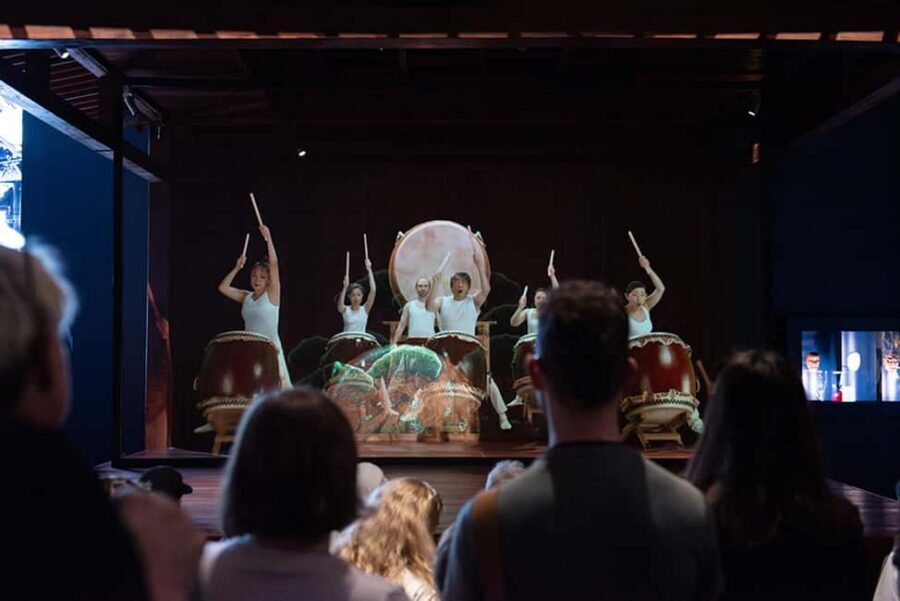
- Noh theatre with realistic projection-style performances
- Tea house: a hands-on way to understand ritual
- Holographic drum and ninja/yōkai moments
- How long to plan and when to go
- Rules, comfort, and what to bring (so your visit stays smooth)
- Does the price make sense for what you get?
- Who this suits best
- Should you book the Berlin Samurai Museum entry ticket?
- FAQ
- Where is the Samurai Museum Berlin located?
- How much is the Berlin Samurai Museum entry ticket?
- How long is the ticket valid?
- Can I skip the ticket line?
- Is the museum wheelchair accessible?
- Are pets allowed inside?
- What public transport stops can I use?
Key highlights at a glance
- AI fox guide (Kitsune): question-and-answer moments that keep you moving through the exhibits
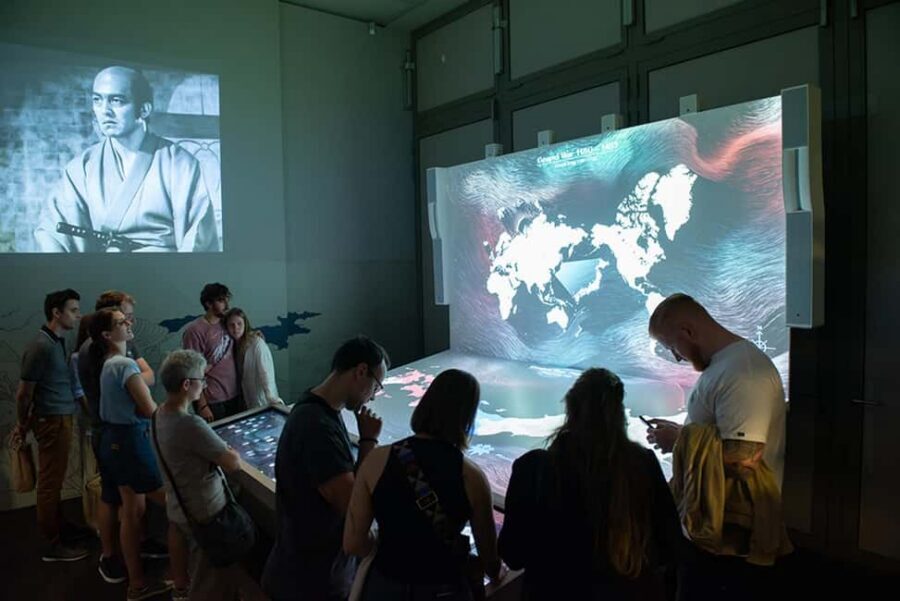
- High-tech interactive displays: touchscreens and projections tied to samurai, ninja, and yōkai themes
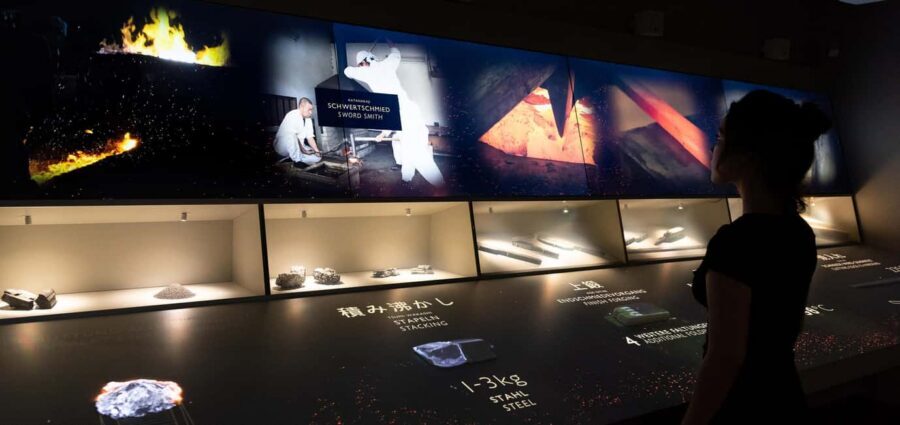
- Swordsmithing focus: learn how legendary blades are produced, not just what they look like
- Noh theatre space + tea house: real structures built with traditional techniques, re-erected in Berlin
- Peter Janssen Collection: a major private collection with thousands of objects spanning multiple eras
- Language support: interactive exhibits include both German and English options
Berlin’s Samurai Museum isn’t a quiet history stop
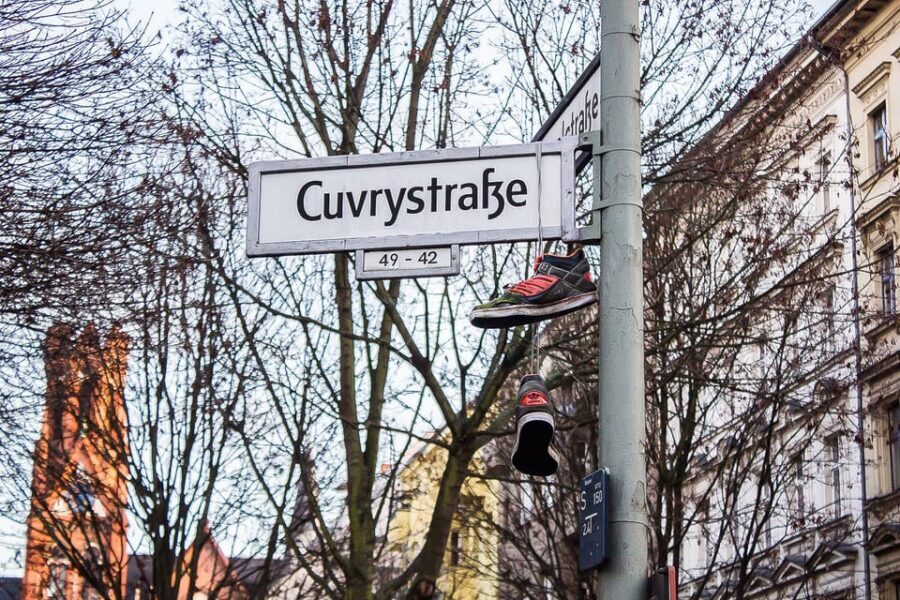
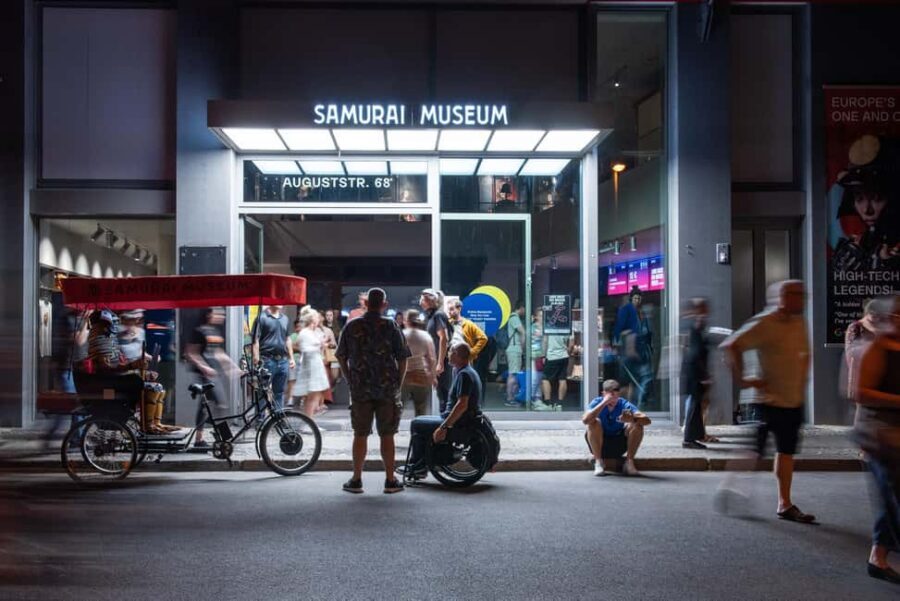
Berlin-Mitte is the kind of place where you can spend the whole day hopping between big-name sights. This museum sits right in that orbit, on Auguststraße, close to major landmarks like Museum Island and Alexanderplatz. If you’re already exploring that part of town, this is an easy add-on that feels different from the usual galleries and monuments.
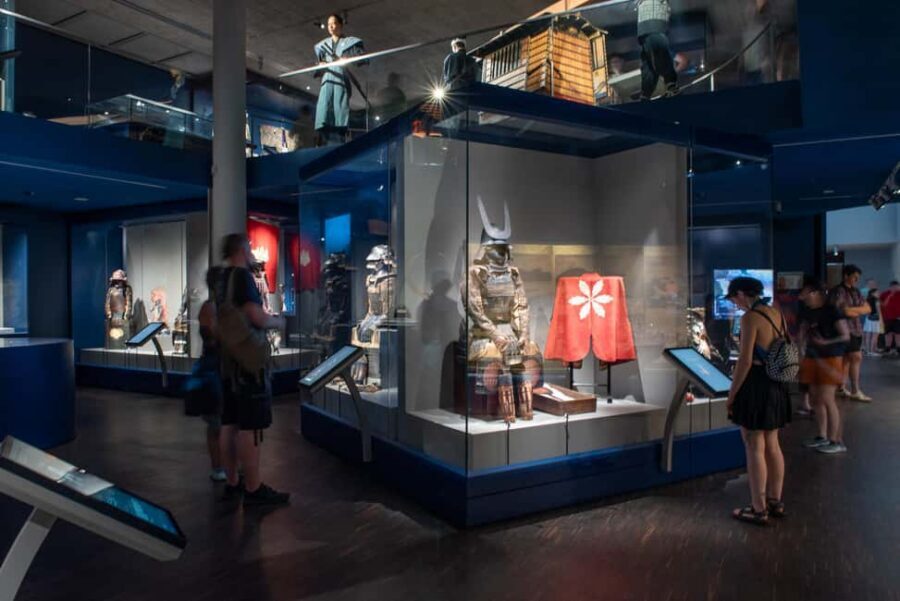
What makes it especially appealing is the way it blends eras and styles. The museum’s story isn’t just text on walls. You’ll see authentic-looking collections up close, then jump into holograms, touchscreens, and performance-style moments.
The ticket is also a good fit for short windows. It’s an entry ticket (not a timed guided tour where you stand around waiting), and it’s valid for 1 to 14 days depending on the option you pick at booking. That means you can choose a time that matches your day.
You can also read our reviews of more tours and experiences in Berlin



Ticketing and entry: skip the line, go straight in
The ticket experience here is straightforward. You buy your entry, then use your smartphone ticket at the entrance barrier. The museum also advertises skip-the-ticket-line access, which matters in a popular central location.
Two practical points before you head over:
- Bring ID only if you’re asked for it. The core process is scanning your ticket at the entrance.
- Go light. The museum states no pets and no food or drinks, plus no luggage or large bags.
For getting there, you’ve got several transit options. The easiest approach depends on what you’re already near:
- U-Bahn: U6 at Oranienburger Tor or U8 at Rosenthaler Platz
- S-Bahn: S1, S2, S25, S26 at Oranienburger Straße
- Tram: M1 and M5 at Oranienburger Straße, or M8 at Rosenthaler Platz
- Bus: 142 at Tucholskystraße and M41 at Abgeordnetenhaus
If you’re coming from Alexanderplatz, you’ll probably find yourself using the U-Bahn U8 (Rosenthaler Platz) option most naturally.
Your self-paced visit: how the exhibits “flow” in order
This is not a long guided itinerary with scheduled segments. It’s more like a path through themed rooms and set-pieces—some of which are interactive, some of which are performance-style.
That said, there are clear “anchors” in the museum experience:
- The high-tech exhibition where you learn through projections and screens
- The sword-focused areas tied to swordsmithing techniques and blade production
- The Noh theatre space with projection-driven performances
- The tea house area where you see how the tea ceremony works
- A question-game element built around the fox Kitsune
So your day naturally breaks into sections even when you’re moving on your own.
Start with the interactive high-tech exhibition
The museum positions its exhibition as playful education. You’ll see installations with touchscreens and projections guiding you through samurai legends and related themes like ninja and yōkai. This approach is great if you learn by doing, not by reading.
One of the most praised features is the AI fox guide (Kitsune). It adds prompts and questions as you go, and the experience becomes less like watching and more like answering. In practice, it helps you slow down and look at details you might otherwise skip.
The interactive content is also language-friendly. The exhibits include support for both German and English speaking visitors, which reduces the frustration of bouncing between screens that don’t make sense.
Potential drawback: because the museum is designed to be hands-on and game-like, you’ll spend less time in pure contemplation. If you’re hoping for a strictly quiet, reverent museum mood, the constant interaction cues might feel busy.
Sword collection and swordsmithing: what you should actually look for
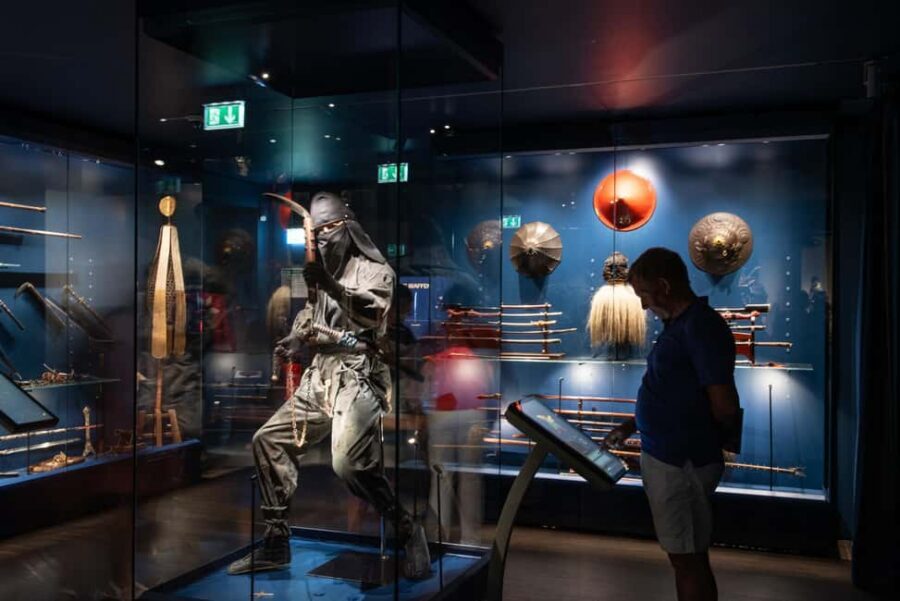
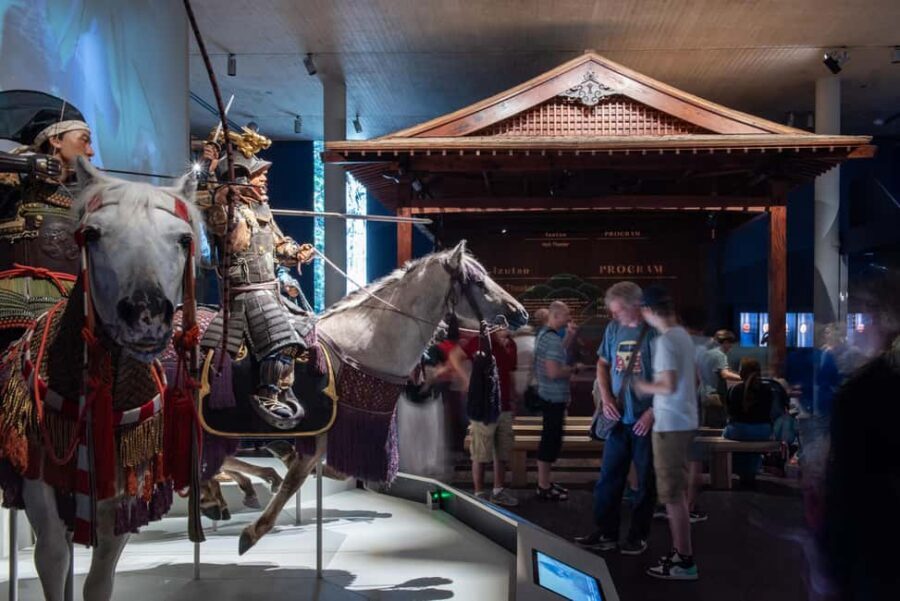
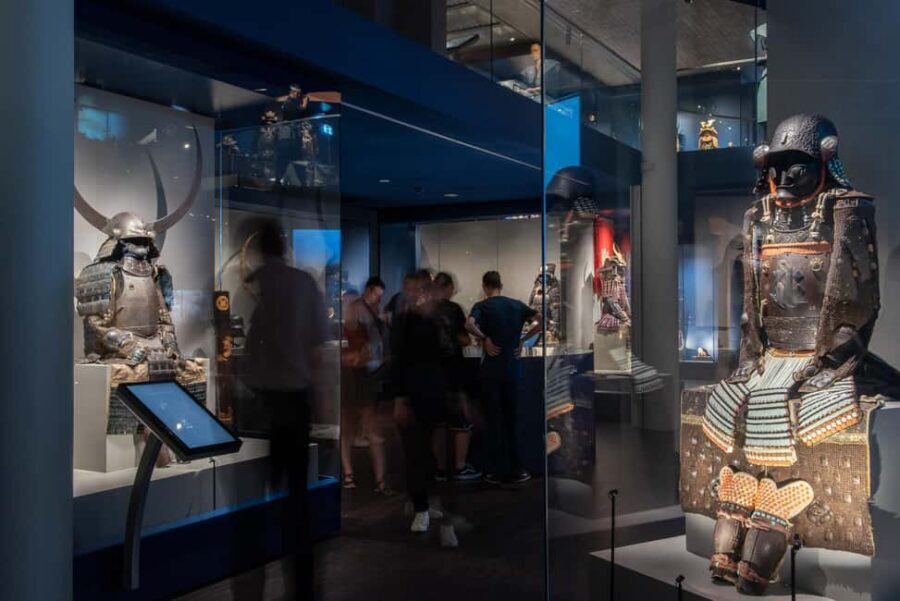
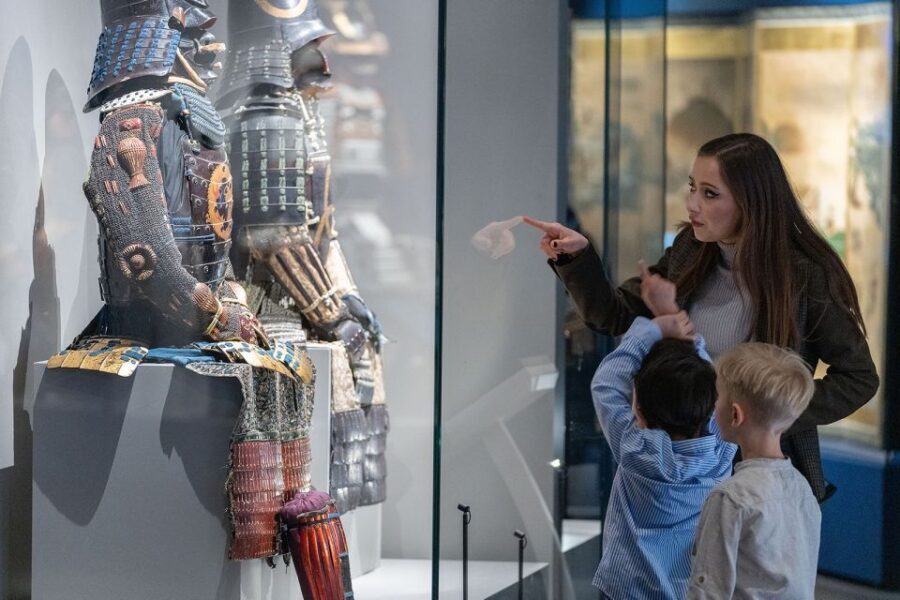
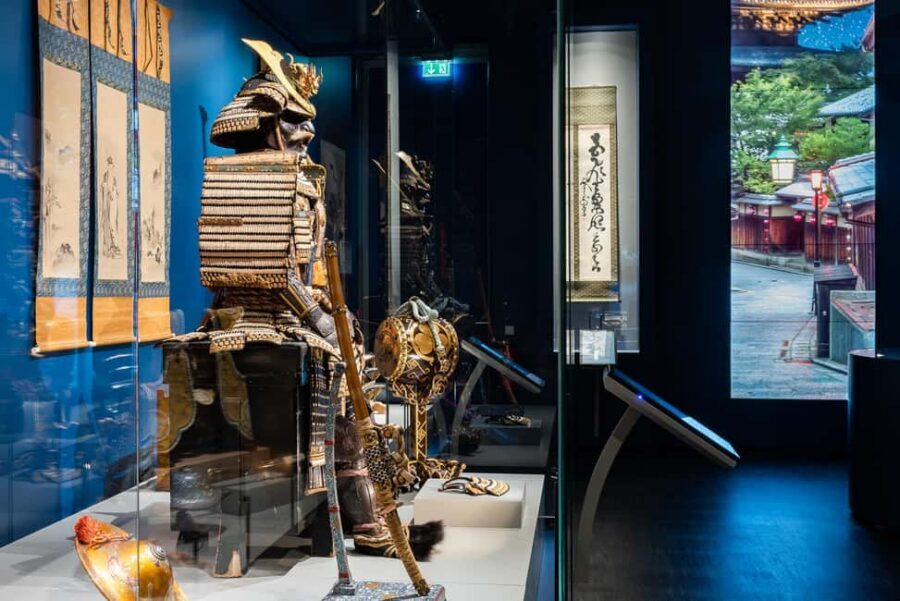
You’ll get up close to a major part of the museum’s pull: authentic samurai armor, weapons, and related works of art. The museum also calls out a Sword Collection that teaches the art of swordsmithing. That matters because it reframes the display from “cool objects” into “craft and process.”
What I like about this setup is that it gives you a story you can follow. Instead of only judging a blade by its shape, you’re encouraged to think about why sword-making techniques matter—how legendary blades were produced, and what that craft implies about the culture that valued it.
You can also read our reviews of more museum experiences in Berlin





The Peter Janssen Collection is the backbone
A big reason the museum feels substantial is the Peter Janssen Collection, described as one of the largest private collections of samurai culture. It began with a find at a Berlin flea market and has grown into a private trove of more than 4,000 objects.
The museum dates pieces from the late Kofun to the early Meiji period (6th to 19th century). Even if you don’t know Japanese history yet, that time range helps you understand this isn’t just one snapshot. It’s a long arc of craftsmanship and cultural change.
If you want a few “anchor items” to watch for, the museum specifically highlights:
- An 18th-century palanquin
- A 17th-century armor tied to the Matsudaira clan
- Tea utensils from the time of Sen no Rikyū (1522–1591)
Even if you miss exact labels, the museum’s layout makes it easy to spot the larger, statement objects that reflect the scope of the collection.
Noh theatre and the tea house: structure meets storytelling
Some museums use projections. This one builds spaces around them.
The standout setting is the Noh theatre and the tea house. The museum says these constructions were built in Japan using traditional materials and techniques, then later erected in Berlin. That detail is more than decoration. It changes how the performances and ceremony moments feel, because you’re inside a purpose-built environment rather than watching a video in a generic room.
Noh theatre with realistic projection-style performances
The Noh theatre is designed for performance storytelling. The museum uses realistic projections to show cultural influence and tradition tied to samurai-era influences in Japan.
If you’re traveling with kids or teens, this kind of scene helps break up the more technical exhibits. It’s also where the museum’s “future meets legend” concept clicks hardest—because high-tech visuals are paired with a traditional performance space.
Tea house: a hands-on way to understand ritual
The tea house is where the museum slows down a bit. The museum offers visitors an insight into the processes of the centuries-old tea ceremony.
You shouldn’t expect to leave with a tea-making skill set. But you will leave with a better sense of what makes the ceremony meaningful—sequence, attention, and cultural symbolism. The museum’s approach is educational without turning into a lecture hall.
Practical tip: if you’re the type who likes to see the most important spaces first, consider timing your visit so you reach the Noh theatre and tea house in the middle of your route. That way, you’re not rushing through the most memorable settings while you’re still trying to orient yourself.
Holographic drum and ninja/yōkai moments
Beyond the major anchor spaces, the museum sprinkles in smaller performance-style elements. The highlights list mentions a holographic drum performance, plus opportunities to learn ninja techniques and explore themes tied to yōkai.
These aren’t just random gimmicks. They serve a purpose: they help you connect samurai culture to the broader myth and imagination that surrounded it. The ninja and yōkai elements also help explain why samurai themes show up so often in modern pop culture.
One detail from visitor feedback that’s useful if you’re bringing kids: the AI fox guide has a look that people liken to the nine-tailed fox style from anime. Even if you don’t watch that series, the point is clear—this guide is visually fun, not plain and robotic.
How long to plan and when to go
The ticket validity runs 1 to 14 days depending on what you choose, and the activity notes that you should check availability to see starting times. That suggests you’ll be picking an entry window or time slot, even though you’re not stuck on a rigid tour schedule.
In practical terms, I’d plan for a slow, sit-and-look visit, especially if you like interactive displays and want time for the Noh theatre and tea house. If you’re flying through, you’ll still get the highlights, but you’ll miss the benefit of taking your time with the interactive learning.
If you’re visiting with family, this kind of pacing works well. Kids can chase the interactive prompts while adults can spend more time around the armor and sword-related craft displays.
Rules, comfort, and what to bring (so your visit stays smooth)
Here’s what you should know before you go, based on the museum’s stated rules:
- No food and drinks
- No pets
- No luggage or large bags
- Wheelchair accessible
So I’d pack like you’re going to a museum with security. Bring a small bag if you have one, and plan to keep your carry-on light.
Also remember: the museum provides an exhibition experience with screens, projections, and structured spaces. If you’re sensitive to bright lighting or lots of visual effects, take breaks as needed—there are calm zones, but the main idea is active stimulation.
Does the price make sense for what you get?
The ticket price is listed as $15 per person. For a central Berlin location, that’s a fair price point, especially because the museum isn’t just a static collection.
You’re paying for three things:
- A major private collection with thousands of objects across centuries
- Authentic-feeling environments like the Noh theatre and tea house
- A hands-on interactive system with projections, touchscreens, and the Kitsune guide
If you love history but also like learning through interaction, this price feels reasonable. If you only want a quiet museum and don’t enjoy tech-based exhibits, the value could feel less strong because part of the experience is the interactive format.
Who this suits best
This museum is a strong match if you are any of the following:
- A samurai/craft history fan who wants more than a few weapons behind glass
- A family group where kids can stay engaged with interactive prompts
- A person who likes Japan’s broader culture links—ninja, yōkai, and tea ceremony—rather than just one narrow topic
- A traveler who wants something different while you’re already in Berlin-Mitte
It’s less ideal if you:
- Want a strictly quiet, traditional museum atmosphere
- Are traveling with lots of luggage and hate bag restrictions
- Expect a long guided talk schedule (this is more self-paced, with set areas)
Should you book the Berlin Samurai Museum entry ticket?
If you’re in Berlin and you want a place that mixes authentic-looking collections with interactive learning in a central location, I’d book it. The price is reasonable for what you get, and the Noh theatre plus tea house are special because they’re built with traditional methods and brought to Berlin in a way that feels intentional.
Book it when you can slow down. This is a museum where the best moments come when you take your time with the screens, the Kitsune prompts, and the performance spaces. If you want fast and forgettable, choose something else. If you want a playful day with real objects and real craft, this one is worth your hour (or two).
FAQ
Where is the Samurai Museum Berlin located?
It’s located in Berlin-Mitte on Auguststraße. The meeting point is at Auguststraße / Mitte.
How much is the Berlin Samurai Museum entry ticket?
The price is listed as $15 per person.
How long is the ticket valid?
The ticket is valid for 1 to 14 days, depending on availability and the starting time option you choose.
Can I skip the ticket line?
Yes. You can skip the ticket line and go directly to the barrier at the entrance using your smartphone ticket.
Is the museum wheelchair accessible?
Yes, the museum is wheelchair accessible.
Are pets allowed inside?
No. Pets are not allowed.
What public transport stops can I use?
The museum is served by several nearby transit stops, including:
- U-Bahn: U6 Oranienburger Tor and U8 Rosenthaler Platz
- S-Bahn: S1, S2, S25, S26 Oranienburger Straße
- Tram: M1, M5 Oranienburger Straße and M8 Rosenthaler Platz
- Bus: 142 Tucholskystraße and M41 Abgeordnetenhaus.