REVIEW · BERLIN
Berlin’s Gallery Scene
Book on Viator →Operated by Insight Cities · Bookable on Viator
Secret doors and serious art.
This Berlin gallery scene tour is built for people who want more than wall labels. You’ll walk in and around Mitte with a professional art historian explaining how Berlin’s art world took off after the fall of the Wall in 1989. I like that it stays small-group and focused, so the guide can actually talk through what you’re seeing, not just herd you from one doorway to the next.
Two things I especially like: you get real context from an art historian, and the route mixes major contemporary stops with galleries tucked into unexpected buildings. The main consideration is practical: entry costs are not fully included. KW Institute needs a paid ticket (listed at €10 adults / €6 seniors or students), and one additional stop also isn’t ticket-included—plus there’s no food or drinks.
In This Review
- Key things to know before you go
- Berlin after 1989: why galleries multiplied fast
- 3 hours on foot: the pace, the pickup, and how to prep
- Stop 1 at KW Institute: the contemporary-art lab with no collection
- Tuesday note
- Auguststrasse and the former school-galley idea
- Potsdamer Straße: three galleries with different flavors
- Esther Schipper
- Galerie Eigen & Art
- Galerie Giti Nourbakhsh
- What the art historian guide actually does for you
- Value and cost: what $330 means for a group
- Who this tour fits (and who might want a different plan)
- Should you book the Berlin Gallery Scene tour?
- FAQ
- How long is the Berlin Gallery Scene tour?
- What is the group size?
- Is pickup offered?
- What does the price include?
- Do I need tickets for all the galleries?
- How much is the ticket for the KW Institute?
- Which day is KW closed?
- Where is the meeting point?
- Will I get a mobile ticket and when do I get confirmation?
- Is food or drinks included?
Key things to know before you go
- A guide with real art-history training explains the why behind the art, not just the what.
- Mitte on foot is the point: you see galleries and the historic fabric around them.
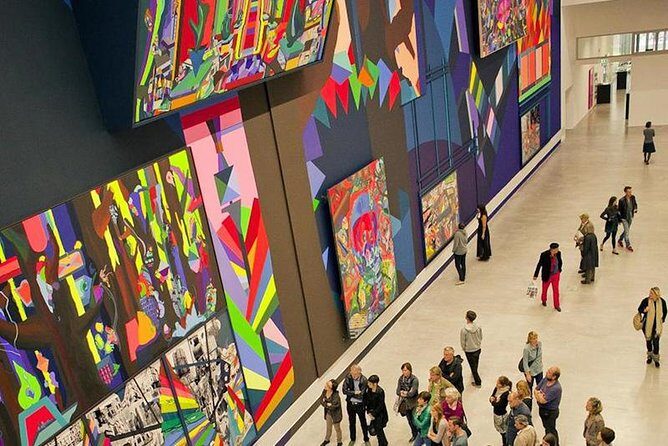
- KW Institute is the anchor stop, and it runs like a lab for exhibitions and artist activity (no permanent collection).
- Several stops are free, so you can manage costs once you know which ones need tickets.
- Tuesday changes the plan because KW Kunst-Werke Berlin is closed, so the tour becomes the walking portion.
- Small group, private tour means your questions don’t get lost in a crowd.
Berlin after 1989: why galleries multiplied fast
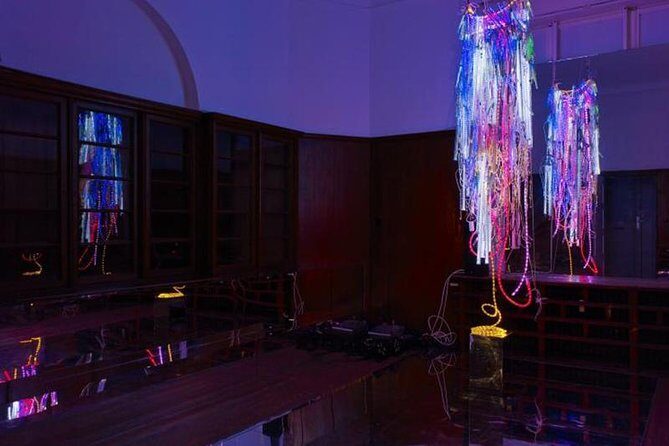
Berlin’s gallery scene is not a random art-party. It’s the result of a city that reinvented itself—and that energy is still visible in how the galleries operate today.
After 1989, Berlin gained a new role in Germany’s cultural map. The tour’s whole arc is about that shift: how artists, curators, and collectors started treating the city like a creative engine. You’ll hear how Berlin’s pace and openness helped make it a hotspot for contemporary work, especially over the last 25 years.
What I like about this framing is that it gives you a lens before you even step inside. When you walk into a space, you’re not guessing what to think. You’re listening for themes the guide connects to the city: change, experiments, and the way new institutions and new neighborhoods started to support artists.
You can also read our reviews of more museum experiences in Berlin

3 hours on foot: the pace, the pickup, and how to prep
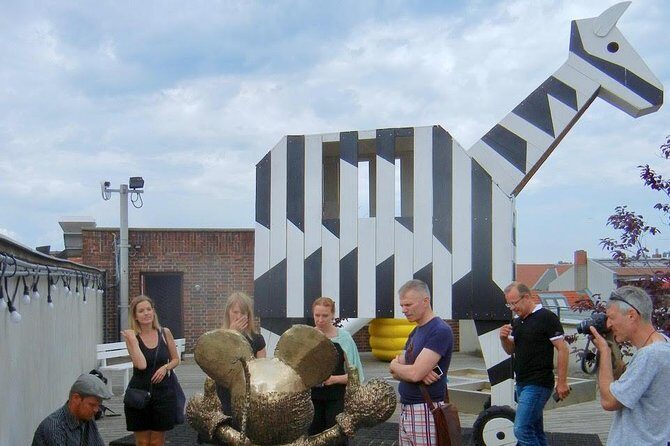
This is a walking-based experience in central Berlin, running about 3 hours. Your group can be up to 10 people, and it’s a private tour for your party. If you’re with a small group, you’ll likely get more back-and-forth as you go, which matters because gallery art benefits from conversation.
Pickup is offered, and the tour uses a mobile ticket. The meeting point is Schöneberger Ufer 65 (10785 Berlin). The tour ends back in Berlin, so you’ll be in the city center without a big transfer afterward.
A smart prep move: wear shoes you can stand in for a while. Galleries can mean short walks plus time spent looking carefully. Also bring a little patience for schedule changes. The route is subject to change based on current gallery shows and major art events.
Finally, food and drinks are not included. I’d plan for water before you start, and decide where you want to eat after, since you’ll be done while the city is still lively.
Stop 1 at KW Institute: the contemporary-art lab with no collection
The tour begins at the KW Institute for Contemporary Art, one of the most important contemporary art institutions in Germany.
Here’s what makes this stop feel different: KW doesn’t just display art. It’s described as a laboratory for presenting exhibitions, artist ateliers, and the latest events in national and international contemporary culture. And the guide will point out a key detail: KW has no collection of its own. That means you’re not looking at a permanent museum catalog. You’re seeing what the institution is choosing to test and show right now.
You’ll typically spend about 40 minutes here. Admission is not included, and the listed adult ticket price is €10 (or €6 for seniors/students). That’s the main paid “cost bump” in the tour.
Practical tip: if you’re the type who likes to read the room before you look, this is the place to do it. Because there’s no permanent collection to anchor your visit, the curatorial logic matters more—exactly what an art historian guide is there to explain.
Tuesday note
KW Kunst-Werke Berlin is closed on Tuesday. On a Tuesday tour, this experience operates as the walking portion only. So if you’re going on a Tuesday, set expectations: you’re still getting the gallery-area context, but not the KW entry.
Auguststrasse and the former school-galley idea
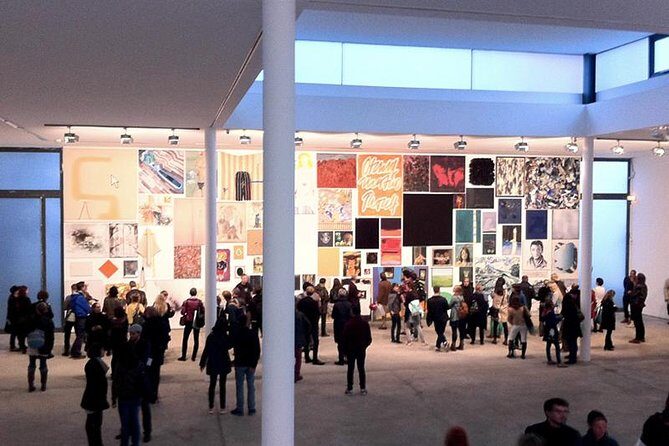
Next you head to Auguststrasse, where Michael Fuchs Galerie shows contemporary art and classical modernist works. What you’re walking into is part of the story.
The gallery is hosted in the former assembly hall and in two classrooms of the former Jewish Girl’s School in Berlin. That building history isn’t decoration. It changes how you experience the art and the space. You’ll likely notice the contrast between the serious architectural past and the rotating exhibitions happening today.
This is a free admission stop and lasts about 30 minutes. The displays are changing—solo and group exhibitions with different artists and themes—so the guide’s job becomes more important: you’re not seeing a fixed “greatest hits” program. You’re learning how to approach what’s on view, including the connections the galleries make through their choices of artists and works.
If you enjoy conceptual art, modernism, or you’re simply curious how galleries use historic structures, this stop often lands well. Even if a particular work doesn’t click for you, the setting gives you something to think about.


Potsdamer Straße: three galleries with different flavors
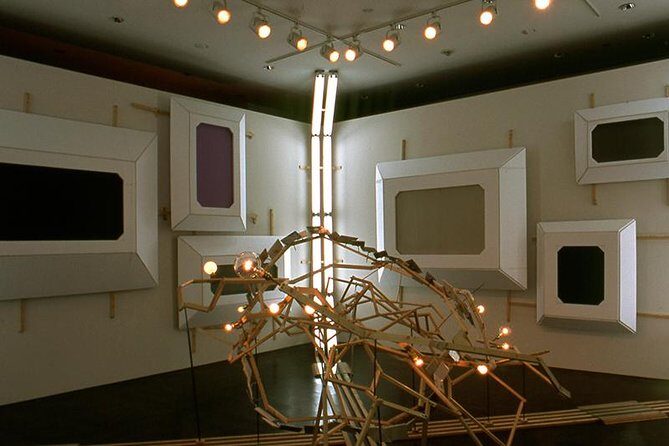
After Auguststrasse, the route moves toward Potsdamer Straße, where Berlin’s gallery district energy ramps up. In this area, the buildings feel like a mix of old structures and newer creative uses—exactly the kind of urban transformation the tour is trying to explain.
Esther Schipper
You’ll stop at Esther Schipper, a contemporary art gallery based on Potsdamer Straße. This stop is about 20 minutes, and admission is free.
The key value here is perspective. After KW, and after the school-building context at Auguststrasse, Esther Schipper gives you another snapshot of how contemporary work is framed in Berlin—different rhythm, different scale, different selection.
Galerie Eigen & Art
Next is Galerie Eigen & Art, also about 20 minutes and also free. The tour notes it as a gallery in a former school, hosting temporary exhibitions of international contemporary artists’ work.
This stop is great if you like the “place matters” side of art. The same way you read the mood of a church before art gets installed in it, you can feel how school architecture influences how people move and look.
Galerie Giti Nourbakhsh
The final named stop is Galerie Giti Nourbakhsh. It’s described as one of the first galleries in the popular Potsdamer Platz gallery district and a founding member of Berlin Gallery Weekend.
This one is about 20 minutes, and unlike some of the earlier stops, admission isn’t ticket-included. The tour should still be worth it because the setting is tied directly to how Berlin’s gallery culture organizes events and public attention. You’ll hear the kind of history that explains why the city feels like it’s always in motion with art openings and programming.
What the art historian guide actually does for you
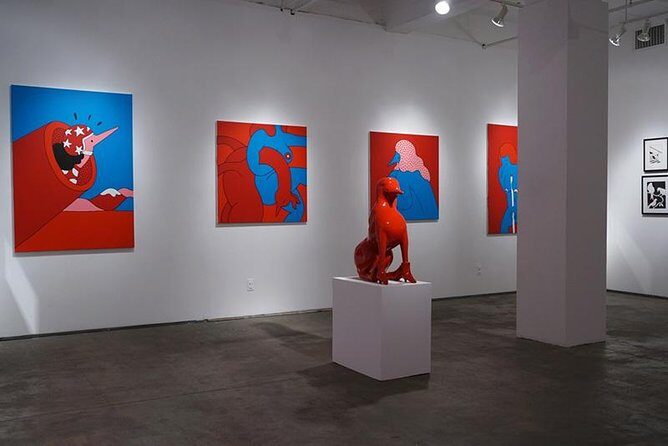
The guide is the secret sauce of this tour. The experience is led by a professional art historian, and the best part is how the talk matches what you’re seeing in real time.
In past experiences with guides named Justin and Laureline, the feedback is consistent: the guiding is detailed and organized, with insights into both contemporary artists and iconic German painters. That balance matters. Berlin can be overwhelming because the art world covers everything from postwar modernism to brand-new experimental work. A trained guide helps you connect eras without turning the whole walk into a lecture.
You also get help with motivation and intent—why artists make certain choices and how those choices relate to Berlin as a living creative system. One guide route has included highlights around the New Museum area, and that kind of extra pointing-out can help you keep your bearings while you’re walking through dense parts of the city.
My practical takeaway: if you take even one question seriously—like why a gallery is using this space, or why this artist’s approach fits this moment—you’ll get more out of the artworks. The guide helps you do that without you needing to be an art expert.
Value and cost: what $330 means for a group
The price is $330 per group (up to 10 people) for about 3 hours. That’s a group-rate model, which is great if you’re traveling with friends or family.
At the full group size of 10, that’s $33 per person. If it’s fewer than 10, the per-person cost rises—but you still get what you’re paying for: a private format, a professional art historian, and a structured walk through key spaces in central Berlin.
Then you also factor in entrance fees that are not included:
- KW Institute: listed as €10 adults / €6 seniors or students
- Galerie Giti Nourbakhsh: admission not included
- Other listed stops (Michael Fuchs Galerie, Esther Schipper, Galerie Eigen & Art) are free
So your real-world budget depends on how many people buy KW tickets and whether you need to plan for that extra paid entry. Still, even with KW’s ticket added, the tour can be good value because you’re not just going to one museum. You’re seeing several galleries, and the guide turns the route into an actual learning experience.
Who this tour fits (and who might want a different plan)
This is a strong pick for you if:
- you like contemporary art but want context so it feels less random
- you enjoy architectural and cultural layers of a city, not just one building
- you want to cover several galleries in a few hours without guessing where to go
It may be less ideal if:
- you hate walking or standing in gallery spaces
- you only want big, fixed collections with a long audio-guide style museum experience
- you’re booking on a Tuesday and you were specifically hoping to enter KW Institute
If you’re somewhere in the middle, you’re exactly the target. This is a thoughtful, guided taste of Berlin’s gallery ecosystem.
Should you book the Berlin Gallery Scene tour?
Yes, if you want guided context and variety in a short window. The combination of a professional art historian plus multiple gallery stops in and around Mitte is the real draw. You’ll leave with a clearer sense of how Berlin became a modern art magnet and how galleries use both contemporary programming and historic spaces to shape what you see.
Book it especially if your group is 3–10 people. The group-price model helps, and a private format makes the discussion feel natural. Just budget for KW Institute’s entrance fee and remember that Tuesday means the KW part doesn’t run.
If your idea of a great trip is slow, careful looking paired with smart explanation, this tour is an easy yes.
FAQ
How long is the Berlin Gallery Scene tour?
It runs about 3 hours.
What is the group size?
The tour is a private group experience for up to 10 people.
Is pickup offered?
Yes, pickup is offered.
What does the price include?
The price includes a professional art historian guide and a private tour. The listed price is $330 per group (up to 10).
Do I need tickets for all the galleries?
No. KW Institute for Contemporary Art has an entrance fee (not included). Galerie Giti Nourbakhsh also has an admission fee not included. The other listed stops are free.
How much is the ticket for the KW Institute?
The tour lists €10 for adults and €6 for seniors/students.
Which day is KW closed?
KW Kunst-Werke Berlin is closed on Tuesday.
Where is the meeting point?
The start is Schöneberger Ufer 65, 10785 Berlin, Germany.
Will I get a mobile ticket and when do I get confirmation?
You’ll receive a mobile ticket, and confirmation is received within 48 hours of booking (subject to availability).
Is food or drinks included?
No. Food and drinks are not included.