REVIEW · BERLIN
DIY Coffee Roasting in Berlin
Book on GetYourGuide →Operated by TenfarmersandBananas · Bookable on GetYourGuide
Coffee changes fast once it hits heat.
This DIY coffee roasting in Berlin turns ordinary kitchen gear into a hands-on lesson: you roast green coffee beans, listen for the crack, and taste what you made. The class is led by Angelo and run in a simple, practical setup that focuses on the process, not coffee cosplay.
What I like most is learning the transformation step by step. You watch green beans turn brown, and Angelo walks you through temperature and what to notice as roast levels change. I also love that you don’t just smell roasted coffee in theory—you grind with an electric grinder and taste your own cup right away.
One big consideration: the experience has a very low rating, with a small number of reports claiming the session didn’t happen. If you book, I’d treat it as a flexible plan and double-check that your specific session is confirmed before you build the rest of your day around it.
In This Review
- Key Highlights You’ll Actually Care About
- DIY Coffee Roasting Berlin: What You Really Learn
- Where the Workshop Happens and What the Meeting Point Offers
- From Green Beans to Brown: How the Roasting Setup Works
- The Crack Moment: Temperature, Smell, and Two Bean Personalities
- Grind, Taste, and Build a Real Sense of What You Made
- Taking Your Fresh Roast Home in a Stand-Up Pouch
- Price and Value: Is $61 Fair for Coffee Roasting in Berlin?
- Who This Works For (and Who Should Be Cautious)
- Practical Reality Checks: Tools, Tools, Tools
- Should You Book DIY Coffee Roasting in Berlin?
- FAQ
- What is the duration of the DIY coffee roasting workshop?
- How much green coffee will I roast?
- Will I learn how to roast at home-style equipment?
- Are there different types of coffee beans to roast?
- Do I get to grind and taste the coffee during the workshop?
- Can I take coffee home?
- Do I need any prior coffee roasting experience?
- What languages is the instructor able to teach?
- Is the workshop wheelchair accessible?
- Is there free cancellation?
Key Highlights You’ll Actually Care About
- Roast two types of green coffee beans so you can feel how origin and character show up in the cup
- Learn the “crack” moment with professional guidance, not guessing from vague internet charts
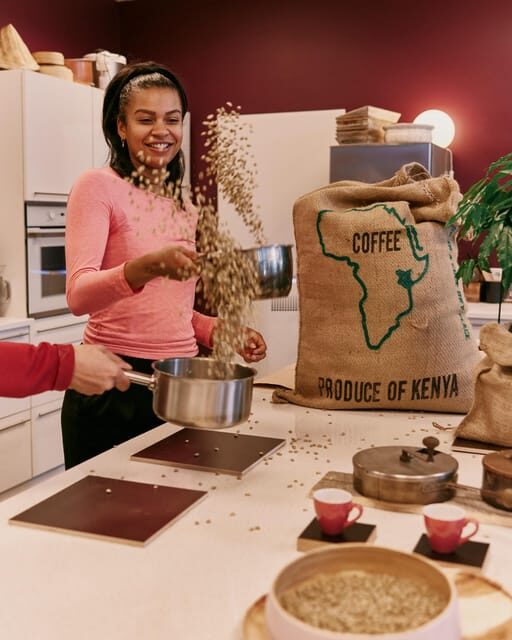
- Roast in a simple cooking pot on a stovetop, using household-style tools
- Grind and taste immediately using an electric grinder and provided cups
- Take home your own stand-up pouch so your learning doesn’t end when the class does
DIY Coffee Roasting Berlin: What You Really Learn
The point of this workshop isn’t just drinking coffee. It’s understanding how roast makes flavor—and how you can control that at home.
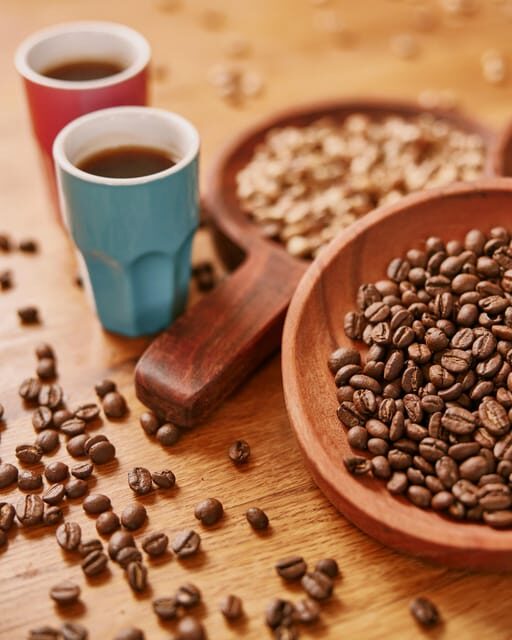
You start with green coffee beans, which look nothing like the coffee you buy in stores. Then you roast them yourself until they turn brown, and at some point you’ll hear the crack and smell the aroma that coffee lovers chase. It’s a very direct way to learn the cause-and-effect relationship between heat, time, and taste.
If you’ve ever wondered how roasters get consistent results, this gives you the basics in a “do it, see it, taste it” format. You leave knowing what to watch for during roasting, not just what to expect at the end.
You can also read our reviews of more tours and experiences in Berlin.



Where the Workshop Happens and What the Meeting Point Offers
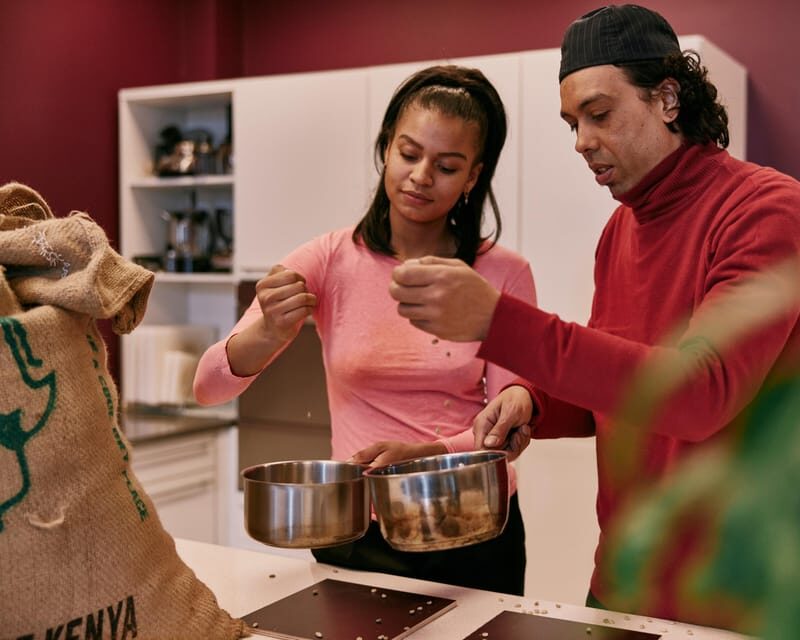
The class meets at a place designed for events and classes, with an open lounge feel. You’ll find a concierge area, a grab-and-go café, and flexible workspace vibes, plus a self-care studio with showers and changing facilities.
That matters more than you’d think. It means you can arrive without stress, get settled, and handle your day before or after without hunting for a quiet corner nearby. It’s also the kind of setting where a hands-on workshop can run smoothly because there’s room for people to gather and then move into the roasting activity.
The workshop ends back at the meeting point, so you’re not sent on a city scavenger hunt. For a 2-hour experience, that saves time and keeps the session focused on roasting.
From Green Beans to Brown: How the Roasting Setup Works
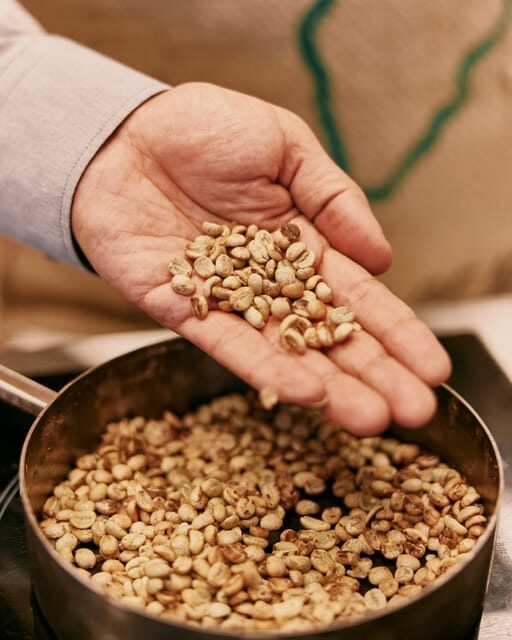
When you arrive, you’re welcomed and then handed the core tools: two types of green coffee beans and a pot used for roasting. You also get your own seat at a large table, so you’re not standing around waiting for someone else to do the work.
Roasting itself is intentionally simple. You place the green beans into the roasting pot, use the provided stovetop setup, and stir as instructed. You’re not juggling a lab setup; you’re learning how normal cookware can become a roasting tool with the right attention.
Angelo’s guidance is the backbone here. You’ll learn what temperatures to expect during the roast and how the two coffee beans behave differently. That’s a key teaching method: learning one process is fine, but tasting how different inputs change the result makes the lesson stick.
The Crack Moment: Temperature, Smell, and Two Bean Personalities
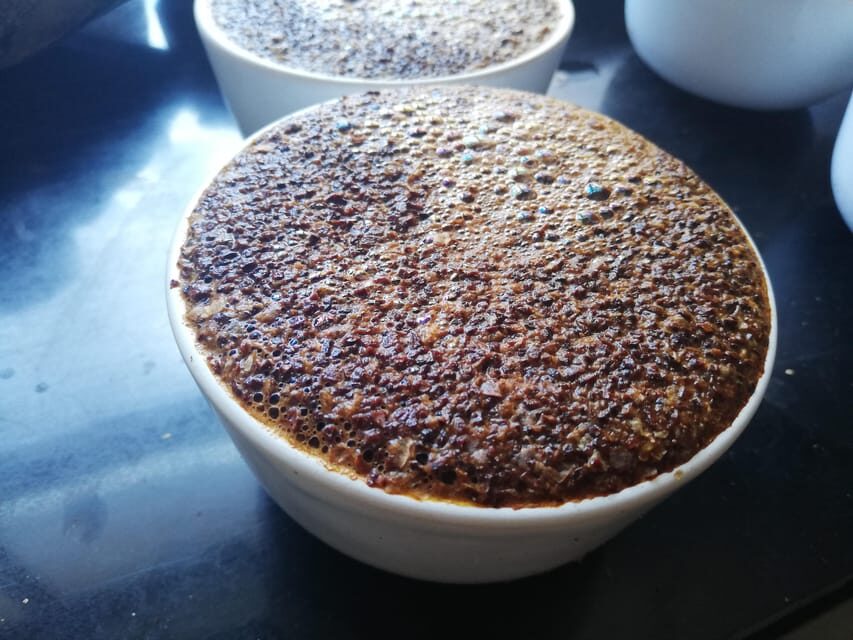
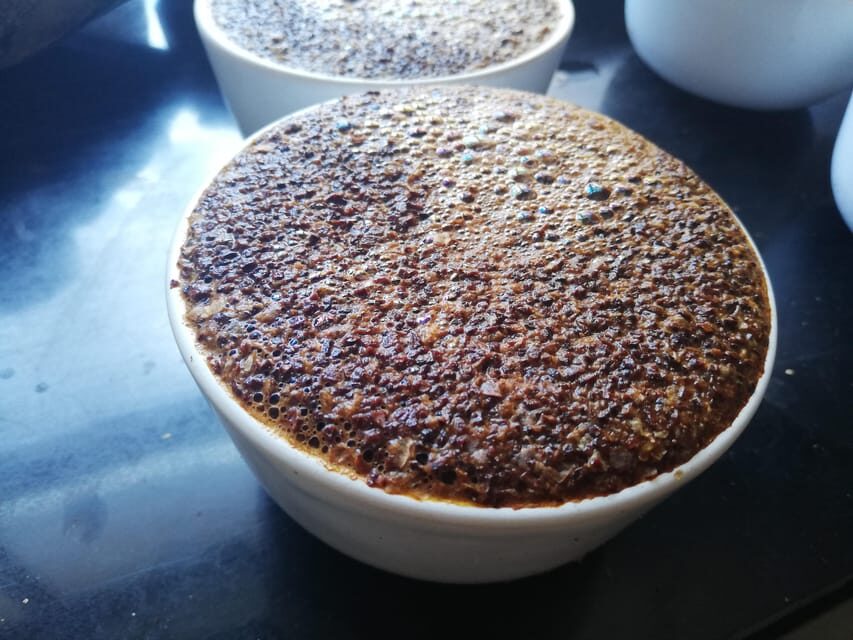
At some point during roasting, the coffee bean will crack. That’s one of the most important sensory markers in coffee roasting, and here you’re guided through it rather than just hoping you’ll notice.
You’re also shown what to look for as the beans go from green to brown. The class is built around watching the change happen slowly enough that you can track it. When the crack comes, the aroma shifts in a way you can’t miss.
The workshop uses two different green coffee beans, and Angelo helps you see how each has its own characteristics. That’s useful at home, because it trains you to stop treating roast as a one-size-fits-all recipe. Different beans often need different handling, even when you’re using the same basic method.
Grind, Taste, and Build a Real Sense of What You Made
After roasting, the freshly roasted beans need to cool down briefly. That cooling time is practical: it helps the beans settle so you can grind them properly and taste what you actually roasted.
Then you grind the coffee using an electric grinder provided on site. You’ll also get a drinking cup, and you can sip your own freshly roasted coffee right then. It’s a smart teaching step because you connect the roast moment you witnessed with the flavor in the cup.
This is where many home experiments go wrong: people roast, then wait days, or taste blind, or never make the link between roast choices and flavor. This workshop compresses the learning loop. Even if you don’t become a full-time home roaster, you’ll likely walk away with a better instinct for what tastes right and why.






Taking Your Fresh Roast Home in a Stand-Up Pouch
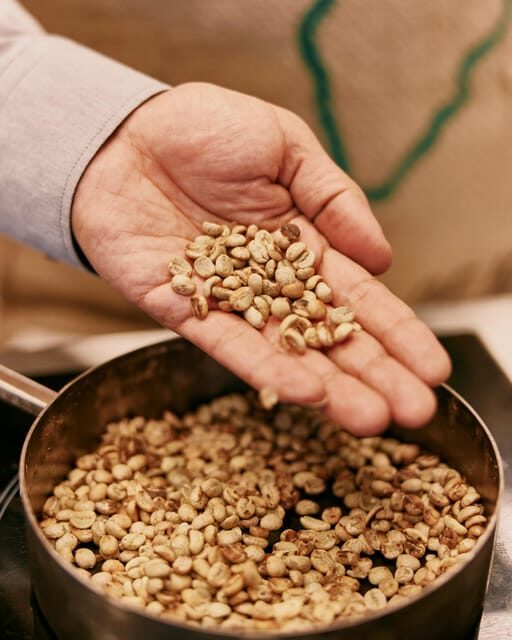
You’re given a stand-up pouch to take your coffee home. That’s more than a souvenir bag. It gives you a chance to share with family and friends, and it keeps your tasting session going beyond the workshop itself.
This matters because coffee flavor can change after roasting. Even without extra details, having your own roasted coffee ready to brew later means you can test your preferences over multiple tries instead of treating the class cup as the final word.
You’ll also leave with enough knowledge to roast coffee yourself for the long term. The workshop is designed like a skill, not a one-off performance, using tools that are meant to feel familiar.
Price and Value: Is $61 Fair for Coffee Roasting in Berlin?
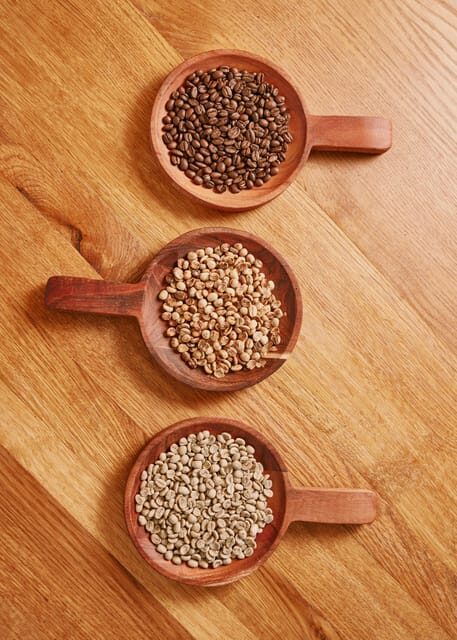
$61 for a 2-hour workshop is not a “cheap hobby day,” but it can be good value if you want the guided learning and the equipment included.
Here’s what you’re getting for that price:
- About 100g of green coffee beans to start
- Two types of green coffee beans, so you get comparison learning
- Tools and setup: roaster, stovetop, cooking pot, stirring spoon
- Electric grinder for immediate tasting
- A stand-up pouch to take coffee home
- Professional instructions from Angelo in German and English
If you tried to build this experience at home, you’d likely spend money on beans plus equipment plus trial and error. The workshop compresses all that into one guided session, with enough structure that you can learn without guessing as much.
The one thing that affects value is reliability. With a very low rating and reports saying the session didn’t happen, you’ll want to verify your specific booking so your time isn’t wasted. If the workshop runs for you as promised, the $61 can feel like a practical shortcut to real skills. If it doesn’t, that value evaporates fast.
Who This Works For (and Who Should Be Cautious)
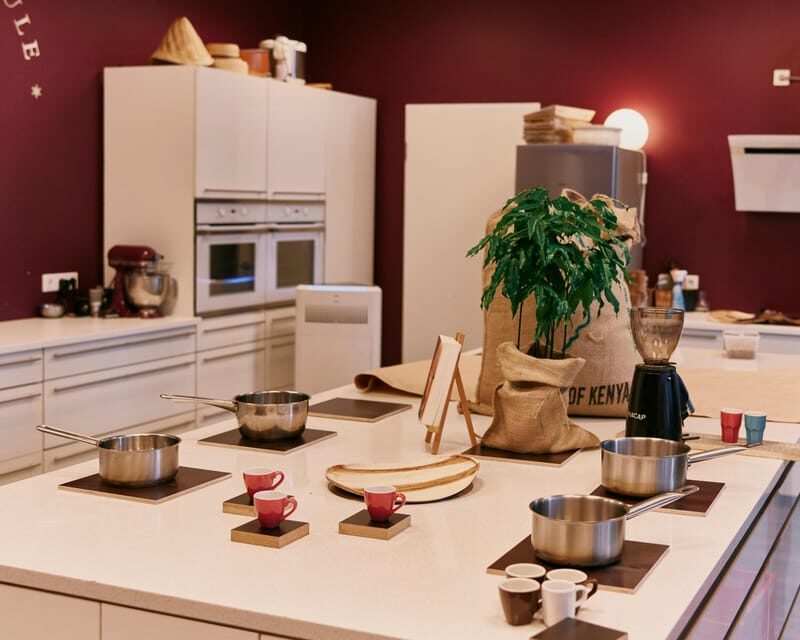
This workshop fits best if you’re curious and hands-on. You don’t need prior experience, and Angelo guides you step by step, including what temperatures to use and when key roast stages show up.
It’s also great for coffee lovers who want more than tasting. If you like understanding how flavors are made—smell changes, roast color changes, and the crack marker—this is a satisfying way to learn.
It may be less ideal if you’re short on time or you can’t handle uncertainty. Since there are low-score reports about the activity not happening, you should book only if you can keep your schedule flexible. If you’re the type who hates plan-bending, treat this as “try it if it’s confirmed,” not a fixed anchor on your Berlin itinerary.
Practical Reality Checks: Tools, Tools, Tools
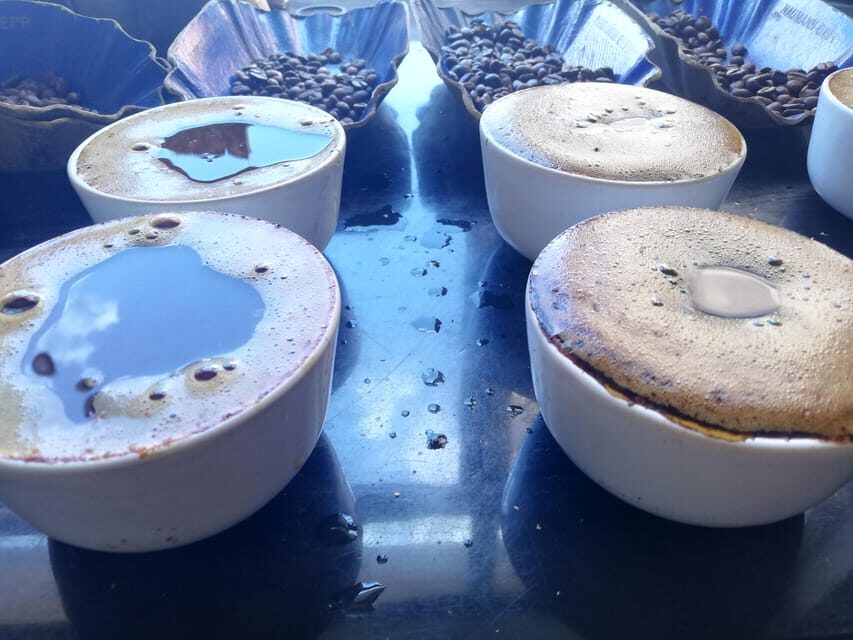
This class leans into a home-kitchen reality. The roasting method uses a cooking pot on a stove, plus a stirring spoon. You’re given everything you need to try the process during the workshop, so you’re not hunting for gear in Berlin on the day of.
You’ll get a lot of mileage from the specific workflow:
1) Roast green beans in the pot
2) Watch for color shift and the crack
3) Cool briefly
4) Grind with the electric grinder
5) Taste immediately
Once you learn that sequence, you can repeat it later with the same mindset: observe, adjust, and taste.
Also, the workshop is taught in German and English, which helps if you want clear instruction rather than reading your way through coffee charts. And it’s described as wheelchair accessible, so it’s designed with mobility needs in mind.
Should You Book DIY Coffee Roasting in Berlin?
I’d book it only if you can confirm your session clearly and you’re comfortable keeping your day flexible. The upside is strong: you learn the roast process with Angelo, roast two beans yourself, experience the crack and aroma, grind and taste on the spot, and take home coffee in a pouch.
But because the activity has very low ratings and some reports claim it didn’t run, I wouldn’t treat it like a sure thing that replaces a backup plan. If you can verify it and you want a hands-on coffee skill you can repeat, then yes, it’s a fun, practical way to learn what roasting actually does. If you need absolute certainty, consider a safer alternative that doesn’t come with that risk.
FAQ
What is the duration of the DIY coffee roasting workshop?
The workshop lasts about 2 hours.
How much green coffee will I roast?
You start with approximately 100g of green coffee beans.
Will I learn how to roast at home-style equipment?
Yes. You roast using household-accessible tools like a cooking pot on a stovetop, plus a stirring spoon.
Are there different types of coffee beans to roast?
Yes. You’ll roast two types of green coffee beans, and you’ll compare how they behave.
Do I get to grind and taste the coffee during the workshop?
Yes. You grind your coffee in an electric grinder and can sip the coffee you roasted.
Can I take coffee home?
Yes. You’ll receive a stand-up pouch with your self-roasted coffee to take home.
Do I need any prior coffee roasting experience?
No experience is required. You learn step by step.
What languages is the instructor able to teach?
The instructor is listed as speaking German and English.
Is the workshop wheelchair accessible?
It’s described as wheelchair accessible.
Is there free cancellation?
Free cancellation is offered up to 24 hours in advance for a full refund.