REVIEW · BERLIN
Kreuzberg Private Walking Tour: Immigrants, Artists & Hipsters
Book on Viator →Operated by Insight Cities · Bookable on Viator
Berlin’s border stories live in plain sight. This private Kreuzberg walking tour follows the area’s “bleeding edge” culture—street art, Turkish businesses, and trendy markets—while a historian guide ties it to what came before and what may come next. You’ll also spend time on classic landmarks like the Oberbaumbrücke and one of Kreuzberg’s best-known green spaces.
Two things I like a lot: the way the tour connects art to real neighborhoods, and the fact that it stays personal because it’s private. Guide Klaus (as one guest noted) is friendly, sets a pace that fits your group, and doesn’t just point at sights—he also knows how to steer you toward good local food, including a stop for spaetzle advice.
One consideration: at $450 per group (up to 10), it’s best value when you’re traveling with others who will actually join the walk together. Also, you’ll use public transport a few times, since some site-to-site distances don’t make sense for only walking.
In This Review
- Key Things to Know Before You Go
- Why Kreuzberg’s “SO36” Identity Matters
- 3 Hours, Private Guide, and a Route That Uses Transit
- Oberbaumbrücke: Starting with a Geography Lesson Over the Spree
- Memorial Moments: Berlin Wall Leftovers in Real Street View
- Orianienstraße and SO36: Where Culture and Conflict Show Up in the Same Street
- Viktoriapark: A Green Break That Helps You Think
- Oberbaumbrücke Again, Then the Big Question: What Comes Next?
- Price and Value: Is $450 Worth a Private Historian Walk?
- Who This Tour Suits Best (And Who Might Want Something Else)
- Should You Book This Kreuzberg Private Walking Tour?
- FAQ
- How much does the Kreuzberg private walking tour cost?
- How long is the tour?
- Where do I meet the guide?
- What stops are included during the walk?
- Is food or drinks included?
- Do I need to buy tickets for attractions?
- What is the cancellation window for a full refund?
- How soon will I get confirmation after booking?
Key Things to Know Before You Go
- Private with a historian: you’re not stuck with a script—your questions can steer what you notice.
- Kreuzberg through its layers: street art and immigrant life get explained alongside the area’s political swings.
- Oberbaumbrücke first: the route starts with an easy-to-grasp geography lesson across the Spree.
- Berlin Wall leftovers: you’ll pause where the past still shows up in the streets.
- Viktoriapark stop: a breather of green space keeps the 3 hours from feeling like one long sprint.
- SO36 / Orianienstraße focus: you’ll walk the district’s famous, story-heavy streets where culture and conflict overlap.
Why Kreuzberg’s “SO36” Identity Matters
Kreuzberg is the kind of Berlin neighborhood where the street scene isn’t separate from the politics. This tour leans into that fact. You start with place names that locals still use—especially SO36, the nickname tied to the postal-code identity of the eastern part of Kreuzberg—and the guide helps you understand why that code became shorthand for a whole attitude.
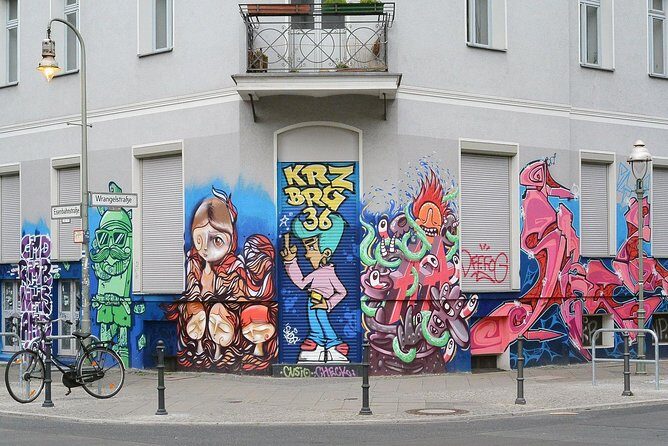
What I find especially useful is the way the tour treats modern hip culture as a continuation, not a sudden invention. You get street art walls explained in the context of abandoned buildings and the creative community that formed when spaces sat unused. Then, the guide brings it forward to now: local Turkish businesses, market goods, and cafes you’ll actually recognize as part of daily life, not just “tourist flavor.”
And yes, there’s a future angle. Kreuzberg is known for pushing back against change, but it’s also already changing. The tour frames both sides—creative survival and development pressure—so you leave understanding why some people feel protective and others feel hopeful.
You can also read our reviews of more walking tours in Berlin



3 Hours, Private Guide, and a Route That Uses Transit
This is a 3-hour private walking tour for up to 10 people, and that group limit matters. With fewer people, it’s easier for your historian guide to adjust pacing and attention. If someone in your group is more into political history, or more into street art details, you’re not stuck waiting for a larger crowd to catch up.
You’ll also walk enough to feel like you’re in the neighborhood, but not so much that you’ll feel punished. The tour plan includes public transport a few times, because some stops are too far to connect efficiently on foot. That’s a good thing, honestly. It keeps the experience on track and helps you spend more time looking closely rather than just traveling.
Practical notes to consider: you’ll use a mobile ticket, and the tour offers either a morning or afternoon departure (choose what best fits your day). If you want food included in the plan, don’t plan on it—food and drinks aren’t included unless specifically stated.
Oberbaumbrücke: Starting with a Geography Lesson Over the Spree
The tour begins at Schlesische Str. 18 in Kreuzberg, then heads straight to one of Berlin’s most iconic “easy to remember” landmarks: the Oberbaumbrücke. This double-decker bridge works as a natural opening scene. You get a sense of direction, and you also get a clear view of the river-spanning layout that shaped how the area developed.
From there, the guide walks you past the core landmarks tied to SO36, the eastern half of the district named after its former postal code. This is where the history starts to feel less like facts on a page and more like a map you can walk. The route highlights how the neighborhood has been shaped by shocks—WWII bombs, Cold War suppression, and later waves of new residents and creative occupants.
You’ll also hear about lingering wall-era remnants and how fragments still mark the geography. Even if you’ve seen Berlin Wall imagery before, the effect is different when it’s mixed into everyday streets.
Memorial Moments: Berlin Wall Leftovers in Real Street View

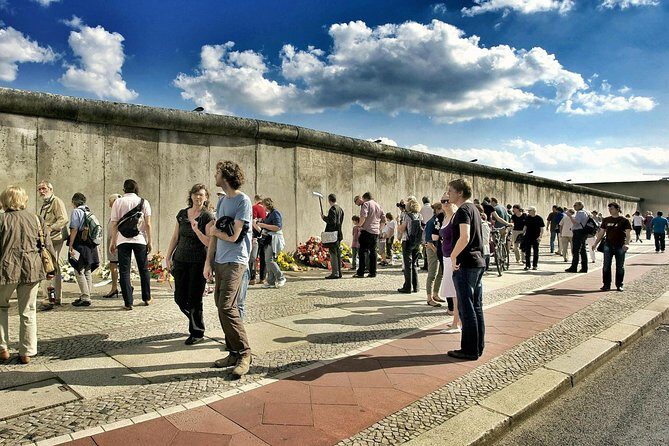
One of the tour stops focuses on the Memorial of the Berlin Wall, where you’re encouraged to slow down and notice what remains. This isn’t set up as a long lecture. It’s more like a pause button—then you move back into the neighborhood’s present.
What makes this stop valuable is the contrast. You’ll see what’s left of a structure that once shaped movement, fear, and control, and then you’ll keep walking through walls covered with street art. The message isn’t “look at art instead of history.” It’s that the wall period affected how spaces evolved afterward, and the creative community took advantage of the in-between conditions—abandoned buildings, shifting boundaries, and lots of leftover space to experiment with.
A small drawback: if you’re hoping for a huge formal museum-style experience, this is not that. It’s a street-level memorial moment inside a broader neighborhood walk. If you want museum depth, you might pair this with a separate site visit on your own.
Orianienstraße and SO36: Where Culture and Conflict Show Up in the Same Street
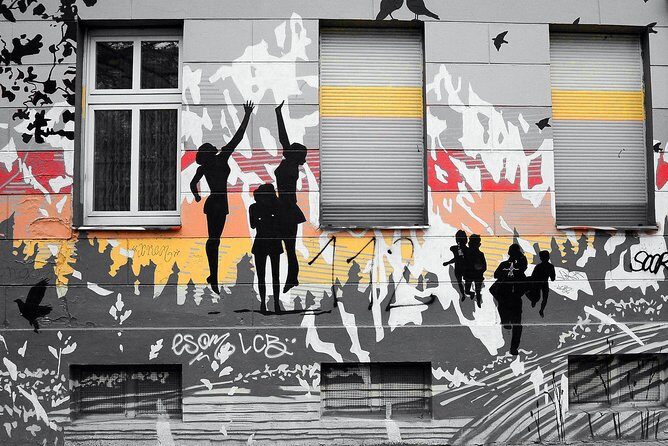
Next comes SO36 and especially Orianienstrasse, one of the neighborhood’s most famous streets. The point here isn’t just that it’s full of boutiques and cafes. It’s that it’s famous for how culture and politics collided there—especially in the period when anarchists and police fought street battles.
That context changes how you read the street. When you’re walking past shops and cafes, you’re also hearing why the street became a stage for conflict, and why later it attracted artists and other outsiders. The tour ties that legacy to today’s mix: trends and style, but also immigrant businesses that make the neighborhood feel like it has a real supply line of everyday life.
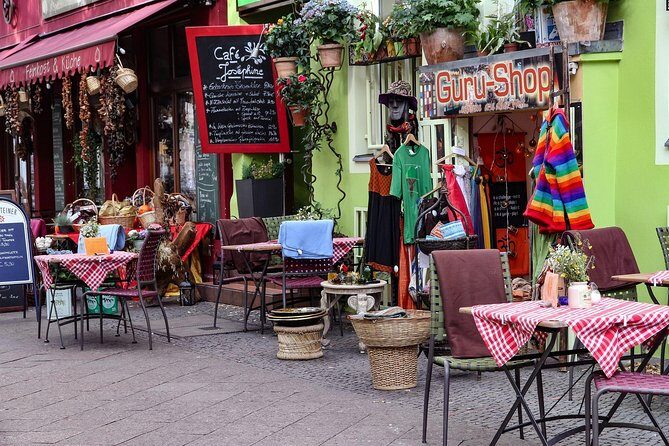
You’ll also get Turkish-culture context along the way—part of the “salad bowl” feel that makes Kreuzberg a place where lots of different cuisines and market goods sit side by side. If your travel style is food-adjacent culture, this part will likely be one of your favorite segments.
Tip: this stop works best if you’re curious about names and meanings. A street can look like “shops and cafes,” but with the neighborhood’s backstory, those names become map markers for decades of tension and creativity.
You can also read our reviews of more private tours in Berlin




Viktoriapark: A Green Break That Helps You Think

Not every Kreuzberg tour includes a proper breather, but this one does. Viktoriapark is one of Kreuzberg’s best-known green spaces, and it’s a smart inclusion for a few reasons.
First, it keeps the 3 hours from feeling like nonstop sidewalk viewing. You get a moment to sit or just slow down with the city around you. Second, the contrast matters. Kreuzberg is often described in terms of street-level energy and walls turned into canvases, but Berlin also needs trees and open air to reset your head.
Finally, the guide uses downtime as a chance to frame the future plans for Kreuzberg. When you’re standing among green space, the conversation about development and gentrification hits differently. It’s easier to imagine what change could mean for daily life when you’ve just seen what “life outdoors” looks like today.
Oberbaumbrücke Again, Then the Big Question: What Comes Next?
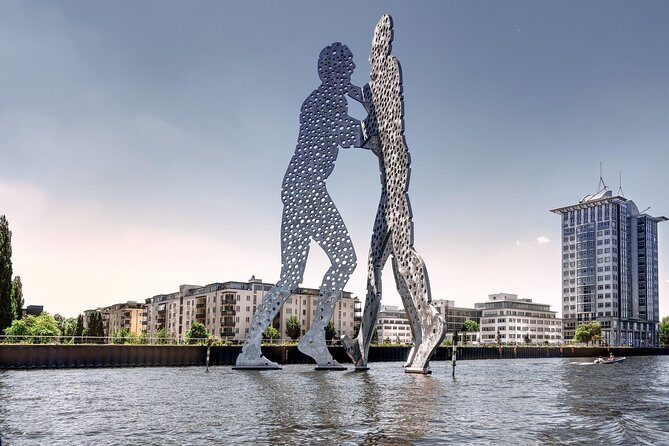
The tour wraps with forward-looking context, including a mention of a looming riverside development project that could speed up additional gentrification. That can sound abstract until the guide brings it back to the streets you just walked.
This future segment is one of the best parts for me because it doesn’t pretend Kreuzberg is frozen. The neighborhood you’re seeing—creative, immigrant-driven, and full of street art—exists in a constant negotiation with development pressure. The tour helps you understand why people argue about change so strongly here.
In a practical sense, this also helps you plan what to do after the tour. If you’re the type who likes to keep exploring with your eyes open, you’ll spot the difference between old spaces and newly reworked areas. And you’ll be better prepared for conversations around rent, businesses, and who gets to belong where.
Price and Value: Is $450 Worth a Private Historian Walk?
At $450 per group (up to 10), this is not a “cheap and cheerful” add-on. But it can still be good value, depending on your group size and your interests.
Here’s the honest way to look at it:
- You’re paying for private time: it’s a historian guide, and your pacing can be adjusted.
- You’re getting a focused neighborhood route with meaningful stops: bridge, wall memorial, SO36 streets, and Viktoriapark.
- You’re not paying for separate admissions at the stops (listed as free), and food isn’t included so you can choose what fits your diet and budget.
So the real question isn’t only the total cost. It’s whether you’ll get enough from a private guide to justify it over joining a larger group. If you care about how Kreuzberg’s immigrant mix and street-art culture connect to the area’s past, a historian-led walk usually beats browsing on your own—because you get the “why” in real time.
And if you’re traveling with friends or family who all want the same kind of experience, this private pricing can feel more reasonable fast.
Who This Tour Suits Best (And Who Might Want Something Else)
This tour is a strong fit if you like your city tours with context. It’s also a good match if you’re into:
- Street art and the “how it formed” story, not just photos.
- Immigrant neighborhood life, especially the Turkish cultural presence and market-style browsing.
- Berlin’s Cold War geography, but without committing to a museum-heavy day.
One review highlighted a 12-year-old and a parent doing the walk, and that matters. If your group includes teens who can handle history when it’s tied to streets, this format can work well because the route is visual and story-based.
Who might want to reconsider: if you want a nonstop long distance walk with no transit and no pauses, you might find the structure less aligned with your style. Also, if you only want general sightseeing with minimal history talk, you might prefer a shorter, more purely aesthetic route.
Should You Book This Kreuzberg Private Walking Tour?
If you’re looking for a Berlin neighborhood walk that explains why Kreuzberg feels the way it does—especially at the intersection of immigrants, street art, and political change—this is a solid choice. The private historian format, the specific stops (Oberbaumbrücke, Wall memorial, SO36 streets, Viktoriapark), and the focus on what’s past and what’s coming next make it feel like more than a photo walk.
Book it if your goal is understanding how the neighborhood became itself, and how it might change. Consider skipping or pairing differently if your main priority is museum-level history or if you dislike using public transport.
FAQ
How much does the Kreuzberg private walking tour cost?
It costs $450.00 per group, for up to 10 people.
How long is the tour?
The tour lasts about 3 hours.
Where do I meet the guide?
The meeting point is Schlesische Str. 18, 10997 Berlin, Germany.
What stops are included during the walk?
The route includes Oberbaumbrücke, the Memorial of the Berlin Wall, SO36 (including Orianienstrasse), and Viktoriapark.
Is food or drinks included?
No. Food and drinks are not included unless it’s specifically stated.
Do I need to buy tickets for attractions?
Admission is listed as free for the stops included, and the tour itself uses a mobile ticket.
What is the cancellation window for a full refund?
You can cancel up to 24 hours in advance for a full refund.
How soon will I get confirmation after booking?
You should receive confirmation within 48 hours of booking, subject to availability.