REVIEW · BERLIN
Private Day Tour to Germany and Poland – Traces of World War 2
Book on Viator →Operated by Maciej Krupski Travel · Bookable on Viator
A grim topic, handled with care. This private 12-hour day traces World War 2 and its aftermath with Sachsenhausen Memorial and key sites in Szczecin, plus a guide who keeps the learning human and clear. I like the way the day is structured for reflection, not just sightseeing, and I also like the comfort of private pickup with snacks. The only real catch: it’s a long day and the content is heavy, so go in ready to slow down.
You’ll start early in Berlin, cross the border, and come back by evening with a sharper sense of how history played out on the ground. Your driver-guide, Maciej (Maciej Krupski Travel), runs the day smoothly and stays responsive to questions.
In This Review
- Key things to know before you go
- Private Berlin-to-Poland WWII tracing: what the day really feels like
- Morning pickup and the drive to Sachsenhausen Memorial
- Sachsenhausen Memorial: using the audio guide to make sense of what you see
- Szczecin highlights: history meets city life on foot
- Szczecin Underground Routes: learning how civilians organized life during raids and atomic fear
- The Dialogue Centre Upheavals: Iron Curtain realities and the road to freedom
- Rynek Sienny dinner: Polish food that actually fits the day
- Back to Berlin: the long day, managed
- Price and value: what you’re paying for
- Who this tour suits best (and who should think twice)
- Should you book this WWII tracing day tour?
- FAQ
- What time does the tour start, and how long does it take?
- Do I get pickup from my hotel in Berlin?
- Is the tour private, or will I be grouped with strangers?
- What does the tour include besides transportation?
- Are any sites closed on specific days?
- What’s the cancellation policy and what happens if weather is bad?
Key things to know before you go
- Private pickup in the Berlin area means no rushing to meet a bus at a random stop.
- Audio-guided Sachsenhausen lets you move at a thoughtful pace while still getting the facts.
- Szczecin highlights on foot cover landmarks like Solidarity Square and the Pomeranian Dukes Castle clock tower.
- Underground shelters and air-raid life give WWII-era fear a very practical, bodily feel.
- The Dialogue Centre Upheavals (when open) focuses on what followed behind the Iron Curtain.
- A real Polish dinner in Rynek Sienny gives you a chance to come up for air near the end.
Private Berlin-to-Poland WWII tracing: what the day really feels like
This tour is built for people who want more than photos and dates. You’re not just ticking off memorial stops. You’re seeing how a region lived through war, then tried to survive what came after it. That theme runs from Sachsenhausen in Germany to the streets and museums of Szczecin in Poland.
I like that the pacing is designed to balance learning with time to absorb. The day is structured into clear chunks: a major memorial, then a shift into Szczecin’s city life and history, then underground wartime survival, and finally museum learning and dinner. It’s not random. It’s a path.
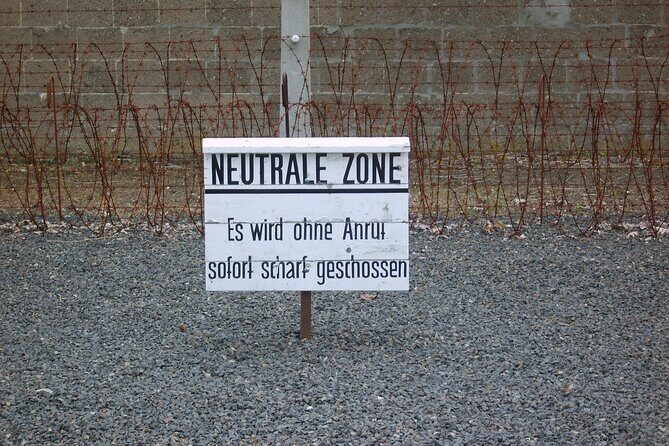
And yes, the subject matter is difficult. Sachsenhausen is disturbing by design. But that’s exactly why the audio guidance and the quiet time to think matter. If you show up expecting a quick hit, you’ll feel the day push back.
One more note: the trip runs on good weather. If conditions are poor, plans may change.
You can also read our reviews of more private tours in Berlin

Morning pickup and the drive to Sachsenhausen Memorial
You start at 8:00 a.m., with a private driver meeting you at your accommodation in the Berlin area. From there, it’s about an hour to Oranienburg and the Sachsenhausen Memorial site. During the drive, you get snacks and beverages on board.
This part matters more than it sounds. When you’re traveling privately, you don’t lose your morning energy fighting transit, schedules, and transfers. You just settle in and go. It also gives the guide space to set tone and answer questions before you hit the memorial.
On this day, Maciej is talkative and engaging during the drive. That helped the start feel less like an airport line and more like a conversation you’re carried into history with.
Sachsenhausen Memorial: using the audio guide to make sense of what you see
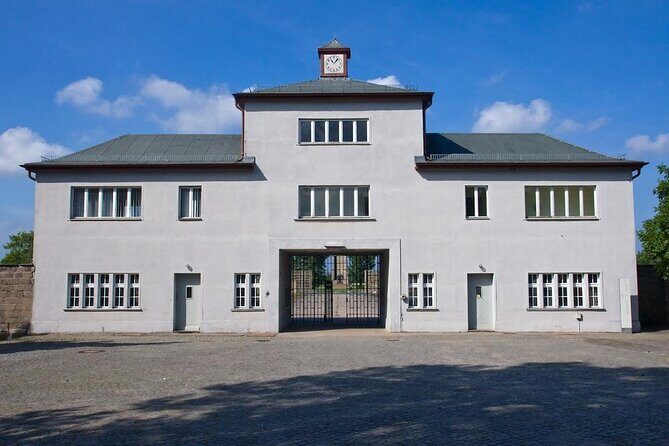
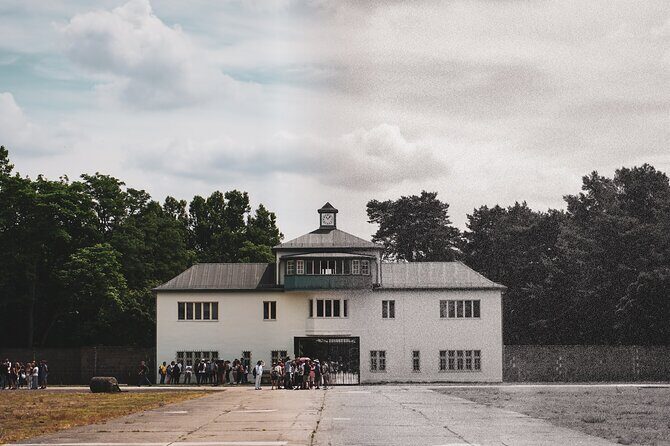
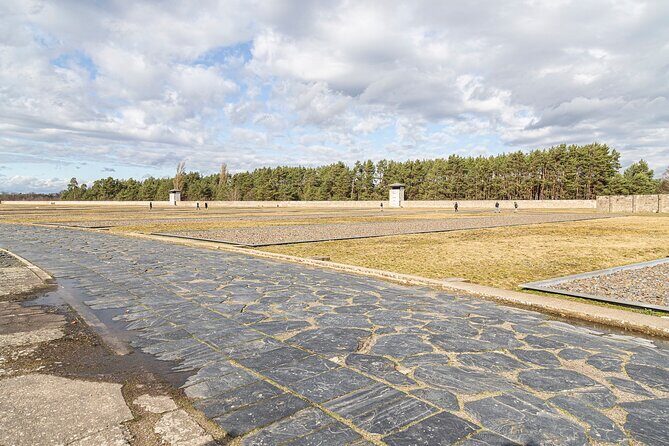
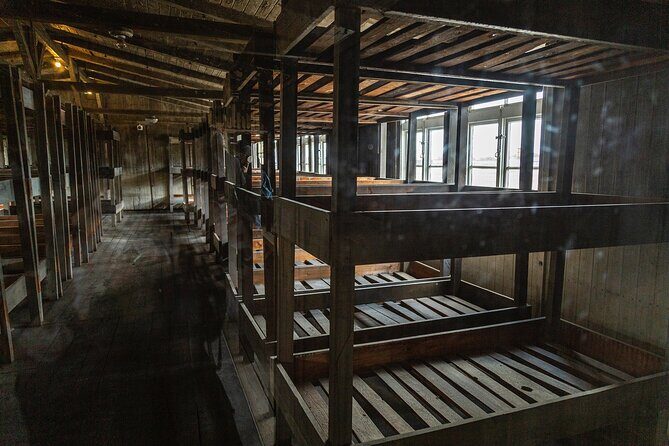
Your first major stop is the Sachsenhausen Memorial and Museum. You’ll take an audio-guide tour in your language. The visit lasts about 3 hours, and the admission ticket is included.
Sachsenhausen can overwhelm you fast. The audio guide is useful because it helps you connect what you’re seeing with what it meant. You’re not stuck guessing why certain areas exist or how the system worked.
I also appreciate the way this stop is framed as a lesson about human nature, not just machinery of war. The camp was built to destroy lives, and the museum doesn’t sugarcoat it. Still, the structure gives you room to reflect while you’re learning.
What to watch for: you’ll likely feel drained by the end of this segment, even if you handle difficult history well. Wear comfortable shoes and expect your brain to work hard.
Szczecin highlights: history meets city life on foot
After the morning in Germany, you drive for about 2 hours to Szczecin, Poland. This is when the day shifts from a single heavy site to a living city and its memory.
You’ll take a short walk to see major highlights, including:
- National Philharmonic
- Solidarity Square
- Chrobry Embankment
- The Pomeranian Dukes Castle and its famous clock tower
Maciej’s strength here is practical observation. He points out buildings and landmarks and adds context you might miss if you just follow a map. This is a key part of making the day feel grounded. War isn’t only something that happened in camps. It shaped streets, institutions, and public spaces too.
There’s also an optional museum component depending on the day. You’ll visit at least one of two major museums focused on recent Polish history, and the admission ticket for this part is included.
Possible drawback: the “at least one museum” phrasing means the exact museum lineup can vary by day. If you’re the kind of person who wants a specific museum for a very specific reason, it’s worth double-checking the day-of-week schedule with the operator after booking.
Szczecin Underground Routes: learning how civilians organized life during raids and atomic fear
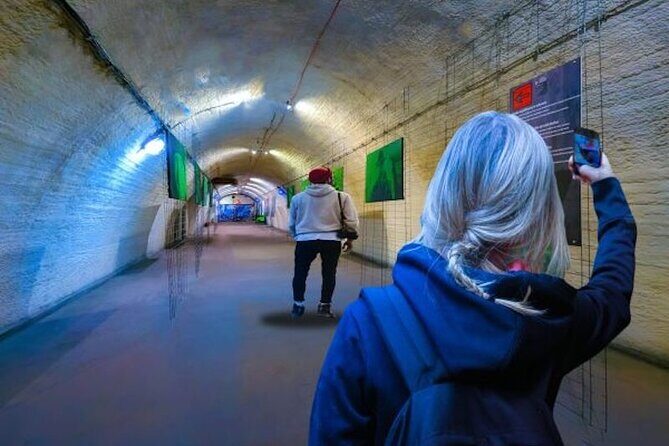
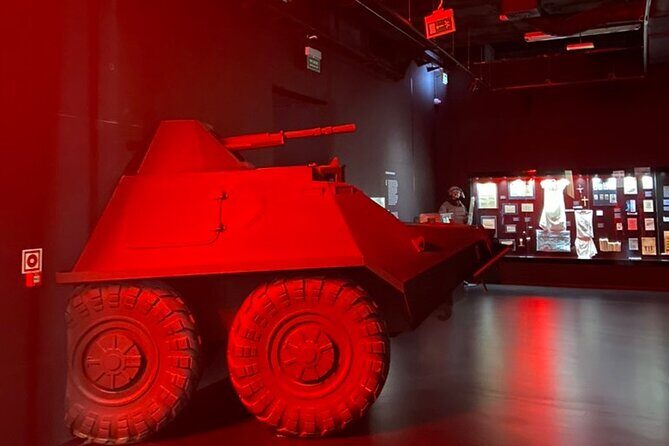
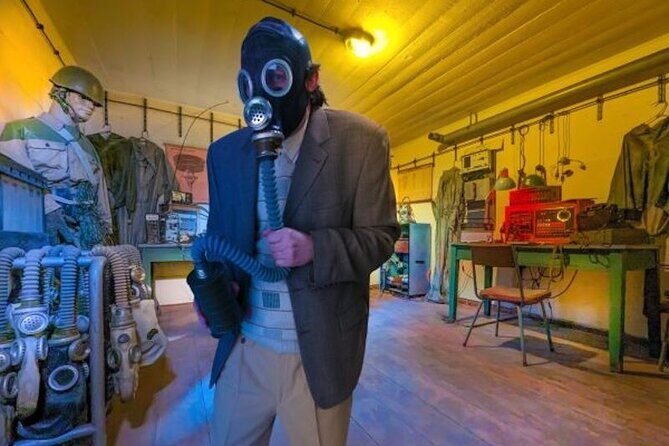
Next comes one of the most striking parts of the itinerary: Szczecin Underground Routes. You’ll walk through a network of tunnels and shelters to learn how civilians organized everyday life during air raids and the threat of an atomic attack after World War 2.
This is only about 1 hour, and it includes admission. But it hits differently than a museum gallery. You’re moving through spaces designed for survival, and that makes the fear and logistics feel immediate.
There’s an important timing detail: the underground routes museum is closed on Tuesdays and Wednesdays. If your travel days fall on those days, your visit here won’t happen as planned.

The Dialogue Centre Upheavals: Iron Curtain realities and the road to freedom
If the schedule allows, you’ll then visit the National Museum in Szczecin – The Dialogue Centre Upheavals. This is a modern exhibition meant to explain life after the war, the reality behind the Iron Curtain, and the Polish People’s path toward freedom.
This stop lasts about 1 hour and includes admission. It’s a good counterbalance after the underground shelters. The underground routes show physical survival. Upheavals helps you place that survival inside the political and social structure that shaped daily life.
Another schedule note: the Dialogue Centre Upheavals is closed on Mondays. If your date lands on a Monday, expect a swap or a revised plan.
Rynek Sienny dinner: Polish food that actually fits the day
By the time you reach the dinner stop, you’ll probably be ready for something warm, filling, and normal. That’s exactly why dinner here is a smart design choice.
After a long day of historical sites, you’ll head to Rynek Sienny for an a la carte dinner with traditional Polish cuisine. Dinner is included, along with admission for the earlier museum legs. The day also includes snacks and beverages during transportation, so you’re not constantly hunting for food between stops.
Maciej takes people to a local restaurant, and the meal is a highlight in itself. It’s also practical: you’re already in Szczecin, you already have local context from the guide, and now you get to taste the place without turning the day into a food quest.
One simple tip: treat this meal as part of the pacing. Don’t rush it. Let it be a real reset after the heavier topics.
Back to Berlin: the long day, managed
After dinner, you leave Szczecin for Berlin around 6:00 p.m. You should arrive back in the Berlin region around 8:00 p.m.
That timing matters because it helps you plan the rest of your evening. This isn’t a “you’ll be done when you’re done” tour. It’s a defined day that finishes while you still have energy to decompress.
And even though 12 hours is a lot on paper, the day typically feels smooth when the driving and transitions are handled well. Communication before and during the trip is part of what makes it work—Maciej keeps things organized and lets you know when changes happen and what each activity will feel like.
Price and value: what you’re paying for
The price is $744.06 per person for a private day tour. That’s not cheap, so the value question is fair.
Here’s where the cost starts to make sense. You’re paying for:
- Private transportation all day
- Hotel-area pickup in Berlin
- Admission tickets for the key memorial and museum stops included in the program
- Audio-guided tour at Sachsenhausen
- Snacks & beverages during transport
- Dinner in Szczecin
If you tried to recreate this on your own, you’d spend time on driving logistics, border timing, admission tickets, and figuring out how to structure the day so it doesn’t become scattered. A private guide also saves you from playing guesswork with pacing and interpretation at the sites that really matter.
Is it a budget choice? No. But it’s a value choice if you want a coherent story across two countries in one day—without the stress of stitching together transport, tickets, and context.
Who this tour suits best (and who should think twice)
This experience fits well if you want:
- A private, English-offered day trip with a driver-guide who answers questions
- A serious approach to WWII-era sites and their aftermath
- A plan that combines Germany’s memorial context with Poland’s postwar story
It’s also a strong match if you like when a guide gives both big picture framing and small details. Maciej’s approach blends historical context with practical city observations in Szczecin, so the day doesn’t feel like it only lives in one decade.
Think twice if:
- You’re not comfortable with intense, disturbing historical content.
- You’re sensitive to long days. The early start plus cross-border time adds up.
A small but important “health reality” note: the tour is described as suitable for most travelers, but the day involves walking at multiple stops. Good walking shoes are not optional.
Should you book this WWII tracing day tour?
If your priority is a well-run, private day that connects Sachsenhausen with the aftermath story in Szczecin, I’d say yes. The structure is thoughtful, the pacing is manageable, and the included admissions plus dinner and transport make it feel like a complete package rather than a patchwork day.
If you’re the type who wants a casual day off, pick something lighter. But if you want the kind of historical experience that gives you context you can carry home—especially with a guide like Maciej who’s engaging and detail-oriented—this is a strong choice.
Just go in knowing the tone: it’s a heavy subject, and the best way to enjoy it is to take it seriously and give yourself time to absorb.
FAQ
What time does the tour start, and how long does it take?
The tour starts at 8:00 a.m. and lasts about 12 hours.
Do I get pickup from my hotel in Berlin?
Yes. A private driver picks you up from your accommodation in the Berlin area.
Is the tour private, or will I be grouped with strangers?
It’s private. Only your group participates.
What does the tour include besides transportation?
Dinner is included, along with snacks and beverages during transportation. Admission tickets are also included for the memorial and museum stops listed in the program.
Are any sites closed on specific days?
Yes. Szczecin Underground Routes is closed on Tuesdays and Wednesdays. The National Museum in Szczecin – The Dialogue Centre Upheavals is closed on Mondays.
What’s the cancellation policy and what happens if weather is bad?
You can cancel for a full refund up to 24 hours in advance of the experience start time. If the experience is canceled due to poor weather, you’ll be offered a different date or a full refund.