REVIEW · BERLIN
Sachsenhausen concentration Camp (by Private Vehicle)
Book on Viator →Operated by On the Front Tours · Bookable on Viator
Sachsenhausen demands your attention. This private 5-hour visit from Berlin’s Alexanderplatz uses a guided walk to help you understand the machinery of the Nazi camp system, not just the buildings. I like that it’s set up with private vehicle transfers so you spend less time figuring out transit and more time learning with your guide.
I also really value the small-group size (max 15) and the way the guide explains what you’re seeing—often with old photos and careful, human-focused context. The one thing to consider is that this is heavy material. You’ll walk for a while and you should be prepared for emotions.
In This Review
- Key things to know before you go
- From Alexanderplatz to Sachsenhausen: the logistics that save your energy
- Entering the Gedenkstätte und Museum Sachsenhausen with the right kind of guide
- The walking route: what you’ll likely see and why it feels different
- Who the tour is really for: questions, pacing, and small-group comfort
- Time matters: making 5 hours count without rushing
- Price and value: is $106.94 per person worth it?
- What to bring, and how to prepare for a heavy visit
- Should you book this Sachsenhausen private tour?
- FAQ
- What is the meeting point for the Sachsenhausen concentration camp tour?
- What time does the tour start?
- How long is the tour?
- Is the tour offered in English?
- Is admission to the museum included in the price?
- What is included and what is not included?
- How many people are in a group?
- What ticket format do I receive?
- Is there free cancellation?
- Is the tour accessible for most people, and are service animals allowed?
Key things to know before you go
- Private vehicle from Alexanderplatz: no public-transport stress before the tour starts.
- English-language guide: you’ll get explanations as you move through the camp grounds.
- Admission ticket included: your entry to the Gedenkstätte und Museum Sachsenhausen is part of the price.
- Small group (max 15): easier questions, more time for stops that matter.
- Lesser-seen spots beyond the main areas: you won’t only see the obvious locations.
- Expect lots of walking: wear comfortable shoes and plan for a long, serious day.
From Alexanderplatz to Sachsenhausen: the logistics that save your energy
The tour meets at Park Inn by Radisson Berlin Alexanderpl. 7, right by Alexanderplatz (start time 10:00 am). Getting there by your own plan can be a chore on a schedule like this, so I love that this option uses handy transfers and a private vehicle setup.
In practical terms, it means you can show up, meet your group, and get moving. One of the best parts is that the drive is treated as part of the experience, not dead time. The guide typically gives history and background on the way, so when you arrive at the site, you’re already grounded in what you’re about to see.
It’s also helpful that the group size stays small. A max of 15 people makes the day feel controlled, not chaotic. You’ll feel free to ask questions without yelling across a crowd.
One other practical note: this is a mobile ticket experience. If you’re the type who hates hunting through paper confirmations, that alone can make the day smoother.
You can also read our reviews of more private tours in Berlin



Entering the Gedenkstätte und Museum Sachsenhausen with the right kind of guide
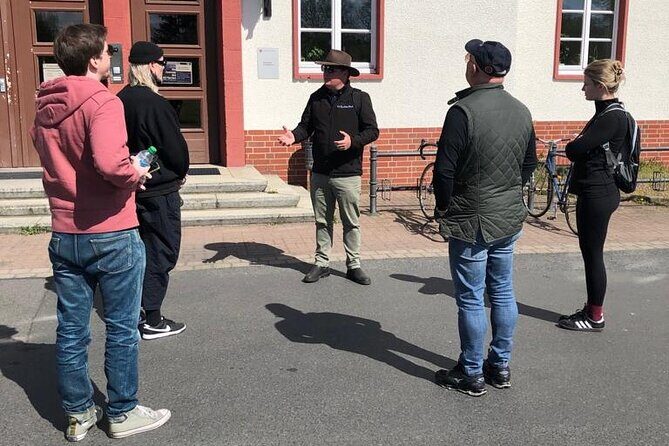
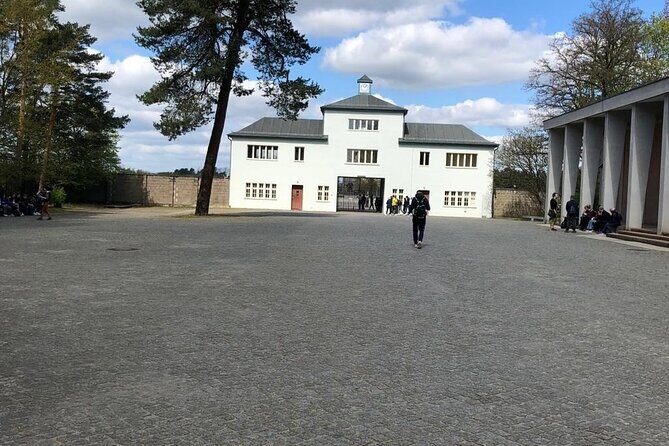
The heart of the tour is the visit to Gedenkstätte und Museum Sachsenhausen. This is one of those places where a self-guided route can leave you with more questions than answers. The site tells a story, but a trained guide helps you connect the story to what the camp system did to real people.
What I like most is the focus on “life about life”—not in a casual way, but in the sense that you don’t just memorize dates. You learn how the camp operated, what the Nazi regime wanted, and how victims’ lives were shaped by that system.
The museum and memorial area include powerful displays, and the guide’s narration can make those displays easier to process. In particular, a guide may point out and explain themes connected to the persecution of different groups. For example, at least one guide experience highlighted the pink triangle display, including a memorial connected to homosexual victims. If that topic resonates with you, having a guide there to slow things down and explain context can matter a lot.
Your guide also helps you connect the emotional weight of the place with facts you can hold onto. In the best versions of this tour, you’ll see materials like old photos used alongside the walking route. That visual context can make the site feel less abstract and more understandable.
This is not a quick walk-through. The tour is built around explaining key events and giving time for questions. So if you tend to think best while you’re hearing a story, you’ll likely find the pacing comfortable.
The walking route: what you’ll likely see and why it feels different
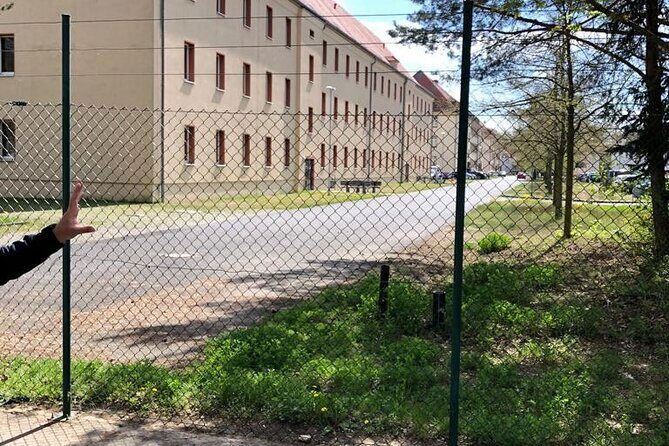
Most camp visits can feel like you’re touring a list of buildings. This tour is designed to feel more like a guided investigation—what you notice, what it meant, and how it fits into the bigger system.
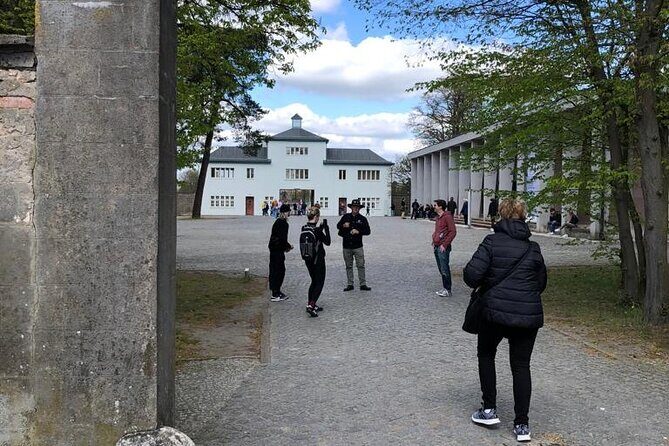
You can expect to walk the main camp areas, but the experience also aims to go beyond the most obvious spots. The tour description calls out lesser-seen locations, and some guide experiences specifically mention taking people to places that aren’t as frequently visited. That’s valuable because it reduces the sense of repeating the same photo angles you’d see from a standard checklist.
There’s also a benefit to having your guide check in as you go. On intense sites like this, people process differently. A strong guide will keep an eye on how you’re taking in the information, and they’ll adjust with you rather than rushing everyone forward.
Still, be realistic: you’re signing up for a serious walking route. Wear comfortable shoes. Bring a water bottle if you want, since snacks aren’t included, and plan for a few long stretches where your attention needs to stay focused.
Who the tour is really for: questions, pacing, and small-group comfort
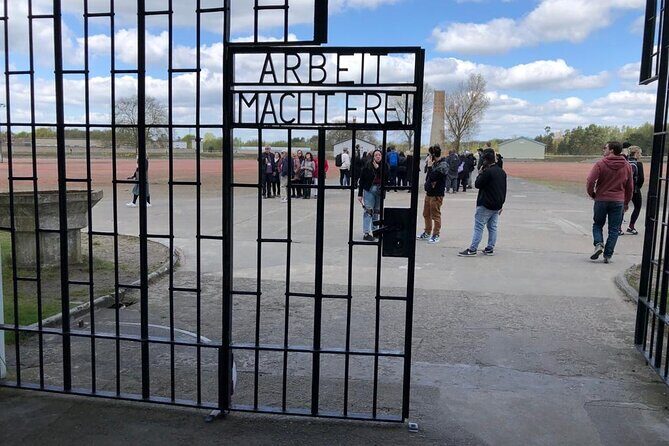
This private-vehicle Sachsenhausen experience is especially good if you want structure. You’re not just arriving at a site; you’re learning how to interpret it.
Here’s where it shines:
- You want time to ask questions without feeling like you’re slowing down a huge group.
- You like learning through a mix of walking, explanation, and visual aids (like old photos).
- You prefer a guide who keeps the day human and thoughtful, not just factual.
Guide names that have come up in strong experiences include Steve, Tom, and Joerg. Even if you don’t get one of these people specifically, the pattern they represent matters: clear explanations, a personal approach, and the willingness to take extra time when questions come up.
If your group includes someone who’s sensitive to hard topics, this kind of guided pacing can help. You’re still at a place built on suffering, but the guide’s tone and timing can make the learning feel more respectful and manageable.
Time matters: making 5 hours count without rushing
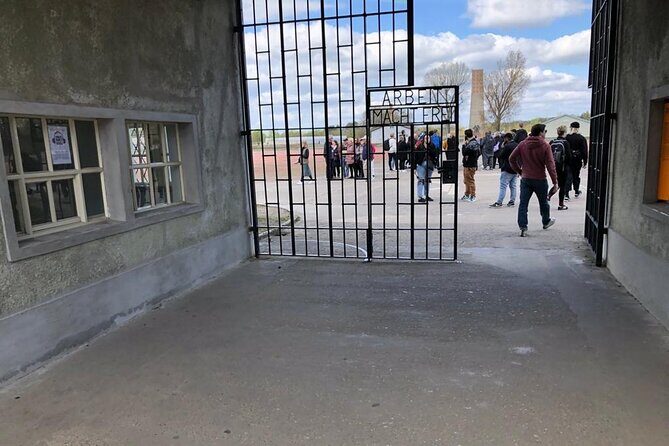
The duration is listed at about 5 hours. That’s a sweet spot for a camp visit: long enough to get context and to walk the site with explanation, short enough that you’re not trapped there all day.
A good guide will use that time intentionally. Typically, you start with background, then you move through the grounds, then you finish back at the meeting point at Alexanderplatz. Because it ends where it began, you can plan your evening in Berlin with less guesswork.
If you’re balancing this with other Berlin highlights, plan accordingly. This isn’t the sort of activity where you’ll be at full mental energy afterward. Even if you feel steady during the tour, you’ll likely want a quieter evening after.





Price and value: is $106.94 per person worth it?
The price is $106.94 per person, with admission included and all fees and taxes covered.
Here’s how I judge value for a tour like this:
- You’re paying for guided interpretation on a site where explanation truly changes the experience.
- You’re paying for private vehicle transfers, which can save energy and time versus public transit.
- You’re paying for admission included at the Gedenkstätte und Museum Sachsenhausen, which simplifies budgeting.
Could you do it cheaper on your own? Yes, but the tradeoff is usually time and clarity. On a place like Sachsenhausen, the guide helps you notice what matters and provides context for what you’re seeing. That’s often the difference between a visit that feels like a checklist and one that feels like you actually learned something.
Also, the group size cap (max 15) signals that the guide can keep quality high. When the walking route and the discussion are tied together, small group size is not a luxury. It’s part of what makes the day work.
If you’re the type who asks lots of questions, this price can feel more fair fast. You’re not paying just for a car and a ticket—you’re paying for coaching through the experience.
What to bring, and how to prepare for a heavy visit
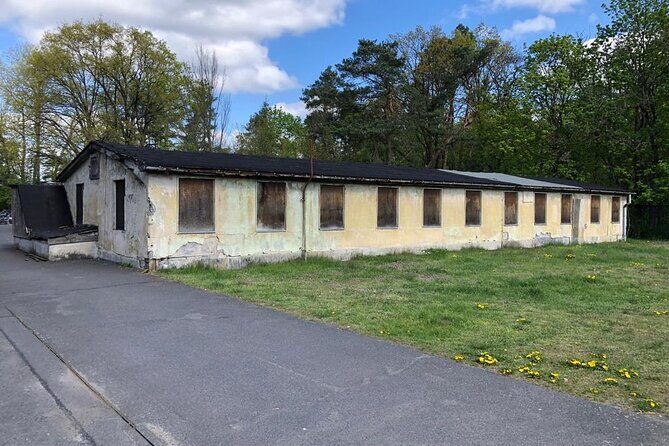
There’s no way around it: Sachsenhausen is emotionally intense. I don’t say that to scare you. I say it because you’ll enjoy the tour more if you prepare practically.
Bring:
- Comfortable shoes, because you’ll be walking.
- A plan for hydration. Snacks aren’t included, so if you need something, plan ahead.
- A calm mindset. This isn’t a “quick look” stop.
On the practical side, the tour lists that service animals are allowed, and it says the experience is near public transportation. That means you’re not completely cut off if you need to manage your own route before or after.
Most people can participate, but you should consider your own comfort with walking and concentration for several hours.
Should you book this Sachsenhausen private tour?
I think you should book it if you want structure, explanation, and less stress getting there. A guided private-vehicle setup is a good match for first-timers who feel overwhelmed by how much there is to understand at a site like Sachsenhausen.
If you’re comfortable doing everything on your own and you already know the camp history well, you might not feel the need for this level of guidance. But if you want the day to feel purposeful—question-friendly, paced, and tied to context—this is a strong choice.
It’s also a great pick for anyone who values small-group learning. A max of 15 people makes it easier to connect with the guide, and the tour’s focus on life stories, key events, and even lesser-seen areas helps you leave with more than just photos.
FAQ
What is the meeting point for the Sachsenhausen concentration camp tour?
The tour starts at Park Inn by Radisson Berlin Alexanderplatz, Alexanderpl. 7, 10178 Berlin, Germany.
What time does the tour start?
The start time is 10:00 am.
How long is the tour?
The duration is approximately 5 hours.
Is the tour offered in English?
Yes, the tour is offered in English.
Is admission to the museum included in the price?
Yes. Admission Ticket Included is listed as part of the experience.
What is included and what is not included?
Included: all fees and taxes. Not included: snacks.
How many people are in a group?
The tour has a maximum of 15 travelers.
What ticket format do I receive?
You get a mobile ticket.
Is there free cancellation?
Yes. You can cancel up to 24 hours in advance for a full refund.
Is the tour accessible for most people, and are service animals allowed?
The information provided says most travelers can participate, and service animals are allowed.