REVIEW · BERLIN
Private 3-Hour Walking Tour of Berlin
Book on Viator →Operated by A Friend in Berlin UG · Bookable on Viator
Berlin’s layers get explained fast. This private 3-hour walk is built around the Berlin Wall era and the city’s most important public landmarks, with the option to customize along the way. The two things I like most are the small-group attention and the way the route links architecture to real events. One thing to consider: it’s a walking tour, so you’ll want solid shoes and a plan for weather since it runs in all conditions.
What makes this feel worth it is that you’re not stuck with a rigid script. I especially like having a knowledgeable local guide who can answer your questions on the fly, rather than you racing through stops like it’s a checklist.
The only real drawback is time. With just about three hours, you’ll see a lot of ground and key sights, but you won’t have long, slow museum time unless you choose to keep going after.
In This Review
- Key things you’ll get from this private Berlin walk
- How a private 3-hour route helps you understand Berlin
- Price and logistics: what $432.55 per group really means
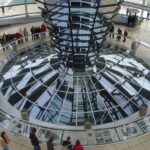
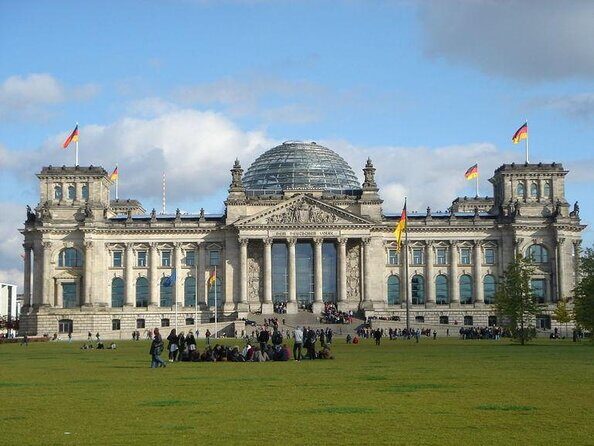
- Reichstag Building: where German politics reinvented itself
- Brandenburg Gate and Berlin’s main axis (Unter den Linden)
- Potsdamer Platz: postwar reinvention, plus iconic modern design
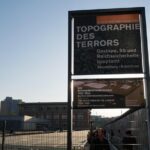
- Topography of Terror: where the past is documented in place
- Checkpoint Charlie: the most famous crossing of a divided city
- Gendarmenmarkt and the Berlin Dome: Berlin at its most formal
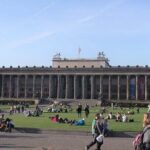
- Museum Island: the easy way to extend your day into real museums
- Customization and guide style: what you should look for
- Walking comfort: small tips that make the whole tour easier
- Who this tour suits best (and who might want a different plan)
- Should you book this private Berlin walking tour?
Key things you’ll get from this private Berlin walk
- Hotel pickup in Berlin so you start the day already in motion
- A private format with enough guide attention for questions and quick course-corrections
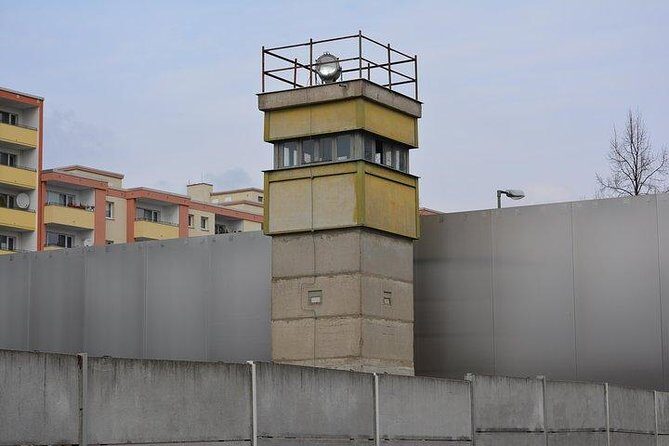
- Berlin Wall remnants at several stops, not just one token photo spot
- Cold War context at Checkpoint Charlie and Topography of Terror
- Landmarks arranged in a logical flow from Reichstag to Museum Island
- English-language guiding for a smooth, no-guesswork experience
How a private 3-hour route helps you understand Berlin
Berlin can feel like a history exam when you visit on your own. One neighborhood points to one era, and the next street changes the story again. This tour’s smart move is that it strings those eras together into a walk you can follow—so you’re not just seeing buildings, you’re getting the “why this matters” behind them.
The private setup is the real advantage. You’re with your group only (small by design), which means you’re not waiting for a crowd to catch up. Your guide can adjust pacing, add a street-level detail you care about, and answer questions without the pressure of a fixed group rhythm.
You can also read our reviews of more walking tours in Berlin


Price and logistics: what $432.55 per group really means
The price is $432.55 per group for up to 6 people, for roughly 3 hours. If you divide that across 6, it comes to about $72 per person—still not cheap, but you’re buying something you rarely get in a shared tour: time and attention.
This is also booked about 35 days in advance on average, which is a clue that it’s a popular way to kick off a first visit. If you’re traveling in peak months or on a short schedule, you’ll probably want to lock it in early.
A practical note: it’s offered in English, and pickup is available from your hotel or private residence in Berlin. That matters in a city where transfers and walking between districts can eat up time.
Reichstag Building: where German politics reinvented itself
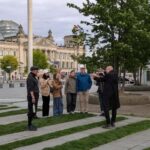
Your first major stop is the Reichstag Building, tied to almost every turning point you’ve heard about—just in a more human, chronological way.
Here’s the story the guide will help you connect:
- It was built in the late 1800s for the German parliament.
- After World War I, it became home to the Weimar Republic parliament.
- In 1933, a fire destroyed much of the interior not long after Hitler rose to power, and the building became closed.
- The idea of a restored, functioning German Parliament returns after reunification, when the building was restored for modern use.
What I like about starting here is momentum. You immediately understand that Berlin isn’t one era—it’s a sequence of political changes written into architecture. Even if you’re not a politics person, you can still track the cause-and-effect.
Brandenburg Gate and Berlin’s main axis (Unter den Linden)
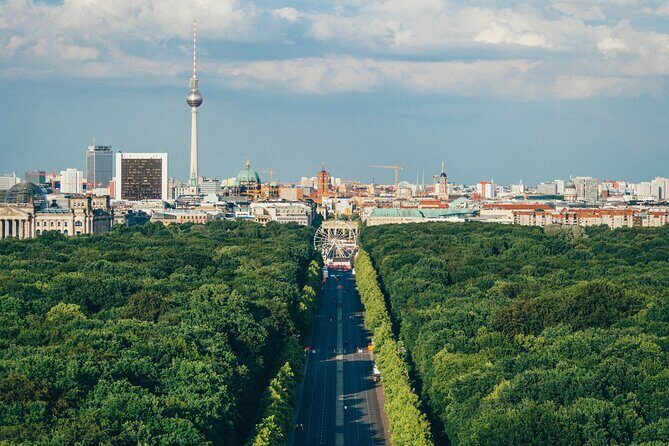
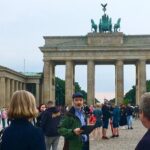
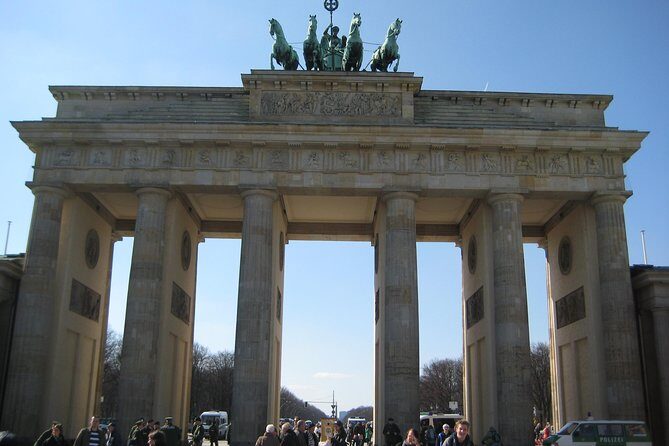
From the Reichstag you move to Brandenburg Gate, arguably Berlin’s most famous landmark. Even if you’ve seen photos, it hits differently once you’ve got context for why the area became symbolic in different eras.
Next comes the long stretch of Unter den Linden, beginning near the Hohenzollern Palace area and stretching toward the Brandenburg Gate. This is one of Berlin’s oldest “big streets,” lined with important buildings—so it’s not just sightseeing. It’s a way to see how power and culture were physically arranged.
As you walk, your guide can point out key sites along the boulevard, including places like the Opera and the Kronprinzenpalais. In practical terms, this part helps you get your bearings fast. You’re building a mental map, not just clicking camera shots.
Potsdamer Platz: postwar reinvention, plus iconic modern design
At Potsdamer Platz, you get a split-screen feel: old trauma in the ground, and new Berlin energy in the buildings around you.
This stop focuses on a few specific things:
- The Sony Center and its striking architecture.
- The chance to see Germany’s oldest traffic light (a small detail, but the kind that makes history feel real).
- The remains of the Berlin Wall, which keep the story from turning into pure modern-city glamour.
- Architecture by major names such as Renzo Piano, plus work associated with Hans Kollhoff and Helmut Jahn.
The value here is balance. Potsdamer Platz can look like a modern shopping-and-office zone if you pass it quickly. With context, you understand it as part of Berlin’s rebuilding after division.
You can also read our reviews of more private tours in Berlin




Topography of Terror: where the past is documented in place
Then you arrive at Topography of Terror. This is one of the stops where the guide’s tone and pacing matter.
The core idea is that this area used to be the SS and Gestapo headquarters. Today, excavated foundations remain visible, and a documentation center sits on the site. You also see remains of the Berlin Wall, linking the Cold War era back to earlier atrocities.
A quick practical consideration: this stop can feel heavy. If you’re traveling with kids or you prefer lighter content, you might ask your guide to emphasize story and context without getting too graphic. The goal is clarity, not shock.
Checkpoint Charlie: the most famous crossing of a divided city
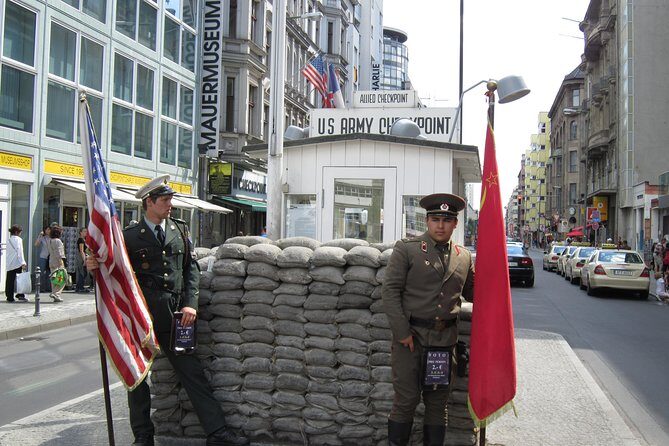
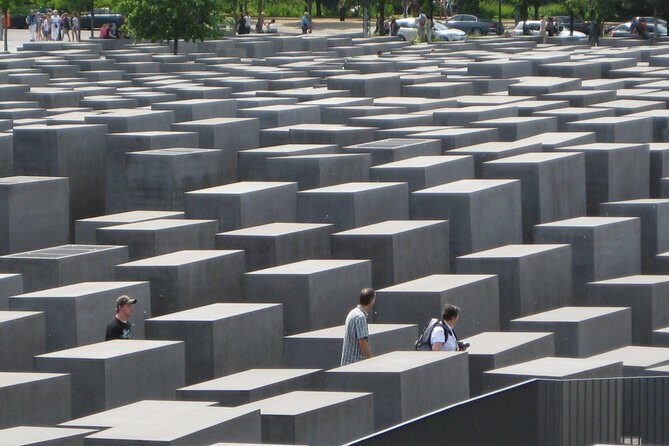
Next is Checkpoint Charlie, the best-known checkpoint for entry into the eastern part of Berlin during the Cold War, specifically for military personnel and foreign—often American—visitors.
This stop works well because it reframes what you’re looking at. Instead of just thinking about a checkpoint as a photo location, you start understanding it as a controlled boundary—one that affected movement, permissions, and daily life.
If you’re curious about how division felt on a practical level, this is a great segment. It makes the Cold War feel less like a chapter in a book and more like rules you can almost imagine enforcing in real time.
Gendarmenmarkt and the Berlin Dome: Berlin at its most formal
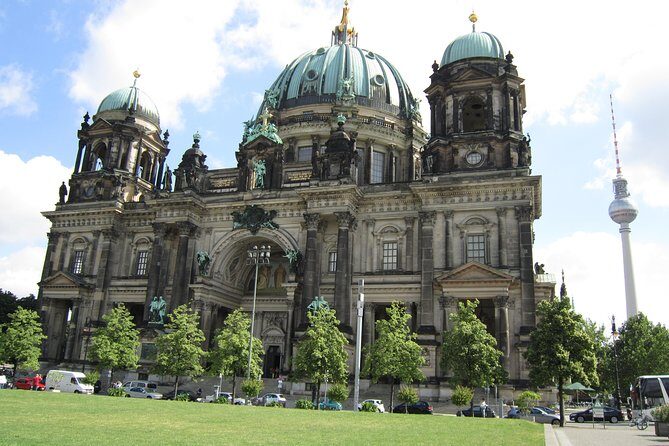
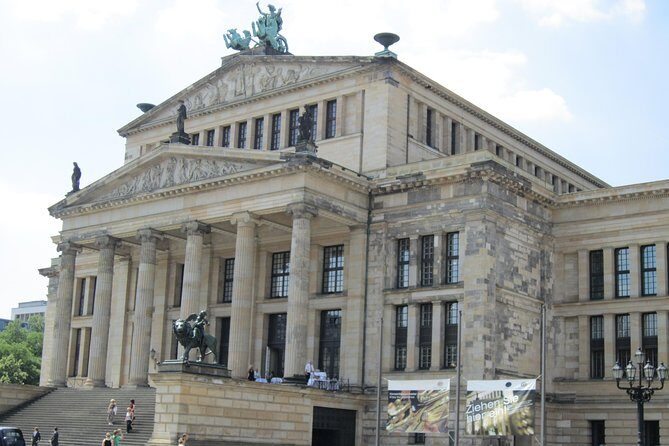
Gendarmenmarkt is a beautiful pause in the route—one of those squares that looks designed for important speeches, not just postcard pictures. The German Dome and the French Dome face each other across the plaza, with Schinkel’s Konzerthaus sitting in the middle.
Then you’ll also come across the Berlin Dome area. It’s described as Germany’s largest Protestant church modeled after St. Peter’s. You’ll also learn that the Hohenzollern family used to worship there, and that members of the family, including King Friedrich Wilhelm I and his wife, are buried here.
What I like about this section is contrast. After heavy history around division, you get a chance to see a side of Berlin that feels orderly and ceremonial—architecture that signals identity and culture.
Museum Island: the easy way to extend your day into real museums
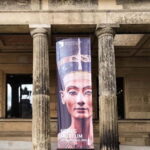
Your final named stop is Museum Island, home to five museums recognized as a UNESCO World Heritage Site. Even though the tour duration is short, this stop sets you up for the next decision: keep exploring on your own.
The two museums specifically called out as great follow-ups are:
- the Pergamon Museum
- the Neues Museum
This is smart planning for your time. You’re not forced to choose right at the start. You finish the walking route and then decide which museum fits your interests and energy level.
Customization and guide style: what you should look for
One of the consistent strengths is that the tour is designed to be customized. In practice, that means you can steer the guide toward what you care about most—politics, architecture, the Berlin Wall story, Cold War boundaries, or the more cultural stops around squares and churches.
The names that pop up in the guide feedback include Sven, Thomas, and Tomas. The common theme is a guide who shows up ready—clear facts, good storytelling, and sensitivity when the subject turns difficult. That combination matters on this route, because you’re moving from power centers to war and repression sites without the pacing turning chaotic.
Walking comfort: small tips that make the whole tour easier
This is a walking tour, about three hours, and it runs in all weather conditions. So treat it like a real outing, not a quick stroll.
A few practical habits that help:
- Wear shoes you trust for cobblestones and long city blocks.
- Bring a light layer even in mild months; Berlin weather can change quickly.
- If you’re hungry, plan for it. Food and drinks aren’t included, and the tour time is tight.
You’ll also want to know that stops include a mix of viewpoints and area access. Even when something is listed as free to visit, you may still be doing it mostly as a guided exterior stop with walking and explanation.
Who this tour suits best (and who might want a different plan)
This experience fits you well if:
- you want a high-quality orientation to Berlin quickly
- you like history, but you want it explained with clear connections
- you prefer a private format with room for questions
- you’re visiting for the first time and want to avoid missing major anchors like Reichstag and Brandenburg Gate
You might choose differently if:
- you only want museum time and hate walking
- you have very limited mobility or stamina (the tour is for most travelers, but it’s still walking)
- your group expects long indoor entry time at every stop
Should you book this private Berlin walking tour?
I think it’s a strong booking when you want a focused Berlin day without planning dozens of moving parts. The route ties together the Reichstag, Brandenburg Gate, Unter den Linden, multiple Berlin Wall remnants, and Cold War landmarks like Topography of Terror and Checkpoint Charlie, then finishes in the beautiful, culture-heavy area around Gendarmenmarkt and Museum Island.
If your group values context and a guide who can handle tough topics with care, this private format is a good match—and it gives you a clean launchpad for whatever you do next, especially museum time afterward.