REVIEW · BERLIN
Understanding Kreuzberg: The roots of local (sub)culture
Book on GetYourGuide →Operated by Looking Glass Tours · Bookable on GetYourGuide
Berlin doesn’t whisper. Kreuzberg talks.
This walk-style tour explains how squatting, activism, and experimental arts turned into everyday life, and it does it with real local texture instead of museum talk.
I especially love how the story stays grounded in places you can actually see: hidden backyards, street art details, and the kind of community projects that still shape daily routines. And I like the simple reward at the midpoint: hot chocolate at Rio-Reiser-Platz with Berlin Chocolatiérs.
One possible drawback: if you’re only after the biggest, most obvious sights, this tour leans more toward neighborhoods, culture, and small spaces than postcard views.
In This Review
- Key highlights you’ll remember
- Kreuzberg’s subcultures: squatting, Wall-era change, and 1970s echoes
- Meeting point and pacing: a walk that ends at U Kottbusser Tor
- The Rio-Reiser-Platz hot chocolate break that actually feels like part of the story
- Hidden backyards, street art details, and the real meaning of “subculture”
- How locals shape Kreuzberg now: activism, social projects, and shared urban visions
- Your guide and the small-group advantage (including Lee)
- Price and value: why $35 can be a smart Berlin buy
- Who should book this Kreuzberg tour
- Should you book Understanding Kreuzberg?
- FAQ
- FAQ
- How long is the tour?
- What is the price?
- Where is the meeting point?
- What does the tour include?
- Is the tour offered in English?
- Where does the tour end?
- Can I cancel for a refund?
Key highlights you’ll remember
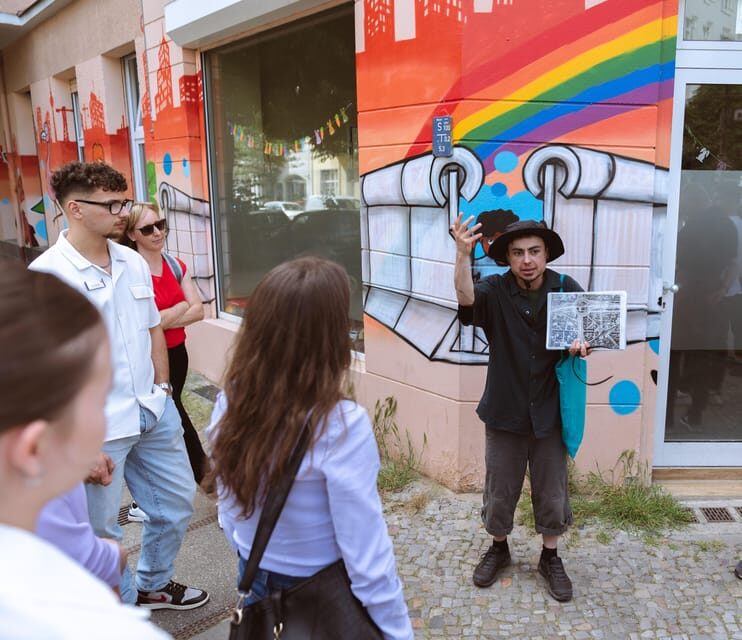
- Squatter-scene legacy explained in human terms, not slogans
- Street art and backyards that change how you look at Kreuzberg
- Wall-era stories tied to what you’ll see today
- Rio-Reiser-Platz stop with a hot drink from Berlin Chocolatiérs
- Lee’s storytelling style that keeps the walk moving and practical
- Small-group chances (including private group options) for better Q&A
Kreuzberg’s subcultures: squatting, Wall-era change, and 1970s echoes
Kreuzberg’s reputation for creativity isn’t random. It grew out of specific conditions—then those conditions stuck around long enough to become tradition. On this tour, you learn why the district became a magnet for artists and activists, and how the values from decades ago show up in modern street life.
A big theme is the squatter movement and the culture around it. You’ll hear how people organized, argued, built community, and claimed space—sometimes unofficially at first, later in ways that influenced the whole neighborhood. The point isn’t just history-as-backstory. It’s how that mindset still shapes what feels normal in Kreuzberg: sharing, experimenting, supporting local projects, and pushing back when the city tries to flatten local identity.
You also get Wall-era stories (and what came after). That matters here because Berlin’s divisions didn’t just change borders; they changed energy, mobility, and who had chances to make art or start initiatives. When you connect those dots, Kreuzberg stops feeling like a label and starts feeling like an outcome.
You can also read our reviews of more tours and experiences in Berlin.


Meeting point and pacing: a walk that ends at U Kottbusser Tor
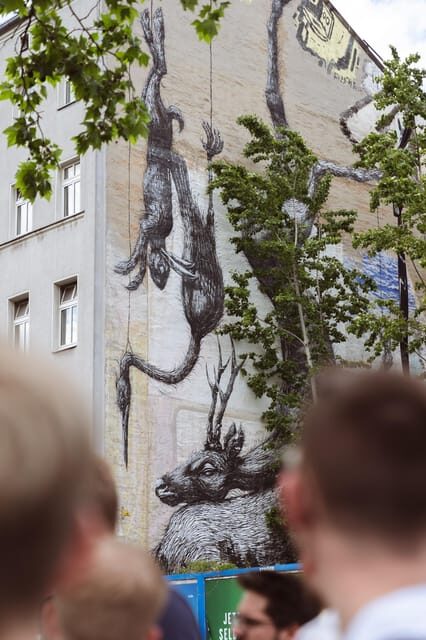
This is built as a moving tour. Plan on a 2-hour to 210-minute experience with a couple of built-in moments to look around and reset.
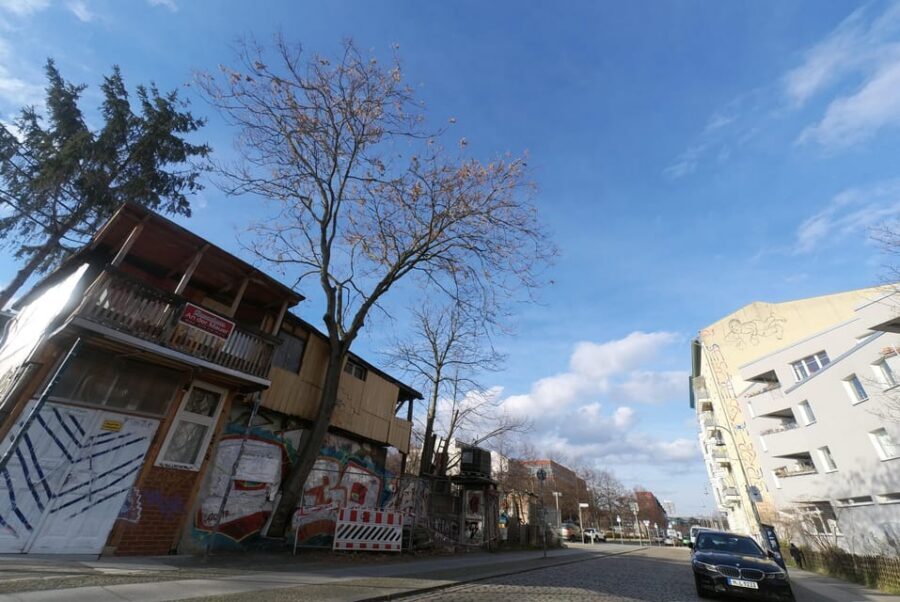
You meet in front of the YAAM entrance, very close to Ostbahnhof. From there, the route takes you into Kreuzberg with a mix of guided walking and short pauses. There’s an early stretch that includes sightseeing and scenic viewpoints along the way. You’ll also get a designated photo stop, so you’re not stuck balancing your camera while the guide keeps talking.
The tour finishes at U Kottbusser Tor. That’s a handy endpoint because it puts you in the middle of transport links and post-walk plans, not out in the middle of nowhere.
Practical tip: wear comfortable shoes. This isn’t a sit-and-watch history class. It’s a “walk and notice” experience, and some of the best moments are the ones you see while moving—like street art that only makes sense when you approach from the right angle.
The Rio-Reiser-Platz hot chocolate break that actually feels like part of the story
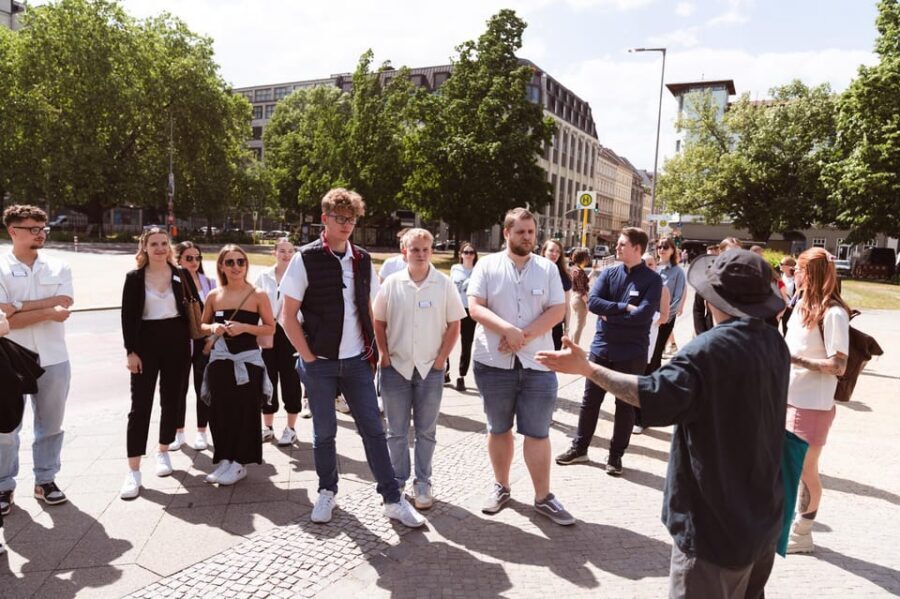
The midpoint break isn’t filler. It’s timed for a reason: Rio-Reiser-Platz is a social node, and the tour uses it to shift from history talk to lived atmosphere.
You’ll treat yourself with hot chocolate from Berlin Chocolatiérs. That small pause is smart for two reasons. First, it gives you a moment to digest what you just learned about activism and community organizing. Second, it puts you in a public setting where the neighborhood vibe is easy to sense without trying too hard.
Even if you’re not a “hot drink person,” I think this stop is worth it. It keeps the tour friendly and human, and it matches the overall tone: this isn’t Berlin explained from a distance. It’s Berlin you can taste and feel.
Hidden backyards, street art details, and the real meaning of “subculture”
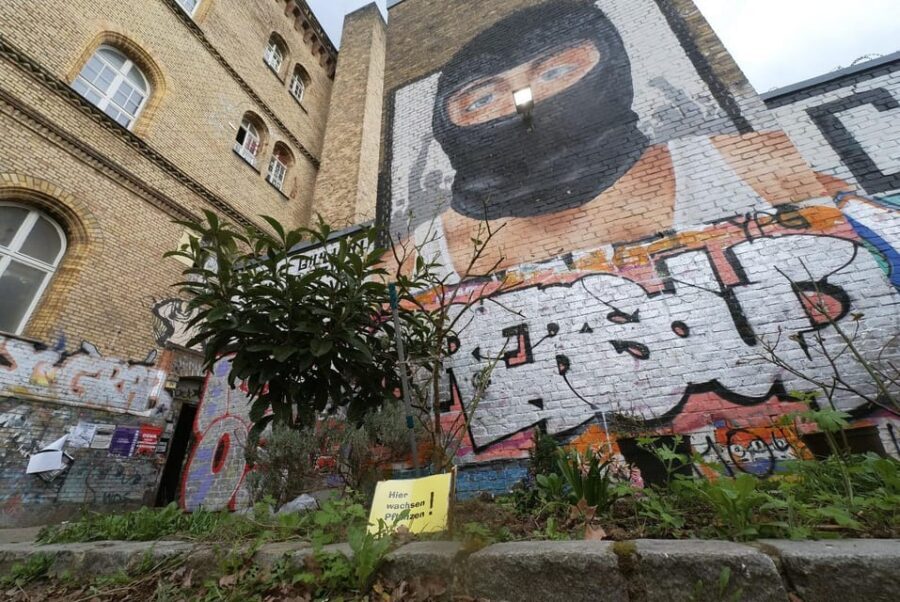
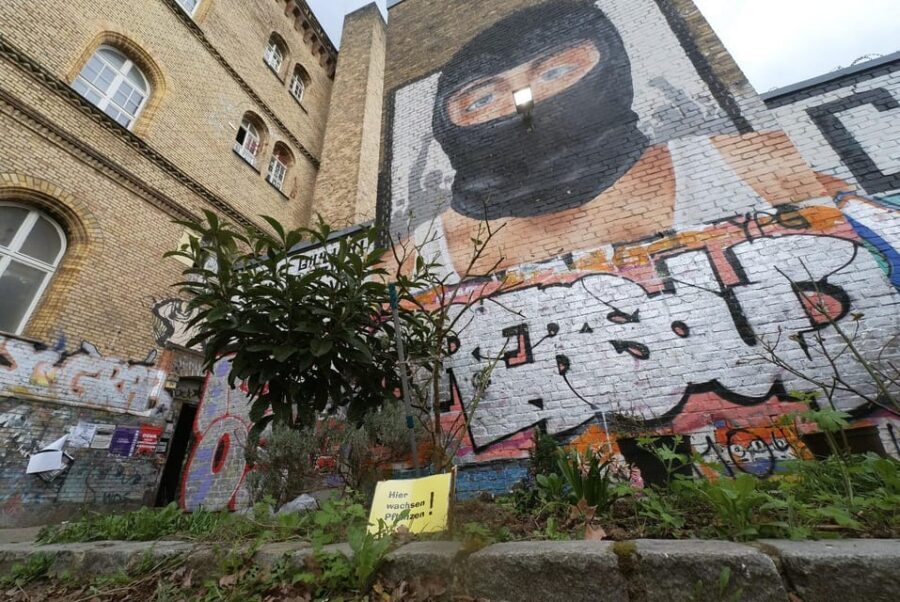
Kreuzberg’s story isn’t only on main streets. The tour takes you toward places that feel like they shouldn’t be public at first glance—then you realize they’re public life in another form: courtyards, backyards, and side spaces where residents express identity.
You’ll also discuss examples of local street art. The value isn’t just naming an artwork. The guide helps you read what the art is doing socially—what it reacts to, what it supports, and how it fits into the long-running culture of making space for ideas that don’t come from official channels.
This is where the tour changes your perspective fast. After you connect squatting-era values to what you see today, street art stops being decoration and starts feeling like communication. Backyards stop being “cute views” and start being evidence of community organization and informal creativity.
And yes, you may get a few stories that sound almost too strange to be real. Those stories aren’t there to entertain you at the expense of accuracy. They’re there to show how quickly Berlin life changed during and after the Wall—and how that instability helped shape the district’s experimental energy.
How locals shape Kreuzberg now: activism, social projects, and shared urban visions
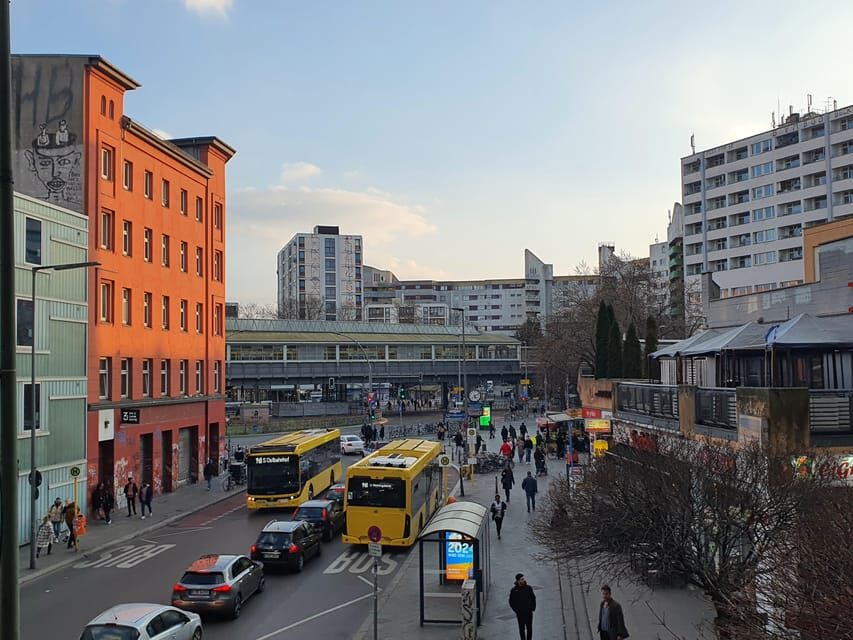
The best part of this tour is the shift from past to present. You don’t just learn how Kreuzberg got its reputation—you learn how people shape the district together now.
A key thread is the way earlier activism and experimental arts values carried forward into today’s everyday routines. You’ll hear about social and environmental projects organized by locals, including how the culture of collaboration affects what happens on the ground. It’s less about famous institutions and more about community energy—people building initiatives, supporting each other, and keeping local priorities alive.
This is also why the tour feels different from the usual “look, this is old” format. Here, the guide shows you that culture is not frozen. It’s practiced. That’s why you’ll keep noticing details after the walk—signs of community involvement, styles of public communication, and the way people use shared space.
If you like places where residents still have agency, you’ll feel it here.



Your guide and the small-group advantage (including Lee)
The tour runs with a live guide in English, German, or Russian. In practice, I love that you can ask questions without the guide rushing to keep pace for a huge crowd.
The guide’s style matters a lot on a neighborhood tour, and the best feedback here points to Lee in particular. Lee’s approach comes across as story-driven but grounded, with an easy charm that keeps the pace lively. You also get practical extras—like tips on where to eat or go after the tour—so you don’t just finish with knowledge. You finish with a next step.
Group size can also make a difference. There’s room for private group options, and small-group settings happen. When that’s the case, you’ll likely get more personal attention and more room for questions about what you’re seeing in real time.
Price and value: why $35 can be a smart Berlin buy
At $35 per person for about 2 to 210 minutes, the value depends on what you want from Berlin.
If you want a quick overview of a few landmarks, you might find cheaper options. But if you want to understand why Kreuzberg feels the way it does—especially through the lens of squatting, activism, and how those ideas persist—the pricing makes sense. You’re paying for an experienced local guide, a walk through meaningful streets, and a planned cultural stop with hot chocolate from a local business.
That hot beverage isn’t just a perk. It’s part of the pacing and the neighborhood feel, and it gives you a clean moment to step back and think while you’re still in the middle of the story.
Who should book this Kreuzberg tour
This is a great pick if you:
- like neighborhood culture more than big monument lists
- want context for street art, courtyards, and community projects
- enjoy walking tours that mix history with real-world observation
- appreciate guides who can connect past events to today’s street life
You might want to skip if you only want classic sightseeing highlights with minimal walking and maximal “wow factor” photos. This tour’s wow is more subtle: it’s the realization that the district’s personality has rules and origins you can actually learn.
Should you book Understanding Kreuzberg?
If you’re spending more than a day in Berlin and you want one tour that changes how you see Kreuzberg, I’d book this. It’s practical, story-forward, and built around places that help the ideas land in your head.
Go for it if you like the idea of learning the district’s logic—why people organize, how subcultures become everyday life, and what that means when you’re walking those streets yourself. Skip it only if your plan is “one quick bus tour, then pictures.” This is for people who enjoy noticing details, even when they’re small.
FAQ
FAQ
How long is the tour?
The duration is listed as 2 hours up to 210 minutes, depending on the starting time and the flow of the walk.
What is the price?
It costs $35 per person.
Where is the meeting point?
The meeting point is in front of the YAAM entrance, very close to Ostbahnhof.
What does the tour include?
You get a guided tour with an experienced local guide and one hot beverage (chocolate, coffee, or tea) in collaboration with a local small business.
Is the tour offered in English?
Yes. The live tour guide is available in English, German, and Russian.
Where does the tour end?
The tour finishes at U Kottbusser Tor.
Can I cancel for a refund?
Yes, free cancellation is available up to 24 hours in advance for a full refund.