REVIEW · BERLIN
An Introduction to Berlin Walking Tour
Book on Viator →Operated by Insight Cities · Bookable on Viator
Berlin’s history is right there on the street. I love how this 3-hour tour connects big turning points—from Prussian militarism to 20th-century Berlin—directly to places you can stand in front of. You also get a small group and a historian guiding the story, so the stops feel like meaning, not just photos.
The strongest part for me is the pacing and focus: you hit major landmarks without feeling like you’re rushing through a checklist. One catch: you’ll do a fair amount of walking, plus you may take public transport a few times, so comfy shoes and a simple transit plan matter.
In This Review
- Key points before you go
- Why This 3-Hour Berlin Walking Tour Works
- Starting at Unter den Linden 42: Where Your Walk Gets Its Shape
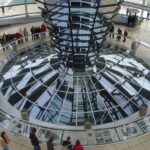
- Reichstag Building: The Glass Dome and the Promise of Democratic Government
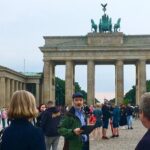
- Brandenburg Gate: A Neoclassical Reminder That Power Changes Hands
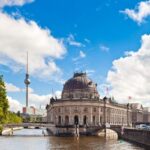
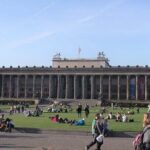
- Museum Island: Prussian-Era Museums That Still Shape What Berlin Feels Like
- Potsdamer Platz: Watching Berlin Rebuild After the Wall
- Unter den Linden and Tiergarten: Boulevard Power to Park Peace
- The Holocaust Memorial: Peter Eisenman’s Design and How to Experience It
- Hackescher Markt: Art Nouveau Courtyards and the Pre-War Layer
- Price and Value: What $156.53 Buys You
- What You’ll Learn (and Why the Story Matters)
- Who Should Book This Tour
- Should You Book This Berlin Walking Tour?
- FAQ
- How long is the Berlin walking tour?
- How many people are in the group?
- What language is the tour offered in?
- Where do I meet the tour, and where does it end?
- Are admission tickets included for the stops?
- What’s included in the price?
- Is food or drinks included?
- Do I need public transport during the tour?
- What is the cancellation policy?
Key points before you go
- Small group, max 8 people so you can actually ask questions and get straight answers.
- Historian-led explanations that link Prussia, the 20th century, and the city you see today.
- Major Berlin landmarks in one route including Reichstag, Brandenburg Gate, Museum Island, Potsdamer Platz, and Unter den Linden.
- Time with the Holocaust Memorial to experience its design as a place for reflection, not a quick photo stop.
- Free admission for the listed stops (as shown for each stop), which cuts down on ticket hassle.
- Mobile ticket included, and your guide can help you with transit planning if you need it.
Why This 3-Hour Berlin Walking Tour Works
Berlin can feel like two cities at once. This tour keeps it readable by organizing the story around key sites and themes. You’re guided by people with serious academic and media backgrounds—professors, doctoral students, journalists—and they’re there to explain what you’re looking at in plain language.
I like that the tour is built for focus. In about three hours, you cover central landmarks that would otherwise require multiple separate stops and a lot of guesswork. The small group size also changes the vibe. With fewer people, the guide can slow down when questions come up, instead of steamrolling the group.
Value matters here. At $156.53 per person, you’re paying for guided context and time with a historian, not just movement from A to B. If you’re the type who likes to understand why a building or street looks the way it does, this price starts to make sense. If you mainly want a casual stroll with no history, you may feel like you’re paying for a lesson you didn’t ask for.
You can also read our reviews of more walking tours in Berlin



Starting at Unter den Linden 42: Where Your Walk Gets Its Shape
Your meeting point is Unter den Linden 42 (10117 Berlin). That’s a smart start because it places you immediately on Berlin’s grand “main boulevard” energy. Before you even reach the obvious landmarks, you’re already in the visual language of the city: wide streets, formal lines, and architecture that reflects power and planning.
Expect a brisk rhythm. The tour is around three hours and it’s packed with stops, so you won’t linger for long at every corner. That’s good news if you like momentum. It’s less ideal if you prefer slow wandering and lots of free time.
One practical thing I’d plan for: distances between central sites can be awkward on foot. The tour uses public transport a few times, so if you don’t already have a visitor pass, consider getting a Berlin day metro ticket. The tour even suggests you can buy the ticket at the first metro station if needed. For many visitors, that’s the difference between a smooth day and a mildly stressful one.
Reichstag Building: The Glass Dome and the Promise of Democratic Government
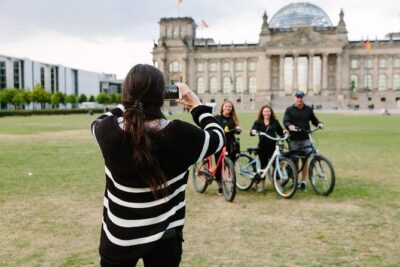
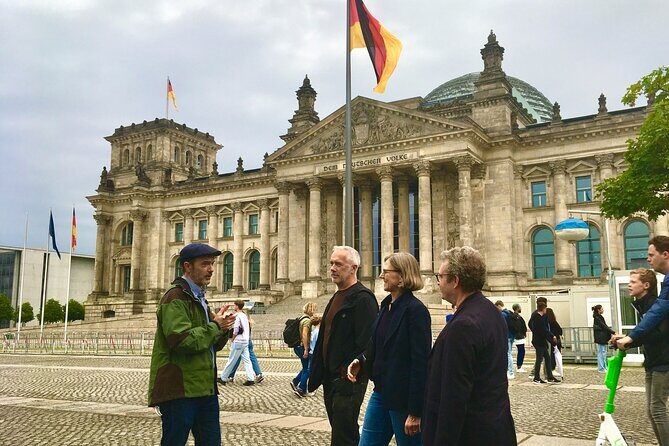
You begin at the Reichstag building, the meeting place of Germany’s national legislature, the Bundestag. This stop works well even if you’re not an architecture nerd, because it gives you a real anchor point. You’re not just looking at a famous structure—you’re learning how Germany chose to represent government after major upheavals.
The big visual hook is the glass dome added in the 1990s by Norman Foster. That design became an iconic symbol of the country’s commitment to democratic governance. In plain terms: the building doesn’t just function as a seat of power—it projects an idea of transparency, and you’ll hear why that matters.
Timing is tight here (about 15 minutes). That means you should keep your camera ready, but also listen closely. The guide’s job is to explain what you’re seeing fast enough that it sticks.
Brandenburg Gate: A Neoclassical Reminder That Power Changes Hands
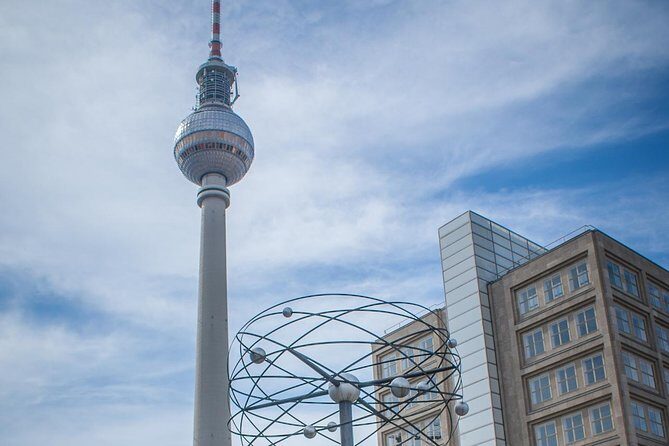
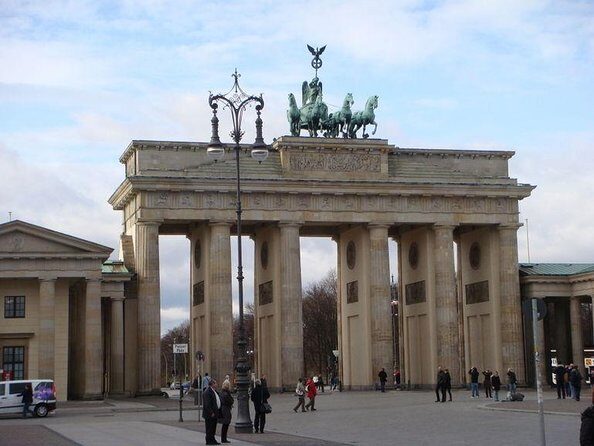
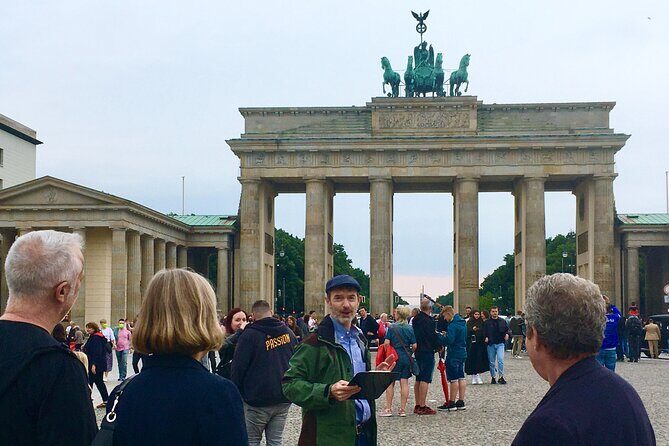
From there, you move to the Brandenburg Gate, built in the 18th century on the orders of Prussian king Frederick William II. This is one of those landmarks where history keeps repeating itself in different costumes. You’re standing in a structure that has witnessed major moments in Berlin’s story, including Napoleon’s entrance and a Ronald Reagan cold war speech.
The tour’s framing is what makes this stop click. It’s not just about the gate as a pretty postcard. It’s about the way Prussian ambitions, later German politics, and Cold War narratives all echo through a single monument.
You get around 20 minutes here. It’s enough time to absorb the symbolism and understand why the gate became so central to how the world viewed Berlin. The only drawback is that this is a busy place. Even with a short visit, you’ll want to keep your expectations realistic: you’re learning, not escaping crowds.
Museum Island: Prussian-Era Museums That Still Shape What Berlin Feels Like
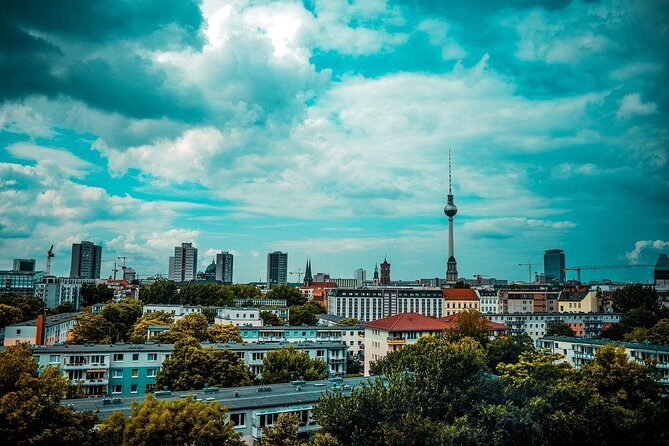
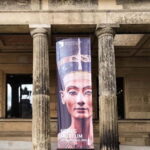
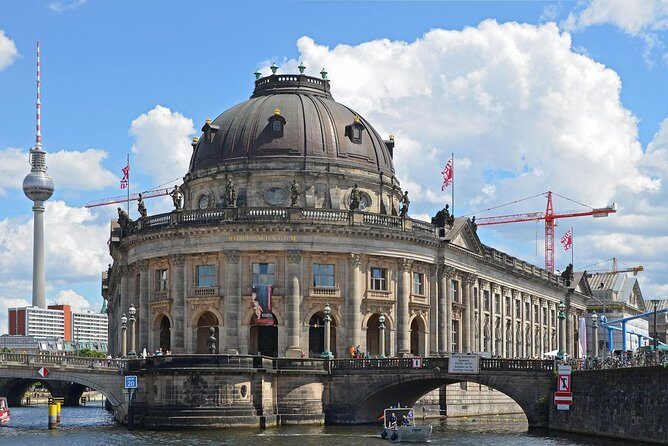
Next up is Museum Island on Spreeinsel (Spree Island). This is a unique museum ensemble built under the Prussian rulers, and you’ll hear how those choices shaped Berlin’s cultural identity. The major names come fast: the Pergamon, the Neues Museum, and the Alte Nationalgalerie.
Even if you don’t go inside any museum during the walk, this stop still pays off. Why? Because the buildings themselves help you understand a bigger idea: rulers used culture as policy. Art and collections weren’t only entertainment. They were tools for legitimacy and national identity.
Expect about 25 minutes at this stage. That’s plenty to appreciate the layout and learn the context, but not enough for a full museum visit. If museums are your main reason for coming to Berlin, consider using this walk for understanding, then coming back later for deeper time at the sites you care most about.


Potsdamer Platz: Watching Berlin Rebuild After the Wall
Then the tour heads to Potsdamer Platz, a historic square that has been reborn since the fall of the Berlin Wall. This stop is a shortcut into modern Berlin’s story: what happens when a divided city suddenly becomes connected again.
The square today is a hub for entertainment, restaurants, and shops. But the guide’s job is to help you see past the obvious present-day energy and understand the transformation. This is where the abstract themes from the early history of Prussian militarism and the 20th century start tying into something tangible: a city remade by political change.
You’ll get about 15 minutes here. That’s short, but it’s also strategic. The goal is to connect history to the physical space so you don’t just think of Berlin as a set of museums and monuments.
Unter den Linden and Tiergarten: Boulevard Power to Park Peace
You then walk along Unter den Linden, Berlin’s grand boulevard running from the City Palace toward the Brandenburg Gate. It’s named for the linden trees lining the street, and it’s often compared to Paris’s Champs-Élysées in terms of how formal and ceremonial it feels.
This section is about scale and mood. Standing on this avenue, you can sense how planning and authority shape a city. The guide uses the street to explain how Berlin built a public stage for power, culture, and public life.
After that, you reach Tiergarten, Berlin’s most famous inner-city park. In only 10 minutes, you’re not doing a long nature hike. You’re getting a quick reset: gardens, statuary, and the kind of green space that makes Berlin’s center feel livable.
This combined stretch is one of the best parts if you like variety. You get both the formal street and the calmer park. The only consideration: if the weather is bad, park time can feel shorter and less pleasant, so plan for layers.
The Holocaust Memorial: Peter Eisenman’s Design and How to Experience It
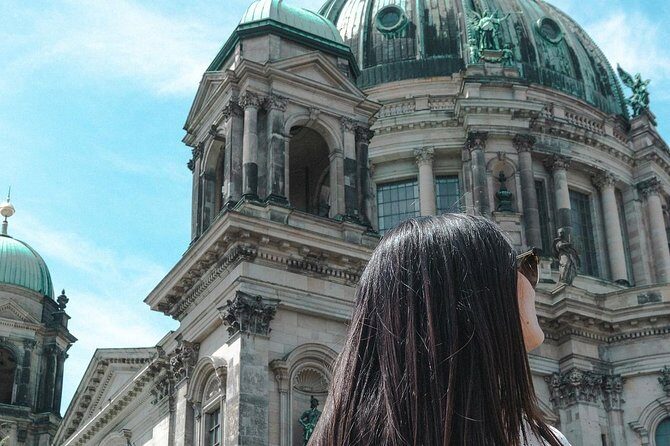
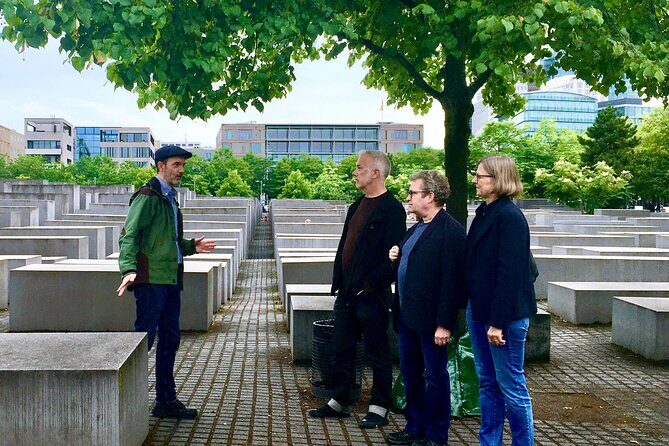
Next is the Memorial to the Murdered Jews of Europe, designed by architect Peter Eisenman and opened in 2005. You’ll see the structure made of 2711 concrete slabs of different heights that let you enter a somber labyrinth-like space for reflection.
This stop is emotionally heavy. That’s exactly why the guide’s framing matters. You don’t need theatrics; you need pacing and attention. Take your time stepping between the slabs. Notice how the spaces change your sense of direction. The experience is built to feel disorienting in a quiet way.
You only spend around 10 minutes here, so if you need more time, keep that in mind before you rely on the tour for a full emotional visit. For many people, this is enough to get oriented and understand the design intent. For others, it may feel rushed.
Tip: treat this as a moment to slow your phone habits too. Your best memories from this stop are the ones you experience without constantly checking a screen.
Hackescher Markt: Art Nouveau Courtyards and the Pre-War Layer
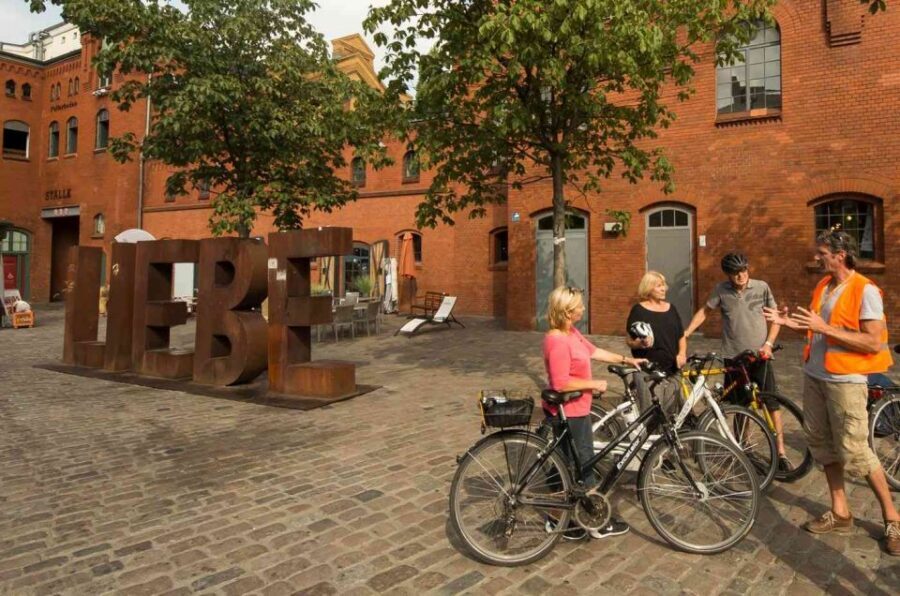
The final major stop is Hackescher Markt, a lively square with preserved Art Nouveau courtyards from pre-war Berlin. This is a different kind of payoff than the monuments. Instead of grand state power, you get a glimpse into daily life and architectural style from earlier eras.
The time here is about 15 minutes. That’s long enough to notice the courtyards and understand why the area matters, but not long enough to wander every lane in depth. If you want to keep exploring, Hackescher Markt is the kind of area that makes it easy to continue on your own after the tour ends.
This stop also helps you end on something human-scale and visually interesting rather than ending on a memorial or government building. It’s a good “landing” after all the heavy themes earlier in the walk.
Price and Value: What $156.53 Buys You
The headline price is $156.53 per person for a tour of about 3 hours with a historian. You’re paying for guided interpretation, small-group attention (max 8), and an efficient route that hits major Berlin landmarks.
You’re also getting mobile ticket convenience and free admission for the listed stops, which reduces the extra costs that can pop up on other walking tours. That matters in Berlin, where a day can get pricey fast if tickets and museum entry start stacking up.
What’s not included: food and drinks, and you’ll use public transport a few times. The tour suggests planning with a day metro pass if you don’t already have one. The numbers given are:
- One-way AB ticket: 2.8 Euro
- Senior one-way: 1.70 Euro
- Day ticket for one person: 7 Euro
- Senior day ticket: 4.70 Euro
If you’re traveling with a transit plan already, your day is basically predictable. If you’re arriving without transit sorted, budget a bit of time (and a little patience) for getting your ticket, even though your guide can help you purchase it at the first metro station.
What You’ll Learn (and Why the Story Matters)
This is a Berlin tour where the guide connects threads. You start with government and symbolism, move into Prussian-era cultural ambition, pass through the post-Wall transformation, then land on the Holocaust Memorial with space for reflection.
The tour also focuses on how early Prussian militarism influenced 20th-century Berlin. That theme might sound abstract until you’re standing in front of the sites tied to power, state building, and political turning points. The point isn’t to turn Berlin into a single lecture. It’s to give you a mental map so you understand what you’re seeing.
One more plus: guides include academics and media professionals, and when the guide leans into architecture and visual details, the whole route feels like a walking lesson built around what your eyes catch first. For example, one guide named Dan was highlighted for leading from an architect’s perspective and keeping the group moving at a great pace, then sending the small group off for lunch at a nearby Italian spot.
Who Should Book This Tour
This walk is a strong fit if you:
- Want a 3-hour Berlin overview with context, not just landmark spotting
- Prefer a small group format
- Like explanations tied to buildings, monuments, and the way a city remembers itself
- Are comfortable with a mix of walking and a bit of metro travel
It may be less ideal if you:
- Want long museum time or lots of unscheduled free time
- Prefer a strictly leisurely pace
- Are planning to do a fully independent Berlin day with no structured route
Should You Book This Berlin Walking Tour?
I’d book it if you want your first Berlin day to make sense quickly. The combination of Reichstag, Brandenburg Gate, Museum Island, Potsdamer Platz, Unter den Linden, Tiergarten, the Holocaust Memorial, and Hackescher Markt is the kind of route that gives you a strong orientation. You’ll come away understanding how Berlin’s political past shows up in architecture and public space.
I’d think twice if you get overwhelmed by emotional sites and would rather do the Holocaust Memorial at your own pace. In that case, you might still book, but plan extra standalone time afterward so the meaning isn’t rushed.
If your goal is value—meaning you want deep context in a limited time window—this small-group historian-led tour is a practical choice.
FAQ
How long is the Berlin walking tour?
It runs for about 3 hours.
How many people are in the group?
The tour has a maximum of 8 travelers.
What language is the tour offered in?
It’s offered in English.
Where do I meet the tour, and where does it end?
You meet at Unter den Linden 42, 10117 Berlin, Germany. It ends in Berlin (the exact end point is not specified beyond that).
Are admission tickets included for the stops?
The tour lists admission tickets as free for the stops mentioned.
What’s included in the price?
The tour includes a 3-hour Berlin walk in the company of a historian.
Is food or drinks included?
No. Food and drinks are not included.
Do I need public transport during the tour?
Yes, you’ll use public transport a few times because some distances between key sites are too far to walk comfortably.
What is the cancellation policy?
You can cancel for a full refund up to 24 hours before the experience starts. Cancellation less than 24 hours before the start is not refunded.